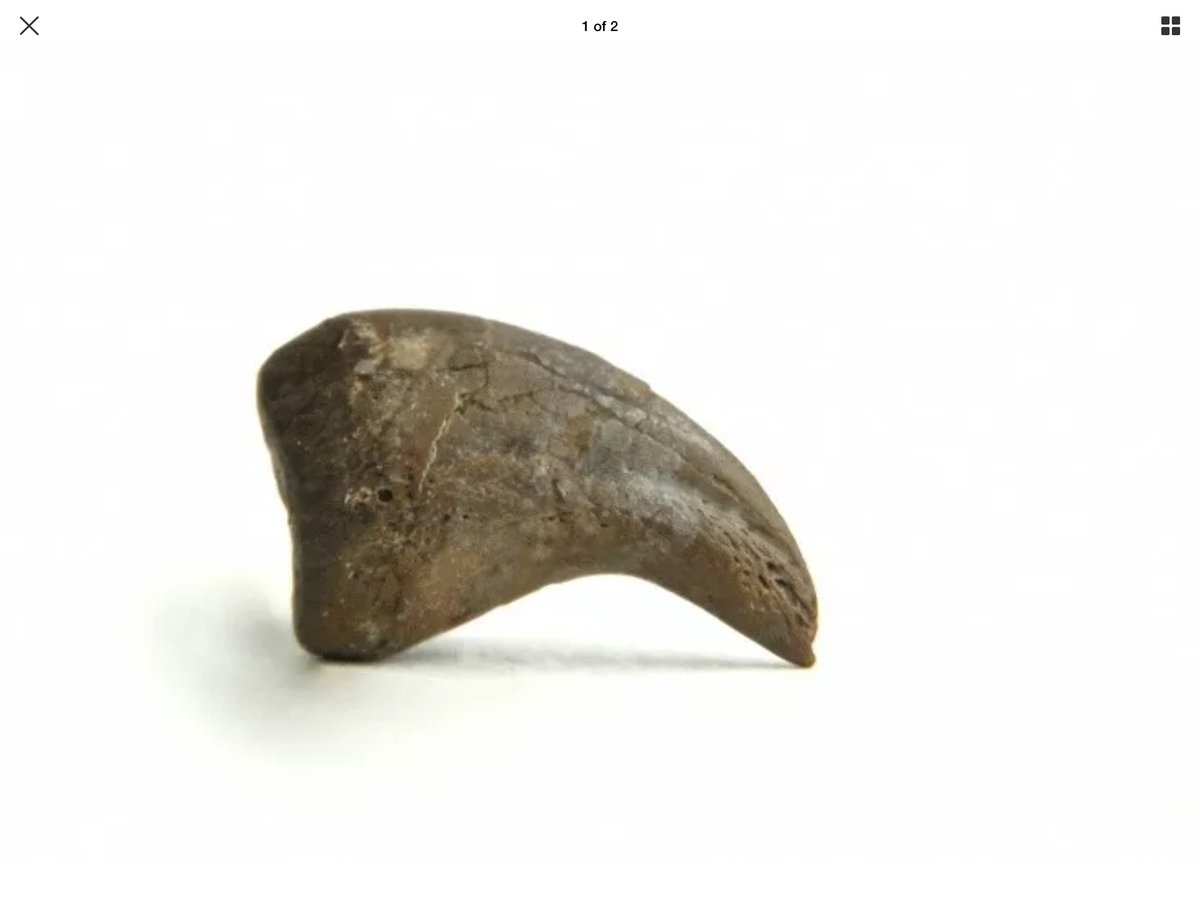
Rugose Horn Coral
Zaphrentis phrygia
Image: Image sourced via web search (Fair use / Educational)
About Rugose Horn Coral
Zaphrentis phrygia, commonly known as the rugose horn coral, was a solitary, benthic marine invertebrate that thrived during the Devonian Period, approximately 419 to 359 million years ago. Belonging to the extinct order Rugosa, this organism is one of the most iconic and frequently encountered fossils from the Paleozoic Era, particularly within the ancient marine deposits of North America. As a primary constituent of the extensive reef systems that characterized the middle Paleozoic, Zaphrentis phrygia played a crucial role in the structural framework and ecological dynamics of ancient shallow seas. Its distinct horn-like shape and robust calcareous skeleton have made it a vital index fossil for stratigraphers and paleontologists seeking to understand Devonian marine environments, paleoclimatology, and the evolutionary history of cnidarians. The sheer abundance of these fossils provides an unparalleled window into the biological and geological processes that shaped the Earth's early oceans.
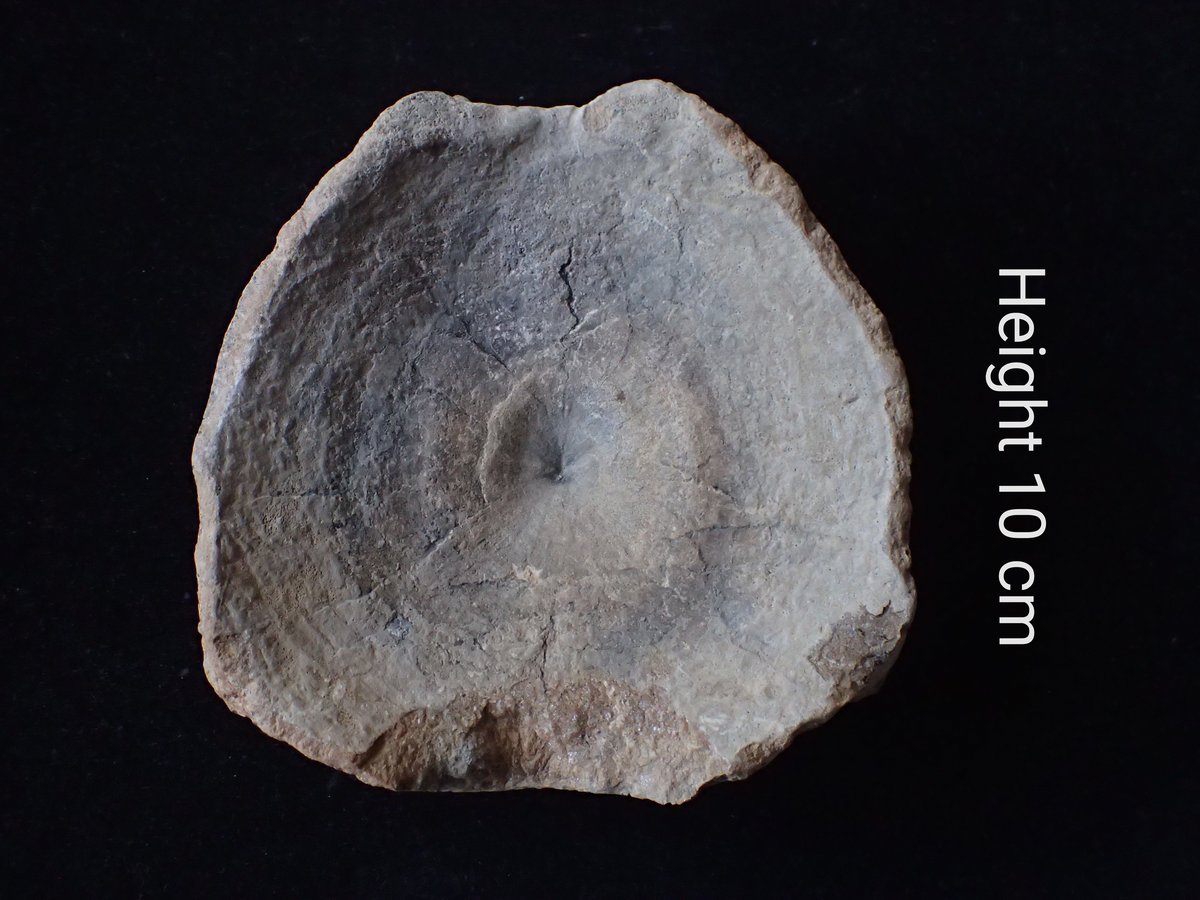
The physical anatomy of Zaphrentis phrygia is characterized by its distinctive conical or horn-shaped corallum, which typically measures between five and ten centimeters in length, though some exceptional specimens can grow slightly larger. This solitary coral secreted a robust skeleton composed of calcium carbonate, specifically in the form of calcite, which has contributed significantly to its excellent preservation in the fossil record. The exterior of the corallum is covered by a wrinkled, concentric growth layer known as the epitheca, which gives the order Rugosa its name, derived from the Latin word 'rugosus' meaning wrinkled. At the wider, upper end of the cone lies the calice, a cup-like depression where the living coral polyp resided. The interior of the calice is marked by a complex arrangement of radiating vertical plates called septa. In Zaphrentis phrygia, these septa display a distinct bilateral symmetry, a hallmark of rugose corals, with a prominent gap or depression known as the cardinal fossula. This fossula is a key diagnostic feature for the genus Zaphrentis. Below the calice, the interior of the skeleton is partitioned by horizontal plates called tabulae, which the polyp secreted as it grew upward to maintain its position at the top of the expanding cone. Unlike modern scleractinian corals, rugose corals like Zaphrentis lacked the complex, porous skeletal structures seen today, resulting in a much denser and heavier skeleton relative to its size. The soft tissue of the polyp, though never preserved, is inferred to have been similar to modern sea anemones, equipped with a ring of stinging tentacles surrounding a central mouth, used to capture microscopic prey from the water column.
In terms of paleobiology, Zaphrentis phrygia was a benthic suspension feeder, relying on the ambient currents of its shallow marine habitat to deliver food particles. The living polyp would extend its tentacles, armed with specialized stinging cells called nematocysts, to capture zooplankton, small organic detritus, and potentially microscopic larvae drifting in the water. As a solitary coral, it did not form the massive, interconnected colonies characteristic of many modern reef-building corals, but rather lived as an individual organism resting on or partially embedded in the soft sea floor. Its curved, horn-like shape is thought to be an adaptation for maintaining stability in the sediment; the pointed apex would anchor into the mud or sand, while the upward curve ensured the calice and the living polyp remained elevated above the murky substrate, preventing suffocation from settling silt. Growth patterns in Zaphrentis phrygia, visible as fine growth lines on the epitheca, suggest that these organisms grew incrementally, with daily and seasonal variations in calcium carbonate deposition. Paleontologists have utilized these growth bands to estimate the length of the Devonian year, calculating that the Earth's rotation was faster at that time, resulting in a year consisting of approximately 400 days. The metabolism of these corals was likely relatively slow, consistent with other passive filter feeders, though there is ongoing debate regarding whether rugose corals possessed symbiotic photosynthetic algae (zooxanthellae) in their tissues, as many modern shallow-water corals do. If they did, this would have significantly boosted their metabolic rate and calcification abilities.
The ecological context of Zaphrentis phrygia was set within the warm, shallow epicontinental seas that covered much of the Earth's landmasses during the Devonian Period, an era often referred to as the 'Age of Fishes.' The global climate was generally warm and equitable, with high sea levels creating vast expanses of submerged continental shelves. Zaphrentis phrygia was a prominent resident of the extensive reef ecosystems of this time, which were primarily constructed by a combination of stromatoporoids (extinct sponge-like organisms) and tabulate corals, with rugose corals adding to the biodiversity and structural complexity. These Devonian reefs were teeming with life, hosting a rich community of brachiopods, crinoids, bryozoans, and trilobites. In the water column above, early jawed vertebrates, including formidable placoderms like Dunkleosteus, as well as primitive sharks and lobe-finned fishes, patrolled the reefs. Zaphrentis phrygia occupied a foundational position in the food web as a primary consumer of microplankton, while simultaneously providing microhabitats for smaller encrusting organisms that attached to its hard exterior. Predation on the adult corals was likely limited due to their hard calcite skeletons and stinging tentacles, though some fossilized coralla show evidence of boring by ancient sponges or worms, indicating complex parasitic or commensal relationships within the reef community.
The discovery and scientific description of Zaphrentis phrygia trace back to the early 19th century, a foundational period for the science of paleontology. The genus Zaphrentis was first established by the eccentric and prolific naturalist Constantine Samuel Rafinesque and the paleontologist Charles Alexandre Lesueur in 1820, based on specimens collected from the fossil-rich limestone deposits of the American Midwest, particularly around the Falls of the Ohio near Louisville, Kentucky. The specific epithet 'phrygia' was later applied to describe the classic horn-shaped specimens found abundantly in the Onondaga Limestone of New York State and the Jeffersonville Limestone of the Midwest. These geological formations became legendary among early geologists. Prominent figures such as James Hall, the pioneering State Paleontologist of New York, extensively studied and cataloged Zaphrentis specimens during his monumental surveys of North American paleontology in the mid-to-late 1800s. The sheer abundance of these fossils meant they were among the first prehistoric organisms encountered by early European settlers and naturalists in North America, often collected as curiosities before their true biological nature was understood. Today, type specimens and historically significant collections of Zaphrentis phrygia are housed in major institutions like the Smithsonian National Museum of Natural History and the American Museum of Natural History, serving as crucial reference points for ongoing taxonomic studies.
The evolutionary significance of Zaphrentis phrygia lies in its representation of the order Rugosa, a major and highly successful lineage of Paleozoic cnidarians that ultimately met their demise during the catastrophic Permian-Triassic extinction event. Rugose corals first appeared in the fossil record during the Middle Ordovician period and rapidly diversified, becoming dominant components of marine ecosystems for over 250 million years. Zaphrentis phrygia, with its classic solitary form and bilateral septal insertion pattern, exemplifies the anatomical divergence of rugosans from other coral lineages. The evolutionary relationship between extinct rugose corals and modern scleractinian (stony) corals remains a subject of intense scientific inquiry. While both groups secrete calcium carbonate skeletons, the fundamental differences in their symmetry—rugose corals being bilaterally symmetrical with septa added in four quadrants, whereas scleractinians are radially symmetrical with septa added in multiples of six—suggest they may not be directly ancestral. Instead, it is widely hypothesized that modern corals evolved independently from a soft-bodied anemone-like ancestor in the early Mesozoic, following the complete extinction of the Rugosa. Therefore, Zaphrentis phrygia represents a fascinating evolutionary dead end, a highly specialized and successful adaptation to Paleozoic marine environments that could not survive the severe environmental upheavals at the close of the era.
Scientific debates surrounding Zaphrentis phrygia and its relatives primarily focus on taxonomy, paleoecology, and the potential presence of photosymbionts. The taxonomy of the family Zaphrentidae has undergone numerous revisions over the past century, as early paleontologists often created new species names based on minor morphological variations that modern scientists now recognize as natural phenotypic plasticity within a single species. Differentiating true Zaphrentis from closely related genera like Heliophyllum or Streptelasma often requires meticulous thin-sectioning of the fossil to examine microscopic internal structures, leading to ongoing reclassifications. Another major debate centers on whether solitary rugose corals like Zaphrentis harbored symbiotic zooxanthellae. While their large size and rapid calcification rates suggest they might have benefited from such a relationship, the lack of definitive isotopic evidence and the fact that many lived in deeper, lower-light environments than modern reef-building corals leave this question unresolved. Furthermore, interpretations of their exact orientation and stability mechanisms on the seafloor continue to be refined through biomechanical modeling and taphonomic studies.
The fossil record of Zaphrentis phrygia is exceptionally rich and geographically widespread, with millions of specimens recovered from Devonian marine strata across North America, Europe, and parts of North Africa. The preservation quality is typically excellent, owing to the robust, solid calcite composition of the corallum, which resists crushing and diagenetic alteration better than the aragonite skeletons of modern corals. Fossils are most commonly found in limestone and calcareous shale deposits, representing ancient reef margins and shallow shelf environments. While the soft tissues are never preserved, the internal skeletal structures—septa, tabulae, and fossulae—are often perfectly intact, allowing for detailed three-dimensional reconstruction. Famous fossil sites yielding abundant Zaphrentis specimens include the Falls of the Ohio State Park in Indiana, where vast Devonian coral beds are exposed along the riverbed, and the fossiliferous ravines of the Finger Lakes region in New York. These sites provide an inexhaustible supply of specimens for both professional researchers and amateur fossil hunters, making Zaphrentis one of the most thoroughly documented extinct invertebrates.
In terms of cultural impact, Zaphrentis phrygia and other horn corals hold a special place in the realm of amateur paleontology and earth science education. Due to their abundance, durability, and distinctive shape, they are frequently the very first fossils discovered by children and novice rockhounds exploring creek beds and roadcuts in the American Midwest and Northeast. They are ubiquitous in educational fossil kits and museum touch-tables, serving as tangible, accessible introductions to the concept of deep time and ancient marine life. While they may not command the blockbuster attention of dinosaurs, horn corals are celebrated in local geological societies and state parks, symbolizing the rich, hidden prehistoric heritage of regions that are now far removed from any ocean. Their enduring presence in natural history museum dioramas of the Paleozoic era ensures that Zaphrentis phrygia remains a classic emblem of the Earth's ancient, vanished seas.
Classification
Time Period
Discovery
Location
United States
Formation
Onondaga Limestone
Frequently Asked Questions
What is Rugose Horn Coral?
Zaphrentis phrygia, commonly known as the rugose horn coral, was a solitary, benthic marine invertebrate that thrived during the Devonian Period, approximately 419 to 359 million years ago. Belonging to the extinct order Rugosa, this organism is one of the most iconic and frequently encountered foss...
When did Rugose Horn Coral live?
Rugose Horn Coral lived during the devonian period of the paleozoic era approximately 419-359 million years ago.
Where was Rugose Horn Coral discovered?
Fossils of Rugose Horn Coral were discovered in United States in the Onondaga Limestone.
What did Rugose Horn Coral eat?
Rugose Horn Coral was a filter-feeder. It lived in marine, reef habitats.
What type of fossil is Rugose Horn Coral?
Rugose Horn Coral is preserved as a body fossil. The preservation quality is excellent.
Related Specimens
From the paleozoic era · body fossils