Mamenchisaurus
Mamenchisaurus constructus
Image: Image sourced via web search (Fair use / Educational)
About Mamenchisaurus
Mamenchisaurus constructus was a remarkable sauropod dinosaur that roamed the terrestrial landscapes of what is now East Asia during the Late Jurassic period, approximately 162 to 155 million years ago. Renowned for possessing one of the longest necks relative to body size of any known animal in Earth's history, this magnificent herbivore stands as a testament to the extreme evolutionary adaptations of the Mesozoic era. Its discovery in China has provided paleontologists with crucial insights into the endemic dinosaur faunas of Asia during a time when the continent was somewhat isolated from the rest of Pangaea, allowing for unique evolutionary pathways to unfold. The genus Mamenchisaurus represents a pinnacle of sauropod evolution in terms of cervical elongation, and its study continues to yield fascinating data regarding the biomechanics, physiology, and ecology of gigantism in terrestrial vertebrates. By examining the fossilized remains of Mamenchisaurus constructus, scientists have been able to reconstruct a vivid picture of a colossal creature that dominated its ecosystem, utilizing its extraordinary anatomy to exploit food resources that were entirely inaccessible to other contemporary herbivores.
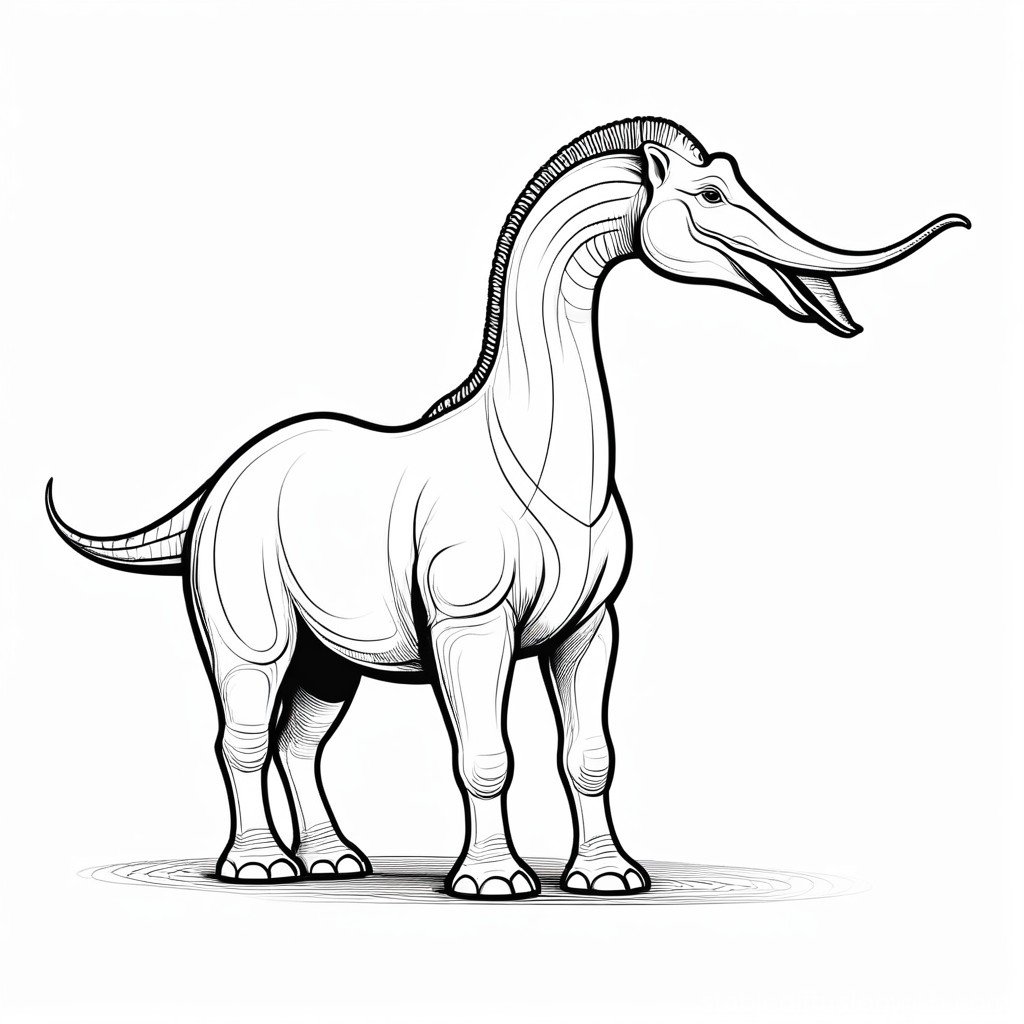
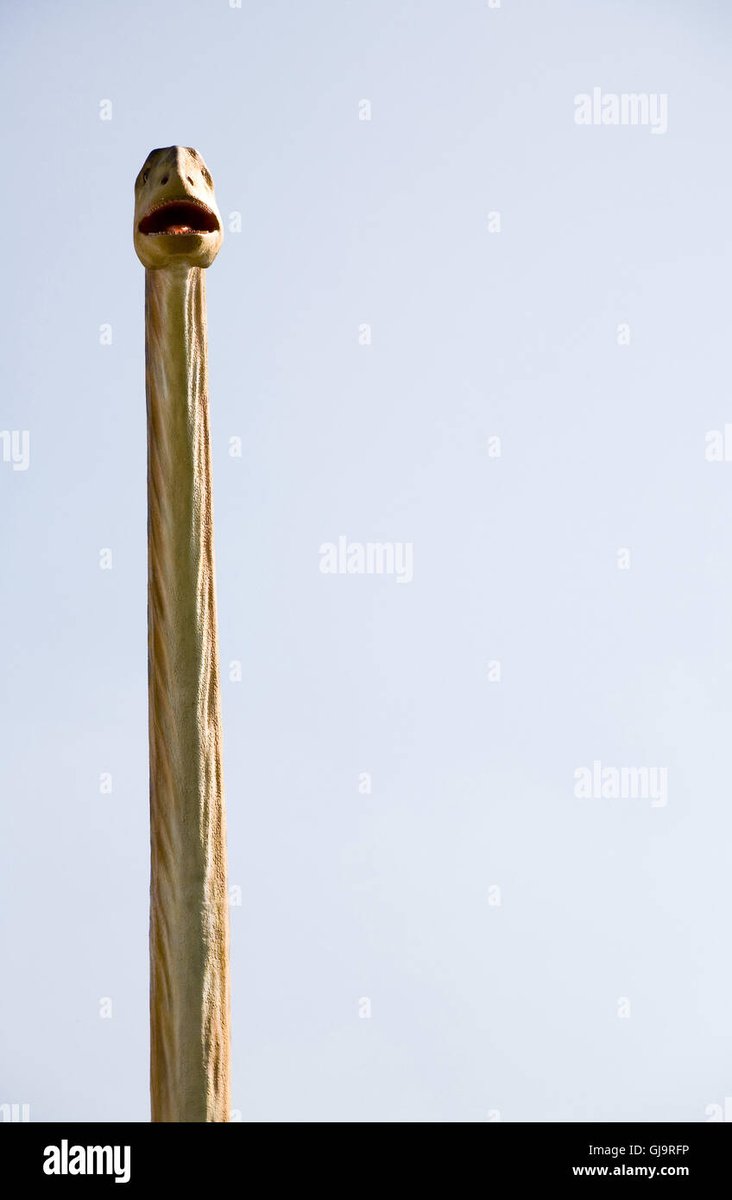
The physical anatomy of Mamenchisaurus constructus is defined primarily by its astonishingly long neck, which made up nearly half of its entire body length. While Mamenchisaurus constructus, the type species, was relatively modest in size compared to later species like Mamenchisaurus sinocanadorum, it still reached an impressive total body length of approximately 13 to 15 meters (1300 to 1500 centimeters) and likely weighed between 10 and 15 metric tons. To put this into perspective, the animal was roughly the length of a standard city bus, but with a neck that extended far beyond the proportions seen in modern giraffes. This incredible neck was supported by up to 19 elongated cervical vertebrae, the highest number of neck vertebrae known in any dinosaur. These vertebrae were heavily pneumatized, meaning they contained extensive air sacs connected to the respiratory system, which drastically reduced the weight of the neck while maintaining structural integrity. The cervical ribs were also highly elongated, overlapping each other to provide stiffening support, which suggests the neck was somewhat rigid rather than highly flexible like a snake. The skull of Mamenchisaurus was relatively small, boxy, and equipped with robust, spoon-shaped teeth adapted for stripping vegetation. Its torso was bulky and barrel-shaped, supported by four massive, columnar legs designed to bear its immense weight. The hind limbs were slightly longer than the forelimbs, giving the back a gentle downward slope from the hips to the shoulders, a characteristic feature of many non-macronarian sauropods. A long, whip-like tail provided balance for the massive neck and may have served a defensive function against predators.
In terms of paleobiology, Mamenchisaurus constructus was an obligate herbivore with a feeding strategy heavily dictated by its unique anatomy. The biomechanics of its incredibly long neck have been the subject of extensive study, leading researchers to conclude that it likely fed by standing in one place and sweeping its head in a wide arc, both horizontally and vertically, to strip foliage from a vast volume of space without needing to expend the massive amount of energy required to move its heavy body. Its spatulate teeth were perfect for raking leaves and needles from branches, though it lacked the complex chewing mechanisms of later ornithischian dinosaurs. Instead, Mamenchisaurus likely swallowed plant matter whole, relying on a massive gut and possibly gastroliths (stomach stones) to mechanically break down the tough fibrous material through prolonged hindgut fermentation. The metabolic rate of such a colossal animal is a subject of ongoing research; it is generally believed that Mamenchisaurus exhibited gigantothermy, maintaining a stable, relatively high internal body temperature due to its low surface-area-to-volume ratio, regardless of the ambient environmental temperature. Growth patterns inferred from bone histology suggest that, like other sauropods, Mamenchisaurus grew at an astonishingly rapid rate during its youth, reaching sexual maturity and massive sizes in a matter of decades to avoid predation. Socially, trackway evidence from related sauropods suggests they may have moved in herds, providing safety in numbers for vulnerable juveniles while adults relied on their sheer size for protection.
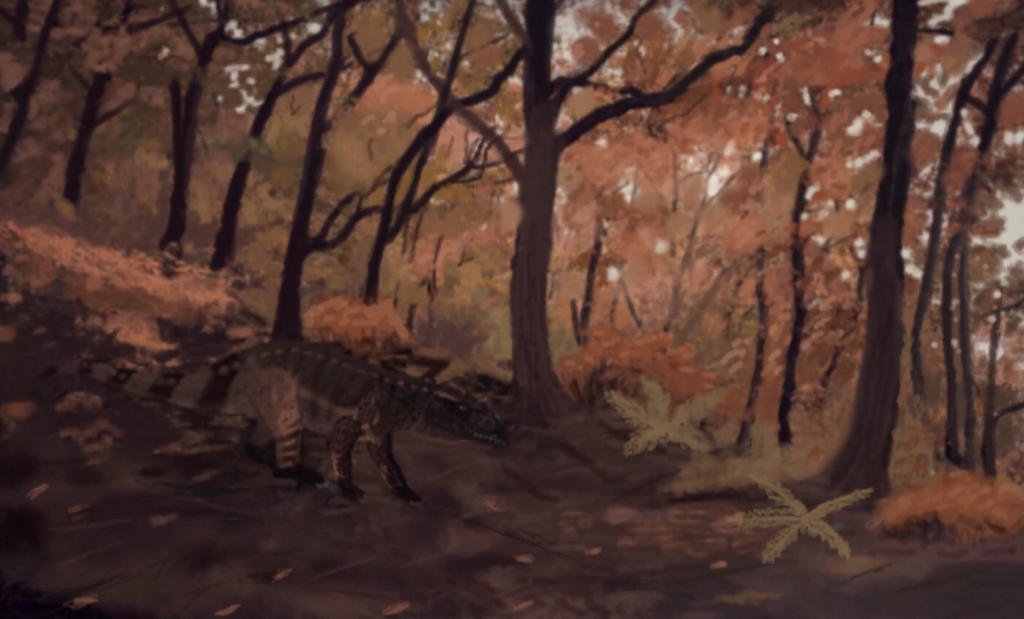
The ecological context of the Late Jurassic Shangshaximiao Formation, where Mamenchisaurus constructus lived, was characterized by a warm, humid, and highly seasonal climate. The landscape was dominated by vast floodplains, meandering river systems, and dense forests of conifers, cycads, ginkgoes, and seed ferns. This lush, productive environment was capable of supporting a diverse and abundant megafauna. Mamenchisaurus shared its habitat with a variety of other dinosaurs, occupying a specific ecological niche that allowed it to coexist with other herbivores. While smaller, low-browsing ornithischians and stegosaurs like Tuojiangosaurus fed on underbrush and low-lying ferns, Mamenchisaurus could utilize its long neck to access the mid-to-high canopy, effectively partitioning the food resources and reducing direct competition. However, this environment was also fraught with danger. The apex predators of this ecosystem were large, formidable theropods such as Yangchuanosaurus and Sinraptor. While a fully grown, healthy adult Mamenchisaurus would have been largely immune to predation due to its massive size and powerful tail, juveniles, the sick, and the elderly would have been prime targets for these carnivorous hunters. The presence of such massive herbivores also heavily influenced the landscape itself; as ecosystem engineers, herds of Mamenchisaurus would have cleared out vegetation, trampled saplings, and dispersed seeds over vast distances, profoundly shaping the flora of Late Jurassic Asia.
The discovery history of Mamenchisaurus constructus is deeply intertwined with the modernization and infrastructure development of mid-20th century China. The first fossilized remains were unearthed in 1952 by a highway construction crew working near the Mamingxi ferry crossing on the Jinsha River in Yibin, Sichuan Province. Recognizing the potential scientific importance of the massive bones they had uncovered, the workers halted their digging and alerted authorities. The renowned Chinese paleontologist Chung Chien Young (C.C. Young), often considered the father of Chinese vertebrate paleontology, was dispatched to investigate the site. In 1954, Young formally described and named the genus and species. The genus name, Mamenchisaurus, is derived from a slight phonetic misinterpretation of the discovery location, Mamingxi, combined with the Greek word 'sauros' meaning lizard. The specific epithet, 'constructus', was chosen by Young to honor the construction workers who made the initial discovery and had the foresight to preserve the site. The holotype specimen consisted of a partial skeleton lacking a complete skull but including a significant portion of the defining cervical vertebrae. Since this initial discovery, the Sichuan Basin has proven to be one of the most prolific dinosaur fossil regions in the world, yielding numerous other specimens and species assigned to the Mamenchisaurus genus, though the original M. constructus remains a crucial benchmark in the history of Asian paleontology.
From an evolutionary standpoint, Mamenchisaurus constructus holds a significant position in the sauropod family tree. It is the type genus of the Mamenchisauridae, a distinct family of eusauropods that experienced a massive radiation in Asia during the Jurassic period. During this time, high sea levels and geological changes had largely isolated East Asia from the rest of the supercontinent Pangaea. This geographic isolation allowed the mamenchisaurids to evolve independently from the diplodocoids and macronarians that were dominating ecosystems in the Americas and Africa. The evolutionary trajectory of Mamenchisaurus demonstrates a unique solution to the biological challenge of gathering sufficient food to sustain a massive body: extreme cervical elongation. This elongation was achieved not just by lengthening the individual neck vertebrae, but by actually increasing the total number of vertebrae in the neck, a process that required complex evolutionary changes in the animal's developmental biology, specifically the Hox genes that control axial patterning. Mamenchisaurus represents a highly specialized, endemic branch of sauropods that thrived for millions of years before eventually being replaced by titanosauriforms in the Cretaceous period. Studying Mamenchisaurus helps evolutionary biologists understand the limits of vertebrate anatomy and the phenomenon of convergent evolution, as different sauropod lineages independently evolved long necks through slightly different anatomical mechanisms.
Despite decades of study, Mamenchisaurus remains the subject of several intense scientific debates. One of the most prominent controversies surrounds the posture and flexibility of its iconic neck. Early reconstructions often depicted Mamenchisaurus holding its head high in the air, grazing on the tops of tall trees like a reptilian giraffe. However, recent biomechanical studies utilizing computer modeling of the cervical vertebrae and their overlapping ribs suggest that the neck was actually quite stiff and was most likely held in a horizontal or slightly elevated posture. This would mean Mamenchisaurus fed primarily by sweeping its head across a wide horizontal plane of mid-level vegetation rather than reaching vertically. Another major debate involves the taxonomy of the genus itself. Over the years, numerous species have been assigned to Mamenchisaurus, ranging wildly in size and anatomical details. Many modern paleontologists argue that Mamenchisaurus has become a 'wastebasket taxon'—a catch-all name for any long-necked Jurassic Asian sauropod. There is an ongoing effort to rigorously re-evaluate the various species, with some researchers suggesting that many should be reclassified into distinct, separate genera to better reflect the true diversity of the Mamenchisauridae family.
The fossil record of Mamenchisaurus and its close relatives is largely confined to the Sichuan Basin and surrounding regions in China, particularly within the incredibly rich deposits of the Shangshaximiao Formation. The quality of preservation in these sites can be quite good, often yielding articulated or partially articulated skeletons. The Dashanpu dinosaur quarry near Zigong is one of the most famous and productive fossil sites in the world for Middle to Late Jurassic dinosaurs, providing a wealth of mamenchisaurid material. However, like many sauropods, complete skulls of Mamenchisaurus are exceedingly rare. The skull is composed of thin, fragile bones that are easily crushed or detached from the body and washed away by river currents before fossilization can occur. Consequently, much of what we know about the cranial anatomy of Mamenchisaurus is inferred from a few fragmentary skulls and comparisons with closely related genera. The postcranial skeleton, particularly the massive limb bones and the robust, highly diagnostic cervical vertebrae, are much more commonly preserved and form the basis for most of our understanding of this animal's anatomy and biomechanics.
In terms of cultural impact, Mamenchisaurus has captured the public imagination primarily due to its extreme anatomical proportions. It is a staple of dinosaur museums across China, with spectacular mounted skeletons drawing millions of visitors annually. The Zigong Dinosaur Museum, built directly over the Dashanpu excavation site, features Mamenchisaurus as a centerpiece of its world-class exhibits. Internationally, it frequently appears in paleontology books, documentaries, and educational materials as the ultimate example of sauropod neck elongation. Its bizarre, almost impossible-looking silhouette makes it a favorite among dinosaur enthusiasts and serves as a powerful educational tool for teaching concepts of biomechanics, evolutionary adaptation, and the incredible diversity of life that existed during the Mesozoic era.
Classification
Time Period
Discovery
Location
China
Formation
Shangshaximiao Formation
Frequently Asked Questions
What is Mamenchisaurus?
Mamenchisaurus constructus was a remarkable sauropod dinosaur that roamed the terrestrial landscapes of what is now East Asia during the Late Jurassic period, approximately 162 to 155 million years ago. Renowned for possessing one of the longest necks relative to body size of any known animal in Ear...
When did Mamenchisaurus live?
Mamenchisaurus lived during the jurassic period of the mesozoic era approximately 162-155 million years ago.
Where was Mamenchisaurus discovered?
Fossils of Mamenchisaurus were discovered in China in the Shangshaximiao Formation.
What did Mamenchisaurus eat?
Mamenchisaurus was a herbivore. It lived in terrestrial habitats.
What type of fossil is Mamenchisaurus?
Mamenchisaurus is preserved as a body fossil. The preservation quality is good.
Related Specimens
From the mesozoic era · body fossils