Amargasaurus
Amargasaurus cazaui
Image: Image sourced via web search (Fair use / Educational)
About Amargasaurus
Amargasaurus cazaui was a remarkable sauropod dinosaur that inhabited what is now South America during the Early Cretaceous period, approximately 130 to 125 million years ago. As a member of the Dicraeosauridae family, it stands out not for its size, which was modest for a sauropod, but for its extraordinary and unique double row of tall neural spines running along its neck and back. This striking feature has made Amargasaurus one of the most recognizable and scientifically debated dinosaurs, offering a fascinating window into the diversity and complex adaptations of sauropods beyond their typically colossal dimensions.
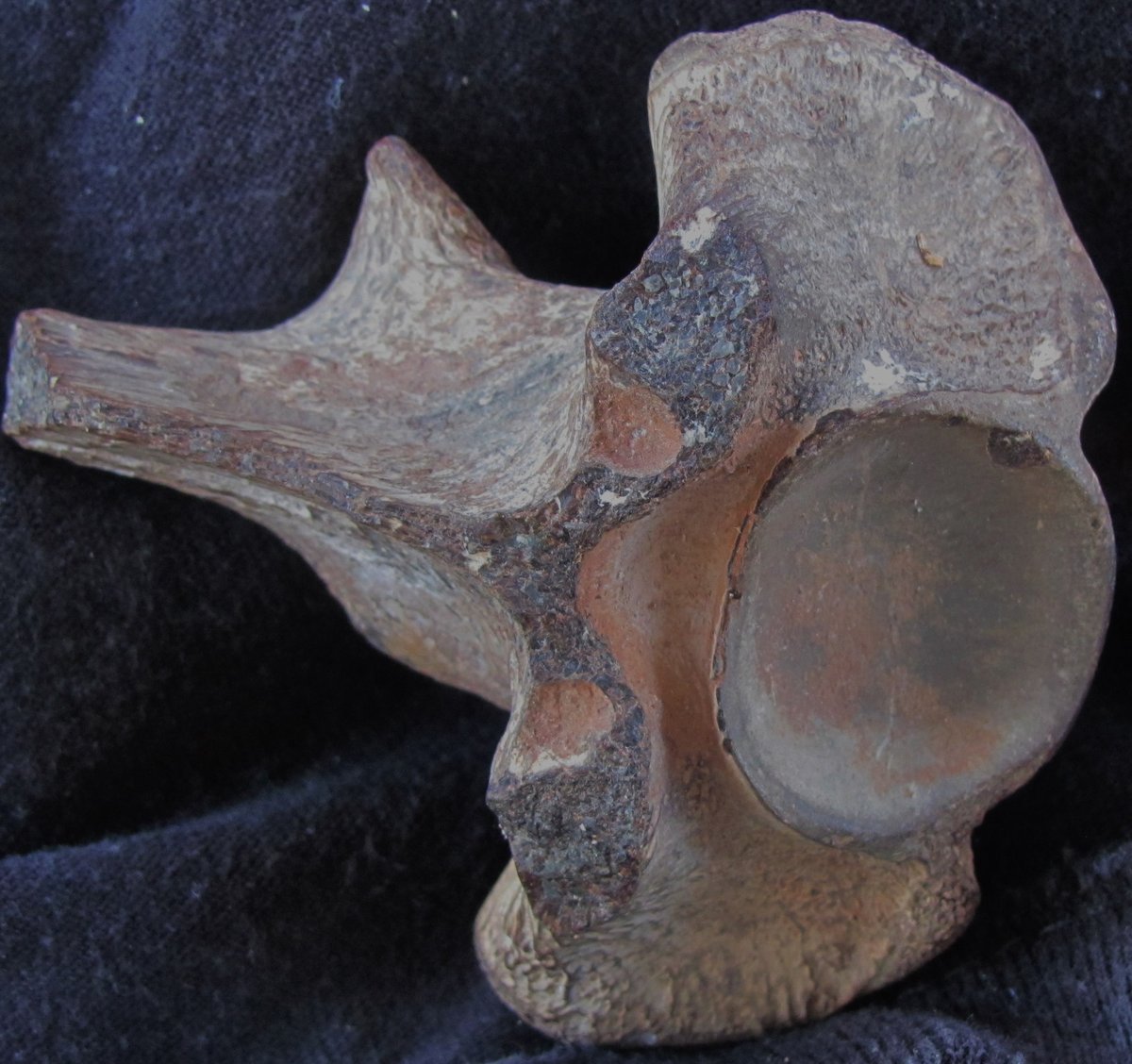
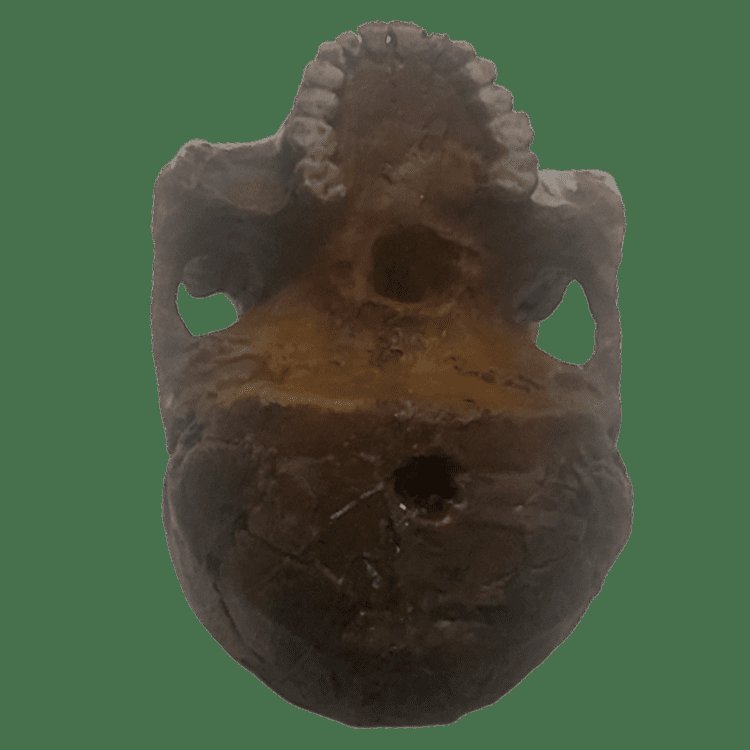
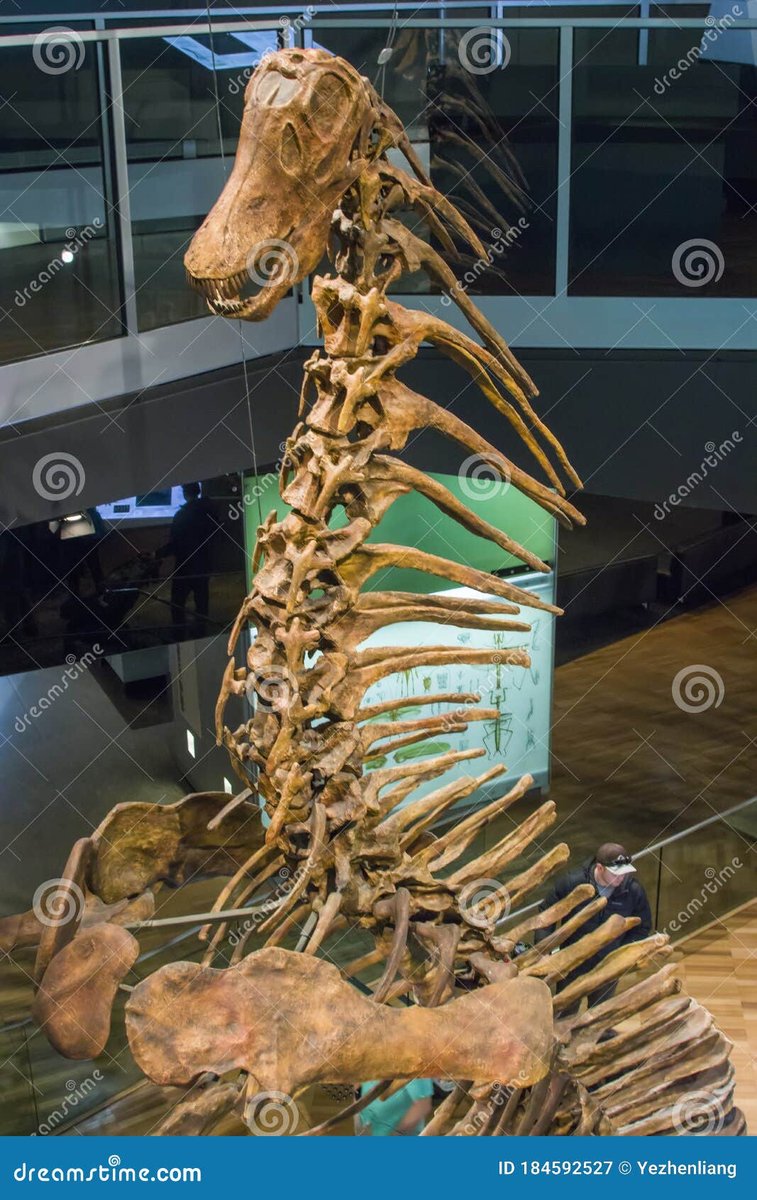
Amargasaurus was a relatively small sauropod, reaching an estimated length of around 10 meters (about 33 feet) and a weight of approximately 2.6 to 3 metric tons. This places it in a similar size category to a modern Indian elephant, though with a vastly different body plan. Its skull was long and low, similar to that of its relative Dicraeosaurus, with pencil-like teeth concentrated at the front of the jaws, an adaptation for stripping foliage from branches. Like other sauropods, it possessed a long neck and tail, a bulky torso, and four stout, pillar-like legs to support its weight. However, its neck was proportionally shorter and more robust than that of many other sauropods, such as Diplodocus, and was likely held in a more horizontal or downward-sloping posture. The most defining characteristic of Amargasaurus was its vertebral column. The neural spines of its cervical (neck) and dorsal (back) vertebrae were exceptionally elongated and bifurcated, forming a distinctive double row. These spines were longest on the neck, reaching up to 60 centimeters (2 feet) in height, and gradually decreased in length towards the hips. The exact function and appearance of these spines in life remain a subject of intense scientific debate, with hypotheses ranging from a defensive structure to a thermoregulatory device or a display feature. Some reconstructions depict them as bare, horn-covered spikes, while others suggest they supported a sail or web of skin. The latter interpretation has been challenged due to the round cross-section of the spines, which differs from the flattened shape seen in sail-backed animals like Dimetrodon, suggesting they were more likely individual, keratin-sheathed structures.
As a herbivore, Amargasaurus's peg-like teeth were not suited for chewing but were highly effective for raking or stripping leaves and other plant matter. It likely fed on low-to-medium-height vegetation, such as ferns, cycads, and conifers, a feeding strategy known as low-browsing. This is inferred from the structure of its neck, which suggests a limited vertical range of motion compared to high-browsing sauropods. Its relatively short neck would have restricted it to foliage within a few meters of the ground, placing it in a different feeding niche from the giant titanosaurs that would later dominate the South American landscape. The digestive process would have occurred in a large gut, where bacteria helped break down the tough plant material through fermentation. In terms of locomotion, Amargasaurus was a quadruped, walking on all four limbs. Its sturdy legs and compact body suggest a slow but steady gait, necessary for traversing its environment in search of food. There is no direct fossil evidence for social behavior, but like many modern large herbivores and other sauropods, it is plausible that Amargasaurus lived in small groups or herds. This could have offered protection against predators and facilitated foraging. Growth patterns are not well-understood due to the scarcity of juvenile specimens, but like other sauropods, it would have hatched from an egg and undergone a period of rapid growth to reach its adult size.
The world of Amargasaurus during the Barremian to early Aptian stages of the Early Cretaceous was a warm, semi-arid environment characterized by braided river systems and extensive floodplains. It lived within the ecosystem preserved in the La Amarga Formation of Argentina's Neuquén Basin. This environment supported a diverse flora of gymnosperms, such as conifers and cycads, as well as abundant ferns, which would have formed the primary food source for herbivores like Amargasaurus. It shared this habitat with a variety of other dinosaurs. Other herbivores included the small iguanodontian Macrogryphosaurus and the basal titanosauriform sauropod Zapalasaurus. The apex predator of this ecosystem was likely a large carcharodontosaurid, although definitive fossils are scarce from this specific formation. Smaller predators, such as the abelisaurid Ligabueino, would have posed a threat primarily to young or sick individuals. The unique neck spines of Amargasaurus may have evolved as a defensive mechanism against these predators, making it difficult for a carnivore to attack its vulnerable neck. Amargasaurus occupied a mid-level browsing niche in the food web, avoiding direct competition with both smaller ground-level herbivores and potentially larger, higher-browsing sauropods that may have existed in the region.
The discovery of Amargasaurus is credited to a 1984 expedition led by the renowned Argentine paleontologist José Bonaparte. The fossil was found in the La Amarga Formation at the La Amarga arroyo in Neuquén Province, Argentina. The team unearthed a remarkably complete and articulated skeleton, which would become the holotype specimen, MACN-N 15. This single specimen includes a nearly complete skull (a rarity for sauropods), most of the vertebral column including the distinctive neck and back spines, and parts of the pelvic girdle and limbs. The completeness of this skeleton provided an unprecedented look at the anatomy of this unique dinosaur. In 1991, José Bonaparte and his colleague Leonardo Salgado formally described and named the dinosaur. The genus name, Amargasaurus, means "La Amarga lizard," referring to the geological formation and locality where it was found. The species name, cazaui, honors Dr. Luis B. Cazau, a geologist with the YPF oil company who had informed Bonaparte's team about the paleontological significance of the La Amarga area. The discovery was pivotal, as the well-preserved holotype allowed for a detailed understanding of dicraeosaurid anatomy and highlighted the unexpected morphological diversity within the sauropod clade.
Amargasaurus holds a significant place in the evolutionary history of sauropods. It belongs to the family Dicraeosauridae, a group of diplodocoid sauropods characterized by relatively short necks and often elongated or bifurcated neural spines. This family, which also includes Dicraeosaurus from the Late Jurassic of Tanzania and Brachytrachelopan from the Late Jurassic of Argentina, represents a distinct evolutionary branch that diverged from the longer-necked diplodocids. The existence of Amargasaurus in the Early Cretaceous of South America demonstrates that this lineage survived the Jurassic-Cretaceous boundary and continued to diversify. Its extreme spinal anatomy is an example of evolutionary experimentation, showcasing how different sauropod groups adapted to their environments in unique ways. While sauropods are often stereotyped as uniformly gigantic, long-necked animals, Amargasaurus and its relatives show a trend towards smaller body sizes and specialized low-browsing niches. This specialization likely allowed them to coexist with other sauropod groups by minimizing competition for food resources. Amargasaurus does not have any direct modern descendants, as all non-avian dinosaurs went extinct at the end of the Cretaceous period, but its placement within the broader sauropod family tree helps paleontologists trace the complex patterns of radiation and extinction that shaped dinosaur evolution across continents.
The most prominent scientific debate surrounding Amargasaurus centers on the function and appearance of its elongated neural spines. The initial hypothesis, proposed by Salgado and Bonaparte, suggested the spines supported a double sail of skin. This sail could have been used for thermoregulation, absorbing or dissipating heat, or for display to attract mates or intimidate rivals. However, Gregory S. Paul argued in 2000 that a skin sail would have been too fragile and would have restricted neck flexibility. He proposed instead that the spines were covered in a thick, horny sheath of keratin, forming a series of individual spikes. This arrangement would have been a formidable defensive weapon against predators. A 2022 study by Ignacio A. Cerda and colleagues examined the bone histology of the spines and found evidence consistent with a keratinous sheath, lending strong support to the 'defensive spikes' hypothesis over the 'sail' hypothesis. Another interpretation suggests the spines supported a fleshy hump or crest, used for fat storage or display, similar to a bison's hump. The debate continues, but recent evidence increasingly favors the idea of the spines as individual, keratin-covered structures, primarily for defense and visual display, rather than a continuous sail.
The fossil record of Amargasaurus is extremely limited, with the species being known almost exclusively from a single, albeit remarkably complete, skeleton. This holotype specimen (MACN-N 15) was discovered in the Puesto Antigual member of the La Amarga Formation in Neuquén Province, Argentina. The exceptional preservation of this individual, which includes the skull and an articulated postcranial skeleton, has provided the vast majority of our knowledge about the animal. The lack of other specimens makes it difficult to study aspects like individual variation, growth series, or the full geographic range of the species. Its rarity in the fossil record could suggest it was not a common animal in its ecosystem, or it may simply be an artifact of preservation bias, meaning the conditions required to fossilize its remains were seldom met. The La Amarga Formation itself is a key fossil site, providing critical insights into the fauna and flora of the Early Cretaceous in Gondwana, a period less understood than the preceding Late Jurassic or the subsequent Late Cretaceous.
Despite its scientific rarity, Amargasaurus has achieved a notable level of public recognition due to its bizarre and visually striking appearance. The prominent neck spines make it a memorable and popular subject in dinosaur books, documentaries, and museum exhibits. Reconstructed skeletons and models of Amargasaurus are displayed in museums worldwide, including the Bernardino Rivadavia Natural Sciences Museum in Buenos Aires, where the original fossil is housed. It has been featured in the television series 'Walking with Dinosaurs' and the video game 'Jurassic World Evolution,' which have introduced it to a broad international audience. Its unique anatomy serves as an excellent educational tool for demonstrating the incredible diversity and specialization that existed within the sauropod group, challenging the monolithic public perception of these animals and highlighting the ongoing process of scientific discovery and debate in paleontology.
Classification
Time Period
Discovery
Location
Argentina
Formation
La Amarga Formation
Frequently Asked Questions
What is Amargasaurus?
Amargasaurus cazaui was a remarkable sauropod dinosaur that inhabited what is now South America during the Early Cretaceous period, approximately 130 to 125 million years ago. As a member of the Dicraeosauridae family, it stands out not for its size, which was modest for a sauropod, but for its extr...
When did Amargasaurus live?
Amargasaurus lived during the cretaceous period of the mesozoic era approximately 130-125 million years ago.
Where was Amargasaurus discovered?
Fossils of Amargasaurus were discovered in Argentina in the La Amarga Formation.
What did Amargasaurus eat?
Amargasaurus was a herbivore. It lived in terrestrial habitats.
What type of fossil is Amargasaurus?
Amargasaurus is preserved as a body fossil. The preservation quality is good.
Related Specimens
From the mesozoic era · body fossils