T. rex Coprolite
Tyrannosaurus rex
Image: Image sourced via web search (Fair use / Educational)
About T. rex Coprolite
The Tyrannosaurus rex coprolite, a form of trace fossil, represents the fossilized dung of one of the largest terrestrial carnivores in Earth's history. These rare fossils provide an unparalleled, direct window into the diet, digestive processes, and paleoecology of Tyrannosaurus rex, which roamed western North America during the final two million years of the Cretaceous Period, from approximately 68 to 66 million years ago. While skeletal remains reveal the anatomy of this apex predator, its coprolites offer tangible proof of its feeding behavior and its interactions within its ecosystem, making them exceptionally significant paleontological finds.
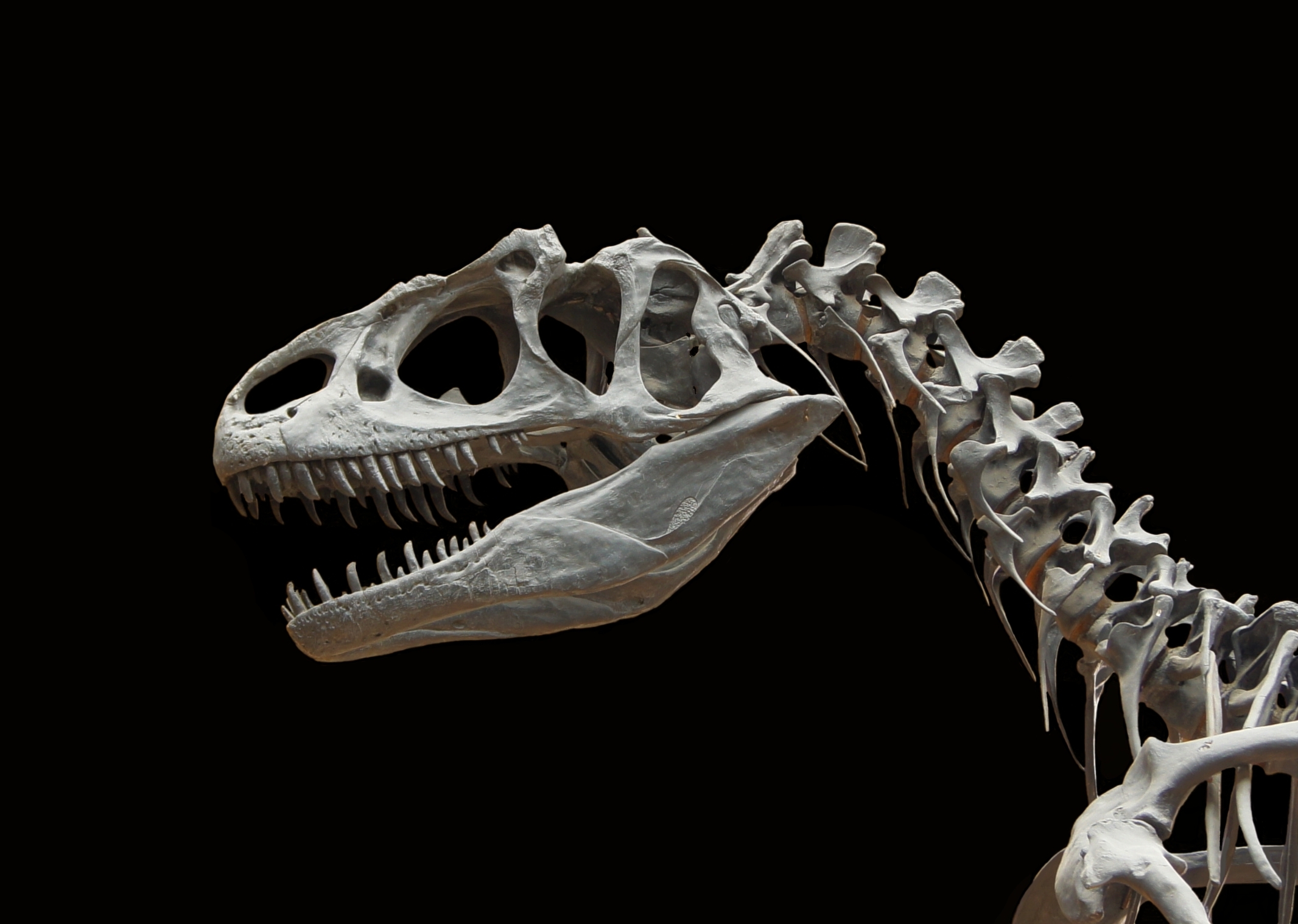
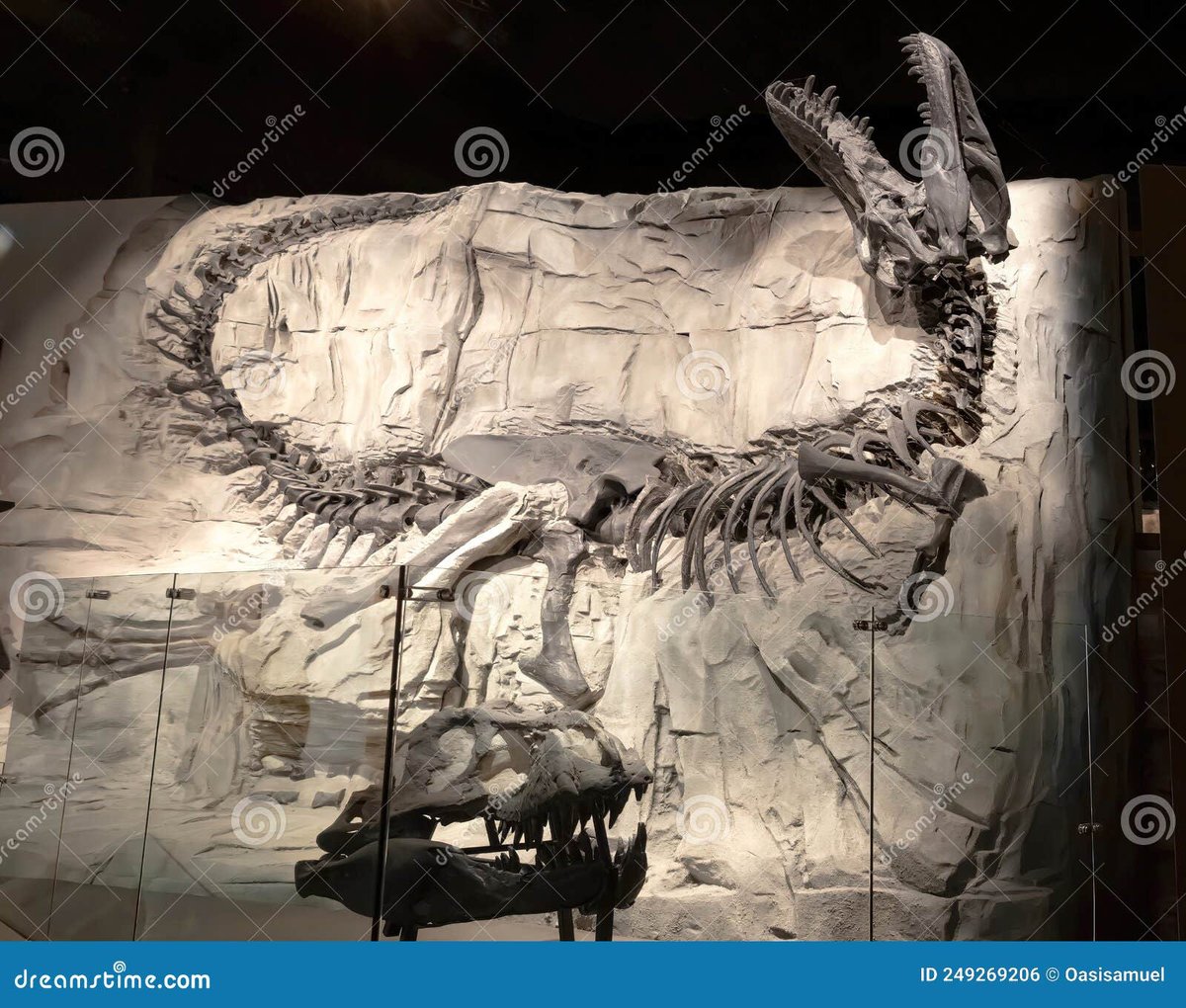
Tyrannosaurus rex was a bipedal carnivore of immense size and power, representing the pinnacle of large theropod evolution. Adult individuals reached lengths of up to 12.3 meters (about 40 feet), stood approximately 3.66 meters (12 feet) tall at the hips, and are estimated to have weighed between 8.4 to 14 metric tons. Its most distinctive feature was its massive skull, which could exceed 1.5 meters (5 feet) in length. This skull was not a solid block of bone but was fenestrated, with large openings that reduced weight while maintaining structural strength. Its jaws housed around 60 thick, conical, and serrated teeth, some of which could project up to 30 centimeters (12 inches) from the root. These teeth were not blade-like for slicing but were robust and banana-shaped, designed for crushing bone. T. rex possessed powerful neck muscles to support its head and manipulate prey. In stark contrast to its formidable head and powerful hindlimbs, its forelimbs were famously diminutive, each bearing only two functional digits. Despite their small size, studies suggest they were muscular and may have been used to hold struggling prey close to the body. For scale, an adult T. rex would have been longer than a school bus and weighed as much as two or three adult African elephants.
Analyses of T. rex coprolites, combined with skeletal evidence, confirm its status as a hypercarnivore and an apex predator. The most famous T. rex coprolite, specimen MOR 1125 found in Saskatchewan's Frenchman Formation, is a massive 44 centimeters long and contains a high concentration of phosphatic material, primarily from pulverized bone. This indicates that T. rex had an incredibly powerful digestive system capable of breaking down the bones of its prey, a trait seen in modern hyenas. The bone fragments within the coprolite were identified as belonging to a juvenile ornithischian dinosaur, likely a ceratopsian or hadrosaur, providing direct evidence of its prey choice. The sheer force of its bite, estimated to be the strongest of any terrestrial animal, allowed it to engage in osteophagy, or bone-eating, accessing the nutrient-rich marrow. Debates continue on whether T. rex was primarily an active predator or a scavenger. Most paleontologists now support a model of it being an opportunistic feeder, actively hunting large herbivores like Triceratops and Edmontosaurus, but also not hesitating to scavenge carcasses when available. Its long, powerful legs suggest it was capable of surprisingly fast movement for its size, though likely in short bursts rather than sustained chases.
Tyrannosaurus rex inhabited a subtropical coastal plain environment in western North America, a continent then known as Laramidia, which was separated from eastern North America by the Western Interior Seaway. The climate was warm and humid, supporting lush forests of conifers, ferns, and flowering plants like magnolias. This ecosystem was rich and diverse, placing T. rex at the very top of the food web. It shared its habitat with a variety of other dinosaurs. Its primary prey consisted of large herbivores, including the three-horned Triceratops, the duck-billed Edmontosaurus, and the armored Ankylosaurus. The presence of healed bite marks on the fossils of these animals provides strong evidence of predatory encounters. Other dinosaurs in the ecosystem included smaller theropods like dromaeosaurs (raptors) and troodontids, which likely occupied different ecological niches, perhaps preying on smaller animals and avoiding direct competition with the adult T. rex. The presence of a massive apex predator like Tyrannosaurus would have exerted significant evolutionary pressure on its prey, driving the development of defensive armor, horns, and herding behaviors.
The history of Tyrannosaurus rex discovery began in the late 19th century, but the first partial skeleton that would be named was found by Barnum Brown of the American Museum of Natural History in 1902 in Montana. In 1905, his superior, Henry Fairfield Osborn, officially named the species Tyrannosaurus rex, meaning "Tyrant Lizard King." Over the decades, more than 50 partial T. rex skeletons have been unearthed. Some of the most famous specimens include "Sue" (FMNH PR 2081), discovered in 1990 by Sue Hendrickson in South Dakota, which is over 90% complete and one of the largest specimens known. Another is "Stan" (BHI 3033), also highly complete and widely replicated for museum displays. The key coprolite specimen, MOR 1125, nicknamed "Barnum" after Barnum Brown, was discovered in 1995 by a team led by Karen Chin. Its immense size and contents were so remarkable that it provided the first definitive link between a specific coprolite morphology and a giant theropod, solidifying our understanding of T. rex feeding ecology in a way that skeletons alone could not.
Tyrannosaurus rex belongs to the family Tyrannosauridae, a group of large coelurosaurian theropod dinosaurs. Its evolutionary lineage can be traced back to smaller, more gracile ancestors from the Jurassic and early Cretaceous periods. Tyrannosaurids evolved key adaptations for hypercarnivory, including a massive skull, bone-crushing teeth, and a reduction in forelimb size, which became more pronounced in later, larger species like T. rex. As a coelurosaur, T. rex is more closely related to birds than to other large dinosaurs like Allosaurus. Evidence from earlier, smaller tyrannosauroids like Dilong and Yutyrannus, which were preserved with filamentous proto-feathers, suggests that T. rex may have had feathers at some stage of its life, perhaps as a juvenile for insulation, though skin impressions from adult specimens show scaly skin. This places T. rex within the grand evolutionary narrative that connects dinosaurs to modern birds, highlighting the dramatic transformations that can occur over geological time. It represents the culmination of a specific evolutionary path toward gigantism and predatory specialization that was abruptly terminated by the Cretaceous-Paleogene extinction event.
Several scientific debates continue to surround Tyrannosaurus rex. The predator versus scavenger debate, while largely settled in favor of an opportunistic model, still has proponents for a primarily scavenging lifestyle, who point to its relatively small arms and large olfactory bulbs as evidence for a focus on finding carcasses. Another area of contention is its locomotion and maximum speed, with biomechanical models producing a wide range of estimates, from a brisk walk to a 45 km/h (28 mph) run. More recently, a 2022 proposal suggested splitting Tyrannosaurus into three separate species: T. rex, T. imperator, and T. regina, based on variations in femur robustness and tooth count. However, this proposal has been met with significant skepticism from the wider paleontological community, which largely maintains that the observed variations fall within the expected range for a single, widespread species. The question of whether it was warm-blooded (endothermic) or cold-blooded (ectothermic) also persists, with most evidence pointing towards a metabolic rate somewhere between that of a modern mammal and a reptile, a condition known as mesothermy, allowing it to maintain an active lifestyle.
The fossil record of Tyrannosaurus rex is geographically restricted to western North America, with significant finds in Montana, South Dakota, Wyoming, and Alberta and Saskatchewan in Canada. Fossils are primarily found in the Hell Creek Formation, Lance Formation, and Frenchman Formation, all dating to the very end of the Maastrichtian age of the Late Cretaceous. While over 50 individual skeletons are known, they vary greatly in completeness, from isolated teeth to nearly complete skeletons like "Sue." The preservation quality is often excellent, allowing for detailed study of its osteology and, in rare cases, soft tissue remnants and biomolecules. Coprolites attributed to T. rex are exceedingly rare compared to skeletal remains, as the conditions required for the preservation of feces are very specific. The discovery of MOR 1125 was a landmark event, as it is one of the very few and by far the largest coprolite confidently attributed to this giant carnivore, making sites like the Frenchman Formation crucial for understanding its paleobiology.
Tyrannosaurus rex holds an unparalleled position in global culture as the archetypal dinosaur. Since its discovery, it has captivated the public imagination, symbolizing the power and majesty of the prehistoric world. It is the star of countless films, most notably the "Jurassic Park" franchise, which cemented its status as a terrifying and awe-inspiring movie monster. Major museums worldwide, such as the Field Museum in Chicago (home to "Sue") and the American Museum of Natural History in New York, feature prominent T. rex skeletons that draw millions of visitors annually. Its iconic status makes it a powerful educational tool, serving as a gateway for many children and adults into the fields of science, paleontology, and natural history, inspiring a sense of wonder about Earth's deep past.
Classification
Time Period
Discovery
Location
Western North America (specifically Saskatchewan, Canada for the most famous coprolite)
Formation
Frenchman Formation
Frequently Asked Questions
What is T. rex Coprolite?
The Tyrannosaurus rex coprolite, a form of trace fossil, represents the fossilized dung of one of the largest terrestrial carnivores in Earth's history. These rare fossils provide an unparalleled, direct window into the diet, digestive processes, and paleoecology of Tyrannosaurus rex, which roamed w...
When did T. rex Coprolite live?
T. rex Coprolite lived during the cretaceous period of the mesozoic era approximately 68-66 million years ago.
Where was T. rex Coprolite discovered?
Fossils of T. rex Coprolite were discovered in Western North America (specifically Saskatchewan, Canada for the most famous coprolite) in the Frenchman Formation.
What did T. rex Coprolite eat?
T. rex Coprolite was a carnivore. It lived in terrestrial habitats.
What type of fossil is T. rex Coprolite?
T. rex Coprolite is preserved as a trace fossil. The preservation quality is excellent.
Related Specimens
From the mesozoic era · trace fossils