Utahraptor
Utahraptor ostrommaysi
Image: Image sourced via web search (Fair use / Educational)
About Utahraptor
Utahraptor ostrommaysi was a large, predatory dromaeosaurid dinosaur that roamed what is now North America during the Early Cretaceous period, approximately 139 to 134 million years ago. As the largest known member of the 'raptor' family, its discovery fundamentally altered scientific understanding of dromaeosaurid size and ecological roles, establishing them as apex predators in their ecosystems long before their smaller, more famous relatives like Velociraptor appeared. Its name, meaning 'Utah's plunderer,' pays homage to its discovery location and formidable predatory adaptations.
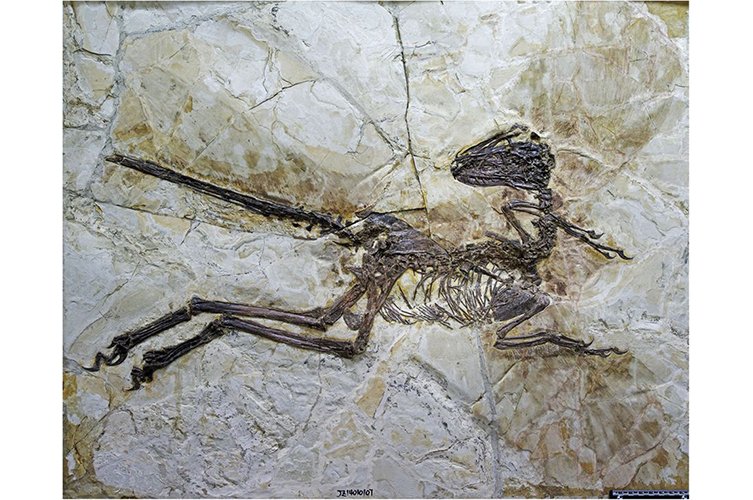
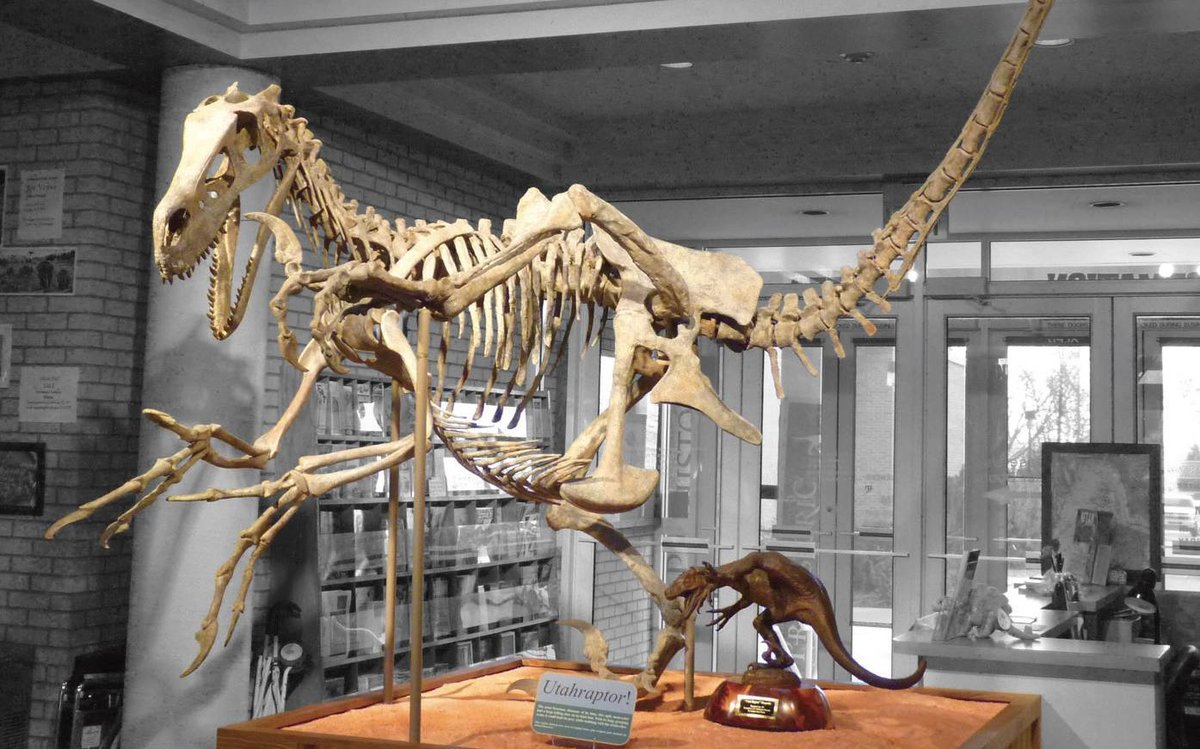
Utahraptor was a truly imposing animal, far exceeding the popular perception of raptors as human-sized predators. Adult individuals are estimated to have reached lengths of 5.5 to 6 meters (about 18 to 20 feet) and stood roughly 1.8 meters (6 feet) tall at the hip, making them comparable in size to a modern polar bear. Weight estimates vary, but most paleontologists place a healthy adult between 300 and 500 kilograms (660 to 1,100 pounds), with some upper estimates suggesting it could have approached 700 kg. This robust build distinguished it from the more gracile and agile dromaeosaurids of the Late Cretaceous. Its most defining feature was the enormous, sickle-shaped claw on the second toe of each foot. While the claw of Velociraptor was formidable, the keratinous sheath of Utahraptor's claw could have reached a staggering 24 centimeters (9.5 inches) in length. This weapon was not for slashing, as once thought, but was likely used for gripping and pinning struggling prey, much like the talons of modern birds of prey, allowing the dinosaur to dispatch its victim with powerful bites. The skull was large and robust, filled with serrated, blade-like teeth designed for tearing flesh. Its forelimbs were long and powerful, tipped with three sharp claws, likely used for grasping prey. Although no direct fossil evidence of feathers has been found for Utahraptor itself, its close relationship to other feathered dromaeosaurids like Microraptor and Sinornithosaurus makes it virtually certain that it possessed a full coat of feathers, which may have been used for insulation, display, or brooding, rather than flight.
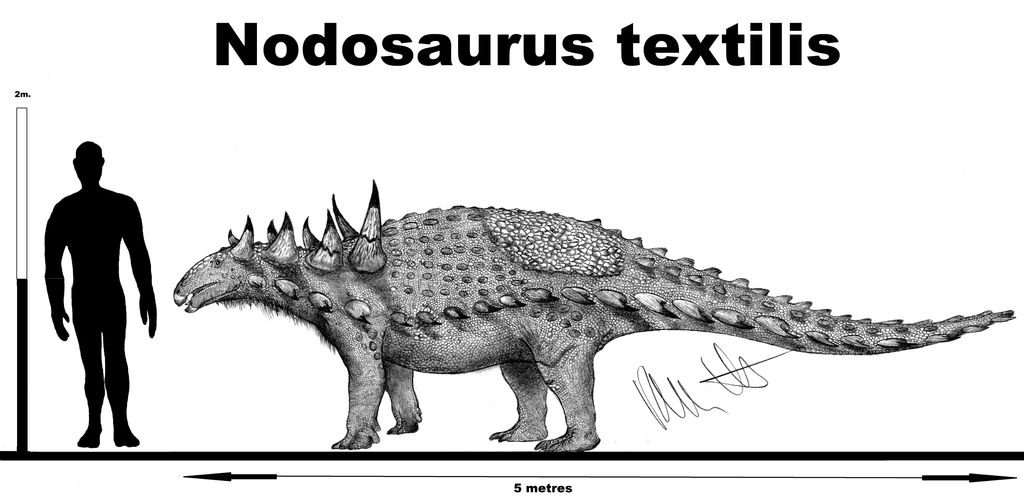
As an apex predator, Utahraptor's paleobiology was centered around hunting large game. Its powerful hind legs, while not built for the extreme speed of smaller raptors, would have allowed for powerful bursts of acceleration to ambush prey. The primary hunting tool was the massive sickle claw, which, combined with the dinosaur's immense weight, would have been a devastating weapon. The 'raptor prey restraint' (RPR) model suggests Utahraptor would leap onto the back of a large herbivore, digging its claws in for stability while maintaining its balance with its long, stiffened tail. It could then use its powerful jaws to inflict fatal wounds. Its diet would have consisted of the large herbivorous dinosaurs of its environment, including iguanodontians like Iguanacolossus and the armored nodosaur Gastonia. Evidence from a remarkable fossil block, known as the 'Utahraptor megablock,' suggests a potential social or pack-hunting behavior. This block contains the remains of multiple Utahraptor individuals of varying ages alongside a large iguanodont, which some paleontologists interpret as a fossilized predator trap where a pack of raptors became mired in quicksand while attacking their prey. This suggests a complex social structure, possibly with cooperative hunting strategies to take down prey many times their own size. Its metabolism was likely higher than that of a typical reptile, approaching a warm-blooded, or endothermic, state, necessary to power such an active, predatory lifestyle.
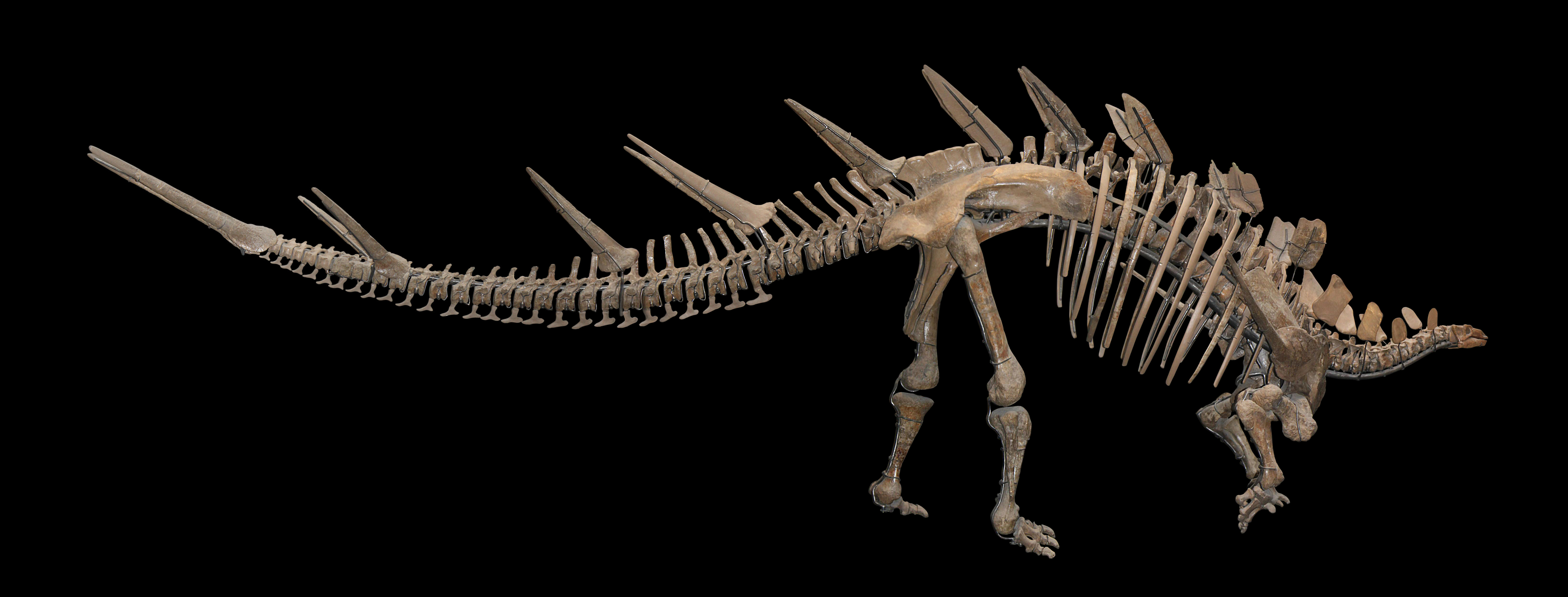
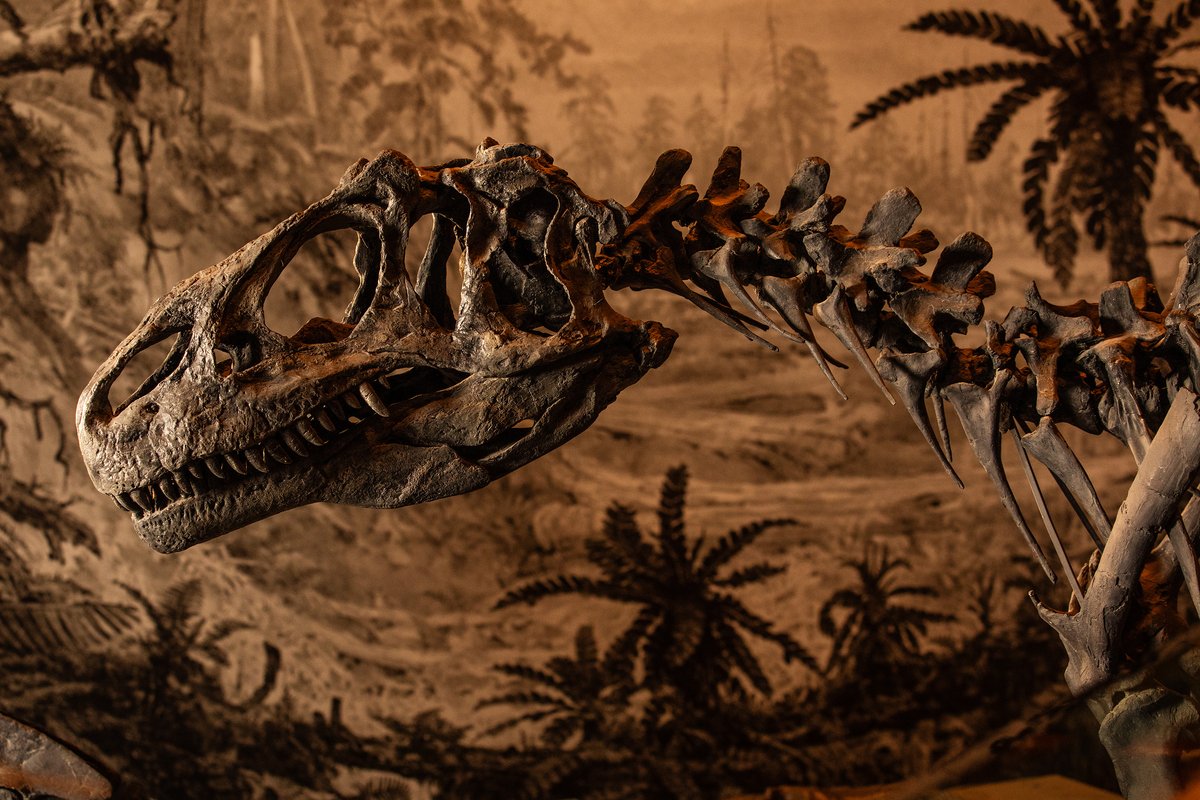
Utahraptor lived in a semi-arid floodplain environment characterized by rivers, lakes, and extensive vegetation. The world during the Barremian stage of the Early Cretaceous was warmer than today, with no polar ice caps. The ecosystem preserved in the Cedar Mountain Formation of Utah was diverse and dynamic. Utahraptor shared this habitat with a variety of other dinosaurs, placing it at the top of the local food web. Its primary prey likely included the ornithopod dinosaurs Hippodraco, Iguanacolossus, and Cedrorestes. It also coexisted with heavily armored dinosaurs like the nodosaurid ankylosaur Gastonia, which would have presented a formidable challenge even for a predator of Utahraptor's size. Other theropods in the environment included the smaller dromaeosaur Yurgovuchia and the large allosauroid Acrocanthosaurus, though Acrocanthosaurus appears in slightly younger strata, suggesting they may not have directly competed. The presence of these other large predators indicates a complex ecosystem with multiple predatory guilds. The environment also supported sauropods like Cedarosaurus, early turtles like Glyptops, and various species of fish and crocodiles in its waterways, all forming a complex and interactive food web in which Utahraptor was the undisputed apex terrestrial predator of its specific time and place.
The history of Utahraptor's discovery begins in 1975 when Jim Jensen of Brigham Young University found the first, but then-unrecognized, specimen at the Dalton Wells Quarry in Utah. However, the significance of these finds was not understood until later. The major discovery occurred in 1991 when paleontologist James Kirkland, along with Robert Gaston and Donald Burge, unearthed further remains at the Gaston Quarry in Grand County, Utah, within the Cedar Mountain Formation. This new material, including a large foot claw, was clearly from a dromaeosaurid of unprecedented size. The timing was serendipitous, as the discovery coincided with the pre-production of the film 'Jurassic Park,' which famously featured 'Velociraptors' that were, in reality, scaled up to the size of the yet-to-be-named Utahraptor. The formal description and naming of the type species, Utahraptor ostrommaysi, was published in 1993 by Kirkland, Burge, and Gaston. The genus name honors the state of Utah, and the species name honors two key figures: John Ostrom, for his pioneering work on Deinonychus and the dinosaur-bird connection, and Chris Mays, the founder of Dinamation International Society, which provided funding for the research. The most significant specimen is arguably the aforementioned 'megablock,' a nine-ton block of sandstone discovered in 2001 which contains an adult, four juveniles, and a baby Utahraptor, providing a potential snapshot of their social behavior.
Utahraptor's position in the tree of life is firmly within the family Dromaeosauridae, a group of bird-like theropod dinosaurs. It is classified within the subfamily Dromaeosaurinae, which includes other large, robustly built raptors like Dromaeosaurus and Achillobator. Its discovery was profoundly significant because it dramatically expanded the known size range of dromaeosaurids. Prior to 1991, the largest known member was Deinonychus, an animal about 3.4 meters long. Utahraptor demonstrated that these predators could reach sizes comparable to medium-sized allosaurs, forcing a re-evaluation of their ecological roles. It proved that giant 'raptors' were not a late evolutionary development but were present early in the Cretaceous. This challenges simpler evolutionary narratives and shows that dromaeosaurid evolution was complex, with different lineages experimenting with gigantism at different times. As a dromaeosaurid, Utahraptor is a close relative of modern birds and shares many avian characteristics, including a furcula (wishbone), hollow bones, and, inferredly, complex feathers. It serves as a powerful example of the diversity within the maniraptoran clade that ultimately gave rise to birds, showcasing a lineage that specialized in large-bodied terrestrial predation rather than aerial locomotion.
Despite its iconic status, Utahraptor is the subject of ongoing scientific debate and revision. The primary controversy surrounds the interpretation of the 'megablock.' While some researchers, including James Kirkland, champion the theory that it represents a pack of Utahraptors caught in a predator trap, others propose alternative scenarios. These include the possibility that it is a coincidental aggregation of carcasses washed together by a flood, or perhaps evidence of cannibalism where individuals were drawn to a mired animal and became trapped themselves. The exact social structure of Utahraptor remains speculative without further evidence. Furthermore, the taxonomy within the Cedar Mountain Formation is complex. Some fragmentary remains initially assigned to Utahraptor may belong to other dromaeosaurid species, and ongoing research is continually refining our understanding of the diversity of these predators in Early Cretaceous North America. The initial 1993 description was rushed to publication to secure the name, and a more comprehensive, detailed monograph based on the megablock and other specimens has been in preparation for years. Its eventual publication is expected to significantly clarify Utahraptor's anatomy and biology, potentially resolving some of these long-standing debates.
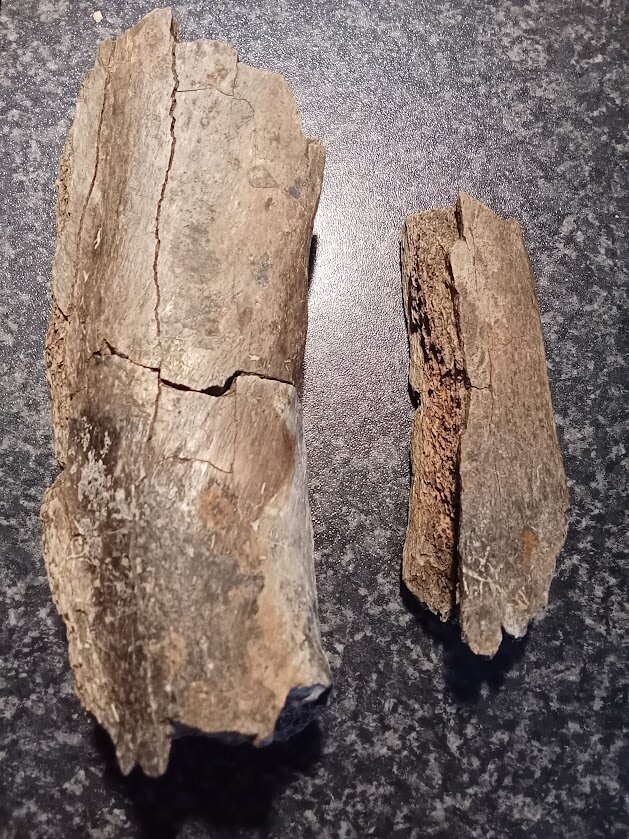
The fossil record of Utahraptor is confined exclusively to the state of Utah in the United States, specifically within the Yellow Cat and Poison Strip members of the Cedar Mountain Formation. While fossils are not considered common, a significant amount of material has been recovered since its initial discovery, representing multiple individuals of various age groups. The known specimens include parts of the skull, vertebrae, limb bones, and, most iconically, the large sickle claws. The preservation quality is generally good, though most skeletons are disarticulated. The most famous and scientifically valuable fossil site is the Gaston Quarry, where the holotype was found. However, the site of the 'megablock' discovery is arguably more important due to the sheer number of associated individuals it contains. This block is currently undergoing a slow and meticulous preparation process at the Utah Geological Survey, and its full excavation and study will provide an unparalleled window into the life of this giant predator. The concentration of fossils in this specific geological formation makes it a critical location for understanding the evolution of dromaeosaurids and the ecosystems of Early Cretaceous North America.
Utahraptor's discovery, coinciding with the release of 'Jurassic Park' in 1993, cemented its place in popular culture. Although the film's antagonists are called Velociraptors, their size and ferocity were inspired by the larger Deinonychus and, coincidentally, mirrored the newly discovered Utahraptor. This has led to Utahraptor being hailed as the 'real' raptor from the movie. It has since been featured in numerous documentaries, books, and video games, often portrayed as the ultimate raptor predator. Several museums hold significant casts or original fossils, with the Utah State University Eastern Prehistoric Museum in Price, Utah, featuring prominent displays due to its proximity to the discovery sites. Its immense size and formidable weaponry make it a subject of great public fascination, serving as a powerful educational tool for teaching about dinosaur diversity, evolution, and the dynamic nature of scientific discovery.
Classification
Time Period
Discovery
Location
Utah, USA
Formation
Cedar Mountain Formation (Yellow Cat and Poison Strip members)
Frequently Asked Questions
What is Utahraptor?
Utahraptor ostrommaysi was a large, predatory dromaeosaurid dinosaur that roamed what is now North America during the Early Cretaceous period, approximately 139 to 134 million years ago. As the largest known member of the 'raptor' family, its discovery fundamentally altered scientific understanding ...
When did Utahraptor live?
Utahraptor lived during the cretaceous period of the mesozoic era approximately 139-134 million years ago.
Where was Utahraptor discovered?
Fossils of Utahraptor were discovered in Utah, USA in the Cedar Mountain Formation (Yellow Cat and Poison Strip members).
What did Utahraptor eat?
Utahraptor was a carnivore. It lived in terrestrial habitats.
What type of fossil is Utahraptor?
Utahraptor is preserved as a body fossil. The preservation quality is good.
Related Specimens
From the mesozoic era · body fossils