Fossil Type
Trace Fossils
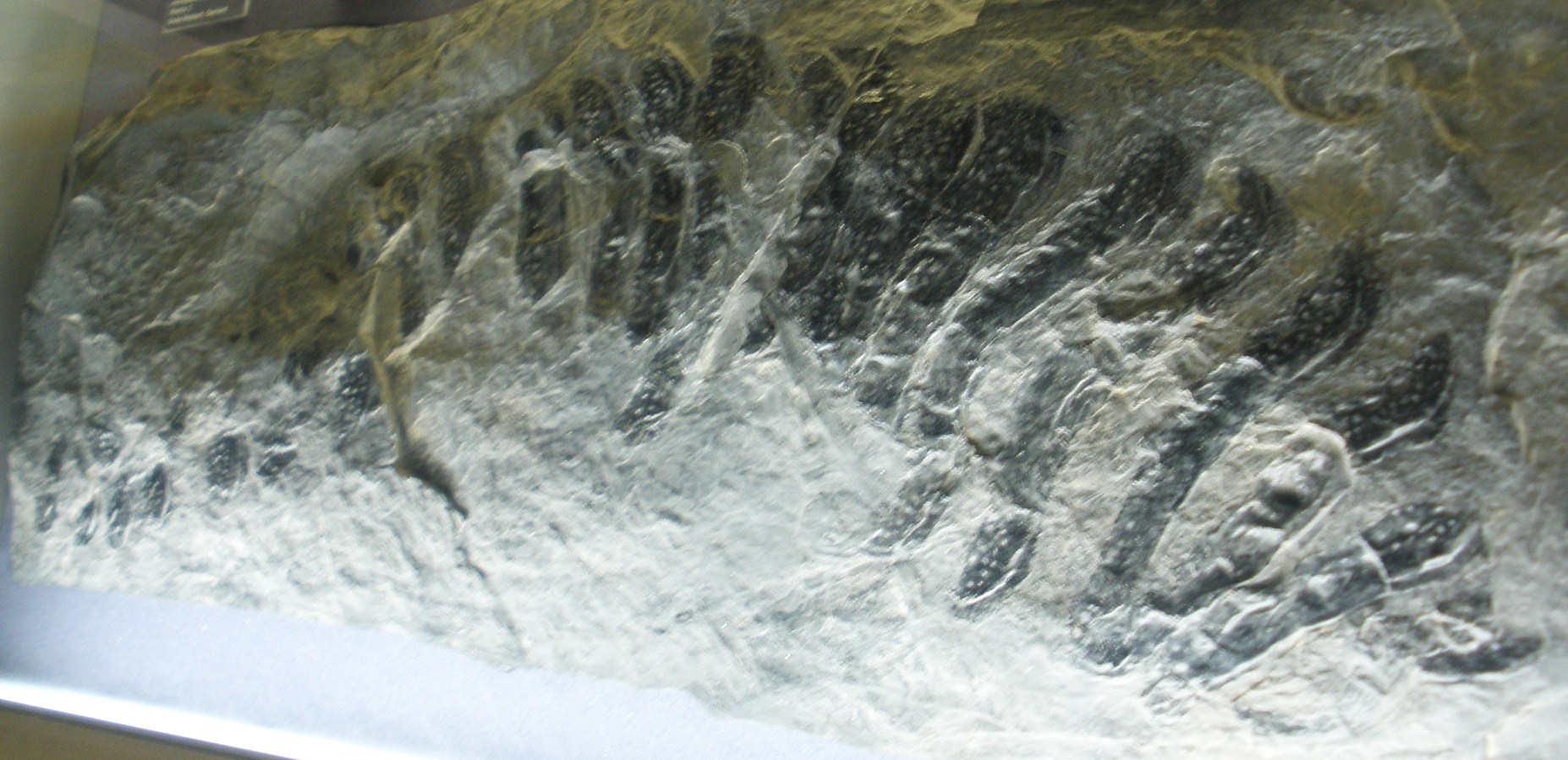
Trace fossils (ichnofossils) preserve the behavior of ancient organisms rather than their bodies. Footprints, burrows, trackways, feeding marks, and coprolites (fossilized dung) are all trace fossils. They provide invaluable information about how extinct creatures moved, fed, and interacted — details that body fossils alone cannot reveal.
Formation
How Trace Fossils Form
Trace fossils form when an organism's activity leaves an impression in soft sediment that is subsequently buried and lithified. A dinosaur walking across a mudflat, a worm burrowing through seafloor sediment, or a predator leaving bite marks on a bone — all can become trace fossils if conditions allow preservation. They are especially common in marine and shoreline environments where sediment is continuously deposited.
Field Guide
How to Identify Trace Fossils
- 1Look for tracks, trails, or burrow structures in rock
- 2Often found on bedding planes (surfaces between rock layers)
- 3May show repetitive patterns indicating locomotion
- 4No actual body material is present — only behavioral evidence
Examples
Common Examples
Dinosaur footprints, worm burrows (Skolithos), arthropod trackways, coprolites, bite marks, nesting traces.
/c81e708ee030.png)
/12d285016704.png)