Globidens
Globidens alabamaensis
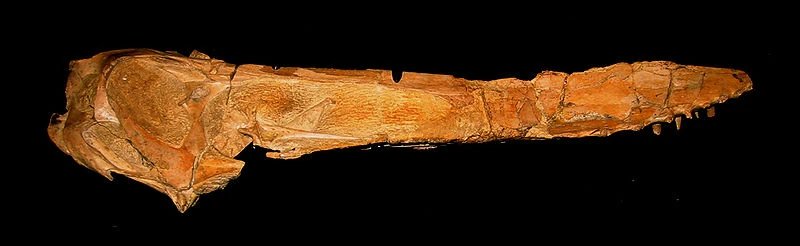
Image: Image sourced via web search (Fair use / Educational)
About Globidens
Globidens was a highly specialized genus of mosasaur, a group of large, predatory marine reptiles that dominated the world's oceans during the Late Cretaceous period. Living approximately 75 to 66 million years ago, its fossils are found in marine deposits worldwide, indicating a broad geographic distribution. Globidens is particularly significant in paleontology for its unique dental morphology, which featured robust, globe-shaped teeth adapted for crushing hard-shelled prey, a feeding strategy known as durophagy, setting it apart from the typically sharp-toothed, fish-eating mosasaurs of its time.
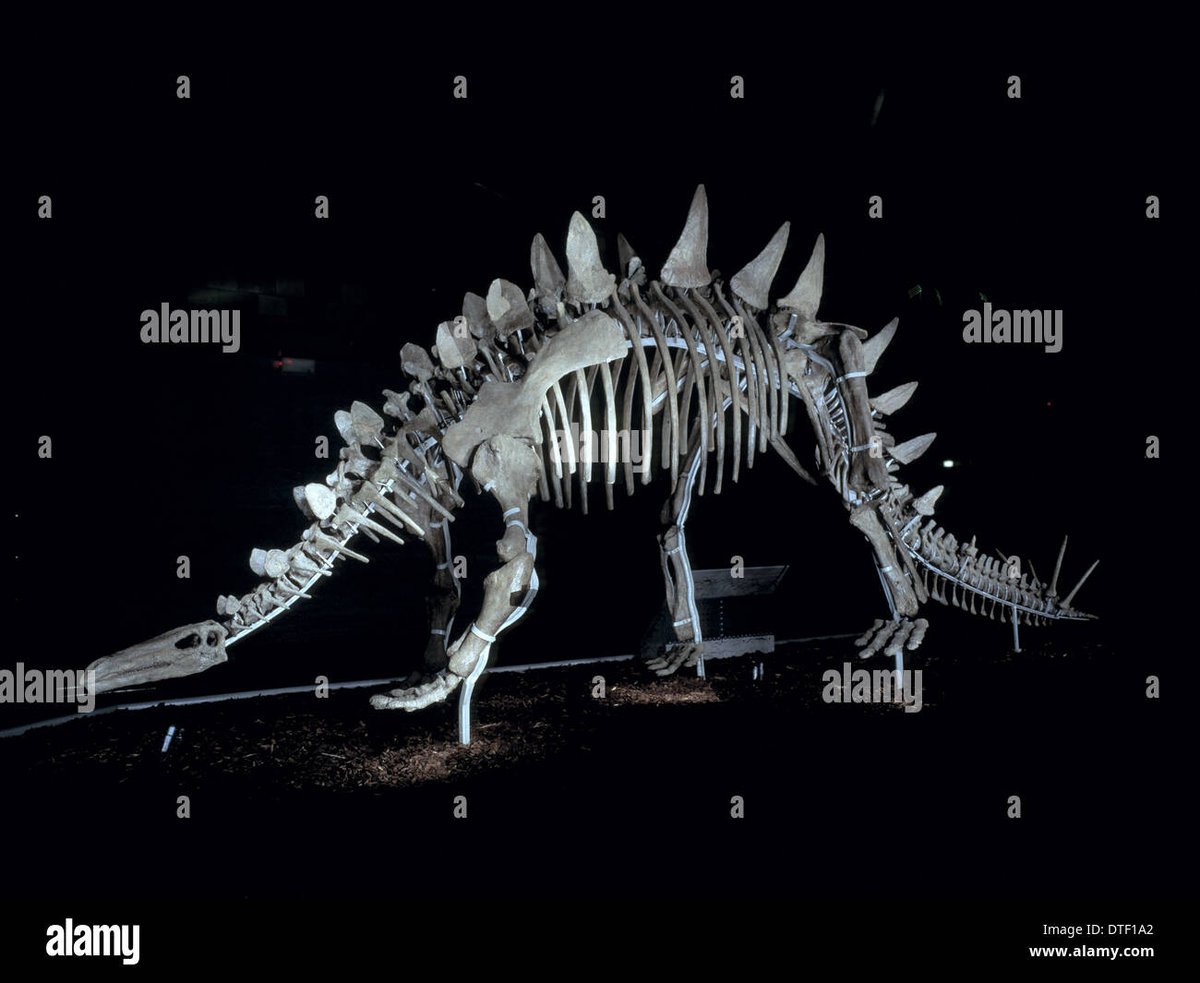
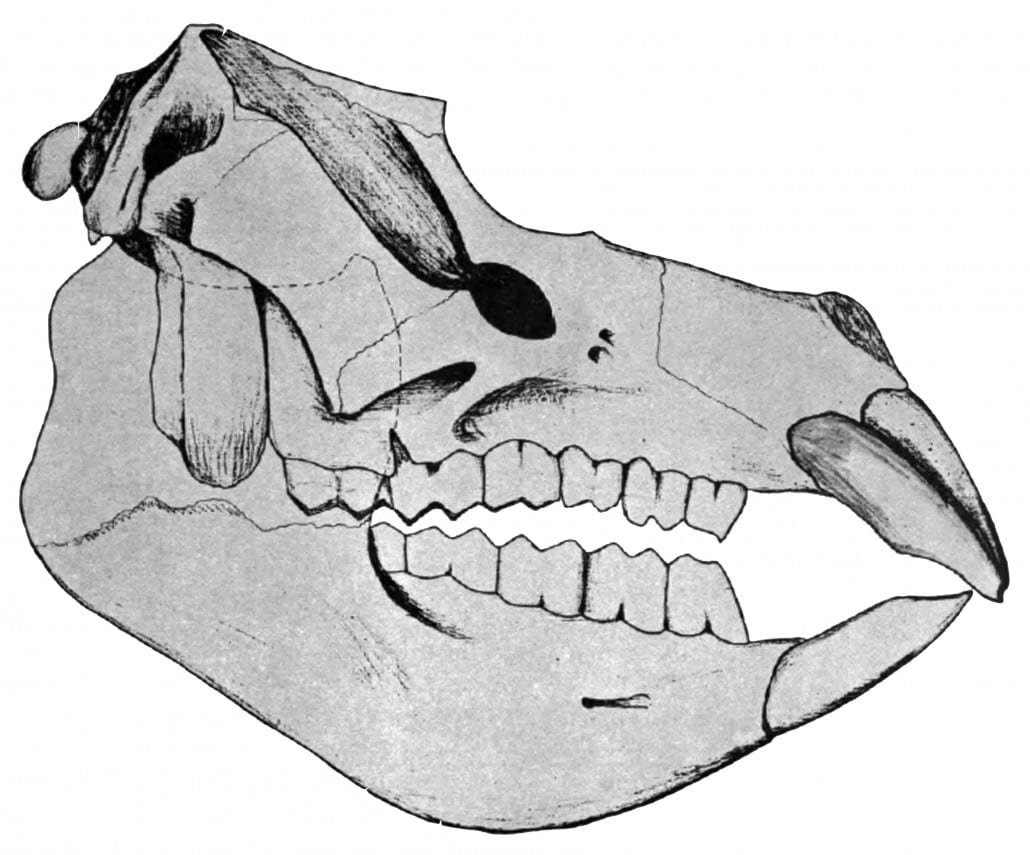
Globidens was a medium-sized mosasaur, with most species, including Globidens alabamaensis, estimated to have reached lengths of around 6 meters (approximately 20 feet), comparable to a large modern great white shark. Its body was streamlined and serpentine, typical of mosasaurs, with a long, muscular tail that terminated in a bilobed fluke, similar to that of a shark, which provided the primary propulsion for swimming. Its four limbs were modified into powerful, paddle-like flippers used for steering and stability. The skull of Globidens was its most distinctive feature. It was robustly constructed, with a short, powerful snout and heavily reinforced jawbones capable of withstanding immense bite forces. Unlike the slender, conical teeth of most mosasaurs designed for piercing fish and squid, Globidens possessed a battery of bulbous, rounded teeth, resembling large marbles or globes, from which its name is derived ('globe-teeth'). These teeth were deeply rooted in the jaw and had thick enamel, perfectly suited for crushing the shells of ammonites, bivalves, crabs, and sea turtles. The posterior teeth were the most globular, while those at the front of the jaw were slightly more pointed, likely for initially gripping prey before it was passed back to the crushing zone.
The unique dentition of Globidens provides a clear window into its paleobiology as a specialized durophagous predator. Its feeding strategy involved seeking out and consuming hard-shelled invertebrates and possibly small turtles that were abundant in the Late Cretaceous seas. The powerful jaw muscles, inferred from large attachment points on the skull, would have generated the force necessary to crack open the protective armor of its prey. This dietary niche allowed Globidens to avoid direct competition with other large marine predators like Tylosaurus or Mosasaurus, which primarily hunted larger fish, sharks, and other marine reptiles. Locomotion was achieved through lateral undulations of its powerful tail, with the flippers providing maneuverability. Like other mosasaurs, it was an air-breathing reptile and would have needed to surface regularly. There is no direct fossil evidence for social behavior in Globidens, but it is plausible they were solitary hunters, given their specialized diet. As with other mosasaurs, it is believed they gave birth to live young in the water, as their bodies were not adapted for returning to land.
During the Late Cretaceous, particularly the Campanian and Maastrichtian stages when Globidens lived, Earth's climate was warmer than today, with high sea levels creating vast, shallow epicontinental seas like the Western Interior Seaway in North America and the Tethys Ocean. Globidens inhabited these warm, productive marine environments, which teemed with life. Its ecosystem was a complex and dangerous one. The food web was rich, with its primary prey including large ammonites like Placenticeras, bivalves such as Inoceramus, sea urchins, crustaceans, and smaller marine turtles. Globidens occupied a mid-tier predator role. It would have been preyed upon by larger, apex predator mosasaurs like Tylosaurus and Mosasaurus hoffmannii, as well as giant sharks such as Cretoxyrhina and Squalicorax. It shared its habitat with a diverse array of other marine life, including plesiosaurs, other mosasaur species, a variety of bony fish, and pterosaurs that hunted from the air, creating a vibrant and highly competitive marine ecosystem just before the Cretaceous-Paleogene extinction event.
The history of Globidens begins with its initial discovery and description by paleontologist Charles W. Gilmore in 1912. The type species, Globidens alabamaensis, was named based on a partial skull and skeleton (holotype USNM 6527) unearthed from the Mooreville Chalk Formation in Alabama, USA. Gilmore immediately recognized the profound uniqueness of its globular teeth, which were unlike any mosasaur known at the time, and established the new genus. For many decades, Globidens remained a relatively enigmatic and rare fossil, known from fragmentary remains. However, subsequent discoveries throughout the 20th and 21st centuries have greatly expanded our understanding of its diversity and global distribution. Important specimens have been found not only in North America (Alabama, South Dakota, Kansas) but also in Morocco, Angola, Belgium, and the Middle East. Each new find, from isolated teeth to more complete skeletons, has helped to refine our picture of this specialized marine reptile and its various species, such as G. phosphaticus from Morocco, which is known from more extensive remains than the type species.
Globidens holds a significant place in the evolutionary history of the Mosasauridae family. It represents a remarkable example of adaptive radiation and niche partitioning within this dominant group of marine reptiles. While the mainstream mosasaur lineage evolved towards piscivory and macropredation with sharp, cutting teeth, Globidens and its close relatives in the tribe Globidensini diverged to exploit a completely different food source. This evolutionary path demonstrates the ecological plasticity of mosasaurs, allowing them to occupy various predatory roles in marine ecosystems. The development of durophagy in this lineage is a classic case of convergent evolution, as other unrelated marine animals, both ancient (like placodonts) and modern (like sea otters and some sharks), have independently evolved similar shell-crushing adaptations. Globidens' relationship to other mosasaurs places it within the Mosasaurinae subfamily, a diverse clade that also includes genera like Mosasaurus and Clidastes. Its unique anatomy provides crucial data for understanding the diversification and eventual success of mosasaurs in the Late Cretaceous.
Despite the clarity of its dietary specialization, some scientific debates regarding Globidens persist. The exact number of valid species within the genus is a subject of ongoing research, with some named species potentially representing variations within a single, more widespread species or belonging to closely related genera. For instance, the classification of remains from different parts of the world sometimes leads to taxonomic disputes about whether they represent new species of Globidens or should be assigned to other globidensine mosasaurs like Carinodens or Prognathodon. Furthermore, the precise mechanics of its bite and feeding process are still being modeled. While it is clear the teeth were for crushing, paleontologists debate whether prey was swallowed whole after being cracked or if the mosasaur could manipulate and process the food further in its mouth. New discoveries, particularly of more complete skulls and postcranial skeletons, continue to refine these interpretations and challenge previous assumptions about its lifestyle and capabilities.
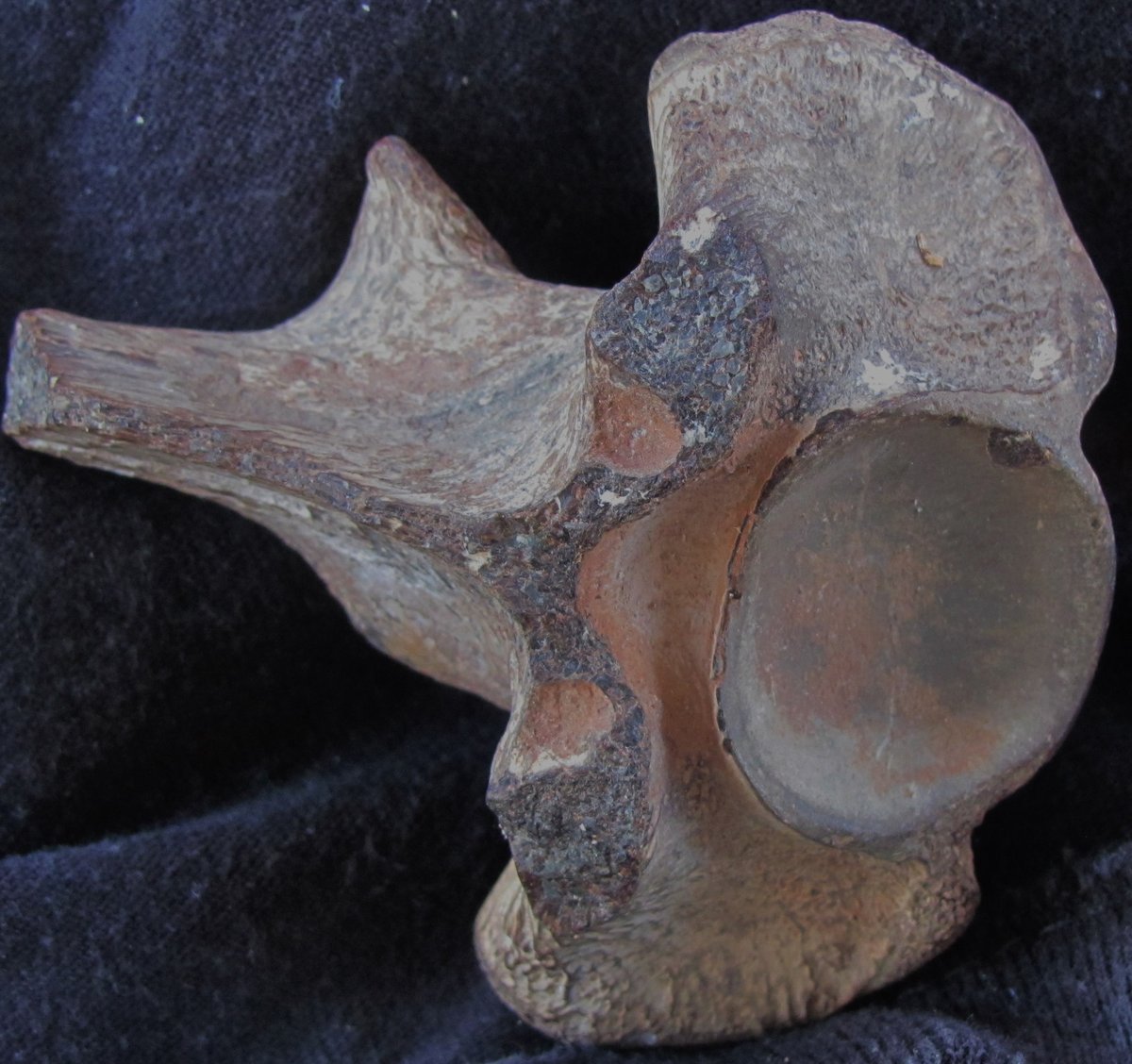
The fossil record of Globidens is widespread geographically but generally consists of incomplete material, making it an uncommon find. Fossils have been recovered from North America (notably the chalk formations of Alabama and the Pierre Shale of the Western Interior Seaway), North Africa (the phosphate deposits of Morocco are a particularly rich source), the Middle East, and Europe. Teeth are the most commonly found fossils due to their robust nature and high preservation potential. Associated skeletons are much rarer but provide the most critical information. The Mooreville Chalk and Demopolis Chalk of Alabama, along with the Pierre Shale in South Dakota and Kansas, are key North American sites. The Ouled Abdoun Basin in Morocco has yielded numerous, albeit often disarticulated, remains of G. phosphaticus, significantly enhancing the known fossil record for the genus. The quality of preservation varies from isolated, water-worn teeth to well-preserved, articulated skull elements and vertebrae.
While not as famous as Tyrannosaurus or Triceratops, Globidens has a notable cultural impact within paleontological circles and among fossil enthusiasts for its bizarre and unique appearance. Its distinctive, ball-shaped teeth make it instantly recognizable and a point of fascination. Major natural history museums, such as the Smithsonian National Museum of Natural History and the Alabama Museum of Natural History, often feature casts or original fossils of Globidens in their marine reptile exhibits, using it as a prime example of dietary specialization and the diversity of life in the Cretaceous oceans. It occasionally appears in documentary series about prehistoric life, highlighted for its unique shell-crushing feeding strategy, which serves as an important educational tool to illustrate the concept of ecological niches.
Classification
Time Period
Discovery
Location
Alabama, United States
Formation
Mooreville Chalk Formation
Frequently Asked Questions
What is Globidens?
Globidens was a highly specialized genus of mosasaur, a group of large, predatory marine reptiles that dominated the world's oceans during the Late Cretaceous period. Living approximately 75 to 66 million years ago, its fossils are found in marine deposits worldwide, indicating a broad geographic di...
When did Globidens live?
Globidens lived during the cretaceous period of the mesozoic era approximately 75-66 million years ago.
Where was Globidens discovered?
Fossils of Globidens were discovered in Alabama, United States in the Mooreville Chalk Formation.
What did Globidens eat?
Globidens was a carnivore. It lived in marine habitats.
What type of fossil is Globidens?
Globidens is preserved as a body fossil. The preservation quality is good.
Related Specimens
From the mesozoic era · body fossils