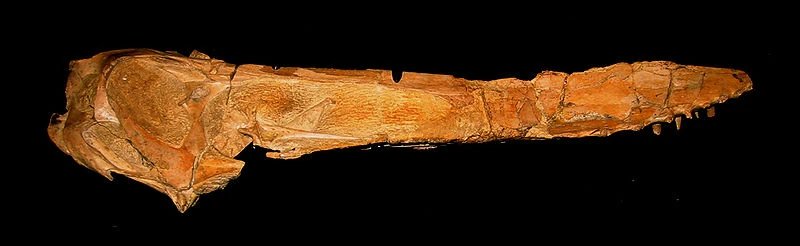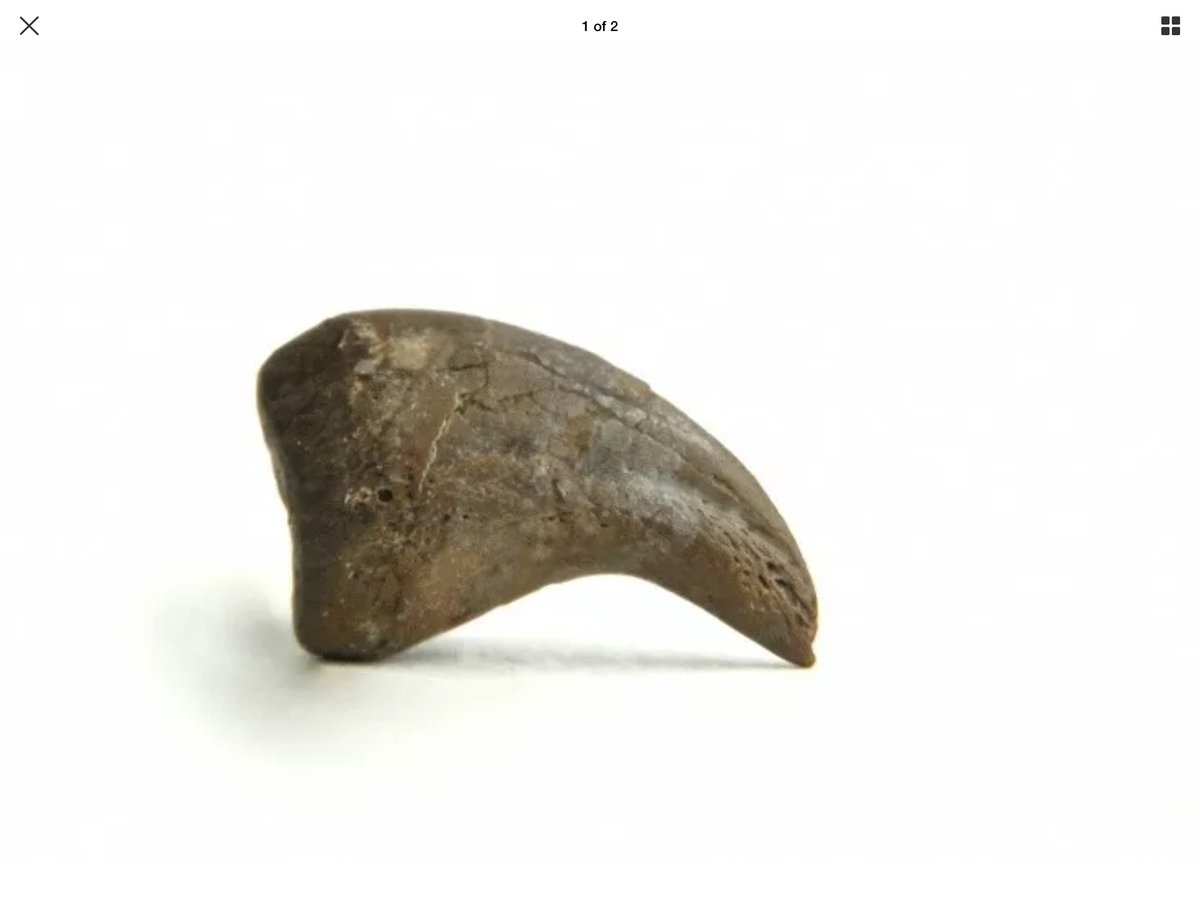
Troodon
Troodon formosus
Image: Image sourced via web search (Fair use / Educational)
About Troodon
Troodon formosus was a small, bird-like dinosaur that lived during the Late Cretaceous Period, approximately 77 to 70 million years ago. Its fossils are primarily known from North America, offering a crucial window into the diverse ecosystems preceding the final extinction of the non-avian dinosaurs. Renowned for its unusually large brain relative to its body size, Troodon has long been a subject of intense scientific interest and speculation regarding its intelligence and behavior, making it one of the most significant small theropods in paleontological history. Its taxonomic status has been a subject of considerable debate, with the original type specimen, a single tooth, leading to a complex and often confusing classification history that continues to evolve with new discoveries.
Troodon was a lightly built, bipedal dinosaur, measuring approximately 2.4 meters (about 8 feet) in length, standing about 1 meter (3.3 feet) tall at the hip, and weighing an estimated 50 kilograms (110 pounds). For a modern comparison, it was roughly the size of a large wolf or a small deer, but with a distinctly avian build. Its skeleton was gracile and hollow-boned, similar to modern birds, which contributed to its agility. The most distinctive features of Troodon were its long, slender legs, indicating it was a fast runner, and its exceptionally large, forward-facing eyes, suggesting excellent binocular vision and potentially nocturnal or crepuscular habits. Its skull housed a braincase that was proportionally one of the largest among all known non-avian dinosaurs, leading to the hypothesis that it was among the most intelligent. It possessed a long, low snout filled with numerous small, sharply serrated teeth. A key feature was the retractable, sickle-shaped claw on the second toe of each foot, similar to but smaller than that of dromaeosaurids like Velociraptor. Inferred soft tissue, based on its close relationship with feathered dinosaurs from China, strongly suggests Troodon was covered in a coat of feathers, which would have aided in insulation and possibly display, though direct fossil evidence of feathers on Troodon itself has not yet been found.
Analyses of Troodon's anatomy and its environment provide a detailed picture of its paleobiology. Its diet was likely carnivorous, focusing on small prey. The numerous, small, and coarsely serrated teeth were well-suited for gripping and tearing flesh from small animals like lizards, mammals, and possibly juvenile dinosaurs. The large, forward-facing eyes with their large orbits suggest a reliance on vision for hunting, and their size implies an ability to see well in low-light conditions, supporting the idea of a nocturnal or crepuscular lifestyle. Its long, agile legs would have allowed it to pursue fast-moving prey across the open floodplains and forests it inhabited. The sickle claw on its foot, while a formidable weapon, was likely used to pin down struggling prey rather than for disemboweling larger animals. There is compelling evidence for complex social and reproductive behavior. Fossil discoveries in Montana, such as the 'Egg Mountain' site, have revealed Troodon nests with clutches of paired eggs. The arrangement of these eggs and the discovery of adult skeletons in brooding positions suggest parental care, possibly by the males, a behavior seen in some modern bird species like ostriches. Analysis of bone histology indicates that Troodon grew rapidly, reaching adult size in just 3-5 years, a growth rate more akin to modern birds than to typical reptiles, hinting at a relatively high, possibly near-warm-blooded, metabolism.
Troodon lived in the western interior of North America, known as Laramidia, during the Campanian and Maastrichtian stages of the Late Cretaceous. This was a world characterized by a warm, humid climate with lush vegetation. Its habitat consisted of coastal plains, floodplains, and forests bordering the Western Interior Seaway, a vast inland sea that split the continent. This ecosystem was incredibly diverse, and Troodon shared its environment with a spectacular array of other dinosaurs. It would have been a mid-level predator in a complex food web. Herbivores were abundant, including large ceratopsians like Chasmosaurus and Centrosaurus, hadrosaurs such as Parasaurolophus and Edmontosaurus, and armored ankylosaurs like Euoplocephalus. Troodon would have been both a predator and potential prey. While it hunted smaller animals, it had to be wary of larger carnivores that occupied the apex predator niche, such as the tyrannosaurids Gorgosaurus and Daspletosaurus. Its speed and intelligence would have been its primary defenses against these formidable threats. The presence of numerous other small theropods, including dromaeosaurs and ornithomimids, indicates a high degree of niche partitioning, with different predators specializing in different types of prey and hunting strategies to coexist in this rich, competitive environment.
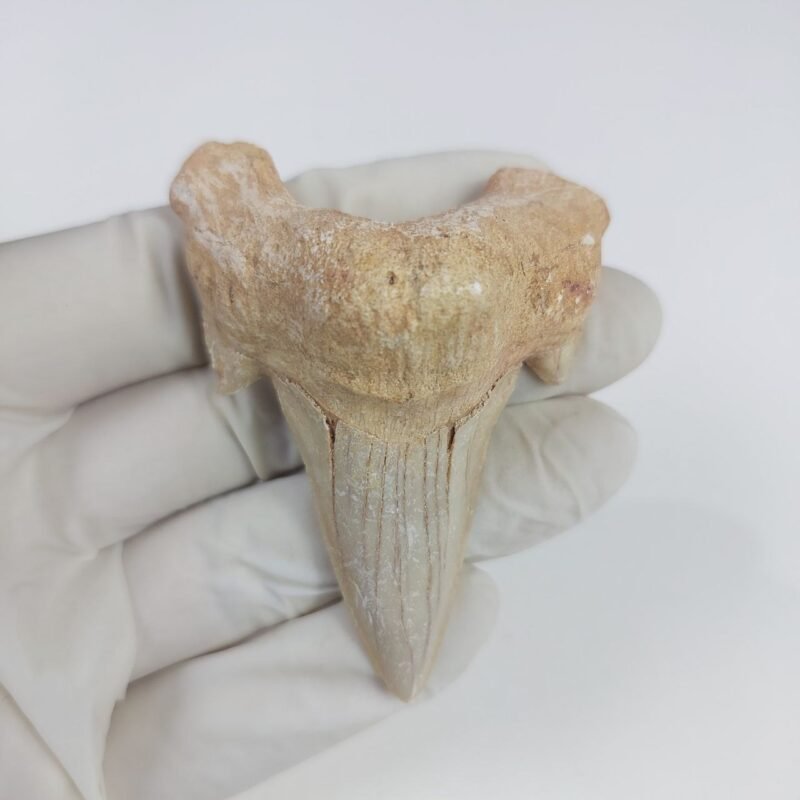
The history of Troodon is one of the longest and most convoluted in dinosaur paleontology. The genus was first named by paleontologist Joseph Leidy in 1856, based on a single tooth discovered in the Judith River Formation of Montana. Leidy initially classified it as a lacertilian (lizard), not a dinosaur. The name Troodon formosus means 'wounding tooth' in reference to the sharp serrations. For over a century, Troodon was known almost exclusively from isolated teeth, leading to its status as a 'wastebasket taxon' where many similar teeth from the Late Cretaceous of North America were assigned. This changed dramatically in the 1980s when more complete skeletal remains were discovered. Paleontologist Jack Horner's work at the 'Egg Mountain' site in Montana unearthed Troodon nests, eggs, and skeletal remains of both adults and juveniles, providing the first real insights into its anatomy and behavior. Another key specimen, formerly known as Stenonychosaurus, from the Dinosaur Park Formation in Alberta, Canada, provided a nearly complete skull, which was instrumental in revealing its large brain size. For a time, Stenonychosaurus was synonymized with Troodon, but recent research has revived it as a distinct genus, further complicating the taxonomic picture. The original tooth remains the holotype, but our modern understanding of the animal is built upon these later, more complete discoveries from across western North America.
Troodon's position in the evolutionary tree of life is firmly within the Maniraptora, a group of coelurosaurian theropods that includes birds and their closest dinosaurian relatives. It is the namesake of the family Troodontidae, which is considered the sister group to Dromaeosauridae (the 'raptors'). Together, these groups, along with birds (Avialae), form the clade Paraves. Troodontids exhibit a fascinating mosaic of primitive dinosaurian traits and advanced, bird-like features. Their skeletons share numerous characteristics with early birds like Archaeopteryx, including hollow bones, long arms that could likely fold against the body, and a sideways-facing shoulder joint. The discovery of troodontid nests showing bird-like brooding behavior provides a powerful behavioral link between non-avian dinosaurs and their modern avian descendants. Troodon and its relatives are therefore crucial for understanding the evolutionary steps that led to birds, particularly the development of large brains, keen senses, complex reproductive strategies, and potentially even feathered flight, as some smaller, earlier troodontids like Anchiornis had well-developed wings on all four limbs. They demonstrate that many traits once thought to be unique to birds actually evolved much earlier within their dinosaur ancestors, blurring the line between what we consider a 'dinosaur' and what we call a 'bird'.
The classification of Troodon is a prime example of scientific debate and revision in paleontology. For decades, the genus Troodon became a catch-all for troodontid material from the Late Cretaceous of North America. However, because the original type specimen is just a single tooth, it is considered non-diagnostic by many paleontologists. This means the tooth lacks unique features to definitively link it to the more complete skeletons found later. In 2017, a major revision by researchers Aaron van der Reest and Philip J. Currie argued that the skeletal material previously assigned to Troodon should be re-assigned to other genera, primarily resurrecting the name Stenonychosaurus for the Canadian material and Latenivenatrix for other specimens. Under this interpretation, Troodon formosus is considered a nomen dubium (a doubtful name) applicable only to the original tooth. This re-evaluation is not universally accepted, and some researchers continue to use Troodon in a broader sense pending further study. The debate highlights the challenges of dinosaur taxonomy, especially when a genus is founded on fragmentary material. New discoveries of associated skeletons and teeth are needed to resolve whether the famous skeletons truly belong to the same animal as Leidy's original 'wounding tooth'.
Fossils attributed to Troodon, or at least to the family Troodontidae, are found widely across the Late Cretaceous deposits of western North America, from Alaska down to Texas and Mexico. The most significant and complete specimens have been unearthed in the Judith River and Two Medicine Formations of Montana, USA, and the Dinosaur Park and Horseshoe Canyon Formations of Alberta, Canada. The fossil record, while geographically widespread, is composed of varying quality. Isolated teeth are quite common, reflecting their regular shedding during the animal's life. However, complete or even partial skeletons are much rarer. The 'Egg Mountain' site in Montana is famous for its exceptional preservation of nests and eggs, providing unparalleled insight into troodontid reproductive biology. The Canadian specimens, particularly those from Dinosaur Provincial Park, have yielded some of the best-preserved skulls and postcranial skeletons, which have been fundamental to our understanding of troodontid anatomy and intelligence. Despite the taxonomic uncertainty, the collective fossil material provides a robust picture of this family of dinosaurs, even if the specific name Troodon is in question.
Troodon has secured a prominent place in popular culture, largely due to its reputation as the 'smartest dinosaur'. It has been featured in numerous books, television documentaries like 'Dinosaur Planet', and films, often portrayed as a cunning, pack-hunting predator with near-human intelligence. This portrayal was famously taken to its speculative extreme with the 'Dinosauroid' thought experiment by paleontologist Dale Russell in 1982, which imagined what Troodon might have evolved into had it not gone extinct. While scientifically unsupported, this idea captured the public imagination. Museums worldwide, including the Royal Tyrrell Museum of Palaeontology in Canada and the Museum of the Rockies in the USA, feature impressive displays of Troodon (or Stenonychosaurus) skeletons and reconstructed nests, making it a key educational tool for teaching about dinosaur intelligence, behavior, and the connection between dinosaurs and birds.
Classification
Time Period
Discovery
Location
USA (Montana)
Formation
Judith River Formation
Frequently Asked Questions
What is Troodon?
Troodon formosus was a small, bird-like dinosaur that lived during the Late Cretaceous Period, approximately 77 to 70 million years ago. Its fossils are primarily known from North America, offering a crucial window into the diverse ecosystems preceding the final extinction of the non-avian dinosaurs...
When did Troodon live?
Troodon lived during the cretaceous period of the mesozoic era approximately 77-70 million years ago.
Where was Troodon discovered?
Fossils of Troodon were discovered in USA (Montana) in the Judith River Formation.
What did Troodon eat?
Troodon was a carnivore. It lived in terrestrial habitats.
What type of fossil is Troodon?
Troodon is preserved as a body fossil. The preservation quality is poor.
Related Specimens
From the mesozoic era · body fossils