Hurdia
Hurdia victoria
Image: Image sourced via web search (Fair use / Educational)
About Hurdia
Hurdia victoria is a fascinating and highly significant extinct marine organism that lived during the middle of the Cambrian Period, approximately 508 to 505 million years ago. As a prominent member of the radiodonts, an extinct order of stem-group arthropods, Hurdia swam in the ancient seas that once covered what is now British Columbia, Canada. It is primarily known from the world-renowned Burgess Shale fossil deposits, a site famous for its exceptional preservation of soft-bodied organisms from the Cambrian explosion. For nearly a century after its initial discovery, Hurdia remained one of paleontology's greatest puzzles, with its various body parts misidentified as entirely different animals belonging to disparate phyla. Today, properly reconstructed, Hurdia stands as a crucial taxon for understanding the early evolution of arthropods, offering profound insights into the development of the arthropod head, appendages, and respiratory systems during a time when complex animal life was rapidly diversifying.
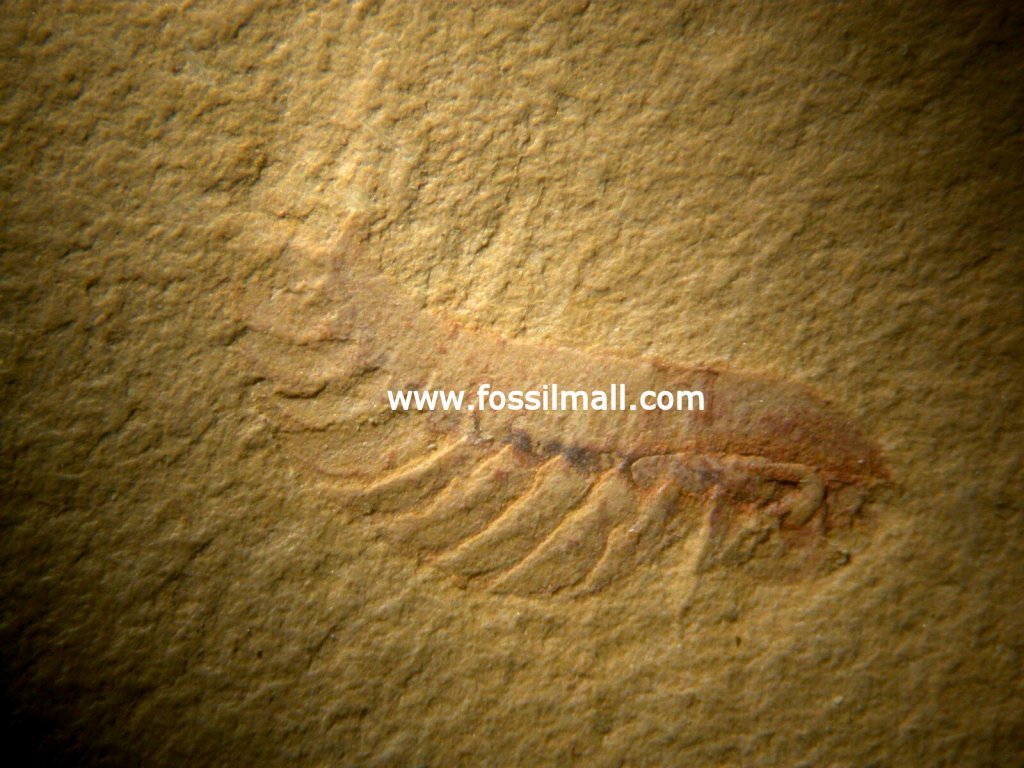
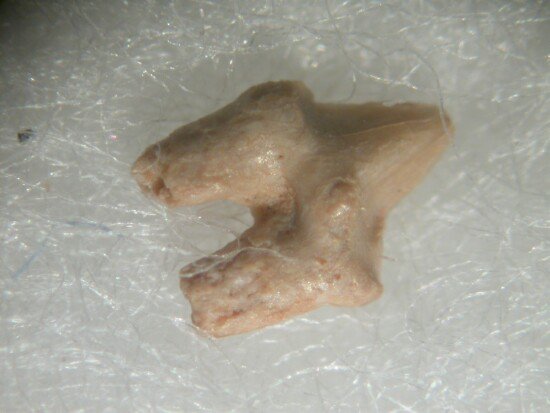
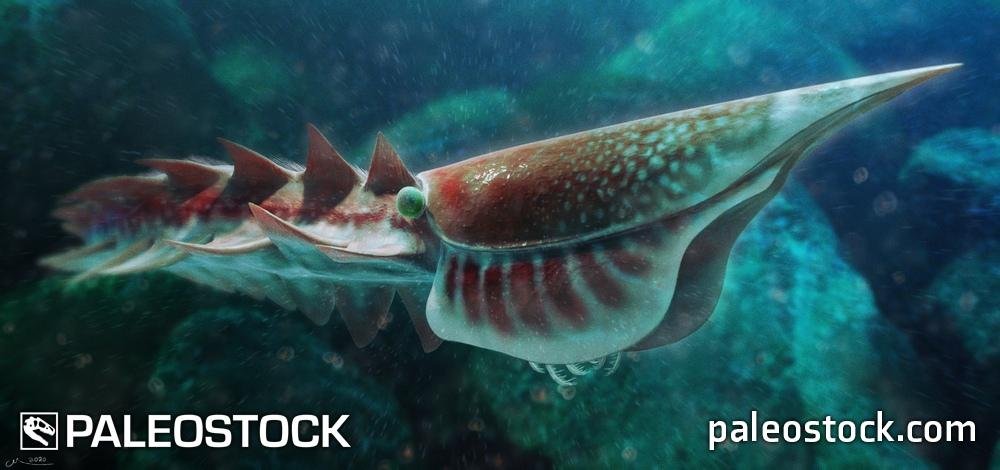
In terms of physical appearance, Hurdia victoria was a bizarre and visually striking creature, measuring approximately 20 centimeters in length, making it a moderately sized predator for its time, though smaller than its famous relative Anomalocaris. Its most distinctive anatomical feature was an enormous, three-part frontal carapace that projected forward from its head. This hollow, prominent head shield was nearly as long as the rest of its body and lacked any obvious modern analogue. Beneath this massive structure, Hurdia possessed a pair of large, stalked compound eyes that provided excellent vision in the Cambrian seas. Its mouth, situated on the underside of the head, was a circular, jawless structure known as an oral cone, lined with multiple plates bearing sharp teeth. Flanking the mouth were two robust, segmented frontal appendages equipped with spiny outgrowths, which were likely used to sweep up or grasp prey. The creature's trunk was composed of multiple segments, each bearing a pair of lateral swimming flaps that undulated to propel the animal through the water. Above these flaps lay extensive arrays of lanceolate blades, which scientists interpret as highly developed gills used for respiration. Unlike modern arthropods, Hurdia lacked hardened, calcified exoskeleton parts, relying instead on a tough but unmineralized cuticle.
The paleobiology of Hurdia suggests it was an active, swimming predator or scavenger that played a dynamic role in its ecosystem. Its hydrodynamic profile, characterized by the lateral swimming flaps, indicates it was a capable swimmer, though perhaps not as fast or agile as Anomalocaris due to the drag created by its massive frontal carapace. The function of this enormous head shield remains a subject of study, but it may have been used to plow through the soft, muddy seafloor to flush out hidden prey. Hurdia's feeding strategy likely involved using its spiny frontal appendages to sift through sediment or capture small, soft-bodied organisms, which were then passed to the circular, tooth-lined oral cone. The robust nature of its mouthparts suggests it could process relatively tough prey, though it probably lacked the ability to crush heavily armored trilobites. The extensive gill structures running along its back indicate a high metabolic rate, requiring significant oxygen uptake to sustain its active, swimming lifestyle. Growth patterns inferred from various fossil specimens show that Hurdia underwent a series of molts, shedding its cuticle as it grew, a characteristic trait of all ecdysozoans.
During the middle Cambrian, the world was a vastly different place. The continents were barren of complex life, and the oceans were the sole theater for the dramatic evolutionary radiation known as the Cambrian explosion. Hurdia lived in a vibrant, shallow marine ecosystem situated along the margin of the ancient continent of Laurentia, near the equator. The climate was generally warm, and the seas were teeming with a bizarre array of newly evolved life forms. Hurdia shared its habitat with a diverse community of organisms, including the apex predator Anomalocaris, the five-eyed Opabinia, heavily armored trilobites like Olenoides, and early sponges, brachiopods, and worms. In this complex food web, Hurdia likely occupied a mid-to-high trophic level, preying on smaller, benthic or pelagic invertebrates while potentially falling victim to larger radiodonts. The muddy seafloor environments of the Burgess Shale provided a rich hunting ground, where the interplay of predator and prey drove rapid evolutionary adaptations in armor, mobility, and sensory organs.
The discovery history of Hurdia is a classic tale of paleontological detective work, spanning nearly a century. The first fossils of Hurdia were discovered in 1912 by the legendary American paleontologist Charles Doolittle Walcott in the Burgess Shale of British Columbia. However, Walcott only found the isolated, net-like frontal carapace, which he mistakenly described as a type of ancient crustacean. For decades, other parts of Hurdia's body were discovered but assigned to entirely different animals. Its spiny frontal appendages were thought to be the bodies of strange, shell-less crustaceans, while its circular mouthparts were classified as a type of jellyfish called Peytoia. Its body, with its swimming flaps and gills, was sometimes confused with sea cucumbers or other enigmatic worms. It wasn't until the late 1990s and 2000s, spearheaded by researchers like Desmond Collins and later comprehensively detailed by Allison Daley and colleagues in 2009, that newly discovered, complete specimens from the Royal Ontario Museum's collections allowed scientists to piece the puzzle together. This reconstruction proved that these disparate 'species' were actually the head, mouth, appendages, and body of a single, extraordinary animal: Hurdia victoria.
Evolutionarily, Hurdia is of paramount significance because it helps bridge the gap between primitive, worm-like ancestors and the highly successful, diverse phylum of modern arthropods, which includes insects, spiders, and crustaceans. As a radiodont, Hurdia belongs to the stem-group of Arthropoda, meaning it branched off the evolutionary tree before the last common ancestor of all living arthropods. Its anatomy provides a unique window into the step-by-step assembly of the arthropod body plan. For instance, Hurdia's prominent gills, which are associated with its swimming flaps, offer critical evidence for the origin of the biramous (two-branched) limbs seen in later arthropods, suggesting that the upper branch evolved from respiratory structures while the lower branch evolved into walking legs. Furthermore, the complex arrangement of its head shield, eyes, and frontal appendages has sparked major insights into the evolution of the arthropod head, a long-standing morphological puzzle. By studying Hurdia, paleontologists can trace how segmented bodies, specialized appendages, and compound eyes first coalesced into the remarkably adaptable arthropod form.
Despite the comprehensive reconstruction published in 2009, Hurdia remains the subject of ongoing scientific debates and research. One of the primary controversies surrounds the exact function of its massive, hollow frontal carapace. While some researchers propose it was a hydrodynamic adaptation or a tool for plowing through sediment, others suggest it might have played a role in buoyancy control, or perhaps even served a display function for species recognition or mating, though sexual dimorphism has not been definitively proven. Additionally, the exact dietary habits of Hurdia are debated; while its mouthparts suggest carnivory, the specific mechanics of how it captured and processed food using its frontal appendages are still being modeled. The taxonomy of radiodonts is also in constant flux as new species are discovered globally, leading to debates over the precise phylogenetic relationships within the family Hurdiidae and how they relate to other radiodont families like Anomalocarididae and Amplectobeluidae.
The fossil record of Hurdia is primarily anchored in the Burgess Shale of British Columbia, Canada, specifically within the Walcott Quarry and the Raymond Quarry. Thanks to decades of intensive excavation by institutions like the Royal Ontario Museum (ROM) and the Smithsonian Institution, hundreds of specimens have been collected. The preservation quality of these fossils is exceptional, a hallmark of Burgess Shale-type preservation, where fine mud rapidly buried the organisms in anoxic conditions, preventing decay. This unique taphonomy allowed for the fossilization of Hurdia's soft tissues, including its delicate gills, gut tract, and unmineralized cuticle. While isolated carapaces and frontal appendages are relatively common finds, fully articulated specimens showing the entire animal are rare and highly prized. In recent years, Hurdia or closely related hurdiid radiodonts have also been identified in other Cambrian deposits around the world, including sites in the United States, China, and Europe, indicating that these bizarre predators had a widespread global distribution.
In popular culture and museum education, Hurdia has become a celebrated symbol of the Cambrian explosion's sheer weirdness and the iterative nature of the scientific process. Its 'Frankenstein' history—being pieced together from parts originally thought to be jellyfish, crustaceans, and sea cucumbers—makes it a favorite anecdote in paleontology classes and documentaries to illustrate how scientific understanding evolves with new evidence. Spectacular, life-sized dioramas and high-quality fossil specimens of Hurdia are prominently displayed at the Royal Ontario Museum in Toronto and the Smithsonian National Museum of Natural History in Washington, D.C. These exhibits capture the public's imagination, highlighting Hurdia not just as a bizarre ancient monster, but as a crucial evolutionary stepping stone that helps tell the epic story of life on Earth.
Classification
Time Period
Discovery
Location
British Columbia, Canada
Formation
Burgess Shale
Frequently Asked Questions
What is Hurdia?
Hurdia victoria is a fascinating and highly significant extinct marine organism that lived during the middle of the Cambrian Period, approximately 508 to 505 million years ago. As a prominent member of the radiodonts, an extinct order of stem-group arthropods, Hurdia swam in the ancient seas that on...
When did Hurdia live?
Hurdia lived during the cambrian period of the paleozoic era approximately 508-505 million years ago.
Where was Hurdia discovered?
Fossils of Hurdia were discovered in British Columbia, Canada in the Burgess Shale.
What did Hurdia eat?
Hurdia was a carnivore. It lived in marine habitats.
What type of fossil is Hurdia?
Hurdia is preserved as a body fossil. The preservation quality is exceptional.
Related Specimens
From the paleozoic era · body fossils