Torosaurus
Torosaurus latus
Image: Image sourced via web search (Fair use / Educational)
About Torosaurus
Torosaurus latus was a large, herbivorous ceratopsid dinosaur that roamed western North America during the final two million years of the Cretaceous Period, approximately 68 to 66 million years ago. As one of the last non-avian dinosaurs, its fossils provide a crucial window into the terminal Mesozoic ecosystem just before the catastrophic Cretaceous-Paleogene extinction event. Its most defining characteristic is its immense frill, which is among the largest of any known land animal, making it a subject of significant paleontological interest and debate regarding its function and relationship to its famous contemporary, Triceratops.
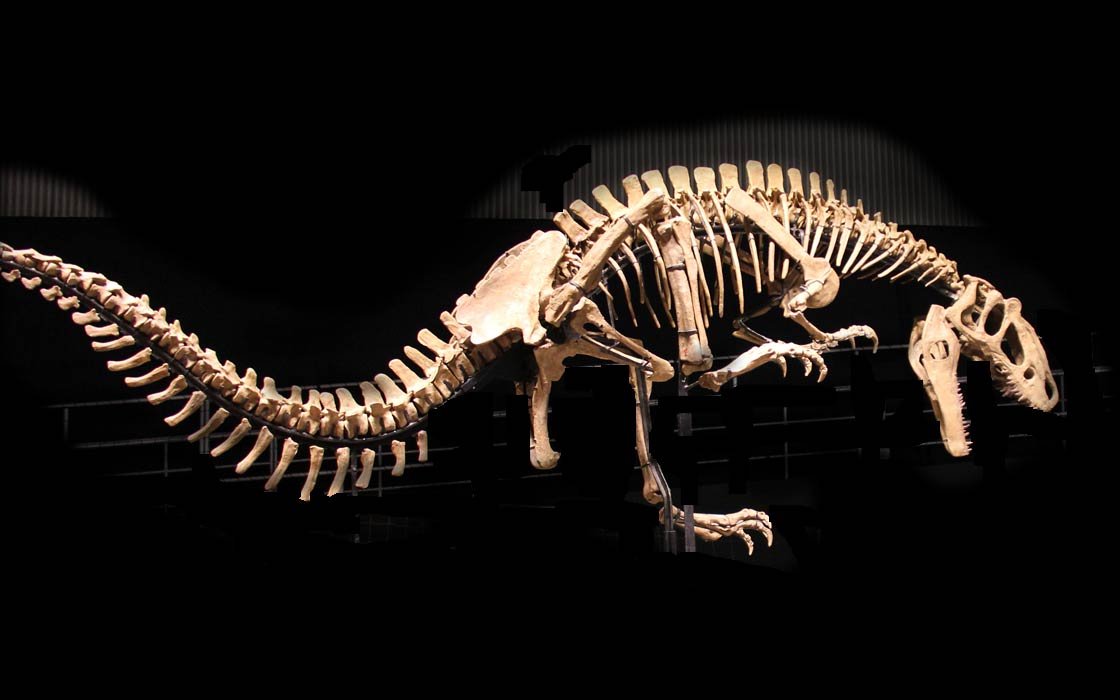
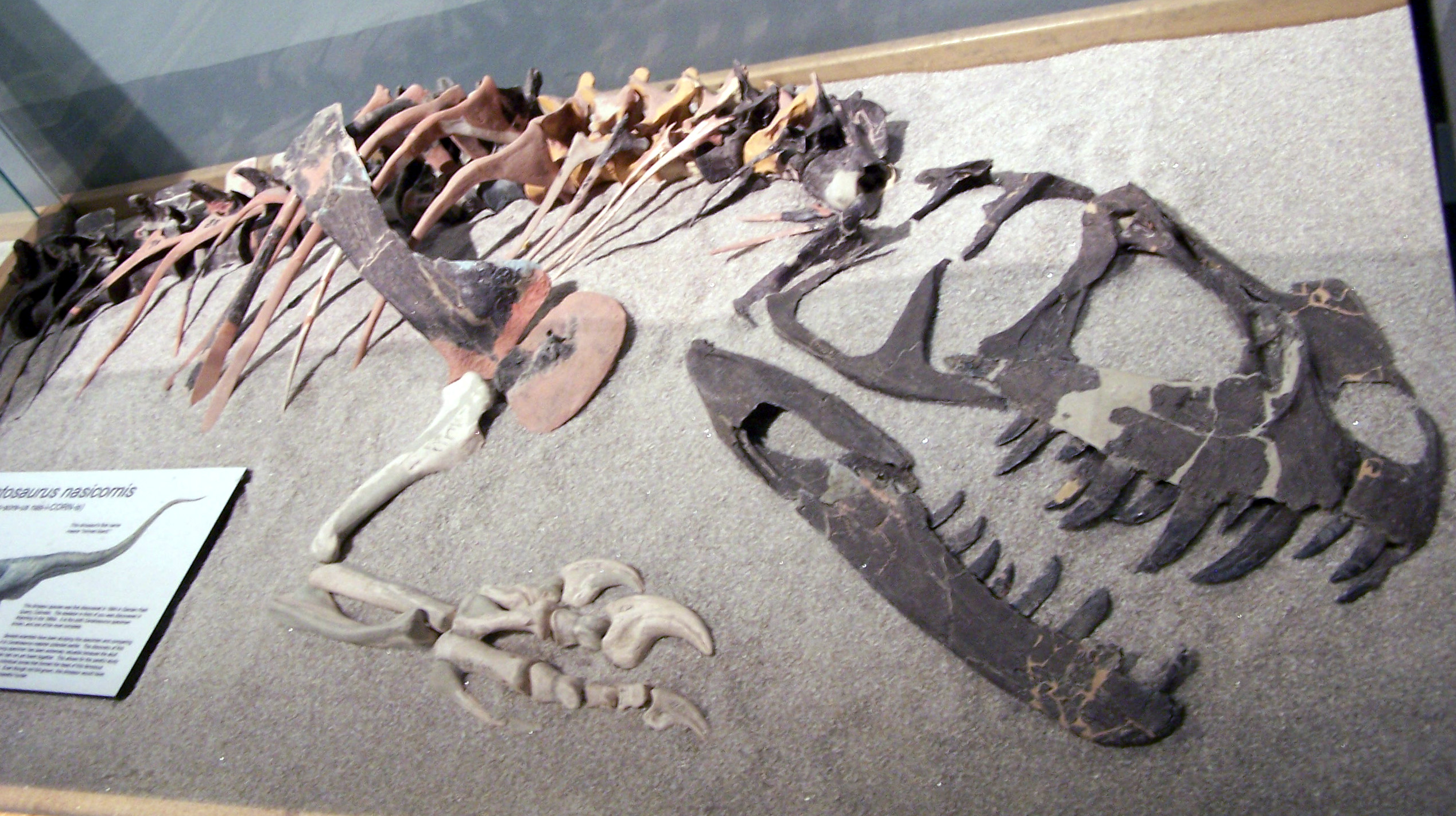
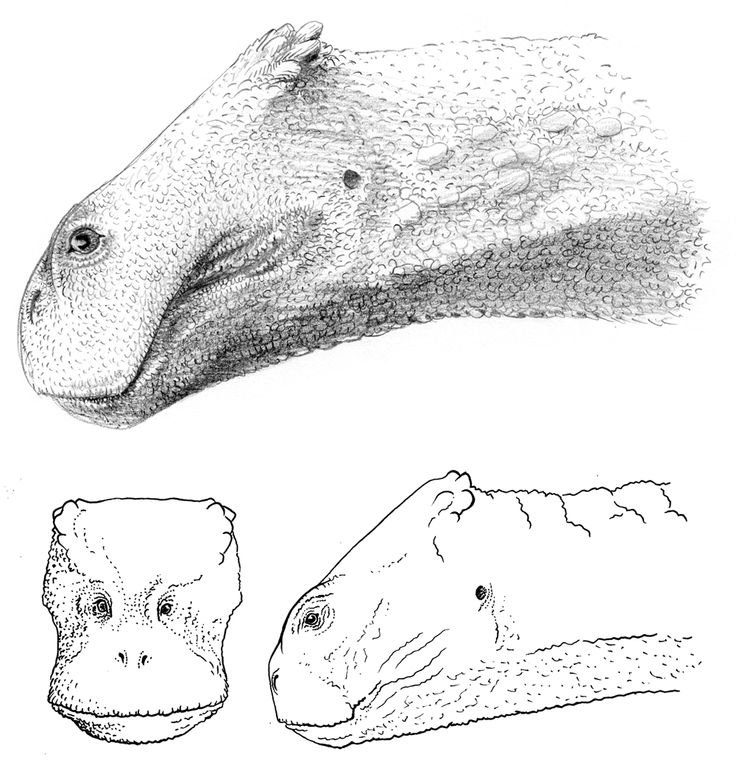
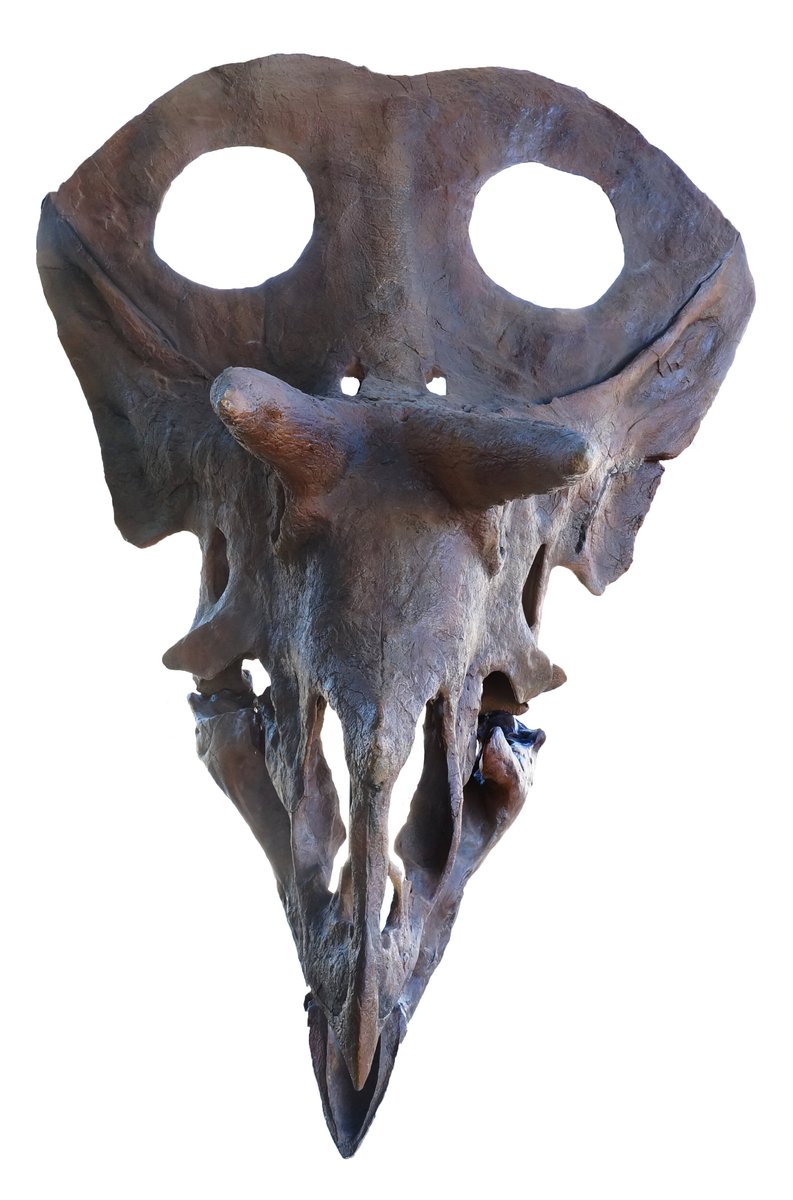
Torosaurus was a colossal quadruped, reaching estimated lengths of 8 to 9 meters (26 to 30 feet) and weighing between 6 and 8 metric tons (13,000 to 17,600 pounds), placing it among the largest of the ceratopsians. For comparison, it was roughly the size of a large African elephant, but with a much more robust and stocky build. Its most spectacular feature was its enormous parietosquamosal frill, which could extend up to 2.77 meters (9.1 feet) in length, accounting for nearly one-third of the animal's total length and giving it the largest skull of any known terrestrial animal. The name Torosaurus, meaning 'perforated lizard,' refers to the two large, oval-shaped openings, or fenestrae, within this frill, which were covered in skin in life. These fenestrae significantly lightened the skull's weight without compromising its structural integrity for display purposes. The frill was bordered by a series of small, triangular hornlets called epoccipitals. The skull also bore three prominent horns: two long brow horns above the eyes, which could exceed a meter in length, and a shorter, thicker horn on its nose. Its powerful, beak-like mouth, or rostrum, was well-suited for shearing tough, fibrous plant material. Its body was barrel-chested and supported by four stout, pillar-like legs, ending in hoof-like claws, indicating a fully terrestrial, graviportal locomotion.
As a high-browsing herbivore, Torosaurus's diet likely consisted of the dominant flora of the Late Cretaceous, such as ferns, cycads, and early flowering plants. Its powerful beak would have been used to snip off vegetation, which was then processed by complex dental batteries located in its cheeks. These batteries contained hundreds of teeth arranged in vertical columns, with only a fraction in use at any one time, creating a continuous shearing surface that could efficiently grind down even the most resilient plant matter. The function of its elaborate frill and horns is a subject of ongoing study. While they could have offered some defense against predators like Tyrannosaurus rex, their primary role is now widely believed to have been for intraspecific display and combat. The frill, likely adorned with vibrant colors, would have served as a visual signal for species recognition, mate attraction, and establishing dominance within a herd. The brow horns were likely used in ritualized combat with rivals, involving locking horns and shoving matches, similar to modern-day bovids. Evidence from fossil bonebeds of other ceratopsians suggests they may have lived in social groups or herds, a behavior that is plausible for Torosaurus as well, offering protection and facilitating mating opportunities. Its growth from juvenile to adult involved significant changes in skull morphology, a process known as ontogeny, which is central to major taxonomic debates.
Torosaurus inhabited the lush, subtropical coastal plains of the Western Interior Seaway, a vast inland sea that divided North America during the Late Cretaceous. Its world was a warm, humid environment dominated by forested floodplains, deltas, and swamps, similar to the modern-day Mississippi River Delta. This ecosystem, preserved in geological strata like the Hell Creek and Lance Formations, was incredibly biodiverse. Torosaurus shared this habitat with a host of other dinosaurs, placing it in a complex food web. It was a primary consumer, competing for plant resources with other large herbivores such as the armored Ankylosaurus, the duck-billed Edmontosaurus, and its close relative, Triceratops. The apex predator of this environment was the formidable Tyrannosaurus rex, and fossil evidence, including bite marks on ceratopsian bones, confirms that T. rex actively preyed upon animals like Torosaurus. The frill and horns of Torosaurus would have been its primary defense, making a frontal assault by a predator a risky proposition. Other smaller predators in the ecosystem included dromaeosaurs like Acheroraptor and the juvenile stages of T. rex. The environment was also teeming with smaller vertebrates, including mammals, lizards, turtles, and crocodiles, creating a vibrant and dynamic, yet perilous, world.
The discovery of Torosaurus is credited to the renowned American paleontologist Othniel Charles Marsh. In 1891, John Bell Hatcher, a fossil collector working for Marsh, unearthed two ceratopsian skulls in southeastern Wyoming from deposits now known as the Lance Formation. These skulls were notable for their elongated frills containing large fenestrae, a feature distinct from the solid-frilled Triceratops skulls Hatcher had been finding in the same region. Recognizing these differences, Marsh described and named the new genus Torosaurus latus in the same year. The holotype specimen, YPM 1830, consists of one of these partial skulls. The second skull, YPM 1831, became the basis for a second species, T. gladius, though this is now considered a synonym of T. latus. For over a century, Torosaurus remained a relatively obscure relative of the much more famous Triceratops, known from only a handful of partial skulls. Its rarity in the fossil record compared to the abundance of Triceratops specimens has been a persistent puzzle for paleontologists and a key factor in subsequent scientific debates about its identity and life history. No complete post-cranial skeleton has ever been definitively assigned to Torosaurus, meaning our understanding of its body is largely inferred from its close relatives.
Within the grand tree of life, Torosaurus is firmly placed within the family Ceratopsidae, a group of horned, frilled dinosaurs that flourished during the Late Cretaceous. It belongs to the subfamily Chasmosaurinae, also known as the long-frilled ceratopsians, which is characterized by long, triangular frills and prominent brow horns, in contrast to the Centrosaurinae, which typically had shorter frills and larger nasal horns. Its closest relative is Triceratops, with which it shares a nearly identical post-cranial skeleton and overall body plan. This close relationship has led to significant taxonomic discussion. The evolutionary history of ceratopsids shows a clear trend towards increasing body size and the elaboration of cranial ornamentation. The massive, fenestrated frill of Torosaurus represents a pinnacle of this evolutionary trend within the Chasmosaurinae, likely driven by sexual selection and the need for species recognition in a landscape populated by several similar-looking large herbivores. As a ceratopsid, Torosaurus has no direct modern descendants, as the entire non-avian dinosaur lineage was wiped out at the end of the Cretaceous. Its closest living relatives, albeit distantly, are birds, which are the sole surviving lineage of dinosaurs.
The most significant scientific debate surrounding Torosaurus is the 'Toroceratops' hypothesis, proposed in 2010 by paleontologists John Scannella and Jack Horner. They argued that Torosaurus was not a distinct genus but rather the fully mature, old adult stage of Triceratops. According to this hypothesis, as a Triceratops aged, its solid frill would have elongated and thinned, eventually developing the large fenestrae characteristic of Torosaurus. This would explain the rarity of Torosaurus fossils (as very old individuals would be uncommon in any population) and the lack of confirmed juvenile Torosaurus specimens. This theory was supported by bone histology studies suggesting the known Torosaurus specimens were mature adults, while many Triceratops specimens were subadults. However, this hypothesis remains highly controversial. Opponents, such as Andrew Farke and Nicholas Longrich, have pointed to evidence that contradicts this model, including the discovery of mature Triceratops specimens that show no signs of developing fenestrae, as well as subadult specimens that appear to be Torosaurus. The debate highlights the challenges of dinosaur taxonomy and how ontogeny—the growth and development of an individual—can dramatically alter skeletal morphology, potentially leading paleontologists to classify different growth stages of the same animal as separate species.
The fossil record of Torosaurus is relatively sparse compared to its contemporary, Triceratops. Fossils are primarily known from the western United States and Canada, specifically from the Hell Creek Formation of Montana, Wyoming, and the Dakotas; the Lance Formation of Wyoming; the Frenchman Formation of Saskatchewan; and the North Horn Formation of Utah. This geographic distribution indicates it was widespread across the northern part of Late Cretaceous Laramidia. To date, fewer than a dozen reasonably complete skulls have been identified as Torosaurus. The most famous specimen is likely the holotype YPM 1830 at the Yale Peabody Museum. Another significant find is MOR 981, a large skull housed at the Museum of the Rockies that played a key role in the 'Toroceratops' debate. The preservation quality of these skulls is generally good, but a complete, articulated skeleton remains elusive. The scarcity of its remains continues to fuel the debate over its validity as a distinct genus, as the fossil sample size is small, making definitive statistical and morphological comparisons challenging.
Despite its relative rarity in the fossil record, Torosaurus has made a notable impact on popular culture and public understanding of dinosaur diversity. It is often featured in museum displays alongside its more famous cousin, Triceratops, to illustrate the variety of ceratopsian dinosaurs. The Yale Peabody Museum of Natural History and the Museum of the Rockies feature prominent Torosaurus skull mounts. Its appearance in documentaries, books, and video games, such as 'Jurassic Park: Operation Genesis' and 'Prehistoric Park,' has helped raise its profile. The ongoing scientific debate about its relationship with Triceratops has also brought it into the public spotlight, serving as an excellent real-world example of how scientific knowledge is constantly questioned, tested, and revised, making Torosaurus an important educational tool for demonstrating the dynamic process of paleontological research.
Classification
Time Period
Discovery
Location
Wyoming, USA
Formation
Hell Creek Formation, Lance Formation, Frenchman Formation, North Horn Formation
Frequently Asked Questions
What is Torosaurus?
Torosaurus latus was a large, herbivorous ceratopsid dinosaur that roamed western North America during the final two million years of the Cretaceous Period, approximately 68 to 66 million years ago. As one of the last non-avian dinosaurs, its fossils provide a crucial window into the terminal Mesozo...
When did Torosaurus live?
Torosaurus lived during the cretaceous period of the mesozoic era approximately 68-66 million years ago.
Where was Torosaurus discovered?
Fossils of Torosaurus were discovered in Wyoming, USA in the Hell Creek Formation, Lance Formation, Frenchman Formation, North Horn Formation.
What did Torosaurus eat?
Torosaurus was a herbivore. It lived in terrestrial habitats.
What type of fossil is Torosaurus?
Torosaurus is preserved as a body fossil. The preservation quality is good.
Related Specimens
From the mesozoic era · body fossils