Ichthyornis
Ichthyornis dispar
Image: Image sourced via web search (Fair use / Educational)
About Ichthyornis
Ichthyornis dispar is an extinct genus of toothed seabird that lived during the Late Cretaceous period, approximately 95 to 83 million years ago. Its remains have been primarily discovered in the chalk deposits of the Western Interior Seaway, a massive shallow sea that once divided the North American continent during the Mesozoic era. As one of the first known prehistoric birds discovered with teeth, Ichthyornis holds a monumental place in the history of paleontology, providing some of the earliest and most compelling fossil evidence for Charles Darwin's theory of evolution. It represents a crucial transitional form between the non-avian dinosaurs of the Mesozoic and the modern birds (Neornithes) that dominate the skies today. By combining a highly advanced, modern-looking flight apparatus with primitive, reptilian features such as a fully toothed jaw, Ichthyornis dispar offers an unparalleled window into the evolutionary processes that shaped avian anatomy over millions of years. Its discovery in the 1870s fundamentally altered the scientific understanding of avian origins and continues to be a focal point for researchers studying the deep evolutionary history of birds.
The physical anatomy of Ichthyornis dispar presents a fascinating mosaic of primitive and derived characteristics. In terms of overall size and proportions, Ichthyornis was roughly comparable to a modern pigeon or a small gull, with an estimated body length of about 60 centimeters and a wingspan that likely approached one meter. Its weight is estimated to have been between 2 and 2.5 kilograms, making it a relatively robust but lightweight flyer. The most distinctive feature of Ichthyornis was its skull, which featured a modern-looking, keratinous beak at the very tip of the premaxilla, followed by jaws lined with sharp, recurved teeth. These teeth were set in distinct sockets, a primitive trait retained from its theropod dinosaur ancestors. Unlike the earlier Archaeopteryx, which had a long bony tail, Ichthyornis possessed a shortened tail ending in a pygostyle, a fused set of vertebrae that supported a fan of tail feathers essential for advanced flight maneuverability. Its postcranial skeleton was remarkably similar to that of modern flying birds. It featured a deeply keeled sternum (breastbone) for the attachment of powerful flight muscles, and a highly specialized shoulder girdle that allowed for the complex wing strokes necessary for sustained, powered flight. The bones of Ichthyornis were hollow and pneumatic, reducing its overall body weight while maintaining structural integrity. Soft tissue inferences, based on the skeletal structure and phylogenetic bracketing, suggest that Ichthyornis was fully covered in modern, asymmetrical flight feathers, and likely possessed a highly efficient, one-way respiratory system similar to that of extant birds, complete with air sacs that extended into its postcranial skeleton.
In terms of paleobiology, Ichthyornis dispar was a highly active, warm-blooded animal perfectly adapted to a life of plunge-diving and aerial foraging. Its diet was strictly carnivorous, specifically piscivorous, meaning it fed primarily on the abundant small fish and marine invertebrates that populated the Western Interior Seaway. The sharp, recurved teeth lining its jaws were perfectly adapted for grasping and holding onto slippery, wriggling prey snatched from the water's surface or shallow depths. Its flight capabilities were highly advanced; the deeply keeled sternum and modern wing structure indicate that Ichthyornis was capable of strong, sustained, and highly maneuverable powered flight, much like modern gulls or terns. It likely utilized a combination of soaring on ocean thermals and active flapping to traverse the vast expanses of the inland sea. While it is difficult to infer complex social behaviors from the fossil record alone, comparisons with modern seabirds suggest that Ichthyornis may have been a gregarious species, potentially nesting in large, noisy colonies along the rocky shores or sandy beaches of the seaway to provide safety in numbers against terrestrial and aerial predators. Growth patterns analyzed from bone histology indicate that Ichthyornis grew rapidly, reaching adult size in a fraction of the time it took for its non-avian dinosaur relatives, a trait indicative of a high, endothermic metabolism. This rapid growth and high metabolic rate would have been necessary to sustain the immense energy demands of active flight and foraging in a dynamic marine environment.
The ecological context of Ichthyornis dispar is inextricably linked to the Western Interior Seaway, a vast, warm, and shallow body of water that split North America into two landmasses, Laramidia to the west and Appalachia to the east, during the Late Cretaceous. The climate during this period was significantly warmer than today, with high global sea levels and no permanent polar ice caps. The seaway was a highly productive marine ecosystem, teeming with a diverse array of life. Ichthyornis occupied a mid-level position in the food web, acting as a prolific predator of small schooling fish, squids, and crustaceans. However, it was also prey for the larger, more formidable predators of the time. The skies were shared with massive pterosaurs like Pteranodon and Nyctosaurus, which may have competed with Ichthyornis for food resources or even preyed upon it. Beneath the waves, the seaway was dominated by apex predators such as the massive mosasaurs (like Tylosaurus), long-necked plesiosaurs, and large, fast-swimming predatory fish like Xiphactinus. Ichthyornis had to remain constantly vigilant, utilizing its superior flight maneuverability to evade these aquatic titans when diving for food. The coastal environments where Ichthyornis likely nested were also fraught with danger, inhabited by various terrestrial dinosaurs, including dromaeosaurs and early tyrannosauroids, which would have eagerly scavenged dead birds or raided their nests for eggs and hatchlings.
The discovery history of Ichthyornis dispar is a cornerstone of American paleontology, deeply intertwined with the infamous Bone Wars of the late 19th century. The first fossil remains of Ichthyornis were discovered in 1872 by Benjamin Franklin Mudge, a professor at the Kansas State Agricultural College, while exploring the chalk deposits of the Niobrara Formation in northwestern Kansas. Mudge initially sent the specimens to the eminent paleontologist Othniel Charles Marsh at Yale University. Marsh quickly recognized the significance of the find, noting the creature's fully developed wings and deeply keeled sternum, which clearly identified it as a bird. However, he also noticed the presence of toothed jaws in the same rock matrix. Initially, Marsh believed the jaws belonged to a small marine reptile, but further preparation and subsequent discoveries of articulated specimens confirmed that the toothed jaws indeed belonged to the bird itself. In 1873, Marsh formally named the creature Ichthyornis dispar, meaning 'fish bird,' a nod to its fish-like biconcave vertebrae and its presumed piscivorous lifestyle. The discovery was a scientific sensation. Charles Darwin himself wrote to Marsh, stating that Ichthyornis and the similarly toothed but flightless Hesperornis provided the best support for the theory of evolution since the publication of 'On the Origin of Species.' The holotype specimen, housed at the Yale Peabody Museum, remains one of the most important fossils in the study of avian evolution.
The evolutionary significance of Ichthyornis dispar cannot be overstated; it is one of the most important transitional fossils ever discovered. In the grand tree of life, Ichthyornis sits on the avian stem, closely related to the crown group of modern birds (Neornithes) but falling just outside of it. It provides a perfect snapshot of a critical phase in bird evolution, demonstrating that many of the features we associate with modern birds, such as a deeply keeled sternum, a pygostyle, and highly modified forelimbs for powered flight, evolved well before the loss of teeth. For decades, the exact nature of the avian beak was a mystery, but recent high-resolution CT scans of newly discovered, three-dimensionally preserved Ichthyornis skulls have revealed that it possessed a small, primitive beak at the very tip of its snout, functioning as a precision grasping tool, while the rest of the jaw remained toothed. This proves that the modern bird beak evolved incrementally, starting at the tip of the jaw and gradually expanding backward over millions of years, eventually replacing the teeth entirely. Ichthyornis also shows transitional features in its braincase, indicating that the neurological adaptations required for complex flight were already well-established. By studying Ichthyornis, scientists can trace the step-by-step anatomical changes that allowed a lineage of feathered theropod dinosaurs to survive the end-Cretaceous mass extinction and radiate into the thousands of bird species we see today.
Despite over a century of study, scientific debates surrounding Ichthyornis dispar continue to generate new insights and controversies. One of the primary ongoing debates concerns its exact taxonomic placement and its relationship to other Late Cretaceous birds. While it is universally accepted as a close relative of modern birds, the precise branching order of the Ichthyornithiformes relative to other extinct clades, such as the Hesperornithiformes and the Enantiornithes, is frequently re-evaluated as new fossils are discovered and phylogenetic methodologies improve. Another area of active debate involves the mechanics of its jaw and feeding behavior. While the traditional view holds that Ichthyornis was a simple plunge-diver like a modern tern, some biomechanical studies suggest its jaw musculature and cranial kinesis (the ability of the skull bones to move relative to one another) were more primitive than previously thought, potentially limiting its ability to manipulate prey in the complex manner seen in modern birds. Furthermore, recent discoveries of exceptionally preserved, three-dimensional skulls have challenged older reconstructions of its facial anatomy, leading to revisions in how we understand the evolutionary development of the avian palate and the transition from a dinosaurian snout to a modern avian beak.
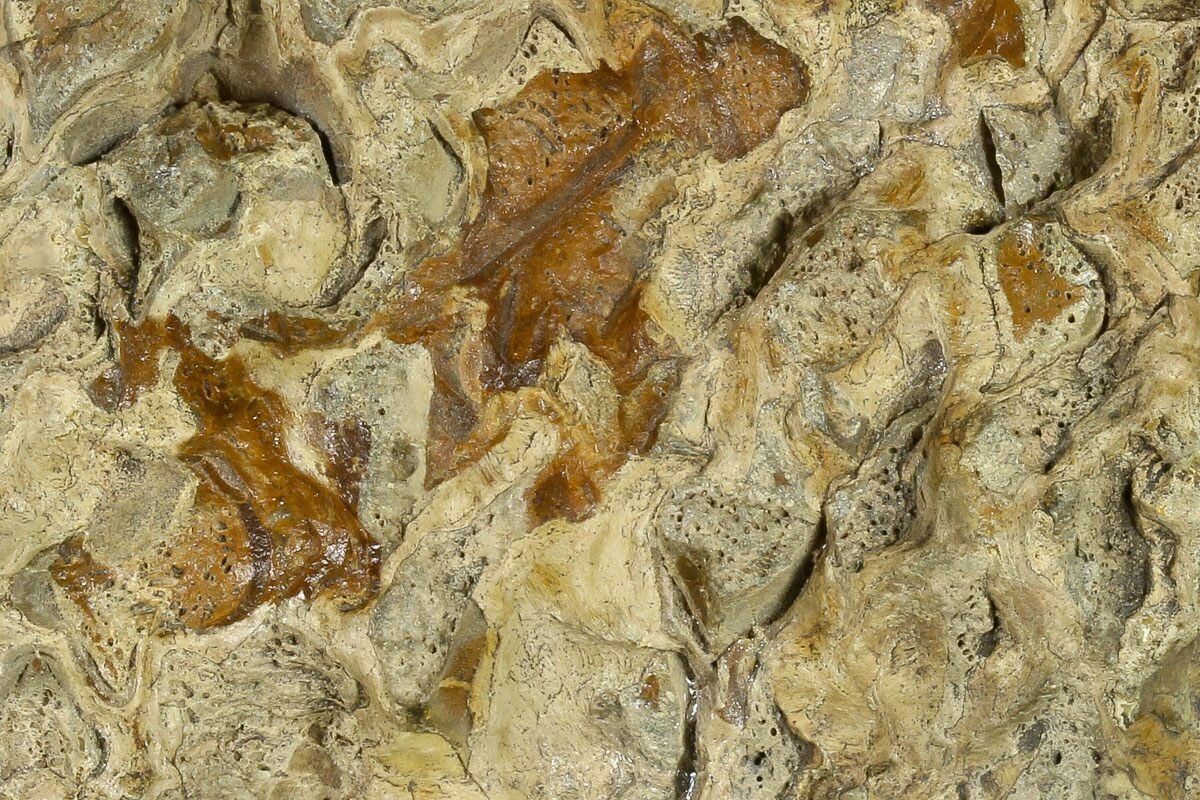
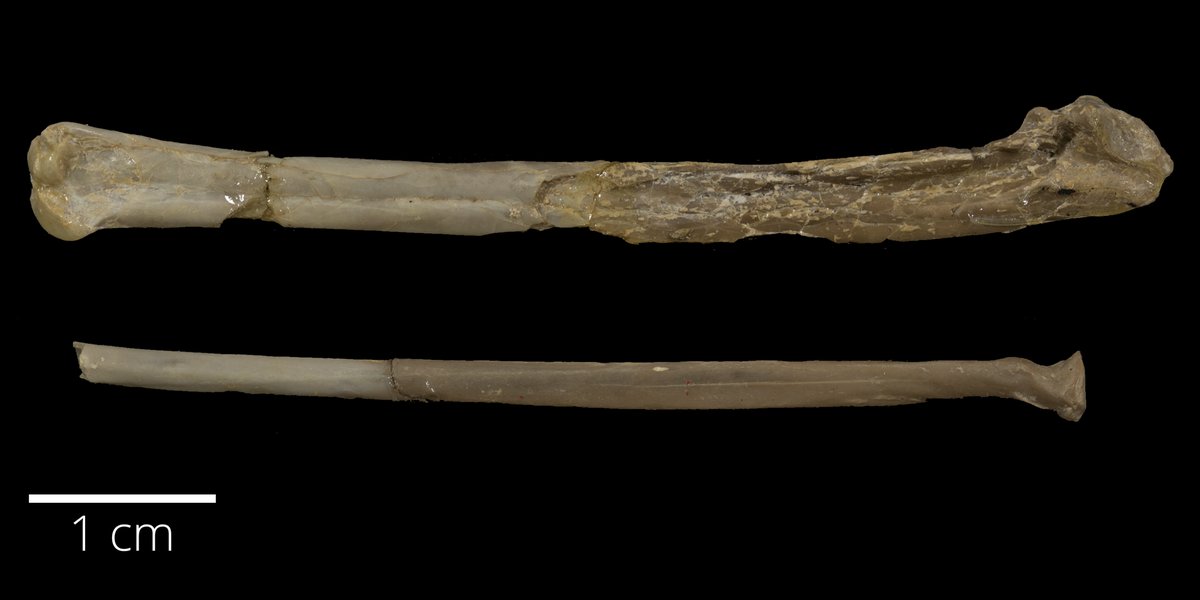
The fossil record of Ichthyornis dispar is primarily concentrated in the marine deposits of North America, specifically within the Niobrara Formation of Kansas, as well as contemporaneous formations in Texas, Alabama, and parts of Canada. To date, dozens of specimens have been recovered, ranging from isolated bones to nearly complete, articulated skeletons. The quality of preservation varies significantly; because bird bones are hollow and fragile, they are often crushed or distorted by the immense pressure of the overlying rock during fossilization. However, the fine-grained chalk of the Niobrara Formation is exceptional at preserving delicate structures, and several specimens exhibit remarkable three-dimensional preservation. Typically, the most commonly preserved parts are the robust elements of the limbs, such as the humerus, femur, and the fused bones of the lower legs and wings. Skulls are exceedingly rare and usually flattened, making the recent discoveries of uncrushed, 3D skulls a monumental breakthrough. These exceptional fossils have allowed researchers to utilize advanced imaging techniques, such as micro-CT scanning, to digitally reconstruct the braincase, inner ear, and complex palate of Ichthyornis without damaging the fragile physical specimens.
The cultural impact of Ichthyornis dispar extends far beyond the confines of academic paleontology, serving as a powerful symbol of evolutionary theory in the public consciousness. Since its discovery in the late 19th century, it has been a staple in biology and paleontology textbooks, frequently cited alongside Archaeopteryx as textbook evidence for the dinosaurian origin of birds. Notable displays of Ichthyornis can be found in major natural history institutions worldwide, with the Yale Peabody Museum of Natural History holding the most historically significant collection, including O.C. Marsh's original holotype specimens. The creature's unique appearance—a familiar, gull-like body juxtaposed with a menacing, tooth-filled mouth—captures the public imagination, making it a popular subject in paleoart, documentaries, and literature focusing on the Mesozoic era. Educationally, Ichthyornis remains an invaluable tool for science communicators, providing a clear, tangible, and easily understandable example of a transitional fossil that bridges the gap between the ancient world of dinosaurs and the modern world of birds.
Classification
Time Period
Discovery
Location
Kansas, United States
Formation
Niobrara Formation
Frequently Asked Questions
What is Ichthyornis?
Ichthyornis dispar is an extinct genus of toothed seabird that lived during the Late Cretaceous period, approximately 95 to 83 million years ago. Its remains have been primarily discovered in the chalk deposits of the Western Interior Seaway, a massive shallow sea that once divided the North America...
When did Ichthyornis live?
Ichthyornis lived during the cretaceous period of the mesozoic era approximately 95-83 million years ago.
Where was Ichthyornis discovered?
Fossils of Ichthyornis were discovered in Kansas, United States in the Niobrara Formation.
What did Ichthyornis eat?
Ichthyornis was a carnivore (piscivore). It lived in marine, aerial habitats.
What type of fossil is Ichthyornis?
Ichthyornis is preserved as a body fossil. The preservation quality is excellent.
Related Specimens
From the mesozoic era · body fossils