Nothosaurus
Nothosaurus giganteus
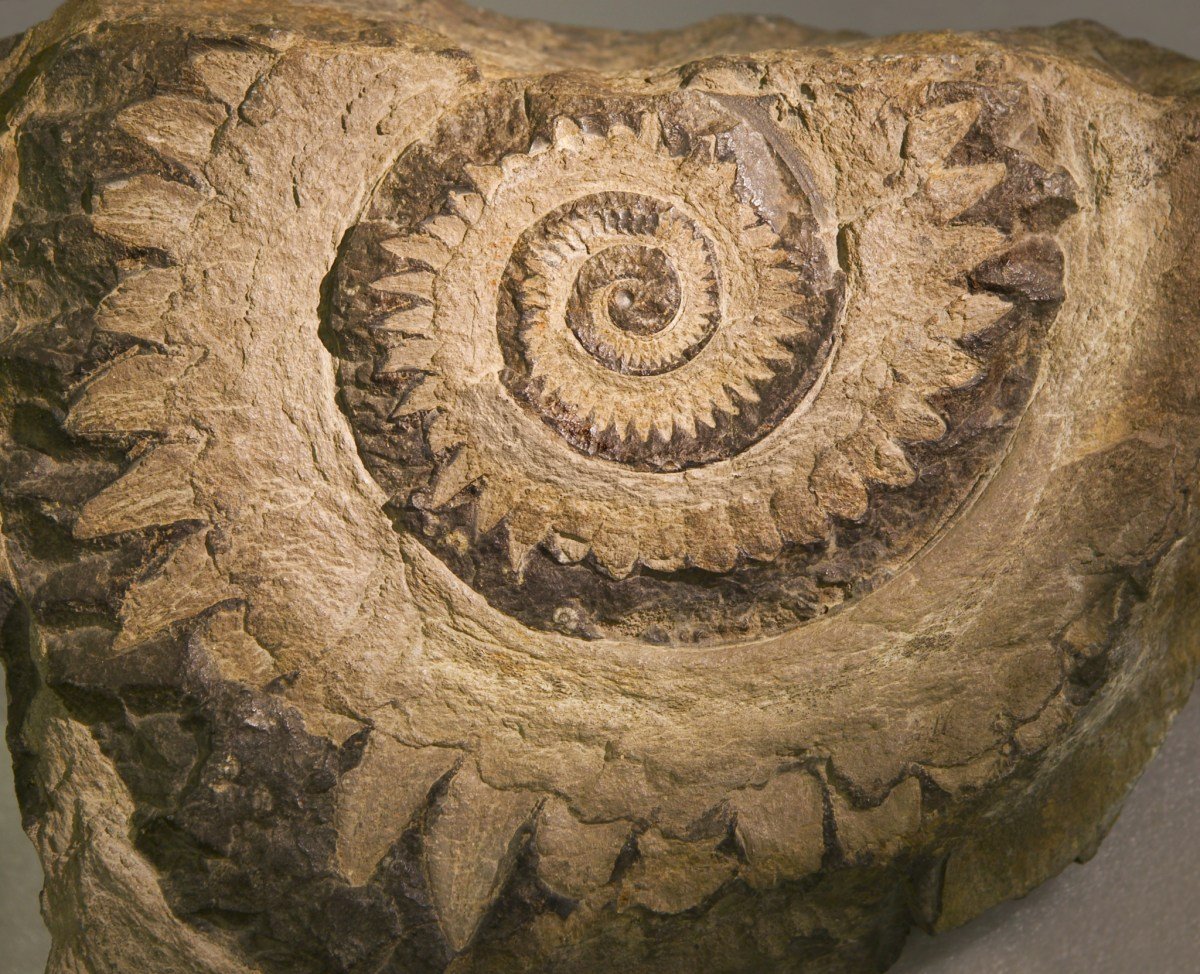
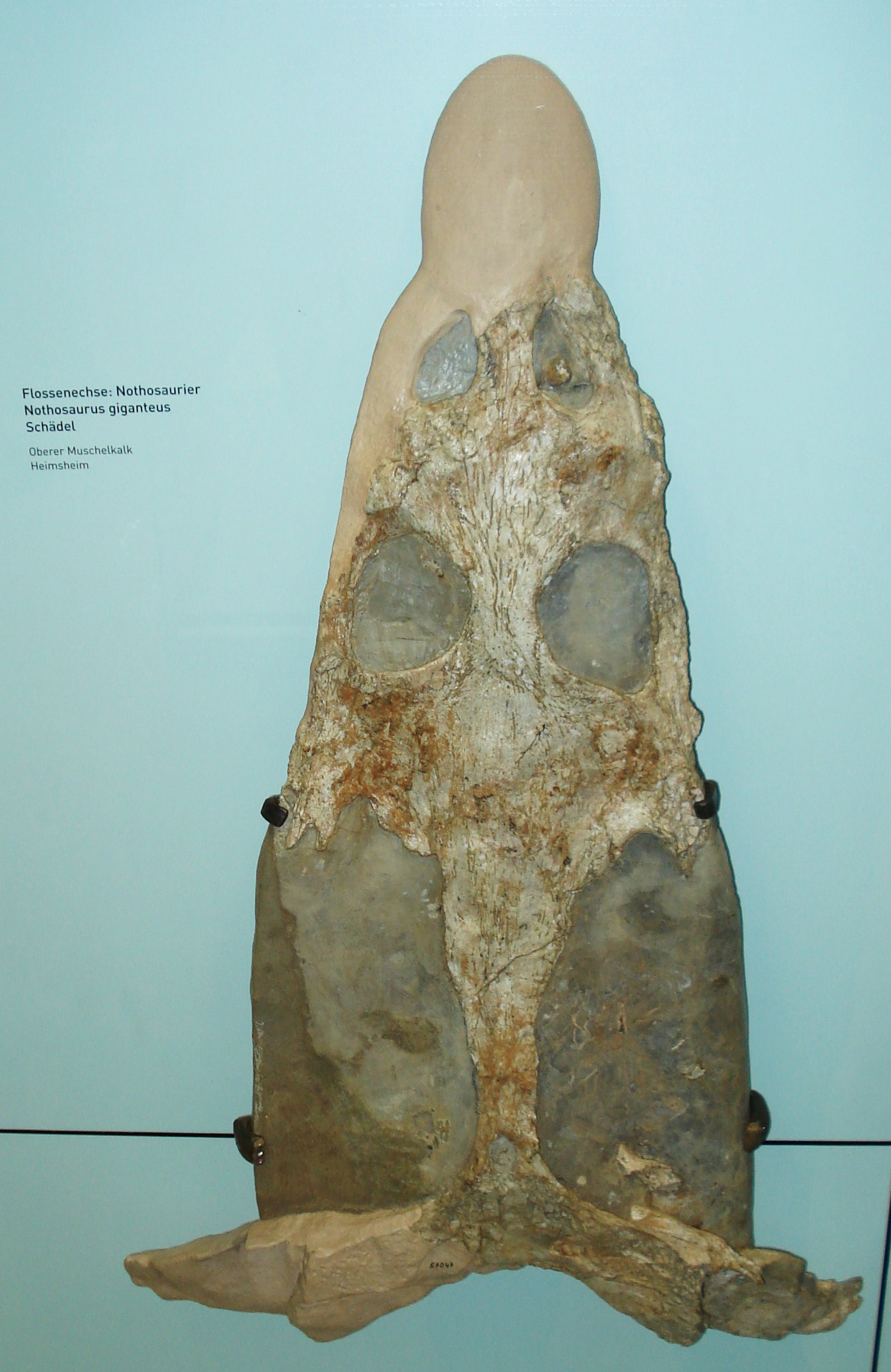
Image: File:Nothosaurus giganteus.JPG - Wikimedia Commons (CC BY-SA)
About Nothosaurus
Nothosaurus giganteus, whose genus name translates to false lizard, was a prominent and highly successful semi-aquatic marine reptile that thrived during the Middle to Late Triassic period of the Mesozoic era, approximately 240 to 210 million years ago. As an apex predator of the shallow coastal waters of the Tethys Ocean, this remarkable creature represents a critical transitional phase in the evolutionary history of marine reptiles, bridging the gap between terrestrial ancestors and the fully pelagic leviathans that would later dominate the Jurassic seas. Found primarily in the fossil-rich Muschelkalk deposits of present-day Germany, Nothosaurus giganteus stands as a testament to the rapid adaptive radiation of life that occurred in the aftermath of the devastating Permian-Triassic extinction event, offering invaluable insights into the ecological dynamics of early Mesozoic marine environments.
The physical anatomy of Nothosaurus giganteus was a masterclass in evolutionary adaptation, perfectly suited for a life divided between the land and the sea. As one of the largest species within its diverse genus, Nothosaurus giganteus could reach impressive lengths of up to 400 centimeters, or roughly 13 feet, making it a formidable presence in its ecosystem. Its body plan was highly streamlined, characterized by an elongated, flexible neck that accounted for a significant portion of its total length, and a robust, barrel-shaped torso. Unlike the fully developed, hydrofoil-like flippers seen in later plesiosaurs, the limbs of Nothosaurus retained distinct, articulated toes that were heavily webbed. This anatomical feature suggests a mode of locomotion similar to that of modern seals or sea lions, allowing the animal to paddle efficiently through the water while still retaining the ability to haul its massive bulk onto rocky shores or sandy beaches. The skeletal structure of Nothosaurus giganteus also exhibited a condition known as pachyostosis, wherein the bones were unusually dense and heavy. This adaptation acted as a natural ballast, helping the animal overcome the natural buoyancy of its lungs and allowing it to remain submerged in shallow waters with minimal energetic effort.
Perhaps the most striking feature of Nothosaurus giganteus was its skull, which was broad, flattened, and elongated, tapering to a distinctively narrow snout. The jaws were equipped with a terrifying array of sharp, needle-like teeth that projected outward at an angle, particularly at the front of the mouth. When the jaws snapped shut, these procumbent teeth interlocked perfectly, creating an inescapable cage that was perfectly designed for snaring fast-moving, slippery prey. The temporal fenestrae, or the openings at the back of the skull, were exceptionally large, providing expansive attachment points for massive jaw muscles. This indicates that despite the delicate appearance of its teeth, Nothosaurus giganteus possessed a powerful bite force capable of subduing struggling victims. In comparison to modern animals, its overall appearance would have resembled a bizarre chimera: the sinuous neck of a swan, the head of a crocodilian, and the body and webbed limbs of a giant monitor lizard or a seal.
The paleobiology of Nothosaurus giganteus paints a picture of a highly specialized and efficient predator. Based on its cranial morphology and dentition, paleontologists have concluded that its diet was strictly carnivorous, consisting primarily of the abundant fish and cephalopods that populated the Triassic seas. Its feeding strategy likely relied on stealth and sudden, explosive strikes. Rather than engaging in prolonged, high-speed pursuits, Nothosaurus giganteus probably cruised slowly through the water column or lay in wait near the seabed, using its dense bones to maintain its position. When a school of fish or a squid darted past, the animal would use its long, muscular neck to rapidly dart its head forward, snapping its jaws shut and trapping the prey within its interlocking teeth. The prey would then be swallowed whole, headfirst, to prevent scales or fins from catching in the predator's throat.
Locomotion in Nothosaurus giganteus involved a combination of paraxial swimming, using its webbed limbs to row through the water, and lateral undulation, moving its long tail and torso from side to side in a serpentine motion. This dual method of propulsion provided excellent maneuverability in the complex, reef-like environments of the shallow Tethys Ocean. Behaviorally, it is widely inferred that Nothosaurus giganteus was tied to the land for crucial aspects of its life cycle. Much like modern pinnipeds or marine iguanas, it likely hauled itself out of the water to bask in the sun, regulating its body temperature after prolonged dives in the cooler ocean waters. Furthermore, because it lacked the extreme adaptations for live birth seen in later, fully marine reptiles like ichthyosaurs, it is highly probable that Nothosaurus giganteus returned to terrestrial environments to mate and lay eggs, burying them in the warm sand to incubate. Studies of bone histology in various nothosaur specimens indicate rapid early growth rates that gradually slowed as the animal reached sexual maturity, a pattern consistent with many modern reptiles that experience indeterminate growth throughout their lifespans.
The ecological context in which Nothosaurus giganteus existed was a world vastly different from our own, characterized by the unique geography and climate of the Middle to Late Triassic period. During this time, the Earth's landmasses were amalgamated into the supercontinent of Pangea, which was surrounded by the vast Panthalassic Ocean. Cutting deep into the eastern coast of Pangea was the Tethys Ocean, a warm, shallow, epicontinental sea that covered much of what is now modern Europe, including Germany. The climate of the region was generally arid and subtropical, subject to intense monsoonal seasons. The shallow waters of the Germanic Basin, where Nothosaurus giganteus thrived, were incredibly rich in marine life, supported by extensive microbial mats and early reef systems.
In this vibrant ecosystem, Nothosaurus giganteus occupied the very top of the food web as an apex predator. It shared its habitat with a diverse array of fascinating creatures. These included other marine reptiles such as Placodus, a heavily armored, shell-crushing reptile that fed on bivalves and brachiopods, and Tanystropheus, a bizarre archosauromorph with a neck longer than its body and tail combined. The waters were also teeming with early ichthyosaurs, such as Mixosaurus, which occupied a more pelagic, open-water niche compared to the coastal-dwelling Nothosaurus. The invertebrate fauna was equally rich, dominated by ceratitid ammonites, crinoids, and bivalves, which formed the foundation of the complex marine food web. By preying on the mid-level consumers like fish and cephalopods, Nothosaurus giganteus played a crucial role in maintaining the ecological balance of the Triassic shallow seas, regulating prey populations and driving the evolutionary arms race between predator and prey.
The discovery history of Nothosaurus is deeply intertwined with the birth of paleontology as a formal scientific discipline in the early 19th century. The first fossilized remains of Nothosaurus were unearthed in the Muschelkalk deposits of Germany, a geological formation composed primarily of shell-bearing limestone that has long been famous for its exceptionally preserved Triassic marine fauna. The genus Nothosaurus was officially erected and described by the German paleontologist Georg zu Münster in 1834. The name, meaning false lizard, was chosen because the creature exhibited a perplexing mix of reptilian features that defied easy categorization within the known taxonomic groups of the time. Nothosaurus giganteus, recognized for its massive proportions compared to the type species Nothosaurus mirabilis, was subsequently described as more fragmentary but undeniably colossal remains were pulled from the limestone quarries.
Throughout the 19th and early 20th centuries, as industrial quarrying expanded across Germany, numerous specimens of Nothosaurus were brought to light, ranging from isolated teeth and vertebrae to beautifully articulated, nearly complete skeletons. These discoveries captured the imagination of early naturalists and anatomists, including the renowned British paleontologist Richard Owen, who studied the specimens to understand the broader relationships of fossil reptiles. The Muschelkalk specimens were pivotal in demonstrating that reptiles had repeatedly invaded the marine realm throughout Earth's history. Key specimens of Nothosaurus giganteus, often consisting of massive, crushing skulls and robust limb bones, became prized centerpieces in European natural history museums, sparking widespread scientific interest in the Triassic period and laying the groundwork for modern vertebrate paleontology.
The evolutionary significance of Nothosaurus giganteus cannot be overstated, as it occupies a crucial position in the complex tree of life. Nothosaurs belong to the superorder Sauropterygia, a highly successful and diverse clade of marine reptiles that flourished throughout the Mesozoic era. Within this group, nothosauroids are widely considered to be the basal stock, representing an early offshoot or a sister group to the lineage that eventually gave rise to the plesiosaurs and pliosaurs of the Jurassic and Cretaceous periods. Nothosaurus giganteus exhibits a fascinating mosaic of transitional features that document the gradual shift from a terrestrial to a fully aquatic lifestyle.
While its ancestors were undoubtedly land-dwelling reptiles, Nothosaurus shows clear aquatic adaptations, such as the retracted external nares, which were positioned further back on the snout to facilitate breathing at the water's surface, and the aforementioned pachyostotic bones. However, it still retained functional, weight-bearing limbs and a relatively rigid pelvic girdle, indicating it had not yet committed entirely to the sea. By studying Nothosaurus giganteus, paleontologists can trace the step-by-step anatomical modifications that allowed reptiles to conquer the oceans. It serves as a perfect evolutionary stepping stone, illustrating how selective pressures in the shallow, food-rich coastal waters drove the gradual transformation of a lizard-like terrestrial animal into the fully pelagic, flipper-bearing sea monsters that would later rule the global oceans. Although the nothosaurs themselves went extinct at the end of the Triassic period, their close relatives carried the sauropterygian legacy forward for another 150 million years.
Despite its long history of study, Nothosaurus giganteus remains the subject of ongoing scientific debates and controversies. One of the primary areas of contention revolves around its taxonomy. The genus Nothosaurus is notoriously species-rich, and historically, many fragmentary fossils were assigned to new species based on minor variations in size or shape. Some modern paleontologists argue that Nothosaurus giganteus might actually represent the fully mature, adult form of other recognized species, such as Nothosaurus mirabilis, suggesting that the perceived differences are merely the result of ontogeny, or growth stages, rather than true species-level distinctions. This debate highlights the challenges of defining species boundaries in the fossil record. Additionally, there are ongoing biomechanical debates regarding its exact capabilities on land. While it is generally accepted that Nothosaurus could haul out onto shores, the extent of its terrestrial mobility is contested. Some researchers argue its heavy, rigid body would have made land movement incredibly laborious, restricting it to only a few meters from the water's edge, while others suggest its robust limbs allowed for more extensive terrestrial excursions. Recent revisions using advanced 3D modeling and finite element analysis continue to shed new light on these biomechanical mysteries.
The fossil record of Nothosaurus giganteus and its close relatives is exceptionally rich and geographically widespread, though the finest specimens remain concentrated in Europe. The Muschelkalk formation in Germany is the undisputed epicenter of nothosaur discoveries, yielding hundreds of specimens that range from isolated bones to spectacular, fully articulated skeletons preserved in three-dimensional detail within the dense limestone. The preservation quality in these sites is often extraordinary, occasionally capturing delicate structures such as the hyoid bones of the throat or the cartilaginous rings of the trachea. Beyond Germany, fossils attributed to the genus Nothosaurus have been discovered in the Netherlands, Poland, Switzerland, and even as far afield as the Middle East and China, indicating that these predators had a vast distribution across the northern margins of the Tethys Ocean. The sheer abundance of Nothosaurus fossils makes it one of the best-represented marine reptiles of the Triassic, providing an incredibly robust dataset for statistical analyses of population dynamics, growth rates, and morphological variation. Famous fossil sites, such as the quarries around Winterswijk in the Netherlands and the classic German localities near Crailsheim and Bayreuth, continue to yield new material to this day.
The cultural impact of Nothosaurus giganteus extends far beyond the confines of academic literature, playing a significant role in public education and popular culture. As one of the earliest discovered and most bizarre-looking marine reptiles, it has been a staple of natural history museum displays for nearly two centuries. Spectacular mounted skeletons and life-sized dioramas featuring Nothosaurus can be found in major institutions such as the State Museum of Natural History in Stuttgart and the Senckenberg Museum in Frankfurt, where they captivate millions of visitors. In popular culture, Nothosaurus frequently appears in documentaries, paleontology books, and educational media focused on the Triassic period, often depicted dramatically snatching fish from the prehistoric waves. Its unique, monstrous appearance makes it an ideal ambassador for the Mesozoic era, helping to educate the public about the incredible diversity of life that existed long before the first dinosaur ever walked the Earth, and highlighting the fascinating, ever-changing narrative of evolution and adaptation on our dynamic planet.
Classification
Time Period
Discovery
Location
Germany
Formation
Muschelkalk
Frequently Asked Questions
What is Nothosaurus?
Nothosaurus giganteus, whose genus name translates to false lizard, was a prominent and highly successful semi-aquatic marine reptile that thrived during the Middle to Late Triassic period of the Mesozoic era, approximately 240 to 210 million years ago. As an apex predator of the shallow coastal wat...
When did Nothosaurus live?
Nothosaurus lived during the triassic period of the mesozoic era approximately 240-210 million years ago.
Where was Nothosaurus discovered?
Fossils of Nothosaurus were discovered in Germany in the Muschelkalk.
What did Nothosaurus eat?
Nothosaurus was a carnivore. It lived in semi-aquatic habitats.
What type of fossil is Nothosaurus?
Nothosaurus is preserved as a body fossil. The preservation quality is good.
Related Specimens
From the mesozoic era · body fossils