Requienia
Requienia ammonia
Image: Image sourced via web search (Fair use / Educational)
About Requienia
Requienia is a genus of extinct, reef-building bivalve mollusks that flourished in the warm, shallow seas of the Tethys Ocean during the Early to mid-Cretaceous Period, approximately 130 to 100 million years ago. As a prominent member of the rudist bivalves, Requienia played a critical role as a primary framework builder in the construction of massive carbonate platforms, ecosystems that were the Mesozoic equivalent of modern coral reefs. Its unique, highly asymmetrical shell morphology and gregarious, cementing lifestyle make it a key index fossil for dating Cretaceous strata and a vital subject for understanding ancient marine ecosystems and the evolutionary history of reef structures.
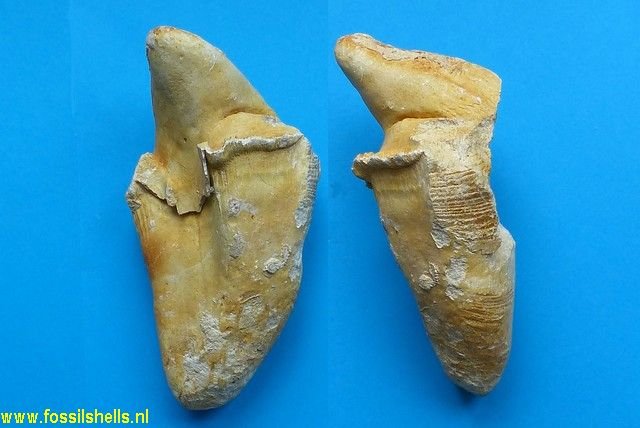
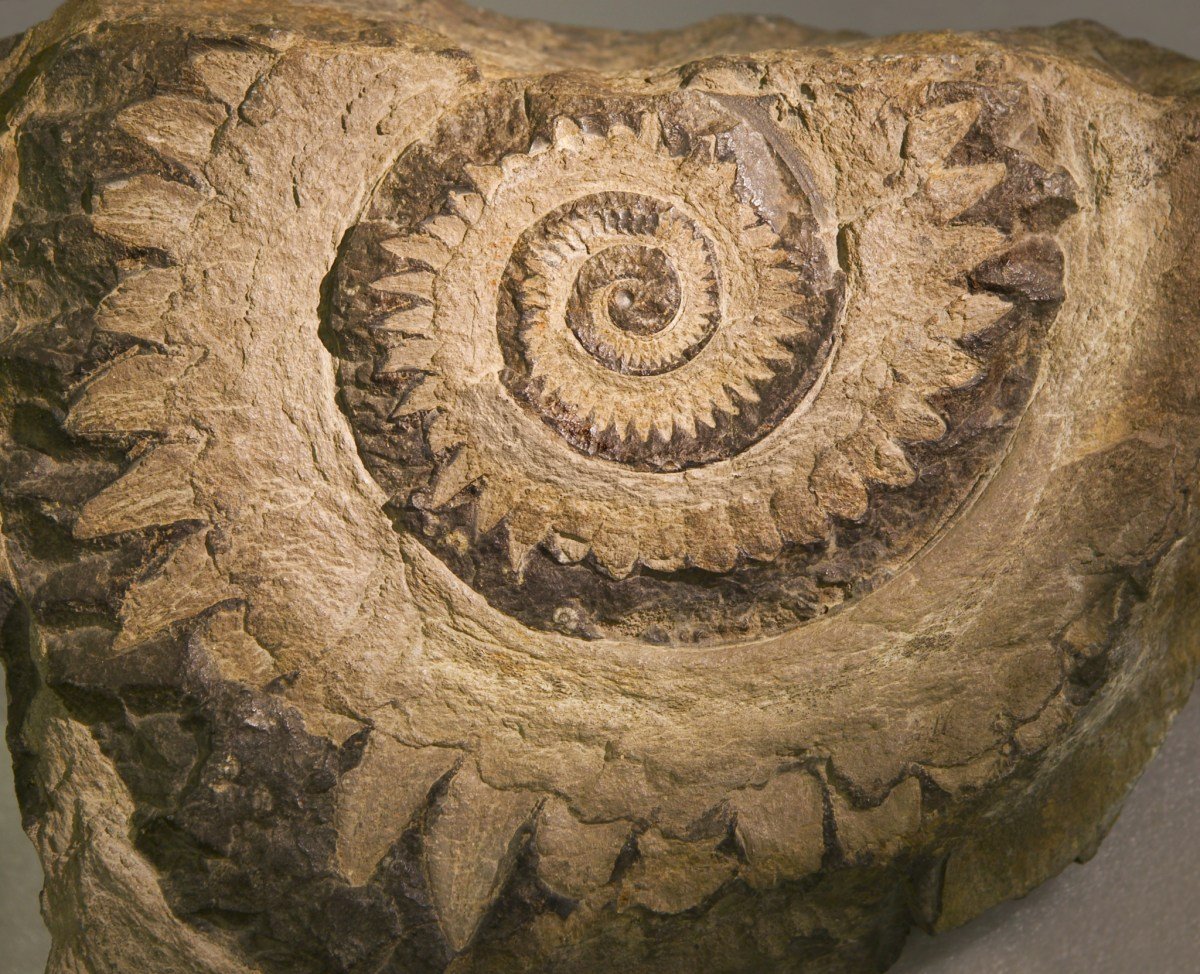
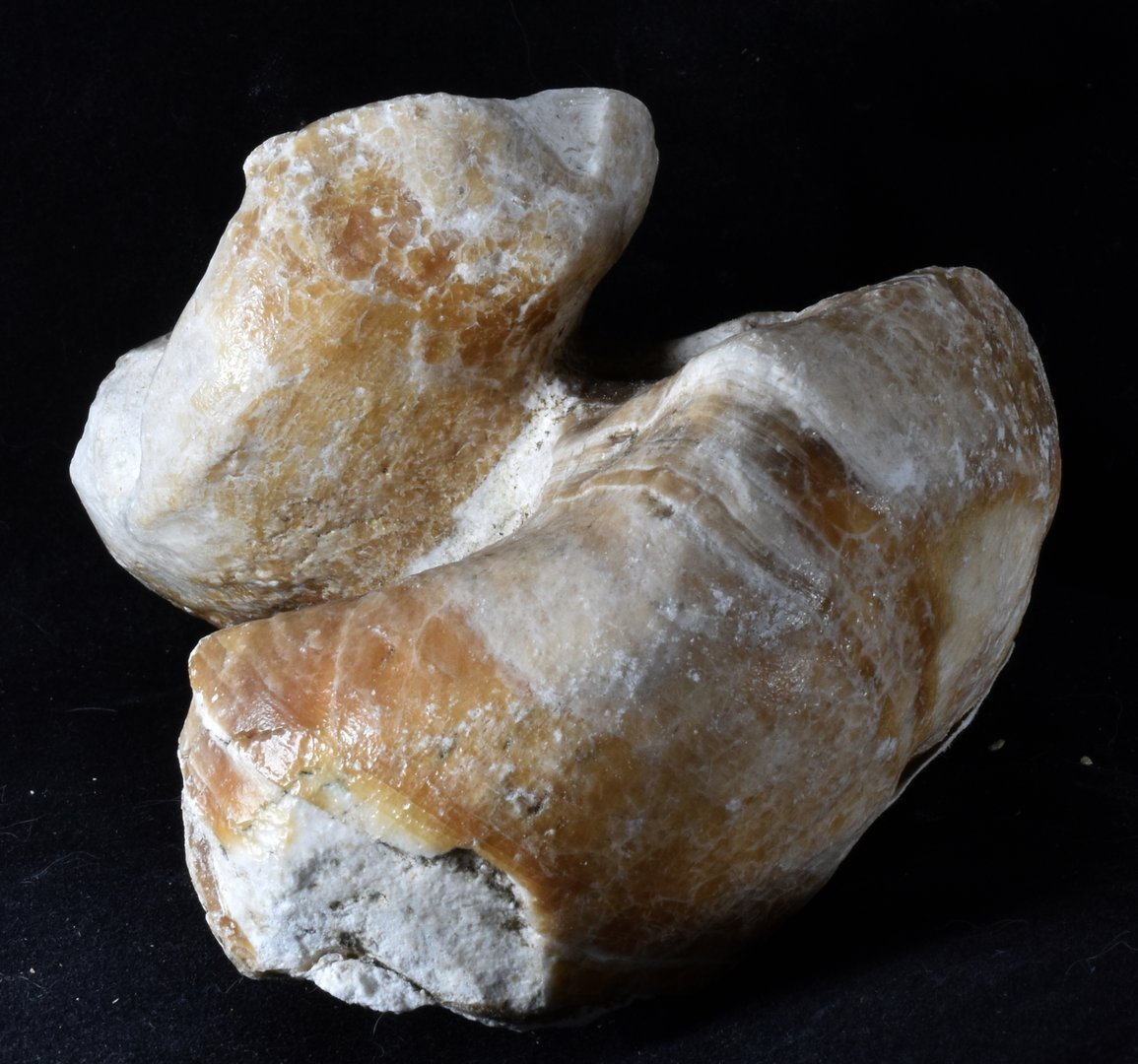
Requienia ammonia, the type species, possessed a highly inequivalve shell, meaning its two valves were strikingly different in size and shape. The larger, lower valve, known as the left valve, was conical or coiled like a ram's horn, a shape described as gyroconic. This valve was thick-walled and cemented directly onto the substrate or, more commonly, onto the shells of other Requienia individuals, forming dense, reef-like thickets. Its length could range from 5 to 15 centimeters. The smaller, upper valve, or right valve, acted as a lid or operculum, fitting snugly over the aperture of the lower valve. This free valve was typically flattened or slightly convex and often exhibited a spiral pattern that mirrored the coiling of the lower valve. The shell's exterior was marked by prominent growth lines, and its internal structure was composed of calcite with a complex, porous microstructure that made the thick shell relatively lightweight for its size. Unlike modern clams, which often have symmetrical shells for burrowing, Requienia's form was entirely adapted for a sessile, attached existence. Its anatomy reflects a profound evolutionary departure from typical bivalve body plans, showcasing an extreme adaptation to a reef-building niche.
As a sessile, marine invertebrate, Requienia was a suspension feeder, also known as a filter-feeder. It lived permanently attached to the seafloor, using its gills to extract plankton and other suspended organic particles from the water column. The small, lid-like right valve could be opened slightly by adductor muscles to allow water to flow into the mantle cavity for feeding and respiration, and closed tightly for protection against predators or adverse environmental conditions like turbidity or temporary exposure during low tides. Requienia's growth pattern was gregarious; individuals grew in dense clusters, cementing to one another to form a stable, complex, three-dimensional framework. This growth strategy, known as constructing, allowed them to build upwards towards the light and out-compete other benthic organisms for space in the shallow, sunlit waters of the photic zone. It is hypothesized that, like modern giant clams (Tridacna), some rudists, including possibly Requienia, may have hosted symbiotic, photosynthetic algae (zooxanthellae) within their mantle tissues. This would have provided a supplementary source of nutrition, fueling the rapid growth necessary to construct extensive reef systems in nutrient-poor tropical waters. This hypothesis is supported by the rudists' large size, thick shells, and preference for shallow, clear-water environments.
Requienia thrived during the Cretaceous, a time of high global sea levels and warm greenhouse climates. It was a dominant inhabitant of the Tethys Seaway, an ancient ocean that separated the northern continent of Laurasia from the southern continent of Gondwana. In this environment, Requienia and other rudists formed vast carbonate platforms and patch reefs that fringed continental shelves and isolated intra-oceanic platforms. These rudist reefs were incredibly diverse ecosystems, providing habitats for a wide array of other marine life, including other mollusks like gastropods and oysters, echinoderms such as sea urchins, sponges, corals, and various species of fish. Requienia occupied a foundational position in the food web as a primary producer (if symbiotic) and a primary consumer (as a filter-feeder). It, in turn, was preyed upon by specialized predators. Evidence of this includes boreholes found on fossilized Requienia shells, likely drilled by predatory gastropods, and crushed shells that suggest predation by durophagous (shell-crushing) fish, crabs, or marine reptiles like placodonts. The dense, interlocking thickets of Requienia shells also created a complex topography that served as a nursery for juvenile organisms and a refuge from predation.
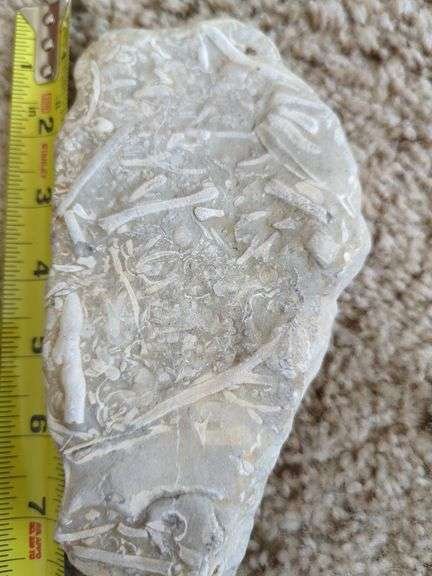
The genus Requienia was first described and named by the French paleontologist Alcide d'Orbigny in 1835. The name honors the French naturalist Esprit Requien. The type species, Requienia ammonia, was established based on fossils collected from Aptian-age strata in the south of France, a region renowned for its extensive Cretaceous limestone deposits rich in rudist fossils. D'Orbigny was a monumental figure in 19th-century paleontology and stratigraphy, and his work on Cretaceous invertebrates, including Requienia, was foundational to our understanding of the period's faunas and environments. Since its initial discovery, numerous species of Requienia have been described from Cretaceous deposits across the globe, reflecting the genus's widespread distribution throughout the Tethyan realm. Key specimens are housed in major natural history museums, particularly in Europe, such as the Muséum National d'Histoire Naturelle in Paris. Unlike singular, famous vertebrate skeletons, Requienia fossils are typically studied as populations and assemblages, with entire limestone blocks showcasing their reef-building ecology being the most significant 'specimens'. These assemblages provide invaluable insights into the paleoecology and community structure of ancient rudist reefs.
Requienia's evolutionary significance lies in its status as a key representative of the Hippuritida, or rudists, a group that exemplifies one of the most remarkable instances of adaptive radiation and convergent evolution in the fossil record. Rudists evolved from unassuming, burrowing bivalves in the Late Jurassic into the dominant reef-builders of the Cretaceous, displacing corals from this ecological niche for millions of years. Requienia and its relatives in the family Requieniidae represent an early stage in this evolutionary trajectory, characterized by their coiled, recumbent shells. Later rudists, such as the 'elevator' forms like Hippurites, evolved even more bizarre, tube-like or cone-shaped morphologies. The success of rudists demonstrates how bivalves, a group not typically associated with reef construction, could evolve to become major ecosystem engineers. Their eventual extinction at the end of the Cretaceous, along with the dinosaurs, paved the way for corals to once again become the world's primary reef-builders, a position they hold to this day. Requienia thus provides a crucial data point for understanding major ecological transitions in Earth's history and the competitive dynamics between different reef-building organisms over geological time.
While the general role of Requienia as a reef-builder is well-established, scientific debate continues regarding the specifics of its biology and ecology. A primary area of discussion revolves around the hypothesis of photosymbiosis. While the evidence from shell morphology and habitat preference is strongly suggestive, direct chemical or isotopic proof of symbiotic algae remains elusive and is a topic of ongoing research. Another debate concerns the precise environmental factors that allowed rudists to out-compete corals during the Cretaceous. Theories range from their greater tolerance for higher temperatures and salinity fluctuations in the Cretaceous seas to potential advantages in calcification efficiency in the specific seawater chemistry of the time. The taxonomy within the genus and its relationship to other requieniid genera is also subject to periodic revision as new fossil discoveries and more sophisticated analytical techniques, such as micro-computed tomography (micro-CT) scanning of internal shell structures, provide new data for refining their classification and evolutionary relationships.
The fossil record of Requienia is abundant and widespread, making it a common and important fossil. Its remains are found in Cretaceous limestone and marl deposits throughout the former Tethyan realm. Major localities include southern France (the historical type area), Spain, Italy, the Adriatic region, Greece, Turkey, North Africa, the Middle East, and extending to the Americas in Texas, Mexico, and the Caribbean. Fossils are typically preserved as complete or fragmented shells, often in life position, forming dense biostromes or bioherms (fossil reefs). The preservation quality is generally good, with the robust calcite shells resisting dissolution and deformation. Entire limestone outcrops can be composed almost exclusively of Requienia shells, providing a spectacular view of the ancient seafloor. These sites, such as the Urgonian platforms of the Vercors Massif in France, are famous geological heritage sites and are crucial for paleontological and sedimentological studies.
Although not a household name like Tyrannosaurus rex, Requienia holds significant cultural and educational importance within geology and paleontology. It is a classic example used in university textbooks to illustrate adaptive radiation, convergent evolution, and the concept of ecosystem engineers. Museums of natural history in regions with Cretaceous marine deposits, particularly in Europe and Texas, often feature impressive displays of rudist reef limestone, with large blocks containing hundreds of Requienia fossils showcasing the structure of these ancient ecosystems. For geologists, especially in the petroleum industry, rudist reefs like those formed by Requienia are of immense interest, as their porous structure often forms highly productive hydrocarbon reservoirs. Therefore, understanding the distribution and geometry of Requienia bioherms is not only of academic interest but also has significant economic applications, ensuring its continued study and relevance.
Classification
Time Period
Discovery
Location
France
Formation
Aptian-Albian marine carbonates (e.g., Urgonian Limestone)
Frequently Asked Questions
What is Requienia?
Requienia is a genus of extinct, reef-building bivalve mollusks that flourished in the warm, shallow seas of the Tethys Ocean during the Early to mid-Cretaceous Period, approximately 130 to 100 million years ago. As a prominent member of the rudist bivalves, Requienia played a critical role as a pri...
When did Requienia live?
Requienia lived during the cretaceous period of the mesozoic era approximately 130-100 million years ago.
Where was Requienia discovered?
Fossils of Requienia were discovered in France in the Aptian-Albian marine carbonates (e.g., Urgonian Limestone).
What did Requienia eat?
Requienia was a filter-feeder. It lived in marine, reef habitats.
What type of fossil is Requienia?
Requienia is preserved as a body fossil. The preservation quality is good.
Related Specimens
From the mesozoic era · body fossils