Josephoartigasia
Josephoartigasia monesi
Image: Image sourced via web search (Fair use / Educational)
About Josephoartigasia
Josephoartigasia monesi is an extinct species of giant caviomorph rodent that lived in South America during the Pliocene to early Pleistocene epochs, approximately 4 to 2 million years ago. Discovered in the fossil-rich deposits of Uruguay, it currently holds the prestigious title of the largest known rodent to have ever existed on Earth, representing a spectacular and extreme example of South American mammalian megafauna. Before the formation of the Isthmus of Panama, South America was an isolated island continent, allowing its native fauna to evolve in highly unique directions without competition from North American placental mammals. In this isolated environment, rodents of the suborder Caviomorpha achieved astonishing sizes, filling ecological niches typically occupied by ungulates elsewhere in the world. Josephoartigasia monesi stands as the pinnacle of this evolutionary trend toward gigantism. Its discovery significantly expanded our understanding of rodent evolution, biomechanics, and the ecological extremes these animals could reach in specialized environments. The existence of such a massive rodent challenges our modern perceptions of the order Rodentia, which is today primarily represented by small-bodied creatures like mice, rats, and squirrels, proving that under the right evolutionary pressures, rodents could rival modern rhinoceroses and hippopotamuses in sheer bulk and ecological dominance.
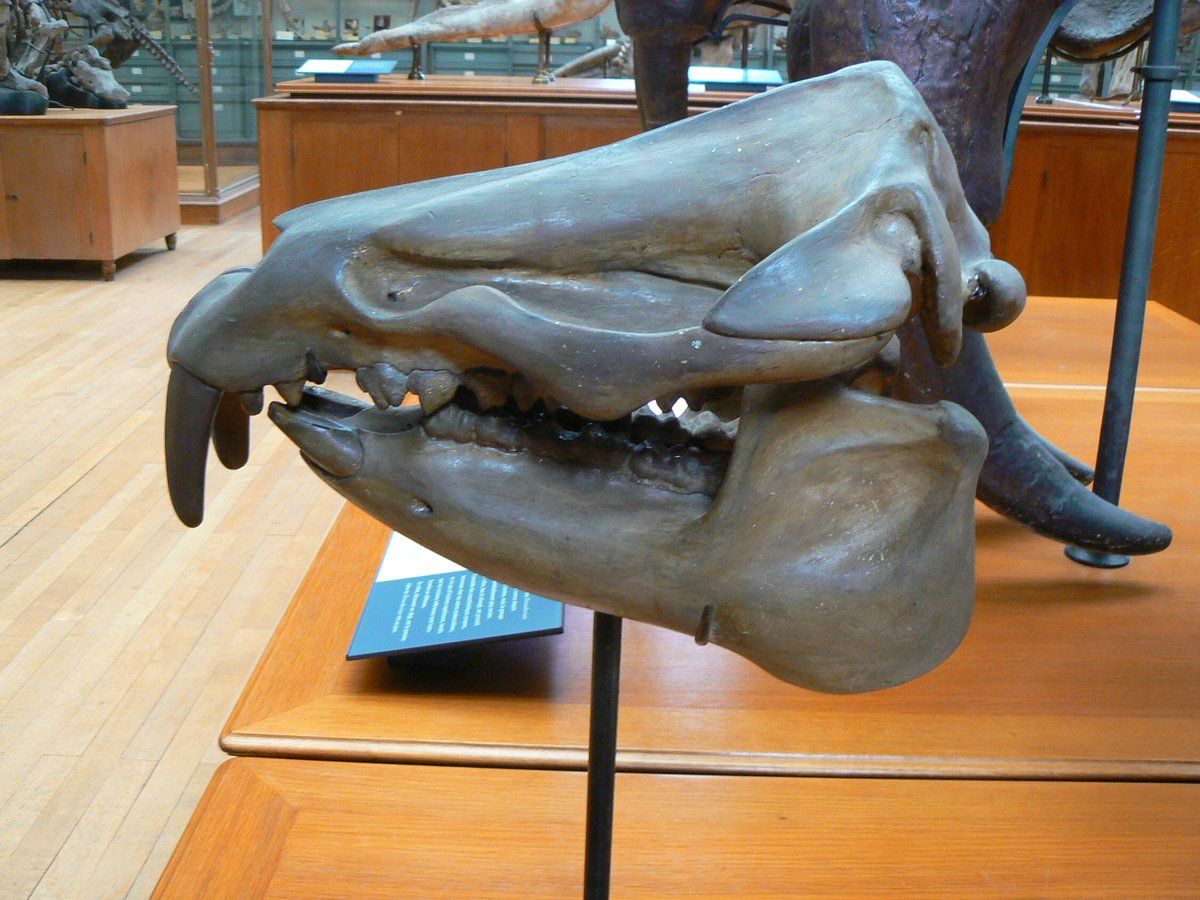
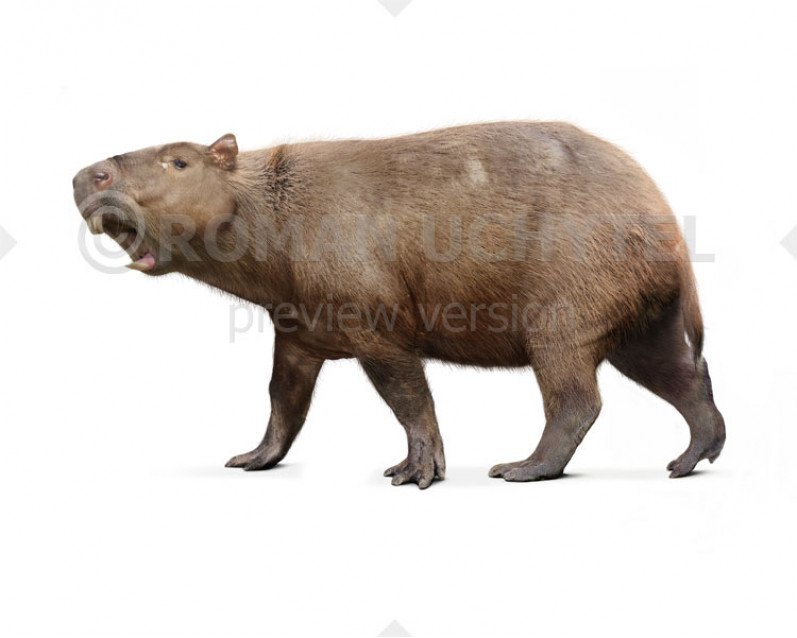
The physical proportions of Josephoartigasia monesi are truly staggering when compared to any living rodent. Based on the exceptionally preserved holotype skull, which measures an impressive 53 centimeters (21 inches) in length, paleontologists have extrapolated the animal's total body size. Estimates suggest it reached a body length of approximately 3 meters (10 feet) and stood about 1.5 meters (5 feet) tall at the shoulder. Weight estimates have varied, but the most widely accepted calculations place its mass around 1,000 kilograms (2,200 pounds), making it comparable in size and weight to a modern black rhinoceros or a large domestic bull. By comparison, the capybara, the largest living rodent today, weighs a mere 60 kilograms (130 pounds). The skull of Josephoartigasia was incredibly robust, featuring massive zygomatic arches (cheekbones) that provided expansive attachment areas for enormous masseter muscles, which are the primary muscles used for chewing in rodents. Its most distinctive feature, however, was its formidable set of incisors. These ever-growing front teeth were exceptionally long, thick, and deeply rooted in the premaxilla, projecting forward and downward with a slight curve. Unlike the chisel-like teeth of a beaver, these incisors were incredibly thick and robust, suggesting they were subjected to immense forces. The postcranial skeleton remains largely unknown, but based on its closest living relative, the pacarana (Dinomys branickii), and other extinct giant rodents, it likely had a heavily built, barrel-shaped body supported by thick, sturdy limbs ending in hoof-like claws adapted for bearing immense weight rather than for agile running.
The paleobiology of Josephoartigasia monesi reveals a fascinating creature that utilized its massive size and specialized anatomy to dominate its environment. It was strictly an herbivore, but its diet likely consisted of tough, abrasive vegetation that required significant processing. Biomechanical studies, particularly those conducted by Dr. Philip Cox and colleagues in 2015 using finite element analysis, demonstrated that Josephoartigasia possessed a phenomenal bite force. The estimated bite force at the molars was around 4,165 Newtons, which is comparable to that of a modern tiger, while the force at the tip of the incisors was around 1,400 Newtons. However, the structural integrity of the incisors indicated they could withstand forces up to three times greater than what the jaw muscles could produce. This biomechanical mismatch strongly suggests that the giant incisors were not just for feeding; they were likely used as multi-purpose tools. Much like the tusks of modern elephants, Josephoartigasia may have used its massive teeth for digging up tough roots and tubers, stripping bark from trees, or even defending itself against formidable predators. In terms of locomotion, its massive bulk indicates it was a relatively slow-moving quadruped. It may have exhibited semi-aquatic behaviors, spending significant time in the water to support its massive weight and regulate its body temperature, much like modern hippopotamuses or capybaras. Socially, if it followed the patterns of many modern caviomorphs, it might have lived in small family groups or herds, providing safety in numbers and facilitating complex social interactions.
The ecological context of the Pliocene and early Pleistocene in South America provided the perfect stage for such a massive herbivore. During the time Josephoartigasia roamed the landscape, the climate of what is now Uruguay was significantly warmer and more humid than it is today. The region was characterized by vast estuarine environments, sprawling river deltas, lush gallery forests, and expansive wetlands bordering the ancient Paraná River system. This rich, well-watered habitat provided an abundance of soft aquatic plants, tough reeds, and woody vegetation to sustain a multi-ton herbivore. Josephoartigasia shared this vibrant ecosystem with a bizarre and diverse array of megafauna. Its contemporaries included massive armored glyptodonts (giant relatives of armadillos), towering ground sloths like Megatherium, and strange native ungulates such as the trunked Macrauchenia and the rhino-like Toxodon. However, this period also coincided with the Great American Biotic Interchange, a pivotal event triggered by the formation of the Isthmus of Panama, which allowed North American species to migrate south. Consequently, Josephoartigasia had to contend with a new wave of formidable predators. While it may have faced native threats like the terrifying flightless phorusrhacids (terror birds) and the marsupial sabertooth Thylacosmilus, it also had to defend itself against newly arrived placental carnivores, most notably the massive saber-toothed cat Smilodon populator and giant short-faced bears. Its sheer size and formidable incisors would have been essential adaptations for surviving in an ecosystem teeming with such apex predators.
The discovery history of Josephoartigasia monesi is a testament to the importance of amateur paleontologists and the hidden treasures within museum collections. The holotype specimen, a nearly complete and remarkably well-preserved skull, was discovered in 1987 by an amateur paleontologist named Sergio Viera. He found the fossil embedded in the fallen boulders of the Kiyú Formation (often associated with the San José Formation) along the coastal cliffs of the Río de la Plata in the San José Department of southern Uruguay. Following its discovery, the massive skull was donated to the National Museum of Natural History (Museo Nacional de Historia Natural) in Montevideo, where it was cataloged as specimen MNHN 434. For over two decades, the skull remained in the museum's archives, recognized as a giant rodent but lacking formal scientific description. It wasn't until 2008 that Uruguayan paleontologists Dr. Andrés Rinderknecht and Dr. R. Ernesto Blanco formally described the specimen in a groundbreaking paper published in the Proceedings of the Royal Society B. They named the new genus Josephoartigasia in honor of José Gervasio Artigas, a revered national hero of Uruguay, and the species name monesi was chosen to honor Álvaro Mones, a prominent Uruguayan paleontologist renowned for his extensive work on South American fossil rodents. The announcement of the discovery made international headlines, capturing the public's imagination with the concept of a rodent the size of a bull.
In terms of evolutionary significance, Josephoartigasia monesi occupies a crucial branch on the mammalian tree of life, specifically within the family Dinomyidae. The Dinomyidae, or 'terrible mice,' were once a highly diverse and successful group of South American rodents that radiated into numerous forms and sizes during the Miocene and Pliocene epochs. Today, this once-mighty family is reduced to a single living species: the pacarana (Dinomys branickii), a rare, slow-moving rodent that weighs about 15 kilograms and inhabits the western Amazon basin. Josephoartigasia represents the extreme culmination of the dinomyid lineage's trend toward gigantism. Its existence provides invaluable insights into the evolutionary plasticity of the rodent body plan. Unlike most mammals, whose size is often constrained by their dental morphology, the ever-growing incisors and complex molar chewing surfaces of caviomorph rodents pre-adapted them to exploit high-fiber diets at massive body sizes. The evolutionary trajectory that led to Josephoartigasia demonstrates how isolated ecosystems, free from the competitive pressures of diverse ungulate herbivores, can drive the evolution of unique morphological solutions. Furthermore, the eventual extinction of Josephoartigasia and other giant dinomyids highlights the vulnerability of highly specialized megafauna to rapid environmental changes and the introduction of novel predators and competitors during the Great American Biotic Interchange.
Despite the spectacular nature of the fossil, Josephoartigasia monesi has been the subject of ongoing scientific debates, primarily concerning its exact body mass and ecological niche. When Rinderknecht and Blanco first described the species in 2008, they used mathematical scaling based on the skull length of modern rodents to estimate its mass, arriving at a staggering median estimate of 1,211 kilograms, with a maximum potential weight of over 2,500 kilograms. However, this methodology was quickly challenged by other researchers. Some paleontologists argued that using skull length as a proxy for body mass in giant extinct rodents is inherently flawed, as these animals often evolved disproportionately large heads to accommodate massive chewing muscles. Alternative estimates, using different cranial measurements and comparing them to a broader range of mammals, suggested a more conservative weight range of 350 to 900 kilograms. While still making it the largest known rodent, this lower estimate significantly alters our understanding of its biomechanics and daily caloric requirements. Another area of debate centers on its lifestyle. While its hippo-like proportions suggest a semi-aquatic existence, the biomechanical evidence of its massive bite force and robust incisors has led some researchers to propose it was more analogous to a rhinoceros, living primarily on land and using its teeth to manipulate the environment and defend territories. These debates underscore the challenges of reconstructing the biology of an animal that has no close modern analog.
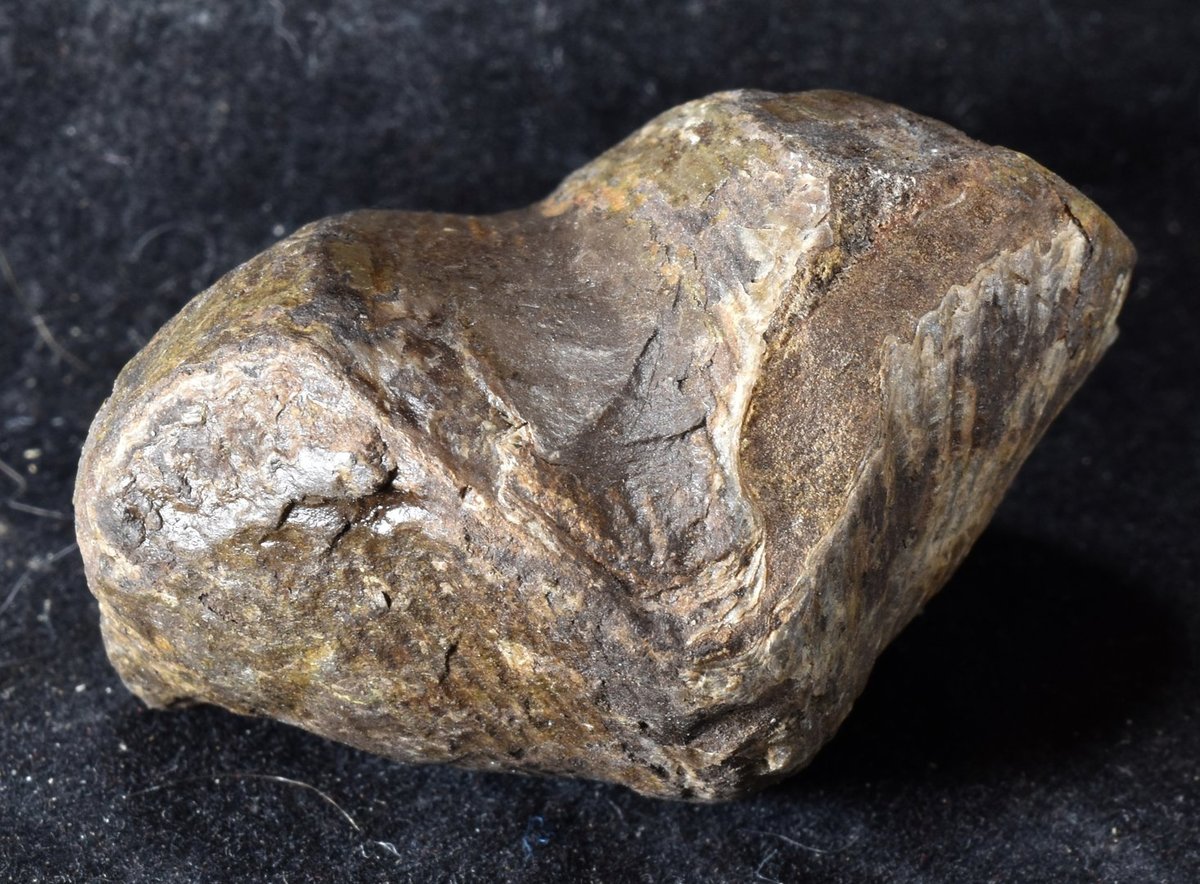
The fossil record of Josephoartigasia monesi is notoriously sparse, which is a common frustration in paleontology when dealing with apex megafauna. To date, the species is known exclusively from the single holotype skull (MNHN 434) discovered in Uruguay. No postcranial remains—such as vertebrae, ribs, or limb bones—have been definitively assigned to this species. The preservation quality of the holotype skull is, however, exceptional. It is nearly complete, missing only the right zygomatic arch and some minor fragments, allowing for highly detailed anatomical and biomechanical studies. The fossils are found within the stratigraphy of the San José Formation (often referred to locally as the Kiyú Formation), which consists of fluvial and estuarine sandstones and mudstones deposited during the late Pliocene to early Pleistocene. The rarity of Josephoartigasia fossils suggests that it may not have been a highly abundant animal in its ecosystem, or perhaps its preferred habitat did not lend itself well to fossilization. The lack of postcranial material forces paleontologists to rely heavily on comparative anatomy with smaller extinct relatives, like the slightly older and smaller giant rodent Phoberomys pattersoni (known from more complete skeletons in Venezuela), to reconstruct the body shape and posture of Josephoartigasia.
The cultural impact of Josephoartigasia monesi has been remarkably widespread for a prehistoric mammal that is not a dinosaur. Upon its formal description in 2008, the creature was immediately dubbed the 'giant rat' or 'bull-sized mouse' by global media outlets, sparking immense public fascination and a fair amount of humorous commentary regarding giant mousetraps. It has since become a staple in popular science books, documentaries, and articles discussing the bizarre nature of prehistoric South American fauna. The holotype skull remains a point of immense national pride in Uruguay and is a centerpiece of the paleontological collections at the National Museum of Natural History in Montevideo. Educational institutions frequently use Josephoartigasia as a prime example of island gigantism and evolutionary radiation, helping students visualize the dramatic changes that occur when animal lineages are left to evolve in isolation. Its extreme proportions continue to capture the imagination, serving as a powerful reminder of the dynamic and often surprising history of life on Earth.
Classification
Time Period
Discovery
Location
Uruguay
Formation
San José Formation
Frequently Asked Questions
What is Josephoartigasia?
Josephoartigasia monesi is an extinct species of giant caviomorph rodent that lived in South America during the Pliocene to early Pleistocene epochs, approximately 4 to 2 million years ago. Discovered in the fossil-rich deposits of Uruguay, it currently holds the prestigious title of the largest kno...
When did Josephoartigasia live?
Josephoartigasia lived during the neogene period of the cenozoic era approximately 4-2 million years ago.
Where was Josephoartigasia discovered?
Fossils of Josephoartigasia were discovered in Uruguay in the San José Formation.
What did Josephoartigasia eat?
Josephoartigasia was a herbivore. It lived in semi-aquatic habitats.
What type of fossil is Josephoartigasia?
Josephoartigasia is preserved as a body fossil. The preservation quality is good.
Related Specimens
From the cenozoic era · body fossils