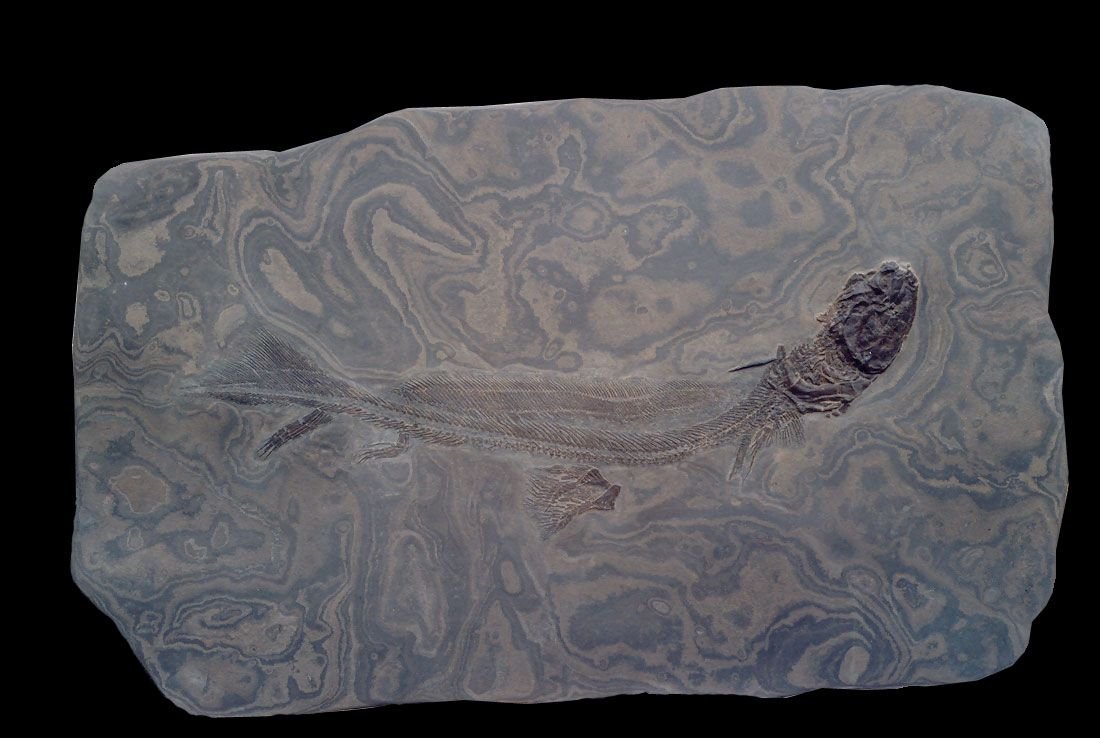
Xenacanthus
Xenacanthus decheni
Image: Image sourced via web search (Fair use / Educational)
About Xenacanthus
Xenacanthus was a highly specialized and successful genus of freshwater shark that thrived in the swamps and rivers of the Paleozoic Era, particularly during the Carboniferous and Permian periods. Unlike its modern marine relatives, this ancient chondrichthyan was a dominant predator in freshwater ecosystems for tens of millions of years. Its unique anatomy, including an eel-like body and a prominent dorsal spine, sets it apart from other sharks and makes it a key subject for understanding the early diversification of cartilaginous fishes.
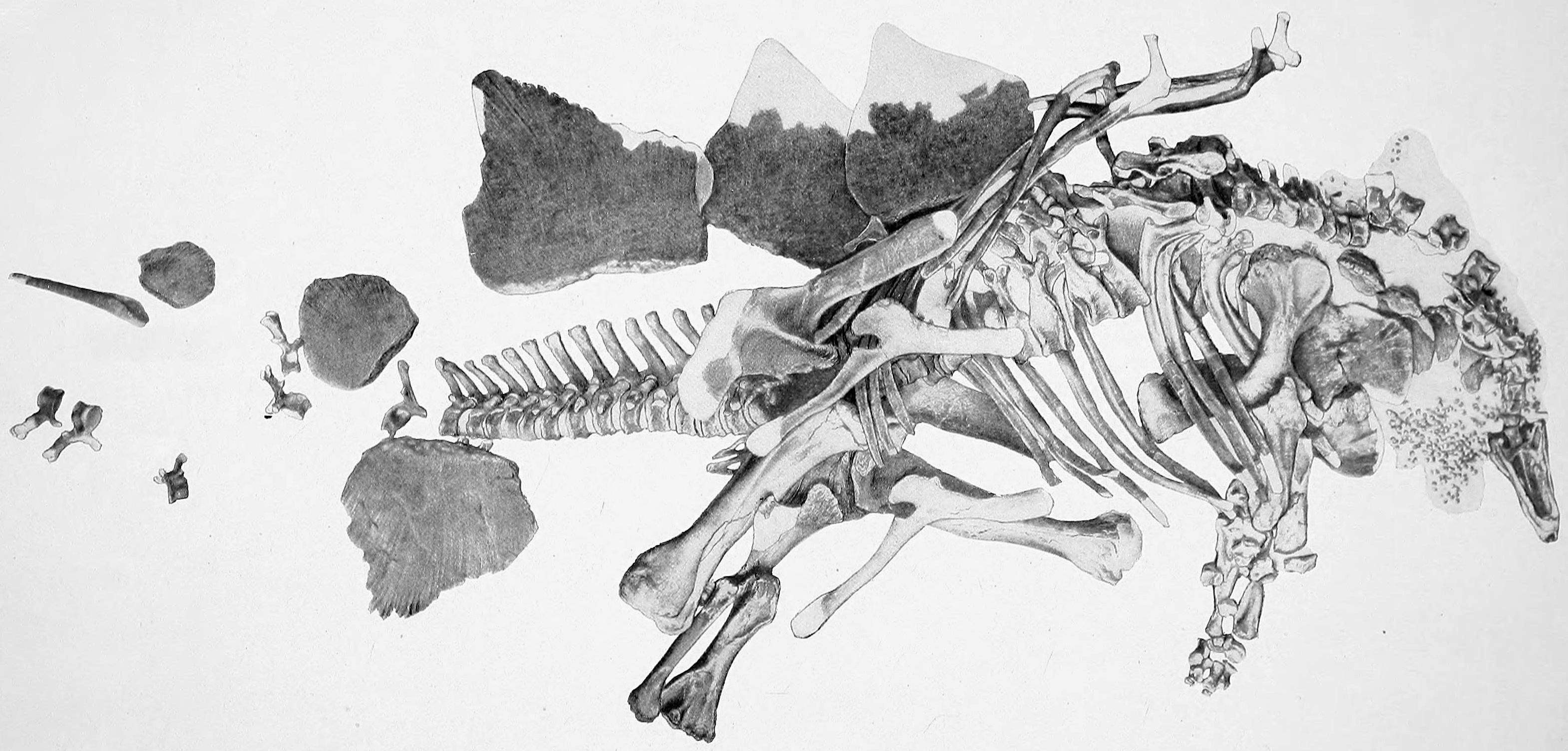
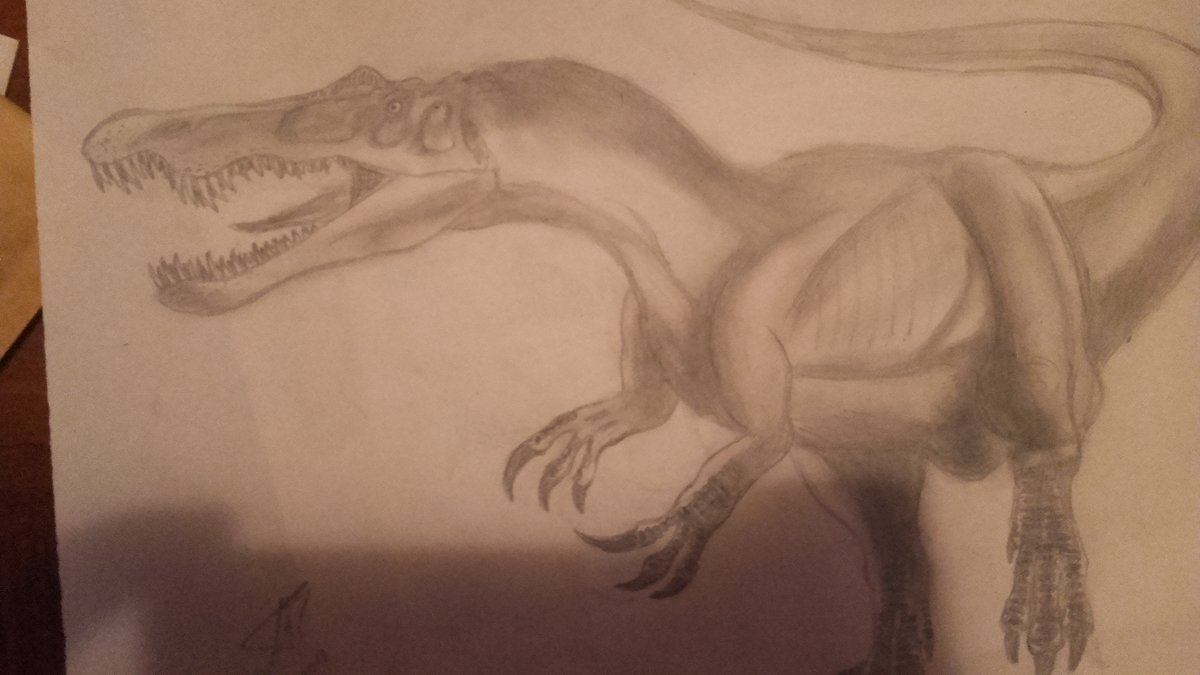
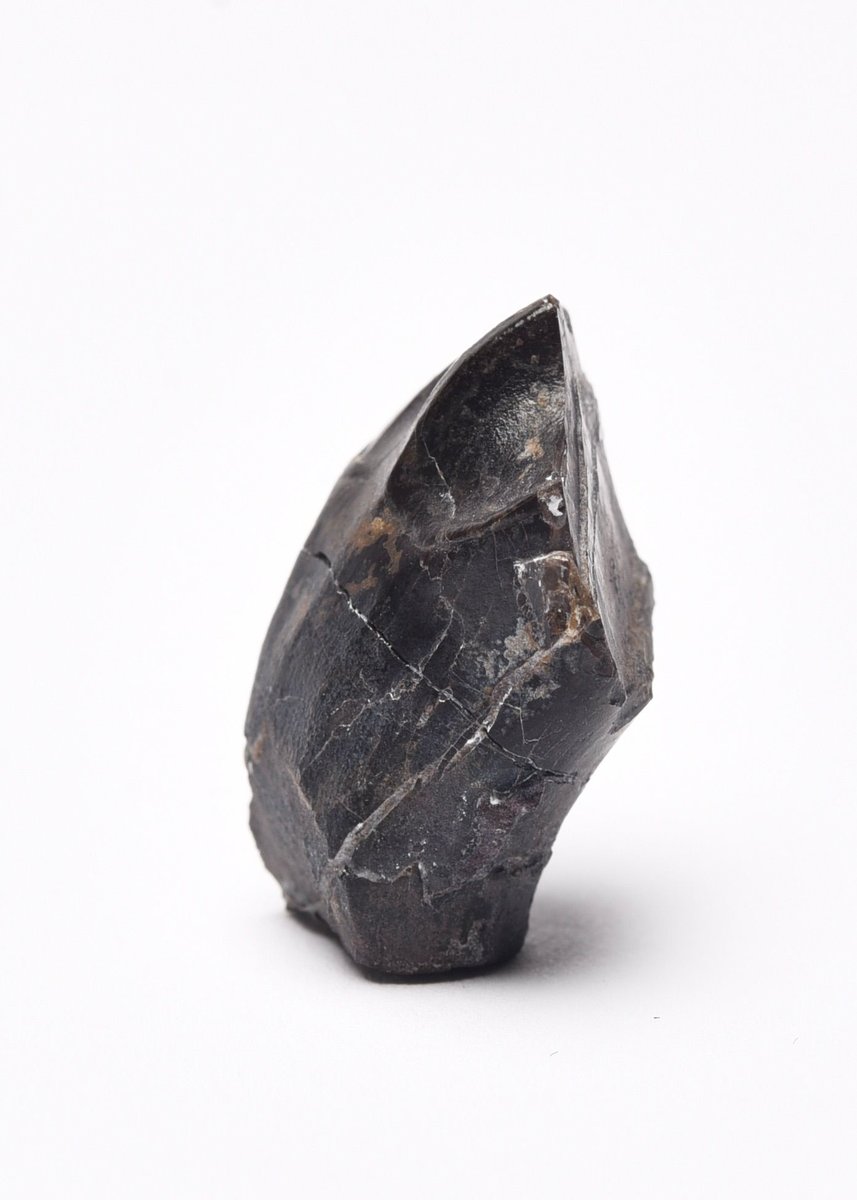
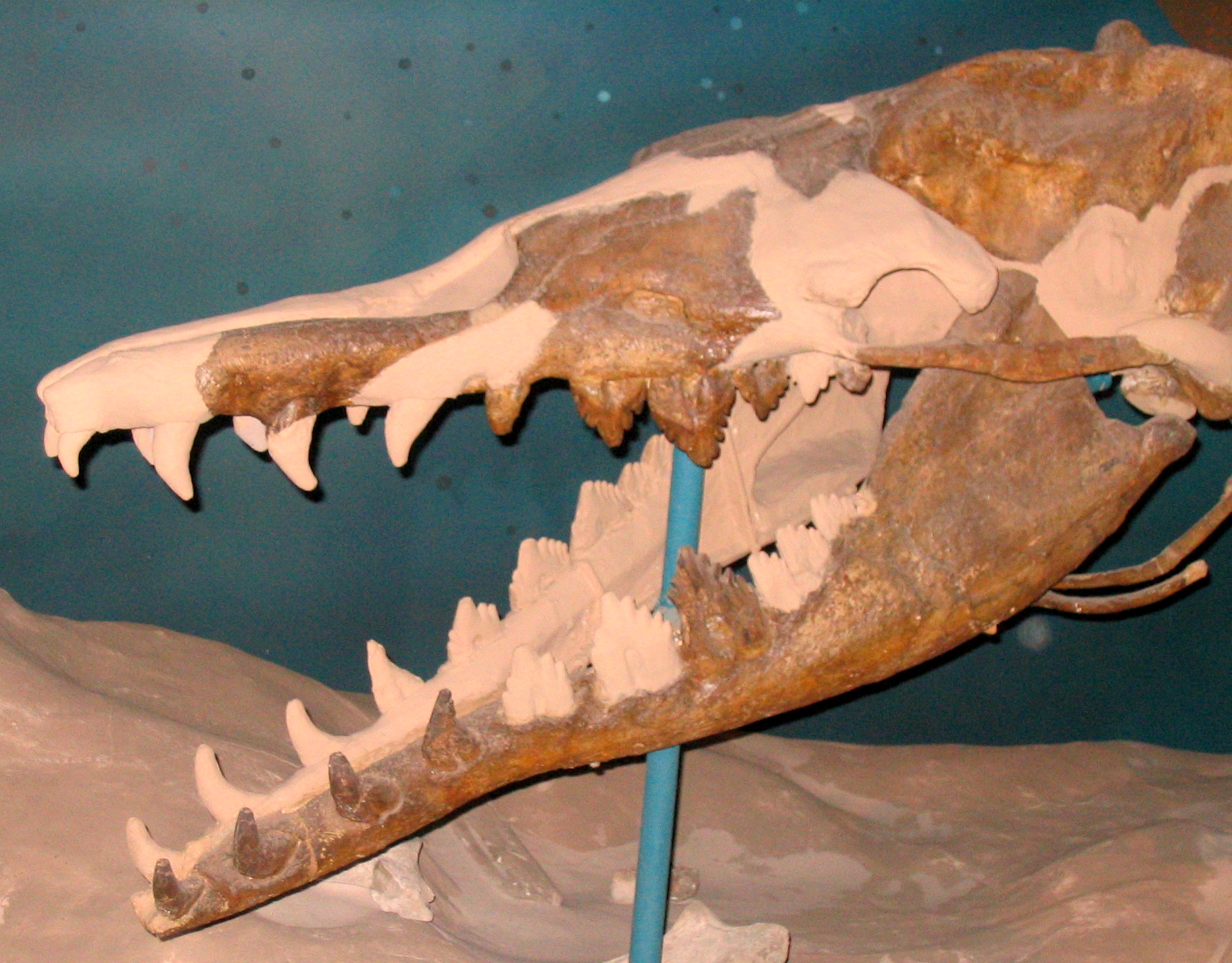
Xenacanthus possessed a remarkably distinct and elongated, eel-like body, a stark contrast to the torpedo-shaped physique of most modern sharks. A typical adult reached an average length of about one meter (100 cm), though some species within the broader Xenacanthiformes order could grow larger. Its most defining characteristic was a long, sharp spine projecting from the back of its head, just behind the skull. This spine, which gives the genus its name (Xenacanthus means 'foreign spine'), was likely a defensive weapon against larger predators, such as giant amphibians like Eryops. The spine was composed of dentin and featured a double row of small, sharp barbs along its length, making it difficult to dislodge if it became embedded in an attacker. The skeleton, like that of all chondrichthyans, was made of cartilage rather than bone, though it was often calcified, which aided in its preservation. Another unusual feature was its continuous dorsal fin, which ran ribbon-like along its back, merged with the caudal (tail) fin, and continued along the ventral side, resembling the fin structure of a modern eel. This morphology suggests a sinuous, undulating swimming style. Its teeth were also highly distinctive, featuring a V-shaped, two-pronged structure known as a 'cladodont' tooth, with a smaller cusp in the middle. This dental arrangement was well-suited for grasping and holding onto small, slippery prey.
The paleobiology of Xenacanthus reveals a well-adapted freshwater predator. Its diet consisted primarily of smaller fish, crustaceans, and amphibians that inhabited the Carboniferous swamp ecosystems. The unique V-shaped teeth were not designed for shearing flesh like the serrated teeth of a great white shark, but rather for piercing and securing prey, which would then be swallowed whole. Its slender, flexible body and long, continuous fin would have allowed it to navigate complex, vegetated underwater environments with great agility, ambushing prey from hiding spots among submerged plants and logs. This method of locomotion, known as anguilliform (eel-like) swimming, is efficient for maneuvering in tight spaces but not for high-speed open-water pursuit, indicating Xenacanthus was likely an ambush or stalking predator. Fossil evidence, including preserved stomach contents and coprolites (fossilized feces), has confirmed its carnivorous diet. There is little direct evidence of social behavior, but the abundance of fossils in certain deposits suggests they may have congregated in specific areas, perhaps for breeding or in response to resource availability. Growth patterns inferred from calcified cartilage show they grew relatively slowly, similar to some modern sharks.
Xenacanthus lived during the Carboniferous Period, a time when Earth's climate was warm and humid, and vast, low-lying swamp forests covered much of the continents of Euramerica and Gondwana. These were the great 'Coal Forests,' dominated by giant lycopsid trees like Lepidodendron and Sigillaria, enormous ferns, and horsetails. The freshwater ecosystems Xenacanthus inhabited were complex and teeming with life. It shared its world with a diverse array of organisms, including other primitive fish like palaeoniscoids, lungfish, and the coelacanths. The apex predators of these swamps were often large, crocodile-like amphibians such as Eryops and Archeria. Xenacanthus occupied a mid-level predatory niche in this food web, preying on smaller aquatic animals while likely being preyed upon by the larger amphibians. The murky, deoxygenated waters of these swamps would have favored an animal that could navigate by senses other than sight, and like modern sharks, Xenacanthus likely possessed a well-developed lateral line system and electroreceptors to detect the movements and bioelectric fields of its prey in low-visibility conditions. Its success in these freshwater habitats for millions of years highlights a significant ecological radiation of early sharks into non-marine environments, a niche that is far less common for sharks today.
The discovery history of Xenacanthus dates back to the early days of paleontology in the 19th century. The first fossils, primarily the distinctive head spines and teeth, were found in the coal-bearing deposits of Germany, Bohemia (now the Czech Republic), and England. The genus was formally named and described by the German paleontologist Heinrich Ernst Beyrich in 1848, based on isolated spines. For many years, the spines, teeth, and skeletal elements were often found separately and were not immediately recognized as belonging to the same animal. The type species, Xenacanthus decheni, was named in honor of Ernst Heinrich von Dechen, a prominent German geologist. It was not until the discovery of more complete, articulated skeletons in the late 19th and early 20th centuries, particularly from the rich fossil beds of the Saar-Nahe Basin in Germany, that scientists were able to piece together a complete picture of the animal's bizarre anatomy. These exceptionally preserved fossils, often showing the entire cartilaginous skeleton and fin outlines, were crucial in reconstructing its eel-like body and understanding its unique place among ancient fishes. No single specimen has achieved a popular nickname, but the collective material from European and later North American sites has provided a comprehensive understanding of the genus.
Xenacanthus holds significant evolutionary importance as a member of the Xenacanthiformes, a highly successful and long-lived order of Paleozoic sharks. This group represents a major, early offshoot from the main line of shark evolution that would eventually lead to modern sharks and rays (Neoselachii). The xenacanths demonstrate that early in their history, chondrichthyans were not exclusively marine but underwent a significant and successful radiation into freshwater ecosystems, dominating these environments for over 100 million years before their eventual extinction at the end of the Triassic Period. Their unique anatomical features, such as the dorsal spine, eel-like body, and diphycercal (symmetrical, tapering) tail, are evolutionary experiments not seen in modern sharks. The cladodont-style teeth are also a primitive feature among chondrichthyans, providing insight into the ancestral dental structures of the group. While Xenacanthus and its relatives left no direct modern descendants, their fossil record is a vital chapter in the story of vertebrate evolution, showcasing the ecological and morphological diversity that cartilaginous fishes achieved long before the age of dinosaurs.
While the general anatomy and lifestyle of Xenacanthus are well-established, some scientific debates persist. The precise function of the prominent head spine is still a topic of discussion; while a defensive role is widely accepted, some researchers have proposed it could have also been used in intraspecific displays or for species recognition. Furthermore, the exact phylogenetic placement of the Xenacanthiformes within the broader Chondrichthyes class has been subject to revision. Historically, they were considered a very early, primitive side-branch. However, more recent cladistic analyses incorporating new fossil data suggest they may be more closely related to the lineage leading to modern sharks and rays than previously thought, though they remain situated outside the Neoselachii crown group. The taxonomy within the group itself is also complex, with many species originally named based on isolated teeth or spines, leading to ongoing revisions as more complete skeletons are found that link these disparate elements together. These studies continue to refine our understanding of the evolutionary relationships among early cartilaginous fishes.
The fossil record of Xenacanthus is quite extensive, making it one of the better-known Paleozoic sharks. Fossils are found globally in deposits dating from the Devonian to the Triassic, though the genus Xenacanthus itself is most characteristic of the Carboniferous and Permian periods. Major fossil sites are located in Europe (particularly Germany, the Czech Republic, and England) and North America (including the famous 'Red Beds' of Texas and Oklahoma). Fossils typically consist of the most durable parts of the animal: the calcified head spine and the distinctive V-shaped teeth, which are common microfossils in freshwater deposits of the era. However, in certain lagerstätten—sites of exceptional preservation—such as the lake deposits of the Saar-Nahe Basin in Germany, complete and articulated cartilaginous skeletons have been discovered. These remarkable specimens preserve not only the full skeleton but sometimes also outlines of the body and fins, providing invaluable information about the animal's life appearance and anatomy. The abundance of its fossils provides a detailed look at a freshwater ecosystem that has no modern analogue.
Despite its fascinating appearance and long reign as a freshwater predator, Xenacanthus has a relatively low profile in popular culture compared to dinosaurs or marine reptiles. It is not a staple of blockbuster films or major toy lines. However, it is frequently featured in educational books about prehistoric life and is a key organism discussed in university-level paleontology and evolution courses. Its striking appearance, with the eel-like body and prominent head spine, makes it a memorable example of the strange and wonderful life forms of the Paleozoic. Major natural history museums, such as the Field Museum in Chicago, the American Museum of Natural History in New York, and the Natural History Museum in Berlin, often include fossils or reconstructions of Xenacanthus in their Paleozoic exhibits, showcasing the diversity of life in the ancient Carboniferous swamps. Its importance lies in its educational value, illustrating that the history of sharks is far more complex and ecologically diverse than a simple progression towards the great white.
Classification
Time Period
Discovery
Location
Germany
Formation
Saar-Nahe Basin
Frequently Asked Questions
What is Xenacanthus?
Xenacanthus was a highly specialized and successful genus of freshwater shark that thrived in the swamps and rivers of the Paleozoic Era, particularly during the Carboniferous and Permian periods. Unlike its modern marine relatives, this ancient chondrichthyan was a dominant predator in freshwater e...
When did Xenacanthus live?
Xenacanthus lived during the carboniferous period of the paleozoic era approximately 330-310 million years ago.
Where was Xenacanthus discovered?
Fossils of Xenacanthus were discovered in Germany in the Saar-Nahe Basin.
What did Xenacanthus eat?
Xenacanthus was a carnivore. It lived in freshwater habitats.
What type of fossil is Xenacanthus?
Xenacanthus is preserved as a body fossil. The preservation quality is good.
Related Specimens
From the paleozoic era · body fossils
/e01cc4f7f656.jpg)