Teratornis
Teratornis merriami
Image: Image sourced via web search (Fair use / Educational)
About Teratornis
Teratornis merriami was a colossal bird of prey that soared over North America during the Late Pleistocene epoch, representing one of the largest flying birds known to science. Living between approximately 500,000 and 11,000 years ago, its fossils are most famously and abundantly recovered from the La Brea Tar Pits in California. This magnificent predator provides a crucial window into the megafauna-rich ecosystems of Ice Age America and the dynamics of avian gigantism.
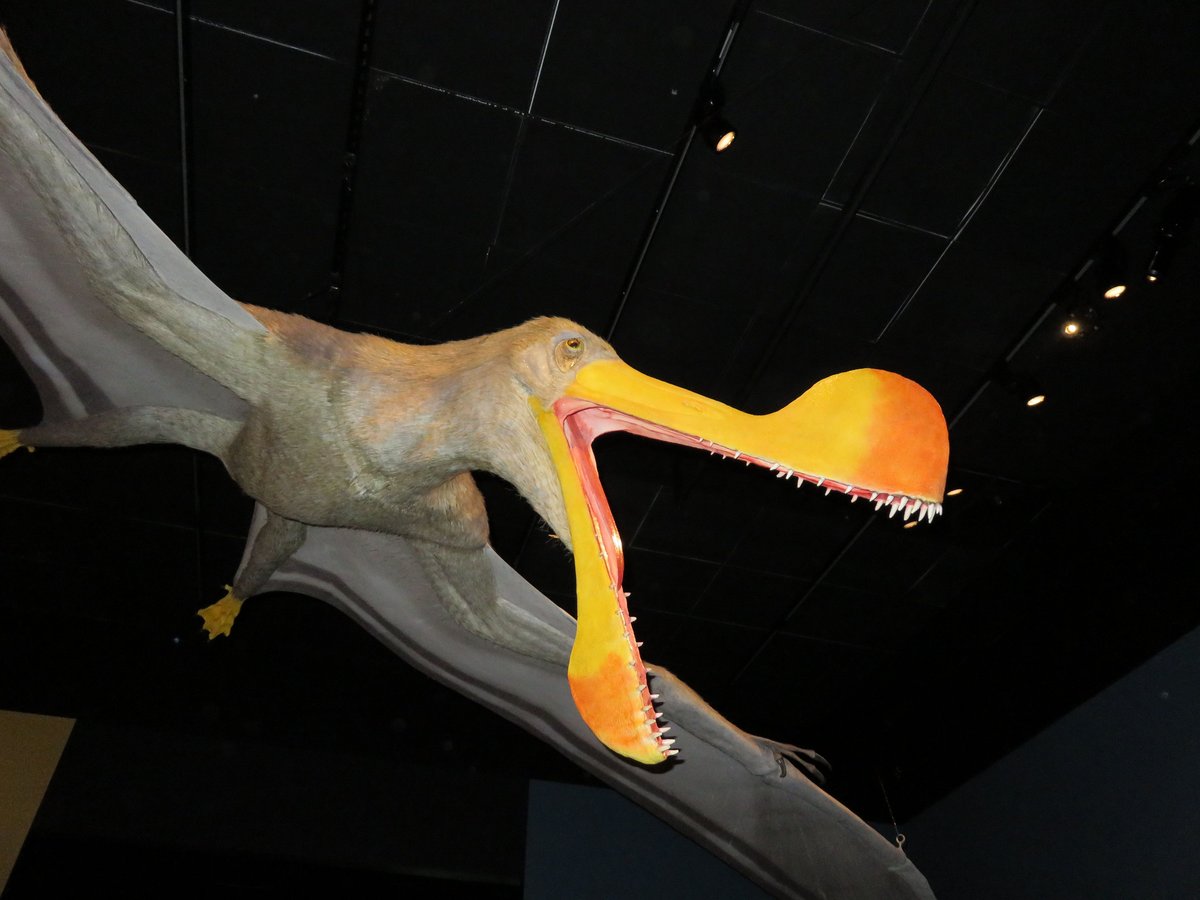
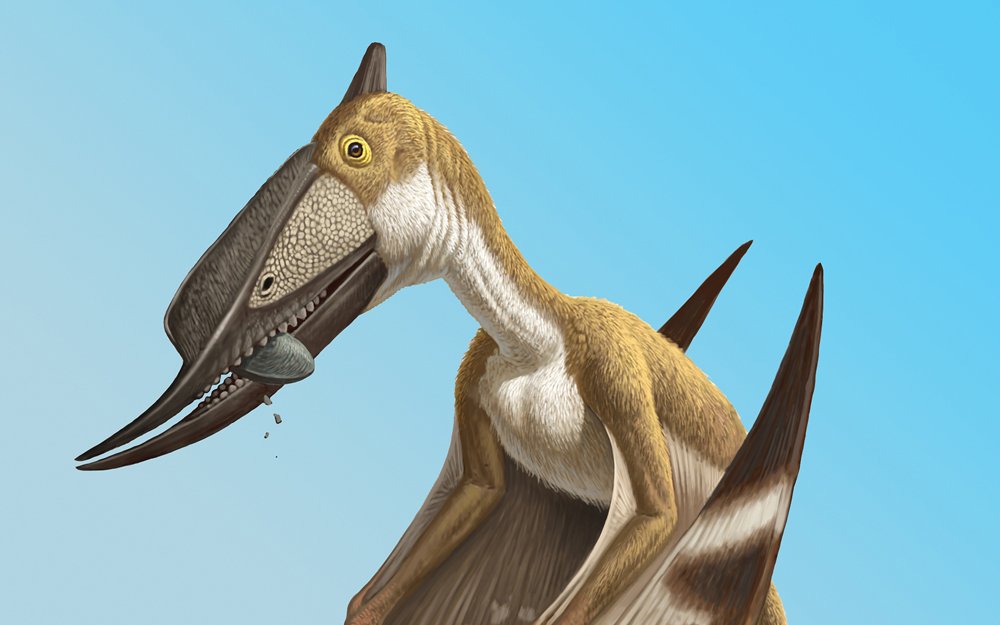
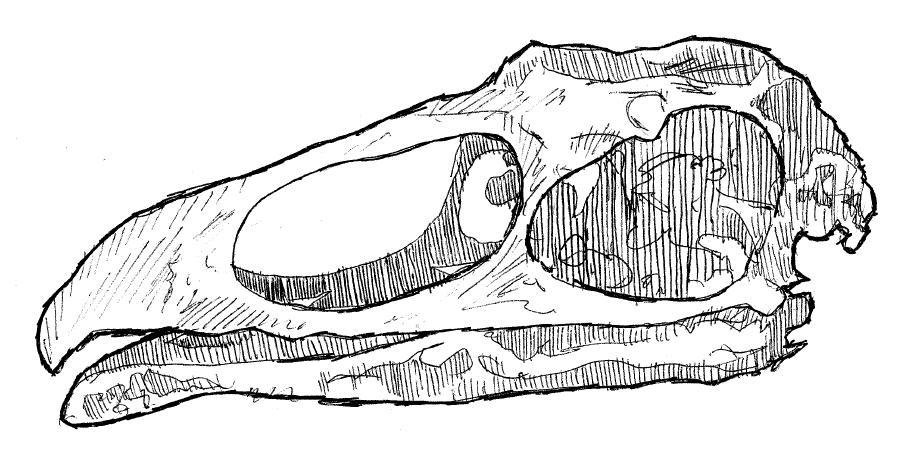
In terms of physical description, Teratornis merriami was a truly imposing animal, far exceeding the size of any modern raptor. It stood approximately 75 centimeters (2.5 feet) tall and possessed a wingspan estimated to be between 3.5 to 3.8 meters (11.5 to 12.5 feet), comparable to that of the largest Andean Condors today. However, its body mass was significantly greater, with estimates ranging from 15 to 22.7 kilograms (33 to 50 pounds), making it roughly 50% heavier than a modern condor. Its skeleton was robustly built, particularly the pectoral girdle and wing bones, which were necessary to support its powerful flight muscles. The skull was large and featured a deep, laterally compressed, and strongly hooked beak, an adaptation for tearing flesh from large carcasses. Unlike condors, which have relatively weak legs and feet, Teratornis had stout, powerful legs and talons, suggesting it was more capable of dispatching small prey and walking effectively on the ground. Its large eye sockets indicate keen eyesight, essential for spotting prey or carrion from high altitudes. The overall build was that of a super-sized eagle or vulture, combining features of both active predation and scavenging.
Regarding its paleobiology, Teratornis was an apex aerial carnivore whose feeding strategy has been a subject of detailed study. Its robust beak and strong legs suggest a more versatile diet than that of modern condors. It was undoubtedly a proficient scavenger, capitalizing on the abundant megafauna of the Pleistocene, such as mammoths, mastodons, ground sloths, and bison that became trapped in natural asphalt seeps like those at La Brea. However, its morphology also supports the idea of active predation. The powerful legs and talons would have been capable of killing small to medium-sized prey, including rabbits, rodents, lizards, and other birds. Isotopic analysis of its bone collagen suggests a diet that included both terrestrial and freshwater sources, indicating it may have hunted fish or waterfowl. A key debate centers on its method of takeoff. With a high wing loading (the ratio of body mass to wing area), a running takeoff from the ground would have been energetically demanding. It is more likely that Teratornis launched itself from elevated perches, such as cliffs or trees, or used a short run into a headwind to gain lift, similar to modern albatrosses. Once airborne, its long, broad wings were perfectly suited for soaring on thermal updrafts, allowing it to cover vast territories with minimal energy expenditure in search of food.
Teratornis lived in the dynamic ecological context of Late Pleistocene North America, a landscape characterized by a cooler, moister climate than today's. Its habitat included a mosaic of environments such as open grasslands, savannas, woodlands, and coastal areas. This world was populated by a spectacular array of megafauna, creating a rich and competitive ecosystem. Teratornis shared the skies with other large birds like the California Condor (Gymnogyps californianus) but occupied a higher trophic level due to its greater size and predatory capabilities. On the ground, it competed for carcasses with formidable predators like the Saber-toothed Cat (Smilodon fatalis), the Dire Wolf (Aenocyon dirus), and the American Lion (Panthera atrox). The abundance of these large carnivores ensured a steady supply of carrion, which Teratornis could dominate at a kill site through its intimidating size. Its role was that of a top-tier scavenger and opportunistic predator, playing a vital part in the nutrient cycling of the ecosystem by cleaning up carcasses and controlling populations of smaller animals. The extinction of the Pleistocene megafauna around 11,000 years ago likely led to the demise of Teratornis, as its primary food source disappeared.
The discovery history of Teratornis is inextricably linked to the La Brea Tar Pits in Los Angeles, California. The first fossils were unearthed from these asphalt seeps in the early 20th century. In 1909, paleontologist Loye H. Miller of the University of California, Berkeley, formally described the species. He named it Teratornis merriami, with the genus name translating to "monster bird" and the species name honoring his mentor, John C. Merriam, a pioneering paleontologist who recognized the scientific importance of the La Brea fossil deposits. The holotype specimen, a partial tarsometatarsus (a fused foot bone), was just the beginning. Subsequent excavations at La Brea have yielded an astonishing wealth of Teratornis material, including over one hundred well-preserved individuals. These finds include complete skulls, wing bones, leg bones, and vertebrae, making T. merriami one of the best-understood extinct birds. This abundance is attributed to the nature of the tar pits, which acted as a natural predator trap, luring carnivores and scavengers like Teratornis to their doom as they attempted to feed on other trapped animals.
In terms of evolutionary significance, Teratornis belongs to the extinct family Teratornithidae, a group of giant predatory birds that were once widespread across North and South America. This family is placed within the order Accipitriformes, which includes modern hawks, eagles, and New World vultures like condors. Teratornithids represent a distinct evolutionary lineage of raptors that specialized in gigantism. While superficially resembling condors, detailed anatomical studies reveal they are not their direct ancestors but rather a sister group or a more distant relative within the same broader clade. The family includes even larger members, such as Aiolornis incredibilis from North America and the truly colossal Argentavis magnificens from South America, which had a wingspan of up to 7 meters. The study of Teratornis and its relatives provides critical insights into the upper limits of avian flight and the evolutionary pathways that allow birds to achieve such immense sizes. They demonstrate how birds could evolve to fill the niche of apex aerial predators and scavengers in ecosystems dominated by giant mammals.
Despite the wealth of fossil material, several scientific debates surrounding Teratornis persist. One of the most prominent controversies involves its feeding ecology. While early interpretations cast it purely as a vulture-like scavenger, paleontologists like Kenneth E. Campbell Jr. have argued strongly for a more predatory lifestyle, citing its deep, eagle-like beak and robust legs as evidence for active hunting. This view suggests it swallowed small prey whole, a hypothesis supported by the gape of its jaws. Another area of discussion is its flight mechanics, particularly how such a heavy bird achieved takeoff from level ground. While a running start is considered possible, the hypothesis of requiring a headwind or an elevated launch point remains a popular and biomechanically plausible alternative. Furthermore, the precise phylogenetic relationship between teratorns and New World vultures (Cathartidae) is still being refined. While they are known to be related, the exact branching point and the degree of their shared ancestry compared to other raptors are subject to ongoing analysis using both morphological and, where possible, molecular data from related groups.
The fossil record of Teratornis merriami is exceptionally rich, though geographically concentrated. The vast majority of specimens, representing over 100 individuals, have been recovered from the La Brea Tar Pits in California. This site offers an unparalleled collection of disarticulated but exquisitely preserved bones, with the asphalt preventing decay and mineralization. Fossils have also been found at other Late Pleistocene sites in the American West, including southern Nevada, Arizona, and Oregon, as well as in Florida and even northern Mexico. These discoveries indicate a wide, transcontinental range across southern North America. The quality of preservation at La Brea is so high that it allows for detailed studies of bone structure, pathology, and ontogeny (growth stages), providing a nearly complete picture of the bird's skeletal anatomy. The sheer number of fossils makes Teratornis a cornerstone for understanding North American Pleistocene paleo-avifaunas.
Teratornis has made a significant cultural impact, largely due to its association with the iconic La Brea Tar Pits and the charismatic megafauna of the Ice Age. It is a staple exhibit at the La Brea Tar Pits and Museum (now part of the Natural History Museum of Los Angeles County), where life-sized reconstructions and mounted skeletons captivate the public. Its immense size and predatory nature have earned it a place in popular science books, documentaries about prehistoric life, and paleoart. As one of the largest flying birds of all time, Teratornis serves as a powerful educational tool, illustrating the incredible diversity of past ecosystems and the concept of extinction, particularly the megafaunal extinction event at the end of the last Ice Age.
Classification
Time Period
Discovery
Location
California, USA
Formation
La Brea Tar Pits
Frequently Asked Questions
What is Teratornis?
Teratornis merriami was a colossal bird of prey that soared over North America during the Late Pleistocene epoch, representing one of the largest flying birds known to science. Living between approximately 500,000 and 11,000 years ago, its fossils are most famously and abundantly recovered from the ...
When did Teratornis live?
Teratornis lived during the quaternary period of the cenozoic era approximately 0.5-0.01 million years ago.
Where was Teratornis discovered?
Fossils of Teratornis were discovered in California, USA in the La Brea Tar Pits.
What did Teratornis eat?
Teratornis was a carnivore. It lived in terrestrial, aerial habitats.
What type of fossil is Teratornis?
Teratornis is preserved as a body fossil. The preservation quality is excellent.
Related Specimens
From the cenozoic era · body fossils