Oviraptor Egg Nest
Oviraptor philoceratops
Image: Image sourced via web search (Fair use / Educational)
About Oviraptor Egg Nest
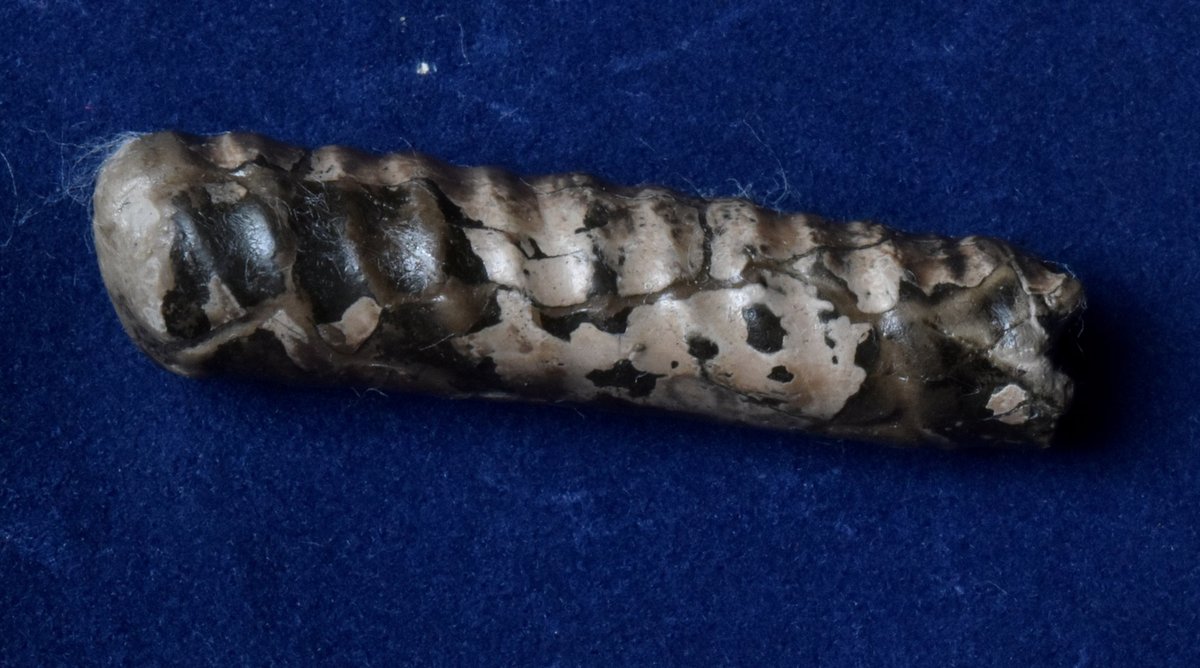
The Oviraptor egg nest, a trace fossil associated with the dinosaur Oviraptor philoceratops, represents one of the most significant and misunderstood discoveries in paleontology. These fossils, dating to the Late Cretaceous period approximately 75 to 71 million years ago, provide a remarkable window into dinosaurian reproductive biology and parental care. The initial discovery led to a profound misinterpretation of the animal's behavior, but subsequent finds have completely redeemed its reputation, transforming it from a supposed thief into a symbol of dedicated parenting.
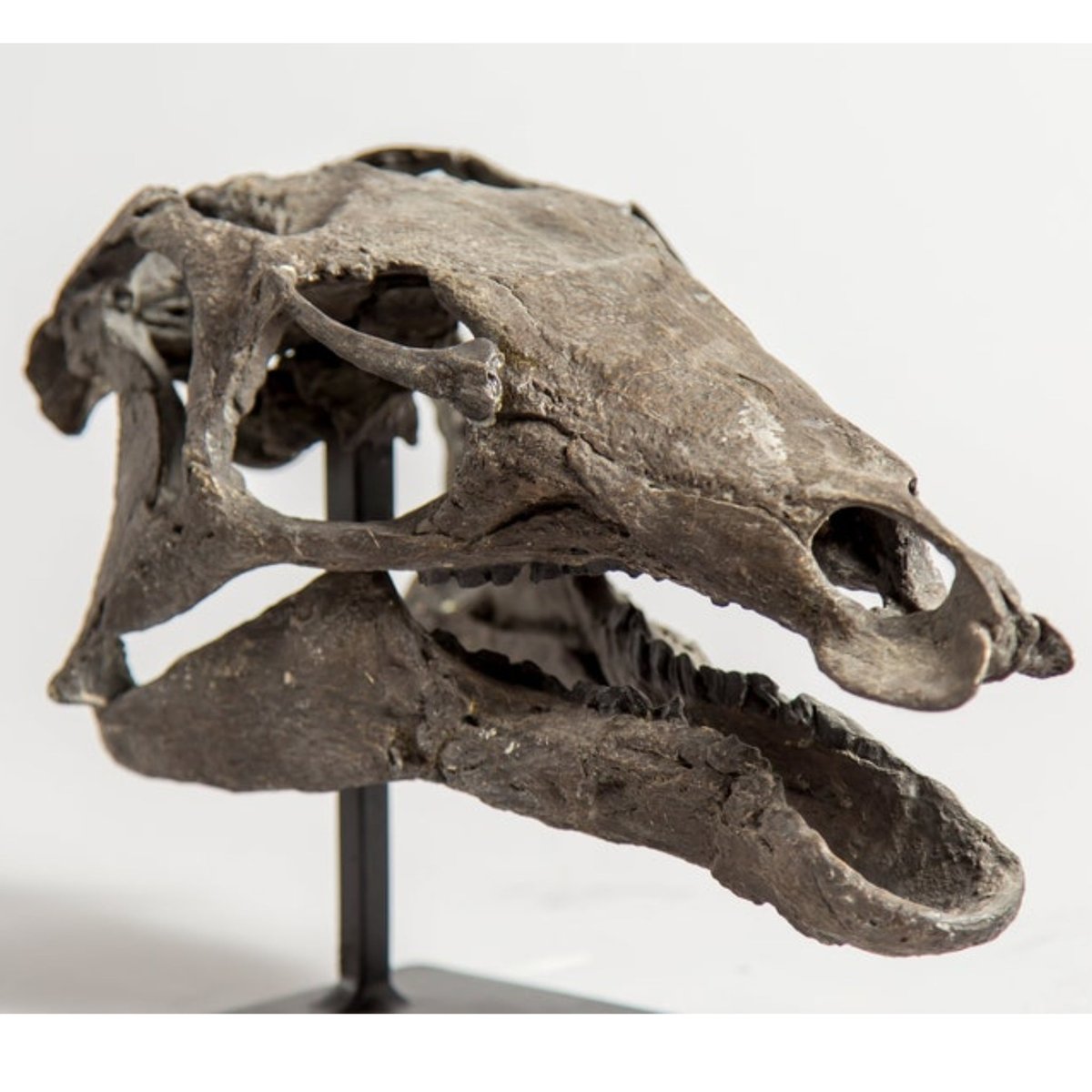
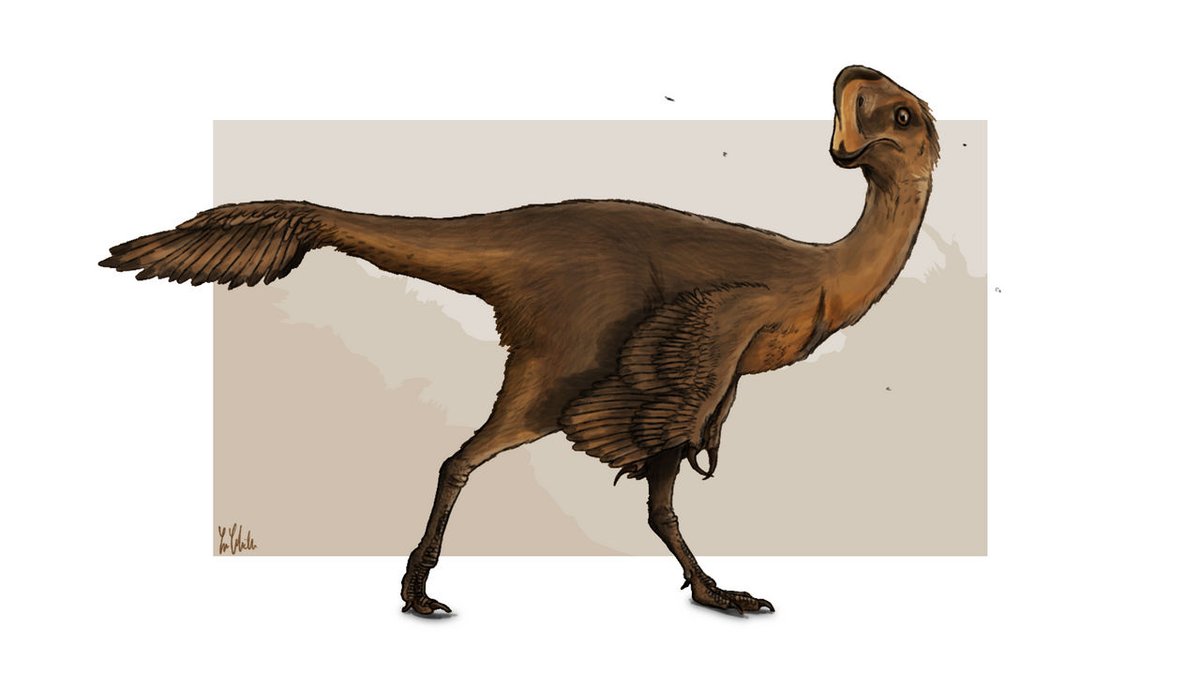
The adult Oviraptor philoceratops was a small to medium-sized theropod dinosaur, measuring approximately 1.8 to 2 meters (about 6 to 6.5 feet) in length and standing roughly a meter tall at the hip. Weight estimates vary, but a healthy adult likely weighed between 33 and 40 kilograms (73 to 88 pounds), comparable in size to a modern cassowary or a large wolf. Its most distinctive feature was its skull, which was short, deep, and possessed a prominent, cassowary-like crest made of spongy bone. The function of this crest is debated, with theories ranging from species recognition and display to a resonating chamber for vocalizations. Oviraptor had a completely toothless beak, which was powerful and parrot-like, suggesting a specialized diet. Its jaws contained two bony prongs on the palate, which may have been used to crush hard-shelled food items. The forelimbs were relatively long and well-developed, ending in three-fingered hands with sharp, curved claws. The hind limbs were long and slender, indicating it was a capable runner. Its body was likely covered in a coat of feathers, a characteristic now widely accepted for maniraptoran dinosaurs, which would have aided in insulation and possibly display, as well as brooding its eggs.
Paleobiological interpretations of Oviraptor have evolved dramatically. The powerful, toothless beak was initially thought to be for crushing eggs, leading to its name. However, the discovery of a lizard skeleton in the gut region of a related oviraptorid, Citipati, and the overall jaw mechanics suggest a more varied, omnivorous diet. Oviraptor likely consumed a mix of small vertebrates, invertebrates, eggs, and plant matter such as seeds or tough fruits. Its strong beak and palatal prongs would have been effective tools for processing a wide range of food items. Locomotion was bipedal, with its long legs suggesting it could move swiftly across the arid landscapes it inhabited. The most profound insights into its biology come from the nest fossils. The arrangement of eggs in a circular pattern, often in two or three layers, and the discovery of adult skeletons in a brooding posture directly over these nests, provide some of the strongest evidence for parental care in non-avian dinosaurs. This behavior, akin to modern birds, implies a degree of endothermy, or warm-bloodedness, as the parent would need to maintain a stable body temperature to effectively incubate the eggs. The large, elongated eggs, up to 15 centimeters long, suggest a relatively low clutch size compared to other dinosaurs, which also points towards significant parental investment in each offspring.
Oviraptor lived in the arid, desert-like environment of the Djadochta Formation in what is now Mongolia's Gobi Desert. During the Late Cretaceous, this region was a vast sand sea, characterized by large, shifting dunes interspersed with oases and ephemeral streams. The climate was semi-arid with distinct wet and dry seasons. This ecosystem supported a unique and diverse fauna. Oviraptor shared its habitat with the iconic Protoceratops, a sheep-sized ceratopsian dinosaur that was likely a primary food source for predators. Other herbivores included the heavily armored ankylosaur Pinacosaurus. The apex predator of this environment was likely Velociraptor mongoliensis, a dromaeosaurid that would have competed with and possibly preyed upon Oviraptor. The food web was complex, with smaller dinosaurs, lizards, and mammals occupying lower trophic levels. Oviraptor, as an omnivore, occupied a versatile ecological niche, likely scavenging, hunting small animals, and foraging for plant material. Its position was that of a mid-sized consumer, itself prey for larger carnivores while also being a predator to smaller creatures. The discovery of Oviraptor fossils directly associated with Protoceratops nests highlights the close ecological relationship between these two species, even if the initial interpretation of that relationship was incorrect.
The history of Oviraptor is a classic tale of scientific misinterpretation and later correction. The first Oviraptor fossil, the holotype specimen AMNH 6517, was discovered in 1923 by a team from the American Museum of Natural History led by the famous fossil hunter Roy Chapman Andrews. The expedition, exploring the Gobi Desert, found the crushed skull and partial skeleton of this new dinosaur lying directly on top of a nest of what were assumed to be Protoceratops eggs. Based on this direct association, the renowned paleontologist Henry Fairfield Osborn named the creature Oviraptor philoceratops in 1924. The name translates to 'egg thief who loves ceratopsians,' cementing its reputation as a nest-raider for decades. This narrative remained unchallenged for nearly 70 years. The turning point came in the 1990s with new discoveries from the Gobi Desert. A pivotal find was a fossil of a closely related oviraptorid, Citipati, found in an identical brooding posture over a similar nest. Crucially, one of the eggs from this nest contained a well-preserved embryo of the same oviraptorid species. This was incontrovertible proof that the adults were not raiding the nests but were, in fact, incubating their own eggs. This discovery, particularly the specimen nicknamed 'Big Mama,' completely exonerated Oviraptor, recasting it as a caring parent. The original 1923 nest was re-examined and confirmed to contain Oviraptor eggs, not Protoceratops eggs.
Oviraptor and its relatives, the oviraptorosaurs, hold a crucial position in the evolutionary tree of dinosaurs. They are part of the Maniraptora, a clade of coelurosaurian theropods that includes birds. This placement makes them extremely important for understanding the origin of birds and the evolution of avian characteristics. Oviraptorids exhibit a mosaic of primitive dinosaurian traits and advanced, bird-like features. Their skeletons show numerous avian synapomorphies, including a furcula (wishbone), bird-like wrists that could fold the arm against the body, and a pygostyle-like fusion of the tail vertebrae in some species. The most significant evolutionary link is their reproductive biology. The brooding behavior seen in Oviraptor and Citipati is functionally identical to that of modern birds, providing strong evidence that this complex parental care strategy evolved deep within the theropod lineage long before the first birds took flight. The presence of feathers, inferred from related feathered species like Caudipteryx, further solidifies this link. Oviraptorids are not direct ancestors of birds but are a very close side-branch, offering a detailed look at the suite of traits that were being experimented with in the group of dinosaurs that would ultimately give rise to our modern avian fauna.
The primary scientific debate surrounding Oviraptor has shifted from its diet to the function of its bizarre cranial crest. While the 'egg thief' hypothesis has been thoroughly debunked, the exact nature of its omnivorous diet remains a topic of study. The crest, however, is the subject of more intense speculation. Theories propose it was a tool for thermoregulation, a weapon for intraspecific combat, a resonating chamber to amplify vocalizations for communication over the vast desert, or, most widely accepted, a sociosexual display structure used for species recognition and attracting mates, similar to the crests of modern cassowaries or hornbills. Another area of recent research involves the coloration of Oviraptor eggs. Studies on fossilized eggshell pigments have revealed traces of biliverdin and protoporphyrin, the same pigments that create the blue-green and reddish-brown colors in modern bird eggs. This suggests that Oviraptor eggs were a blue-green color, possibly providing camouflage in open-nest environments, another fascinating parallel with avian biology that has only recently been uncovered through advanced chemical analysis.
The fossil record of Oviraptor philoceratops and its close relatives is almost exclusively confined to the Late Cretaceous deposits of Mongolia and China, particularly the Djadochta and Nemegt Formations. These sites, known as the Flaming Cliffs, are world-renowned for their exceptional preservation of vertebrate fossils. While complete, articulated skeletons of Oviraptor itself are relatively rare, the fossil record for the broader Oviraptoridae family is quite rich, including dozens of specimens ranging from isolated bones to nearly complete skeletons. The most scientifically valuable fossils are the nests, which are remarkably well-preserved. These trace fossils often preserve the eggs in their original three-dimensional arrangement, sometimes with the skeletal remains of the brooding parent in situ. The preservation quality is often excellent, allowing for detailed study of embryonic development, nesting behavior, and even the microstructure and chemical composition of the eggshells. The Gobi Desert remains the single most important location for understanding the biology of these unique dinosaurs.
Despite its scientific redemption, the name 'Oviraptor' and its initial reputation as an egg thief have proven remarkably persistent in popular culture. It is frequently depicted in films, books, and documentaries as a cunning nest-raider, a trope seen in Disney's 'Dinosaur' and the 'Jurassic Park' franchise. However, modern museum exhibits are working to correct this misconception. The American Museum of Natural History in New York, which holds the original holotype, now features displays that explain the updated interpretation of Oviraptor as a dedicated parent. The famous 'Fighting Dinosaurs' fossil, showing a Velociraptor and Protoceratops locked in combat, is often displayed alongside Oviraptor fossils to paint a complete picture of the Djadochta ecosystem. The story of Oviraptor serves as a powerful educational tool, illustrating the self-correcting nature of science and how new evidence can completely transform our understanding of the prehistoric world.
Classification
Time Period
Discovery
Location
Mongolia
Formation
Djadochta Formation
Frequently Asked Questions
What is Oviraptor Egg Nest?
The Oviraptor egg nest, a trace fossil associated with the dinosaur Oviraptor philoceratops, represents one of the most significant and misunderstood discoveries in paleontology. These fossils, dating to the Late Cretaceous period approximately 75 to 71 million years ago, provide a remarkable window...
When did Oviraptor Egg Nest live?
Oviraptor Egg Nest lived during the cretaceous period of the mesozoic era approximately 75-71 million years ago.
Where was Oviraptor Egg Nest discovered?
Fossils of Oviraptor Egg Nest were discovered in Mongolia in the Djadochta Formation.
What did Oviraptor Egg Nest eat?
Oviraptor Egg Nest was a omnivore. It lived in terrestrial habitats.
What type of fossil is Oviraptor Egg Nest?
Oviraptor Egg Nest is preserved as a trace fossil. The preservation quality is excellent.
Related Specimens
From the mesozoic era · trace fossils