Agnostus
Agnostus pisiformis
Image: Image sourced via web search (Fair use / Educational)
About Agnostus
Agnostus pisiformis is an extinct species of small arthropod that lived during the late Cambrian period, approximately 500 to 490 million years ago. Found predominantly in the Alum Shale Formation of Scandinavia, particularly in Sweden, this organism is a vital index fossil for the Cambrian. Its exceptional preservation has provided paleontologists with unprecedented insights into early arthropod evolution and the dynamics of Cambrian marine ecosystems, making it a cornerstone species for understanding the biological innovations that occurred during this ancient era.
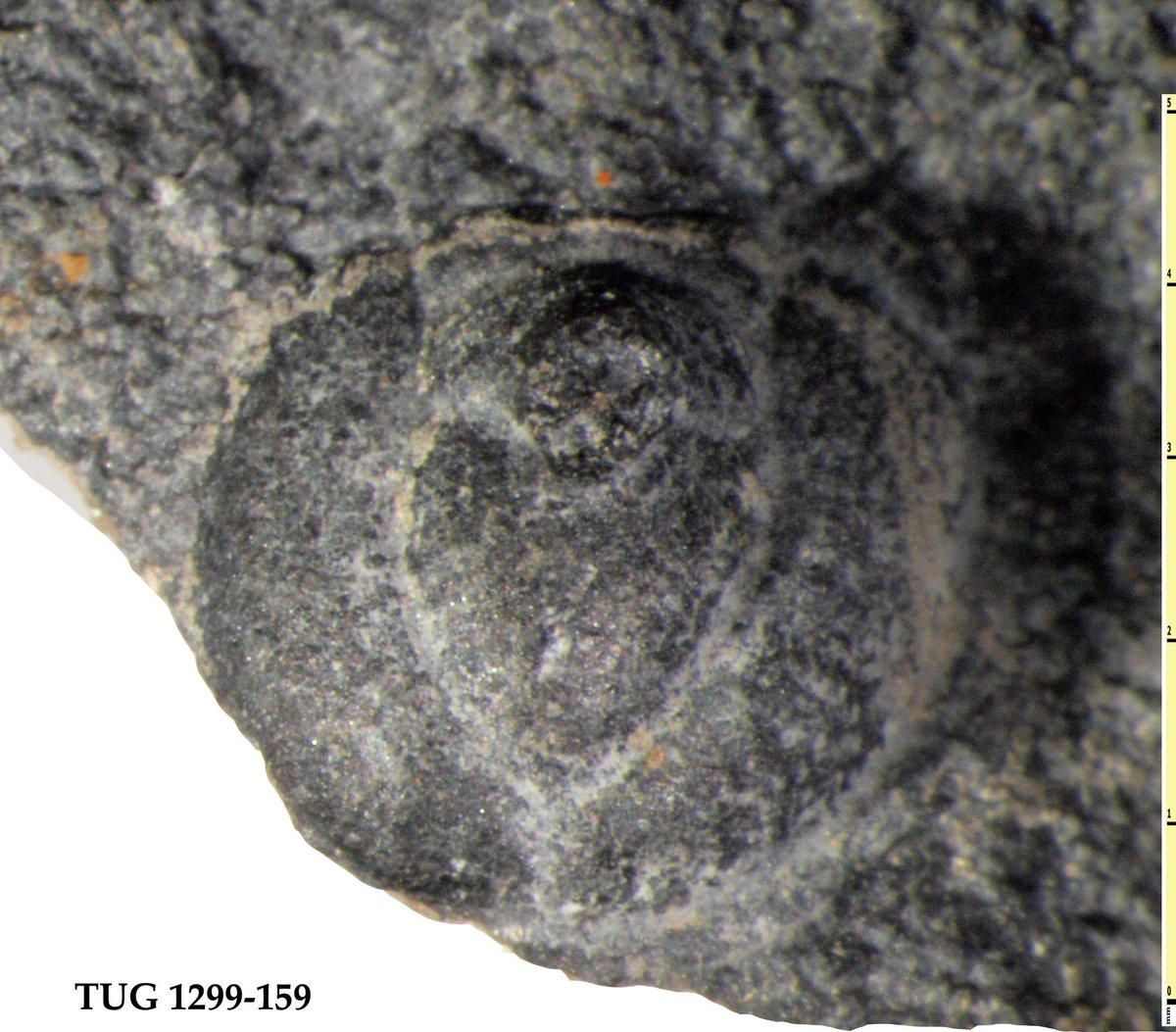
Agnostus pisiformis was a remarkably small organism, typically measuring no more than one centimeter in total body length, making it about the size of a modern lentil or a small pea. Its body was encased in a phosphatic exoskeleton characterized by a highly distinctive, simplified morphology compared to other Cambrian arthropods. The most striking feature of Agnostus is its isopygous nature, meaning its head shield (cephalon) and tail shield (pygidium) were nearly identical in size and shape, giving the animal a symmetrical, almost clam-like appearance when folded. Between these two large shields lay a highly reduced thorax consisting of exactly two articulating segments, a hallmark of the agnostid order. Unlike typical trilobites, Agnostus lacked eyes entirely, suggesting an adaptation to environments where vision was unnecessary. The exceptional three-dimensional preservation found in certain deposits has allowed scientists to reconstruct its soft anatomy in astonishing detail. Beneath the dorsal shields, Agnostus possessed a complex array of appendages. The head bore specialized antennae and several pairs of biramous (two-branched) limbs used for feeding and locomotion. These limbs were equipped with fine setae, or bristles, which likely played a crucial role in gathering food particles. The overall body plan suggests a highly specialized organism, stripped of the complex multi-segmented bodies seen in its contemporaries, favoring a compact, heavily armored, and highly efficient anatomical design.
The paleobiology of Agnostus pisiformis has been the subject of extensive study and reconstruction, largely made possible by the pristine preservation of its delicate appendages. Based on the morphology of its limbs, particularly the presence of fine, comb-like setae on the proximal portions of its legs, it is widely believed that Agnostus was a particle feeder or detritivore. It likely swept organic detritus, microscopic algae, or bacterial mats from the water column or the seafloor toward its ventrally located mouth. The exact mode of locomotion remains a topic of scientific inquiry. The biramous limbs suggest it was capable of swimming, perhaps using a rhythmic paddling motion to propel its tiny body through the water column. Some researchers propose a pelagic lifestyle, drifting along with ocean currents as part of the zooplankton, which would explain its incredibly wide geographic distribution. Others argue for a benthic or nektobenthic existence, living on or just above the muddy sea floor, where it could scavenge for organic matter. The ability to fold its body entirely in half, bringing the cephalon and pygidium together like a bivalve shell, suggests a defensive mechanism against predators or a way to survive harsh environmental fluctuations. Growth occurred through a series of molts (ecdysis), and the fossil record preserves various ontogenetic stages, from tiny early instars to fully grown adults, allowing paleontologists to map its developmental trajectory with high precision. Its metabolism was likely adapted to the low-oxygen environments characteristic of the deep waters where its fossils are often found.
During the late Cambrian period, the world was vastly different from today. The supercontinent Pannotia had broken apart, and the global climate was generally warm, with high sea levels creating extensive shallow epicontinental seas. Agnostus pisiformis thrived in these marine environments, particularly in the regions that would eventually become modern-day Scandinavia and parts of the United Kingdom. The oceans were teeming with the results of the Cambrian Explosion, a period of rapid evolutionary innovation. Agnostus shared its habitat with a diverse array of early marine life, including various species of larger, more traditional trilobites like Olenus, brachiopods, early echinoderms, and enigmatic predators such as the anomalocaridids. In this complex food web, Agnostus occupied a foundational niche. As a tiny, abundant particle feeder or scavenger, it served as a crucial link in the transfer of energy from microscopic primary producers and detritus to higher trophic levels. Its massive population densities, evidenced by fossil beds where thousands of individuals are packed into a single square meter, indicate that it was a primary food source for a variety of Cambrian predators, including larger arthropods and early cephalopods. The specific environments where Agnostus is most commonly found, such as the dysoxic (low oxygen) bottom waters of the Alum Shale sea, suggest it was highly adapted to conditions that many other organisms found inhospitable. This tolerance for low oxygen may have provided a refuge from certain predators and reduced competition for food resources.
The discovery and subsequent study of Agnostus pisiformis span several centuries, making it one of the longest-known and most thoroughly researched of all Cambrian fossils. The species was first formally described by the pioneering Swedish naturalist Carl Linnaeus in 1757, initially under the name Entomolithus paradoxus. It was later reclassified and given its current name, Agnostus pisiformis, by the French paleontologist Alexandre Brongniart in 1822. The genus name Agnostus translates to unknown or unknowable, reflecting the early confusion regarding its biological affinities, while pisiformis means pea-shaped, an apt description of its small, rounded appearance. The most significant breakthroughs in our understanding of this organism came much later, with the discovery of the Orsten fossil deposits in Sweden. In the late 20th century, researchers such as Klaus Muller and Dieter Waloszek began utilizing acid maceration techniques to dissolve the limestone matrix of the Alum Shale, revealing the incredibly delicate, phosphatized soft tissues of Agnostus and other microfossils preserved in three dimensions. These Orsten specimens are among the most famous and scientifically valuable fossils in the world, providing a level of anatomical detail down to individual sensory hairs on the antennae that is rarely seen in the fossil record. The meticulous preparation and scanning electron microscopy of these specimens have transformed Agnostus from a simple, enigmatic shell into one of the best-understood organisms of the Cambrian period.
Agnostus pisiformis holds a position of immense evolutionary significance, serving as a critical focal point for understanding the early diversification of the Arthropoda. For over a century, agnostids were universally classified as an aberrant, highly specialized order of trilobites. Their calcified dorsal exoskeletons, divided into a cephalon, thorax, and pygidium, strongly supported this inclusion. However, the revelation of their soft-part anatomy through the Orsten discoveries introduced profound complexities to this narrative. The appendage morphology of Agnostus, particularly the structure of its limbs and the presence of a specialized larval stage, exhibits striking similarities to early crustaceans, particularly the stem-group crustaceans. This has led to a major paradigm shift in some paleontological circles, suggesting that agnostids might not be true trilobites at all, but rather highly specialized stem-crustaceans that convergently evolved a trilobite-like dorsal shield. Regardless of its exact placement whether as a highly derived sister group to trilobites or a basal crustacean Agnostus provides an unparalleled window into the plasticity of the early arthropod body plan. It demonstrates how extreme miniaturization, the reduction of body segments, and the specialization of appendages were viable and highly successful evolutionary strategies during the Cambrian. Furthermore, its widespread distribution and rapid evolution make it an indispensable tool for biostratigraphy, allowing geologists to correlate rock layers across different continents and refine the timeline of early Paleozoic history.
The taxonomic affinity of Agnostus pisiformis remains one of the most vigorously debated topics in Cambrian paleontology. The core of the controversy lies in the conflicting signals provided by its hard and soft anatomy. Traditionalists, relying on the dorsal exoskeleton's clear tripartite division, maintain that agnostids are a highly derived clade within the class Trilobita. They argue that the crustacean-like features of the appendages are either plesiomorphic (ancestral traits retained from a common ancestor) or the result of convergent evolution driven by a similar ecological niche. Conversely, a growing number of researchers, heavily influenced by the Orsten soft-tissue data, argue that the appendage structure, the lack of a calcified eye, and specific details of its ontogeny align it much more closely with the crustacean stem lineage. This debate is far from settled and continues to generate extensive literature. Another area of ongoing debate concerns its lifestyle. While the consensus leans toward a pelagic or nektobenthic existence, some scientists argue that the hydrodynamic properties of its shell and the specific morphology of its limbs are better suited for a strictly benthic, mud-plowing lifestyle. These debates highlight the challenges of interpreting the biology of organisms that have been extinct for half a billion years and underscore the importance of new fossil discoveries and advanced analytical techniques in resolving deep evolutionary mysteries.
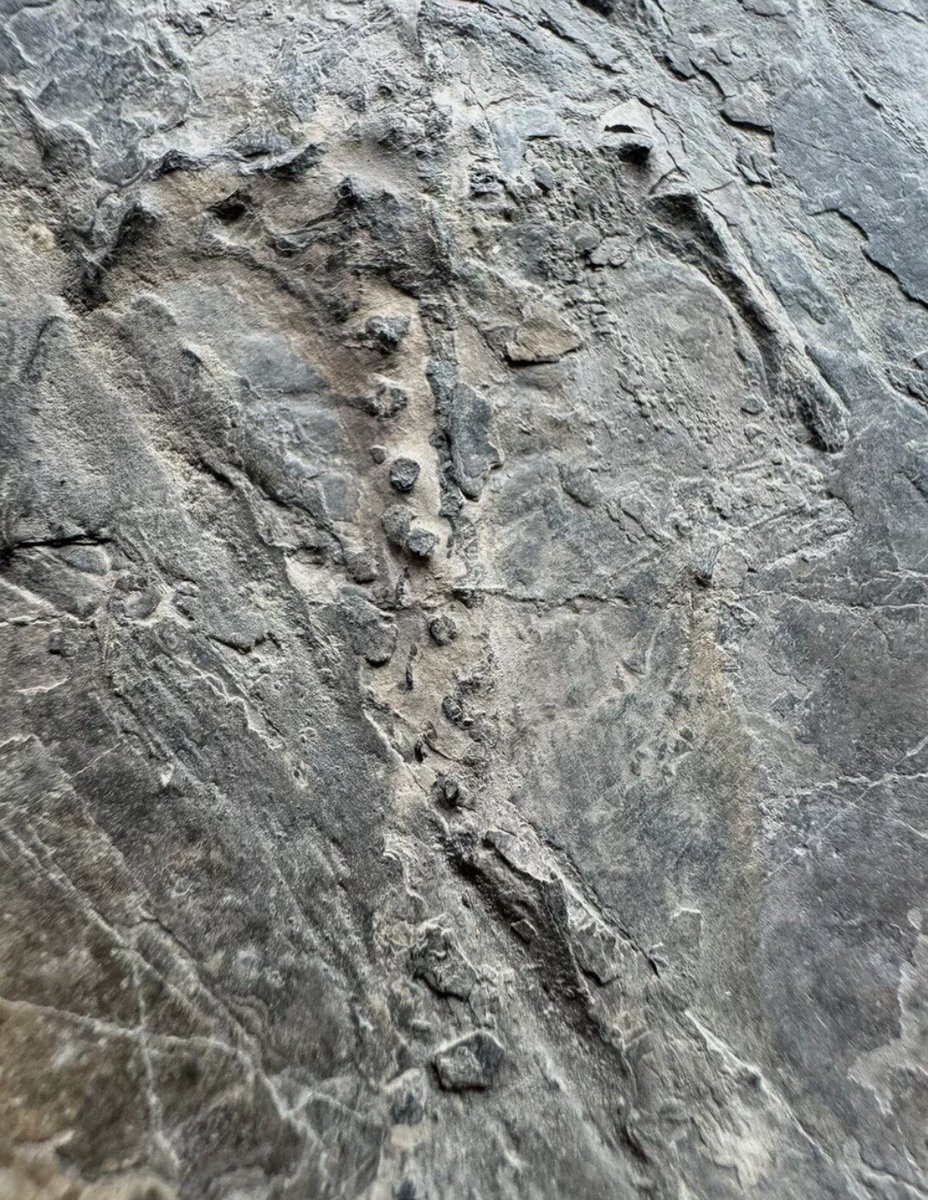
The fossil record of Agnostus pisiformis is extraordinarily rich, making it one of the most abundant and well-documented species of the Cambrian period. Its fossils are found in staggering numbers, primarily within the Alum Shale Formation of Sweden, Norway, and Denmark, but also in contemporaneous deposits in the United Kingdom, eastern Canada, and parts of Russia. In many of these locations, the tiny shields of Agnostus literally form the rock, packed together in dense accumulations known as coquinas. The preservation quality ranges from flattened, two-dimensional impressions in shale to the legendary, fully three-dimensional phosphatized specimens of the Orsten deposits. In typical shale preservation, only the hard, calcified cephalon and pygidium are found, often separated after the animal molted or died. The Orsten preservation, however, is exceptional, capturing the unmineralized appendages, gills, and even the delicate setae in microscopic detail. This requires a highly specific taphonomic process where calcium phosphate replaces the organic tissues shortly after death, before decay can set in. The sheer volume of specimens, numbering in the millions, has allowed paleontologists to conduct exhaustive statistical analyses of its population dynamics, growth rates, and morphological variation, providing a level of population-level data that is virtually unheard of for an organism of this age.
While Agnostus pisiformis may not command the same level of public recognition as a Tyrannosaurus rex or a Woolly Mammoth, it holds a revered status within the scientific community and among fossil enthusiasts. It is a staple of university paleontology courses, serving as the classic example of an index fossil and a case study in exceptional preservation. Notable displays of Agnostus, particularly magnified models of the Orsten specimens, can be found in major natural history museums worldwide, including the Swedish Museum of Natural History in Stockholm. These exhibits often use Agnostus to illustrate the alien nature of Cambrian life and the incredible power of modern microscopy in unlocking the secrets of the deep past. For paleontologists, Agnostus is a symbol of the meticulous, painstaking work required to reconstruct ancient ecosystems, proving that sometimes the smallest fossils yield the most profound scientific revelations.
Classification
Time Period
Discovery
Location
Sweden
Formation
Alum Shale Formation
Frequently Asked Questions
What is Agnostus?
Agnostus pisiformis is an extinct species of small arthropod that lived during the late Cambrian period, approximately 500 to 490 million years ago. Found predominantly in the Alum Shale Formation of Scandinavia, particularly in Sweden, this organism is a vital index fossil for the Cambrian. Its exc...
When did Agnostus live?
Agnostus lived during the cambrian period of the paleozoic era approximately 500-490 million years ago.
Where was Agnostus discovered?
Fossils of Agnostus were discovered in Sweden in the Alum Shale Formation.
What did Agnostus eat?
Agnostus was a detritivore. It lived in marine habitats.
What type of fossil is Agnostus?
Agnostus is preserved as a body fossil. The preservation quality is exceptional.
Related Specimens
From the paleozoic era · body fossils