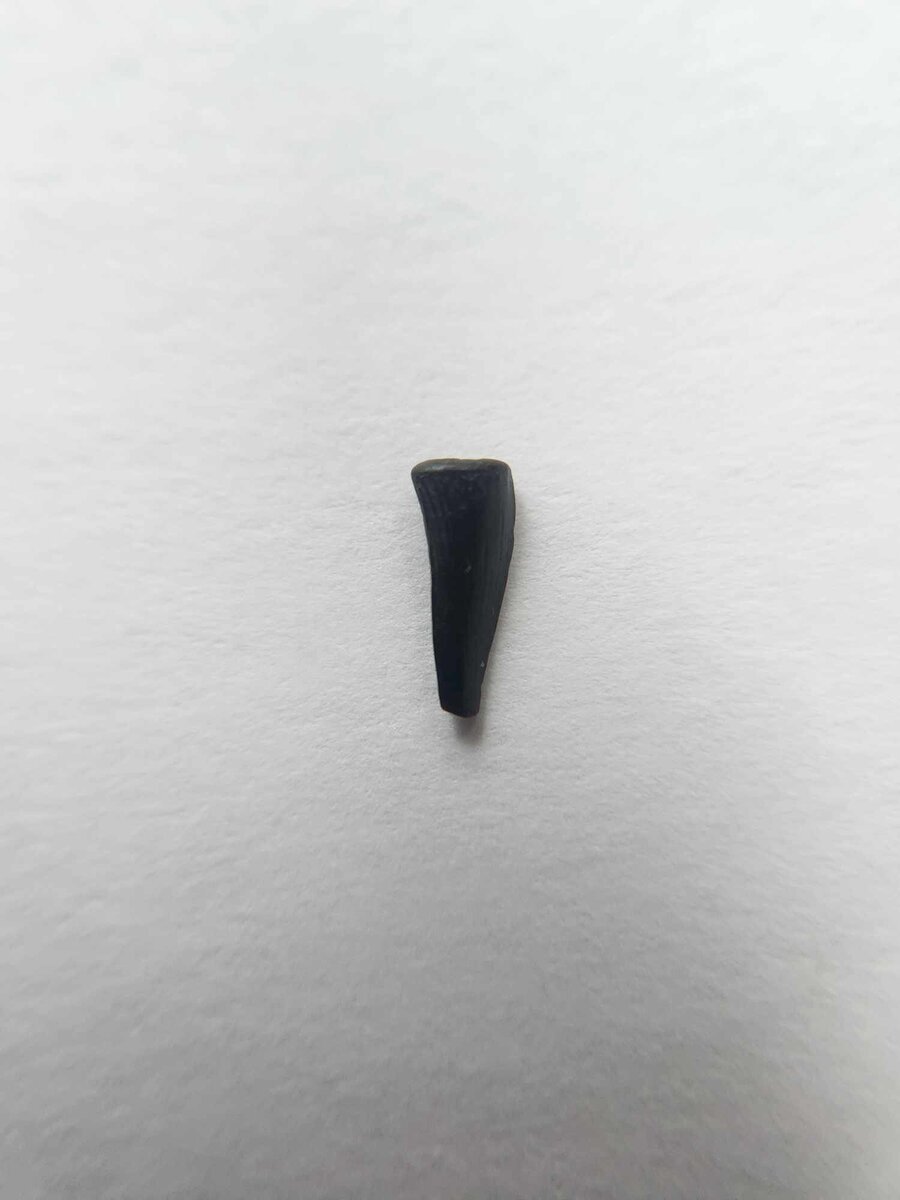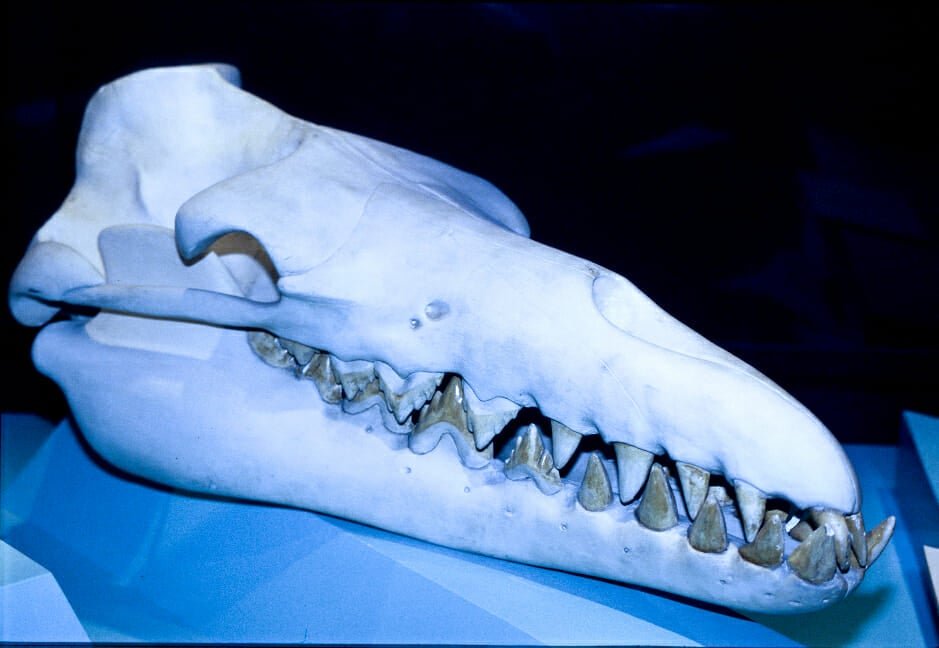
Basilosaurus cetoides
Image: Image sourced via web search (Fair use / Educational)
About Basilosaurus cetoides
Basilosaurus cetoides represents one of the most spectacular and pivotal organisms in the history of mammalian evolution, serving as a dramatic testament to the transition of early whales from terrestrial environments to fully aquatic lifestyles. Living during the Late Eocene epoch, approximately 41 to 34 million years ago, this colossal marine mammal navigated the warm, shallow seas that once covered much of what is now the southeastern United States. Originally misidentified as a gigantic marine reptile, hence its deceptive genus name meaning 'king lizard,' Basilosaurus is now universally recognized as an early, obligate aquatic cetacean. Its discovery and subsequent study have provided paleontologists with an unprecedented window into the anatomical adaptations required for life in the open ocean, making it a cornerstone taxon for understanding the evolutionary trajectory of modern whales, dolphins, and porpoises. The significance of Basilosaurus cetoides extends beyond its sheer size; it encapsulates a critical evolutionary moment where the vestiges of a land-dwelling past were still physically present on a creature exquisitely adapted to the sea.
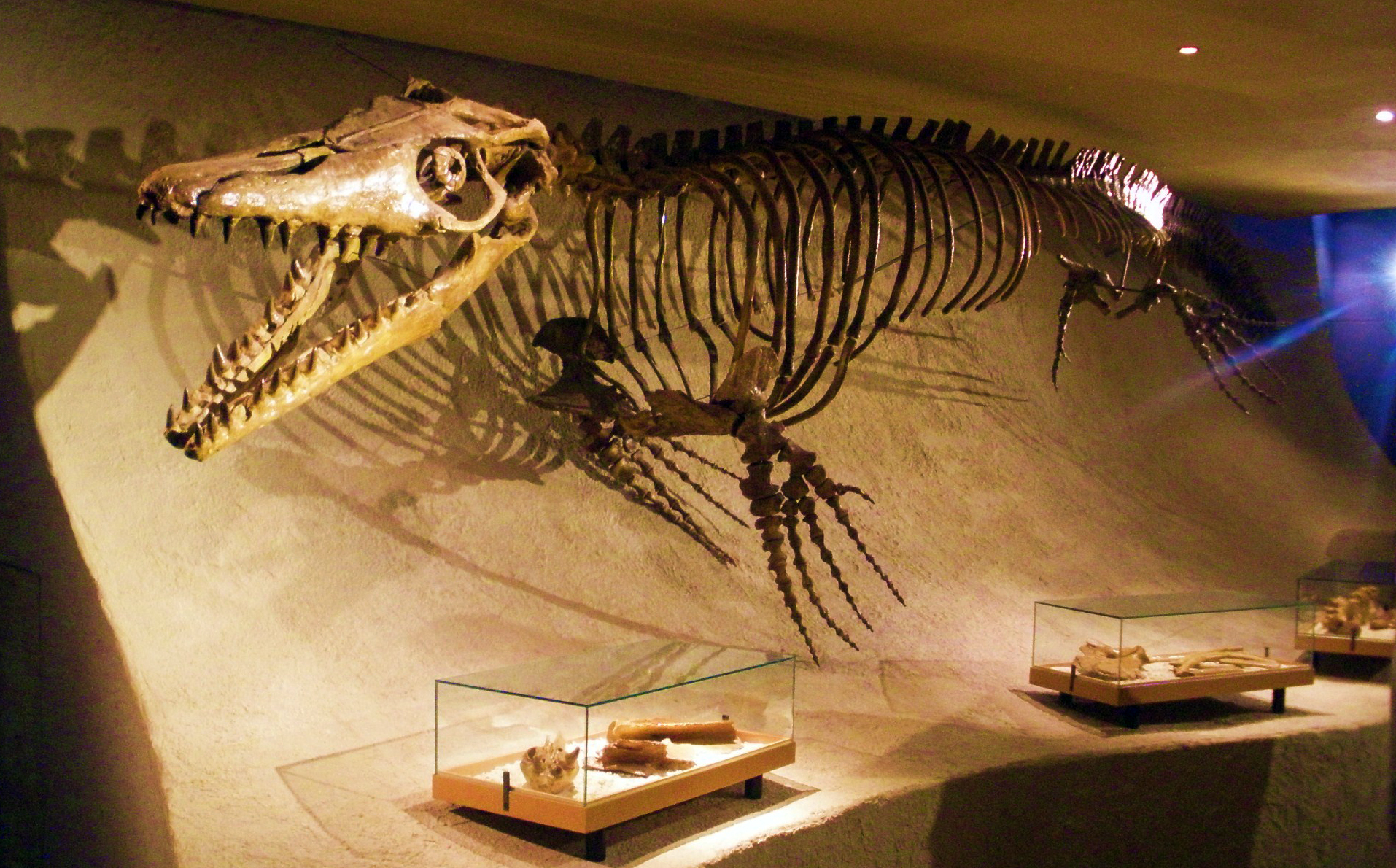
The physical anatomy of Basilosaurus cetoides is strikingly unique, diverging significantly from both its terrestrial ancestors and modern cetacean descendants. Reaching astonishing lengths of 15 to 20 meters (approximately 50 to 65 feet) and weighing an estimated 5 to 10 metric tons, it possessed an incredibly elongated, serpentine body. This extreme elongation was achieved not by adding more vertebrae, but through the dramatic lengthening of the individual lumbar and caudal vertebrae, which were dense and heavily ossified. Its skull, measuring up to 1.5 meters in length, was robust and armed with a formidable array of heterodont teeth. The anterior teeth were conical and designed for grasping, while the posterior cheek teeth featured complex, serrated triangular blades perfectly adapted for shearing flesh and crushing bone. Unlike modern whales, Basilosaurus lacked the cranial modifications necessary for echolocation, and its blowhole was positioned midway between the snout and the top of the head, indicating a transitional respiratory anatomy. Perhaps its most famous anatomical feature is the retention of vestigial hind limbs. Measuring a mere 35 centimeters in length, these tiny legs were complete with a femur, patella, tibia, fibula, and digits. While entirely useless for terrestrial locomotion or significant aquatic propulsion, these limbs were highly articulated and possessed strong muscle attachments, suggesting they may have played a role as claspers during mating. The forelimbs were modified into broad, paddle-like flippers, though they retained a flexible elbow joint, unlike the rigid flippers of modern whales.
In terms of paleobiology, Basilosaurus cetoides was an apex predator, occupying the highest trophic level in its marine ecosystem. Its dentition clearly indicates a hypercarnivorous diet, capable of tackling large, formidable prey. Wear patterns on the teeth suggest that Basilosaurus employed a powerful bite force to crush the skulls and bones of its victims, which likely included large fish, sharks, and notably, smaller marine mammals such as the contemporary whale Dorudon. The hunting strategy of Basilosaurus likely relied on ambush rather than sustained high-speed pursuit. Its elongated, eel-like body suggests a mode of locomotion that was anguilliform—moving through the water via undulating, snake-like movements of its entire torso and tail. This swimming style, while highly maneuverable in shallow, complex environments, is less energy-efficient for rapid, long-distance cruising compared to the thunniform (tuna-like) swimming of modern whales. Consequently, Basilosaurus may have lurked in the murky depths or among dense underwater vegetation, striking at unwary prey with devastating speed and force. Socially, it is difficult to ascertain whether Basilosaurus was a solitary hunter or engaged in complex group behaviors, though the presence of functional, albeit tiny, hind limbs for potential mating suggests at least some level of physical social interaction. Growth patterns inferred from bone histology indicate a relatively slow metabolism compared to modern cetaceans, aligning with a creature that did not need to generate massive amounts of internal heat in the warm Eocene seas.
The ecological context of the Late Eocene was defined by a greenhouse climate, characterized by high global temperatures and a lack of significant polar ice caps. The world's oceans were considerably warmer and sea levels were much higher than today, creating vast expanses of shallow, epicontinental seas. Basilosaurus cetoides inhabited the Mississippi Embayment, a large, warm, and nutrient-rich marine inlet that extended deep into the North American continent, covering present-day states like Alabama, Mississippi, and Louisiana. This environment was teeming with life, providing a rich smorgasbord for a macro-predator. The waters were populated by a diverse array of chondrichthyans, including large lamniform sharks, as well as an abundance of teleost fishes, sea turtles, and early sirenians (sea cows). The presence of Basilosaurus in this ecosystem exerted significant top-down pressure on these populations. Its primary prey, the smaller, dolphin-like whale Dorudon, shared these waters and likely formed large pods to defend against the predatory incursions of its giant relative. The shallow, protected nature of the Gulf Coast seas provided an ideal nursery and hunting ground, shielded from the more turbulent open ocean, allowing these massive predators to thrive in a highly productive marine food web.
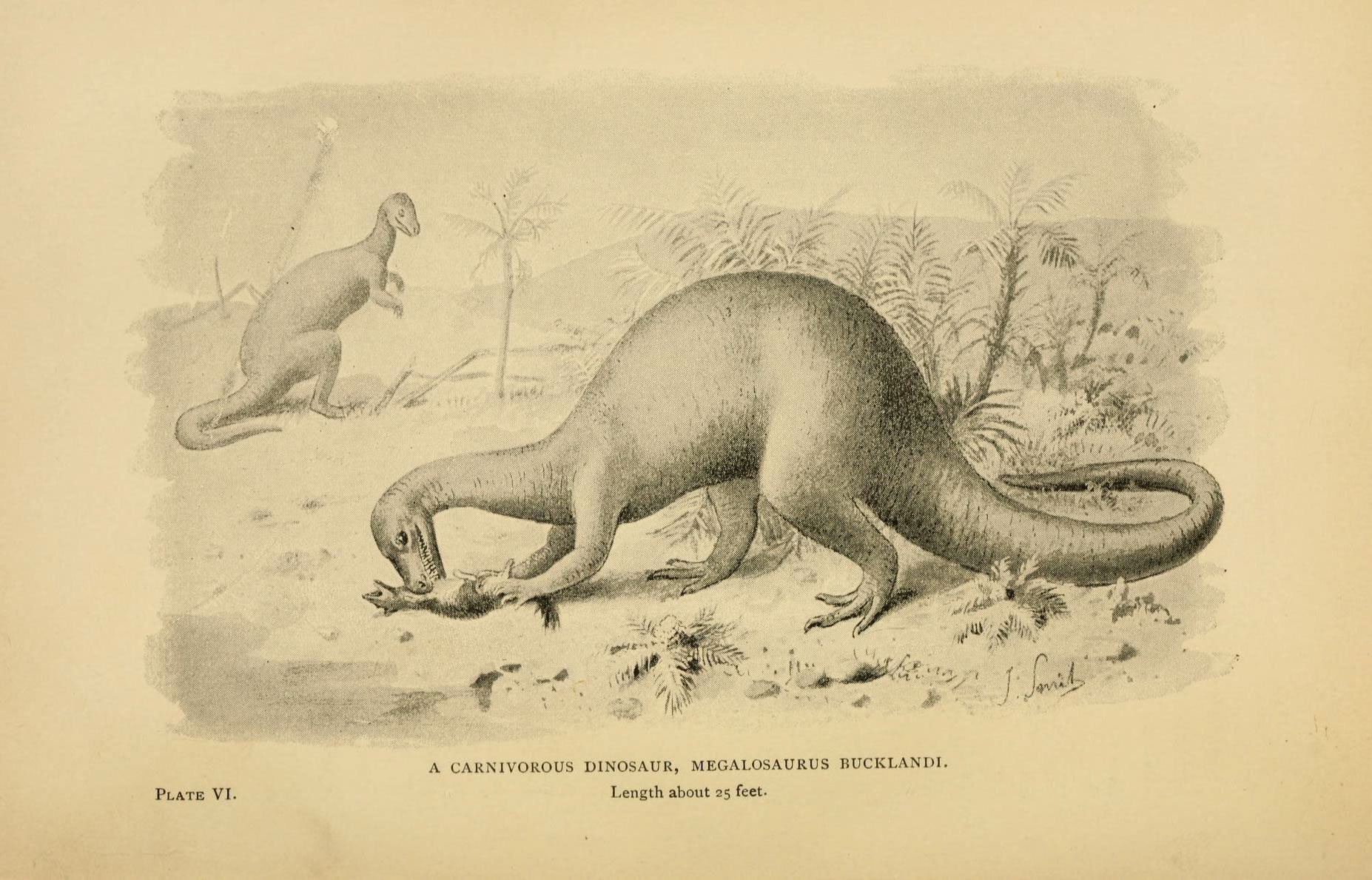
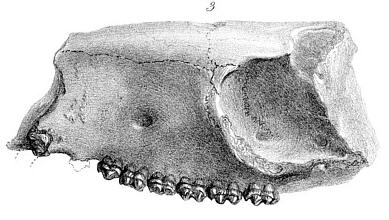
The discovery history of Basilosaurus cetoides is a fascinating chapter in early American paleontology. In the early 1830s, massive, strange bones began weathering out of the limestone and clay deposits on plantations in Louisiana and Alabama. Local residents, bewildered by their size, often used the giant vertebrae as furniture or foundation stones for buildings. In 1834, the American anatomist Richard Harlan examined some of these remains and, noting their immense size and reptilian-looking teeth, concluded they belonged to a colossal marine reptile, naming it Basilosaurus, or 'king lizard.' It was not until 1839, when the eminent British anatomist Sir Richard Owen examined a more complete set of fossils shipped to London, that the creature's true mammalian nature was revealed. Owen recognized the double-rooted teeth as a distinctly mammalian trait and proposed renaming the creature Zeuglodon cetoides ('yoke-tooth whale'). However, under the strict rules of zoological nomenclature, Harlan's original genus name, Basilosaurus, held priority and was permanently retained, despite its biologically inaccurate suffix. The species name cetoides was kept to reflect its whale-like nature. Since then, numerous spectacular specimens have been unearthed, particularly in the Gulf Coast region, cementing its status as one of the best-represented early whales in the fossil record.
Evolutionarily, Basilosaurus cetoides occupies a profoundly significant position on the cetacean family tree. It belongs to the family Basilosauridae, a group of extinct whales that represent the first fully aquatic cetaceans, having completely severed their ties to the land. While earlier archaeocetes like Pakicetus and Ambulocetus were semi-aquatic, possessing functional legs and spending considerable time ashore, Basilosaurus demonstrates the culmination of the transition to an obligate marine existence. The retention of its tiny hind limbs is a classic example of a vestigial structure, providing irrefutable morphological evidence of the terrestrial ancestry of whales. These limbs connect Basilosaurus to its artiodactyl (even-toed ungulate) ancestors, a relationship later confirmed by molecular biology and the discovery of the characteristic double-pulley astragalus bone in the ankles of earlier whales. However, despite its advanced aquatic adaptations, Basilosaurus is generally not considered a direct ancestor to modern whales (Neoceti). Instead, it represents a highly specialized, terminal side branch of the cetacean evolutionary tree. Its extreme body elongation and specific dental specializations were unique adaptations that ultimately did not persist into the Oligocene, whereas smaller, more generalized basilosaurids like Dorudon are thought to be closer to the direct lineage that gave rise to modern baleen and toothed whales.
Scientific debates surrounding Basilosaurus cetoides have evolved significantly over the decades, driven by new fossil discoveries and advanced analytical techniques. Early controversies naturally centered on its taxonomic placement, specifically the battle between Harlan's reptilian interpretation and Owen's mammalian classification. In more recent times, debates have focused on its biomechanics and mode of locomotion. For many years, the extent of its spinal flexibility was contested, with some researchers arguing for a highly flexible, almost serpentine movement, while others suggested a stiffer torso more akin to modern whales. Recent biomechanical modeling of its vertebrae supports a highly flexible lumbar region, confirming the anguilliform swimming hypothesis. Another area of ongoing discussion involves its diet and feeding behavior. While it is universally accepted as a carnivore, the specific mechanics of its bite and whether it engaged in active scavenging alongside hunting remain topics of active research. Furthermore, the exact function of the vestigial hind limbs—whether they were entirely useless, used for copulation, or served some other unknown purpose—continues to be debated, though the copulatory clasper hypothesis remains the most widely accepted among paleontologists.
The fossil record of Basilosaurus cetoides is exceptionally robust, particularly within the United States. The vast majority of specimens are recovered from the Late Eocene deposits of the Jackson Group, specifically the Yazoo Clay formation, which spans across Louisiana, Mississippi, and Alabama. The preservation quality in these marine clays is often good to excellent, yielding articulated skeletons, complete skulls, and exquisitely preserved teeth. The dense, pachyostotic nature of Basilosaurus bones made them highly resistant to taphonomic destruction, increasing their likelihood of fossilization. Hundreds of individual specimens have been documented, ranging from isolated vertebrae to nearly complete skeletons. This abundance of material has allowed for detailed population studies and comprehensive anatomical reconstructions. The fossil sites in Choctaw County, Alabama, and the surrounding regions are world-renowned for their basilosaurid yields, making the Gulf Coast one of the most important geographic areas globally for the study of early cetacean evolution.
The cultural impact of Basilosaurus cetoides is deeply intertwined with the regional identity of the American South and the broader public fascination with prehistoric sea monsters. Recognizing its immense paleontological value and historical connection to the region, both Alabama and Mississippi have designated Basilosaurus cetoides as their official state fossil. It has featured prominently in various documentaries and popular science media, often depicted as the terrifying apex predator of the Eocene seas. Spectacular mounted skeletons are displayed in major institutions, including the Smithsonian National Museum of Natural History in Washington, D.C., and the Alabama Museum of Natural History, where they continue to awe visitors and serve as powerful educational tools illustrating the dramatic realities of evolutionary change and the deep history of our planet's oceans.
Classification
Time Period
Discovery
Location
United States (Alabama and Louisiana)
Formation
Jackson Group
Frequently Asked Questions
What is Basilosaurus cetoides?
Basilosaurus cetoides represents one of the most spectacular and pivotal organisms in the history of mammalian evolution, serving as a dramatic testament to the transition of early whales from terrestrial environments to fully aquatic lifestyles. Living during the Late Eocene epoch, approximately 41...
When did Basilosaurus cetoides live?
Basilosaurus cetoides lived during the paleogene period of the cenozoic era approximately 41-34 million years ago.
Where was Basilosaurus cetoides discovered?
Fossils of Basilosaurus cetoides were discovered in United States (Alabama and Louisiana) in the Jackson Group.
What did Basilosaurus cetoides eat?
Basilosaurus cetoides was a carnivore. It lived in marine habitats.
What type of fossil is Basilosaurus cetoides?
Basilosaurus cetoides is preserved as a body fossil. The preservation quality is good.
Related Specimens
From the cenozoic era · body fossils