66 Million Years Ago – Present
Cenozoic Era
The Cenozoic Era, the 'Age of Mammals,' encompasses the last 66 million years and continues to the present day. After the extinction of non-avian dinosaurs, mammals underwent a dramatic adaptive radiation, filling ecological niches left vacant. Horses, whales, elephants, primates, and countless other groups evolved and diversified. Grasslands spread across continents, reshaping herbivore evolution and driving the development of running adaptations. The era's later stages were marked by dramatic climate oscillations — the Pleistocene ice ages — that drove cycles of glaciation and profoundly influenced the distribution and evolution of life. The emergence of Homo sapiens in the late Cenozoic has had an unprecedented impact on the biosphere.
Milestones
Key Events
Adaptive radiation of mammals (Paleocene–Eocene)
India collides with Asia, forming the Himalayas (~50 Mya)
Spread of grasslands (Miocene, ~20 Mya)
Evolution of hominins (~7 Mya)
Pleistocene ice ages (~2.6 Mya–11,700 years ago)
Emergence of modern humans (~300,000 years ago)
Environment
Climate & Environment
The Cenozoic began warm, then experienced a long-term cooling trend. The formation of the Antarctic ice sheet (~34 Mya) and later the Arctic ice cap (~3 Mya) drove the Pleistocene glacial cycles.
Collection
Cenozoic Era Specimens (114)
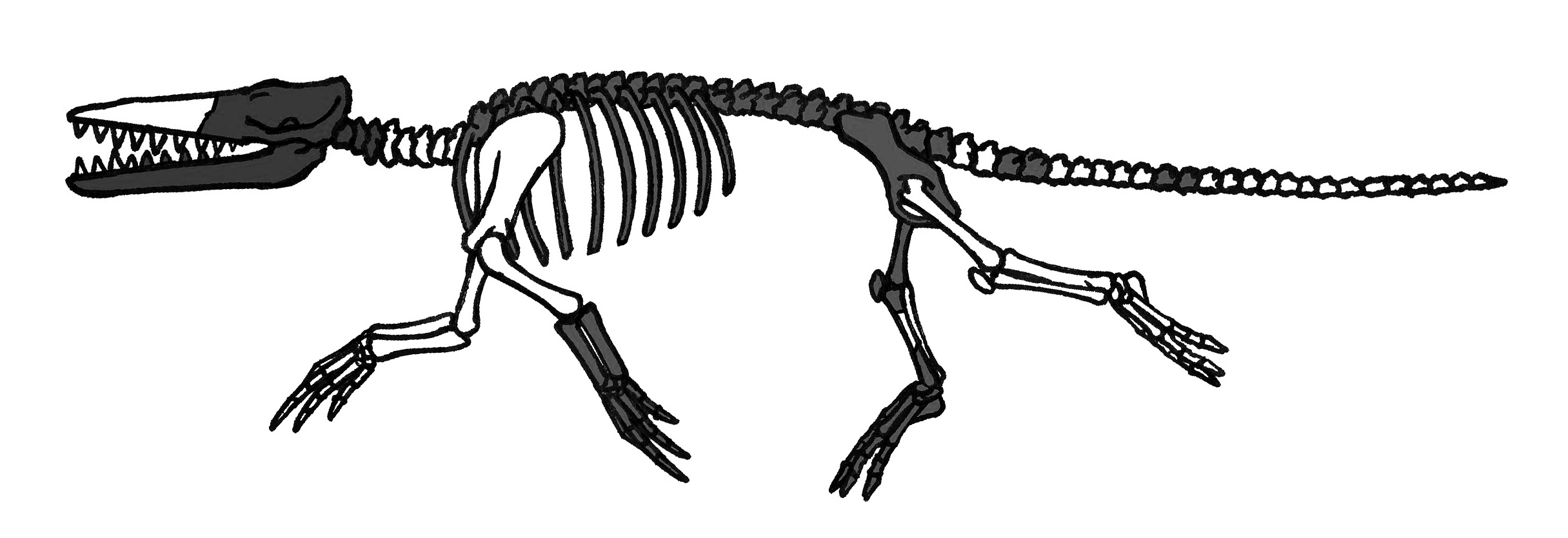
Ambulocetus
paleogene
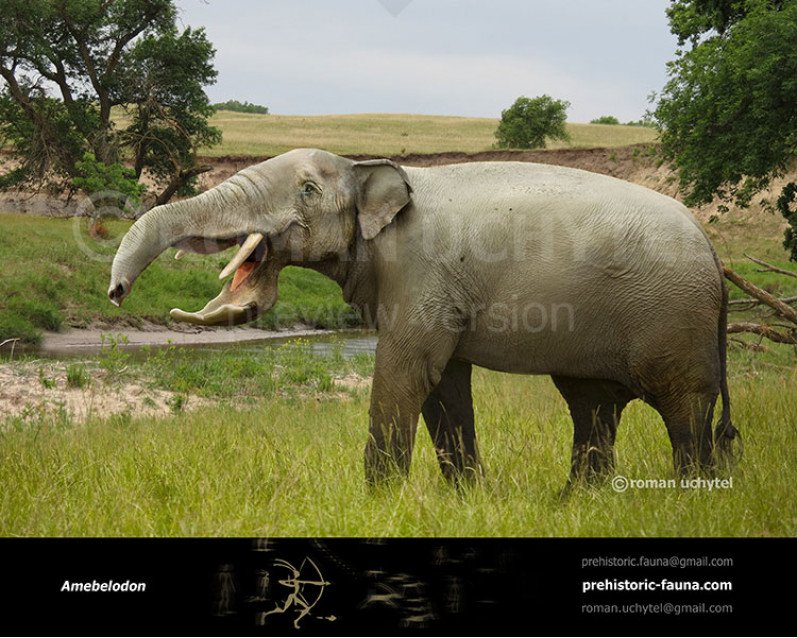
Amebelodon
neogene
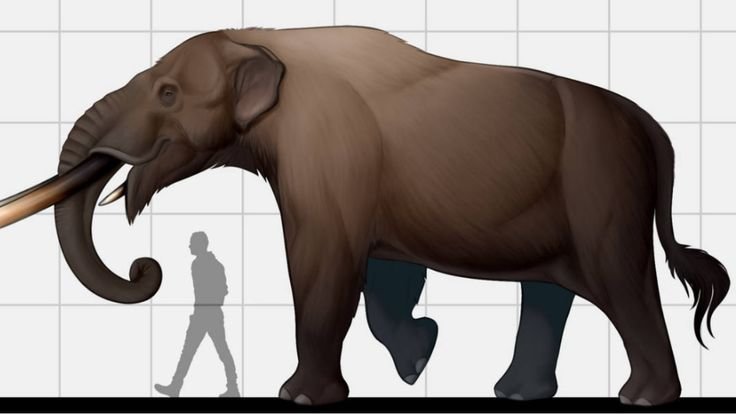
American Mastodon
quaternary
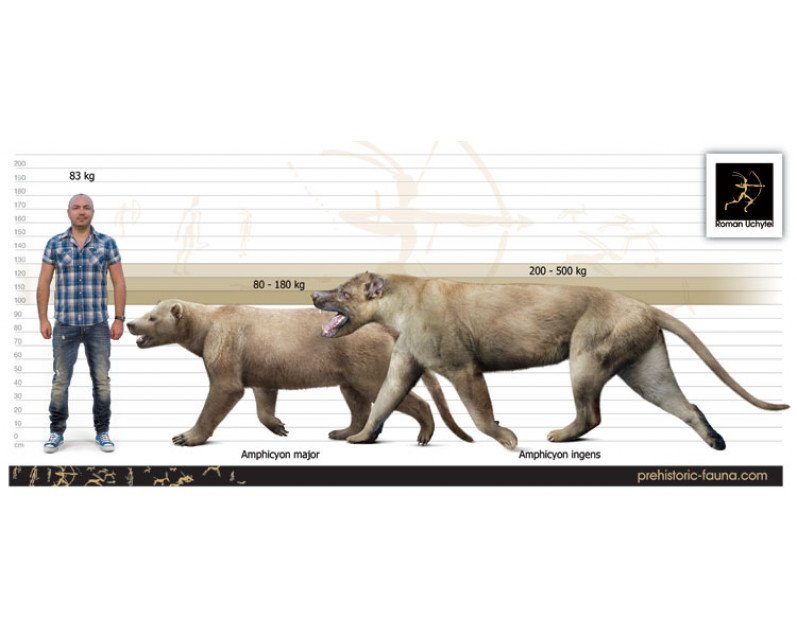
Amphicyon
neogene
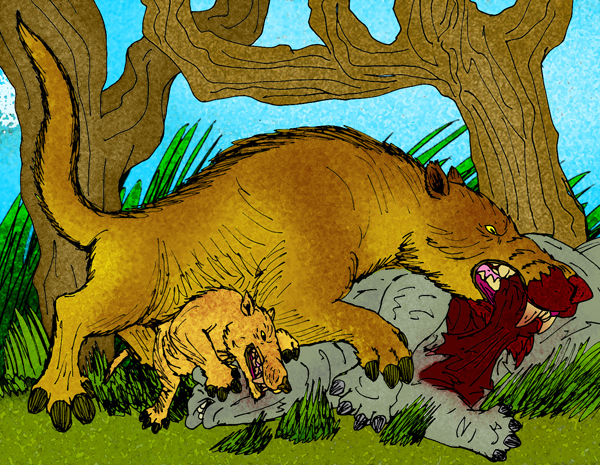
Andrewsarchus
paleogene
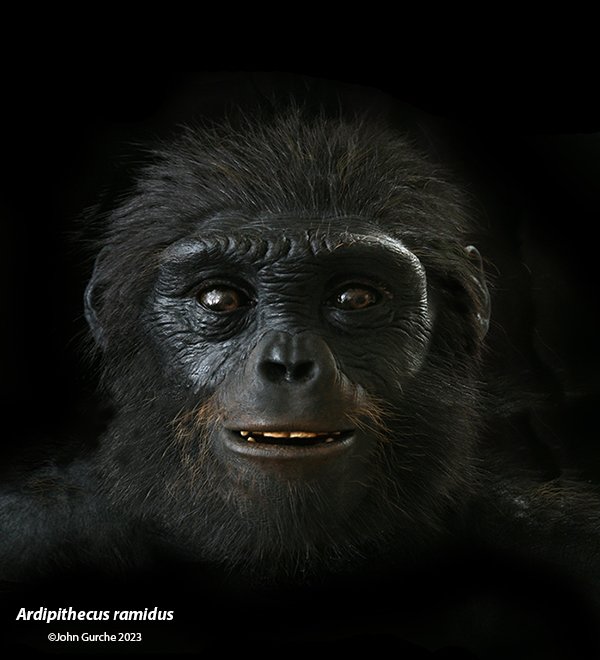
Ardi (ARA-VP-6/500)
neogene
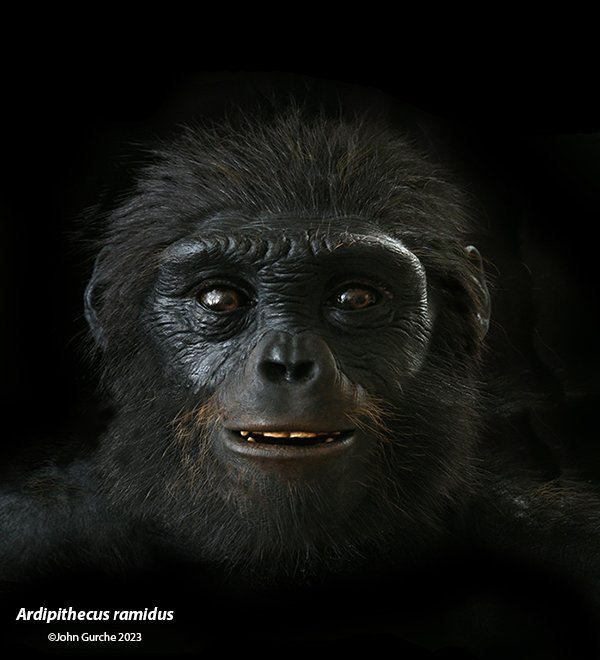
Ardipithecus ramidus
neogene
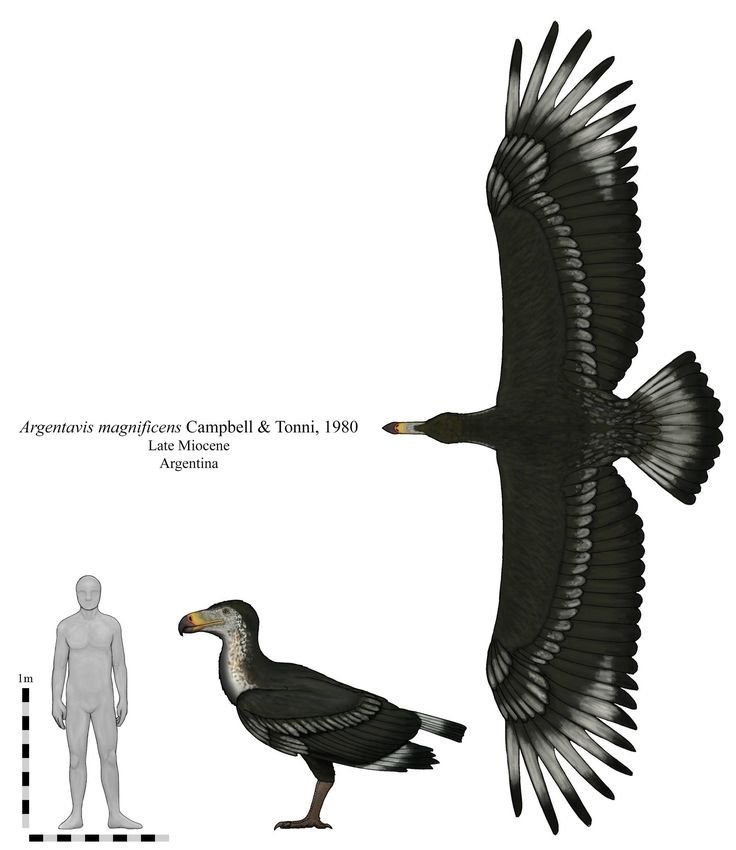
Argentavis
neogene
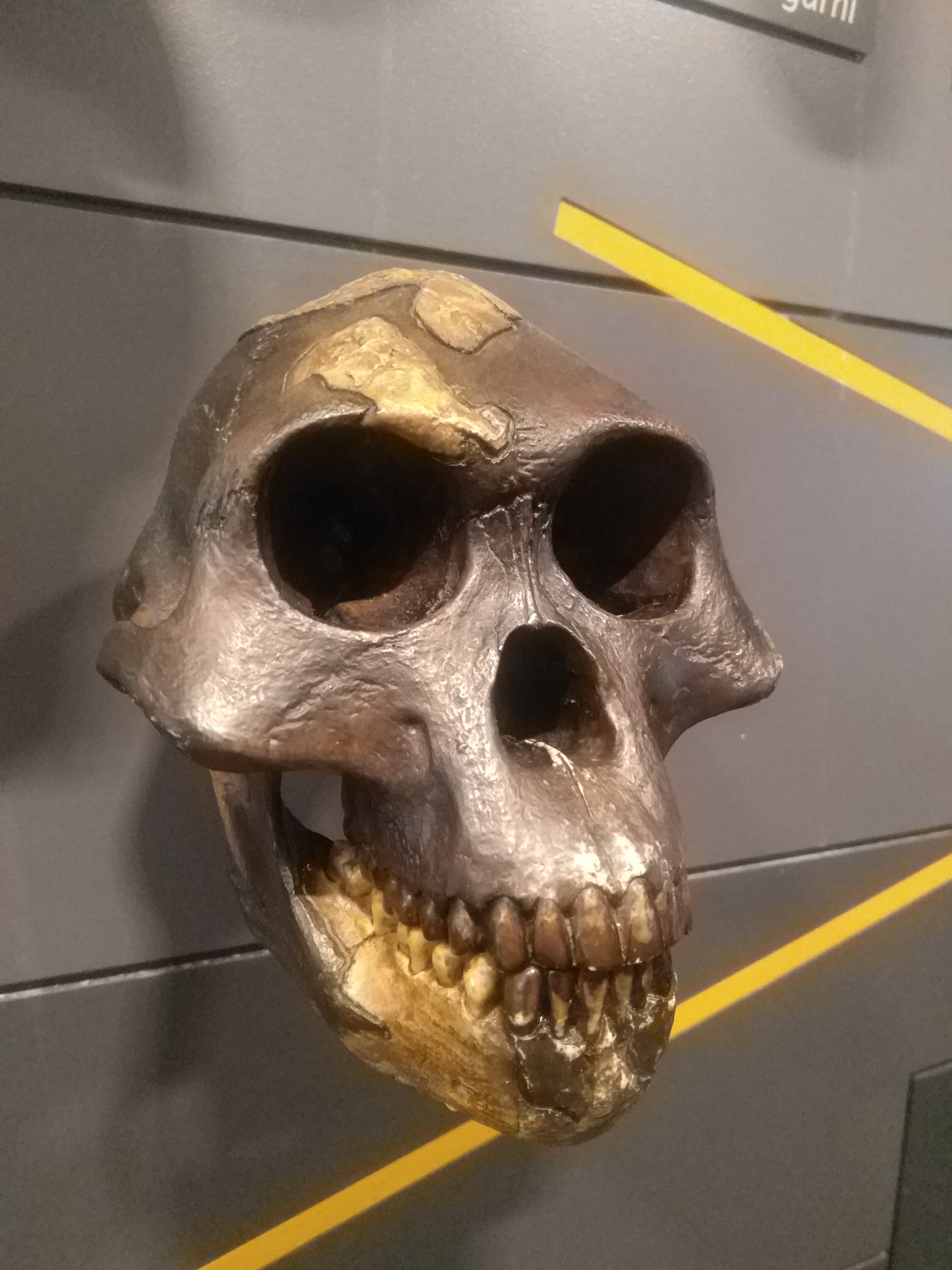
Australopithecus
neogene
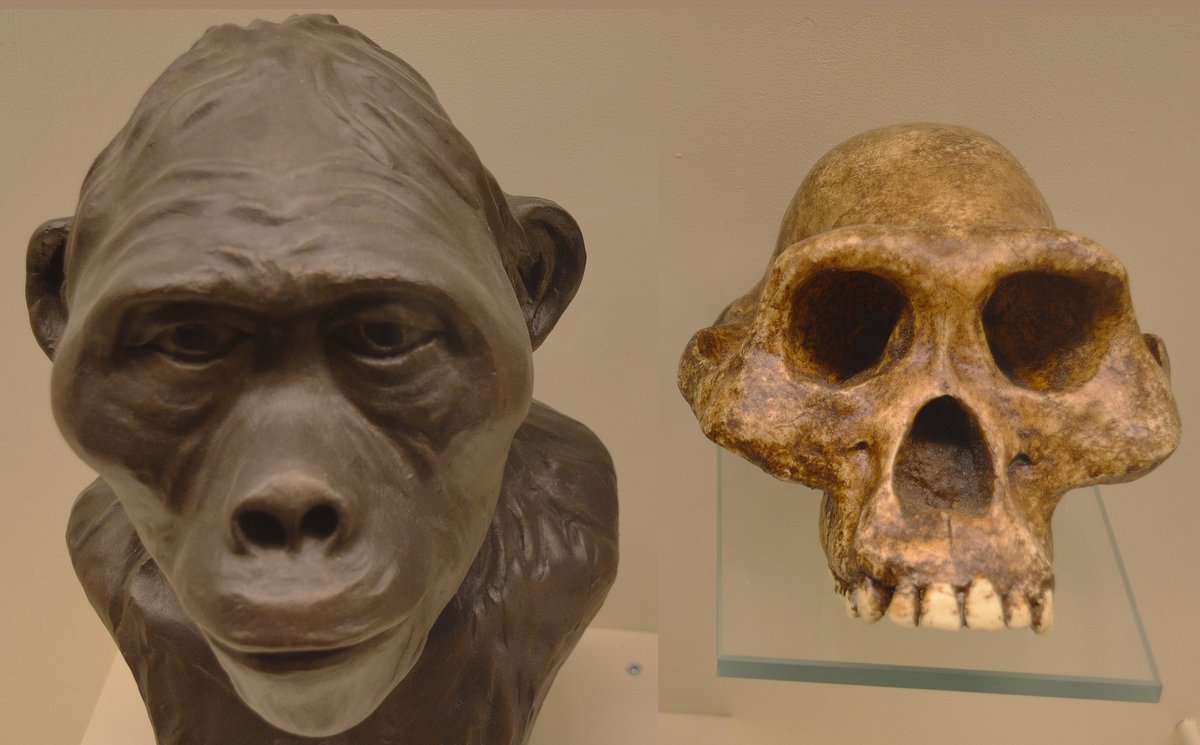
Australopithecus afarensis
neogene
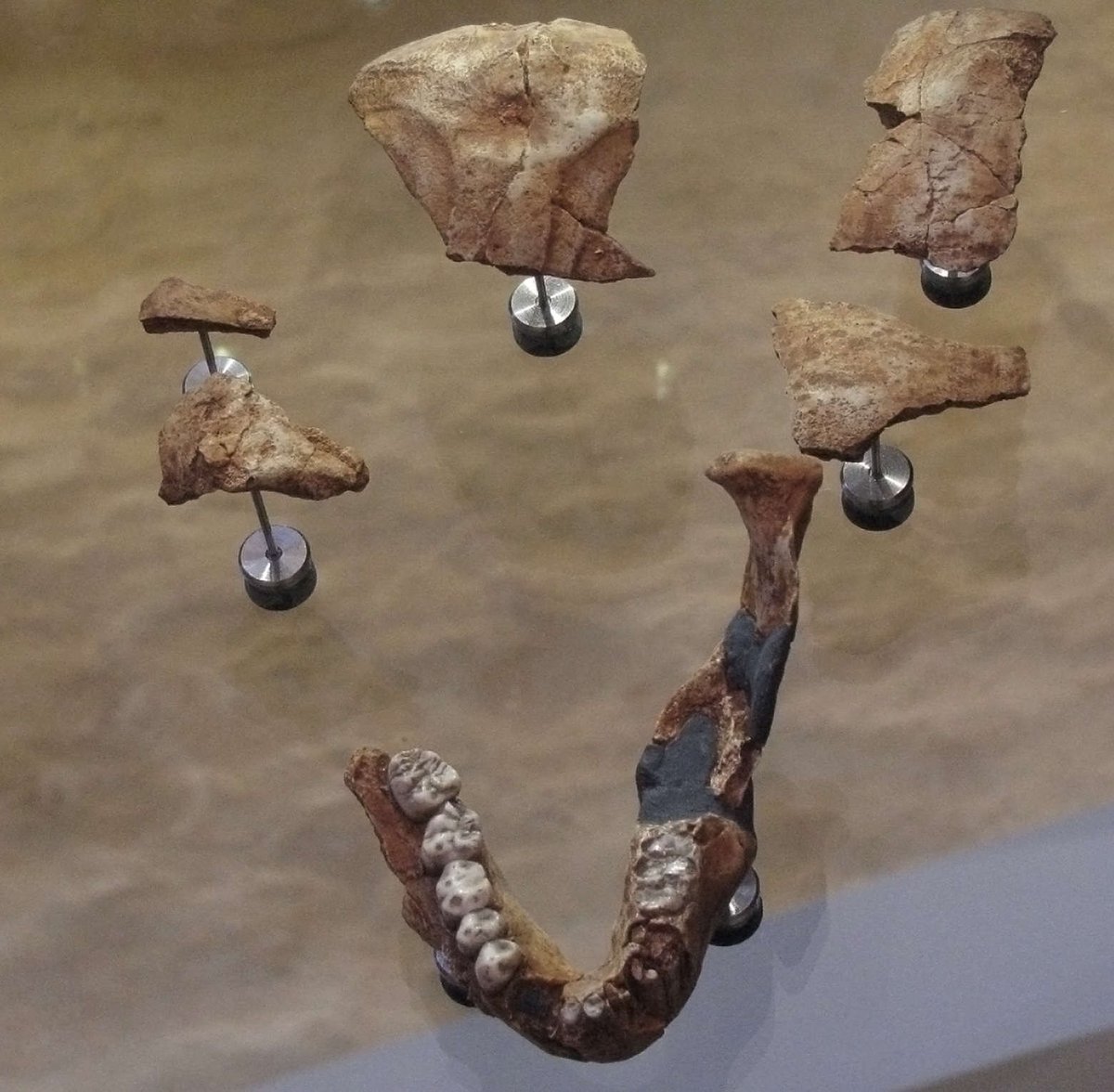
Australopithecus africanus
pliocene/pleistocene
Barbourofelis
neogene
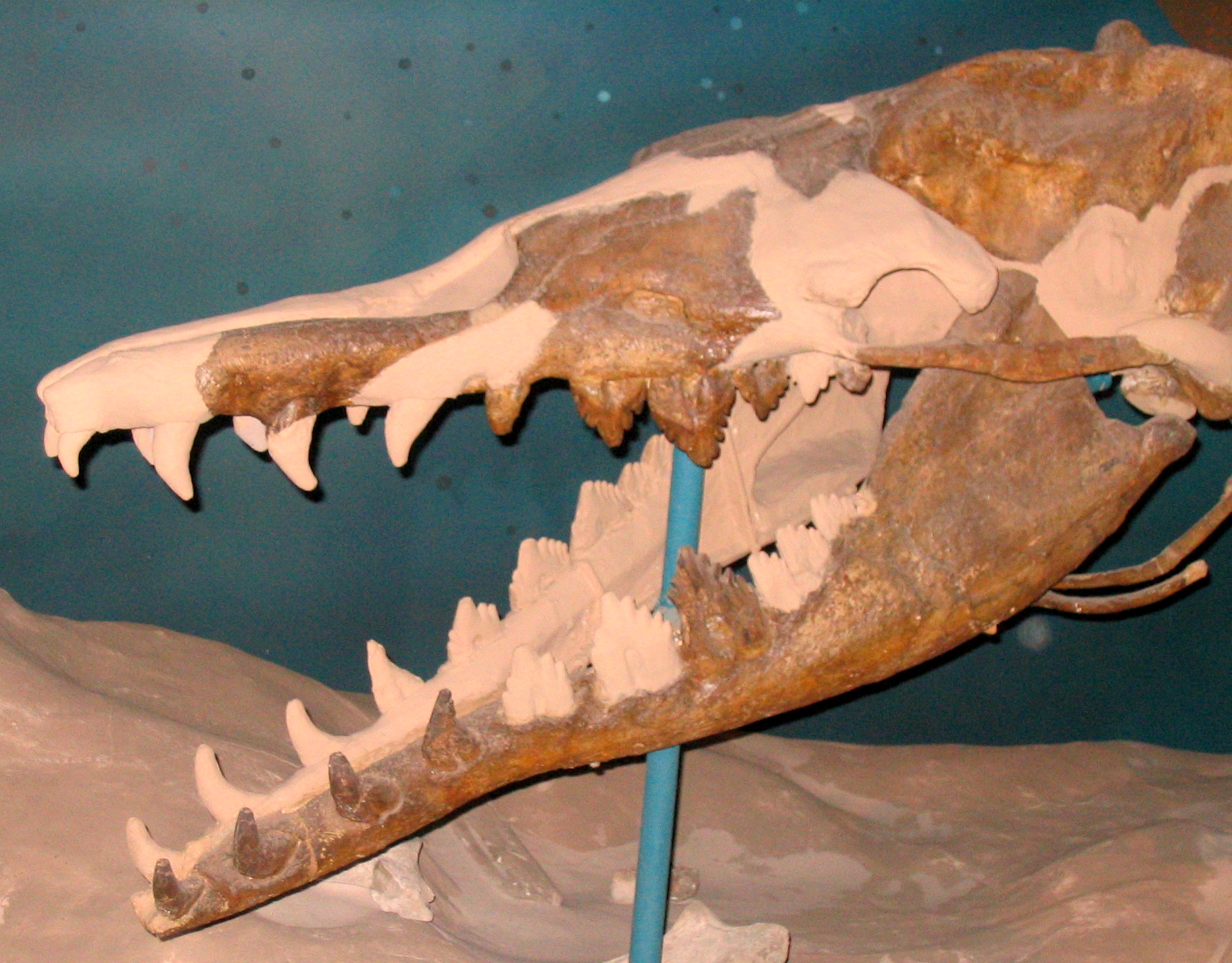
Basilosaurus
paleogene
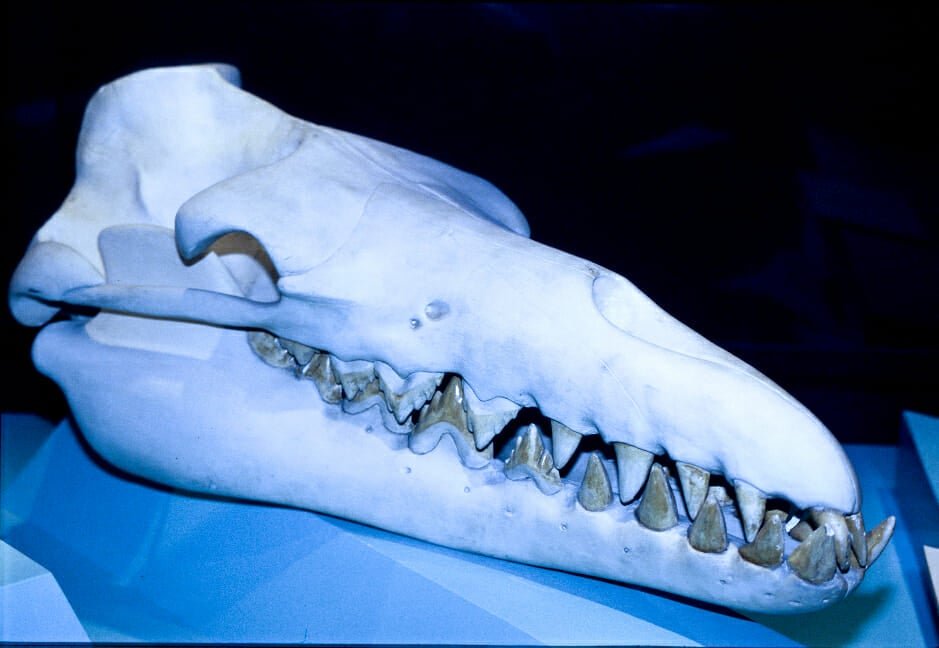
Basilosaurus cetoides
paleogene
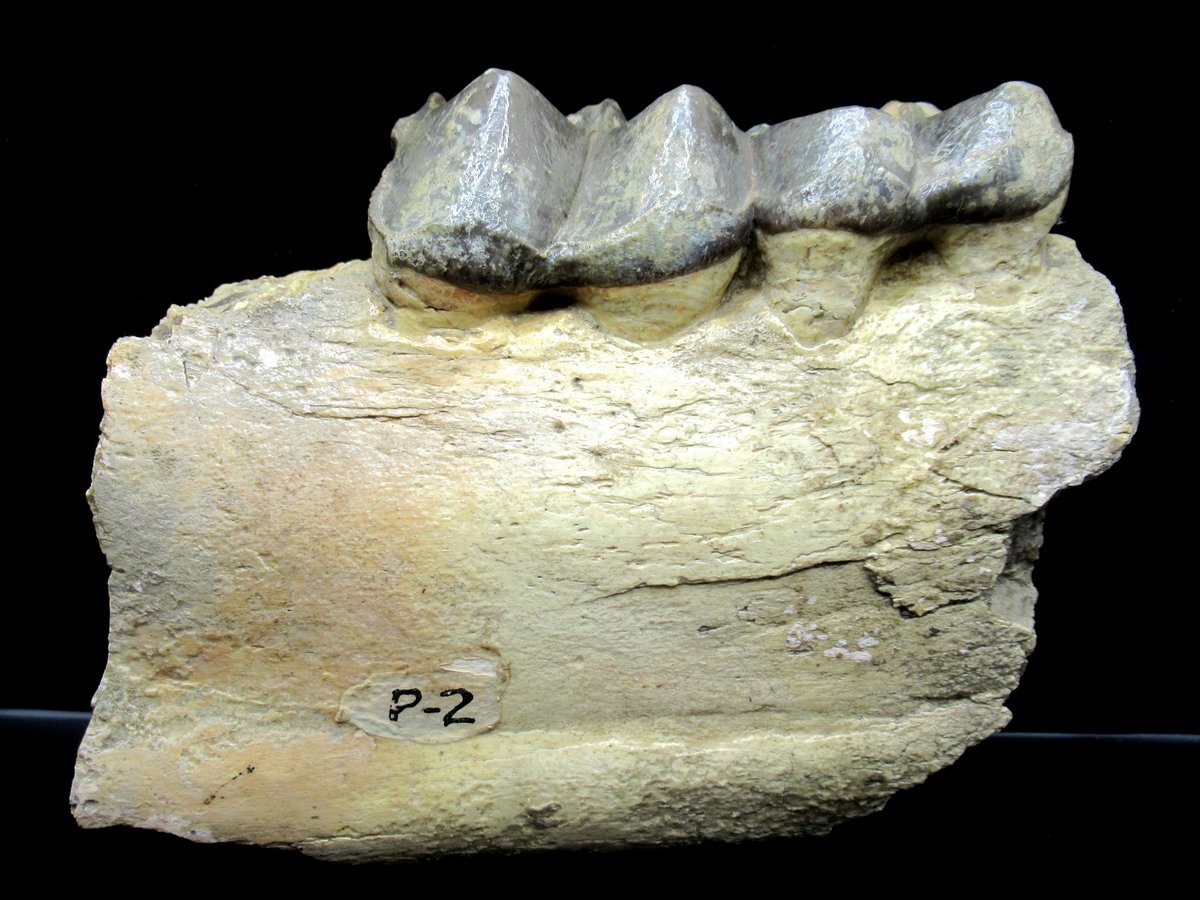
Brontotherium
paleogene
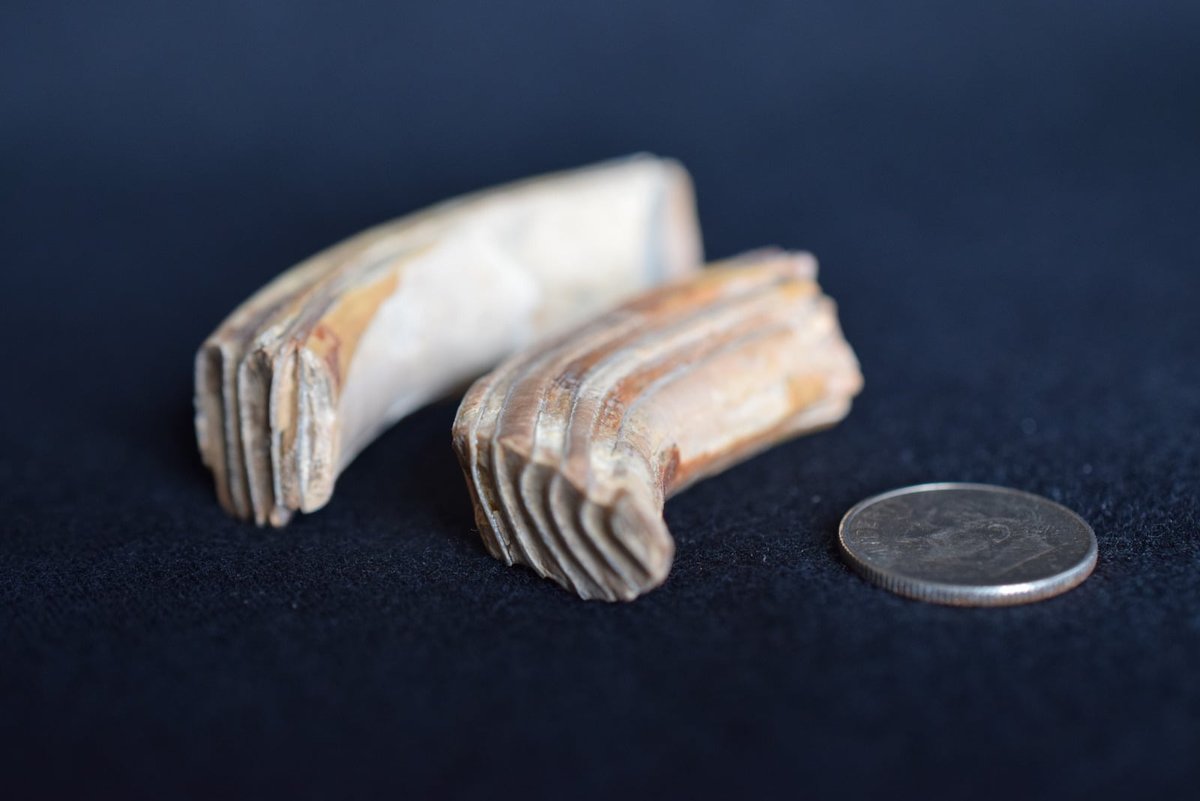
Castoroides
quaternary
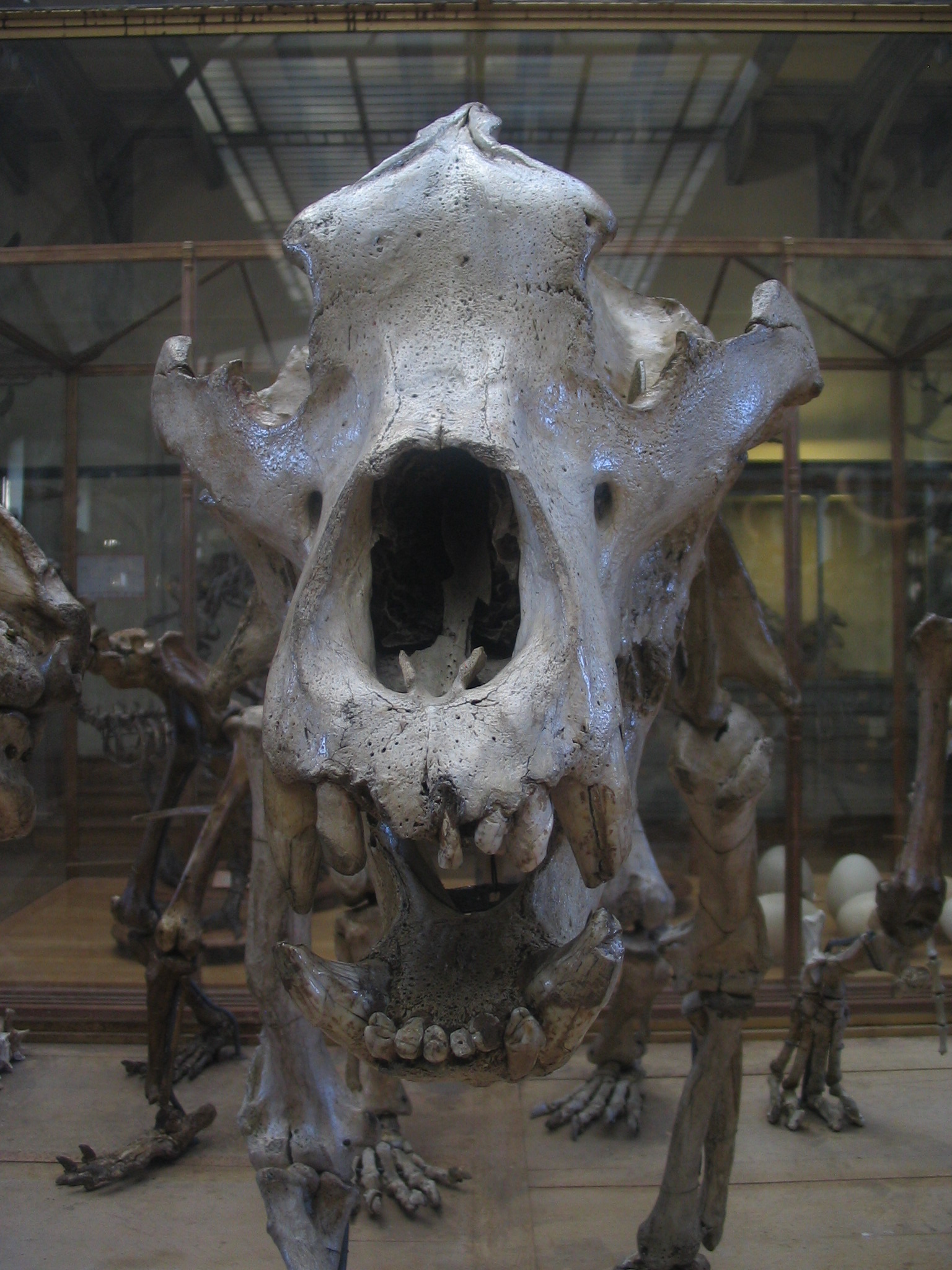
Cave Bear
quaternary
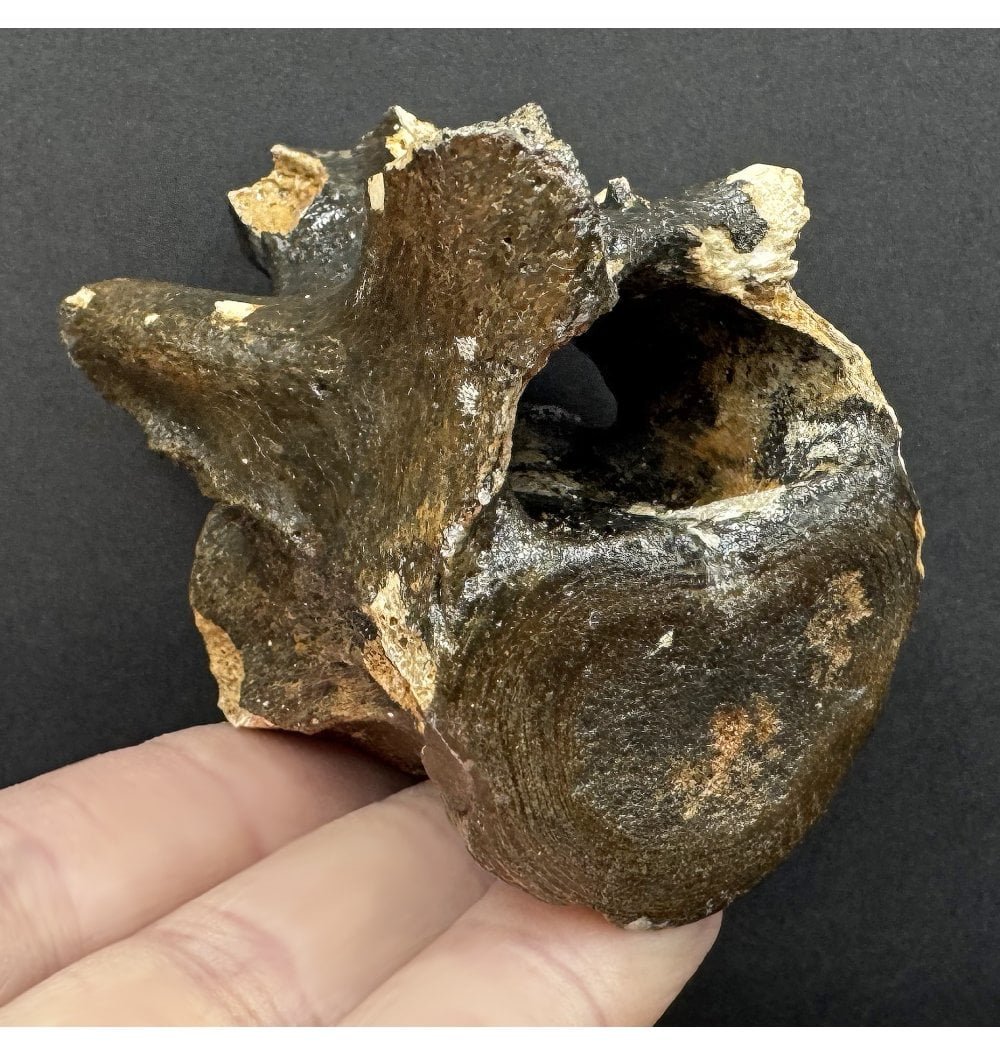
Cave Hyena
quaternary
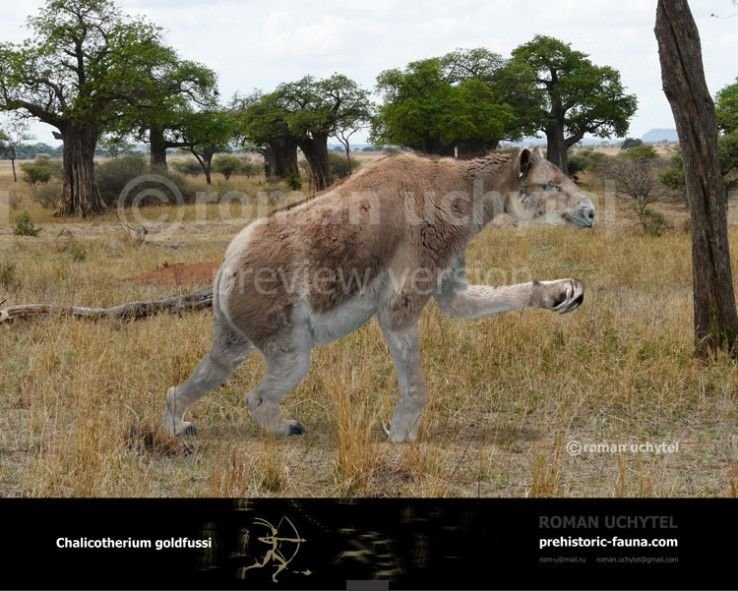
Chalicothere
neogene
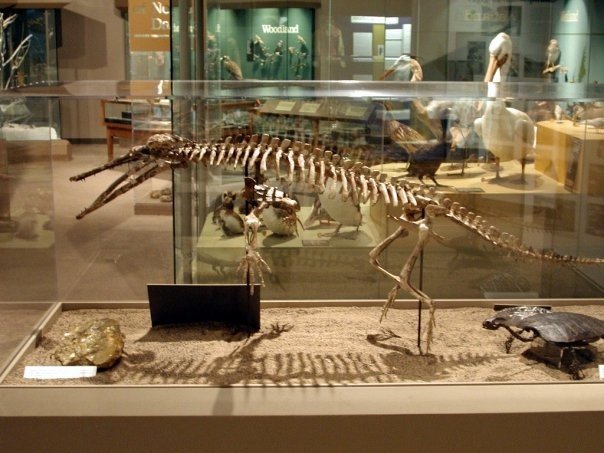
Champsosaurus
paleogene
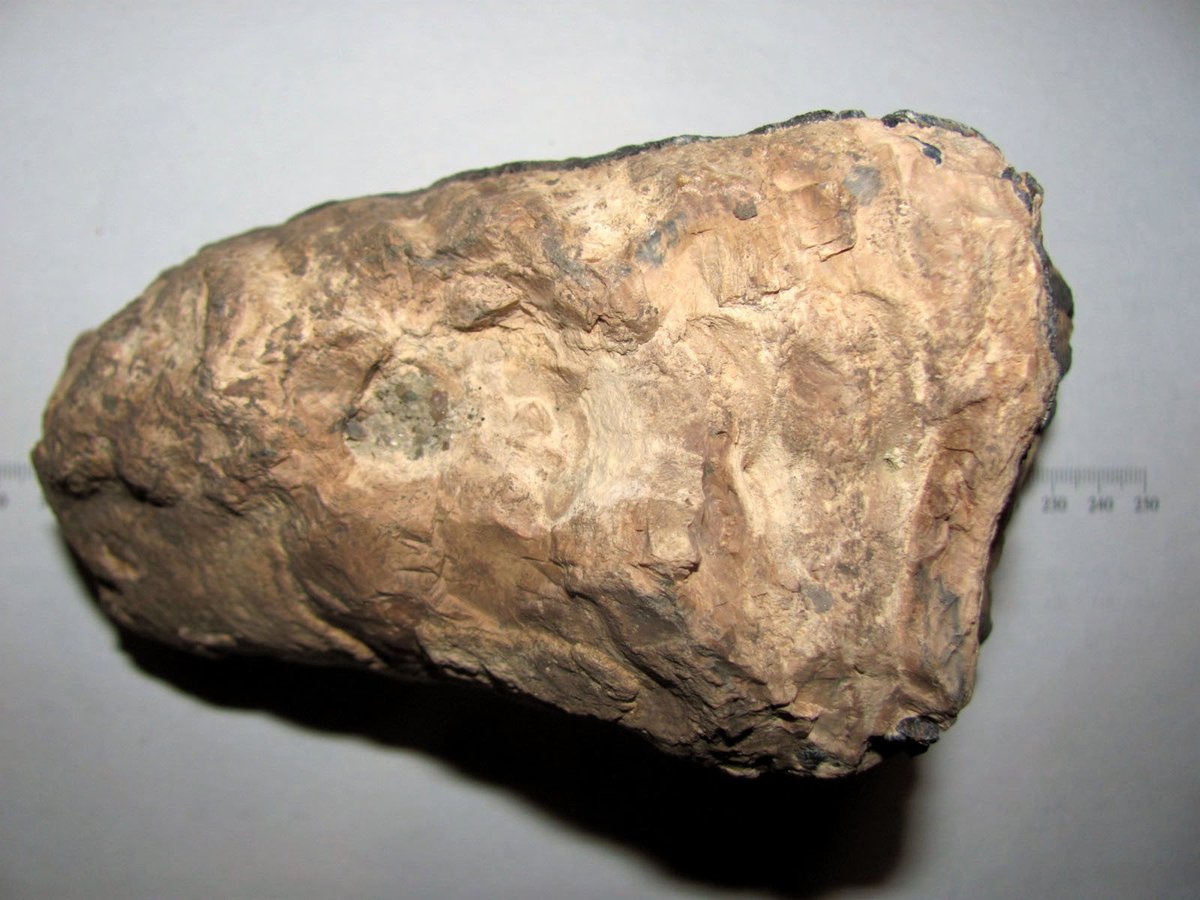
Columbian Mammoth
quaternary
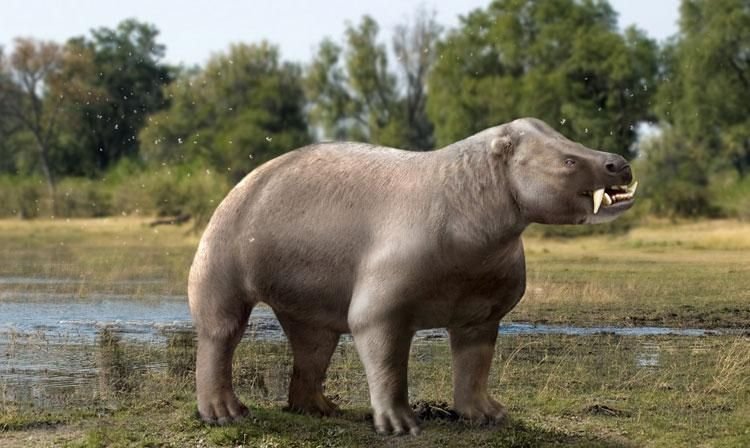
Coryphodon
paleogene
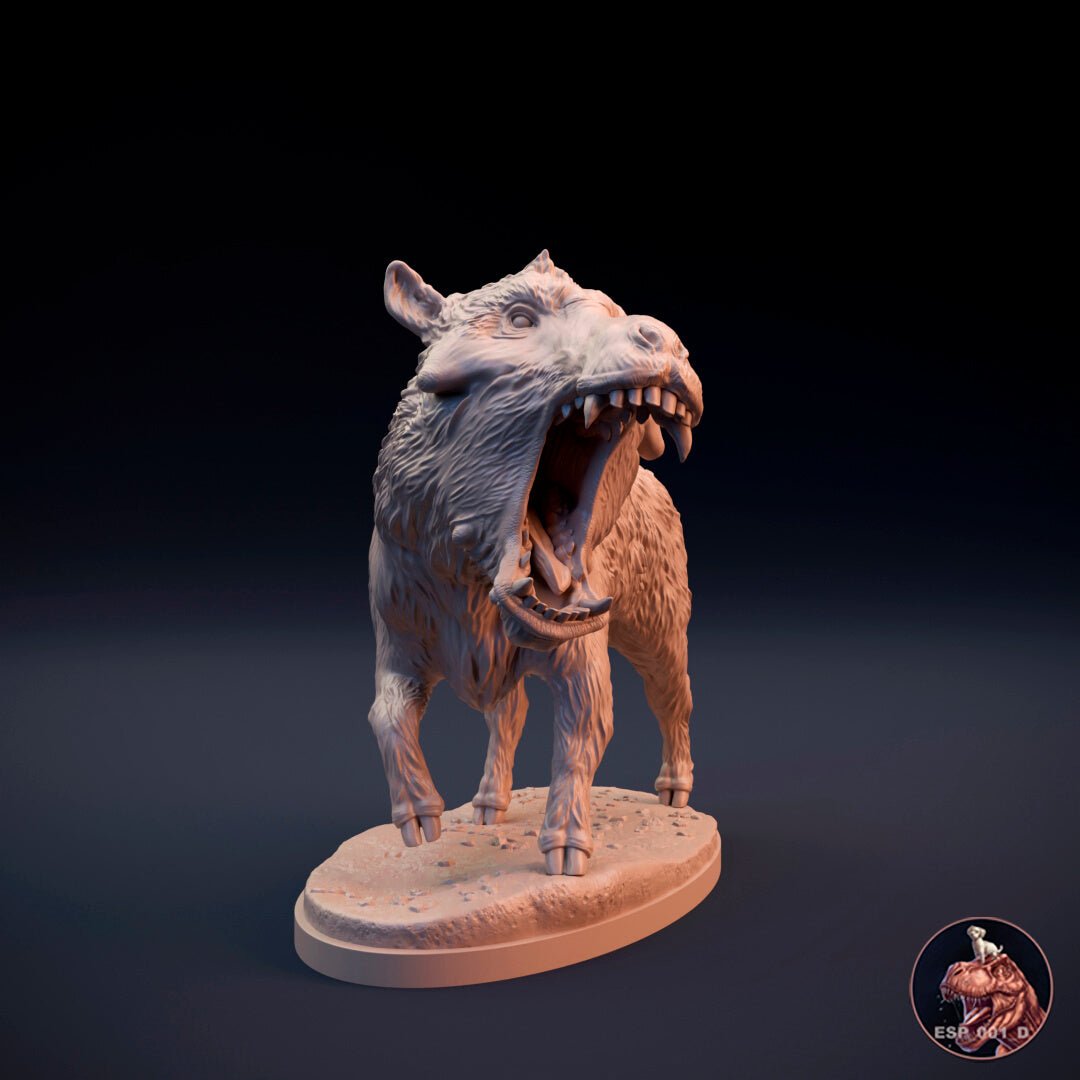
Daeodon
neogene
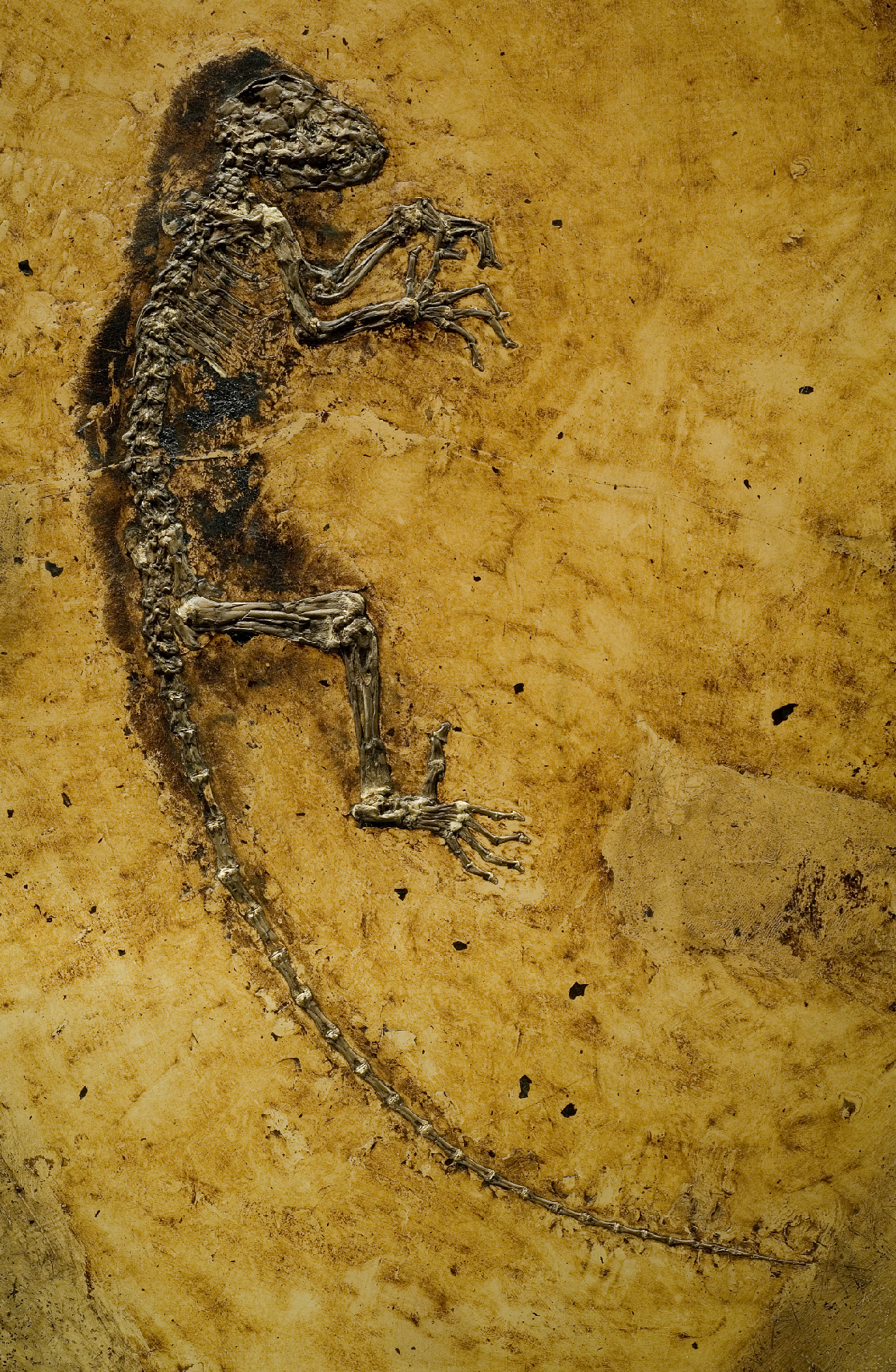
Darwinius (Ida)
paleogene
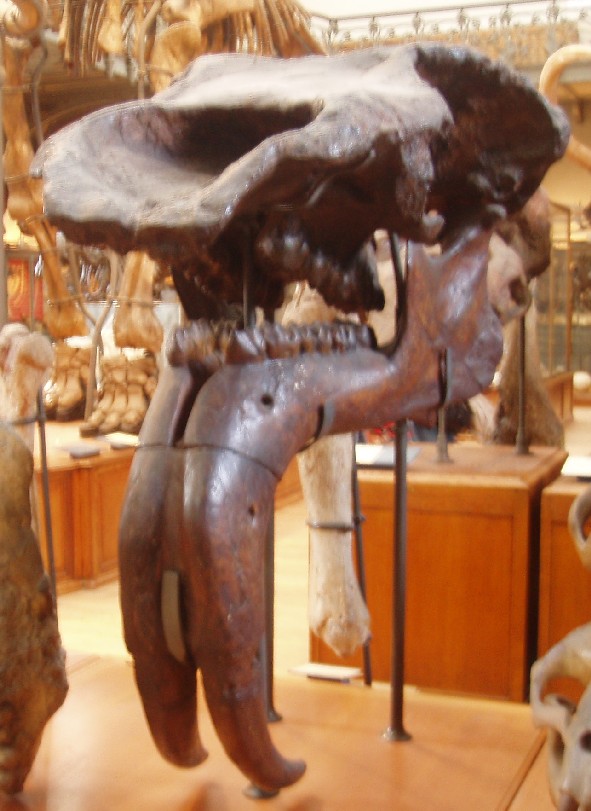
Deinotherium
neogene
Denisovan
quaternary
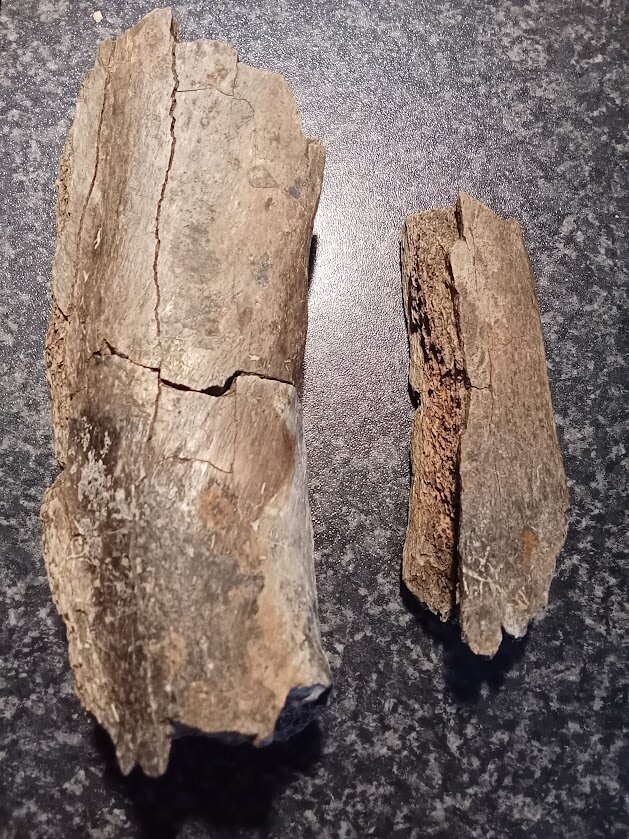
Diprotodon
quaternary
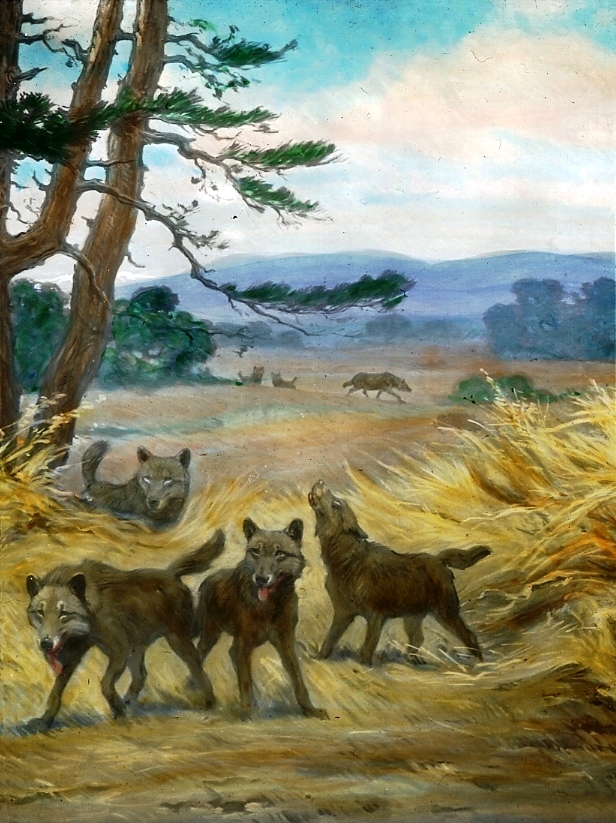
Dire Wolf
quaternary
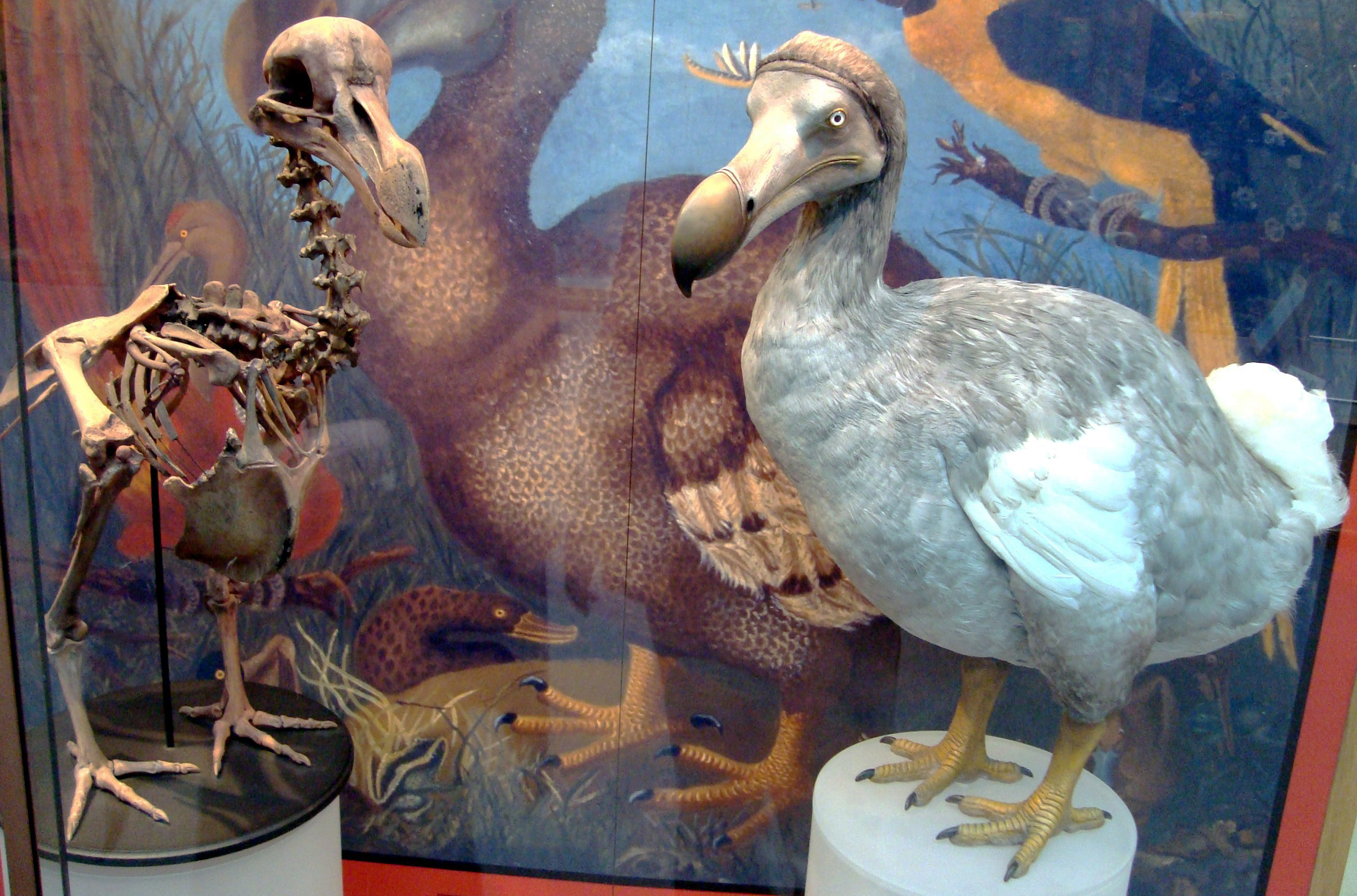
Dodo
quaternary
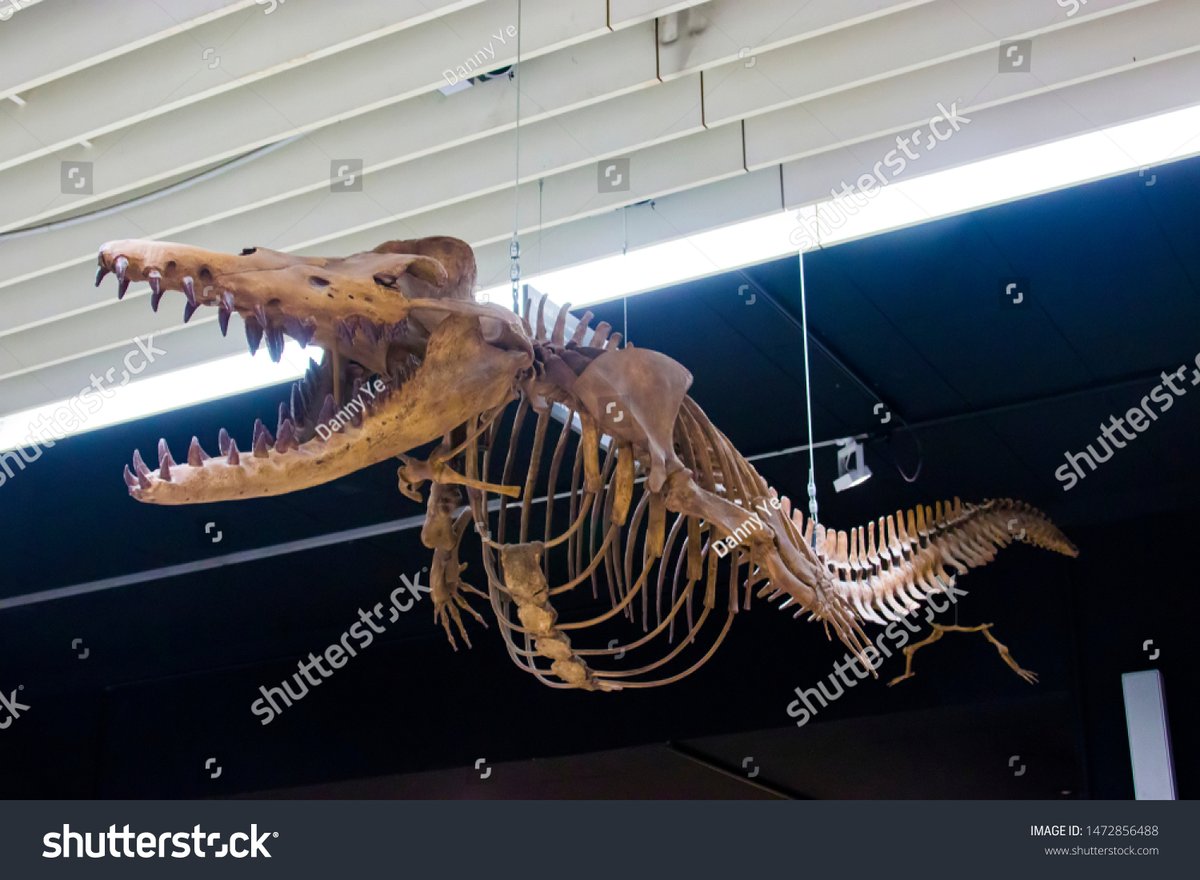
Dorudon
paleogene
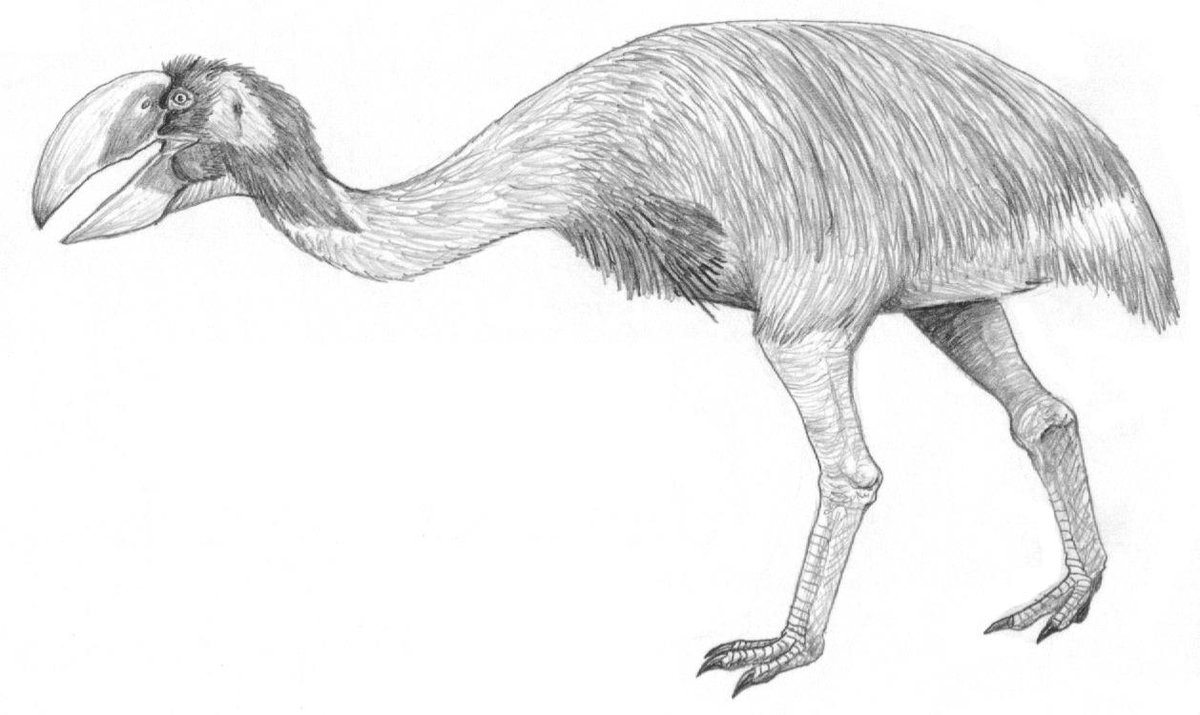
Dromornis
neogene
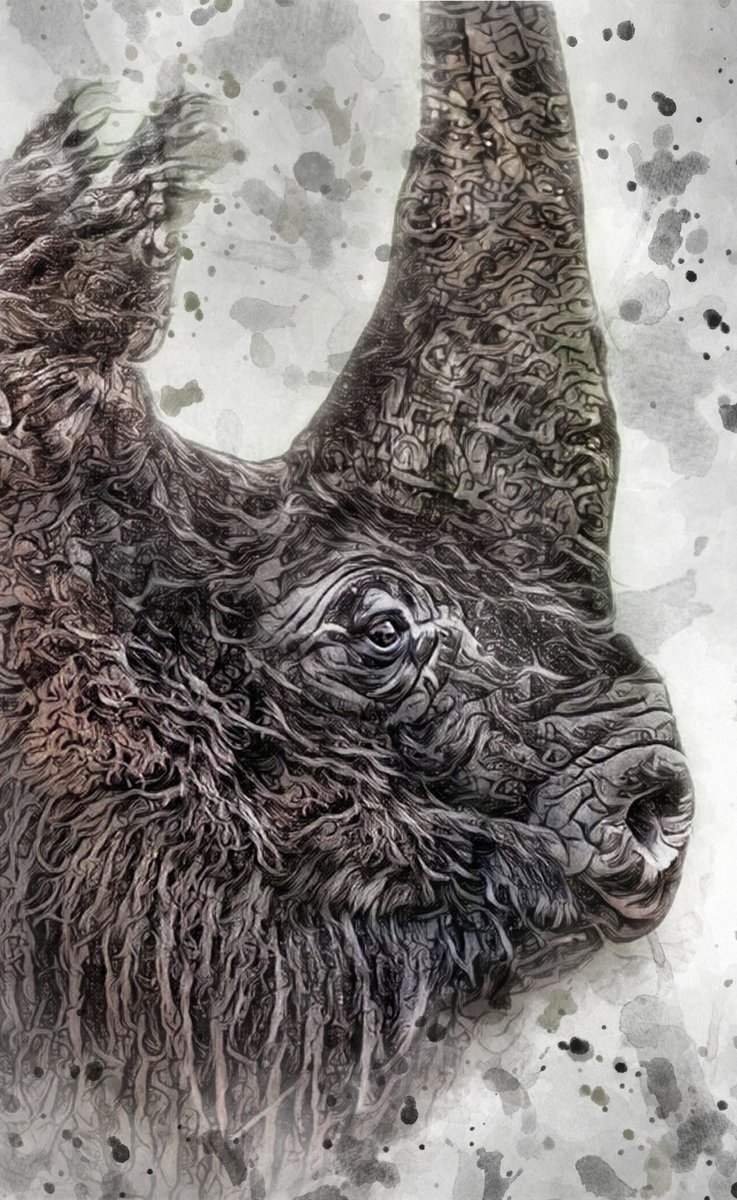
Elasmotherium
quaternary
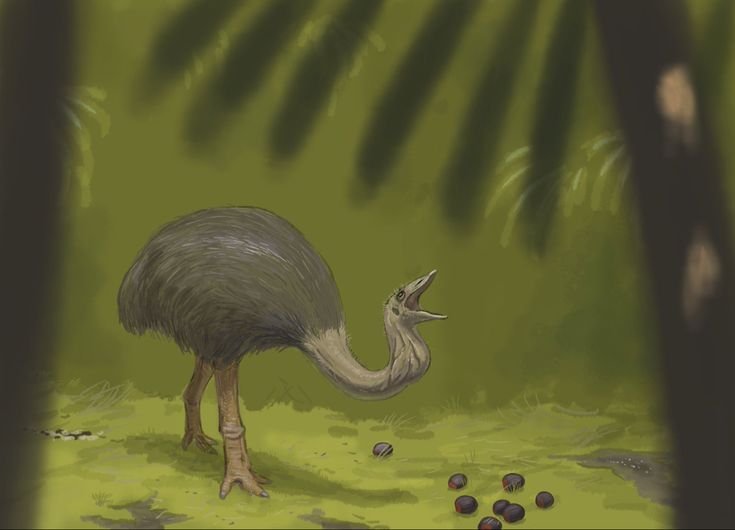
Elephant Bird
quaternary
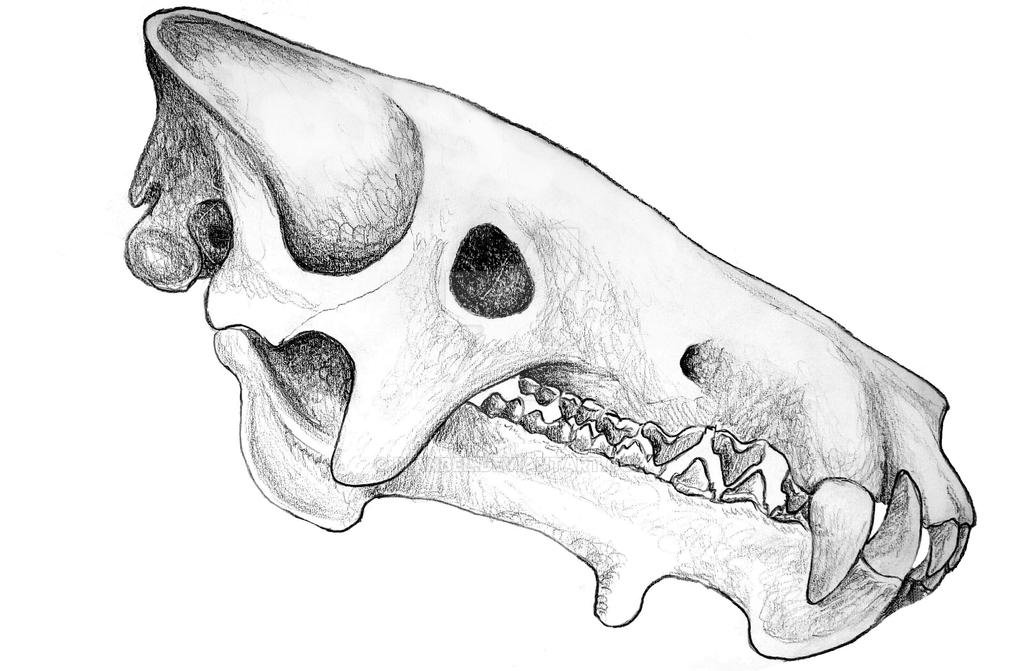
Entelodon
paleogene
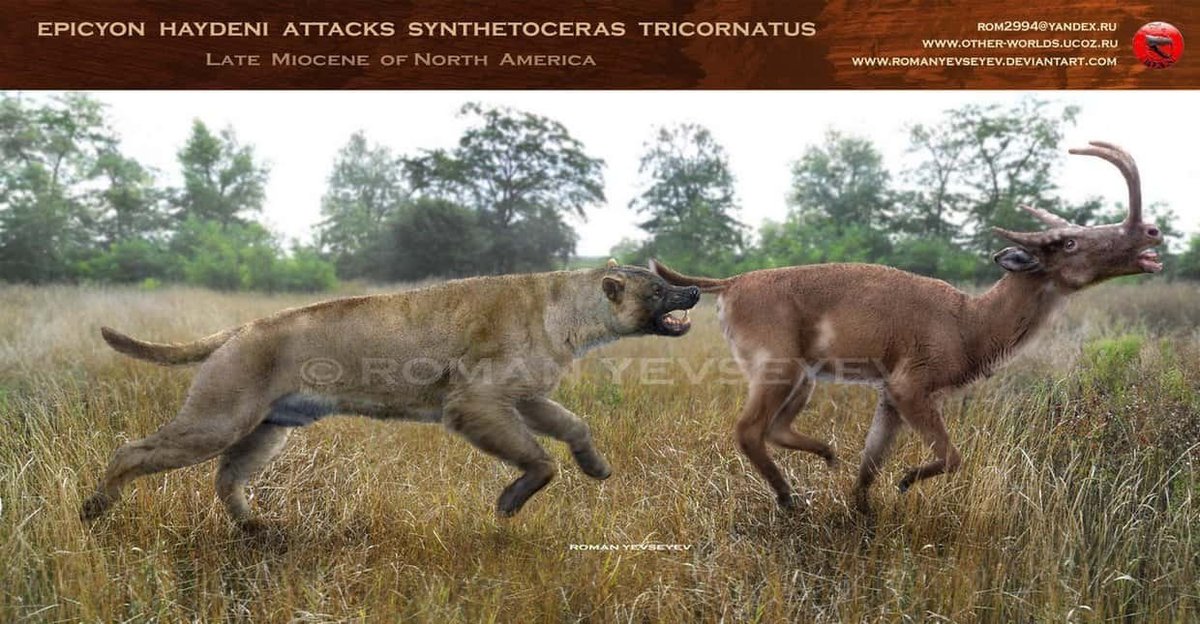
Epicyon
neogene
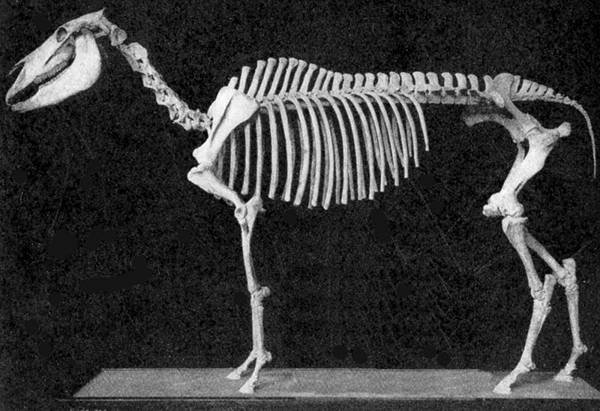
Equus scotti
quaternary

Fossil Metasequoia
paleogene
Fossil Nipa Palm
paleogene
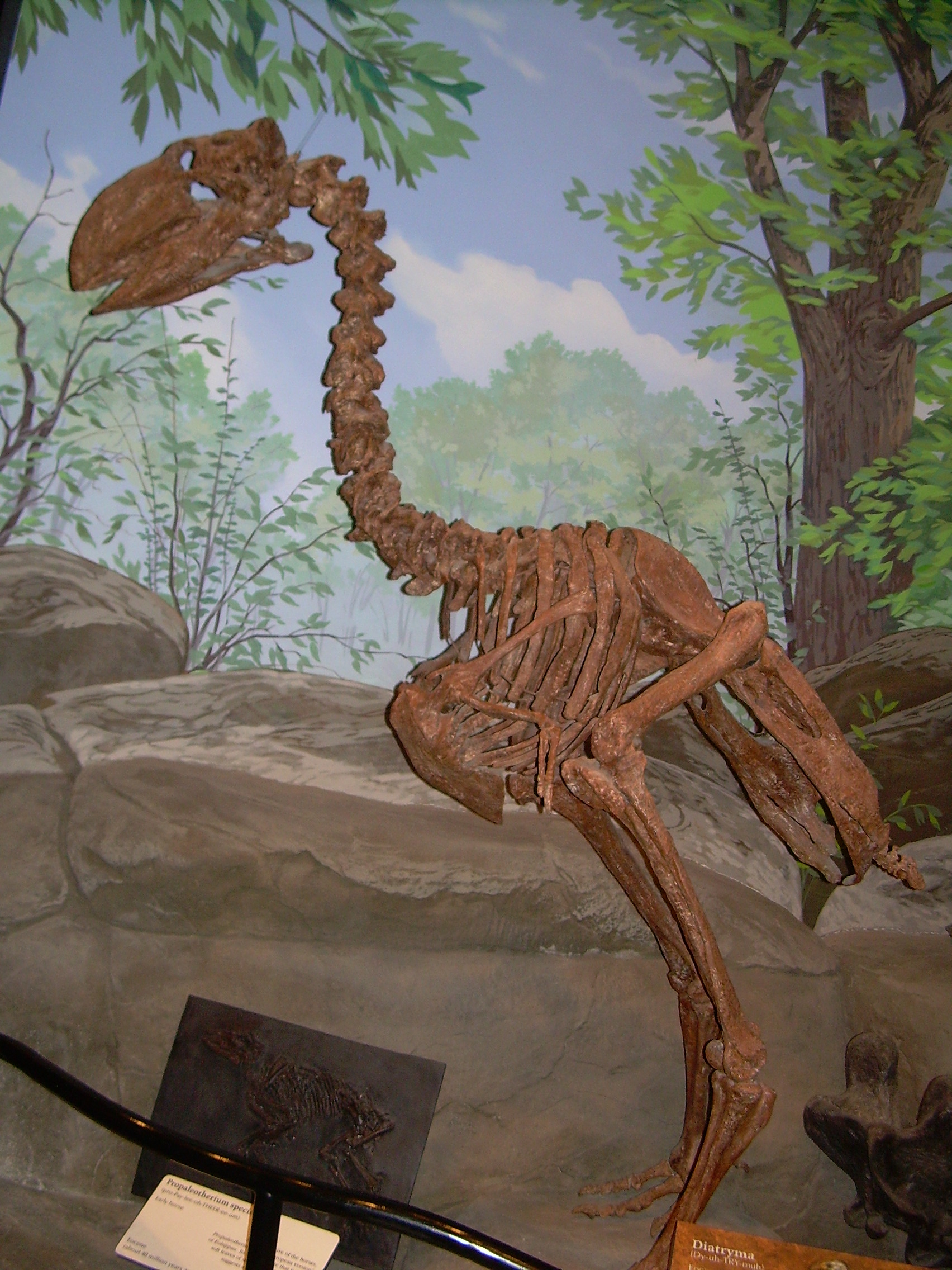
Gastornis
paleogene
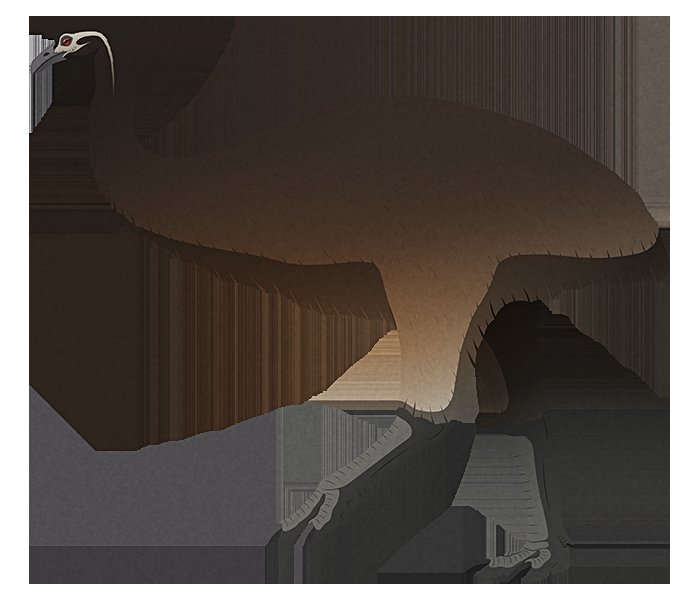
Giant Moa
quaternary
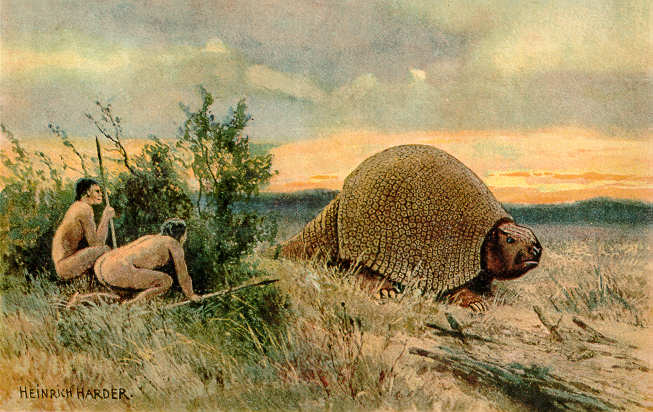
Glyptodon
quaternary
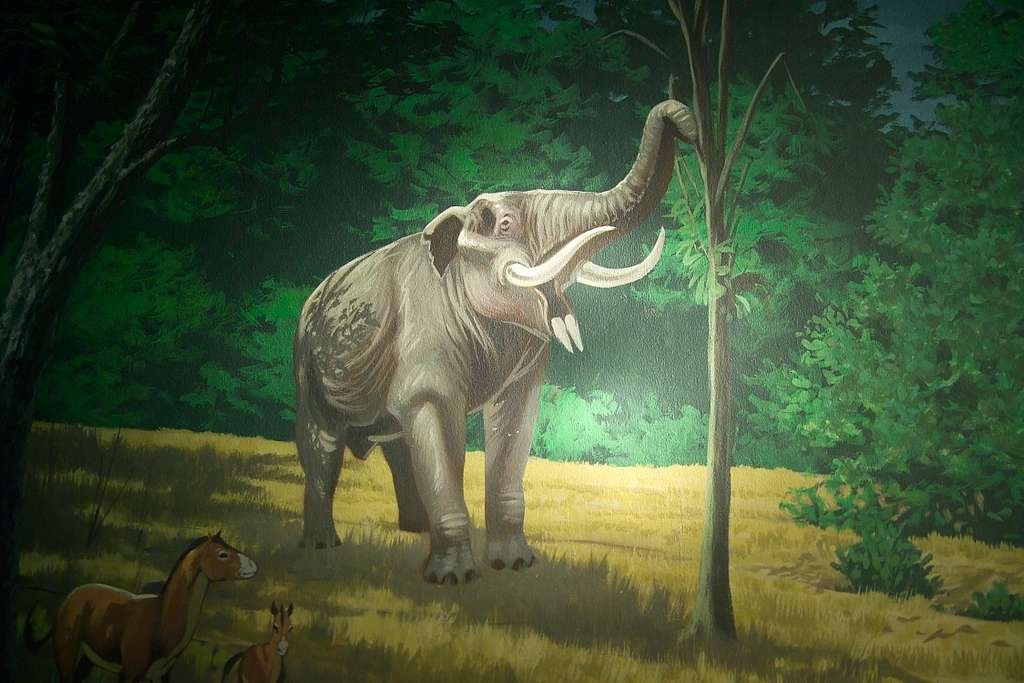
Gomphotherium
neogene
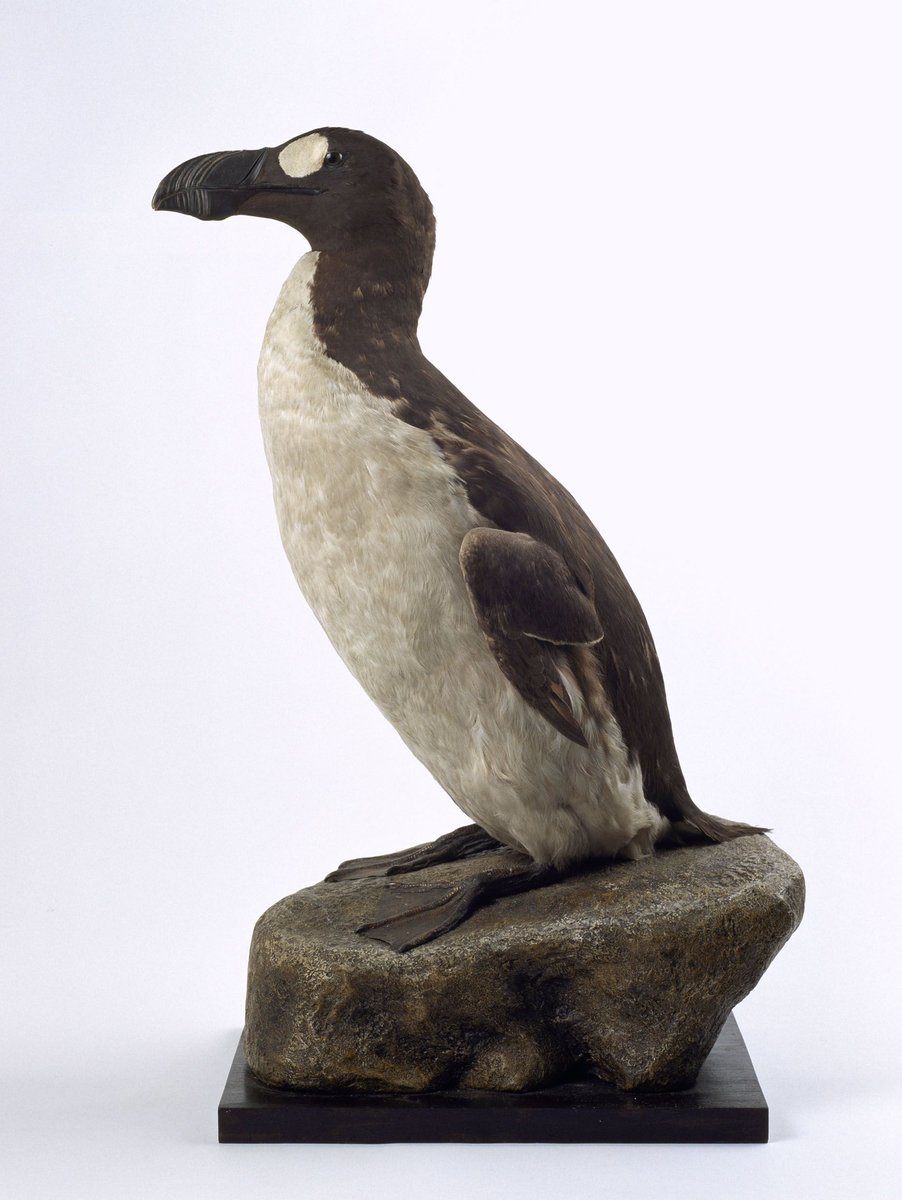
Great Auk
quaternary
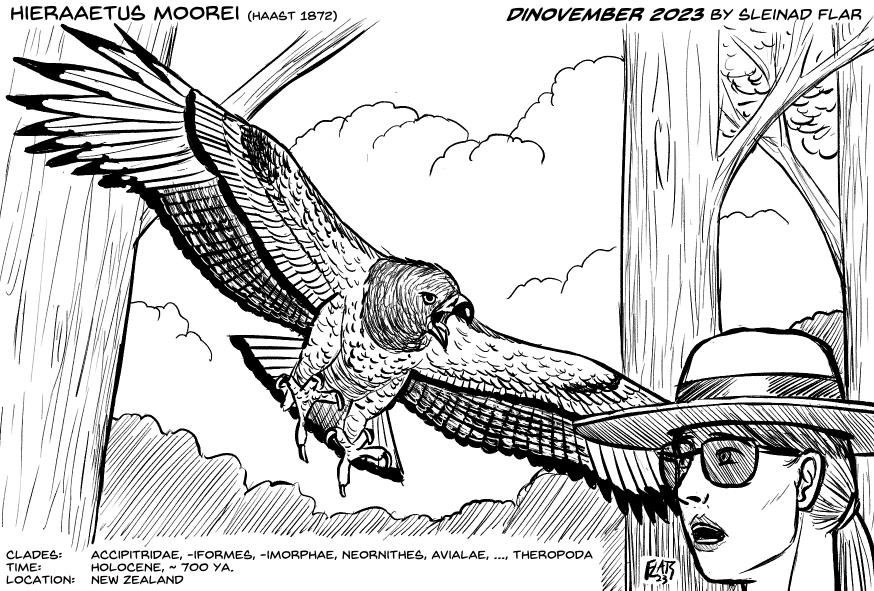
Haast's Eagle
quaternary
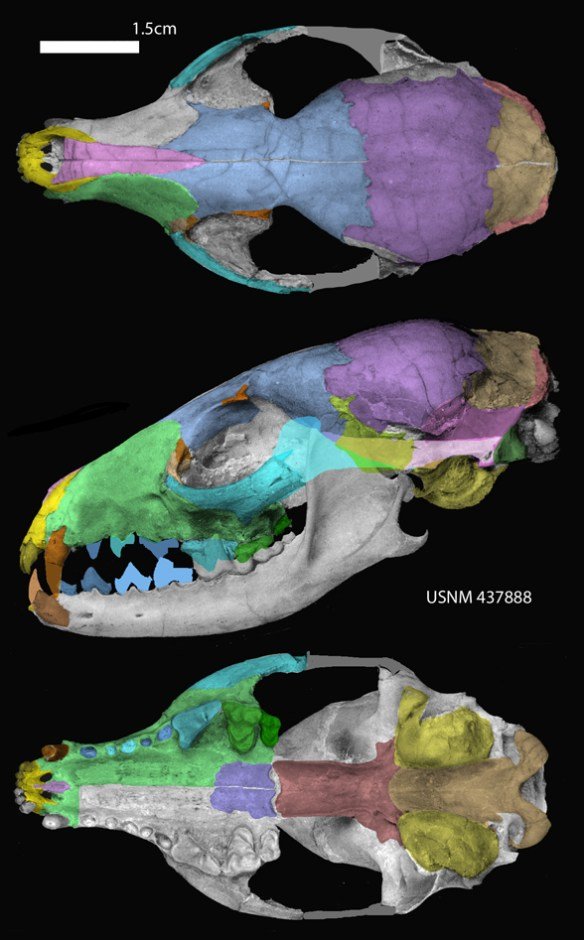
Hesperocyon
paleogene
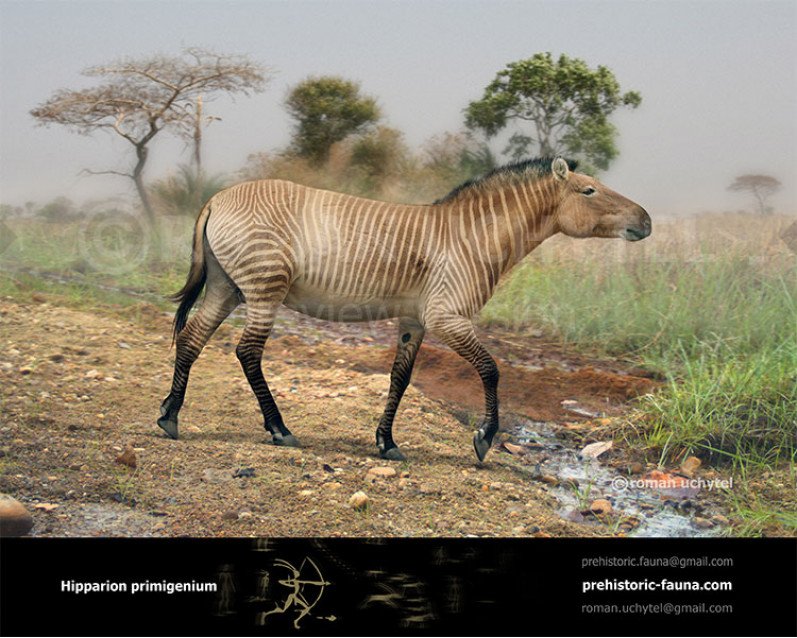
Hipparion
neogene
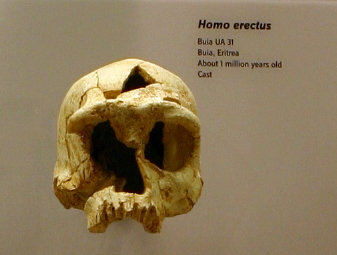
Homo erectus
quaternary
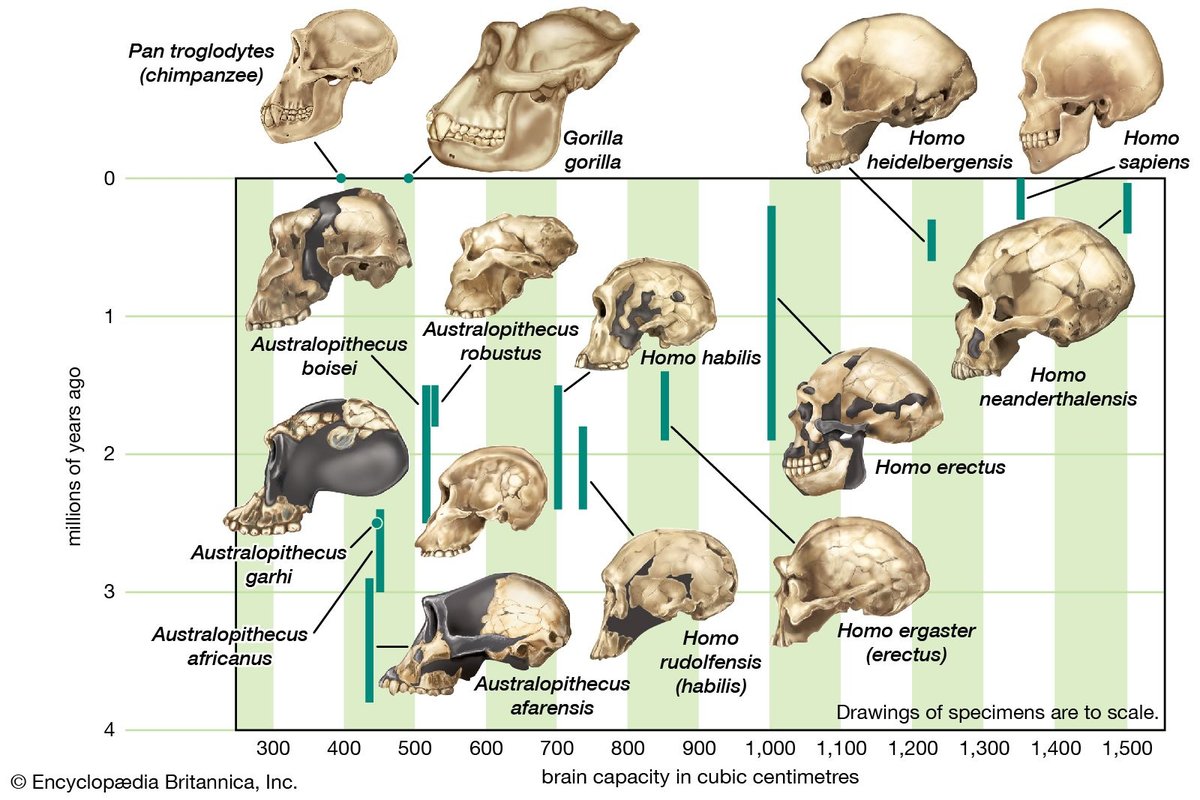
Homo ergaster
quaternary
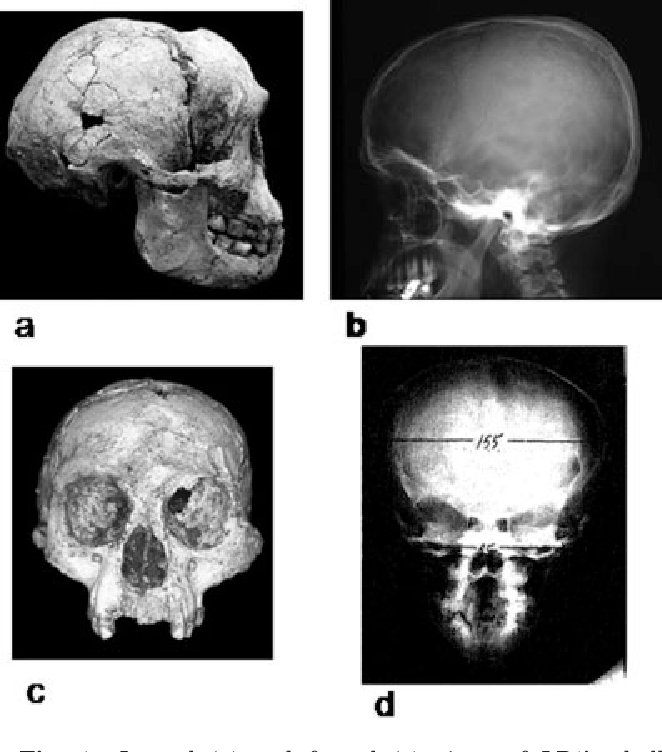
Homo floresiensis
quaternary
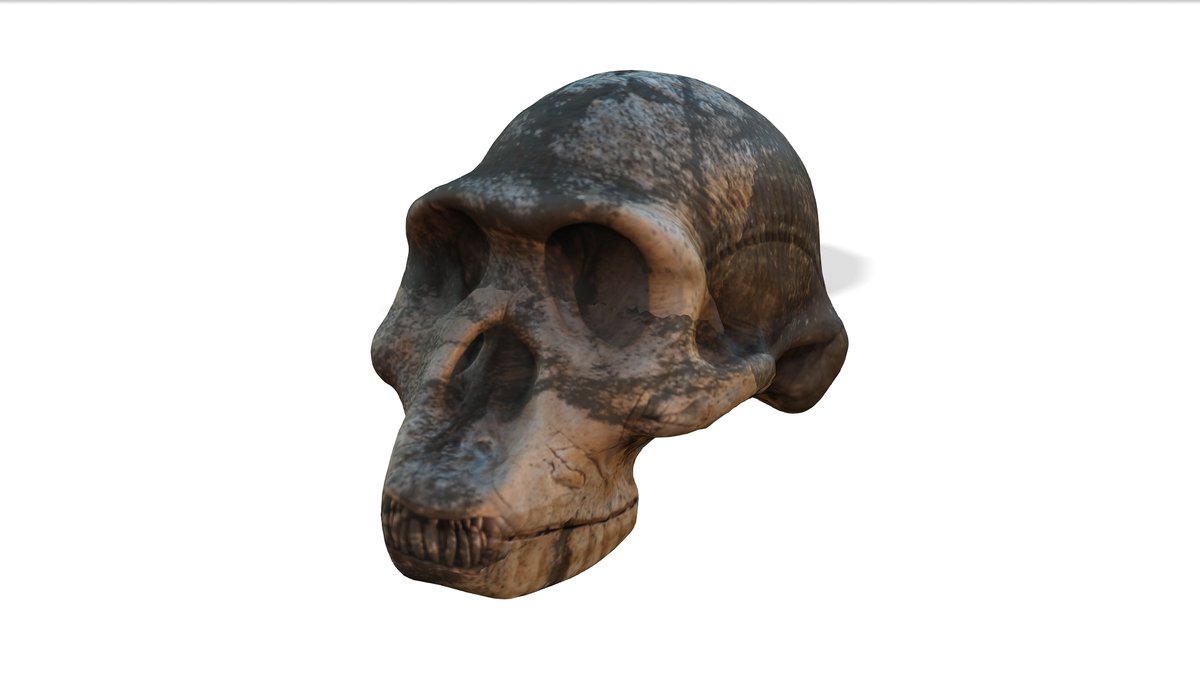
Homo habilis
quaternary
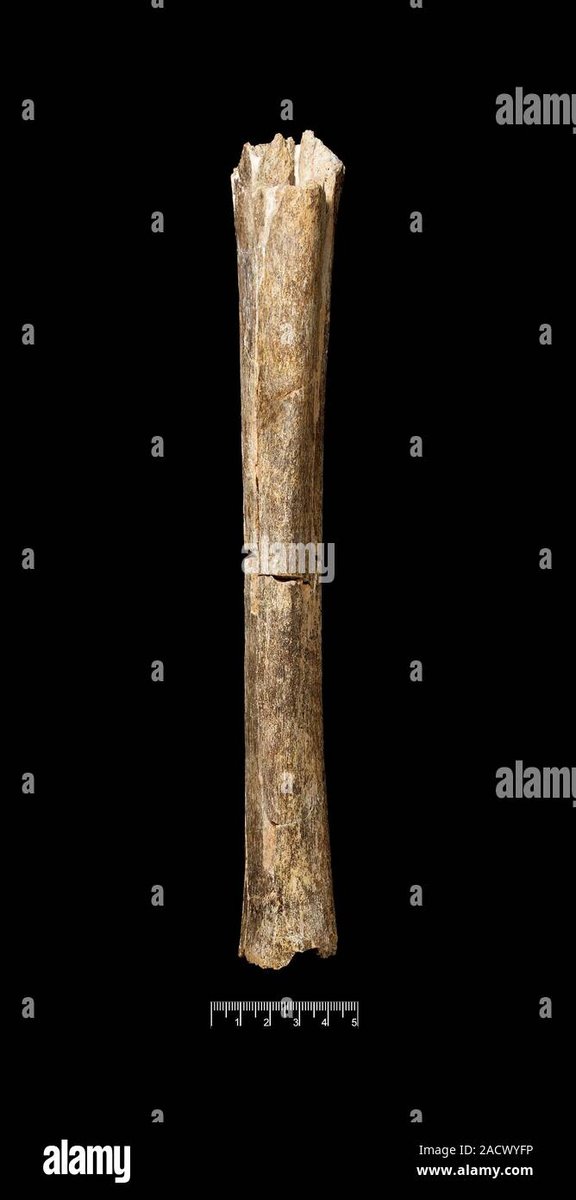
Homo heidelbergensis
quaternary
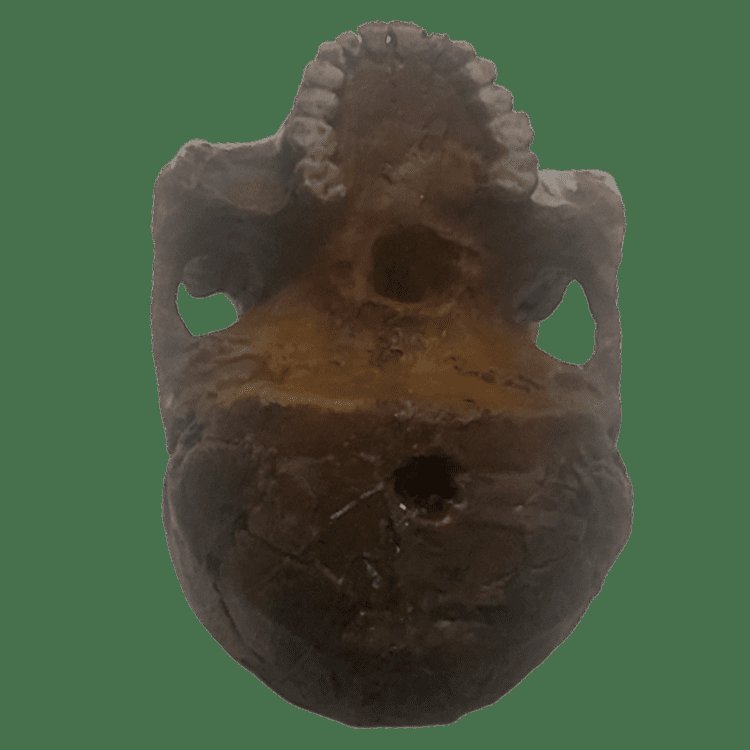
Homo naledi
quaternary
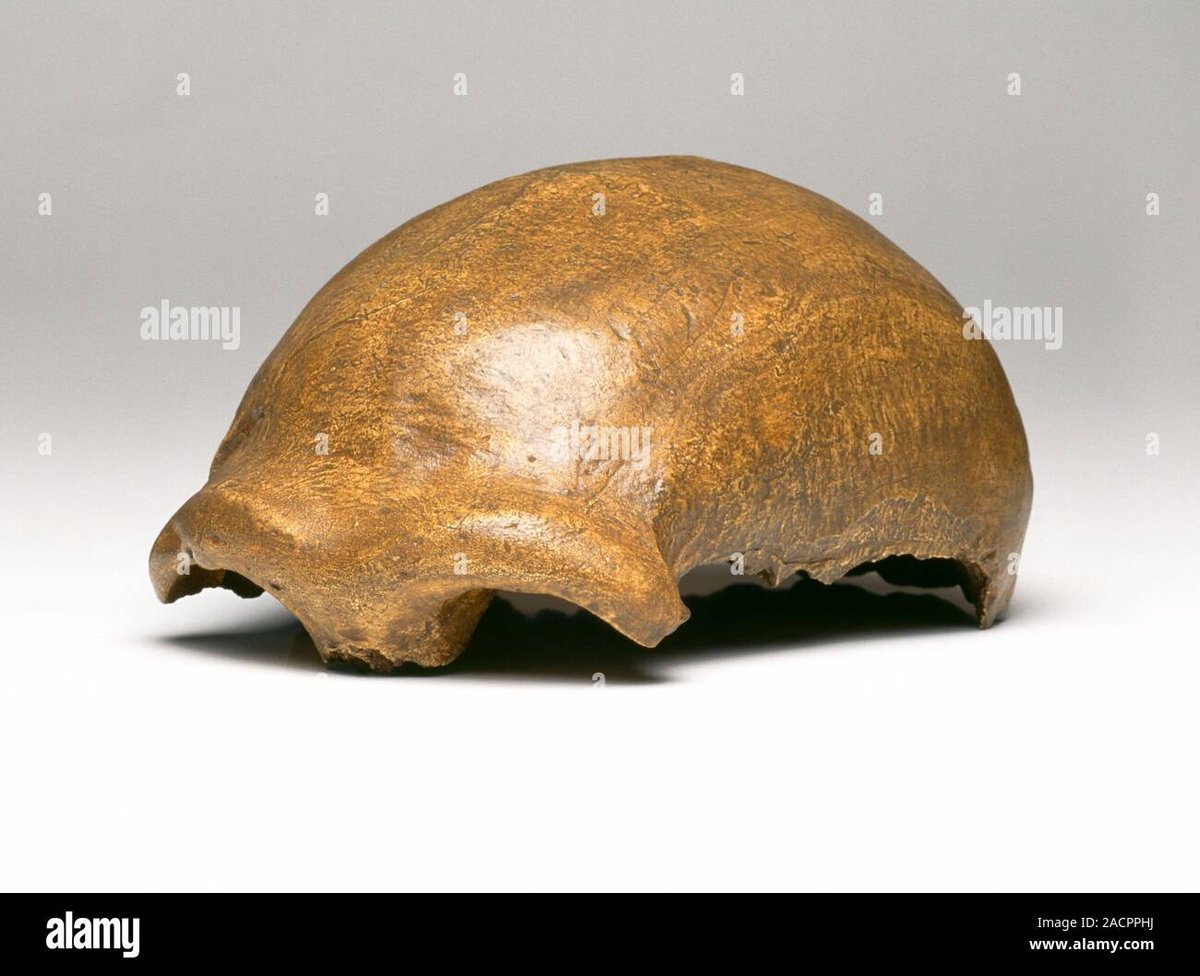
Homo neanderthalensis
quaternary
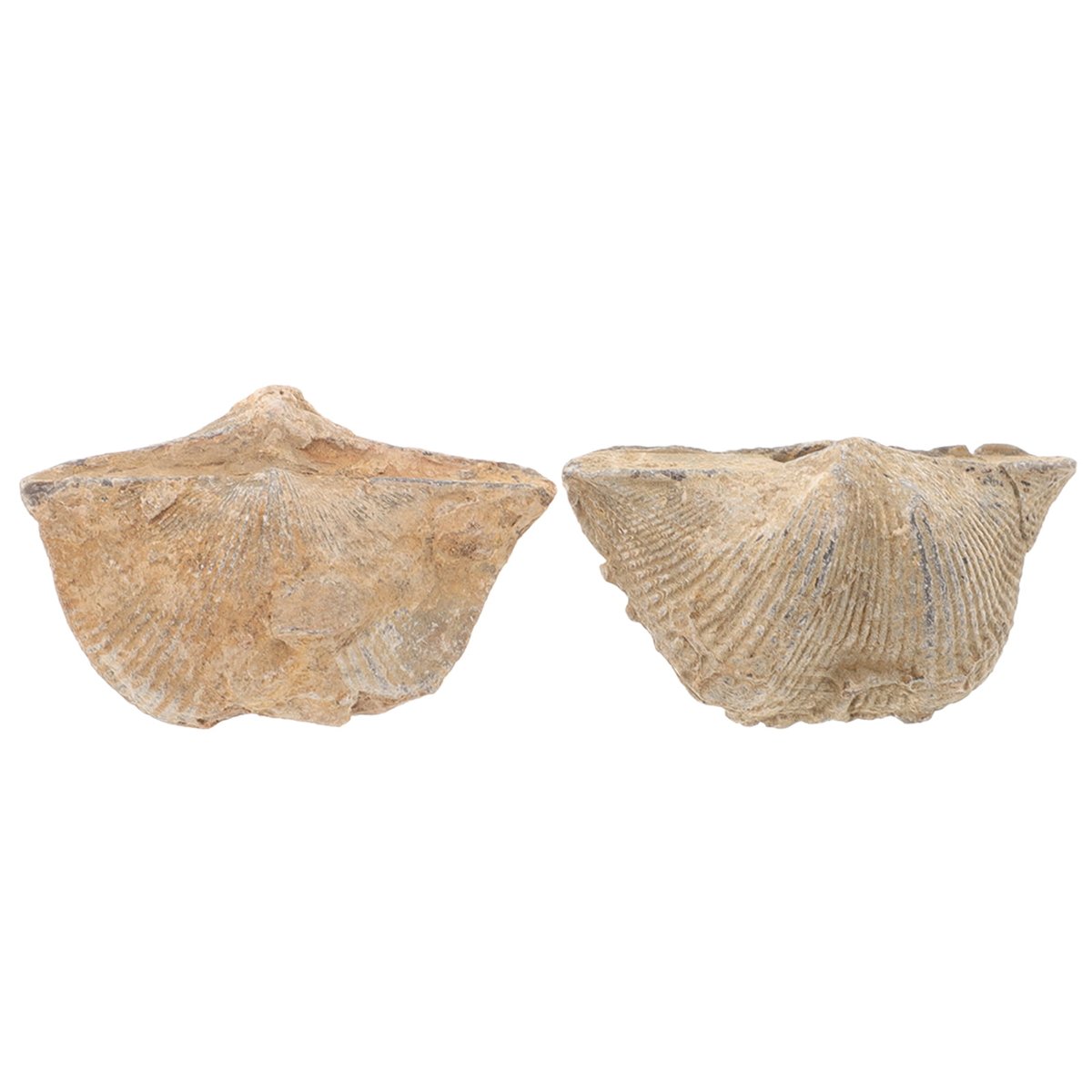
Homotherium
quaternary
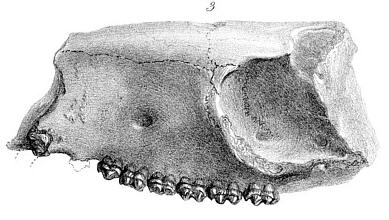
Hyracotherium
paleogene
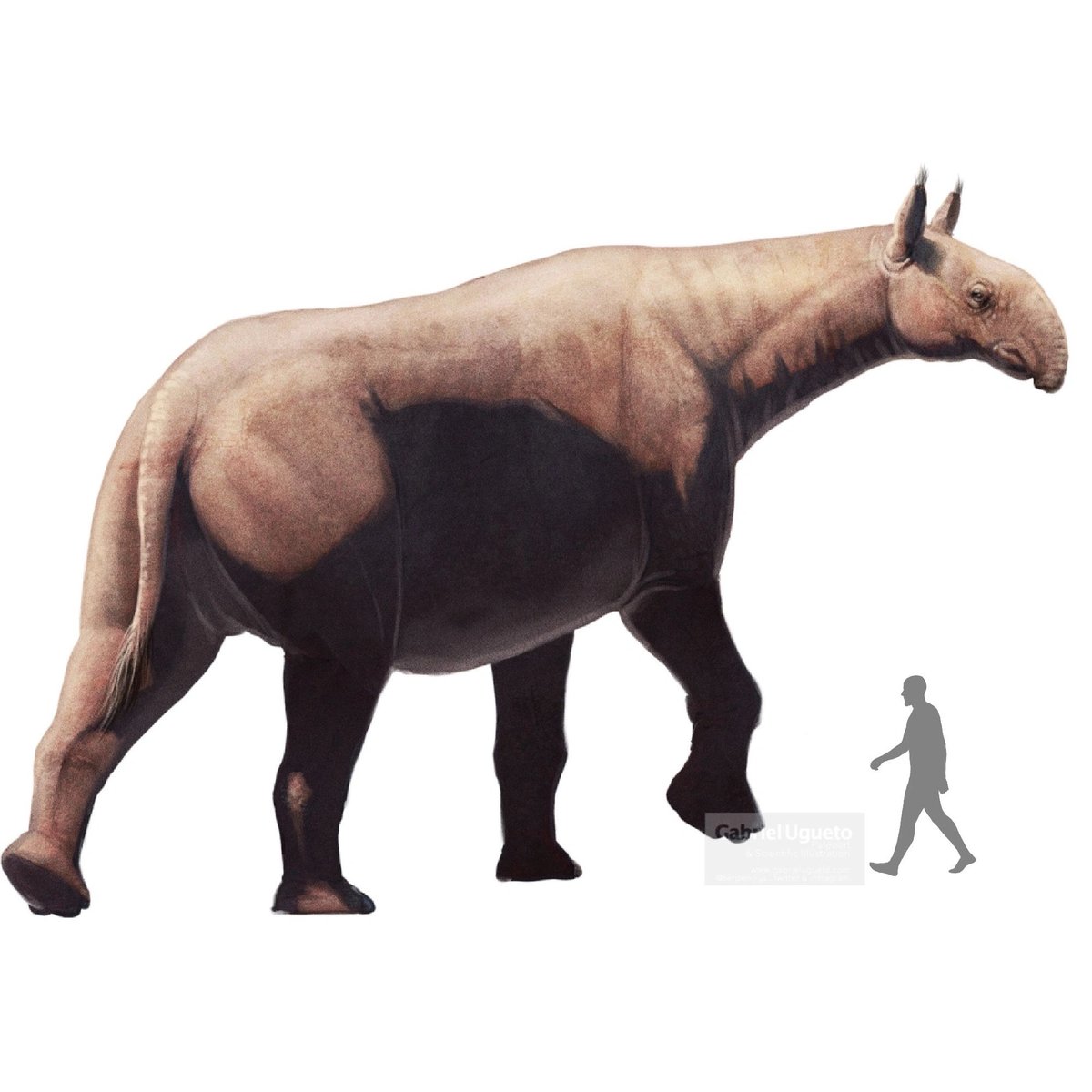
Indricotherium
paleogene
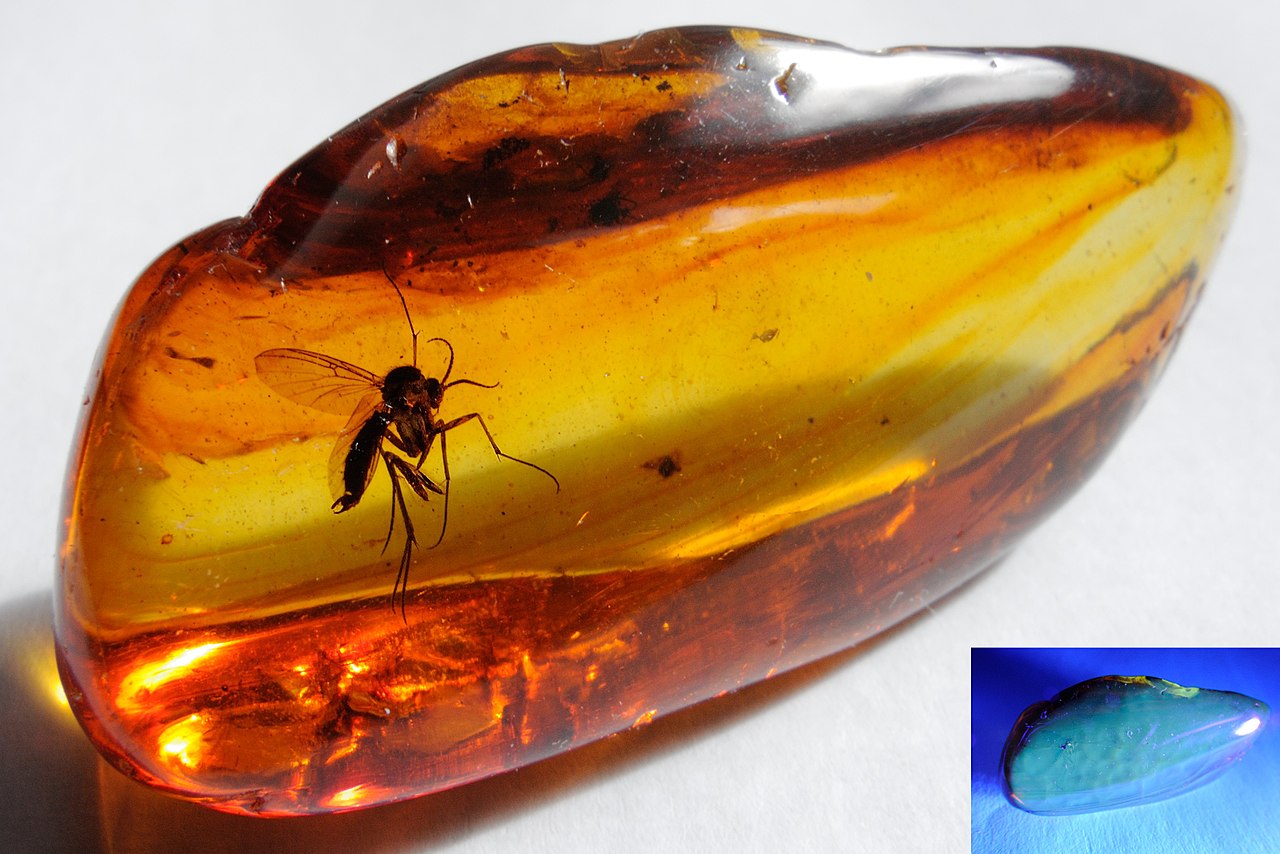
Insect in amber
paleogene
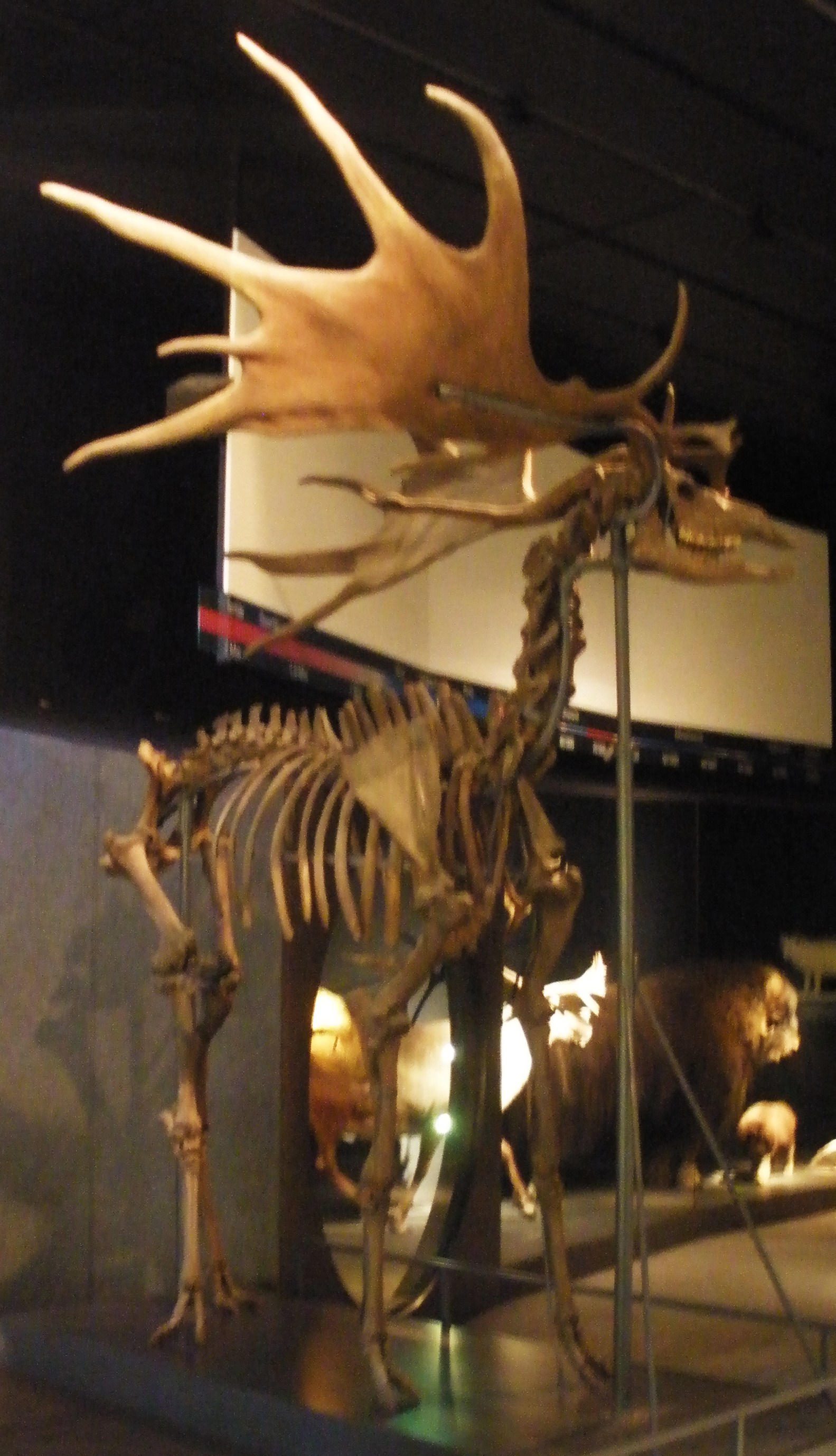
Irish Elk
quaternary
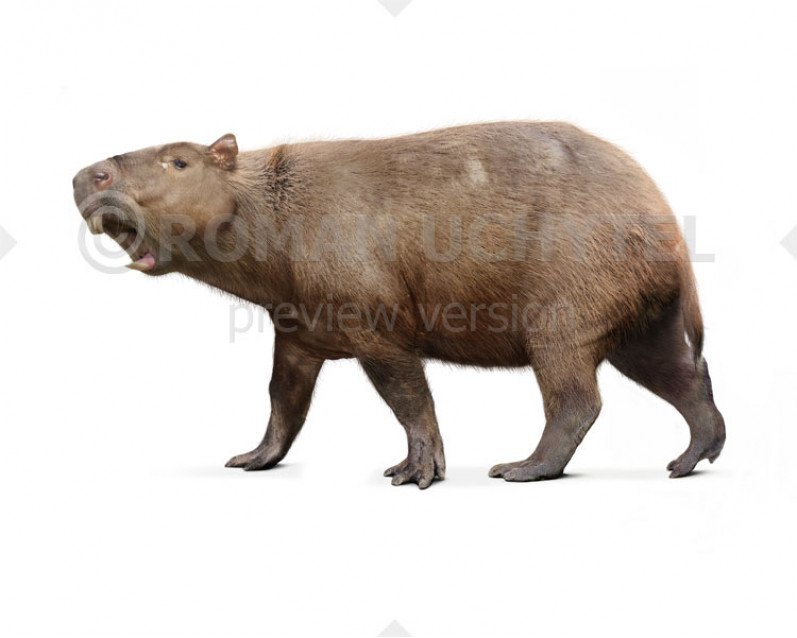
Josephoartigasia
neogene
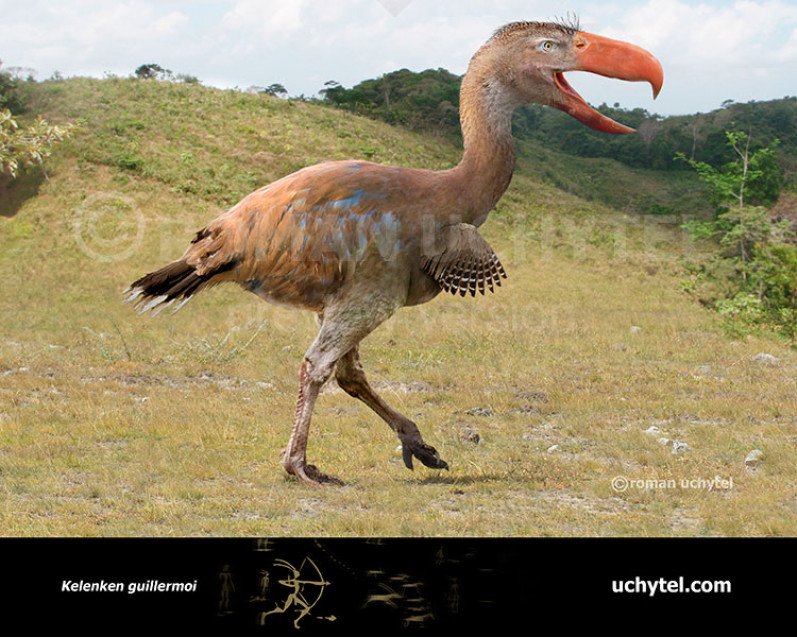
Kelenken
neogene
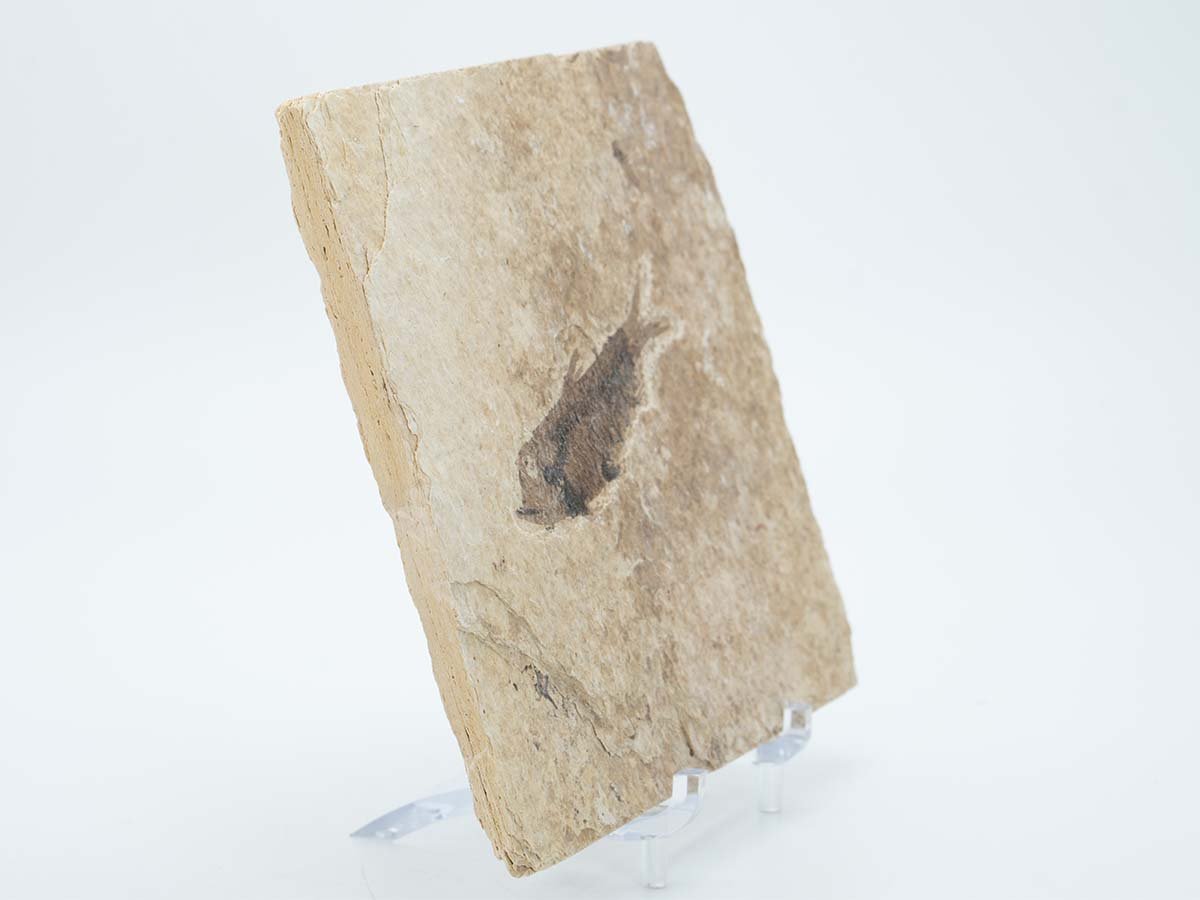
Knightia
paleogene
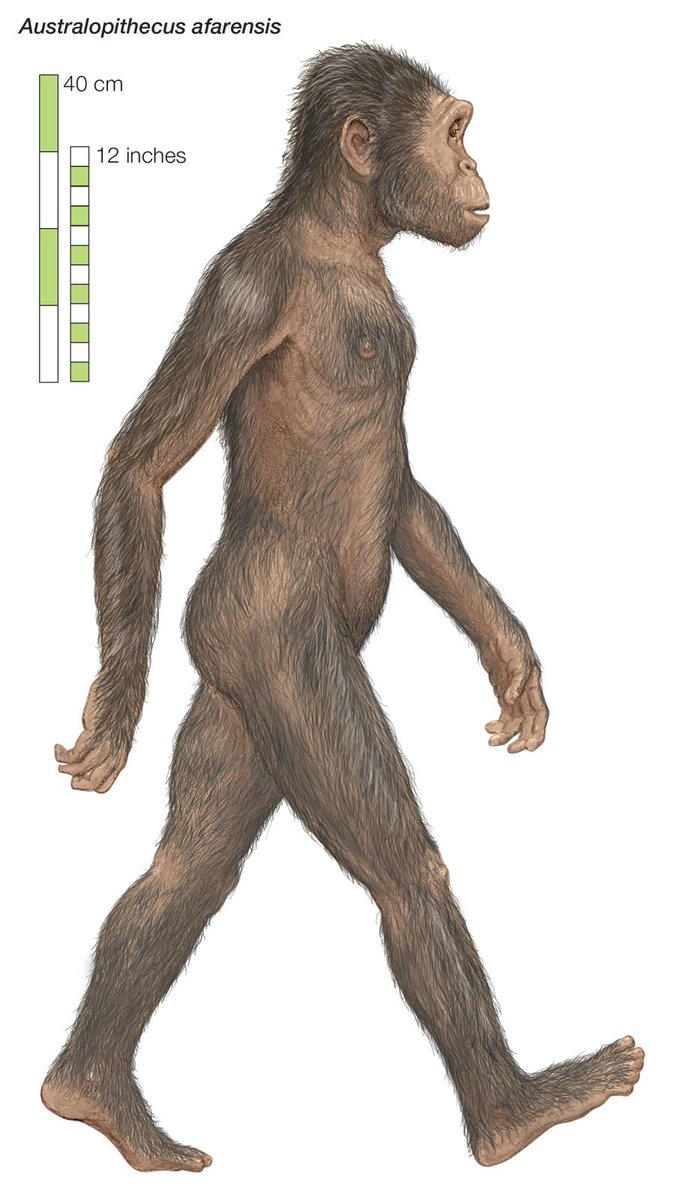
Laetoli Footprints
neogene
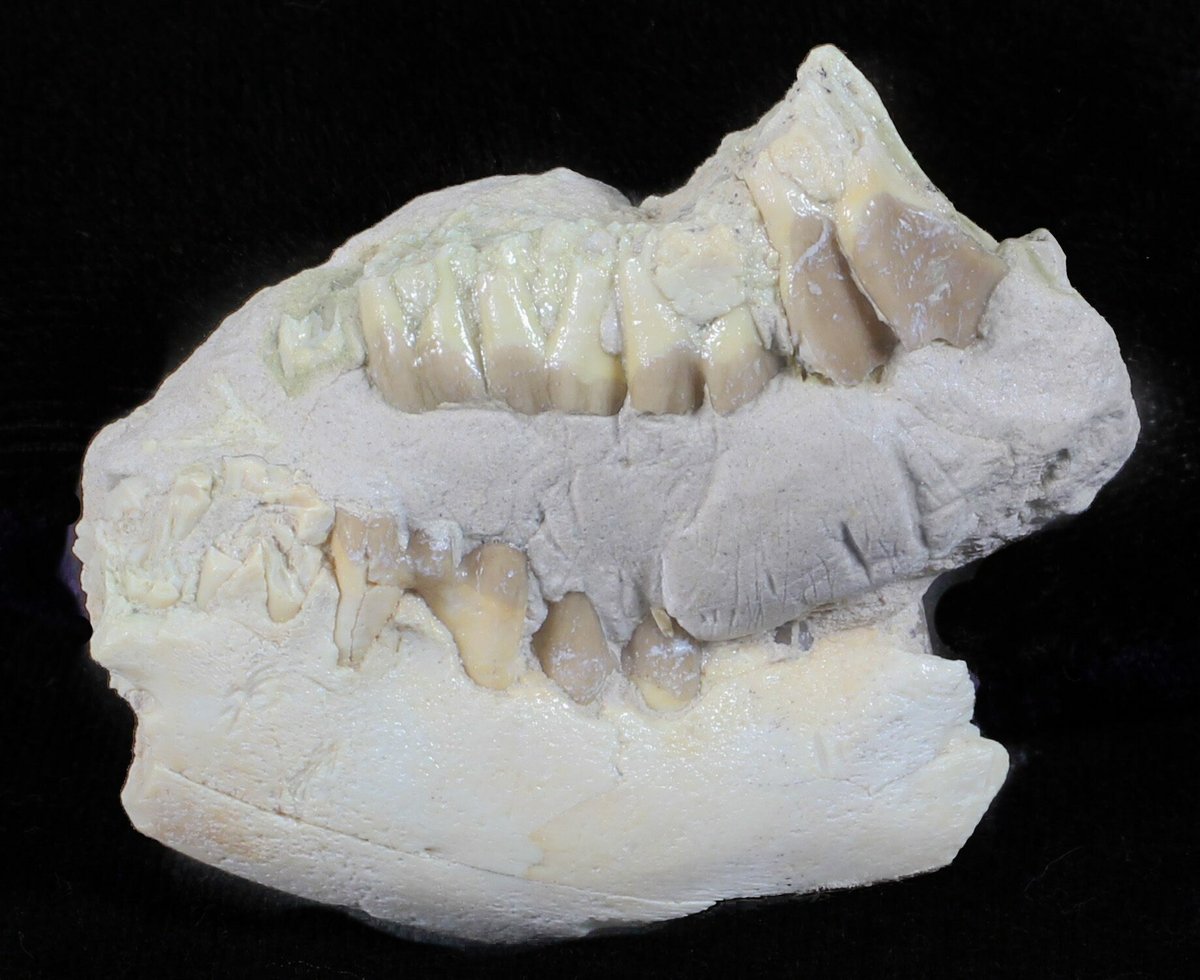
Leptomeryx
paleogene
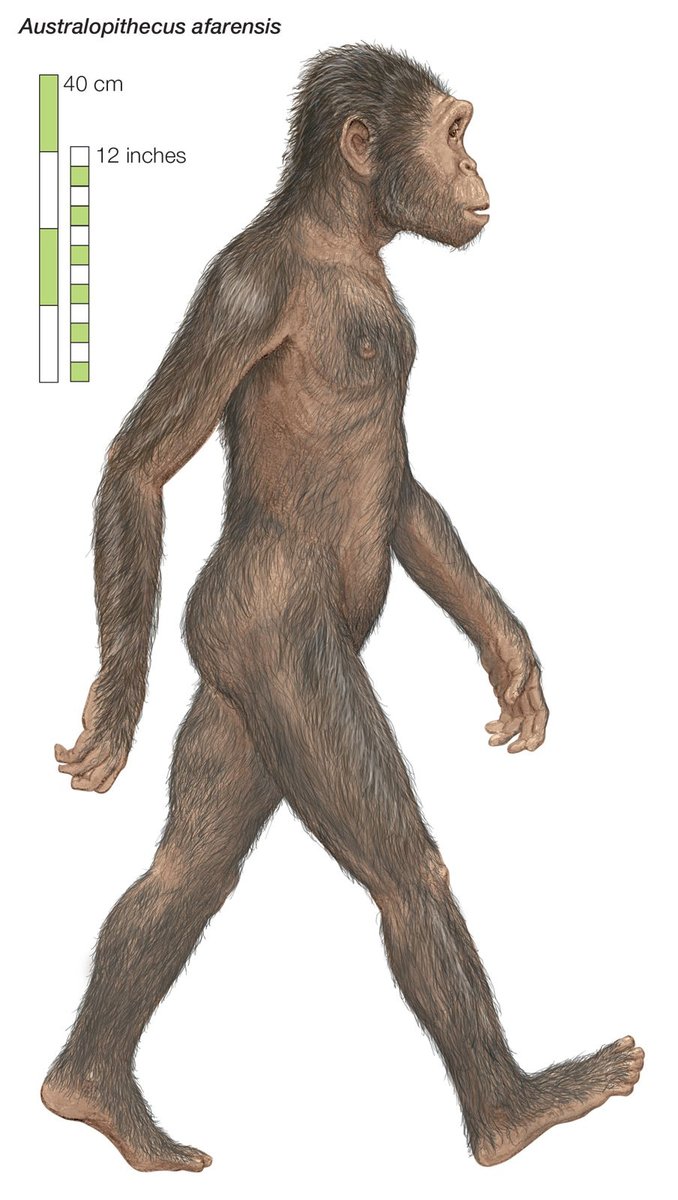
Lucy (AL 288-1)
neogene
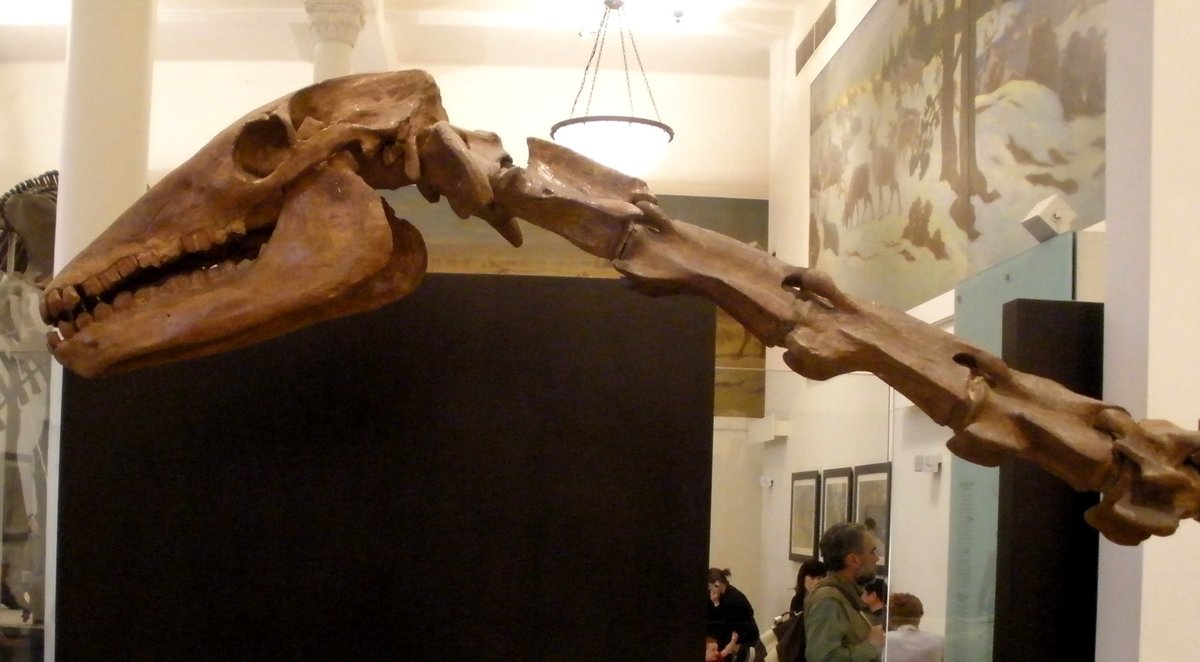
Macrauchenia
quaternary
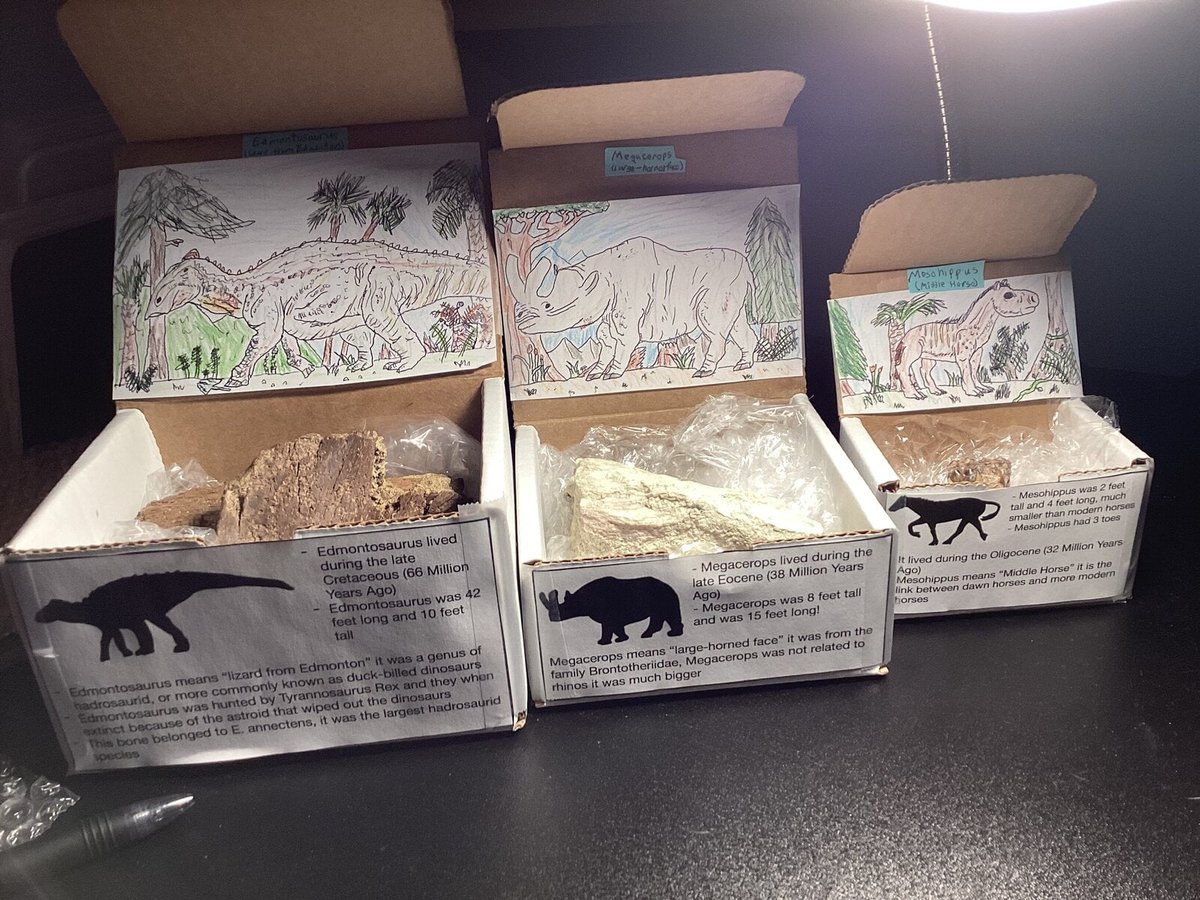
Megacerops
paleogene

Megalania
quaternary
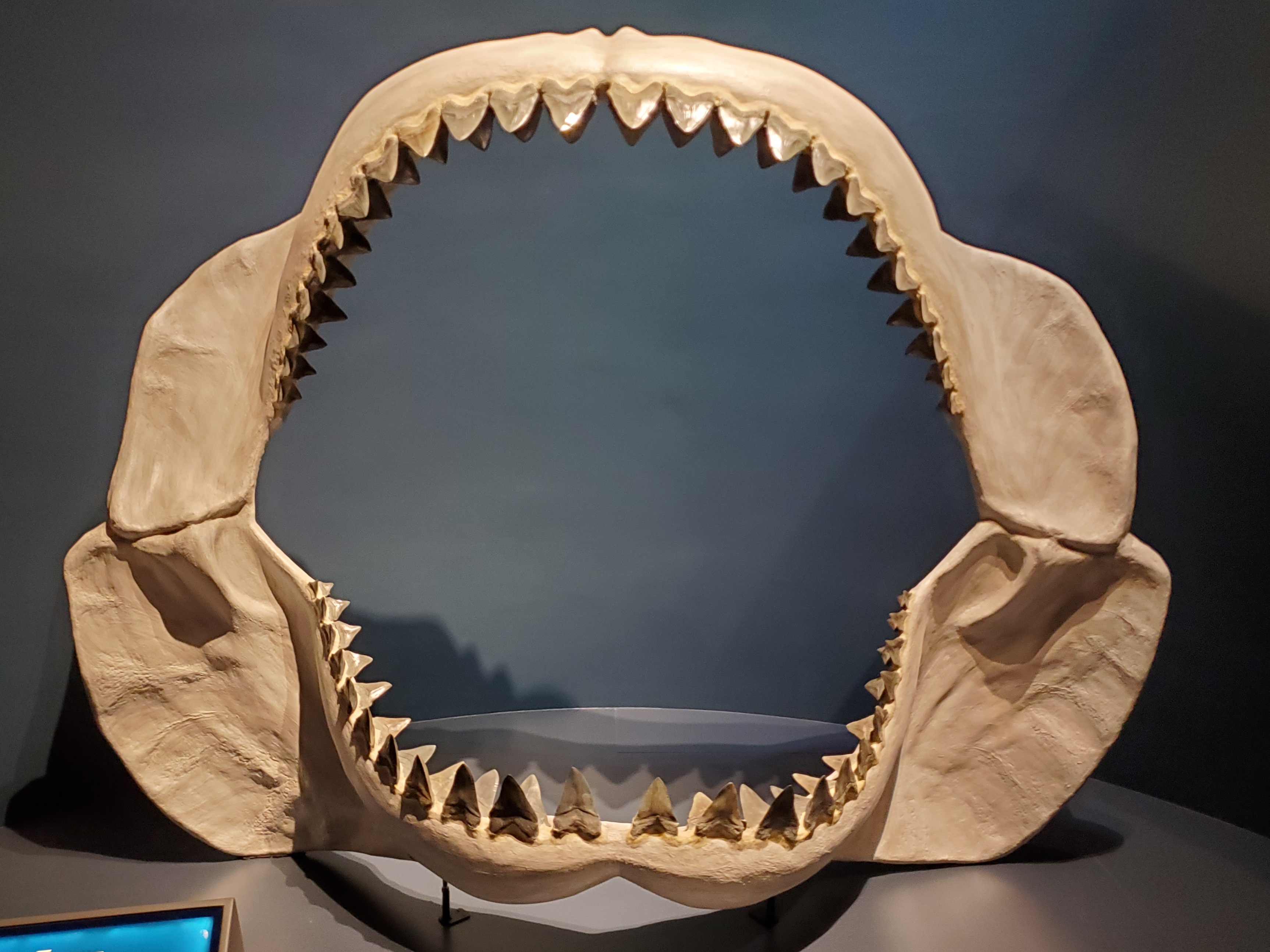
Megalodon
neogene
-tooth/7fb56d2cf543.png)
Megalodon (Carcharocles megalodon) tooth
neogene
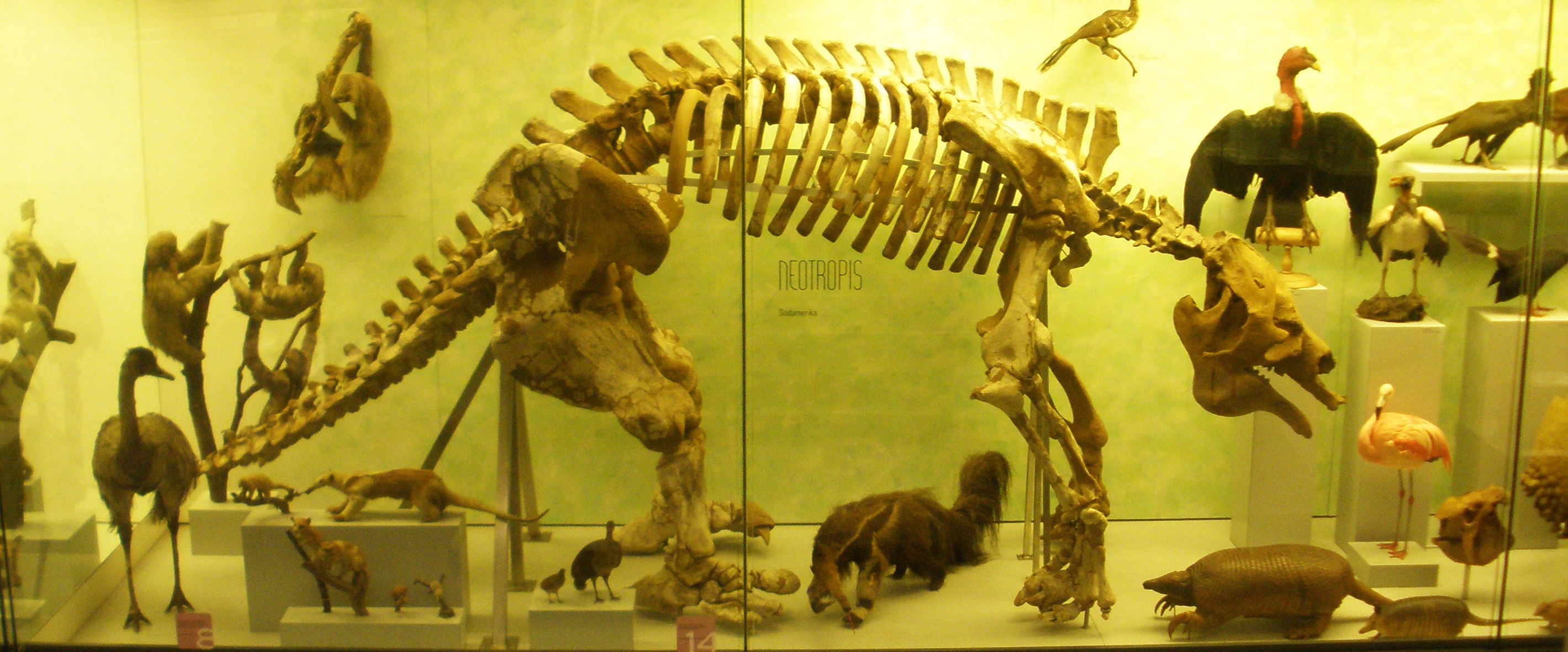
Megatherium
quaternary
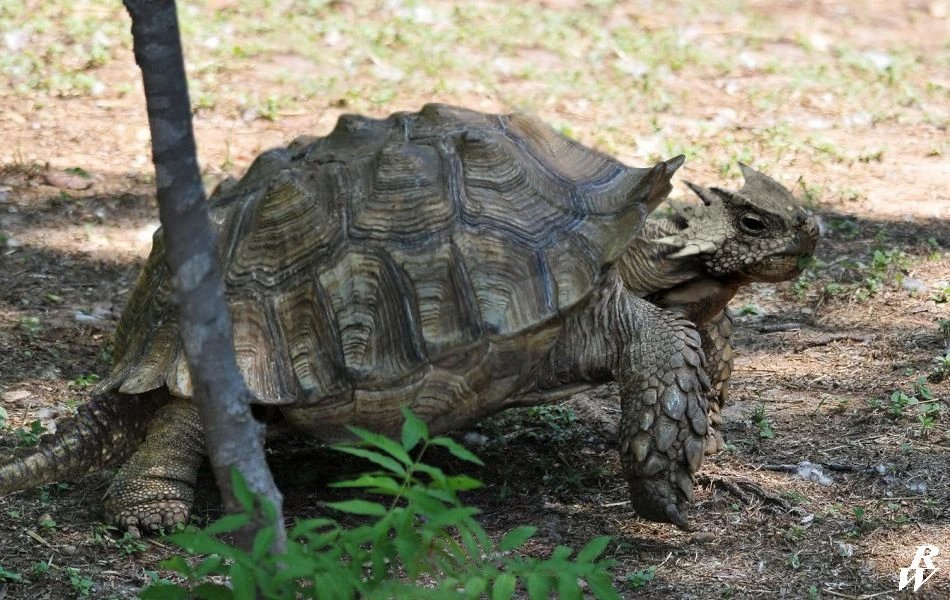
Meiolania
quaternary
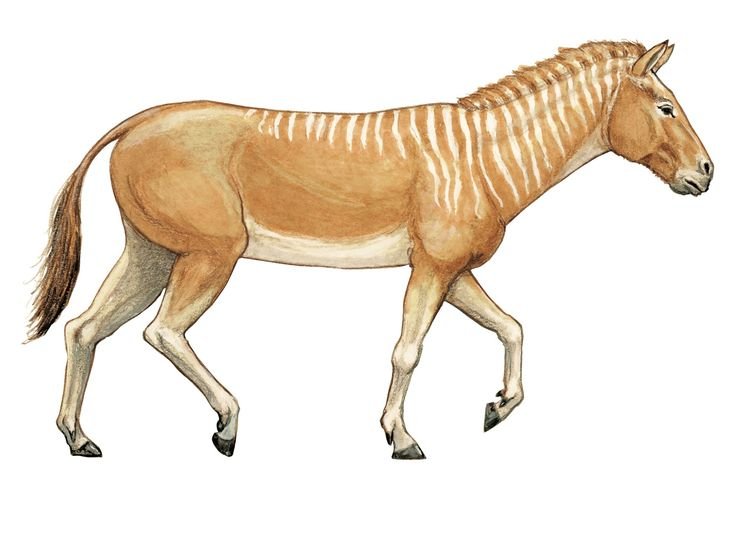
Merychippus
neogene
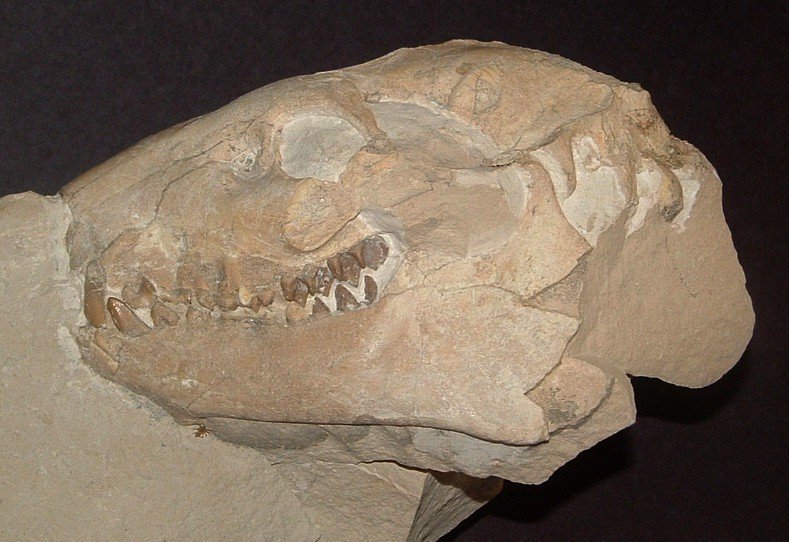
Merycoidodon
paleogene
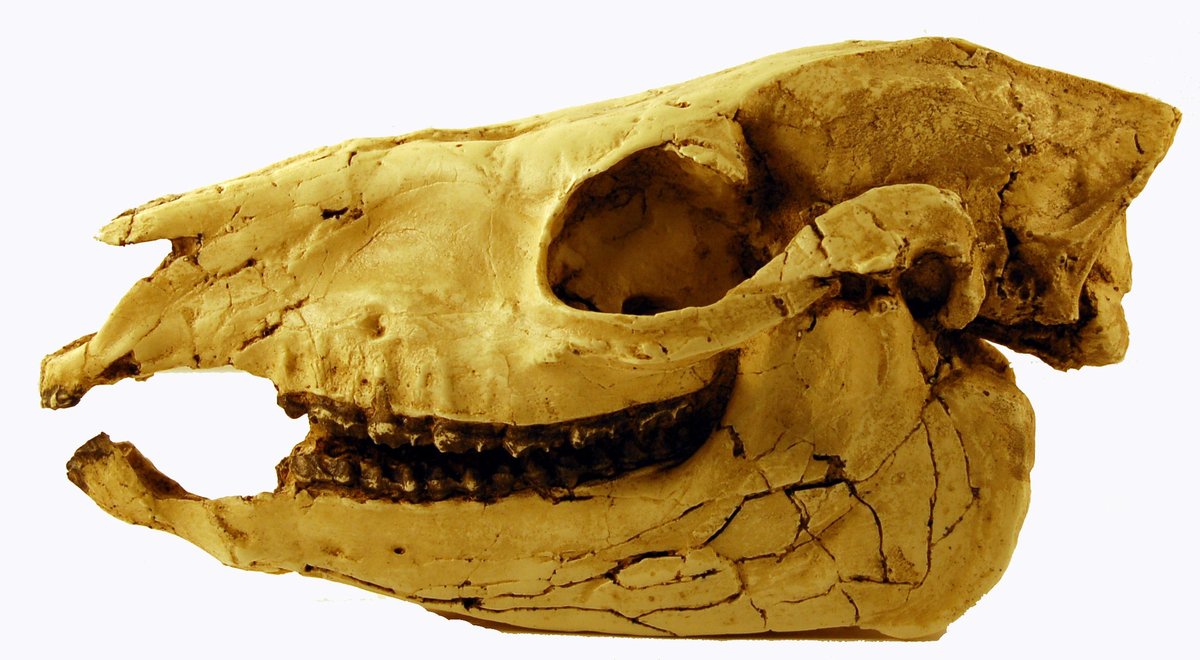
Mesohippus
paleogene
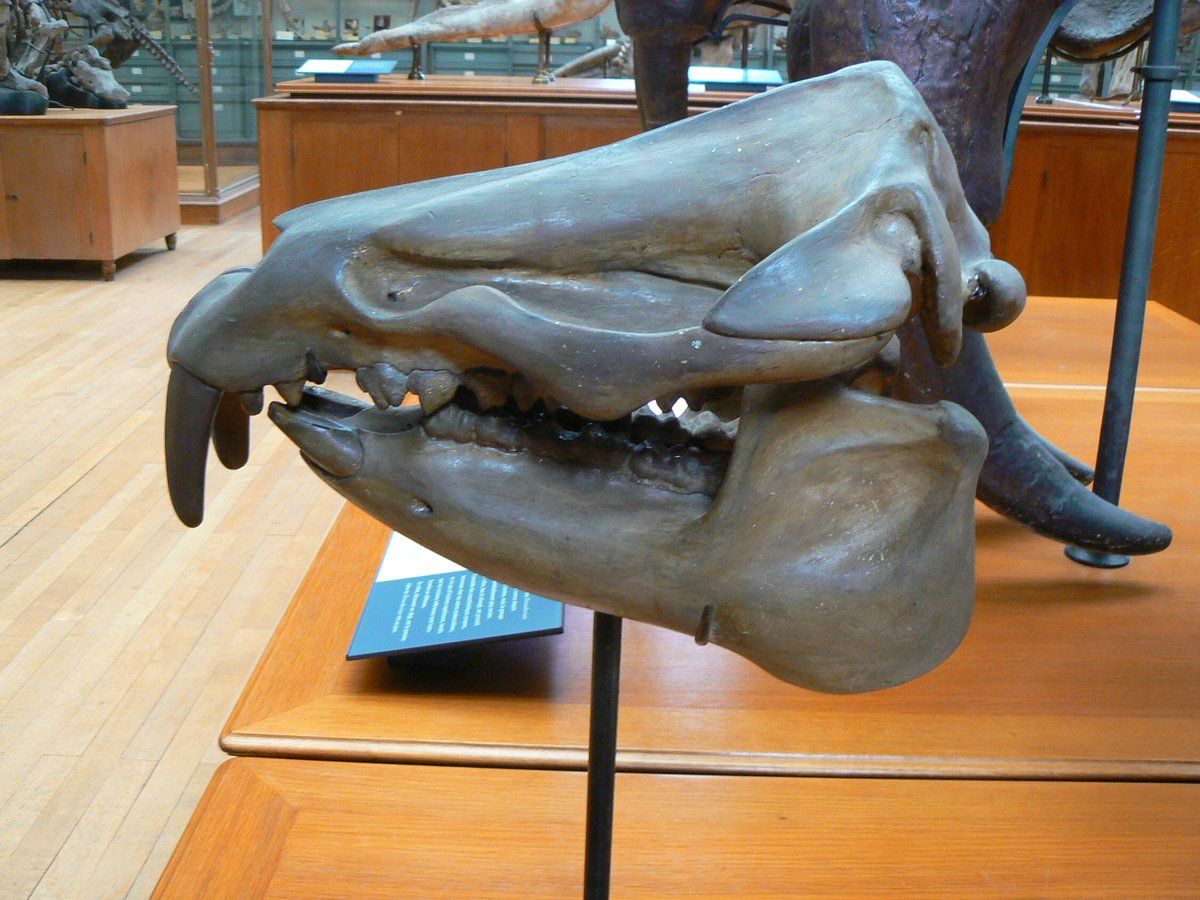
Moeritherium
paleogene
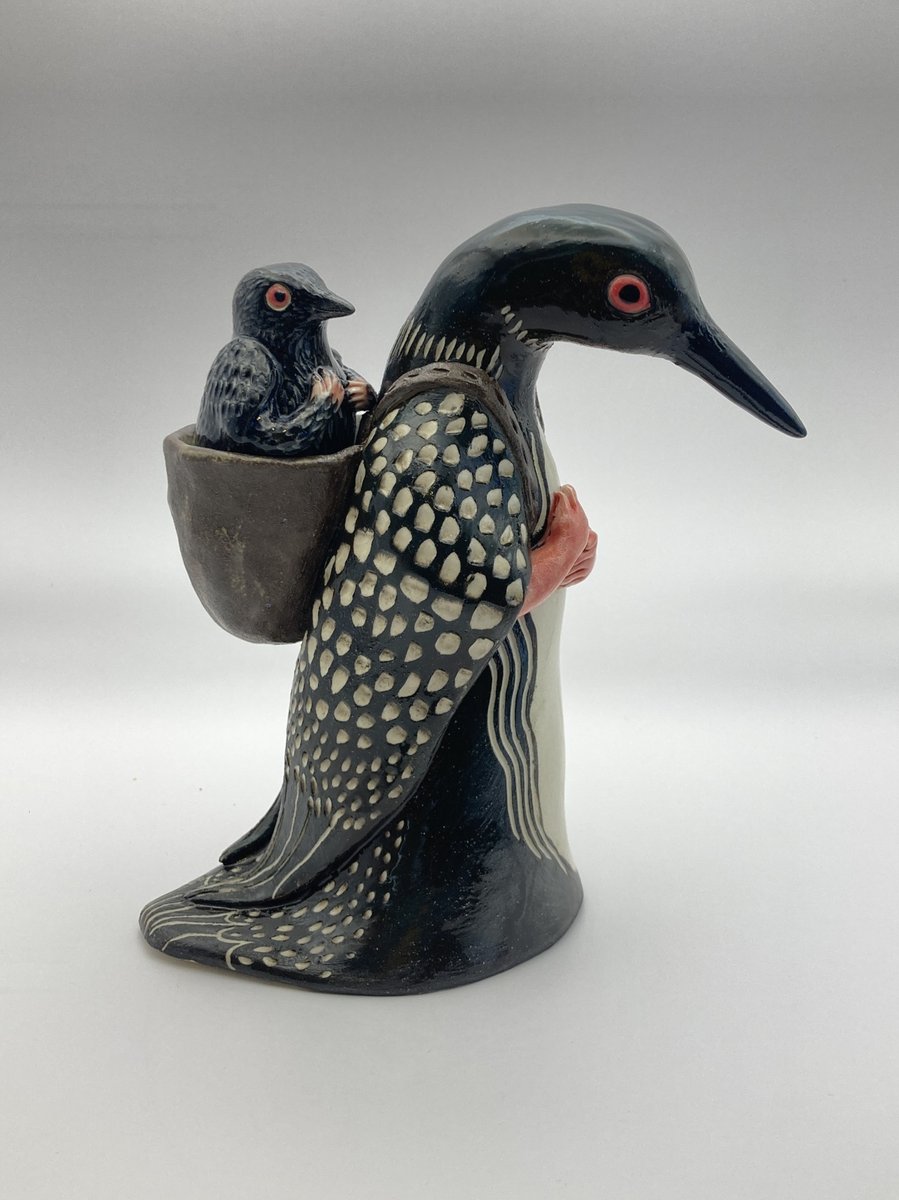
Nimravus
paleogene
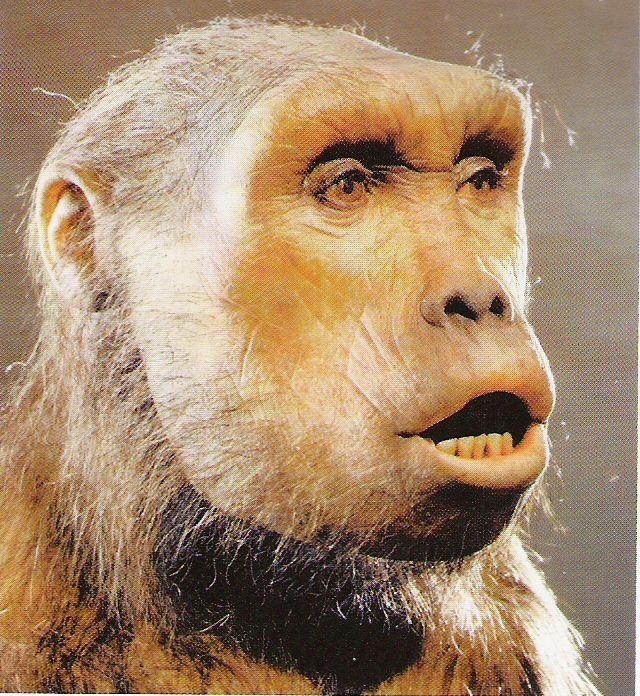
Orrorin tugenensis
neogene
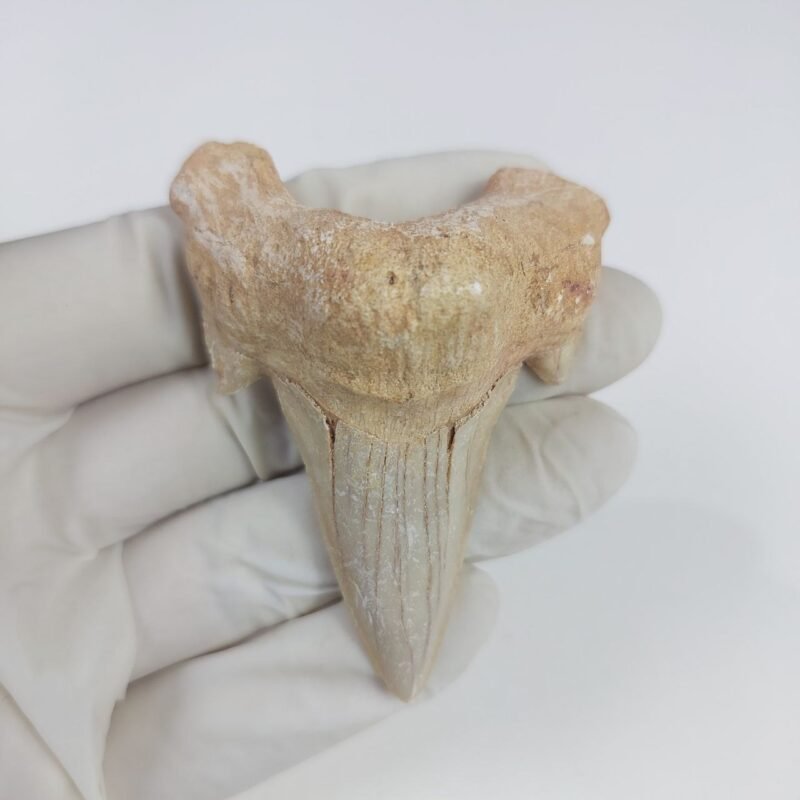
Otodus
paleogene
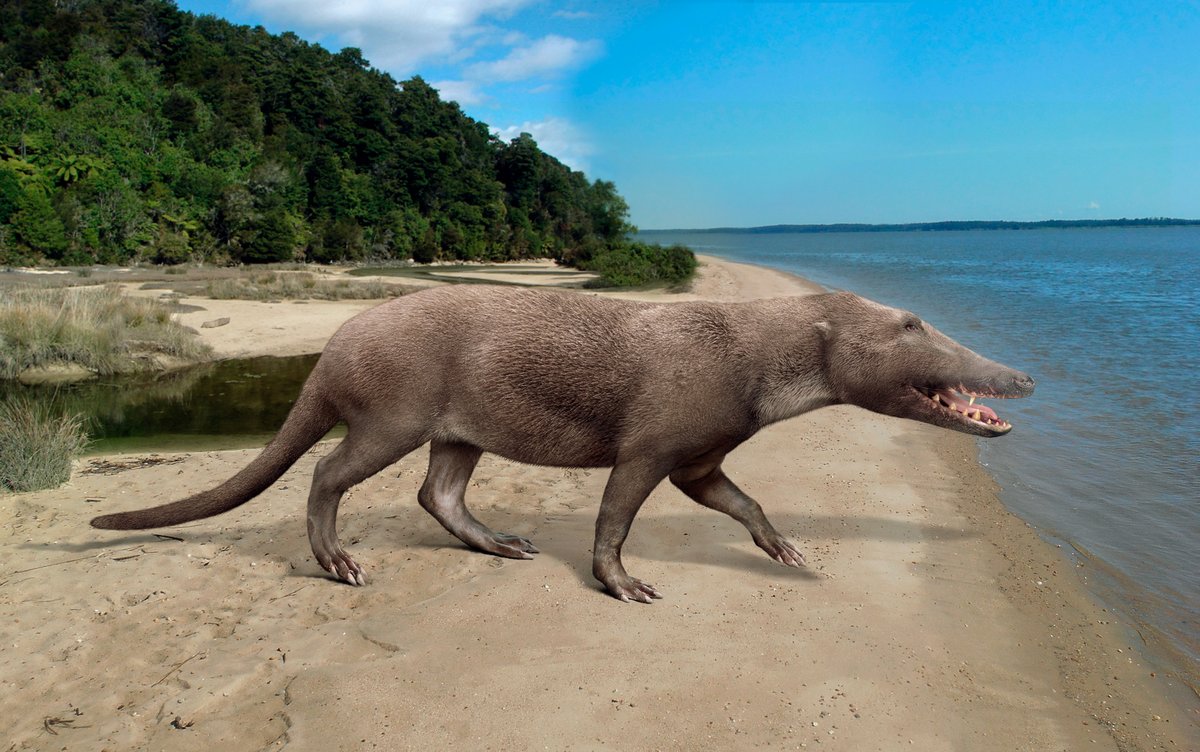
Pakicetus
paleogene
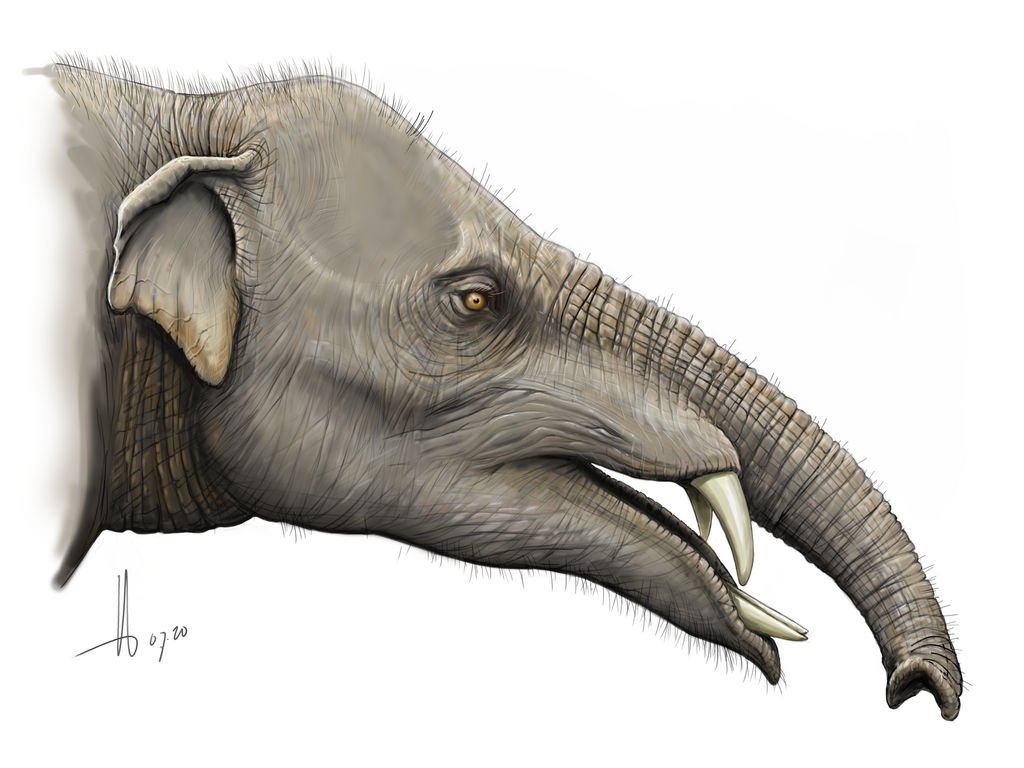
Palaeomastodon
paleogene
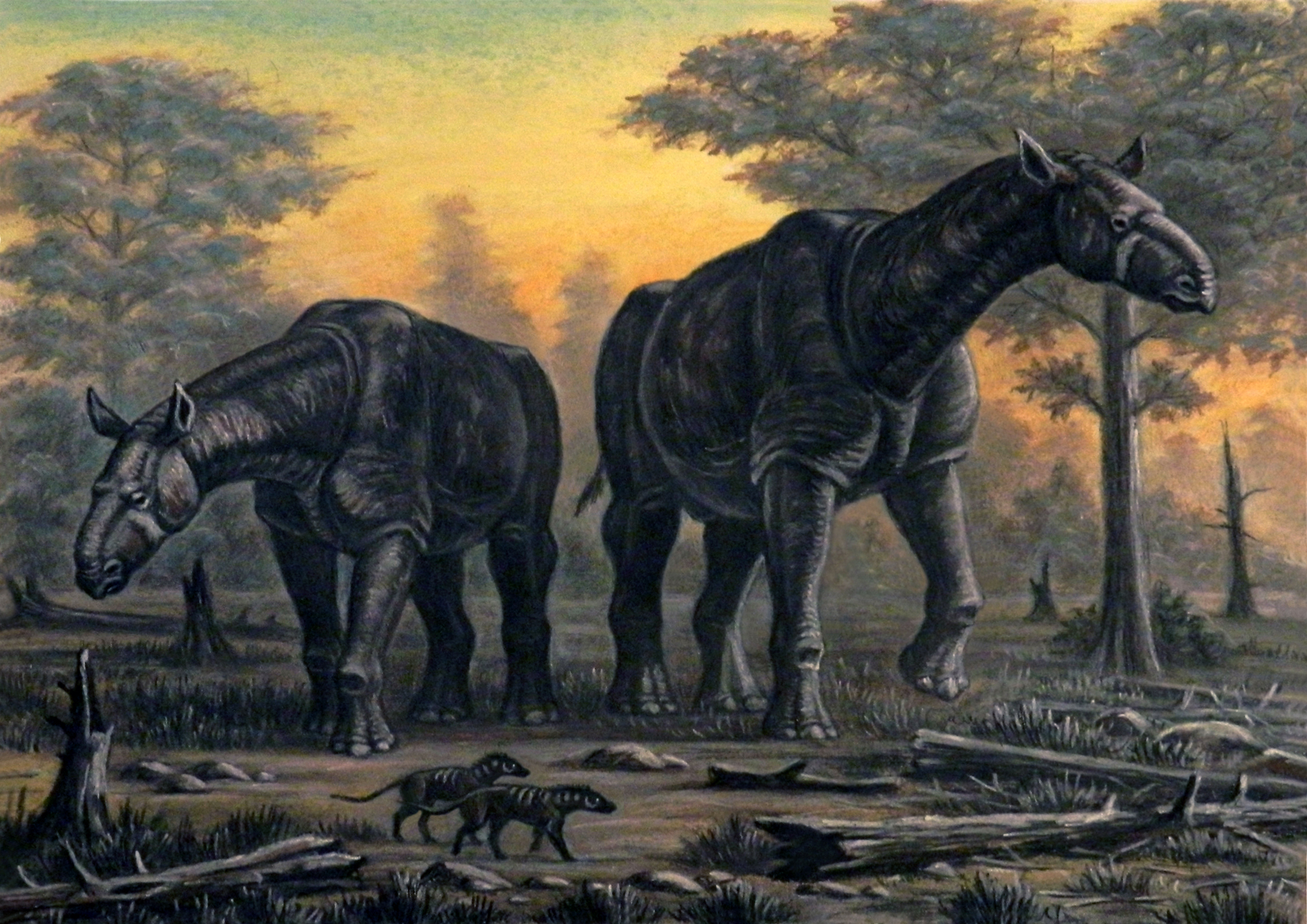
Paraceratherium
neogene
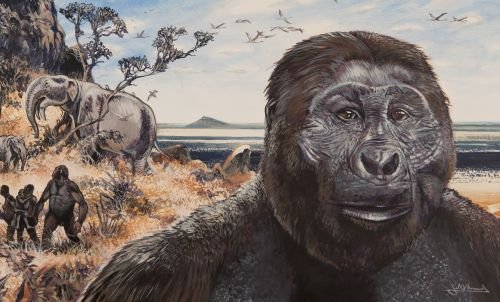
Paranthropus boisei
quaternary
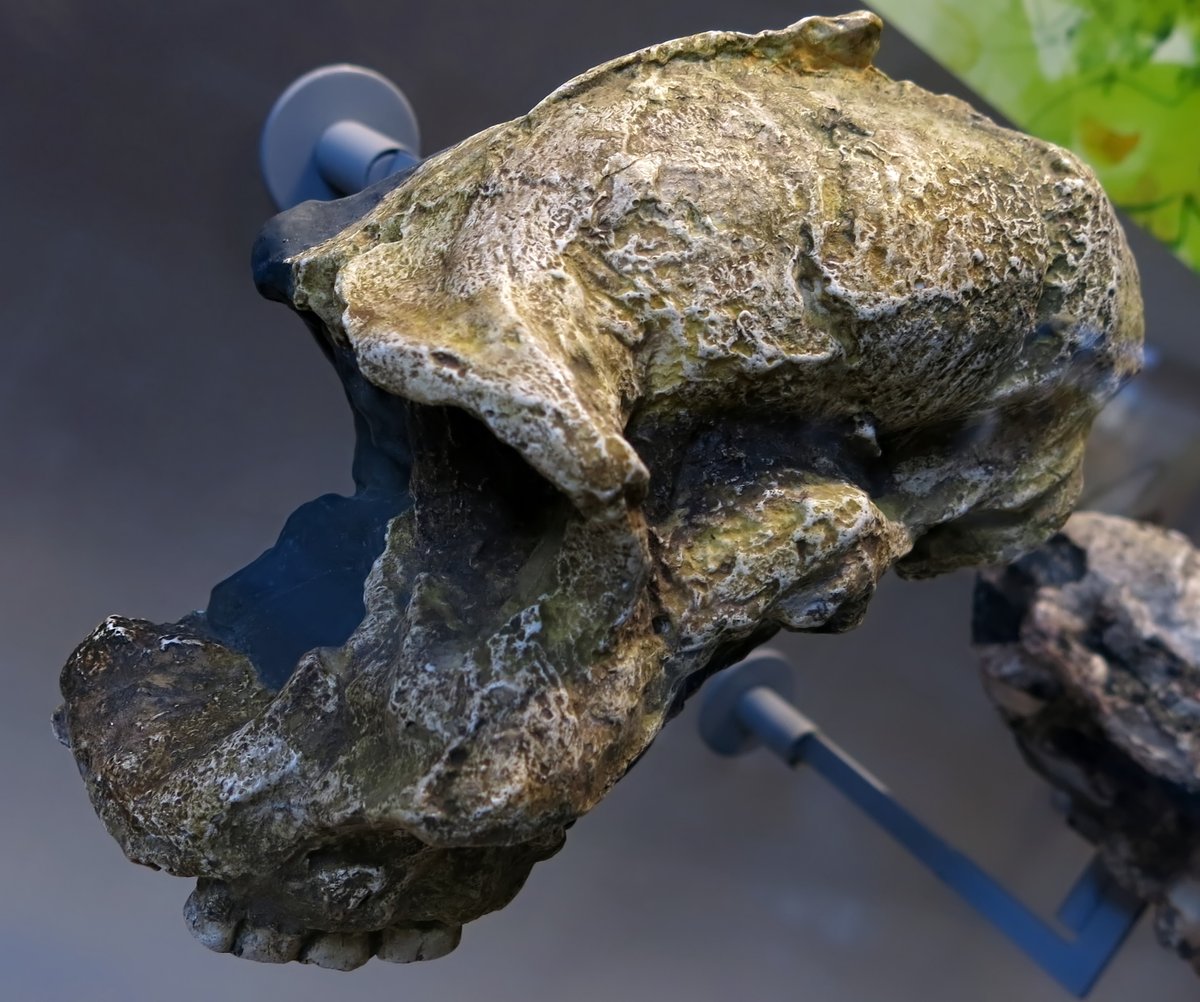
Paranthropus robustus
quaternary
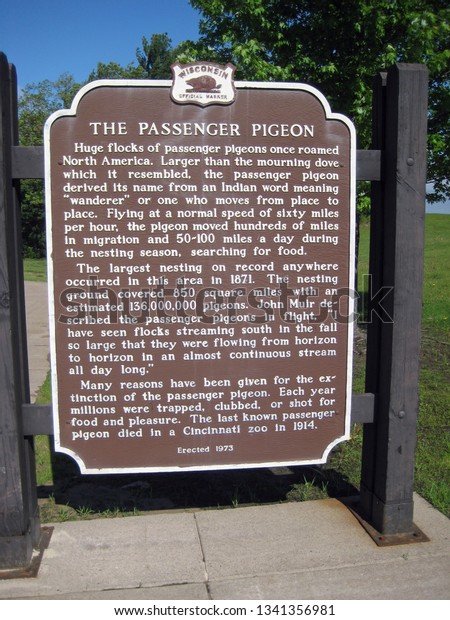
Passenger Pigeon
quaternary
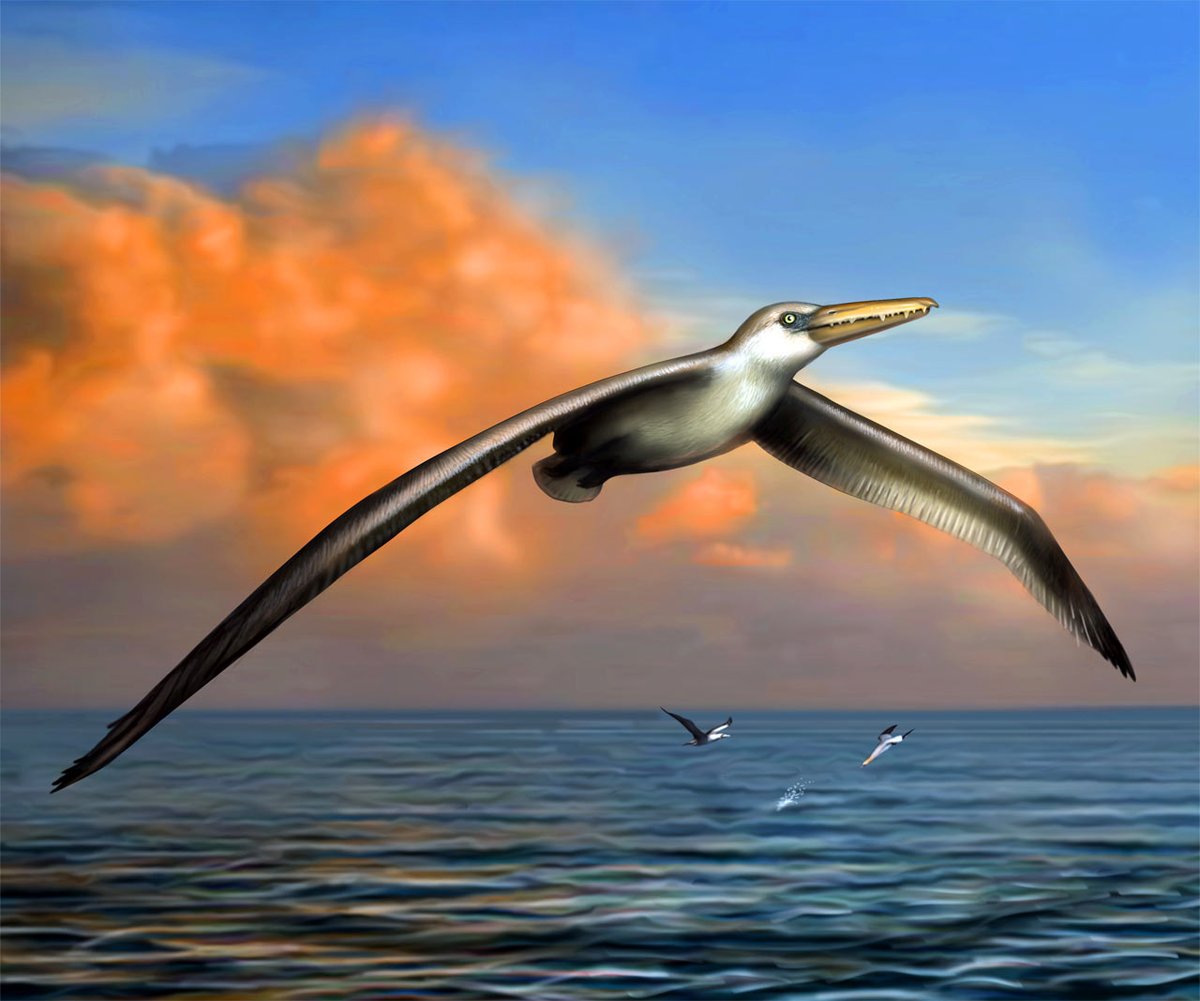
Pelagornis
neogene
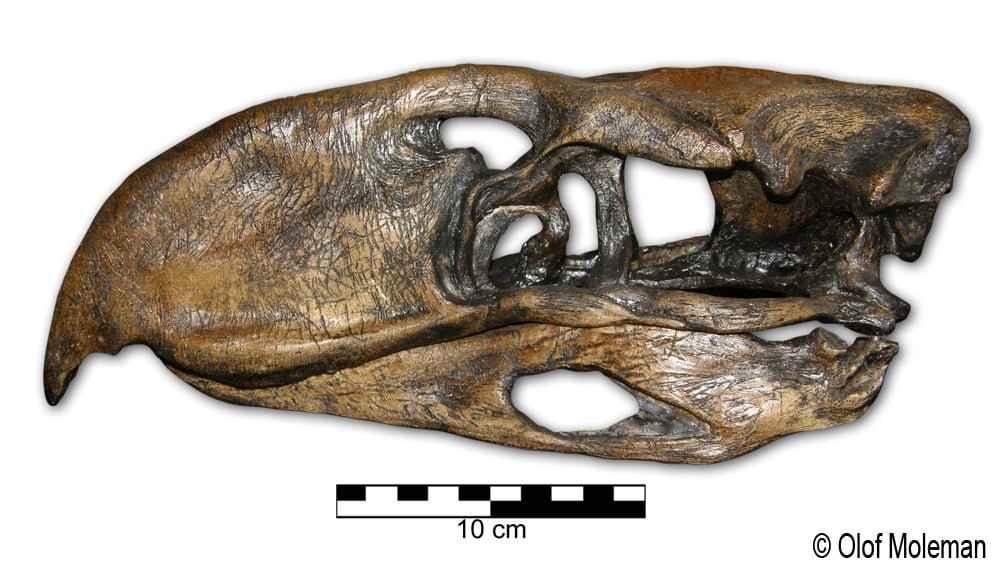
Phorusrhacos
neogene
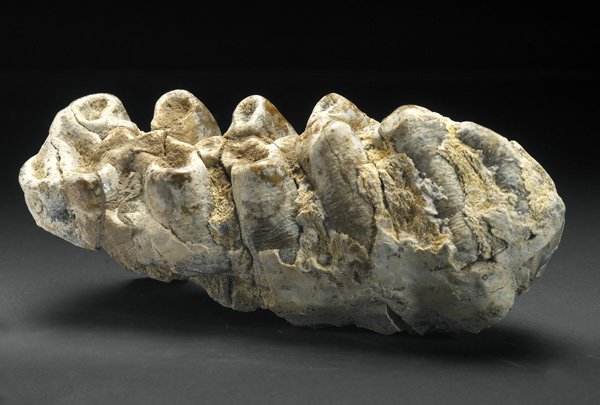
Platybelodon
neogene
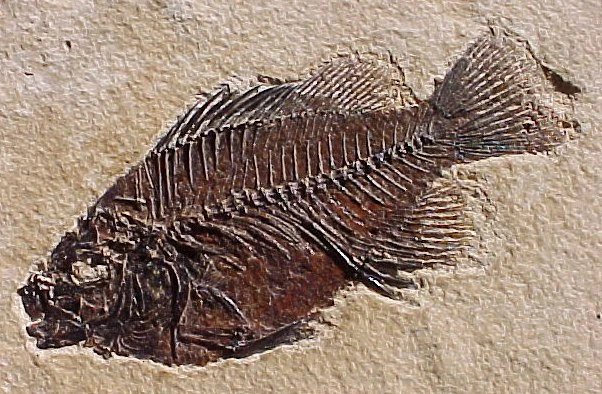
Priscacara
paleogene
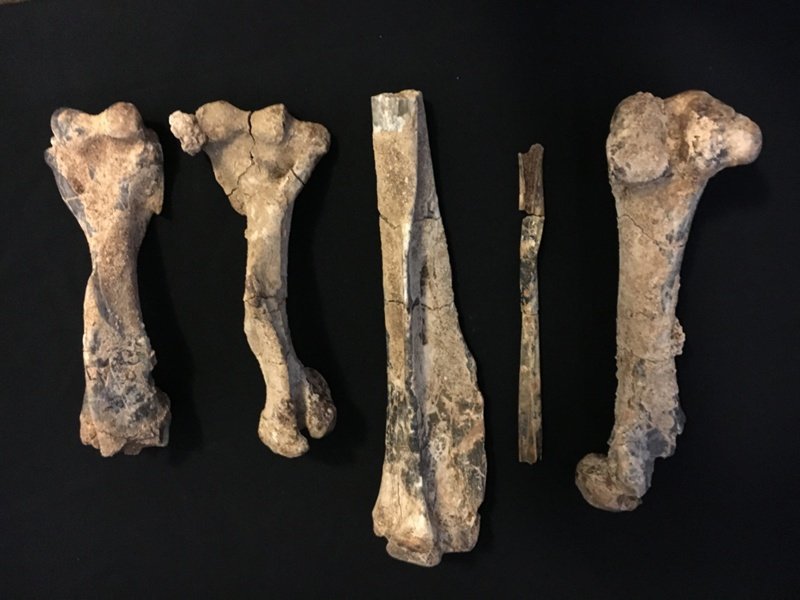
Procoptodon
quaternary
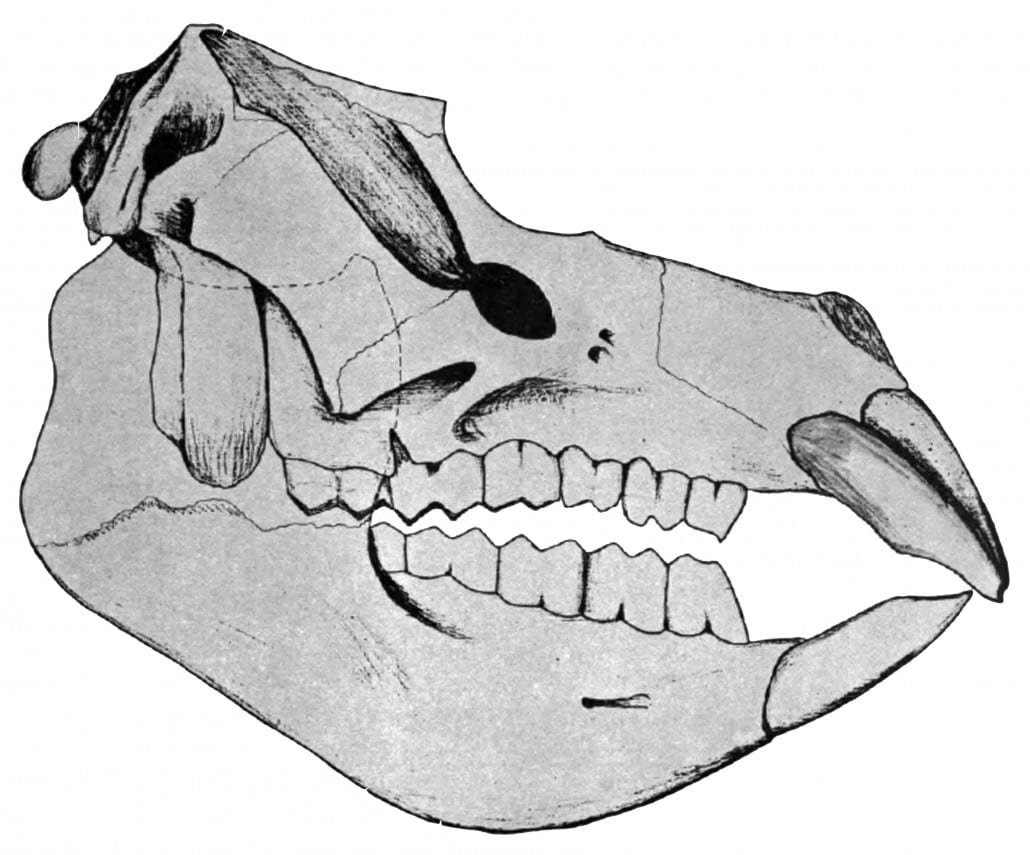
Pyrotherium
paleogene
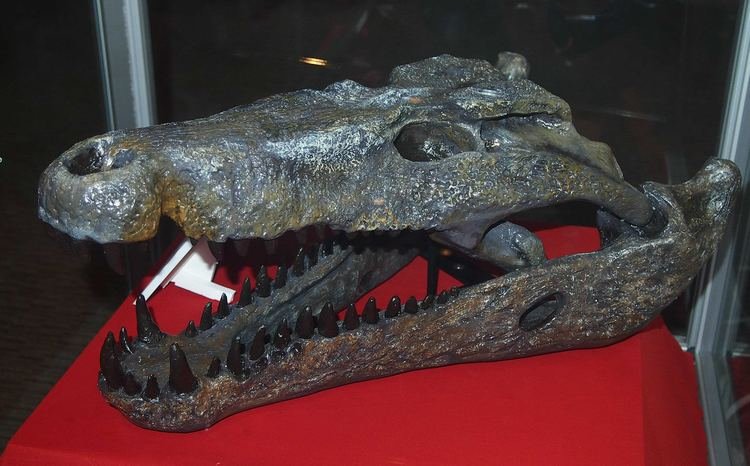
Quinkana
neogene to quaternary
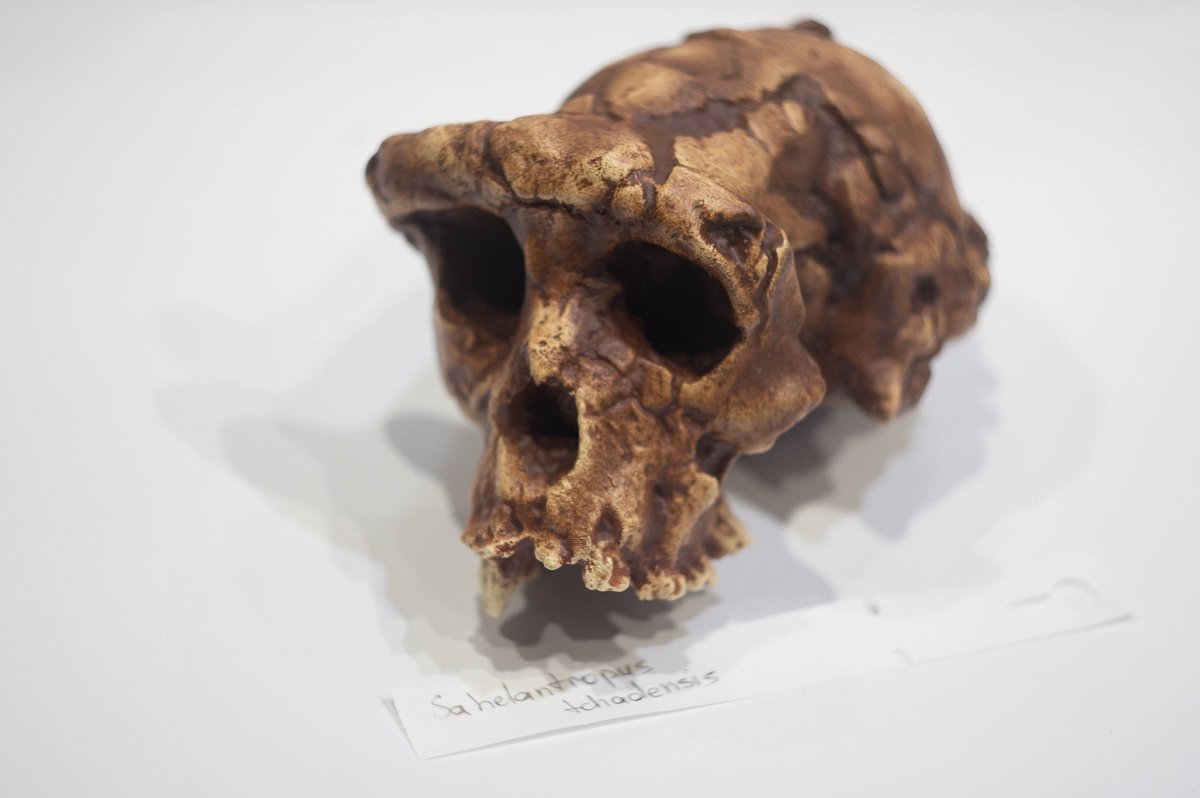
Sahelanthropus tchadensis
neogene
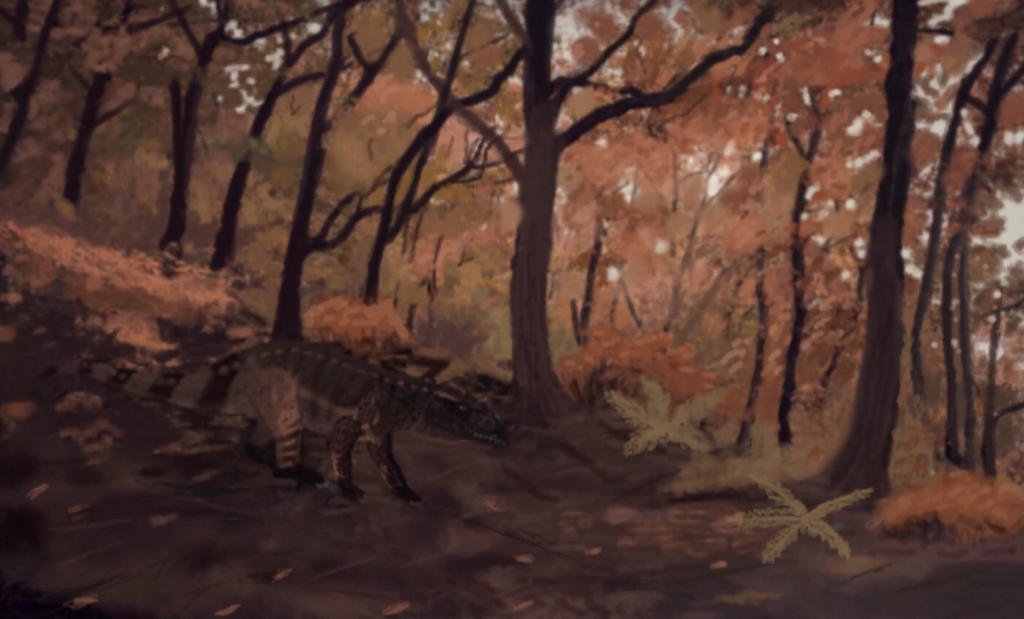
Sebecus
paleogene
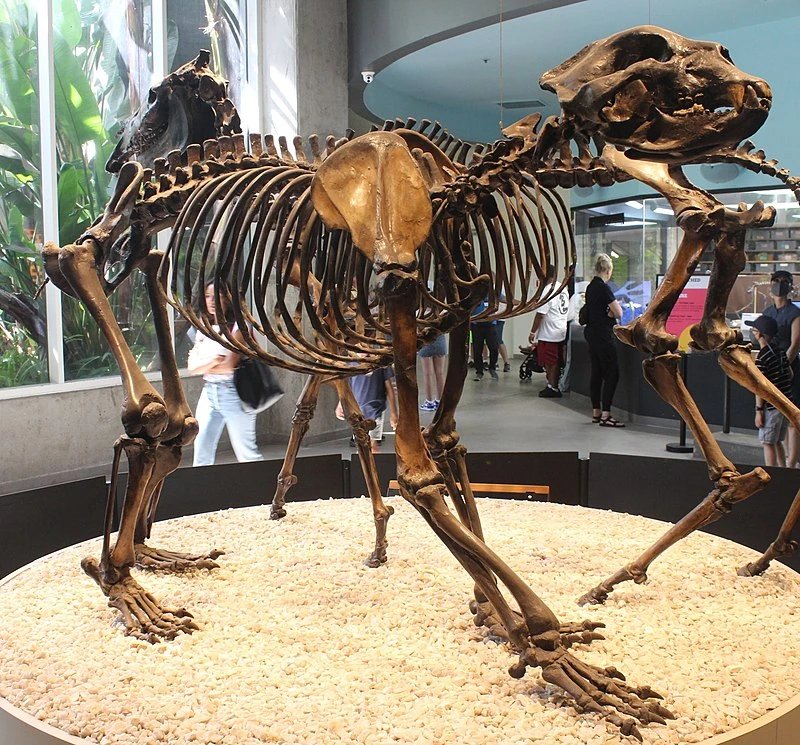
Short-faced Bear
quaternary
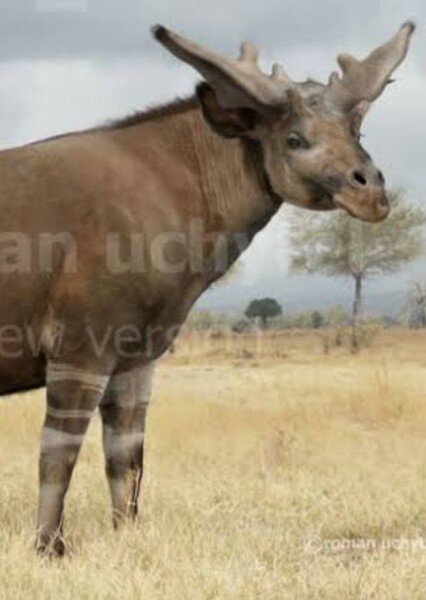
Sivatherium
quaternary
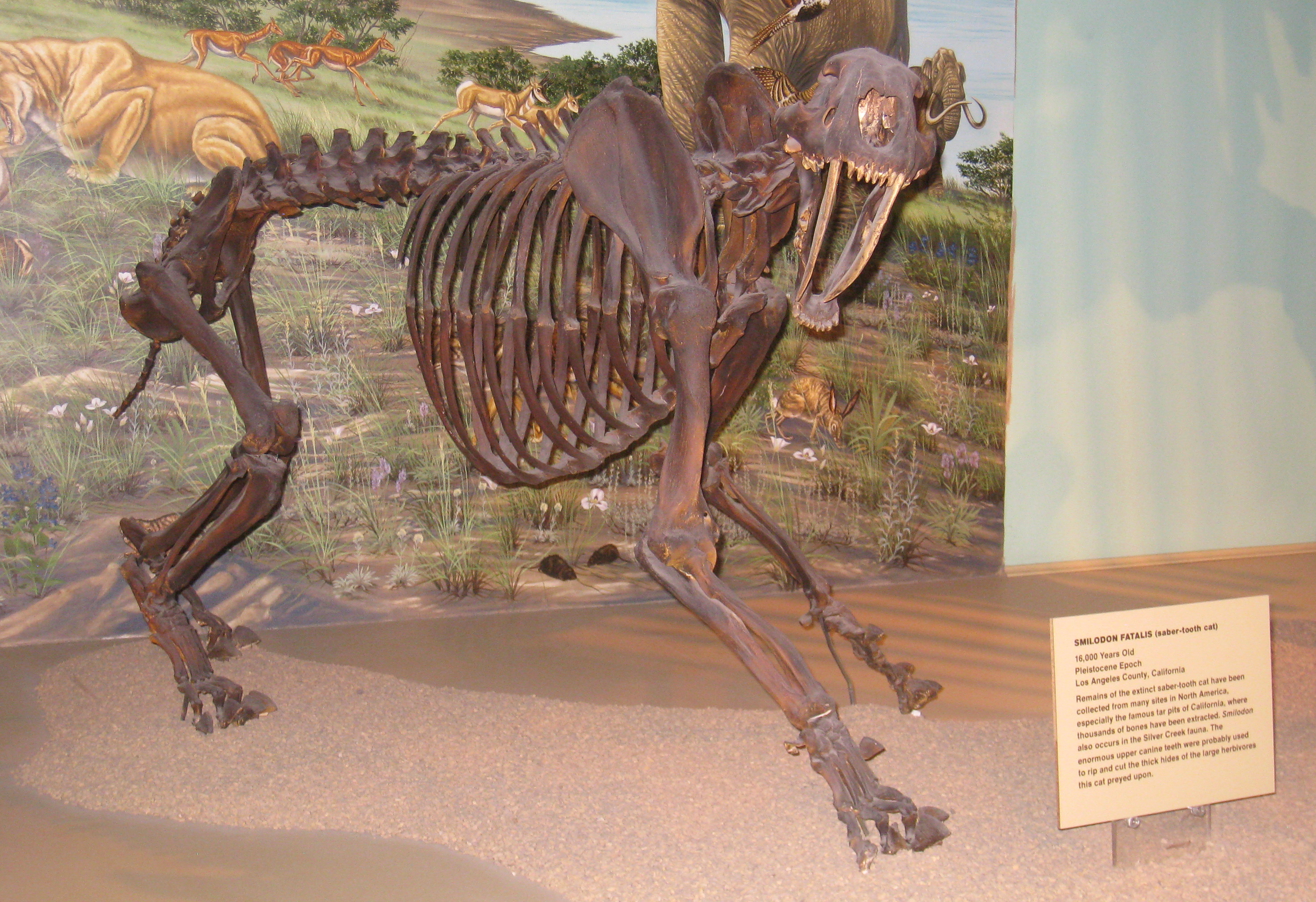
Smilodon
quaternary
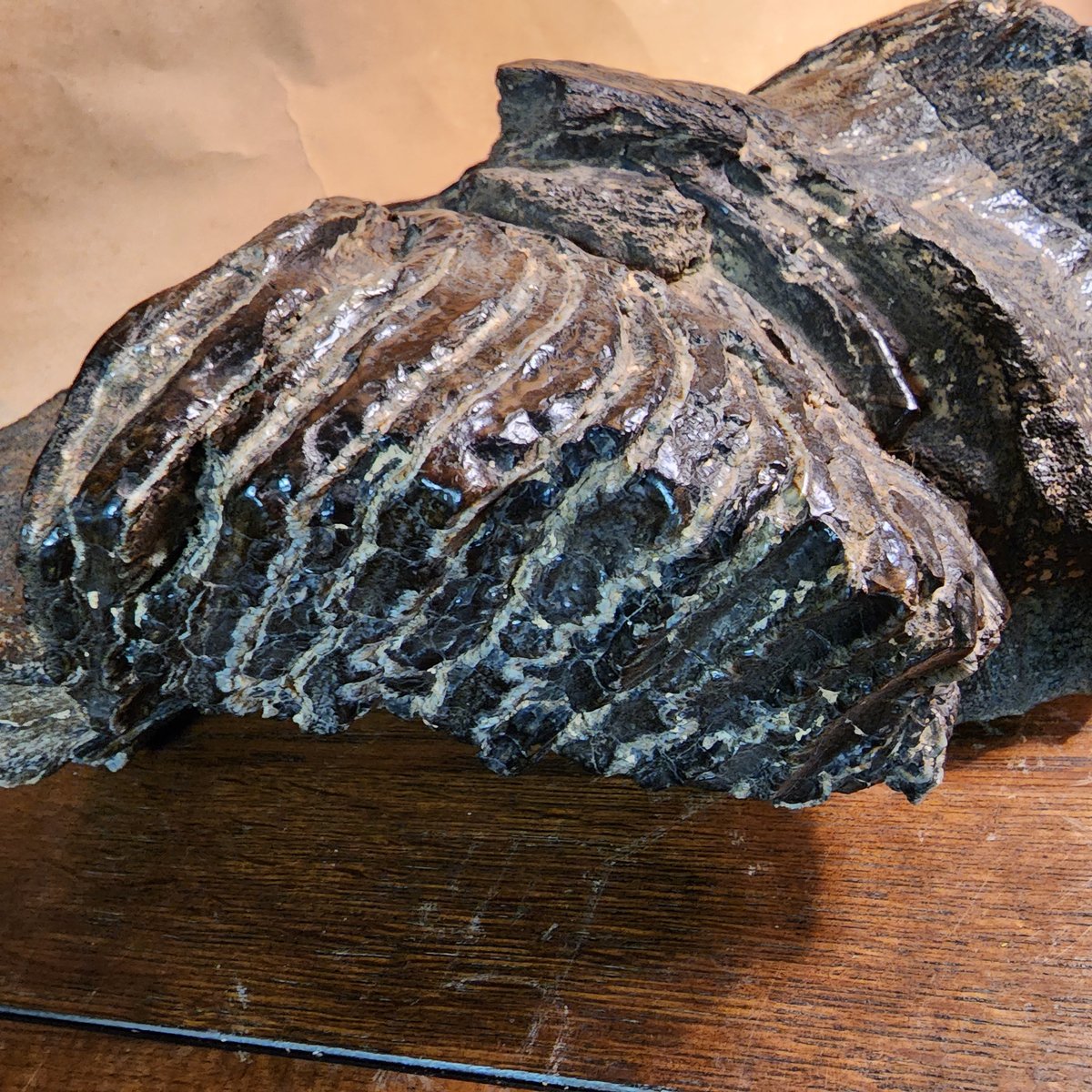
Stegodon
quaternary
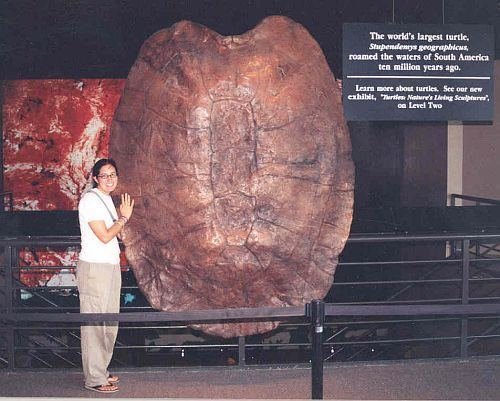
Stupendemys
neogene
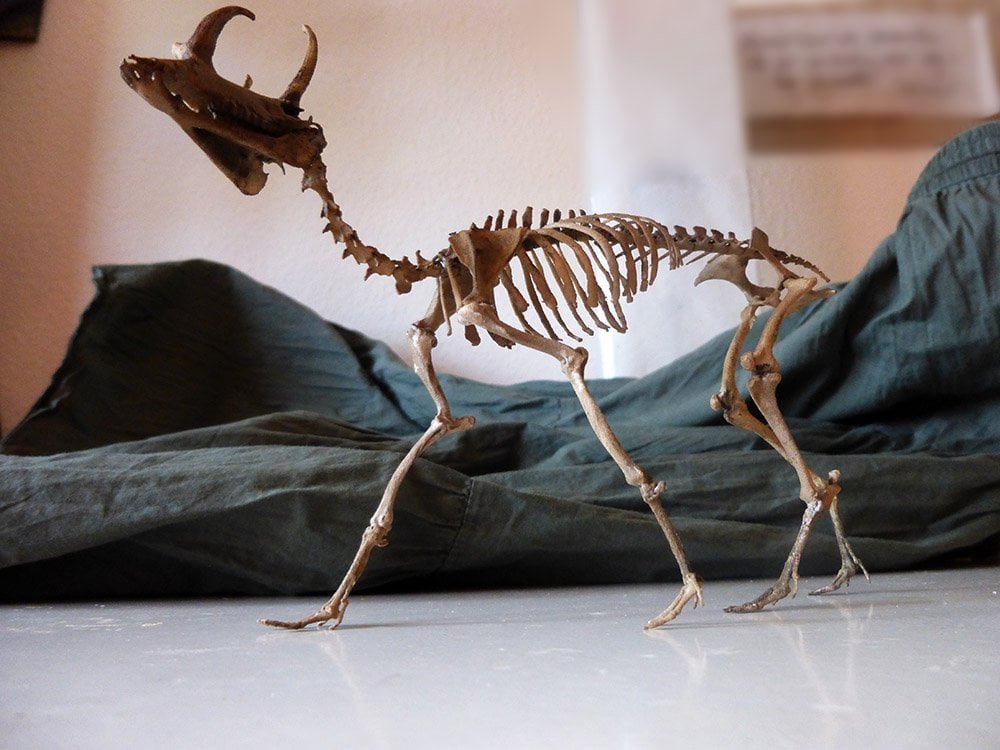
Syndyoceras
neogene
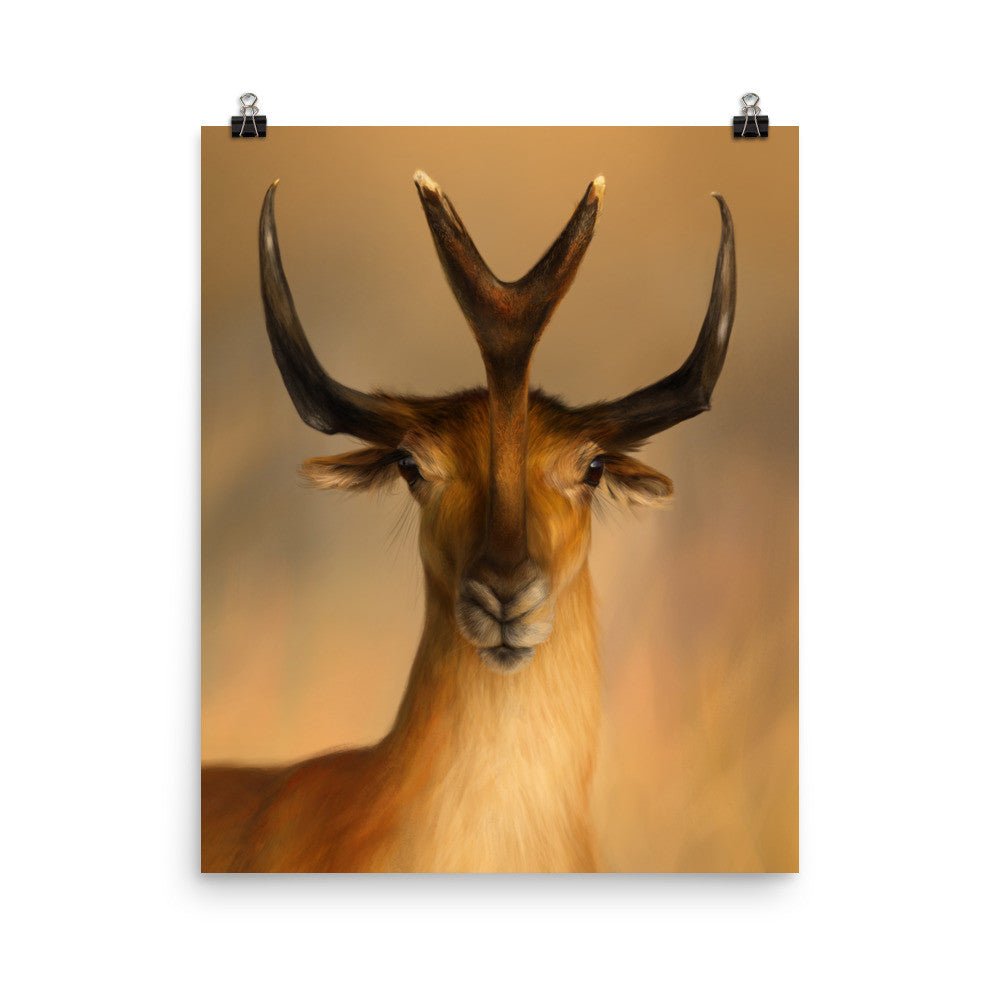
Synthetoceras
neogene
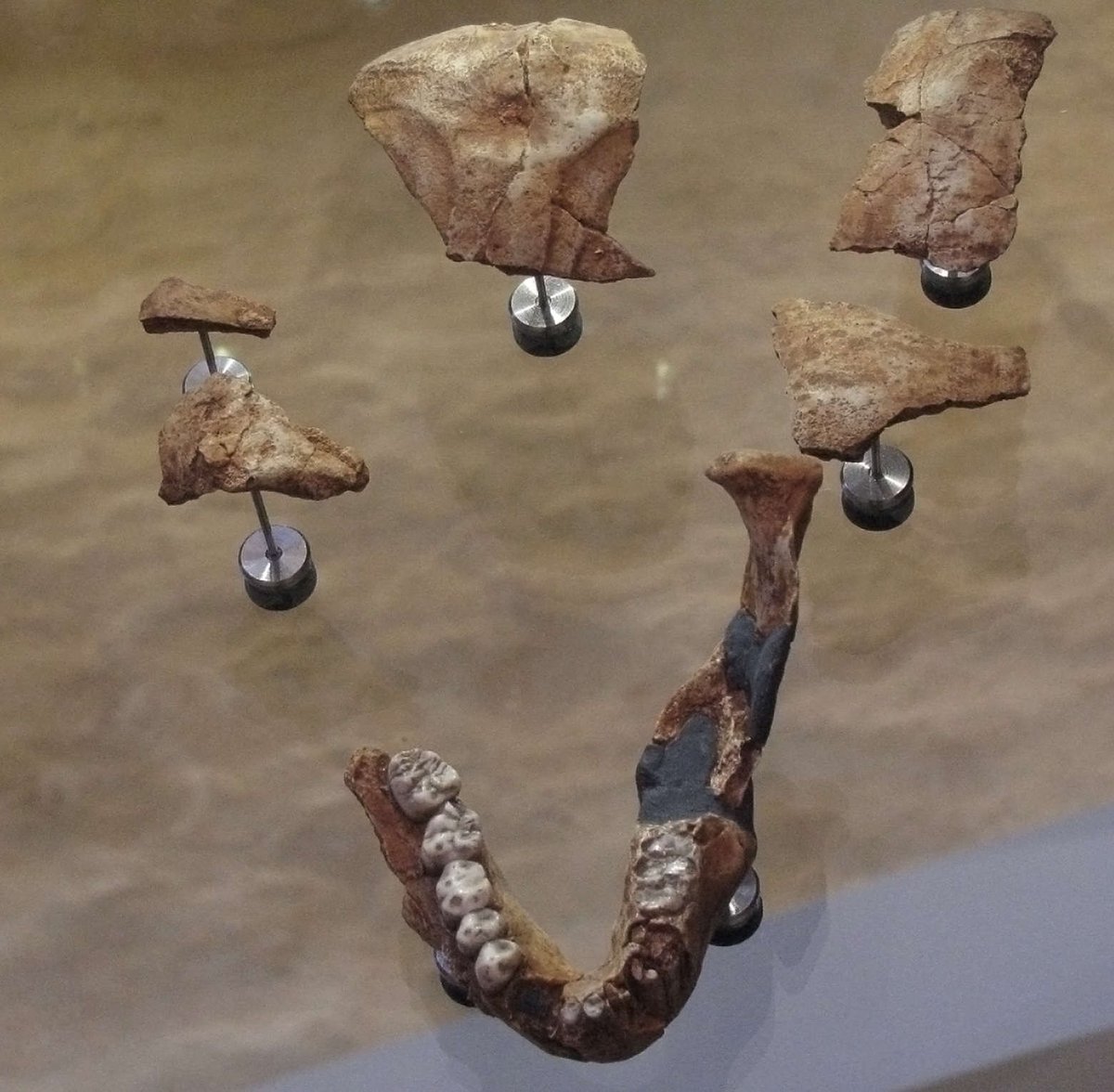
Taung Child
quaternary
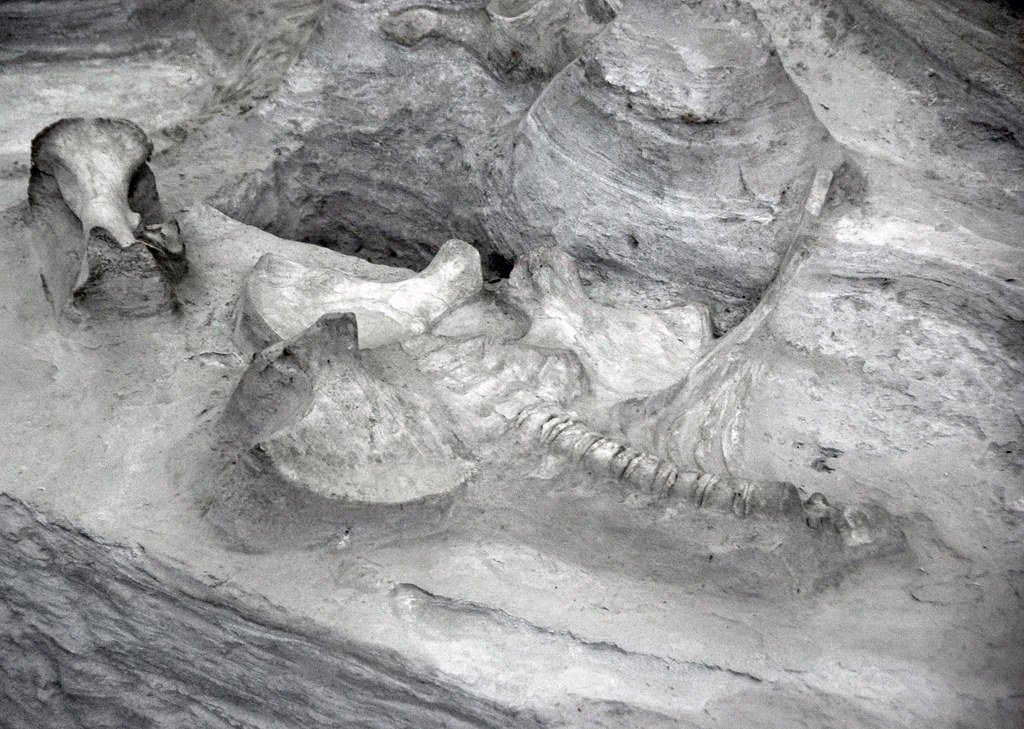
Teleoceras
neogene
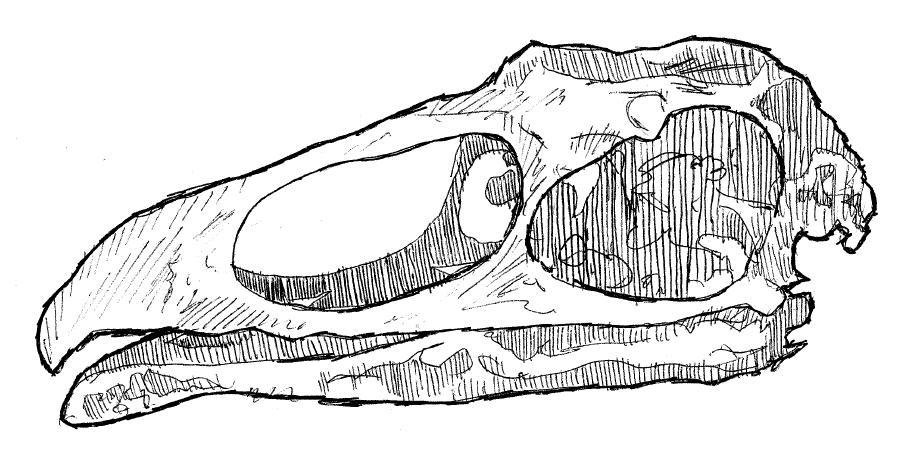
Teratornis
quaternary
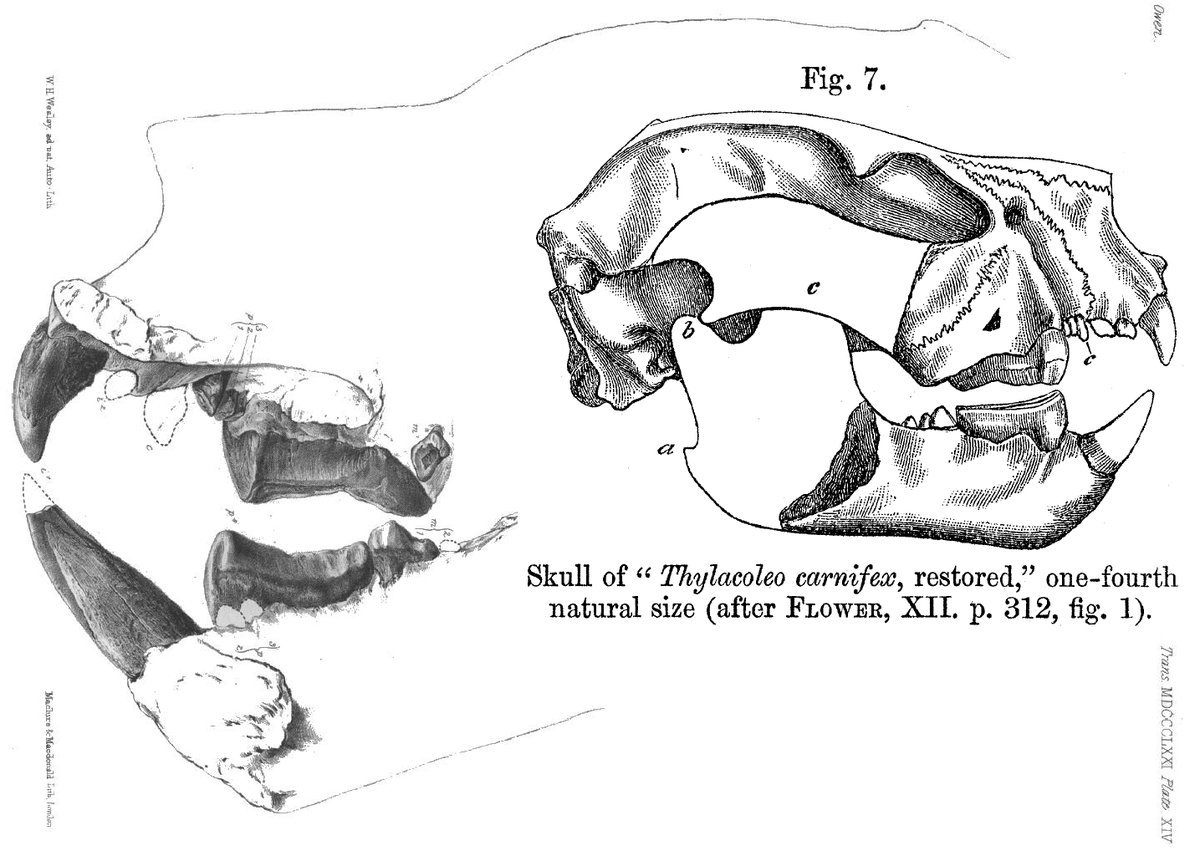
Thylacoleo
quaternary
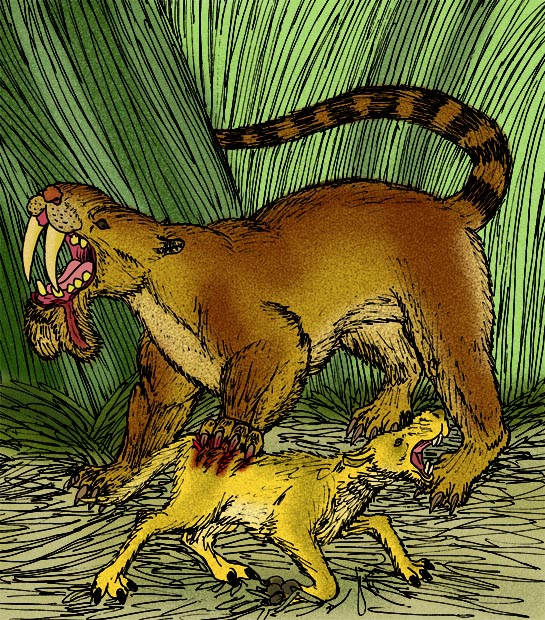
Thylacosmilus
neogene
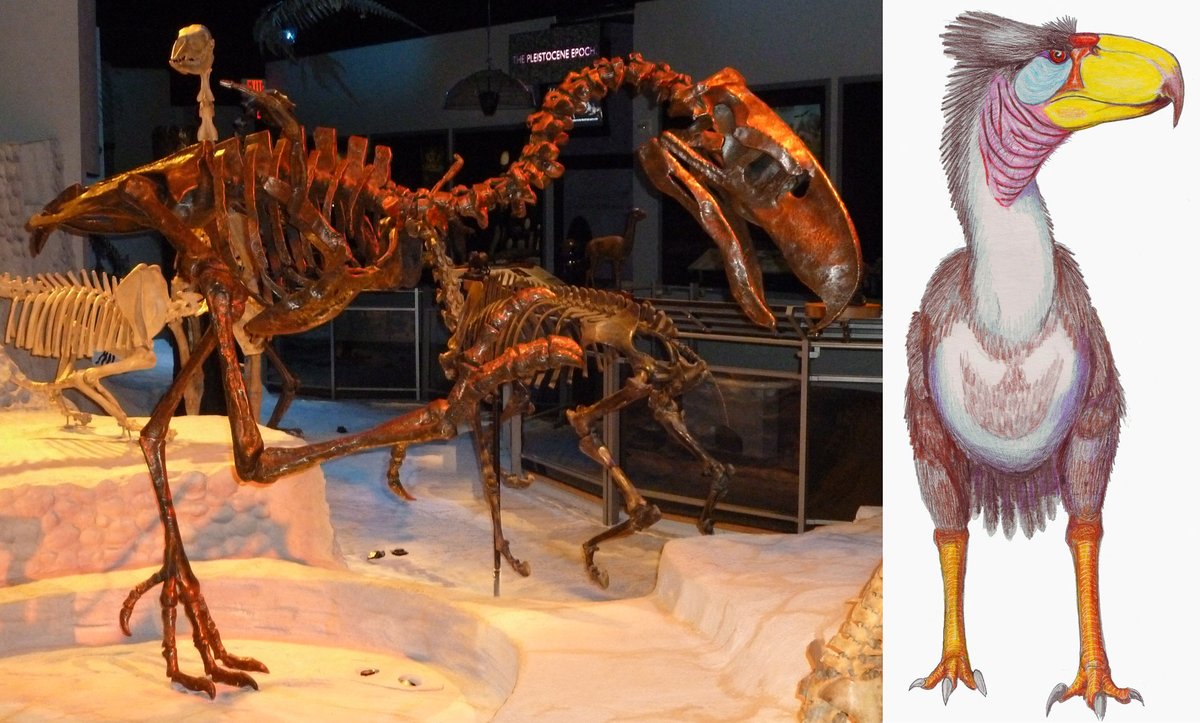
Titanis
quaternary

Titanoboa
paleogene
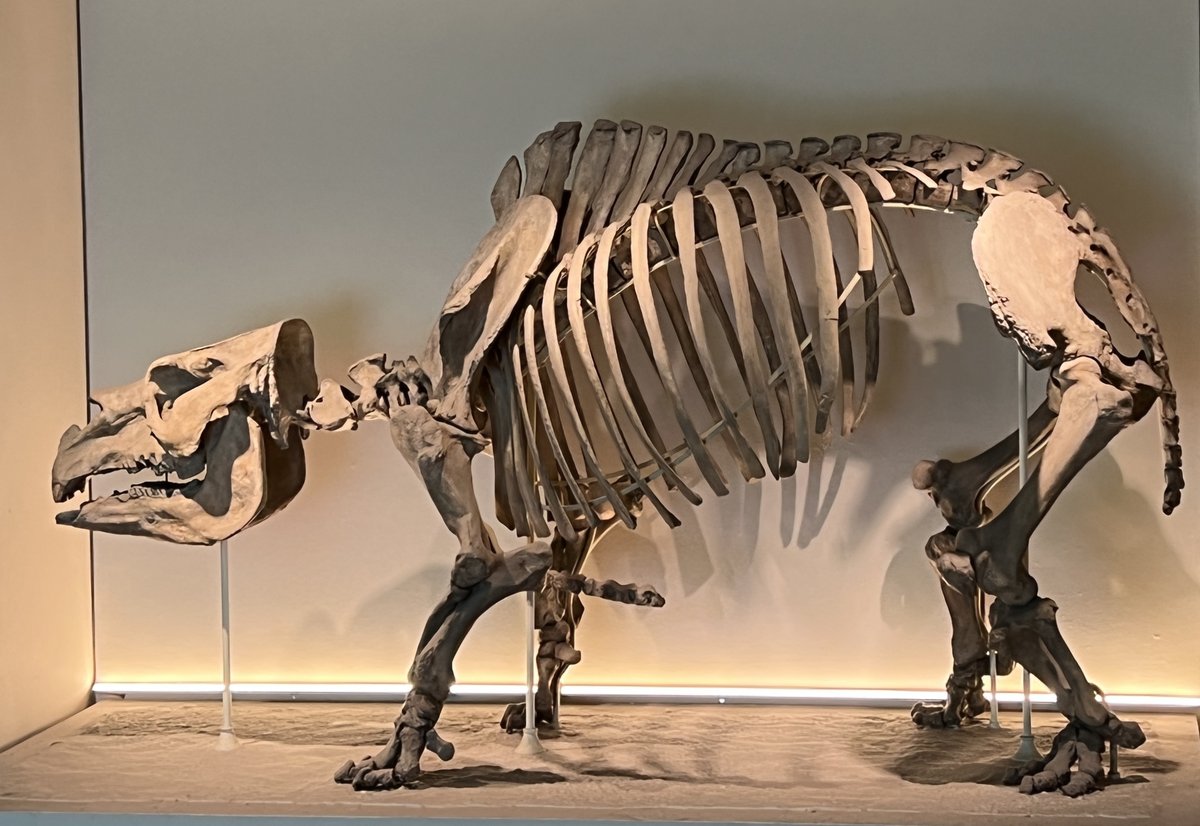
Toxodon
quaternary
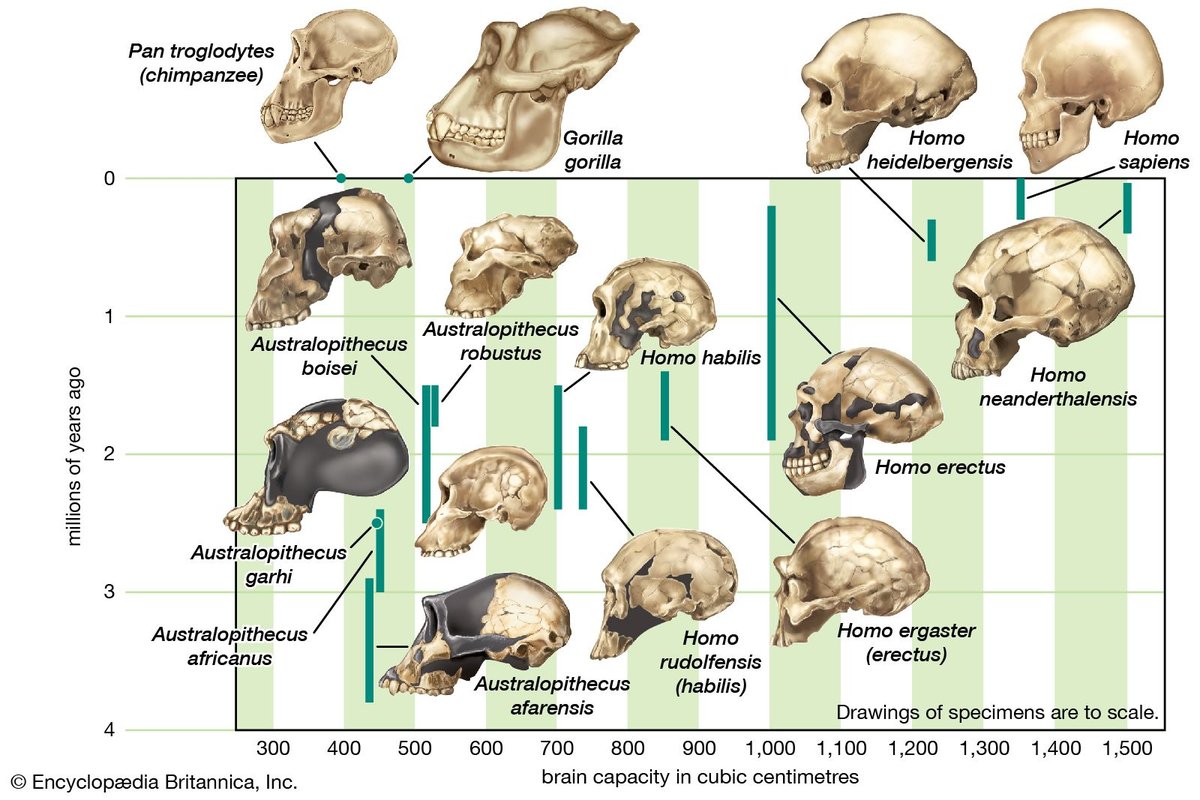
Turkana Boy (KNM-WT 15000)
quaternary
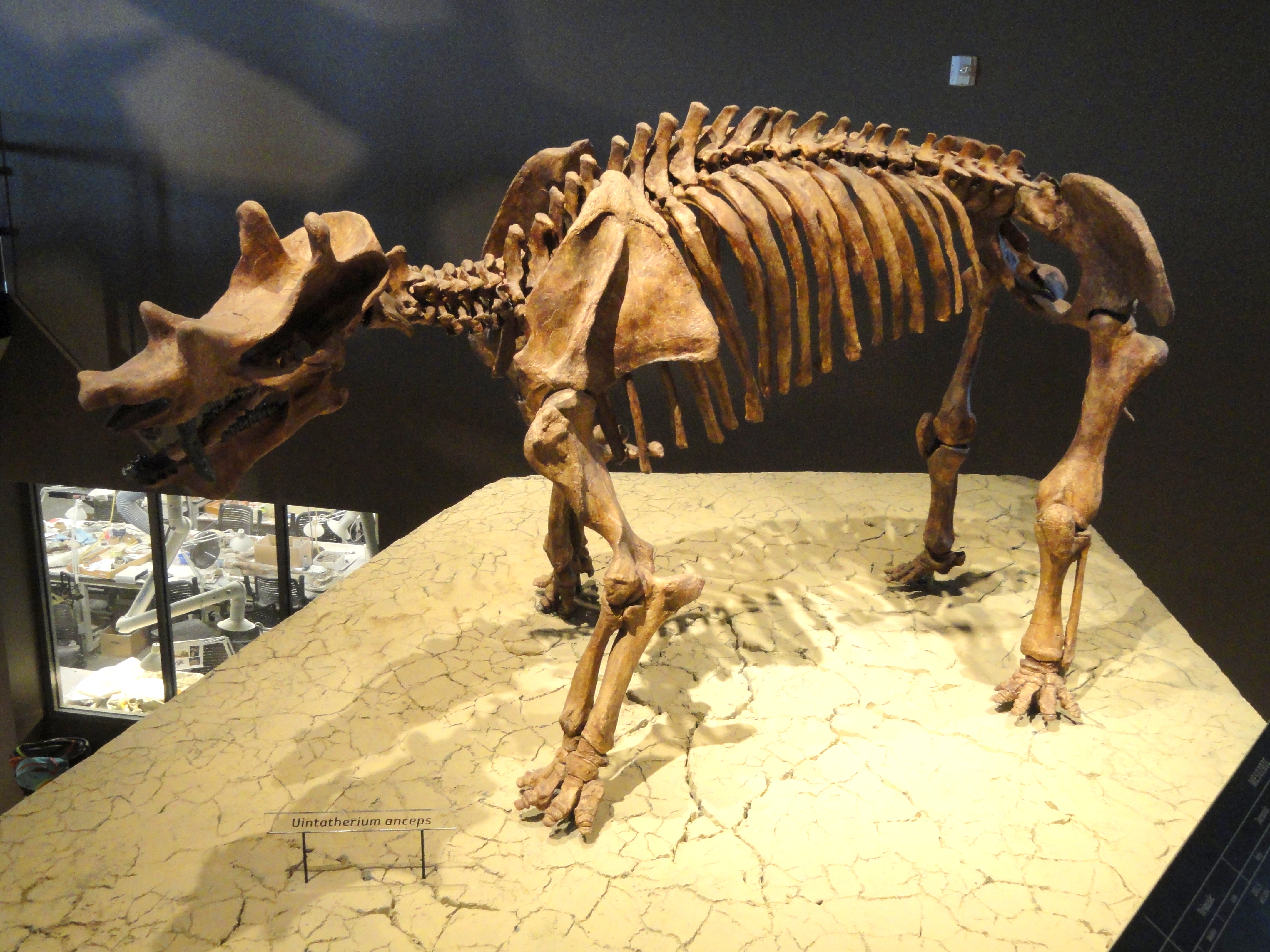
Uintatherium
paleogene
/bed7088e21a4.png)
Ursus spelaeus (Cave Bear)
quaternary
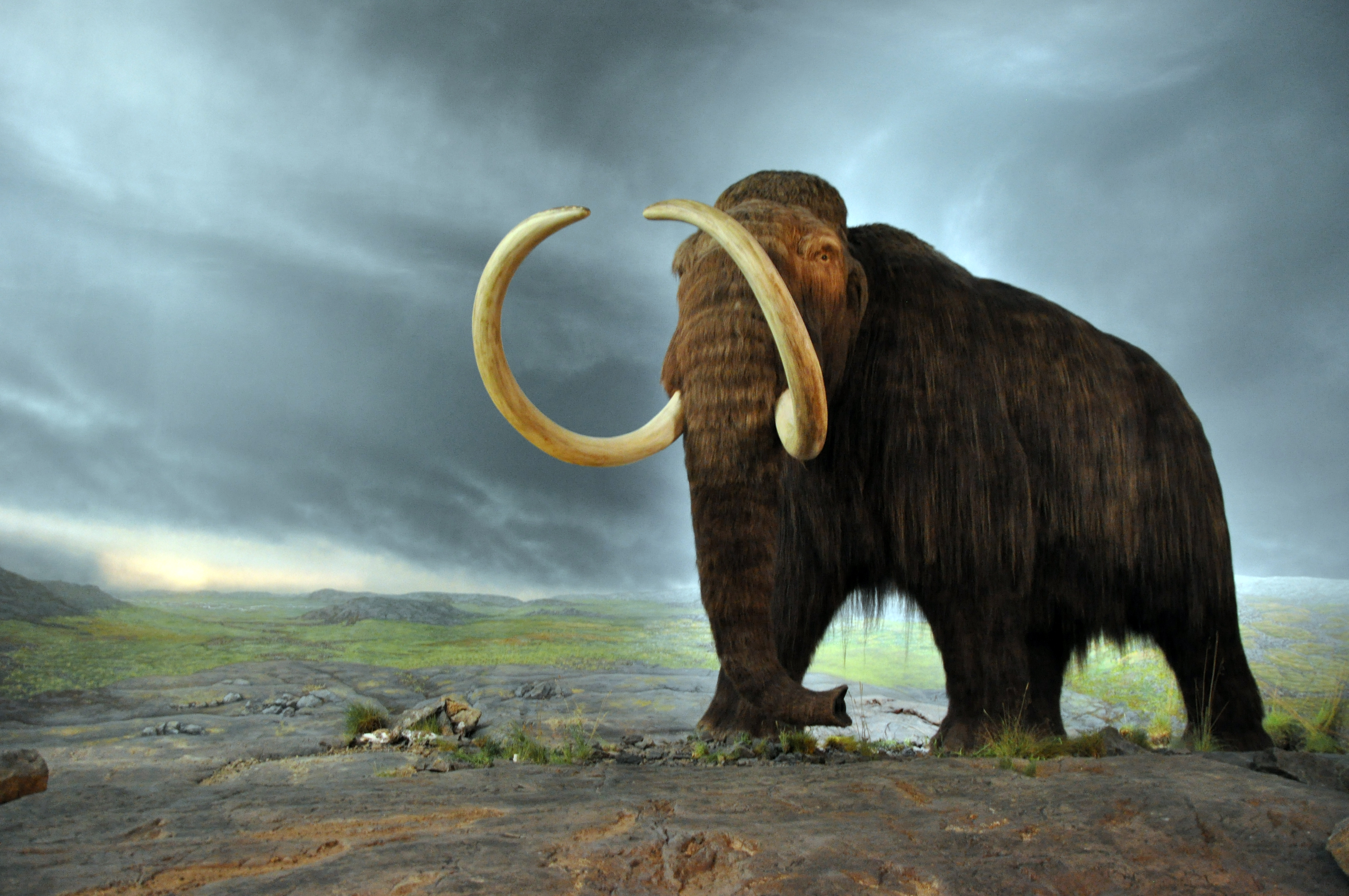
Woolly Mammoth
quaternary
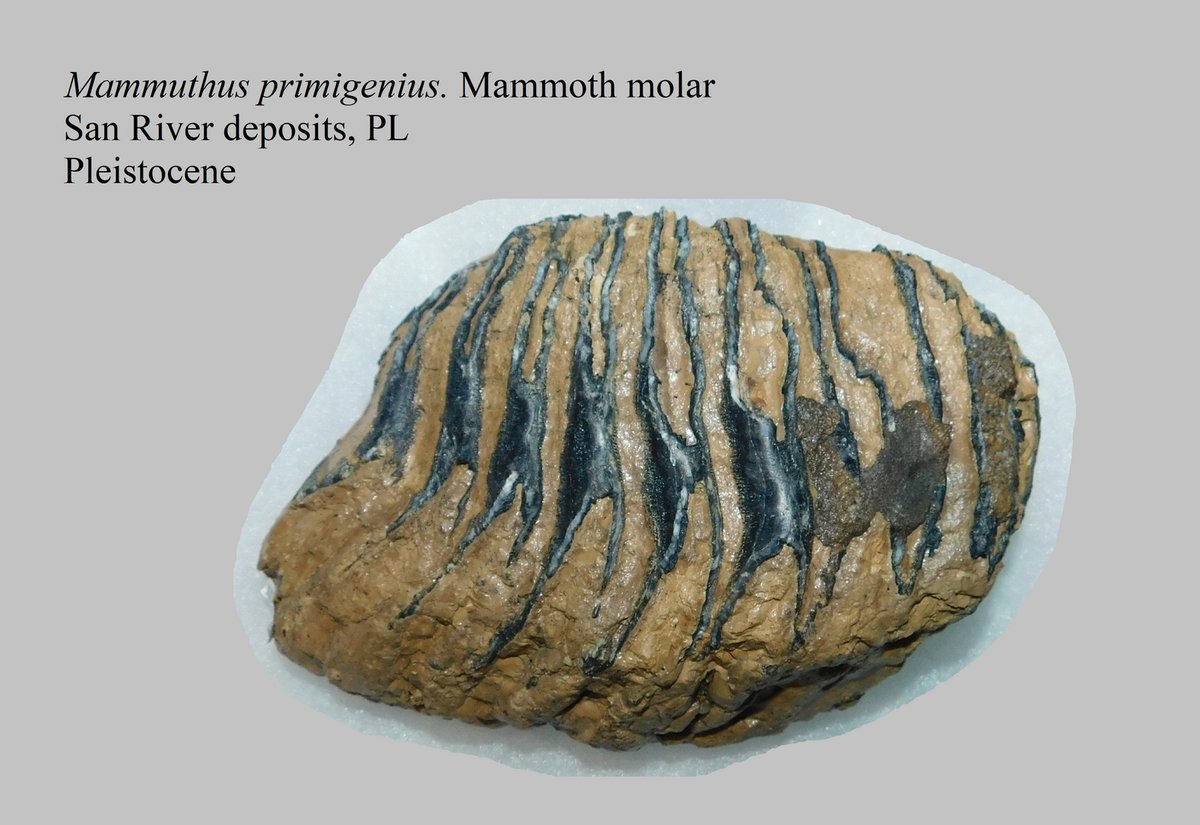
Woolly Mammoth (Mammuthus)
quaternary

Woolly Rhinoceros
quaternary