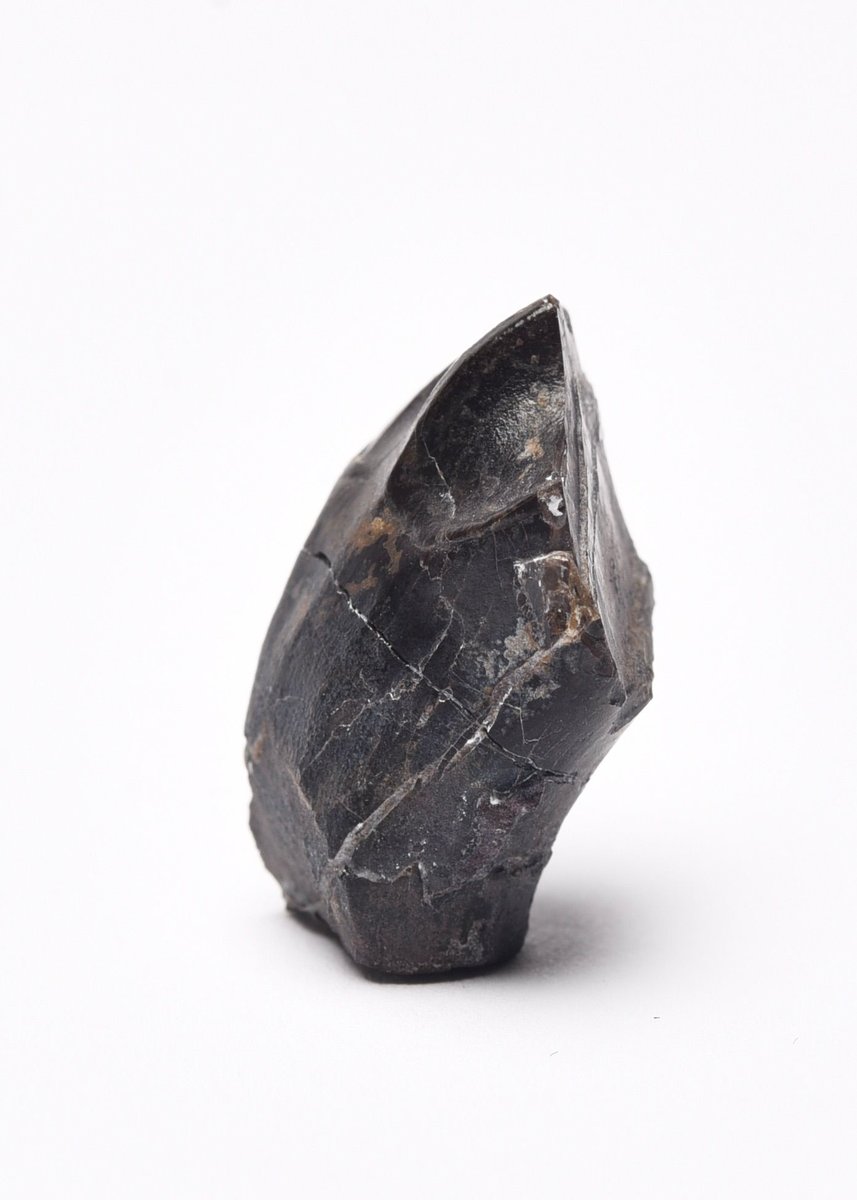
Indricotherium
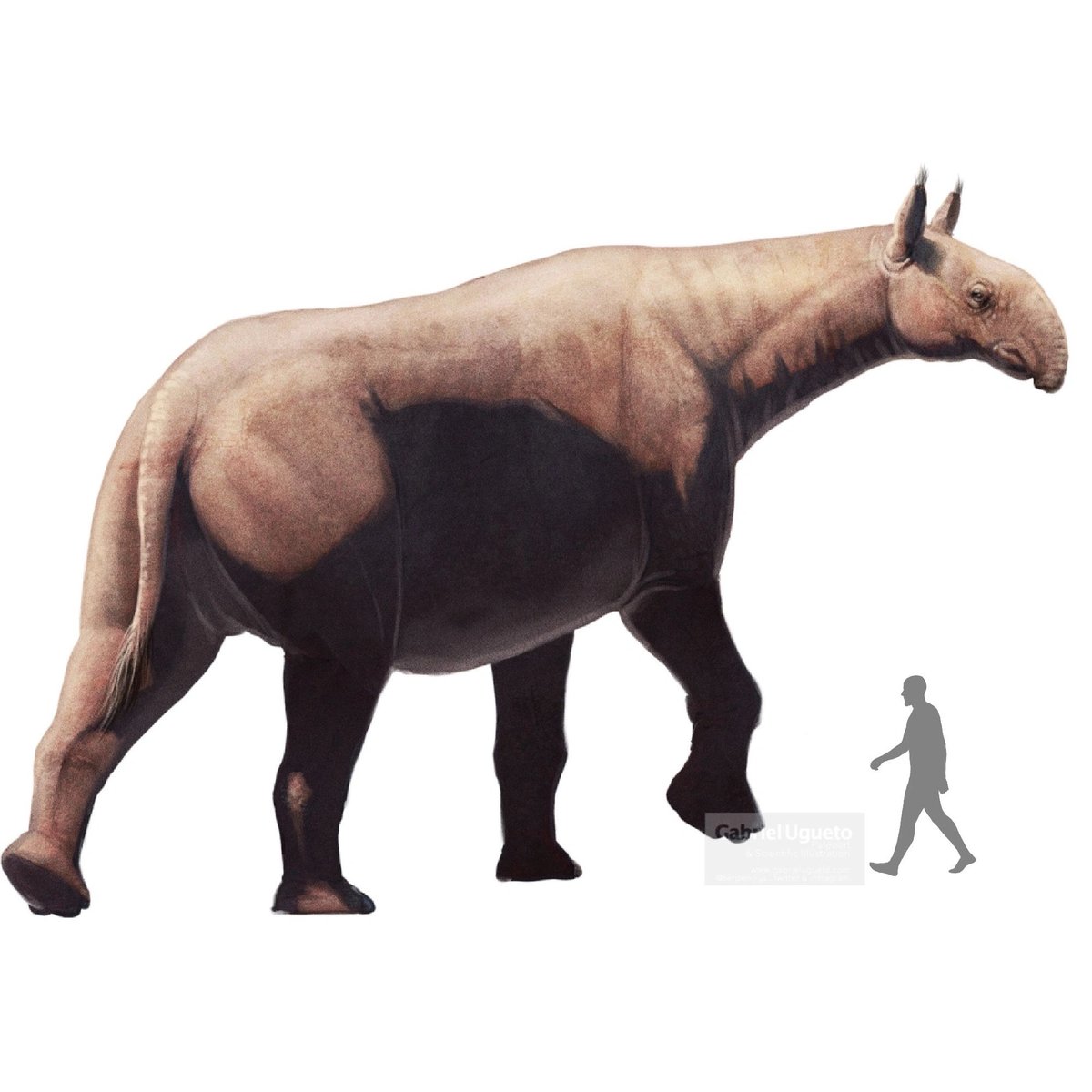
Paraceratherium transouralicum
Image: Image sourced via web search (Fair use / Educational)
About Indricotherium
Indricotherium, more formally known by its scientific name Paraceratherium transouralicum, represents the largest land mammal known to have ever walked the Earth. This colossal herbivore inhabited the woodlands and plains of Eurasia during the Oligocene epoch of the Paleogene period, approximately 34 to 23 million years ago. Its immense size and unique evolutionary position as a hornless rhinoceros make it a subject of profound interest in paleontology, offering critical insights into the limits of mammalian gigantism and the ancient ecosystems of the Cenozoic Era.
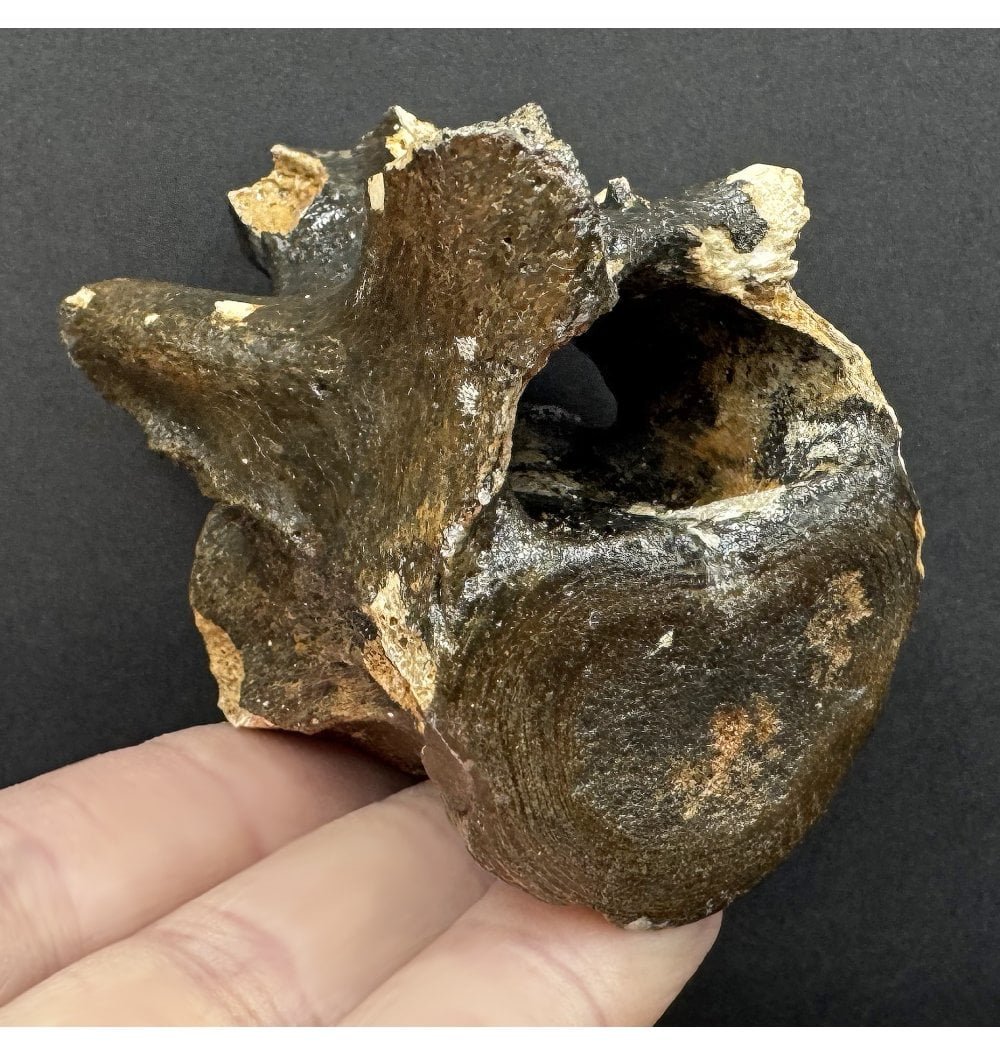
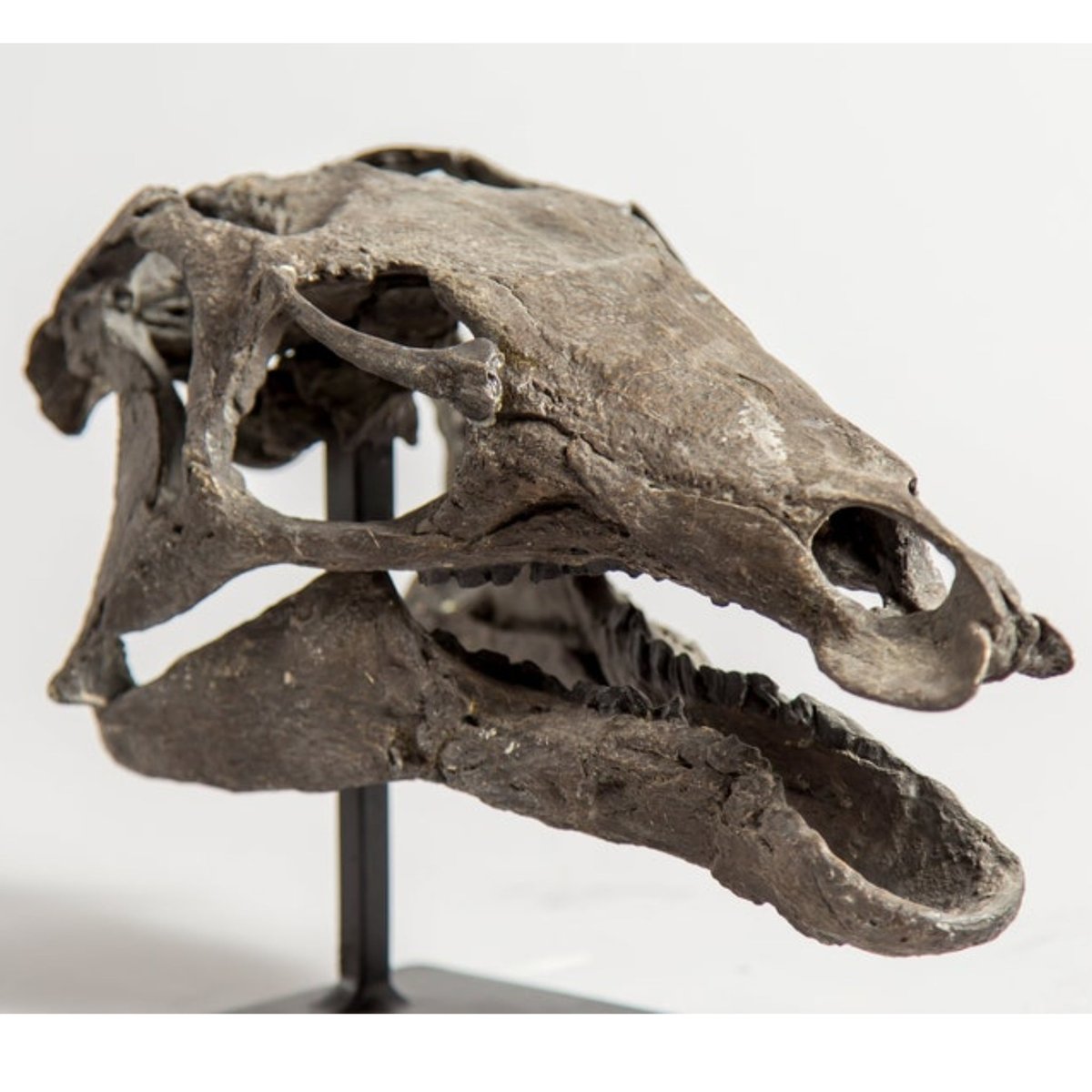
Paraceratherium was a creature of truly staggering proportions, dwarfing even the largest modern land animals like elephants and rhinoceroses. Estimates based on composite skeletons suggest a shoulder height of around 4.8 to 5 meters (16 to 16.4 feet) and a total body length of 7.4 to 8 meters (24 to 26 feet) from nose to tail. Weight estimates are more variable but generally converge in the range of 15 to 20 metric tons (33,000 to 44,000 pounds), with some upper-end calculations suggesting it could have reached 24 tons, rivaling the mass of medium-sized sauropod dinosaurs. Its skull alone was massive, measuring about 1.3 meters (4.3 feet) in length, yet it was proportionally small for its body size and lacked any horns. The skull was long and low, with a distinctive dome on the forehead and a retracted nasal opening, suggesting the presence of a muscular, prehensile upper lip or a short proboscis for grasping foliage. Its dentition included a pair of large, tusk-like incisors in both the upper and lower jaws, which pointed downwards and forwards, likely used for stripping leaves or defense. The animal's neck was long and powerfully muscled, supporting the heavy head and allowing it to browse on high branches. Its limbs were pillar-like and robust, designed to support its immense weight, with three-toed feet similar to those of modern rhinos.
The paleobiology of Paraceratherium was dictated by its gigantism and herbivorous diet. As a high browser, its long neck and towering stature gave it access to a food source unavailable to most contemporary herbivores. It likely fed on the leaves, soft shoots, and bark of trees and tall shrubs, using its prehensile upper lip and tusk-like incisors to strip vegetation. Isotopic analysis of tooth enamel confirms a diet of C3 plants, consistent with a woodland or forested environment. Its digestive system would have been extensive, requiring a large gut to process the vast quantities of low-nutrition, fibrous plant matter needed to sustain its massive body. Locomotion was likely slow and deliberate, a graviportal (weight-bearing) stance similar to modern elephants, designed for efficiency over speed. Given its size, an adult Paraceratherium would have been virtually immune to predation. Social behavior is speculative, but like modern elephants, they may have lived in small family groups or as solitary individuals, congregating near water sources. Growth patterns would have been prolonged, taking many years to reach full adult size, with a long lifespan necessary to support such a slow reproductive cycle. Its metabolism was likely lower than that of smaller mammals to manage heat dissipation from its enormous body mass.
Paraceratherium lived during the Oligocene, a time of global cooling and drying following the warmer Eocene epoch. Its habitat across Eurasia consisted of a mosaic of environments, from subtropical woodlands and riverine forests to more open, arid scrublands. The climate was generally temperate to warm, supporting lush vegetation that could sustain such large herbivores. The geography of the time was different, with the Tethys Sea separating Africa and Eurasia, and the nascent Himalayan mountain range beginning its uplift due to the collision of the Indian and Asian tectonic plates. Paraceratherium shared its ecosystem with a diverse fauna. Other large mammals included chalicotheres (odd-toed ungulates with clawed feet), entelodonts (large, omnivorous 'hell pigs'), and early members of the elephant and deer families. Predators in this environment, such as large hyaenodonts and amphicyonids ('bear-dogs'), would have posed a threat primarily to young, old, or sick individuals, as a healthy adult Paraceratherium would have been an insurmountable target. As a mega-herbivore, it was a keystone species, profoundly shaping its environment by clearing vegetation, creating pathways, and dispersing seeds, much like elephants do in modern ecosystems.
The discovery history of Paraceratherium is complex, marked by multiple independent discoveries and a convoluted naming history. The first fossils, parts of a jaw and teeth, were found in the Bugti Hills of Balochistan (in modern-day Pakistan) by British geologist Guy Ellcock Pilgrim in 1907-1908. He initially named the creature Aceratherium bugtiense in 1910, believing it to be a large, hornless rhinoceros. A year later, in 1911, British paleontologist Clive Forster-Cooper established the new genus Paraceratherium for these remains. Meanwhile, Russian paleontologists were making their own discoveries. In 1915, Alexei Borissiak discovered fossils in the Turgai region of Kazakhstan and named them Indricotherium transouralicum in 1916, after a mythical Russian beast, the 'Indrik'. For decades, Indricotherium and Paraceratherium were considered separate genera. It was not until the mid-20th century, through the work of paleontologists like Walter Granger and later Spencer G. Lucas, that a consensus emerged. After careful comparison of the growing fossil evidence from across Asia, it was determined that the various named genera, including Baluchitherium, represented the same animal. By the rules of zoological nomenclature, the earliest valid name, Paraceratherium, took precedence, though the name Indricotherium remains widely recognized in popular culture.
Paraceratherium holds a crucial place in the evolutionary history of mammals. It belongs to the family Hyracodontidae, a group of extinct, long-legged, hornless relatives of modern rhinoceroses. This family is part of the larger order Perissodactyla, the odd-toed ungulates, which also includes horses and tapirs. Paraceratherium represents the evolutionary pinnacle of gigantism within this lineage and, indeed, among all terrestrial mammals. Its evolution demonstrates a clear trend towards increasing body size, likely driven by an abundance of food resources and a lack of significant predation pressure. The development of its long neck and pillar-like limbs are classic examples of adaptive radiation to fill the ecological niche of a high-browsing mega-herbivore, a role previously dominated by sauropod dinosaurs in the Mesozoic. The extinction of Paraceratherium around 23 million years ago is thought to be linked to significant environmental changes, including global cooling, the expansion of grasslands at the expense of forests, and geological shifts like the continued uplift of the Himalayas, which altered climate patterns and disrupted their food supply. It has no direct modern descendants, as its specific subfamily, Indricotheriinae, died out completely.
The primary scientific debate surrounding Paraceratherium has been its taxonomy. For much of the 20th century, paleontologists argued over whether Paraceratherium, Indricotherium, and Baluchitherium were distinct genera or simply different species or sexes of the same animal. The current consensus, championed by researchers like Spencer G. Lucas, is that they all belong to a single genus, Paraceratherium, with several recognized species (e.g., P. transouralicum, P. bugtiense). However, some debate continues regarding the exact number of valid species and their relationships. Another area of discussion involves its appearance and behavior. The presence and nature of a prehensile lip or short trunk, inferred from the retracted nasal bones, is still debated, as soft tissues rarely fossilize. Similarly, estimates of its weight and locomotion speed are subject to revision as new biomechanical modeling techniques are developed, leading to a range of figures in scientific literature.
The fossil record of Paraceratherium is geographically widespread but often fragmentary. Significant remains have been unearthed across Eurasia, from the Balkans through the Caucasus, Turkey, Iran, Kazakhstan, Pakistan, India, Mongolia, and China. This vast range indicates the genus was highly successful during the Oligocene. While complete, articulated skeletons are exceptionally rare, numerous partial skeletons, skulls, jaws, and isolated bones have been found. The quality of preservation is generally good, allowing for detailed anatomical study. Famous fossil sites include the Bugti Hills in Pakistan, the Turgai Plateau in Kazakhstan, and various formations in the Gobi Desert of Mongolia and China. The abundance of fossils from different locations has been crucial in resolving the taxonomic confusion and building a comprehensive picture of this giant mammal's anatomy and distribution.
Paraceratherium, often still called Indricotherium, has captured the public imagination as the ultimate mammalian giant. It is a staple in paleontological documentaries, including the BBC's 'Walking with Beasts', where it was prominently featured, cementing its image in popular culture. Major natural history museums around the world, such as the American Museum of Natural History in New York and the Natural History Museum in London, feature impressive skeletal mounts or life-sized reconstructions that convey its incredible scale to visitors. Its sheer size makes it a powerful educational tool for teaching concepts of evolution, adaptation, and extinction, showcasing the remarkable diversity of life that has existed on our planet.
Classification
Time Period
Discovery
Location
Kazakhstan
Formation
Turgai Formation
Frequently Asked Questions
What is Indricotherium?
Indricotherium, more formally known by its scientific name Paraceratherium transouralicum, represents the largest land mammal known to have ever walked the Earth. This colossal herbivore inhabited the woodlands and plains of Eurasia during the Oligocene epoch of the Paleogene period, approximately 3...
When did Indricotherium live?
Indricotherium lived during the paleogene period of the cenozoic era approximately 34-23 million years ago.
Where was Indricotherium discovered?
Fossils of Indricotherium were discovered in Kazakhstan in the Turgai Formation.
What did Indricotherium eat?
Indricotherium was a herbivore. It lived in terrestrial habitats.
What type of fossil is Indricotherium?
Indricotherium is preserved as a body fossil. The preservation quality is good.
Related Specimens
From the cenozoic era · body fossils