Cretoxyrhina
Cretoxyrhina mantelli
Image: Image sourced via web search (Fair use / Educational)
About Cretoxyrhina
Cretoxyrhina, commonly known as the Ginsu Shark, was a formidable apex predator that patrolled the world's oceans during the mid-to-late Cretaceous period, approximately 107 to 73 million years ago. As one of the largest and most successful lamniform sharks of the Mesozoic era, it represents a pinnacle of cartilaginous fish evolution prior to the end-Cretaceous mass extinction. Its extensive fossil record, particularly from the shallow epicontinental seas of North America, has provided paleontologists with unprecedented insights into the dynamics of ancient marine ecosystems. The significance of Cretoxyrhina in paleontology cannot be overstated, as it serves as a crucial benchmark for understanding the evolutionary trajectory of modern mackerel sharks, including the iconic Great White Shark, while also illuminating the complex predator-prey relationships that defined the perilous waters of the Cretaceous world.
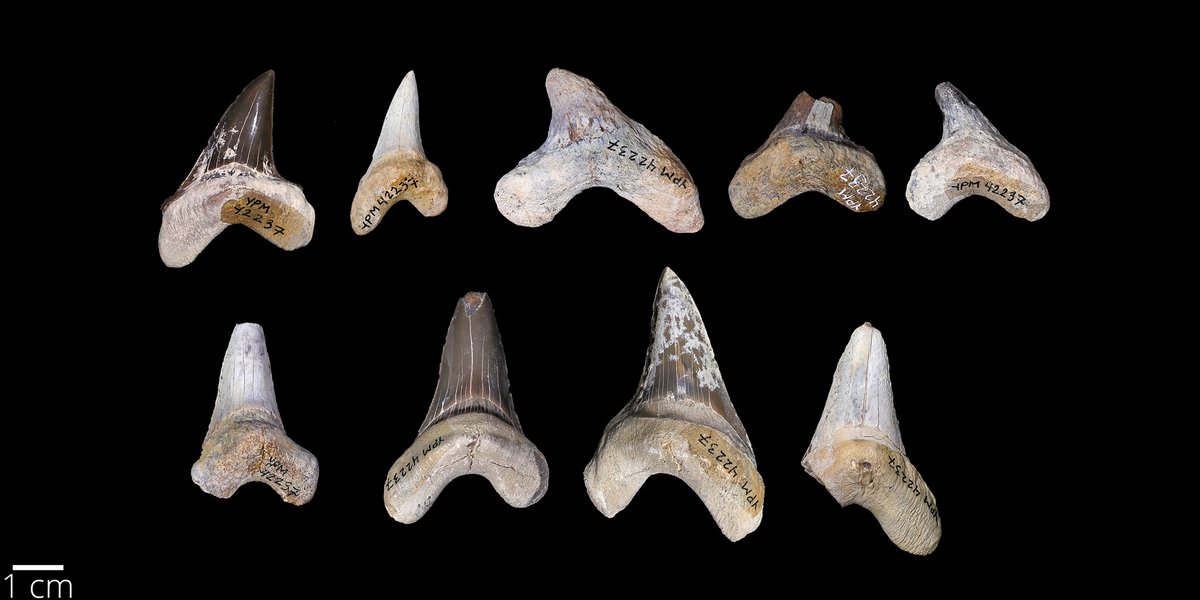
The physical anatomy of Cretoxyrhina mantelli was nothing short of spectacular, combining immense size with a highly streamlined, hydrodynamic morphology optimized for high-speed pursuit. Adult specimens are estimated to have reached lengths of 7 to 8 meters (approximately 23 to 26 feet), making them comparable in size to, or slightly larger than, the largest recorded modern Great White Sharks. Weight estimates suggest these massive predators could have exceeded 3,000 to 4,000 kilograms. The most distinctive feature of Cretoxyrhina was its formidable dentition. Its jaws were lined with rows of smooth-edged, razor-sharp teeth that could measure up to 7 centimeters in length. Unlike the serrated teeth of modern apex sharks, the teeth of Cretoxyrhina were robust, broad, and incredibly sharp, perfectly adapted for slicing through the thick flesh and bone of large marine reptiles and bony fishes. The skeletal characteristics of this shark, while primarily composed of cartilage, have been remarkably well-preserved in certain geological formations. These rare cartilaginous remains reveal a heavily calcified vertebral column, which provided the structural rigidity necessary for powerful, sustained swimming. Soft tissue inferences, drawn from the shape of its preserved vertebrae and the overall body proportions, suggest a torpedo-shaped, fusiform body with a large, crescent-shaped caudal fin. This tail structure is characteristic of fast-swimming pelagic sharks, indicating that Cretoxyrhina possessed the muscular power to launch devastating ambush attacks and engage in prolonged pursuits across the open ocean.
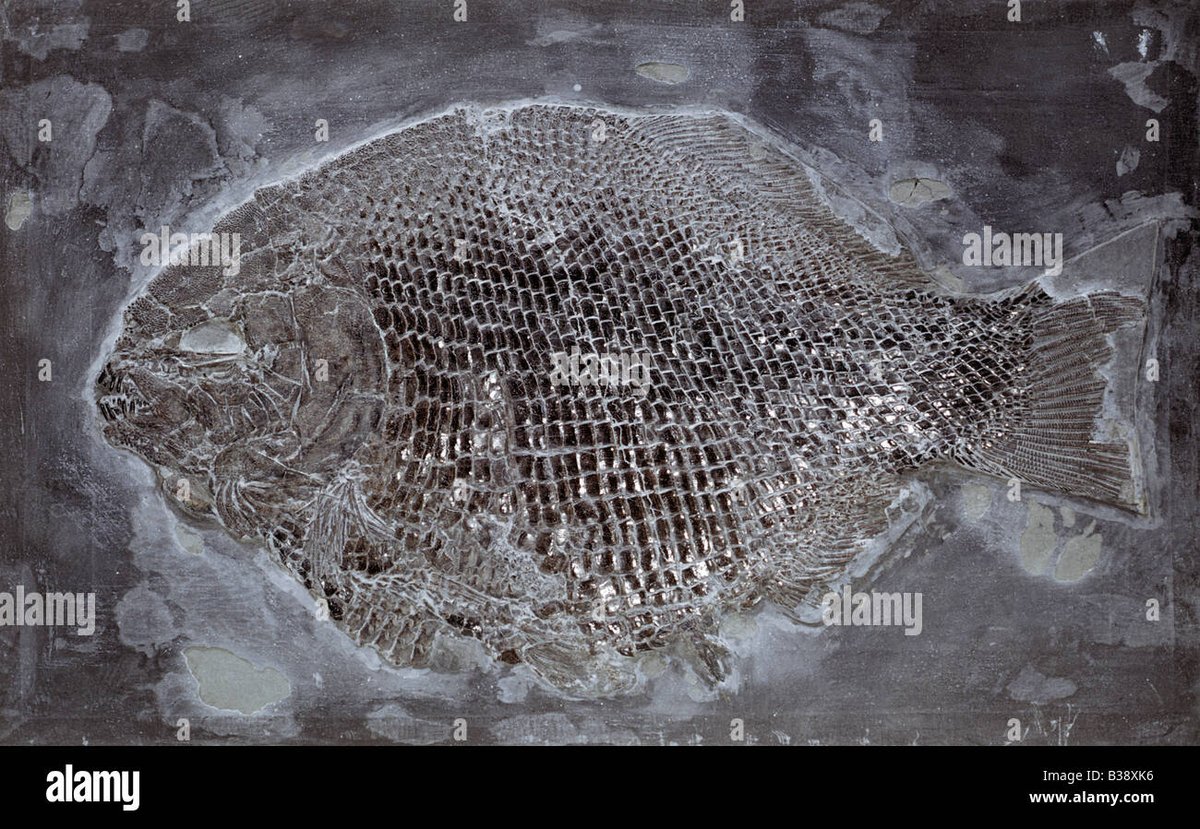
The paleobiology of Cretoxyrhina paints a picture of a highly active, voracious carnivore that dominated its environment. Its diet was exceptionally diverse, encompassing almost any creature it could overpower. Fossil evidence, including bite marks and embedded teeth, conclusively demonstrates that Cretoxyrhina actively hunted and scavenged large marine reptiles, such as mosasaurs (like Clidastes and Tylosaurus) and plesiosaurs, as well as massive bony fishes like the formidable Xiphactinus. The hunting strategies of the Ginsu Shark likely mirrored those of modern lamniforms, utilizing a combination of stealth, speed, and devastating initial strikes to incapacitate prey before it could mount a defense or escape. Locomotion was driven by its powerful caudal fin, allowing for rapid bursts of acceleration. Furthermore, paleontologists strongly suspect that Cretoxyrhina, like some modern mackerel sharks, possessed a degree of regional endothermy. This adaptation would have allowed the shark to conserve metabolic heat generated by its swimming muscles, maintaining a body temperature higher than the surrounding water. Such an elevated metabolism would have conferred significant advantages, including increased cruising speeds, faster digestion, and the ability to hunt effectively in a wider range of water temperatures and depths. Growth patterns, analyzed through the growth rings (band pairs) in their calcified vertebrae, indicate a relatively rapid growth rate during juvenile stages, likely an evolutionary necessity to quickly outgrow the vulnerable size range where they might fall prey to larger adult sharks or giant marine reptiles. Social behavior inferences are speculative, but like many large pelagic sharks, they were likely solitary hunters, perhaps congregating only in areas of high prey density or during specific mating seasons.
The ecological context of Cretoxyrhina is deeply intertwined with the dynamic and vibrant marine environments of the Late Cretaceous period. During this time, global temperatures were significantly higher than today, resulting in high sea levels that flooded continental interiors. The most famous habitat of Cretoxyrhina was the Western Interior Seaway, a massive, shallow inland sea that split the North American continent into two landmasses, Laramidia to the west and Appalachia to the east. This sunlit, nutrient-rich seaway supported an incredibly productive and diverse food web. At the base were abundant phytoplankton and zooplankton, which supported massive schools of small fish and squid. These, in turn, fed a staggering array of secondary consumers, including diving birds like Hesperornis, giant marine turtles such as Archelon, and a variety of medium-sized predatory fishes. Cretoxyrhina occupied the very apex of this complex food web, sharing its top-tier status with the giant mosasaurs that eventually came to dominate the later stages of the Cretaceous. The predator-prey relationships in this ecosystem were intense and unforgiving. Cretoxyrhina was not only a hunter but also a competitor. It had to contend with other formidable predators, such as the giant predatory fish Xiphactinus, which could grow up to 6 meters in length. The fossil record provides direct evidence of these interactions, with Cretoxyrhina teeth found embedded in the bones of both Xiphactinus and various marine reptiles, highlighting a brutal, high-stakes environment where survival depended on size, speed, and ferocity.
The discovery history of Cretoxyrhina mantelli is a fascinating journey through the early days of paleontology. The genus and species were first formally described and named in 1843 by the renowned Swiss-American naturalist Louis Agassiz in his monumental work on fossil fishes, 'Recherches sur les poissons fossiles.' Agassiz based his description on isolated teeth discovered in the chalk deposits of England. The specific epithet, 'mantelli,' was chosen to honor Gideon Mantell, the famous English paleontologist who discovered the dinosaur Iguanodon and who had provided Agassiz with the initial specimens. However, the true nature and immense size of this shark remained largely obscured until the late 19th and early 20th centuries, when spectacular discoveries were made in the United States. The Niobrara Chalk formation in Kansas yielded some of the most extraordinary shark fossils ever found. Legendary fossil hunters, including Charles H. Sternberg and his son George F. Sternberg, unearthed remarkably complete specimens that included not just teeth, but articulated jaws, calcified vertebrae, and even the outlines of the shark's body preserved in the chalk. One of the most significant specimens, discovered by George Sternberg in 1890, consisted of a nearly complete vertebral column and over 250 associated teeth, providing the first definitive proof of the animal's massive proportions and allowing scientists to reconstruct its jaws with unprecedented accuracy. These discoveries shifted the focus of Cretoxyrhina research from Europe to North America, cementing its status as a premier predator of the Western Interior Seaway.
The evolutionary significance of Cretoxyrhina lies in its position within the order Lamniformes, the mackerel sharks. This group includes some of the most famous and ecologically important sharks alive today, such as the Great White, Mako, and Thresher sharks. Cretoxyrhina represents a highly specialized, early offshoot of the lamniform lineage that achieved massive size and apex predator status millions of years before the evolution of the modern Great White or the extinct megalodon. Studying Cretoxyrhina provides crucial data on the evolutionary plasticity of sharks and their ability to rapidly adapt to vacant ecological niches. During the mid-Cretaceous, the oceans were undergoing significant faunal turnovers. The decline of the ichthyosaurs and the early, smaller pliosaurs created an opening for new apex predators. Cretoxyrhina evolved to fill this void, developing transitional features that bridge the gap between more primitive, smaller Mesozoic sharks and the highly derived, giant lamniforms of the Cenozoic era. Its smooth, robust teeth represent an evolutionary strategy distinct from the serrated teeth of later apex sharks, suggesting a different method of processing prey—relying more on brute force and slicing rather than the sawing action of serrated edges. Ultimately, the lineage of Cretoxyrhina did not survive the changing oceans of the Late Cretaceous. As the Western Interior Seaway began to retreat and the climate cooled, and as the giant mosasaurs became increasingly dominant and diverse, Cretoxyrhina populations declined, leading to their extinction around 73 million years ago, well before the asteroid impact that wiped out the non-avian dinosaurs.
Scientific debates surrounding Cretoxyrhina have often centered on its exact size limits, its metabolic capabilities, and its precise taxonomic relationships. For many years, estimating the maximum size of fossil sharks based solely on isolated teeth was a contentious issue, leading to widely varying length estimates. The discovery of more complete vertebral columns helped standardize these estimates, but debates still occasionally arise regarding the maximum potential size of the oldest and largest individuals. Another major area of ongoing controversy involves the extent of its endothermy. While most paleontologists agree that its body shape and ecological niche strongly imply regional endothermy, quantifying the exact degree of warm-bloodedness remains challenging without living specimens. Furthermore, taxonomic disputes have occasionally surfaced regarding the classification of various isolated teeth assigned to the genus Cretoxyrhina, with some researchers arguing that certain variations represent distinct species, while others maintain they are merely variations within a single, highly variable species, Cretoxyrhina mantelli, influenced by the shark's age, sex, or geographic location.
The fossil record of Cretoxyrhina is exceptionally robust for a cartilaginous fish, primarily due to the unique taphonomic conditions of the environments it inhabited. While its fossils have been found globally, including in Europe, Africa, and South America, the most famous and well-preserved specimens originate from the Smoky Hill Chalk Member of the Niobrara Formation in Kansas, USA. Here, the anoxic conditions of the sea floor allowed for the exceptional preservation of not just the hard enameloid of the teeth, but also the calcified cartilage of the vertebrae, jaws, and occasionally even dermal denticles. Hundreds of specimens are known, ranging from isolated shed teeth—which are highly common due to the continuous tooth replacement cycle of sharks—to rare, nearly complete articulated skeletons. These exceptional sites have provided a wealth of data, allowing researchers to study the shark's ontogeny, diet, and pathology. The preservation quality in the Niobrara chalk is often rated as excellent to exceptional, making it one of the most important windows into Late Cretaceous marine life.
The cultural impact of Cretoxyrhina is notable, particularly among paleontology enthusiasts and marine biology aficionados. It earned the popular nickname 'Ginsu Shark' in the late 20th century, coined by paleontologists Mike Everhart and Kenshu Shimada, in a humorous reference to the famous Ginsu knife commercials, highlighting the shark's ability to slice through the bones of its prey. Cretoxyrhina frequently appears in paleontology documentaries, such as 'Sea Monsters: A Prehistoric Adventure,' where it is accurately depicted as a terrifying apex predator. Notable museum displays, including spectacular reconstructed jaws and articulated skeletons, can be found at the Sternberg Museum of Natural History in Kansas and the Field Museum in Chicago, where they continue to captivate the public and serve as vital educational tools illustrating the ancient history of sharks.
Classification
Time Period
Discovery
Location
England
Formation
Niobrara Formation
Frequently Asked Questions
What is Cretoxyrhina?
Cretoxyrhina, commonly known as the Ginsu Shark, was a formidable apex predator that patrolled the world's oceans during the mid-to-late Cretaceous period, approximately 107 to 73 million years ago. As one of the largest and most successful lamniform sharks of the Mesozoic era, it represents a pinna...
When did Cretoxyrhina live?
Cretoxyrhina lived during the cretaceous period of the mesozoic era approximately 107-73 million years ago.
Where was Cretoxyrhina discovered?
Fossils of Cretoxyrhina were discovered in England in the Niobrara Formation.
What did Cretoxyrhina eat?
Cretoxyrhina was a carnivore. It lived in marine habitats.
What type of fossil is Cretoxyrhina?
Cretoxyrhina is preserved as a body fossil. The preservation quality is excellent.
Related Specimens
From the mesozoic era · body fossils
/7725c8fee486.jpg)