Dapedium
Dapedium politum
Image: Image sourced via web search (Fair use / Educational)
About Dapedium
Dapedium politum is an extinct species of primitive ray-finned fish that thrived in the shallow epicontinental seas of the Early Jurassic period, approximately 200 to 183 million years ago. First discovered in the rich fossil beds of the United Kingdom, particularly around the famous Jurassic Coast of Lyme Regis, this organism represents a crucial chapter in the evolutionary history of neopterygian fishes. Its deep-bodied, heavily armored form makes it a highly recognizable and significant taxon for paleontologists studying Mesozoic marine ecosystems and the morphological diversification of early actinopterygians following the devastating Triassic-Jurassic mass extinction event. As a prominent member of the Early Jurassic marine fauna, Dapedium provides invaluable insights into the ecological recovery and subsequent radiation of marine vertebrates during a time when the world's oceans were undergoing profound biological and chemical transformations. The genus name, derived from the Greek word 'dapedon' meaning 'pavement', perfectly encapsulates the creature's most striking feature: its dense covering of thick, interlocking enameled scales that resembled a cobblestone street. This remarkable organism stands as a testament to the evolutionary experimentation of early ray-finned fishes, showcasing a highly specialized morphology that allowed it to successfully exploit specific ecological niches in the ancient Tethys Ocean and its peripheral shallow seas.
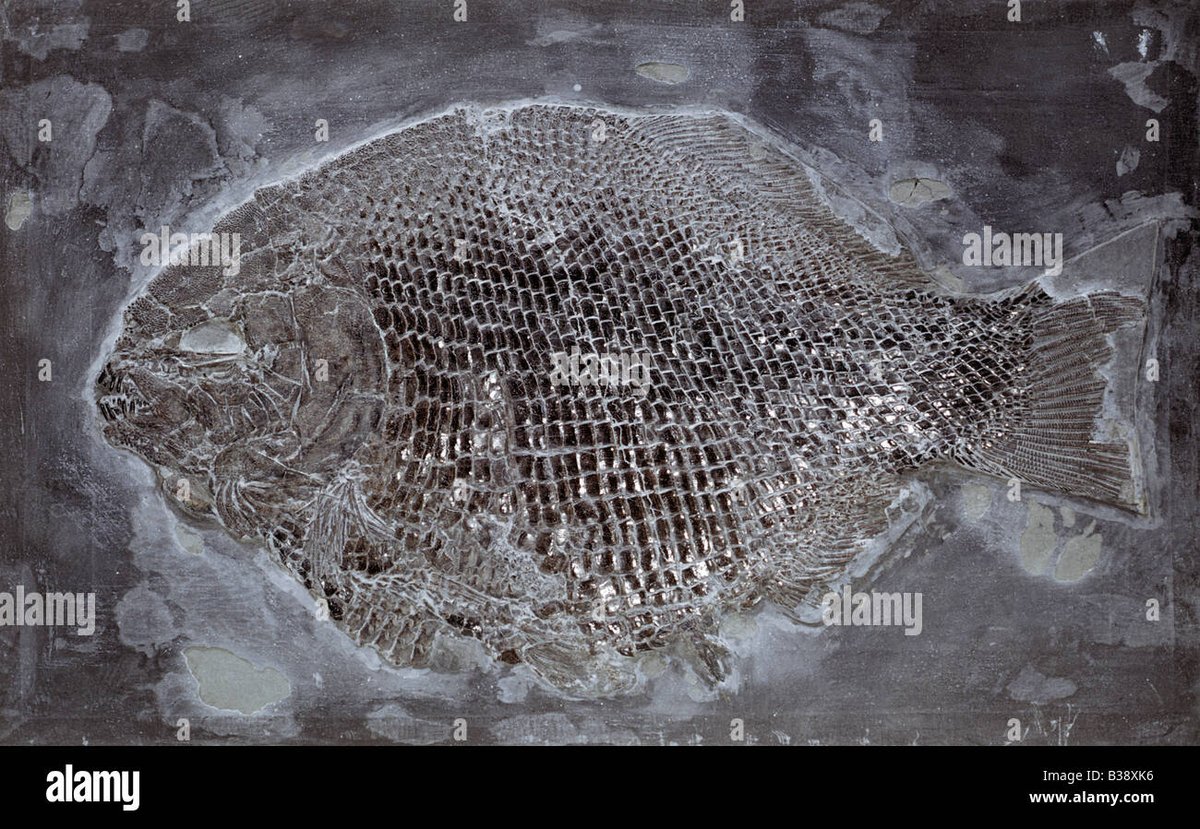
In terms of physical description, Dapedium politum was a visually striking animal, characterized by a highly compressed, laterally flattened, and almost perfectly circular or disc-like body shape. Adult specimens typically reached lengths of approximately 30 to 40 centimeters, though some related species within the genus could grow slightly larger. The estimated weight of a fully grown Dapedium politum would have been around 2 to 4 kilograms, depending on the specific robustness of the individual and its nutritional state before death. The most distinctive feature of Dapedium was undoubtedly its heavy dermal armor. The entire body was encased in a tough, inflexible suit of ganoid scales—thick, rhomboidal plates covered in a layer of hard, shiny enamel-like substance called ganoine. These scales articulated with one another via a complex peg-and-socket mechanism, providing exceptional protection against the formidable predators of the Early Jurassic seas, albeit at the cost of overall body flexibility. The skull of Dapedium was heavily ossified, featuring a short, blunt snout and a relatively small mouth armed with robust, peg-like teeth protruding from the jaws. These teeth were perfectly adapted for a crushing bite rather than piercing or slicing. The fins of Dapedium were relatively small compared to its massive body depth. The dorsal and anal fins were elongated and positioned far back on the body, close to the symmetrical, fan-shaped caudal fin. The pectoral and pelvic fins were situated low on the body profile. When compared to modern animals, the overall body plan of Dapedium strongly resembles that of extant reef-dwelling fishes like the marine angelfish, butterflyfish, or the freshwater discus fish, though Dapedium was far more heavily armored and lacked the advanced jaw protrusion mechanisms seen in these modern teleosts. Soft tissue inferences suggest a muscular but rigid body, relying on the coordinated movements of its median and paired fins for precise maneuvering rather than rapid, sustained swimming.
Paleobiological analyses of Dapedium politum reveal a highly specialized lifestyle adapted to the complex benthic environments of the Early Jurassic. Based on its robust jaw structure and the presence of sturdy, peg-like teeth, paleontologists confidently classify Dapedium as a durophagous carnivore—an animal specialized in eating hard-shelled organisms. Its diet likely consisted primarily of benthic invertebrates such as bivalves, gastropods, small crustaceans, and possibly echinoderms that inhabited the sea floor and submerged reef structures. The strong jaw adductor muscles, inferred from the broad attachment areas on the skull roof and palate, would have provided the immense bite force necessary to crush the protective shells of its prey. In terms of locomotion, the rigid, heavily armored body of Dapedium indicates that it was not a fast, pursuit-style swimmer. Instead, its deep, laterally compressed body and the specific arrangement of its fins suggest it was a highly maneuverable, slow-cruising fish. It likely hovered and navigated carefully through complex underwater topographies, such as sponge reefs, crinoid meadows, and rocky outcrops, using its pectoral fins for precise positioning while searching for hidden or attached prey. This mode of life is analogous to modern triggerfish or pufferfish. Social behavior in Dapedium is difficult to infer directly from the fossil record, but the frequent discovery of multiple individuals in close proximity within certain fossil beds suggests they may have congregated in favorable feeding grounds or perhaps formed loose shoals for added protection, despite their heavy armor. Growth patterns, analyzed through the microscopic study of growth rings in their ganoid scales and otoliths (ear bones), indicate a relatively slow growth rate and a potentially long lifespan, consistent with a low-metabolism, heavily armored lifestyle. Their metabolic rate was likely lower than that of modern, highly active teleost fishes, reflecting their basal phylogenetic position and their energy-conserving mode of locomotion.
During the Early Jurassic period, the ecological context in which Dapedium politum lived was vastly different from today. The global climate was generally warm, humid, and equable, lacking distinct polar ice caps. The supercontinent Pangaea was beginning to slowly rift apart, leading to the formation of expansive, shallow epicontinental seas across much of what is now Europe. It was in these warm, sunlit, and nutrient-rich shallow marine environments that Dapedium thrived. The sea floor was a bustling ecosystem, carpeted with extensive beds of bivalves, brachiopods, and dense forests of stalked crinoids (sea lilies). Ammonites and belemnites darted through the water column above. In this vibrant food web, Dapedium occupied a mid-level consumer niche, acting as a specialized benthic predator that kept populations of hard-shelled invertebrates in check. However, despite its formidable ganoid armor, Dapedium was not at the top of the food chain. The Early Jurassic seas were patrolled by a terrifying array of apex predators. Marine reptiles, such as the dolphin-like ichthyosaurs (e.g., Ichthyosaurus, Temnodontosaurus) and the long-necked plesiosaurs, were abundant and highly active hunters. Additionally, large predatory fishes, including early sharks like Hybodus and massive, fast-swimming actinopterygians like Saurorhynchus, posed a constant threat. The heavy armor of Dapedium was an evolutionary response to this intense predation pressure. Its primary defense mechanism was passive deterrence; a predator would have to expend significant energy and risk damaging its own teeth to crack through the thick ganoine scales of a Dapedium. If threatened, Dapedium likely relied on its maneuverability to retreat into the safety of complex benthic structures rather than attempting to outswim its faster, more streamlined pursuers.
The discovery history of Dapedium politum is deeply intertwined with the birth of paleontology as a formal scientific discipline in the early 19th century. The first and most significant fossils of this genus were unearthed along the rugged, fossil-rich cliffs of the Jurassic Coast in Dorset, England, specifically around the town of Lyme Regis. This area, famous for its exposures of the Blue Lias Formation, was the hunting ground of the legendary early paleontologist Mary Anning. While Anning is most famous for her discoveries of ichthyosaurs and plesiosaurs, she and her family also collected numerous exquisitely preserved fish fossils, including many specimens of Dapedium, which they sold to wealthy collectors and anatomists. The genus Dapedium was formally erected and described in 1822 by the English zoologist William Elford Leach, based on specimens recovered from Lyme Regis. The specific epithet 'politum' refers to the polished, shiny appearance of the fossilized ganoid scales. Following Leach's initial description, the great Swiss-American naturalist Louis Agassiz conducted extensive studies on Dapedium during the 1830s and 1840s as part of his monumental work 'Recherches sur les poissons fossiles' (Research on Fossil Fishes). Agassiz recognized the significance of the thick, enameled scales and used Dapedium as a prime example of his 'Ganoid' classification of fishes. Throughout the 19th and 20th centuries, further discoveries of Dapedium and closely related species were made in other Early Jurassic deposits across Europe, most notably in the Posidonia Shale of Holzmaden, Germany. These subsequent discoveries provided a wealth of articulated skeletons, allowing scientists to reconstruct the anatomy of Dapedium with remarkable precision and cementing its status as one of the best-known fossil fishes of the Mesozoic era.
The evolutionary significance of Dapedium politum lies in its crucial position near the base of the Neopterygii, the massive clade that encompasses the vast majority of modern bony fishes (teleosts) as well as the surviving holosteans (gars and bowfins). Dapedium lived during a critical transitional phase in actinopterygian (ray-finned fish) evolution. Following the end-Triassic extinction, early neopterygians underwent a rapid evolutionary radiation, experimenting with various body plans and feeding mechanisms. Dapedium represents one of these early, highly specialized offshoots. While it retains many primitive 'palaeonisciform' characteristics, such as the heavy ganoid scales and a somewhat heterocercal tail (where the vertebral column extends slightly into the upper lobe of the tail fin), it also exhibits advanced neopterygian features. Most notably, the modifications in its skull and jaw suspension point toward the development of a more efficient feeding apparatus compared to its Paleozoic ancestors. The maxilla (upper jaw bone) of Dapedium was freed from the cheek bones, a critical evolutionary step that eventually led to the highly protrusible jaws seen in modern teleost fishes, although Dapedium itself could not protrude its jaws. By studying the cranial anatomy of Dapedium, paleontologists can trace the step-by-step morphological changes that facilitated the incredible dietary diversification of modern fishes. Furthermore, the sheer abundance and diversity of dapediid fishes in the Early Jurassic demonstrate the ecological success of this heavily armored, deep-bodied morphotype before it was eventually outcompeted and replaced by more advanced, lighter-scaled, and faster-swimming teleost fishes later in the Mesozoic era. Dapedium left no direct modern descendants, representing an extinct side-branch of the fish evolutionary tree, but its anatomy provides a vital window into the ancestral conditions of the neopterygian lineage.
Scientific debates surrounding Dapedium politum have primarily focused on its precise taxonomic placement and the functional morphology of its feeding apparatus. For many decades, the classification of Dapedium was a subject of considerable controversy. It was historically grouped with the Semionotiformes, another order of heavily armored Mesozoic fishes that includes the genus Semionotus. However, detailed cladistic analyses conducted in the late 20th and early 21st centuries, utilizing high-resolution CT scanning of fossil skulls, revealed significant differences in the braincase and jaw articulation between Dapedium and true semionotiforms. Consequently, Dapedium and its closest relatives were reassigned to their own distinct order, the Dapediiformes. Another ongoing debate involves the exact mechanics of its bite. While its durophagous (shell-crushing) diet is widely accepted, biomechanical models differ on the exact bite force it could generate and whether it utilized a simple crushing motion or a more complex grinding action. Some recent studies suggest that despite its primitive jaw structure, Dapedium possessed a highly optimized lever system in its jaws, allowing for a surprisingly powerful bite relative to its size. Furthermore, the exact phylogenetic relationship of Dapediiformes to the two major extant neopterygian groups—the Holostei (gars and bowfins) and the Teleostei (most other bony fishes)—remains a topic of active research, with some paleontologists arguing for a closer affinity to teleosts, while others place them as stem-neopterygians or stem-holosteans. These debates highlight the dynamic nature of paleontological research and the importance of new imaging technologies in resolving long-standing anatomical mysteries.
The fossil record of Dapedium politum is exceptionally rich and geographically concentrated in the Early Jurassic marine deposits of Europe. The most famous and prolific fossil sites for this species are the coastal cliffs of Lyme Regis and Charmouth in Dorset, England, which expose the Blue Lias Formation. Here, fossils are typically found in limestone nodules or embedded within dark, organic-rich shales. Another globally significant site is the Posidonia Shale (Posidonienschiefer) in southwestern Germany, particularly around Holzmaden and Dotternhausen. The preservation quality at these sites is often extraordinary. Because of the robust, interlocking nature of their ganoid scales, Dapedium specimens are frequently found as complete, fully articulated skeletons. The heavy armor held the body together during the decay process, preventing the scattering of bones by scavengers or currents. In many specimens, not only is the entire squamation (scale covering) preserved intact, but the delicate bones of the skull, the fin rays, and even the tiny teeth are perfectly fossilized. Occasionally, exceptional specimens from the Posidonia Shale preserve traces of soft tissues, such as the outline of the body cavity or the contents of the stomach, providing direct evidence of their durophagous diet. Hundreds of well-preserved specimens of Dapedium and related species reside in museum collections worldwide, making it one of the most comprehensively studied fossil fishes of the Jurassic period.
The cultural impact of Dapedium politum, while perhaps not as pronounced as that of contemporary dinosaurs or marine reptiles, is significant within the realm of natural history education and museum exhibitions. Due to their striking, almost coin-like appearance and the exceptional quality of their preservation, Dapedium fossils are highly prized display pieces. Magnificent, fully articulated specimens are prominently featured in major institutions such as the Natural History Museum in London, the State Museum of Natural History in Stuttgart, and the Oxford University Museum of Natural History. These displays often serve as prime examples of fossilization processes and the concept of evolutionary adaptation, specifically illustrating how heavy armor evolved as a defense mechanism in ancient oceans. In popular culture, Dapedium occasionally appears in paleoart and documentary reconstructions of Early Jurassic marine ecosystems, usually depicted as a slow-moving, glittering disc navigating through crinoid forests, providing a visually distinct contrast to the sleek, fast-moving ichthyosaurs that shared its habitat. For fossil collectors and enthusiasts, Dapedium remains an iconic symbol of the rich paleontological heritage of the European Jurassic Coast.
Classification
Time Period
Discovery
Location
United Kingdom
Formation
Blue Lias Formation
Frequently Asked Questions
What is Dapedium?
Dapedium politum is an extinct species of primitive ray-finned fish that thrived in the shallow epicontinental seas of the Early Jurassic period, approximately 200 to 183 million years ago. First discovered in the rich fossil beds of the United Kingdom, particularly around the famous Jurassic Coast ...
When did Dapedium live?
Dapedium lived during the jurassic period of the mesozoic era approximately 200-183 million years ago.
Where was Dapedium discovered?
Fossils of Dapedium were discovered in United Kingdom in the Blue Lias Formation.
What did Dapedium eat?
Dapedium was a durophagous carnivore. It lived in marine habitats.
What type of fossil is Dapedium?
Dapedium is preserved as a body fossil. The preservation quality is excellent.
Related Specimens
From the mesozoic era · body fossils