Giant Moa
Dinornis robustus
Image: Image sourced via web search (Fair use / Educational)
About Giant Moa
Dinornis robustus, commonly known as the South Island Giant Moa, was a colossal, flightless bird endemic to the South Island of New Zealand during the Pleistocene and Holocene epochs. Existing until approximately 600 years ago, this magnificent creature represents one of the most extreme examples of insular gigantism and avian evolution in the absence of mammalian predators. As the tallest bird known to have ever lived, the Giant Moa holds a profound significance in paleontology, offering unparalleled insights into evolutionary biology, island ecology, and the devastating impacts of human colonization on naive megafauna. Its extinction, driven entirely by the arrival of Polynesian settlers, serves as a stark and relatively recent case study in anthropogenic ecological collapse.
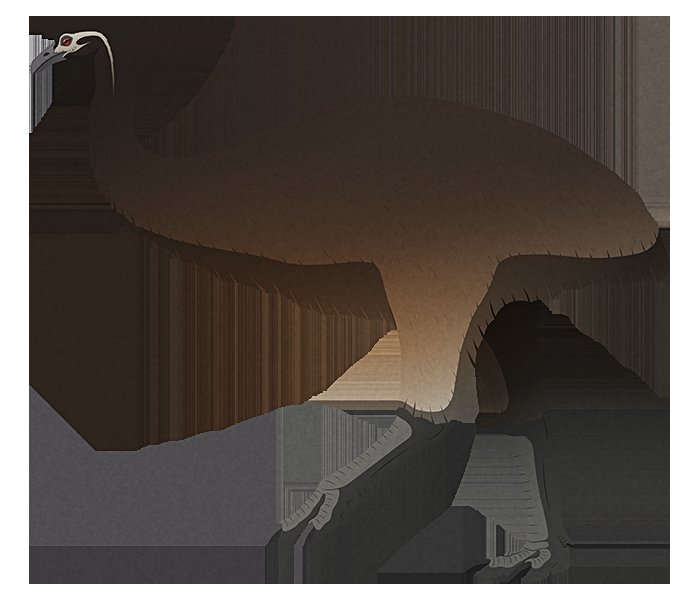
The physical proportions of Dinornis robustus were truly staggering, making it a marvel of avian anatomy. Adult females, which exhibited extreme reverse sexual dimorphism, could reach towering heights of up to 3.6 meters (nearly 12 feet) when their necks were fully extended, though they typically carried their heads in a more forward-projecting, horizontal posture. These massive females could weigh up to 250 kilograms (550 pounds), rivaling the mass of modern large ungulates. Males, by contrast, were significantly smaller, often reaching only 1.2 to 1.5 meters in height and weighing between 50 and 85 kilograms. One of the most distinctive anatomical features of the Giant Moa—and indeed all moa species—was the complete absence of forelimbs. Unlike ostriches or emus, which retain vestigial wings, moa lacked even the smallest wing bones, possessing only a fused scapulocoracoid lacking a glenoid cavity. Their hind limbs were incredibly robust, featuring massive femora, tibiotarsi, and tarsometatarsi designed to support their immense bulk. The plumage of Dinornis robustus, known from exceptionally preserved mummified remains, consisted of hair-like feathers that lacked the interlocking barbules found in flying birds, giving them a shaggy appearance. These feathers were typically reddish-brown or purplish-grey, providing camouflage in the dappled light of the New Zealand bush. Their skulls were relatively small compared to their bodies, equipped with a stout, curved beak adapted for shearing tough vegetation.
In terms of paleobiology, Dinornis robustus was a dedicated herbivore, occupying an ecological niche analogous to that of browsing mammals like deer or giraffes in other parts of the world. Their diet consisted of a wide variety of plant material, including twigs, leaves, seeds, and fruits from subalpine shrubs and forest trees. To process this coarse, fibrous vegetation, the Giant Moa relied on a muscular gizzard filled with gastroliths (gizzard stones). Paleontologists have recovered moa skeletons with several kilograms of smooth, polished stones concentrated in the abdominal cavity, which ground down tough plant matter to facilitate digestion. Locomotion was strictly terrestrial, and biomechanical studies suggest they were relatively slow-moving animals, built for endurance and stability rather than speed. Their growth patterns were remarkably slow compared to modern birds. Bone histology reveals that Dinornis robustus took up to ten years to reach skeletal maturity, a delayed life history strategy typical of animals evolving in predator-free environments with stable resources. This slow reproductive rate, combined with ground-nesting behavior where males likely incubated the large, fragile eggs, made them exceptionally vulnerable to sudden environmental changes or novel predators.
The ecological context of New Zealand during the tenure of the Giant Moa was entirely unique. For over 60 million years, the archipelago had been isolated from the rest of the world, resulting in an ecosystem completely devoid of terrestrial mammalian predators or herbivores, save for a few species of small bats. In this mammalian vacuum, birds radiated to fill diverse ecological niches. Dinornis robustus was the apex herbivore of the South Island, shaping the landscape through its intensive browsing. Many endemic New Zealand plants evolved specific defensive adaptations, such as divaricating growth forms (tangled, wiry branches) and visual mimicry, specifically to deter moa browsing. The only natural predator of the adult Giant Moa was the Haast's Eagle (Hieraaetus moorei), an enormous raptor with a wingspan of up to 3 meters and talons the size of a tiger's claws. The eagle would strike the moa from above, targeting the head and neck to bring down prey that weighed more than ten times its own body mass. This fascinating predator-prey dynamic between a giant flightless bird and a giant eagle is entirely unique in the annals of natural history.
The discovery history of the Giant Moa is a cornerstone of 19th-century paleontology. While the indigenous Maori people had a rich oral history and cultural memory of the 'moa'—having hunted them to extinction centuries prior—Western science first became aware of the animal in 1839. A flax trader named John W. Harris obtained a single, fragmented bone from a Maori individual in Poverty Bay and sent it to the eminent British anatomist Richard Owen. Despite the bone's fragmentary nature, Owen astutely deduced that it belonged to a massive, extinct, flightless bird, a bold claim that was vindicated a few years later when massive deposits of moa bones were discovered in swamps and caves across New Zealand. The specific naming of Dinornis robustus occurred as more complete skeletons were unearthed, particularly in the South Island. Famous fossil sites, such as the Pyramid Valley swamp and the caves of Mount Owen, yielded thousands of bones. One of the most spectacular discoveries occurred in 1986 in the Mount Owen cave system, where cavers found a perfectly preserved, mummified moa foot, complete with scaly skin, muscles, and intact claws, looking as though the bird had died only days before, despite being over 3,000 years old.
The evolutionary significance of Dinornis robustus extends far beyond its impressive size. For decades, the prevailing theory was that ratites (flightless birds including moa, ostriches, emus, and kiwis) evolved from a common flightless ancestor that walked across the supercontinent of Gondwana before it broke apart—a process known as vicariance. However, recent advances in ancient DNA extraction and phylogenetic analysis have revolutionized our understanding. Genetic sequencing of moa subfossils revealed that their closest living relatives are not the neighboring kiwis of New Zealand, but rather the small, flying tinamous of South America. This discovery proved that the ancestors of the moa flew to New Zealand after it separated from Gondwana, subsequently losing their ability to fly and evolving into giants in the absence of mammalian competition. This paradigm shift highlights the incredible power of convergent evolution and demonstrates how quickly insular gigantism can radically alter an organism's morphology.
Scientific debates surrounding Dinornis robustus have been vigorous and transformative. Historically, the extreme size difference between male and female Giant Moa led early paleontologists to classify them as entirely different species, sometimes even placing them in different genera. It was not until 2003, when scientists successfully extracted and analyzed ancient DNA from moa bones, that the truth was revealed: the massive 'Dinornis giganteus' and the smaller 'Dinornis struthioides' were actually the females and males of the same species. This revelation drastically reduced the total number of recognized moa species and provided one of the most extreme examples of sexual dimorphism in the vertebrate fossil record. Another ongoing debate centers on the exact timeline and mechanics of their extinction. While it is universally accepted that overhunting by Polynesian settlers (the ancestors of the Maori) and habitat destruction led to their demise, the speed of this extinction is staggering. Current radiocarbon dating models suggest that the entire moa population, numbering in the hundreds of thousands, was wiped out within 100 to 200 years of human arrival in the late 13th century, making it one of the fastest megafaunal extinctions ever recorded.
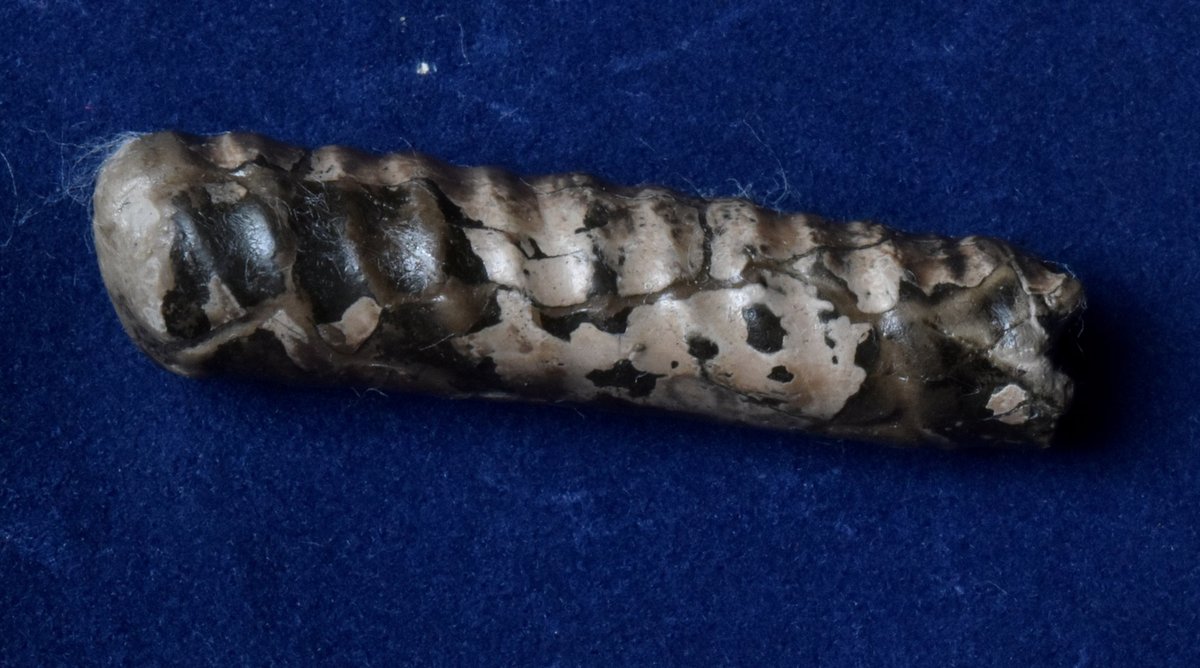
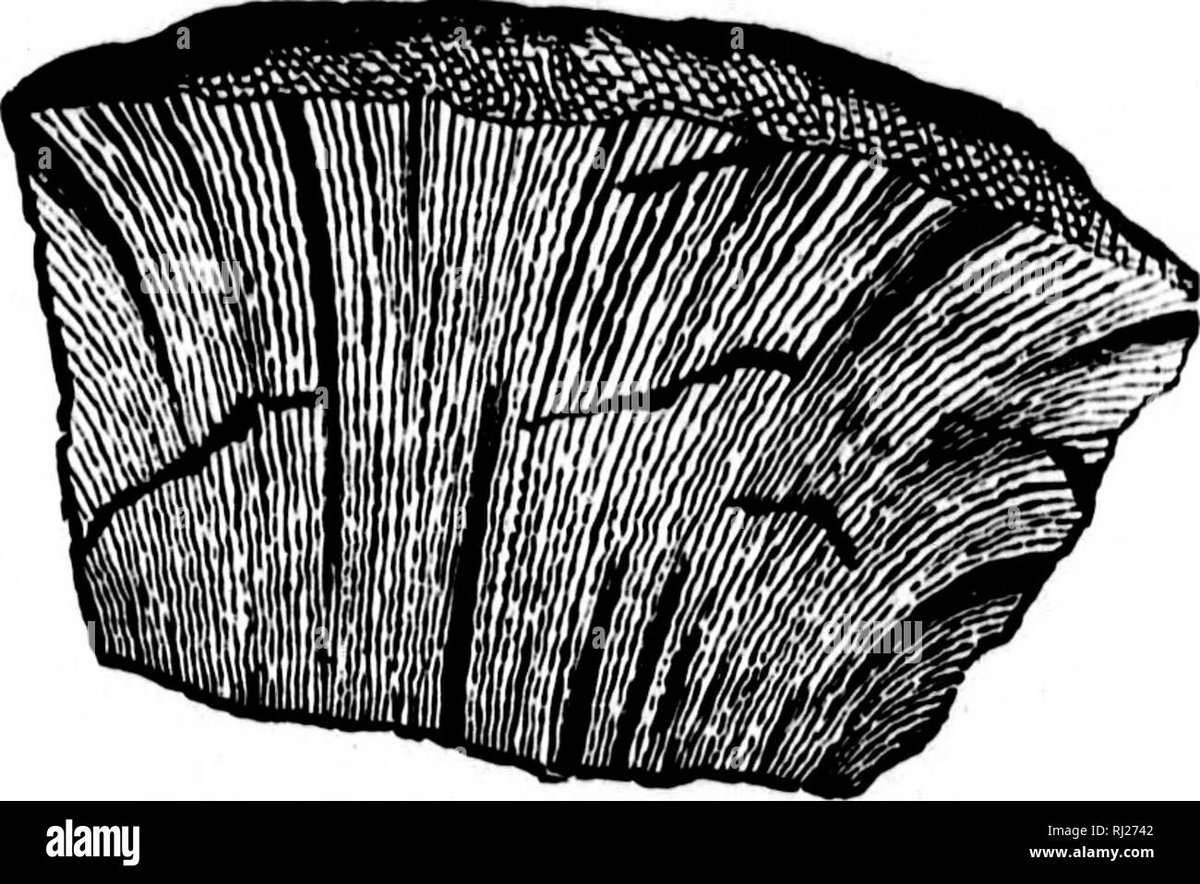
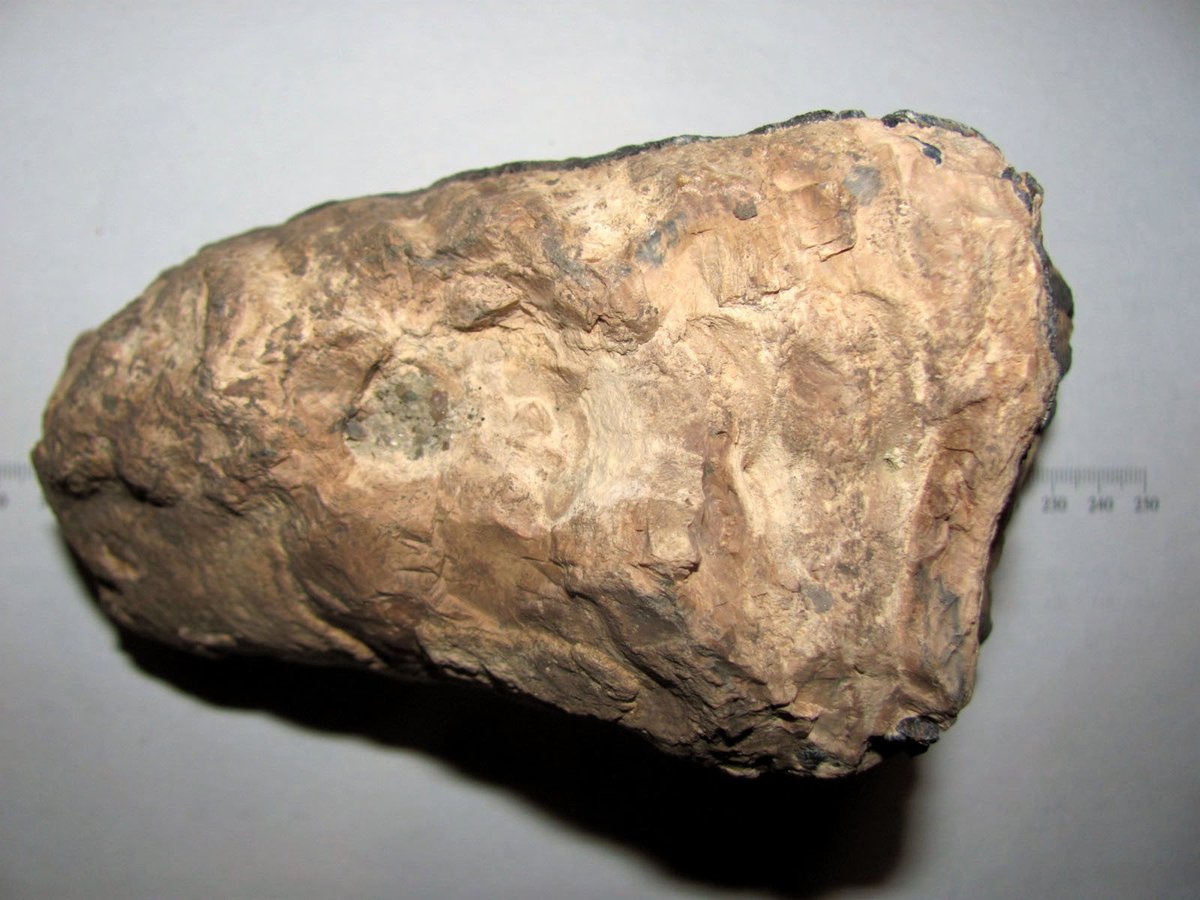
The fossil record of Dinornis robustus is arguably the most complete and exceptionally preserved of any extinct megafauna. Because they went extinct so recently, their remains are typically classified as subfossils, meaning they have not undergone complete permineralization. These subfossils are found exclusively on the South Island of New Zealand, concentrated in peat bogs, sand dunes, and limestone cave systems. Swamps like Pyramid Valley acted as natural predator traps; heavy moa would wander into the mire to drink or forage, become stuck, and die, their bones preserved perfectly in the anoxic, acidic peat. Cave environments have yielded even more astonishing preservation, including mummified soft tissues, desiccated muscle, intact feathers, and even coprolites (fossilized feces). These coprolites are invaluable, allowing paleobotanists to reconstruct the exact diet of the moa and the composition of the prehistoric New Zealand flora. Thousands of individual specimens are known, providing a robust dataset for statistical analysis of their population dynamics and morphology.
The cultural impact of the Giant Moa is profound, particularly within New Zealand, where it serves as a powerful symbol of the nation's unique natural heritage and a cautionary tale of human-induced extinction. Moa bones and reconstructed skeletons are centerpiece exhibits in museums worldwide, including the Museum of New Zealand Te Papa Tongarewa and the Natural History Museum in London. In Maori culture, the moa is remembered in proverbs and traditions, often symbolizing something lost forever, as in the saying 'Kua ngaro i te ngaro o te moa' (Lost as the moa is lost). Furthermore, the exceptional preservation of moa DNA has frequently placed Dinornis robustus at the center of speculative discussions regarding de-extinction. While cloning a moa remains technologically impossible at present, the bird continues to capture the public imagination, serving as a flagship species for paleontology and conservation education, reminding us of the fragile balance of isolated ecosystems.
Classification
Time Period
Discovery
Location
New Zealand
Formation
Various Pleistocene and Holocene peat swamps and cave deposits
Frequently Asked Questions
What is Giant Moa?
Dinornis robustus, commonly known as the South Island Giant Moa, was a colossal, flightless bird endemic to the South Island of New Zealand during the Pleistocene and Holocene epochs. Existing until approximately 600 years ago, this magnificent creature represents one of the most extreme examples of...
When did Giant Moa live?
Giant Moa lived during the quaternary period of the cenozoic era approximately 0.03-0.0006 million years ago.
Where was Giant Moa discovered?
Fossils of Giant Moa were discovered in New Zealand in the Various Pleistocene and Holocene peat swamps and cave deposits.
What did Giant Moa eat?
Giant Moa was a herbivore. It lived in terrestrial habitats.
What type of fossil is Giant Moa?
Giant Moa is preserved as a body fossil. The preservation quality is exceptional.
Related Specimens
From the cenozoic era · body fossils