Lepidotes
Lepidotes elvensis
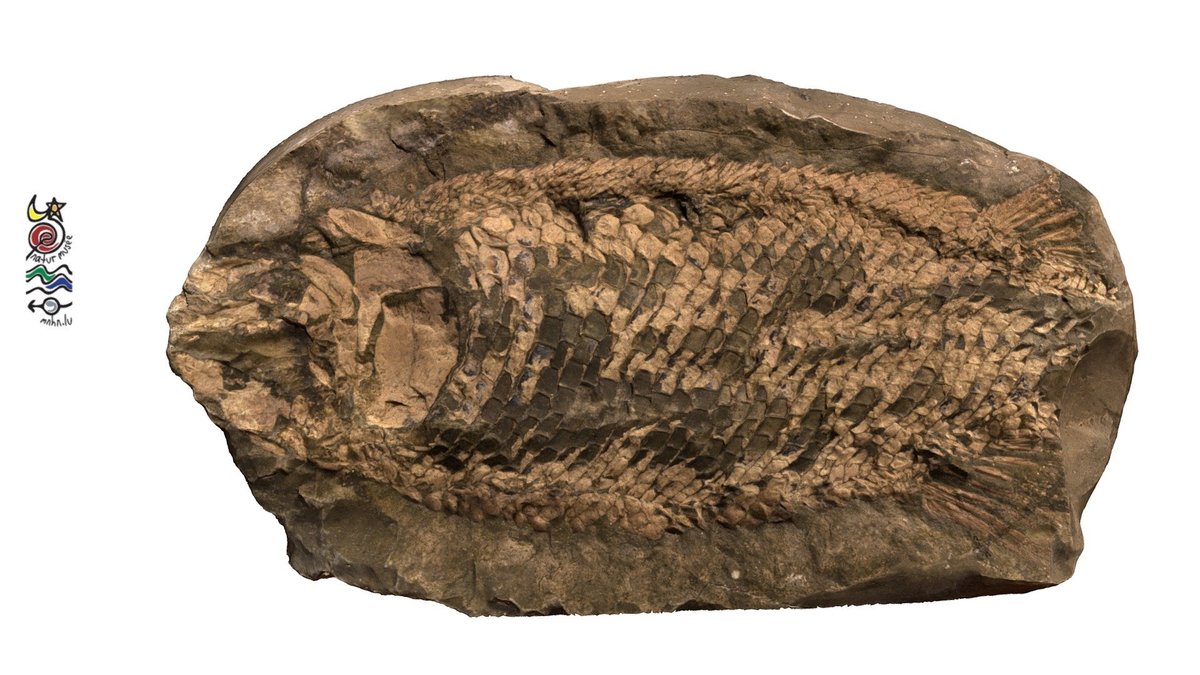
Image: Image sourced via web search (Fair use / Educational)
About Lepidotes
Lepidotes elvensis is an extinct species of neopterygian ray-finned fish that thrived during the Early Jurassic period, approximately 200 to 145 million years ago. As a prominent member of the Mesozoic aquatic ecosystems, this organism is widely recognized for its heavy armor of thick, enameled scales and its specialized dentition adapted for a durophagous, or shell-crushing, diet. Fossils of Lepidotes and its close relatives have been discovered across various continents, but Lepidotes elvensis is particularly well-documented in the marine and brackish deposits of Europe, most notably within the famous fossiliferous strata of Germany, France, and the United Kingdom. In the broader context of paleontology, Lepidotes holds immense significance as it represents a crucial evolutionary grade of actinopterygian fishes, often referred to as holosteans, which bridge the anatomical and evolutionary gaps between the primitive paleonisciforms of the Paleozoic era and the highly diverse teleost fishes that dominate the world's oceans and freshwater systems today. The study of Lepidotes elvensis provides invaluable insights into the adaptive radiations of marine life following the Triassic-Jurassic extinction event, illustrating how early neopterygians evolved specialized feeding mechanisms and defensive structures to navigate the complex predator-prey dynamics of the Mesozoic seas.
The physical anatomy of Lepidotes elvensis is characterized by a robust, moderately deep, and fusiform body that typically reached lengths of 30 to 40 centimeters, although some related species within the broader Lepidotes genus could grow significantly larger, approaching lengths of up to two meters. The most striking and distinctive feature of this fish was its extensive dermal armor, consisting of large, interlocking, rhomboidal scales. These scales were of the ganoid type, meaning they were composed of a bony base covered by a thick, highly polished layer of ganoine, an enamel-like substance that provided exceptional protection against the bites of contemporary predators. This heavy squamation made the fish relatively inflexible compared to modern teleosts, suggesting a swimming style that relied more on the undulation of the posterior body and tail rather than highly agile, whole-body movements. The skeletal characteristics of Lepidotes elvensis include a heavily ossified skull with a relatively small mouth positioned at the terminal end of the snout. The jaws were equipped with rows of robust, peg-like or hemispherical teeth, which were continually replaced throughout the animal's life. These teeth were not designed for grasping fast-moving prey but rather for crushing the hard shells of mollusks and crustaceans. The fins of Lepidotes were supported by stout fin rays, and the tail was hemi-heterocercal, meaning that while it appeared somewhat symmetrical on the outside, the vertebral column extended slightly into the upper lobe of the caudal fin, a primitive trait retained from its Paleozoic ancestors. When compared to modern animals for scale and ecological niche, Lepidotes elvensis might be likened to contemporary shell-crushing fishes such as the pacu or certain species of wrasses, though its heavy ganoid armor gives it a superficial resemblance to the modern gar (Lepisosteus), which is one of its closest living relatives.
In terms of paleobiology, Lepidotes elvensis was a highly specialized predator, though its diet consisted almost entirely of hard-shelled, slow-moving, or sessile benthic organisms. As a durophagous carnivore, it utilized its powerful jaws and blunt, pavement-like teeth to crush the shells of bivalves, gastropods, brachiopods, and early crustaceans that inhabited the shallow marine and brackish environments of the Jurassic period. The feeding strategy of Lepidotes likely involved hovering near the substrate, visually locating its camouflaged prey, and using its strong bite force to shatter the protective calcium carbonate shells, subsequently swallowing the soft tissues within. Locomotion in Lepidotes elvensis was heavily influenced by its rigid ganoid scales. The interlocking nature of this armor restricted lateral flexibility, meaning that the fish was likely a relatively slow but steady swimmer. It would have relied on its pectoral and pelvic fins for precise maneuvering and stabilization while foraging along the complex topography of the seabed, using bursts of speed generated by its powerful caudal fin only when necessary to escape immediate threats. Inferences about its social behavior are drawn from the frequent discovery of multiple Lepidotes specimens in close proximity within certain fossil beds, suggesting that they may have formed loose aggregations or schools, particularly around resource-rich feeding grounds or during spawning seasons. Growth patterns, as analyzed through the concentric growth rings visible in cross-sections of their ganoid scales and otoliths (ear stones), indicate that Lepidotes elvensis had a relatively slow growth rate and a long lifespan, characteristic of many heavily armored, slow-moving fishes. Metabolism estimates suggest it was an ectothermic organism with a metabolic rate suited to the warm, shallow, and highly productive epicontinental seas of the Jurassic.
The ecological context in which Lepidotes elvensis existed was a world vastly different from our own, characterized by the breakup of the supercontinent Pangaea and the formation of extensive, shallow epicontinental seas across much of what is now Europe. During the Early Jurassic, the climate was generally warm, humid, and equable, with high global sea levels creating vast archipelagos and submerged continental shelves. These shallow marine environments were incredibly rich in biodiversity, supporting complex food webs. Lepidotes elvensis occupied a specific mid-level trophic niche as a benthic durophage. It shared its habitat with a wide array of co-existing species, including vast beds of oysters and other bivalves, which formed the primary basis of its diet. The waters were also populated by abundant cephalopods, such as ammonites and belemnites, as well as early teleost fishes and other holosteans like Dapedium. In the complex predator-prey relationships of the Jurassic seas, Lepidotes elvensis was not only a predator of invertebrates but also prey for larger marine reptiles. Its heavy ganoid armor evolved as a direct defensive response to the formidable predators of its time, which included ichthyosaurs, plesiosaurs, and early marine crocodilomorphs like Steneosaurus and Pelagosaurus. The robust scales would have made Lepidotes a difficult meal to process, requiring predators to possess specialized dentition or immense bite force to crack the ganoine shell. Furthermore, the presence of Lepidotes in both fully marine and brackish water deposits suggests that it was an euryhaline organism, capable of tolerating a range of salinities, which allowed it to exploit estuarine environments and coastal lagoons where competition from larger marine predators might have been reduced.
The discovery history of Lepidotes is deeply intertwined with the foundational years of vertebrate paleontology in the 19th century. The genus Lepidotes was first established by the eminent Swiss paleontologist Louis Agassiz in 1832, during his monumental and exhaustive study of fossil fishes, 'Recherches sur les poissons fossiles'. Agassiz, a pioneer in the field of paleoichthyology, recognized the distinct nature of these heavily armored fishes and named the genus based on the Greek word 'lepis', meaning scale, a direct reference to their most prominent anatomical feature. Lepidotes elvensis, one of the earliest recognized species within this genus, was described from exquisitely preserved specimens found in the Early Jurassic deposits of Europe. The circumstances of these early discoveries often involved commercial quarrying operations for building stone and lithographic limestone, which inadvertently unearthed spectacular fossil remains. Key specimens of Lepidotes elvensis have been recovered from the famous Posidonia Shale (Posidonienschiefer) of Holzmaden in southern Germany, a geological formation renowned for its exceptional preservation of marine life, including articulated skeletons with soft tissue outlines. Over the decades, the naming history of Lepidotes became highly convoluted. Because the distinctive ganoid scales and isolated crushing teeth are highly resistant to taphonomic degradation, they are frequently preserved in the fossil record. Consequently, 19th and early 20th-century paleontologists assigned hundreds of fragmentary fossils from various geological periods and locations to the genus Lepidotes, turning it into a classic 'wastebasket taxon'—a catch-all category for any Mesozoic fish with thick scales and peg-like teeth. It was not until the advent of modern cladistic analysis and high-resolution imaging techniques in the late 20th and early 21st centuries that scientists began the arduous task of untangling the taxonomy of this group, leading to the reassignment of many species to new genera.
The evolutionary significance of Lepidotes elvensis lies in its position within the complex phylogenetic tree of actinopterygian, or ray-finned, fishes. Lepidotes belongs to the order Semionotiformes, a group that represents a critical transitional grade in fish evolution. During the Mesozoic era, the actinopterygians underwent a massive evolutionary radiation, transitioning from the primitive, heavily armored paleonisciforms of the Paleozoic to the highly diverse, agile, and lightly scaled teleosts that make up the vast majority of living fish species today. Lepidotes and its kin are classified as holosteans, a clade that sits phylogenetically between the basal chondrosteans (such as modern sturgeons and paddlefish) and the derived teleosts. Studying Lepidotes elvensis provides paleontologists with vital clues about the sequence of anatomical changes that occurred during this transition. For instance, while Lepidotes retains primitive features such as the heavy ganoid scales and a hemi-heterocercal tail, it also exhibits more derived characteristics in its skull and jaw mechanics. The modifications in the maxilla and premaxilla bones of the upper jaw allowed for a more efficient opening and closing mechanism, a precursor to the highly protrusible jaws seen in modern teleosts. Furthermore, the evolutionary success of the durophagous lifestyle seen in Lepidotes demonstrates how early neopterygians rapidly diversified to exploit new ecological niches following the end-Triassic mass extinction. Today, the closest living relatives of Lepidotes are the gars (Lepisosteidae) and the bowfin (Amiidae), which are considered living fossils. These modern holosteans retain many of the primitive characteristics seen in Lepidotes, including the ganoid scales in gars, providing scientists with a living model to understand the biomechanics and physiology of these ancient Mesozoic fishes.
Scientific debates surrounding Lepidotes have been vigorous and ongoing, primarily centering on the severe taxonomic issues that have plagued the genus since its inception. For over a century, Lepidotes functioned as a taxonomic wastebasket, encompassing a vast array of semionotiform fishes spanning from the Late Triassic to the Early Cretaceous, and found on nearly every continent. This artificial grouping obscured the true evolutionary relationships and paleobiogeography of these fishes. In recent years, a major revision of the genus has been undertaken by paleoichthyologists. Utilizing rigorous cladistic methodologies and detailed anatomical re-examinations, researchers have demonstrated that the traditional concept of Lepidotes was highly paraphyletic, meaning it did not represent a single, natural evolutionary lineage. Consequently, many species formerly assigned to Lepidotes have been split off into new or resurrected genera, such as Scheenstia, Callipurbeckia, and Macrosemimimus. Under this modern, restricted definition, true Lepidotes species, including Lepidotes elvensis, are now understood to be confined primarily to the Early Jurassic period. This taxonomic upheaval has fundamentally changed our understanding of holostean evolution, revealing a much higher degree of generic diversity and more complex biogeographical patterns than previously recognized. Additionally, there are ongoing debates regarding the precise functional morphology of their feeding apparatus. While it is universally accepted that they were durophagous, biomechanical modeling continues to refine our understanding of their bite force and exactly which types of hard-shelled prey they were capable of processing, with some researchers suggesting niche partitioning among sympatric species based on subtle differences in tooth morphology and jaw leverage.
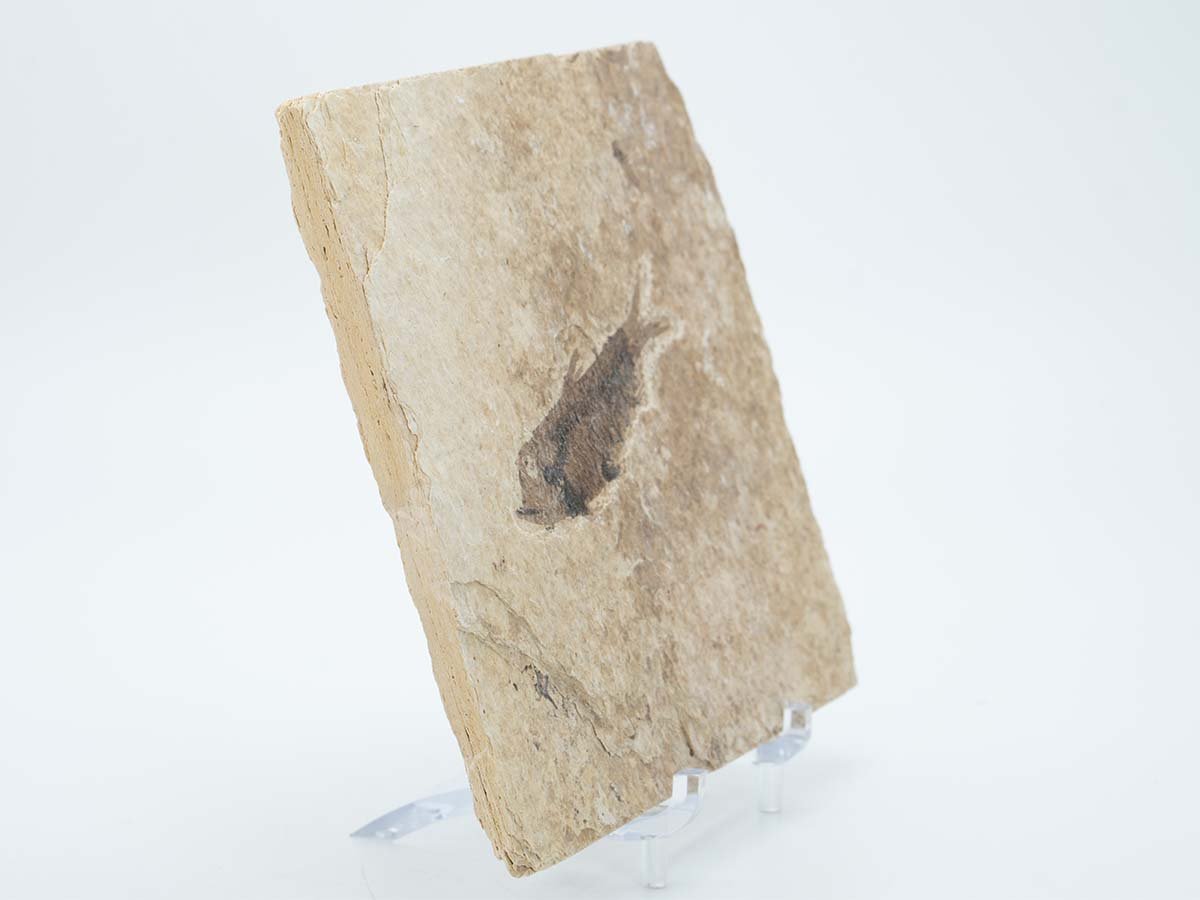
The fossil record of Lepidotes and its immediate relatives is exceptionally rich, geographically widespread, and spans a significant portion of the Mesozoic era, though true Lepidotes elvensis is primarily restricted to the Early Jurassic of Europe. Fossils have been found in abundance in countries such as Germany, France, and the United Kingdom. The number of known specimens numbers in the thousands, ranging from isolated scales and teeth to complete, perfectly articulated skeletons. The quality of preservation is often excellent or exceptional, largely due to the robust nature of their ganoid scales, which resist decay and disarticulation much better than the delicate bones of teleost fishes. In famous fossil sites (Lagerstätten) like the Posidonia Shale of Holzmaden, Lepidotes specimens are frequently found flattened on slabs of dark shale, with every scale in its original anatomical position, providing a complete outline of the living animal. In other deposits, such as the slightly younger Solnhofen limestones (which host related genera), three-dimensional preservation can occur. The parts most typically preserved are the thick scales, the heavily ossified skull roof, and the robust crushing teeth. These isolated teeth, often found in massive accumulations, were historically known as 'toadstones' in medieval Europe, where they were believed to be magical gems found in the heads of toads and were used as antidotes to poison. The abundance and excellent preservation of Lepidotes fossils make them invaluable index fossils for correlating Jurassic marine strata and for studying the taphonomic processes that govern fossilization in epicontinental sea environments.
The cultural impact of Lepidotes, while perhaps not as globally pervasive as that of dinosaurs like Tyrannosaurus rex or Triceratops, is nonetheless significant within the realms of paleontology, education, and natural history. Due to their abundance, striking appearance, and excellent preservation, complete specimens of Lepidotes and related holosteans are staple displays in natural history museums worldwide. Their heavy, armor-plated bodies provide a visually captivating example of prehistoric marine life, helping to educate the public about the diversity of Mesozoic ecosystems beyond the ruling reptiles. Notable displays can be found in institutions such as the Natural History Museum in London, the State Museum of Natural History in Stuttgart, and the Museum of Natural History in Berlin. Furthermore, because isolated Lepidotes scales and teeth are so common in certain Jurassic outcrops, they are frequently encountered by amateur fossil hunters and are often among the first discoveries made by aspiring paleontologists. This accessibility fosters public fascination and engagement with the Earth's deep history. Historically, the folklore surrounding their fossilized teeth as magical 'toadstones' highlights the long-standing human intrigue with these ancient remains, illustrating how fossils have permeated cultural myths and early medicine long before they were understood through the lens of modern evolutionary science.
Classification
Time Period
Discovery
Location
Europe
Formation
Posidonia Shale
Frequently Asked Questions
What is Lepidotes?
Lepidotes elvensis is an extinct species of neopterygian ray-finned fish that thrived during the Early Jurassic period, approximately 200 to 145 million years ago. As a prominent member of the Mesozoic aquatic ecosystems, this organism is widely recognized for its heavy armor of thick, enameled scal...
When did Lepidotes live?
Lepidotes lived during the jurassic period of the mesozoic era approximately 200-145 million years ago.
Where was Lepidotes discovered?
Fossils of Lepidotes were discovered in Europe in the Posidonia Shale.
What did Lepidotes eat?
Lepidotes was a carnivore. It lived in marine habitats.
What type of fossil is Lepidotes?
Lepidotes is preserved as a body fossil. The preservation quality is excellent.
Related Specimens
From the mesozoic era · body fossils