Dryosaurus
Dryosaurus altus
Image: Image sourced via web search (Fair use / Educational)
About Dryosaurus
Dryosaurus altus was a small, bipedal herbivorous dinosaur that inhabited the floodplains of western North America during the Late Jurassic period, approximately 155 to 150 million years ago. As a member of the ornithopod group, it represents a key stage in the evolution of the highly successful iguanodontians and hadrosaurs. Its fossils, primarily found within the famous Morrison Formation, provide a detailed window into the life of a swift, agile plant-eater navigating a world dominated by gigantic sauropods and formidable theropod predators. Dryosaurus is significant for its well-preserved remains, which include individuals from nearly every stage of life, allowing paleontologists to study its growth, development, and paleobiology in exceptional detail.
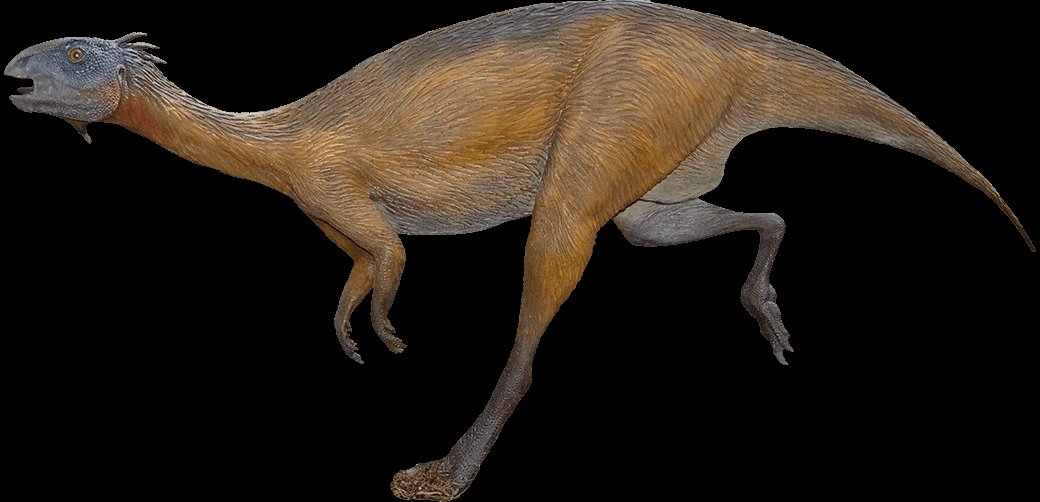
Dryosaurus was a relatively small and lightly built dinosaur, a stark contrast to many of its colossal contemporaries. Adult individuals typically reached lengths of 2.5 to 4.5 meters (approximately 8 to 14 feet) and stood about 1.5 meters tall at the hips. Weight estimates vary, but most fall within the range of 77 to 91 kilograms (170 to 200 pounds), comparable to a modern white-tailed deer or a small ostrich. Its most defining characteristic was its gracile, bird-like build, clearly adapted for speed and agility. The skeleton was delicate, with hollow bones that reduced weight without sacrificing strength. The skull was small and narrow, with large eye sockets, or orbits, suggesting keen eyesight, which would have been crucial for spotting predators. Its beak was horny and toothless at the front (a rhamphotheca), ideal for cropping vegetation, while rows of leaf-shaped, ridged cheek teeth were set further back in the jaws for grinding and processing tough plant material. A key feature was a prominent diastema, or gap, between the beak and the cheek teeth. The neck was long and S-shaped, providing flexibility for browsing at different heights. Its forelimbs were short and slender, each with five digits, and were not suited for weight-bearing, confirming its status as an obligate biped. In contrast, the hind limbs were long, powerful, and bird-like, with a long tibia and metatarsals, proportions indicative of a cursorial (running) animal. The long, stiff tail, held horizontally off the ground, acted as a dynamic counterbalance, providing stability during high-speed locomotion and sharp turns. This combination of features paints a picture of a swift, alert herbivore built to outrun danger.
Studies of Dryosaurus fossils, particularly the ontogenetic series (specimens from hatchling to adult), reveal a great deal about its paleobiology. Its diet consisted exclusively of low-growing vegetation such as ferns, cycads, and conifers. The beak was used for selective plucking of plant parts, which were then moved to the back of the mouth for processing by the specialized cheek teeth. The presence of a horny beak and the arrangement of its dentition suggest it was a browser, not a grazer. Locomotion was its primary defense mechanism. The anatomical structure of its hind limbs, especially the elongated lower leg bones, strongly indicates it was a fast runner, capable of reaching high speeds to evade predators like Allosaurus and Ceratosaurus. Some estimates place its top speed at over 40 kilometers per hour (25 mph). Fossil trackways attributed to similar ornithopods support the idea of a bipedal, digitigrade (walking on its toes) stance. Evidence from bonebeds and multiple associated specimens suggests Dryosaurus may have been a social animal, living in small groups or herds. This social structure would have offered collective benefits, such as increased vigilance against predators and potentially cooperative foraging. Histological studies of its bones show rapid growth rates during its juvenile stage, reaching near-adult size in just a few years. This rapid development is characteristic of animals in high-predation environments, as it minimizes the time spent as a vulnerable, small individual. Its large eyes also hint at the possibility of crepuscular or even nocturnal activity, allowing it to forage when larger predators might be less active.
The world of Dryosaurus was the semi-arid, seasonal environment of the Morrison Formation ecosystem in Late Jurassic North America. This vast floodplain was characterized by extensive river systems, fern savannas, and gallery forests of conifers, ginkgoes, and tree ferns. The climate was monsoonal, with distinct wet and dry seasons. Dryosaurus occupied a specific niche as a small-to-medium-sized primary consumer. It shared this landscape with an iconic megafauna. Herbivores included the gigantic sauropods like Diplodocus, Apatosaurus, Brachiosaurus, and Camarasaurus, which browsed on high vegetation, and the heavily armored Stegosaurus, which likely fed on similar low-growing plants as Dryosaurus. This suggests a degree of niche partitioning, where different herbivores specialized in consuming different types of plants or feeding at different heights to reduce competition. The primary predators in this ecosystem were large theropods. The apex predator was Allosaurus, a formidable hunter that likely preyed on a wide range of animals, including juvenile sauropods, Stegosaurus, and certainly the swift Dryosaurus. Other threats included the horned Ceratosaurus and the slightly smaller Torvosaurus. Dryosaurus's position in the food web was that of a crucial link, transferring energy from primary producers (plants) to the higher trophic levels. Its speed and likely herding behavior were essential adaptations for survival in this predator-rich environment, making it a common and successful component of the Morrison fauna.
The discovery history of Dryosaurus began in the late 19th century during the 'Bone Wars,' a period of intense fossil hunting rivalry between paleontologists Othniel Charles Marsh and Edward Drinker Cope. The first fossils were discovered by Samuel Wendell Williston at Como Bluff, Wyoming, and were subsequently described by Marsh in 1878. Marsh initially named the creature Laosaurus altus. However, in 1894, Marsh recognized that this species was distinct enough to warrant its own genus, which he named Dryosaurus, meaning 'oak lizard,' possibly in reference to the oak-leaf shape of its cheek teeth or the forested environment he imagined it inhabited. The specific name 'altus' is Latin for 'high,' perhaps referring to its stature or the location of its discovery. The holotype specimen is YPM 1876, a partial skeleton including a pelvis, hindlimb, and vertebrae. Over the following decades, numerous other specimens were unearthed across the American West, most notably from sites like Dinosaur National Monument in Utah and Garden Park, Colorado. One of the most significant finds is a collection of at least 20 individuals of various ages, from hatchlings to adults, discovered at the Uravan locality in Colorado. This remarkable assemblage has provided unparalleled insight into the growth and development (ontogeny) of Dryosaurus, making it one of the best-understood small ornithopods from the Jurassic period.
In the grand scheme of dinosaur evolution, Dryosaurus holds a pivotal position within the clade Ornithopoda, a diverse group of herbivorous dinosaurs that includes the later, highly successful iguanodontians and hadrosaurs ('duck-billed' dinosaurs). Dryosaurus is classified within its own family, Dryosauridae, which is considered a basal (early-diverging) member of the larger group Iguanodontia. It represents an evolutionary snapshot of an ornithopod that had moved beyond the more primitive body plan of early forms like Hypsilophodon but had not yet developed the more specialized features of later iguanodontians, such as the thumb spike or complex dental batteries. Dryosaurus showcases key adaptations that would become hallmarks of its descendants: an efficient bipedal stance for locomotion, a sophisticated chewing apparatus for processing tough plants, and likely social behaviors. It demonstrates the trend within ornithopods towards increased size and more complex feeding mechanisms. By studying Dryosaurus, paleontologists can trace the evolutionary pathway that led from small, agile runners to the colossal, herd-dwelling hadrosaurs that dominated terrestrial ecosystems in the Cretaceous. It serves as a model organism for understanding the origins and early radiation of the group that would eventually become one of the most successful dinosaur lineages of the Mesozoic Era.
While the classification of Dryosaurus altus itself is stable, its broader family, Dryosauridae, has been the subject of some scientific debate. For many years, fossils found in Tanzania, Africa (part of the Tendaguru Formation) were assigned to the genus as a separate species, 'Dryosaurus' lettowvorbecki. However, more recent and detailed analyses, particularly by paleontologist Kenneth Carpenter and others in the early 21st century, have demonstrated significant anatomical differences between the North American and African specimens. This led to the African material being reassigned to its own distinct genus, Dysalotosaurus. This taxonomic revision highlights the importance of re-evaluating historical classifications with modern analytical techniques and underscores that the continents, while still connected in the supercontinent Gondwana, hosted distinct faunas. Another area of ongoing research involves the precise mechanics of its jaw movement and feeding. While it is clear it had a sophisticated chewing motion, the exact degree of pleurokinesis (movement of the upper jaw bones relative to the braincase) is still being investigated to understand how efficiently it could process different types of Jurassic foliage compared to its later relatives.
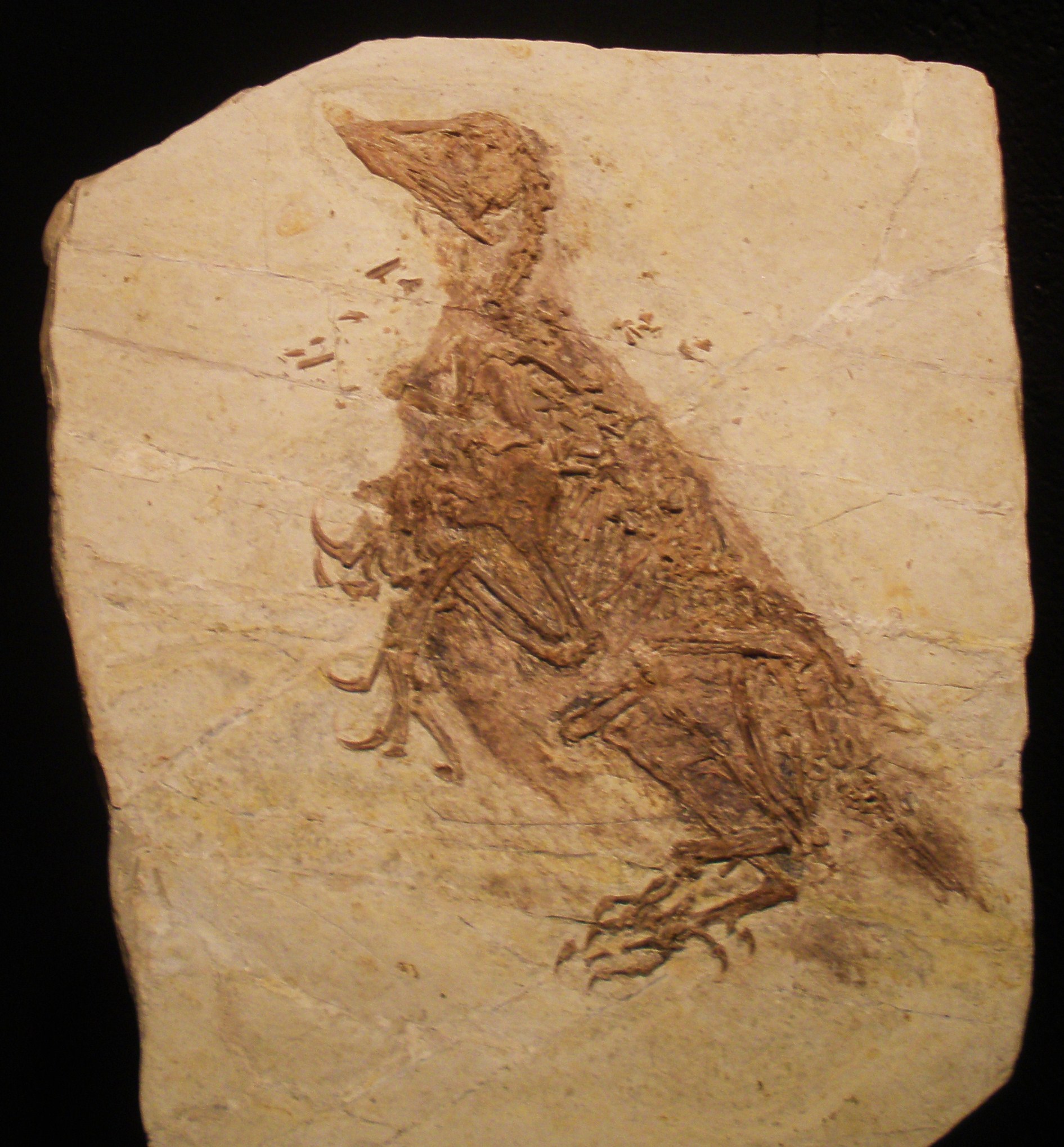
The fossil record of Dryosaurus is robust, making it one of the better-known small dinosaurs of its time. Its remains are found exclusively in the Upper Jurassic Morrison Formation, a vast expanse of sedimentary rock stretching across the western United States, including Wyoming, Colorado, and Utah. Fossils are particularly abundant in stratigraphic zones 2, 5, and 6 of the formation. Dozens of partial skeletons have been recovered, and crucially, these represent a wide range of ontogenetic stages, from embryos in eggs and hatchlings just 30 centimeters long to fully grown adults. This makes Dryosaurus invaluable for studying dinosaur growth and development. The quality of preservation is generally good, though complete, fully articulated skeletons are rare. The most famous fossil sites yielding Dryosaurus material include Como Bluff in Wyoming, where it was first discovered; Dinosaur National Monument on the Utah-Colorado border, which has produced several excellent specimens; and the Uravan and Garden Park fossil areas in Colorado. The abundance of its fossils relative to other small herbivores suggests it was a common and successful animal in the Morrison ecosystem.
Dryosaurus has made a modest but notable impact on popular culture and public education. While not as famous as its contemporaries like Stegosaurus or Allosaurus, it is a staple in museum exhibits depicting the Morrison Formation ecosystem, often shown as a swift, deer-like dinosaur fleeing from predators. Its gracile, agile appearance makes it an appealing and relatable subject. Notable displays featuring skeletal mounts or reconstructions of Dryosaurus can be found at major institutions like the Yale Peabody Museum of Natural History, the Carnegie Museum of Natural History, and the Denver Museum of Nature & Science. In media, it has appeared in various dinosaur documentaries, books, and video games, typically cast in its ecological role as a fast, vulnerable herbivore. Its primary cultural and educational importance lies in its scientific value, serving as a perfect example of a transitional form and providing one of the most complete growth series known for any dinosaur, making it a key subject in paleontological studies and university-level courses.
Classification
Time Period
Discovery
Location
United States (Wyoming, Colorado, Utah)
Formation
Morrison Formation
Frequently Asked Questions
What is Dryosaurus?
Dryosaurus altus was a small, bipedal herbivorous dinosaur that inhabited the floodplains of western North America during the Late Jurassic period, approximately 155 to 150 million years ago. As a member of the ornithopod group, it represents a key stage in the evolution of the highly successful igu...
When did Dryosaurus live?
Dryosaurus lived during the jurassic period of the mesozoic era approximately 155-150 million years ago.
Where was Dryosaurus discovered?
Fossils of Dryosaurus were discovered in United States (Wyoming, Colorado, Utah) in the Morrison Formation.
What did Dryosaurus eat?
Dryosaurus was a herbivore. It lived in terrestrial habitats.
What type of fossil is Dryosaurus?
Dryosaurus is preserved as a body fossil. The preservation quality is good.
Related Specimens
From the mesozoic era · body fossils