Enchodus
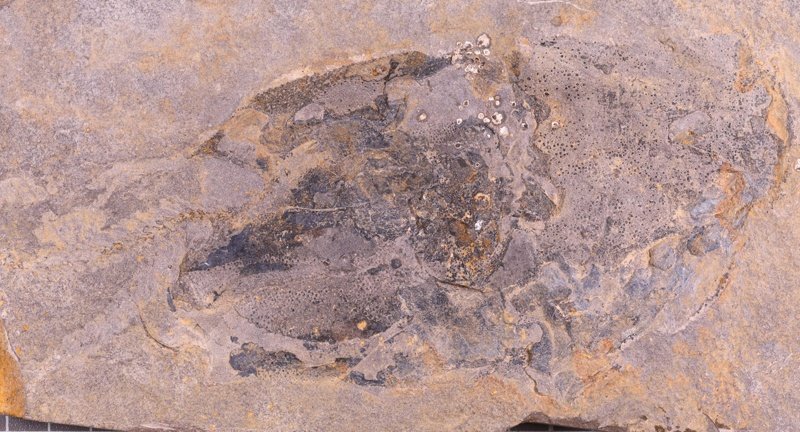
Enchodus petrosus
Image: Image sourced via web search (Fair use / Educational)
About Enchodus
Enchodus petrosus, frequently referred to in popular literature as the saber-toothed herring, was a highly successful and formidable predatory marine fish that thrived during the Late Cretaceous period, approximately 100 to 66 million years ago. Inhabiting the vast, shallow epicontinental seas that covered much of North America and other parts of the globe, this remarkable teleost fish is a staple of Mesozoic marine paleontology. Its widespread fossil remains, particularly the distinctive oversized palatine teeth, have made it an essential index fossil and a key component in understanding the complex marine ecosystems that existed just prior to the end-Cretaceous mass extinction event. The genus Enchodus contains numerous species, but Enchodus petrosus stands out as one of the most robust and frequently encountered in the fossil record of the Western Hemisphere. As a mid-sized predator, it played a crucial role in the trophic dynamics of the Late Cretaceous oceans, serving as both a voracious hunter of smaller marine life and a vital food source for the apex predators of its time. Its evolutionary success is evidenced by its global distribution and its persistence right up to the catastrophic K-Pg boundary.
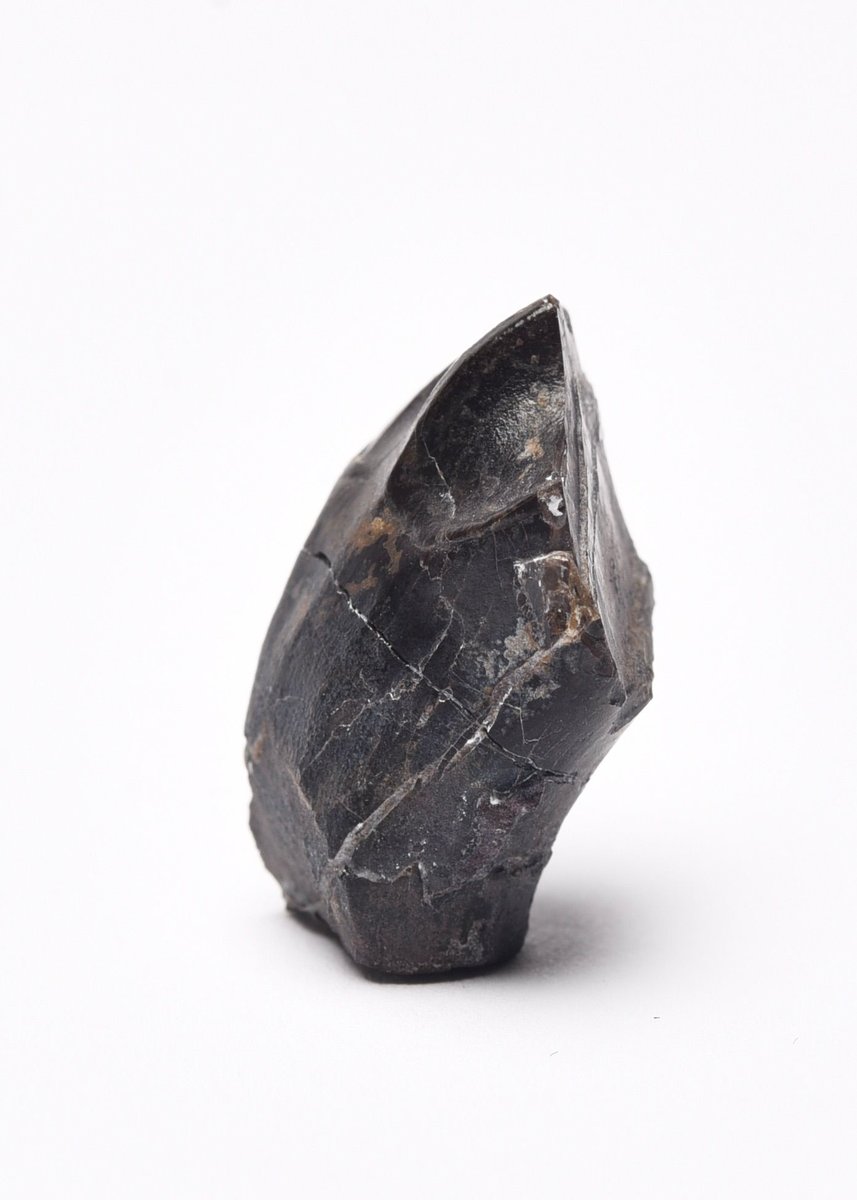
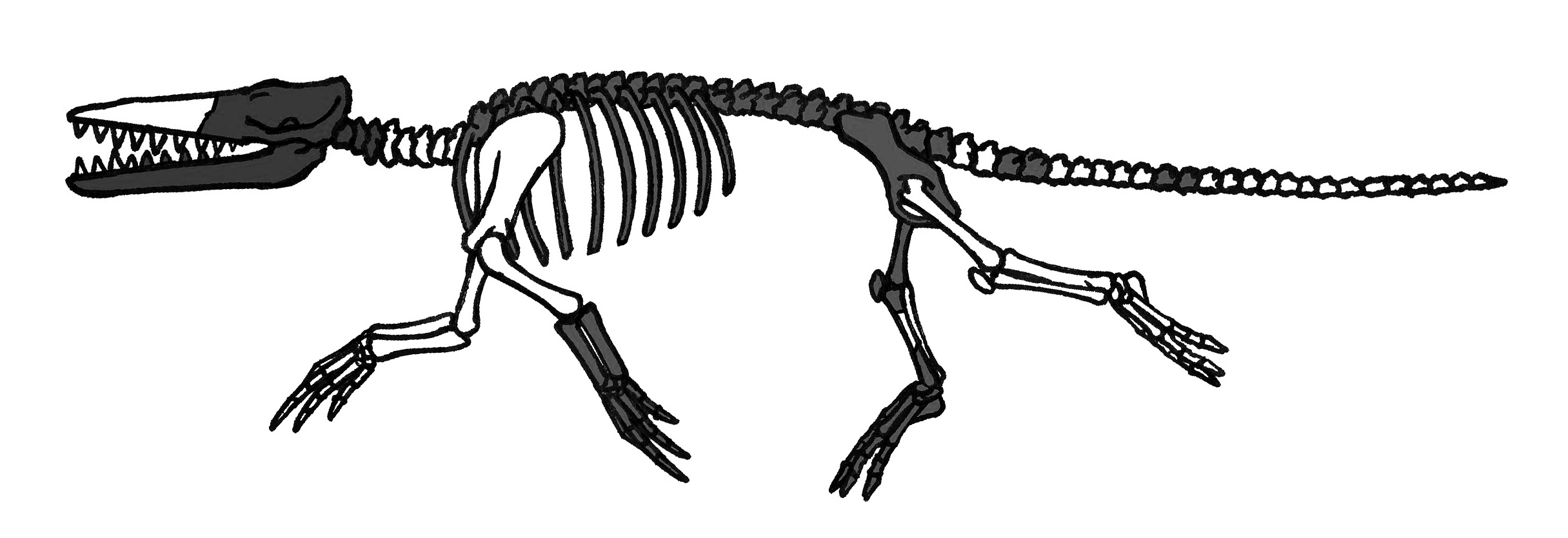
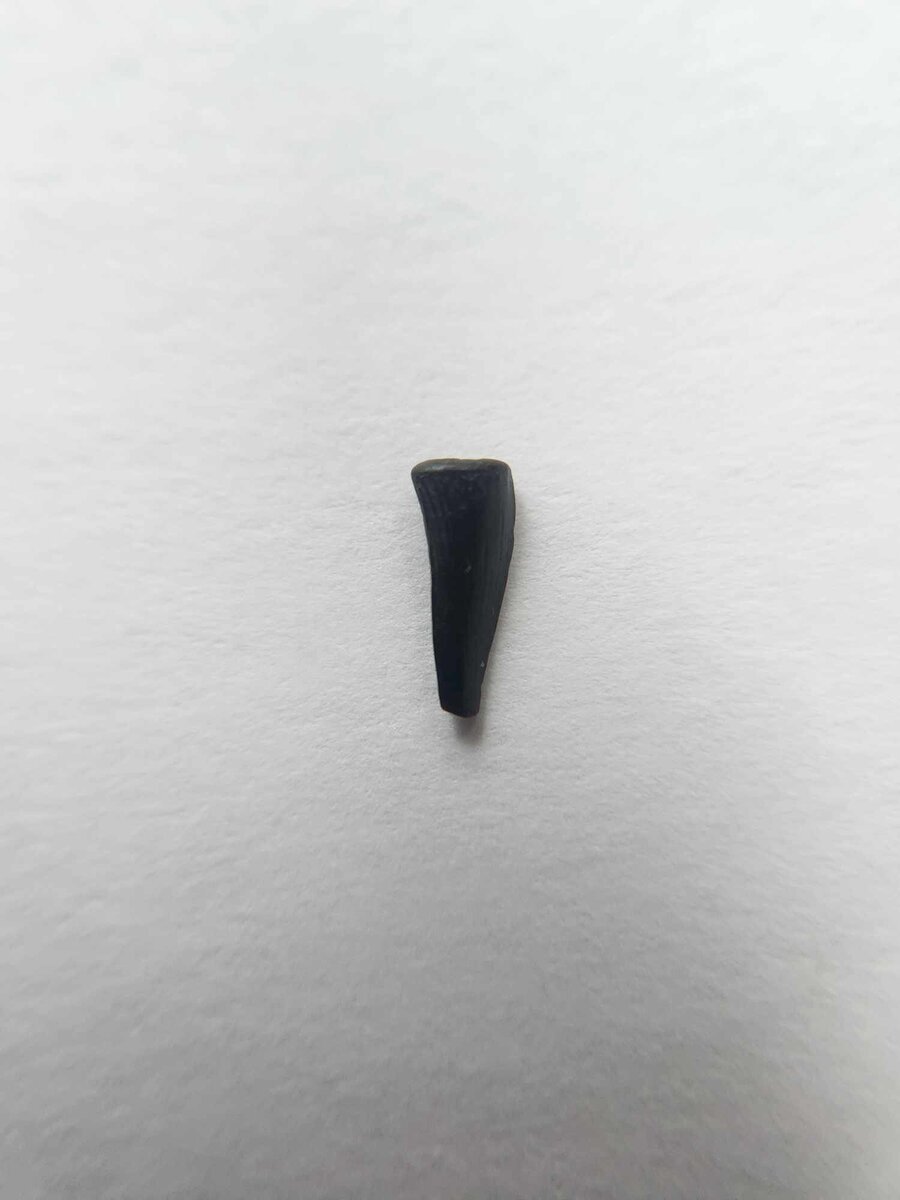
The physical anatomy of Enchodus petrosus was highly specialized for a predatory lifestyle, characterized most famously by its enormous, fang-like teeth. Despite the common name 'saber-toothed herring,' Enchodus was not closely related to modern herrings, though its general body plan shared some superficial similarities. Adult specimens of Enchodus petrosus could reach lengths of approximately 1.5 meters (about 5 feet), making it a moderately sized fish compared to the oceanic giants of the Cretaceous, but certainly large enough to be a significant threat to smaller fauna. Weight estimates suggest a healthy adult might have weighed between 10 to 15 kilograms, possessing a streamlined, torpedo-shaped body built for rapid bursts of speed. The most distinctive feature of Enchodus was undoubtedly its dentition. The upper jaw featured massive palatine fangs that pointed downward and slightly backward, sometimes exceeding 6 centimeters in length. These fangs were laterally compressed, meaning they were flattened from side to side, creating sharp cutting edges on the anterior and posterior margins. The lower jaw also bore large, sharp teeth, though typically smaller than the upper palatine fangs. The skull was robust, with large orbits indicating that Enchodus petrosus had excellent vision, a crucial adaptation for a visual predator hunting in the sunlit upper layers of the ocean. Skeletal characteristics reveal a deeply forked tail and a body plan that suggests it was a fast, agile swimmer. Soft tissue inferences, drawn from the preservation of related species and modern analogues, suggest it may have had a silvery, counter-shaded coloration—dark on top and light on the bottom—to camouflage itself in the open ocean water column.
In terms of paleobiology, Enchodus petrosus was an active, pelagic carnivore with a highly specialized feeding strategy. The morphology of its jaws and the extreme length of its fangs suggest that it was an ambush predator that relied on sudden, rapid strikes to capture its prey. The massive palatine teeth were likely used to impale and secure slippery, fast-moving prey, such as smaller fish and cephalopods like squid, which were abundant in the Late Cretaceous seas. Once the prey was impaled, the backward-curving nature of the teeth would have prevented escape, allowing Enchodus to swallow its meal whole. Its streamlined body and deeply forked caudal fin indicate that it was capable of significant bursts of speed, utilizing a carangiform mode of locomotion similar to modern mackerels and jacks. This would have allowed it to close the distance to its prey rapidly. Social behavior inferences are difficult to confirm from the fossil record alone, but the sheer abundance of Enchodus fossils in certain concentrated deposits has led some paleontologists to hypothesize that they may have been schooling fish, or at least aggregated in large numbers in nutrient-rich feeding grounds. Growth patterns analyzed from the rings in their vertebrae and otoliths (ear bones) suggest a relatively fast growth rate, typical of mid-level pelagic predators that need to reach maturity quickly to avoid predation themselves. Their metabolism was likely high, supporting an active, predatory lifestyle in the warm, productive waters of the Cretaceous epicontinental seas.
The ecological context of Enchodus petrosus is deeply intertwined with the Western Interior Seaway, a massive inland sea that split the North American continent into two landmasses, Laramidia to the west and Appalachia to the east. During the Late Cretaceous, this seaway was a warm, shallow, and highly productive marine environment, teeming with life. The climate was globally warmer than today, with no permanent polar ice caps, leading to high sea levels. Enchodus petrosus occupied a critical middle tier in the complex food web of this ecosystem. It preyed upon smaller schooling fish, ammonites, and belemnites. However, despite its fearsome teeth, Enchodus was far from the top of the food chain. It was heavily preyed upon by a terrifying array of apex predators. Fossil evidence frequently shows Enchodus remains in the stomach contents or coprolites (fossilized feces) of larger marine reptiles, such as the mosasaurs (like Tylosaurus and Platecarpus) and plesiosaurs (like Elasmosaurus). It was also hunted by larger predatory fish, most notably the giant Xiphactinus audax, a massive, 6-meter-long teleost fish whose fossils have been found with intact Enchodus skeletons in their abdominal cavities. Avian predators, such as the large, flightless diving bird Hesperornis, and various species of pterosaurs that skimmed the ocean surface, may also have preyed upon juvenile Enchodus. Thus, Enchodus petrosus was a vital conduit of energy transfer within the Late Cretaceous marine ecosystem, converting the biomass of small primary consumers into a food source for the ocean's giants.
The discovery history of Enchodus is rooted in the golden age of 19th-century paleontology. The genus Enchodus was first described by the Swiss-American paleontologist Louis Agassiz in 1835, based on fragmentary remains found in Europe. However, Enchodus petrosus specifically was named and described later, as the vast fossil beds of the American West began to be explored. During the late 1800s, legendary paleontologists such as Edward Drinker Cope and Othniel Charles Marsh—famous for their bitter rivalry known as the Bone Wars—sponsored numerous expeditions into the Niobrara Chalk formations of Kansas. It was here that some of the most spectacular and complete specimens of Enchodus petrosus were unearthed. The Niobrara Chalk, deposited at the bottom of the Western Interior Seaway, provided exceptional conditions for fossilization, preserving not just the robust teeth but often entire articulated skeletons of these fish. The specific epithet 'petrosus' refers to the rock-like, robust nature of its fossilized remains, particularly the dense bone of the skull and jaws. Over the decades, thousands of Enchodus specimens have been collected from the Smoky Hill Chalk member of the Niobrara Formation, making it one of the most well-documented fossil fish in North America. Key specimens are housed in major institutions worldwide, including the Smithsonian National Museum of Natural History and the Sternberg Museum of Natural History in Kansas, which holds extensive collections of articulated Enchodus skeletons that have been crucial for understanding the anatomy and variations within the species.
In terms of evolutionary significance, Enchodus petrosus represents a fascinating branch of the teleost fish radiation that occurred during the Mesozoic era. Taxonomically, Enchodus belongs to the order Aulopiformes, a group that includes modern deep-sea predators such as the lancetfish (Alepisaurus) and the lizardfish (Synodontidae). The evolutionary trajectory of Enchodus demonstrates a highly successful adaptation to pelagic predatory niches that were expanding as the oceans underwent significant ecological changes during the Cretaceous. The development of the massive palatine fangs is a prime example of convergent evolution, where similar predatory adaptations arise independently in different lineages (such as the mammalian saber-toothed cats millions of years later). Enchodus tells us a great deal about the evolutionary plasticity of the teleost skull and jaw apparatus, which can be modified into extreme forms to exploit specific dietary resources. While the genus Enchodus did not survive the Cretaceous-Paleogene (K-Pg) mass extinction event 66 million years ago, its close relatives did, retreating to the deep ocean where their descendants, like the lancetfish, still exhibit similar elongated, fang-like teeth and predatory behaviors. Studying Enchodus provides paleontologists with a critical baseline for understanding how modern marine ecosystems were assembled and how ancient lineages responded to global environmental catastrophes.
Scientific debates surrounding Enchodus petrosus have primarily focused on the exact function of its remarkable dentition and the complex taxonomy of the genus. For many years, paleontologists debated whether the massive palatine fangs were used primarily for slicing through the flesh of larger prey or for impaling and holding smaller, slippery prey. Biomechanical studies and the lack of serrations on the teeth have largely shifted the consensus toward the impaling hypothesis, suggesting the teeth acted like a cage to trap prey before swallowing. Another ongoing area of revision involves the sheer number of species assigned to the genus Enchodus. Because isolated teeth are so common in the fossil record, historically, many new species were named based on minor variations in tooth shape or size. Modern paleontologists are currently working to revise the taxonomy, utilizing more complete cranial material to determine which of these represent true biological species and which are merely variations related to age, sex, or geographic location. Furthermore, recent discoveries of Enchodus fossils in previously unexplored regions have sparked discussions about their migratory patterns and how they achieved such a cosmopolitan global distribution during the Late Cretaceous.
The fossil record of Enchodus is exceptionally rich and globally distributed, though Enchodus petrosus is most famously associated with North America. Fossils of the genus have been found on nearly every continent, including significant deposits in the phosphate beds of Morocco, the chalks of Europe, and various sites in South America and the Middle East. The quality of preservation varies significantly depending on the depositional environment. In the Niobrara Chalk of Kansas, preservation is often excellent, yielding fully articulated skeletons that preserve the delicate fin rays and the exact arrangement of the skull bones. In other environments, such as high-energy coastal deposits, the fossil record is largely restricted to isolated teeth and jaw fragments, as the rest of the relatively fragile teleost skeleton is easily broken apart by wave action and scavengers. Because the palatine fangs are composed of dense enamel and dentine, they are highly resistant to taphonomic destruction and are frequently found by amateur fossil hunters and commercial collectors. Famous fossil sites for Enchodus include the aforementioned Smoky Hill Chalk in Kansas, the Mooreville Chalk in Alabama, and the diverse marine deposits of the Tethys Ocean margins in North Africa.
Culturally, Enchodus petrosus has made a significant impact, particularly in the realm of museum exhibitions and regional paleontology. Because its fossils are so abundant and visually striking, it is a staple of almost every natural history museum that features a Mesozoic marine exhibit. The dramatic, oversized fangs capture the public imagination, earning it the evocative, though scientifically inaccurate, moniker of the 'saber-toothed herring.' It frequently appears in paleoart and documentary reconstructions of the Western Interior Seaway, usually depicted as a fast-moving predator or as the unfortunate prey of a massive mosasaur. Educationally, Enchodus is an excellent tool for teaching students about marine food webs, adaptation, and the process of fossilization. Its abundance allows for hands-on learning, as isolated Enchodus teeth are common enough to be used in classroom fossil kits, providing a tangible connection to a lost underwater world that existed millions of years before the dawn of humanity.
Classification
Time Period
Discovery
Location
United States
Formation
Niobrara Formation
Frequently Asked Questions
What is Enchodus?
Enchodus petrosus, frequently referred to in popular literature as the saber-toothed herring, was a highly successful and formidable predatory marine fish that thrived during the Late Cretaceous period, approximately 100 to 66 million years ago. Inhabiting the vast, shallow epicontinental seas that ...
When did Enchodus live?
Enchodus lived during the cretaceous period of the mesozoic era approximately 100-66 million years ago.
Where was Enchodus discovered?
Fossils of Enchodus were discovered in United States in the Niobrara Formation.
What did Enchodus eat?
Enchodus was a carnivore. It lived in marine habitats.
What type of fossil is Enchodus?
Enchodus is preserved as a body fossil. The preservation quality is good.
Related Specimens
From the mesozoic era · body fossils