Henodus
Henodus chelyops
Image: Image sourced via web search (Fair use / Educational)
About Henodus
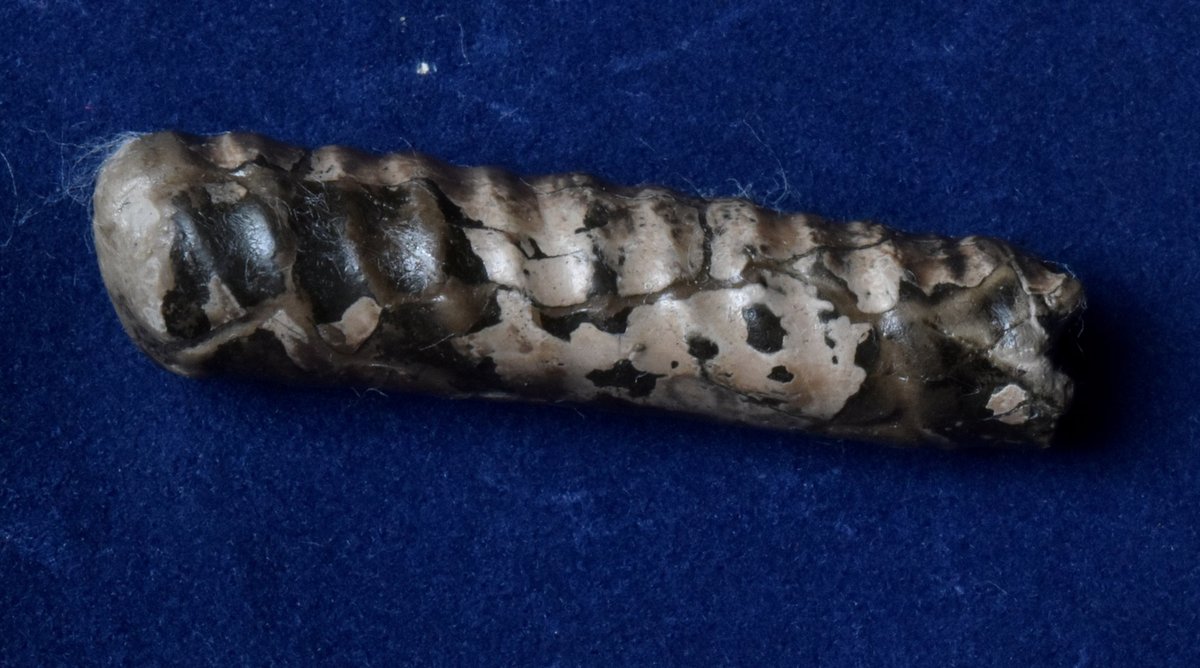
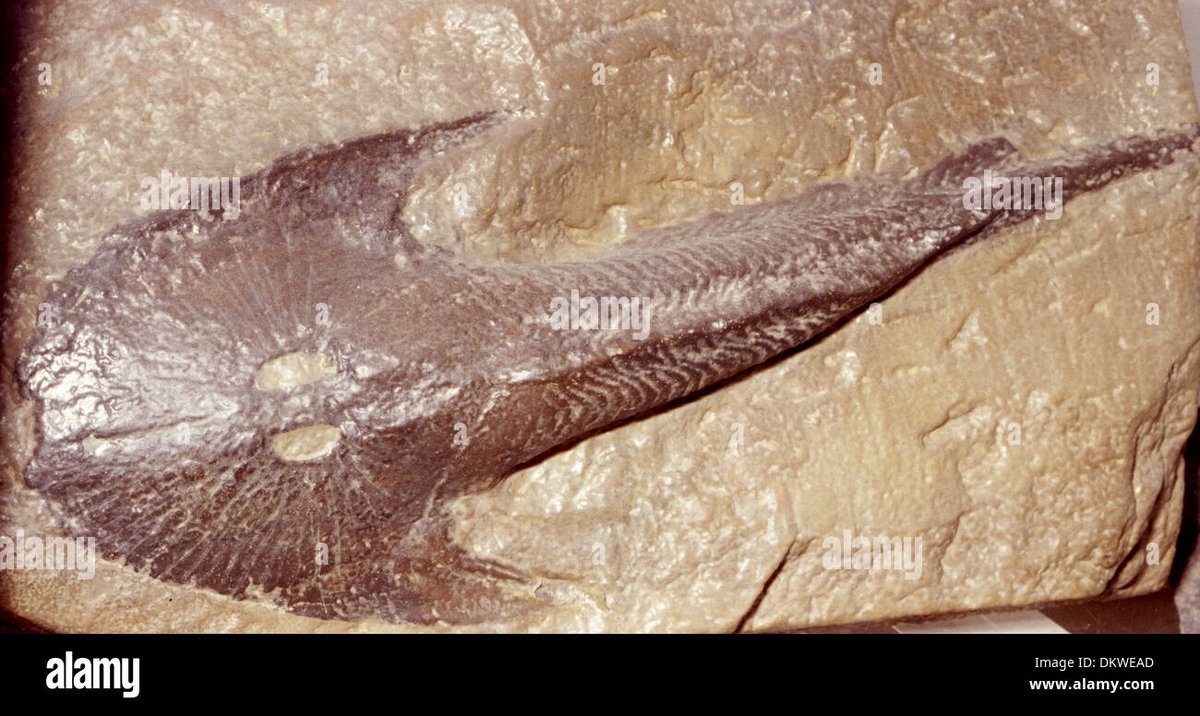
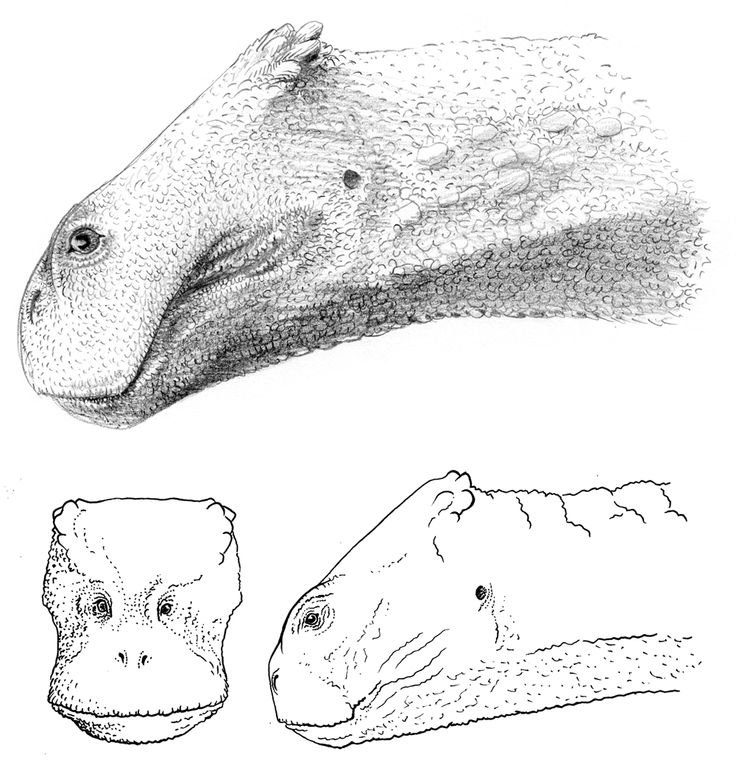
Henodus chelyops is a highly specialized marine reptile belonging to the order Placodontia, which thrived during the Carnian stage of the Late Triassic period, approximately 228 to 225 million years ago. Discovered in the fossil-rich deposits of what is now Germany, this remarkable organism represents one of the most extreme examples of convergent evolution in the vertebrate fossil record, having independently evolved a body plan astonishingly similar to that of modern turtles long before true turtles achieved such morphology. As a member of the cyamodontoid placodonts, Henodus is of immense significance to paleontology because it demonstrates the incredible plasticity of the reptilian body plan during the Mesozoic era and provides crucial insights into the early experimentation of armored, semi-aquatic lifestyles. Its unique anatomical adaptations, particularly its highly modified skull and jaws, have made it a focal point for studies concerning the dietary shifts and ecological niche partitioning among early marine reptiles following the Permian-Triassic extinction event. The physical description of Henodus is dominated by its extraordinary, turtle-like carapace and plastron, which encased its body in a rigid, flattened box of bone. Measuring approximately 100 centimeters (about 3.3 feet) in total length, Henodus was a relatively small to medium-sized reptile, with weight estimates suggesting a mass of around 20 to 30 kilograms. The most distinctive feature of Henodus was its broad, remarkably flattened, and almost perfectly square-shaped skull. Unlike the rounded snouts of many of its placodont relatives, the anterior portion of the Henodus skull was abruptly truncated, forming a wide, straight transverse edge. The upper and lower jaws were largely edentulous (toothless) at the front, covered instead by a horny beak in life. However, it retained a single pair of crushing teeth situated far back in the palate and lower jaw. The postcranial skeleton was heavily modified to support its massive dermal armor. The carapace was formed by a mosaic of hundreds of small, polygonal osteoderms (bony plates) fused to the ribs and vertebrae, while a similar structure formed the plastron on its belly. This armor was exceptionally broad and flat, giving the animal a pancake-like appearance when viewed from above. Its limbs were relatively weak and paddle-like, suggesting they were used more for slow, deliberate paddling rather than rapid swimming. When compared to modern animals, Henodus most closely resembled a flattened snapping turtle or a softshell turtle, though its internal skeletal architecture reveals its true identity as a sauropterygian reptile. The paleobiology of Henodus has been a subject of intense study and re-evaluation, particularly regarding its diet and feeding strategies. For decades, it was assumed that, like other placodonts, Henodus was a durophage, using its broad beak to scrape hard-shelled invertebrates from the substrate and its posterior teeth to crush them. However, more recent biomechanical and morphological analyses have strongly suggested that Henodus was actually a highly specialized filter-feeder. The straight, wide jaws are thought to have supported baleen-like structures or comb-like fringes of soft tissue. It is hypothesized that Henodus would swim slowly near the bottom of its shallow aquatic habitat, using its jaws to scoop up water and mud, and then expelling the water while trapping small invertebrates, crustaceans, and perhaps plant matter. The single pair of posterior teeth may have been used to crush the occasional larger, harder prey item ingested during this process. Its locomotion was likely slow and cumbersome; the rigid body armor precluded lateral undulation of the spine, meaning Henodus had to rely entirely on its limbs for propulsion. This suggests a low-energy lifestyle and a relatively slow metabolism, typical of heavily armored, bottom-dwelling ectotherms. Its social behavior remains unknown, but the dense accumulations of fossils in certain areas suggest they may have congregated in favorable habitats. The ecological context of Henodus is particularly fascinating, as it inhabited a world undergoing significant climatic and environmental shifts during the Late Triassic. Henodus lived during the Carnian stage, a time characterized by the Carnian Pluvial Episode, which saw a temporary shift from arid to highly humid and rainy conditions across the supercontinent of Pangaea. The specific environment inhabited by Henodus, as preserved in the Gipskeuper Formation of Germany, was a series of shallow, brackish, or possibly even non-marine lagoons and restricted inland basins. These environments were subject to fluctuating salinity levels and periodic desiccation. Henodus shared its habitat with a variety of other organisms, including early amphibians, various fish species, and other marine reptiles, though it occupied a unique ecological niche as a benthic filter-feeder. The heavy armor of Henodus suggests it faced predation pressure, likely from larger aquatic reptiles such as early ichthyosaurs or nothosaurs, or perhaps large semi-aquatic archosaurs that patrolled the shorelines. Its flat profile would have allowed it to hide partially buried in the mud, using camouflage and its bony shell as primary defenses. The discovery history of Henodus is inextricably linked to the pioneering work of the renowned German paleontologist Friedrich von Huene. The first fossils of Henodus were discovered in 1936 in the Gipskeuper deposits near the town of Tübingen, in Baden-Württemberg, Germany. Von Huene formally described and named the type species, Henodus chelyops, in the same year. The generic name, Henodus, translates to 'single tooth,' referring to the solitary pair of crushing teeth found in the posterior region of its jaws, a stark contrast to the multiple crushing teeth seen in other placodonts. The specific epithet, chelyops, means 'turtle face,' an apt description of its remarkable convergent morphology. The initial discoveries consisted of several well-preserved skulls and articulated postcranial skeletons, which were meticulously excavated and prepared by von Huene and his team. These specimens, many of which are still housed in the paleontological collections of the University of Tübingen, remain the quintessential reference material for the species. The circumstances of the discovery in the Gipskeuper—a geological formation known for its evaporite deposits—provided immediate clues about the unusual, restricted lagoonal environment in which this animal lived and died. The evolutionary significance of Henodus lies in its position within the Placodontia, a specialized group of marine reptiles belonging to the broader clade Sauropterygia, which also includes the famous plesiosaurs. Placodonts were among the first reptiles to invade the marine realm during the Triassic, and they rapidly diversified into various shell-crushing forms. Henodus represents the zenith of the cyamodontoid lineage, a subgroup of placodonts that evolved extensive dermal armor. What makes Henodus so crucial to evolutionary biology is its status as a textbook example of convergent evolution. Millions of years before the ancestors of modern turtles (Testudines) developed their characteristic shells, Henodus evolved a nearly identical solution for protection and buoyancy control using a completely different developmental pathway. While a turtle's carapace is formed primarily by the expansion and fusion of its ribs and vertebrae, the armor of Henodus is composed of thousands of individual dermal ossifications (osteoderms) that fused together over the underlying skeleton. Furthermore, its transition from the ancestral durophagous (shell-crushing) diet of early placodonts to a highly specialized filter-feeding lifestyle demonstrates the remarkable adaptive radiation of marine reptiles during the Triassic recovery phase. Scientific debates surrounding Henodus have primarily centered on its dietary habits and the exact function of its bizarre cranial anatomy. For many years following von Huene's initial description, the consensus was that Henodus used its broad, squared-off beak to scrape bivalves and brachiopods from the substrate, using its single pair of teeth to crack them open. However, in the late 20th and early 21st centuries, paleontologists began to question this interpretation. The extreme width of the jaws, the weakness of the lower jaw articulation, and the presence of distinct grooves along the jaw margins led researchers like Olivier Rieppel to propose the filter-feeding hypothesis. This reinterpretation sparked significant debate within the paleontological community, as filter-feeding was previously unknown among placodonts. Biomechanical modeling and comparisons with modern filter-feeding birds (like flamingos) and mammals have since provided strong support for the filter-feeding model, though some researchers still argue that it may have been an opportunistic omnivore. Additionally, the exact phylogenetic placement of placodonts within the broader reptilian family tree remains a topic of ongoing research, with debates over whether they are more closely related to archosauromorphs or lepidosauromorphs. The fossil record of Henodus is relatively restricted geographically, being known almost exclusively from the Carnian-aged Gipskeuper deposits of the Tübingen region in Germany. Despite this limited geographic range, the quality of preservation for Henodus specimens is often exceptional. The anoxic, hypersaline conditions of the lagoonal environments where they died were highly conducive to fossilization, preventing scavenging and slowing decay. As a result, paleontologists have recovered several nearly complete, articulated skeletons, providing an unparalleled look at its osteology. The heavy dermal armor is typically the best-preserved part of the animal, often found intact and uncrushed. The delicate skulls are also frequently preserved in three dimensions, allowing for detailed CT scanning and internal reconstruction. While the total number of known specimens is not massive—numbering in the dozens rather than hundreds—the completeness of these fossils makes Henodus one of the best-understood placodonts in the fossil record. The cultural impact of Henodus, while perhaps not as widespread as that of dinosaurs like Tyrannosaurus or Triceratops, is significant within the realms of paleontology enthusiasts and educational institutions. The spectacular, nearly complete specimens of Henodus are prized display pieces in several major European natural history museums, most notably the paleontological museum at the University of Tübingen, where von Huene conducted his original research. In popular culture, Henodus frequently appears in books, documentaries, and paleoart focusing on the Triassic period or the evolution of marine reptiles, often highlighted as a bizarre 'fake turtle' to illustrate the concept of convergent evolution. Its unique appearance and specialized lifestyle make it an excellent educational tool for teaching students about adaptation, ecological niches, and the diversity of life that existed before the age of dinosaurs.
Classification
Time Period
Discovery
Location
Germany
Formation
Gipskeuper Formation
Frequently Asked Questions
What is Henodus?
Henodus chelyops is a highly specialized marine reptile belonging to the order Placodontia, which thrived during the Carnian stage of the Late Triassic period, approximately 228 to 225 million years ago. Discovered in the fossil-rich deposits of what is now Germany, this remarkable organism represen...
When did Henodus live?
Henodus lived during the triassic period of the mesozoic era approximately 228-225 million years ago.
Where was Henodus discovered?
Fossils of Henodus were discovered in Germany in the Gipskeuper Formation.
What did Henodus eat?
Henodus was a filter-feeder. It lived in semi-aquatic habitats.
What type of fossil is Henodus?
Henodus is preserved as a body fossil. The preservation quality is excellent.
Related Specimens
From the mesozoic era · body fossils