Leedsichthys
Leedsichthys problematicus
Image: Image sourced via web search (Fair use / Educational)
About Leedsichthys
Leedsichthys problematicus is an extinct genus of massive pachycormid fish that lived in the oceans of the Middle to Late Jurassic period, approximately 165 to 155 million years ago. Recognized as one of the largest teleost fish to have ever existed, this colossal marine organism represents a pivotal moment in the evolutionary history of marine ecosystems. Its discovery in the late nineteenth century fundamentally altered paleontological perspectives on the maximum size limits of bony fishes and the early evolution of large-scale suspension feeding in marine vertebrates. As a pioneer of the filter-feeding niche that is today dominated by baleen whales and whale sharks, Leedsichthys holds a unique and highly significant position in the annals of vertebrate paleontology, offering profound insights into the biological productivity of Jurassic oceans.
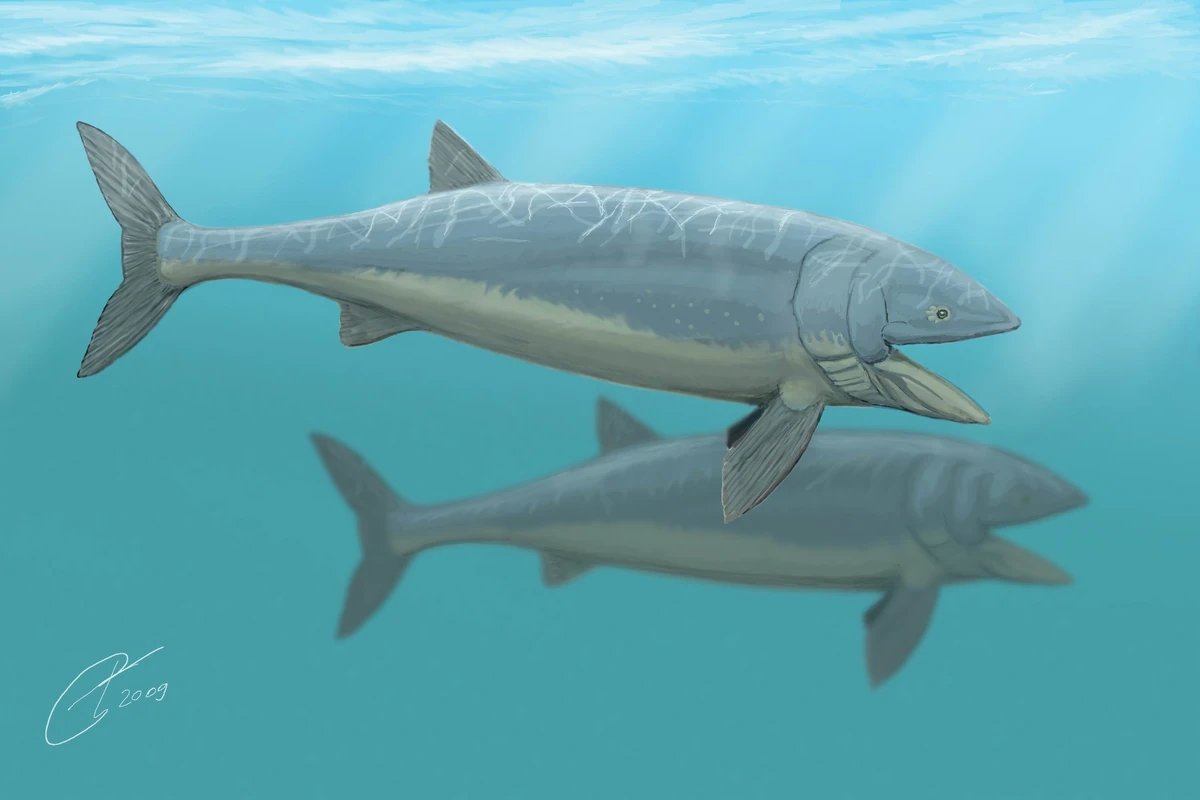
The physical dimensions and anatomical characteristics of Leedsichthys problematicus have been the subject of intense study and revision, but modern consensus places its maximum length at approximately sixteen meters, or roughly fifty-two feet, with an estimated weight of up to forty metric tons. This makes it comparable in size to modern humpback whales or large whale sharks. Unlike the heavily ossified skeletons of many modern teleosts, the skeleton of Leedsichthys was largely composed of cartilage, which did not fossilize well, leaving behind only the most robust bony elements such as the massive gill baskets, parts of the skull, and the pectoral fin rays. The skull was enormous, equipped with a highly specialized suspension-feeding apparatus. The mouth was broad and toothless, designed to engulf massive volumes of water. Behind the mouth lay an intricate network of gill rakers, which were elongated, comb-like structures composed of bone and cartilage that functioned as a highly efficient sieve. These rakers were covered in delicate, tooth-like structures called gill teeth, which helped to trap tiny planktonic organisms as water was expelled through the gill slits. The pectoral fins were exceptionally long and scythe-like, providing stability and lift as the massive animal cruised through the water column. The tail was deeply forked and highly symmetrical, indicative of a powerful swimmer capable of sustained, efficient cruising over vast oceanic distances. Despite its immense size, the postcranial skeleton was remarkably lightweight, an adaptation that likely reduced the energetic costs of maintaining buoyancy and locomotion in such a colossal organism.
In terms of paleobiology, Leedsichthys was a highly specialized filter-feeder, occupying an ecological niche analogous to that of modern mysticete whales and massive cartilaginous fishes like the basking shark and the manta ray. Its diet consisted primarily of zooplankton, including small crustaceans, jellyfish, and small fish, which it harvested by swimming forward with its massive mouth agape, a strategy known as ram suspension feeding. As water flowed into the mouth and out through the gills, the intricate gill rakers filtered out the nutrient-rich plankton. The energetic demands of such a massive body size suggest that Leedsichthys required enormous quantities of food, implying that it likely followed seasonal plankton blooms across vast oceanic distances, much like modern migratory whales. Locomotion was achieved through the continuous, rhythmic beating of its powerful, deeply forked tail, while the long pectoral fins acted as hydroplanes to maintain vertical stability. Growth patterns, analyzed through the histological examination of its fossilized fin rays, indicate that Leedsichthys grew rapidly during its early years, likely to quickly reach a size refuge where it would be safe from most marine predators. These growth rings, similar to those found in tree trunks, suggest a lifespan that could easily exceed forty years. The metabolic rate of Leedsichthys is a subject of ongoing research, but its massive size and the relatively warm temperatures of the Jurassic oceans suggest it may have exhibited a degree of gigantothermy, maintaining a stable internal body temperature through sheer thermal inertia, which would have enhanced its muscular efficiency and overall physiological performance during long-distance migrations.
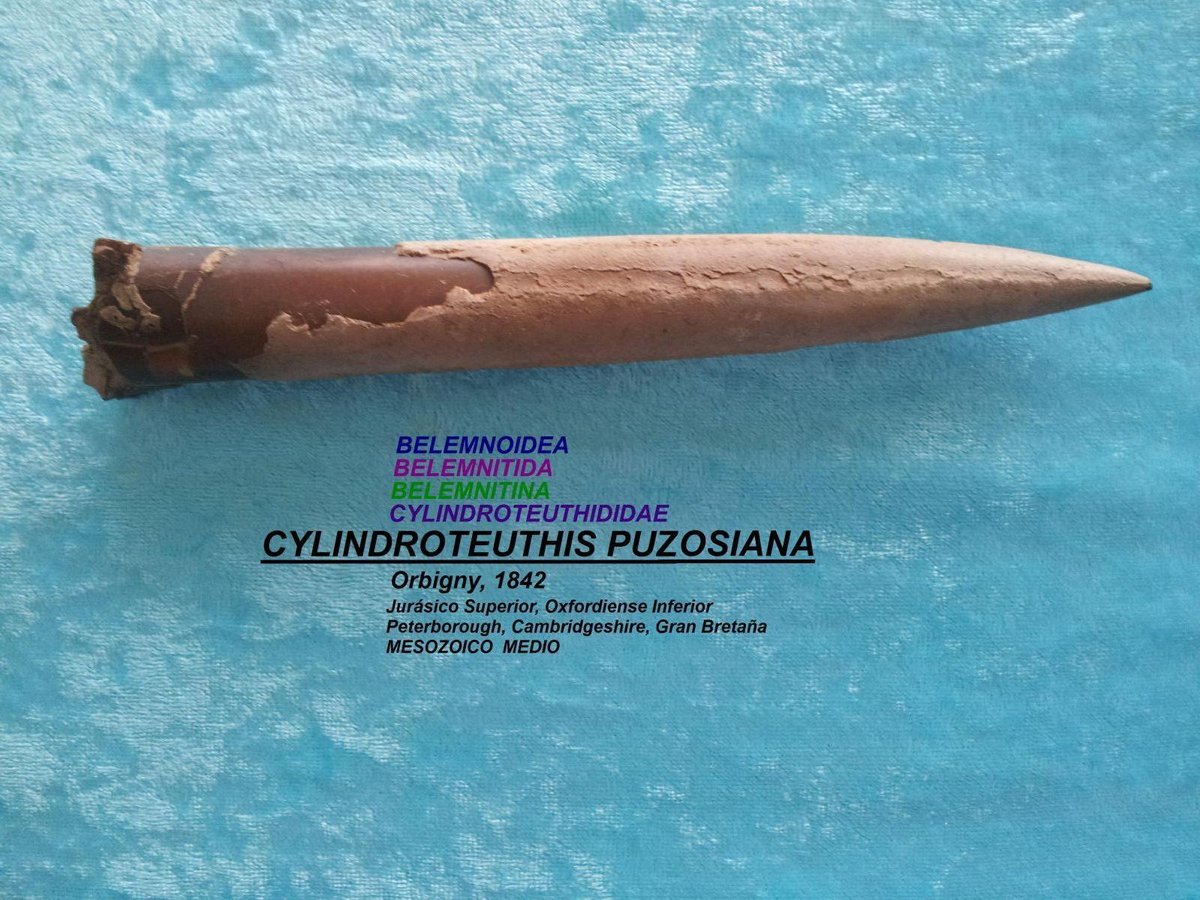
The ecological context of the Middle to Late Jurassic period provided the perfect conditions for the evolution of a colossal filter-feeder like Leedsichthys. During this time, the supercontinent of Pangea was continuing to break apart, creating expansive, shallow epicontinental seas that were bathed in a warm, equitable global climate. These shallow seas, such as the European archipelago where the Oxford Clay Formation was deposited, were highly productive environments, fueled by nutrient upwelling that supported massive blooms of phytoplankton and zooplankton. Leedsichthys sat near the base of this vibrant food web, acting as a crucial energy conduit between the microscopic plankton and the larger marine ecosystem. It shared its habitat with a diverse array of marine life, including ammonites, belemnites, and a variety of other bony fishes and sharks. More notably, it coexisted with an impressive guild of marine reptiles, such as the dolphin-like ichthyosaur Ophthalmosaurus, the long-necked plesiosaur Cryptoclidus, and the fearsome marine crocodile Metriorhynchus. While a fully grown Leedsichthys would have been largely immune to predation due to its sheer size, juveniles, sick, or dying individuals would have been prime targets for apex predators like the massive pliosaur Liopleurodon. Fossil evidence, including bite marks and embedded teeth found on Leedsichthys bones, confirms that these giant fish were indeed scavenged or actively hunted by marine crocodilians and pliosaurs, highlighting their role as a massive, swimming buffet in the Jurassic marine ecosystem.
The discovery history of Leedsichthys is a fascinating chapter in the annals of paleontology, beginning in the late nineteenth century in the brick pits of Peterborough, England. The first fragmentary remains were unearthed in 1889 by Alfred Nicholson Leeds, a wealthy gentleman farmer and passionate amateur paleontologist who dedicated much of his life to collecting fossils from the Oxford Clay Formation. The sheer size and unusual morphology of the bones initially puzzled Leeds and the scientific community. When the eminent paleontologist Arthur Smith Woodward of the British Museum of Natural History examined the specimens, he recognized them as belonging to a gigantic, previously unknown species of fish. In 1889, Woodward formally named the creature Leedsichthys problematicus. The genus name honors Alfred Leeds, while the specific epithet problematicus reflects the extreme difficulty Woodward and others faced in interpreting the highly fragmented and confusing fossil remains. Because the skeleton was largely cartilaginous, the bones were often found crushed, scattered, and isolated, making reconstruction a monumental challenge. Over the decades, more complete specimens have been discovered, most notably a massive, relatively articulated specimen nicknamed Ariston, discovered in 2001 near Peterborough by students from the University of Glasgow. This specimen, along with others excavated by paleontologist Jeff Liston, has provided crucial data that has significantly refined our understanding of the animal's true size and anatomy, resolving many of the problems that plagued its early discoverers.
The evolutionary significance of Leedsichthys cannot be overstated, as it represents a major milestone in the history of vertebrate life. Taxonomically, it belongs to the Pachycormiformes, an extinct order of ray-finned fishes that are considered to be an early, specialized offshoot of the teleost lineage, the group that comprises the vast majority of living bony fishes today. Leedsichthys and its close relatives, such as Asthenocormus and Martillichthys, demonstrate that the evolutionary innovation of large-scale suspension feeding evolved independently in bony fishes millions of years before it appeared in cartilaginous fishes like whale sharks or in mammals like baleen whales. This phenomenon, known as convergent evolution, highlights how different lineages of animals can evolve similar morphological adaptations in response to similar ecological opportunities, in this case, the abundance of planktonic food resources in the Mesozoic oceans. The existence of Leedsichthys proves that the biological productivity of Jurassic oceans was sufficient to support gigantism in filter-feeding vertebrates, a trait previously thought to be restricted to the Cenozoic era following the evolution of diatoms. Furthermore, the study of pachycormids provides vital transitional clues regarding the early diversification of teleost fishes, shedding light on the morphological plasticity of the fish skull and the evolutionary pathways that led to the incredible diversity of feeding mechanisms seen in modern aquatic ecosystems.
Scientific debates surrounding Leedsichthys have historically been dominated by controversies over its maximum size. In the late twentieth century, some paleontologists, extrapolating from isolated, massive gill baskets and fin rays, proposed staggering length estimates of up to twenty-seven or even thirty meters, which would have made it the largest fish to have ever lived by a wide margin. However, these estimates were heavily criticized for relying on flawed scaling models based on differently proportioned modern fishes. In the early 2000s, a comprehensive reassessment of all known Leedsichthys material by paleontologist Jeff Liston and his colleagues utilized more accurate scaling techniques based on closely related, fully articulated pachycormid fossils. This rigorous analysis significantly downsized the animal, establishing a scientifically robust maximum length of approximately sixteen meters. While this revision disappointed some enthusiasts who favored the hyper-giant estimates, it provided a much more biologically plausible model for the animal's growth and metabolism. Ongoing debates also center on the exact phylogenetic placement of the Pachycormiformes within the broader teleost family tree, with some researchers arguing they are stem-teleosts, while others suggest they may be more closely related to modern bowfins and gars.
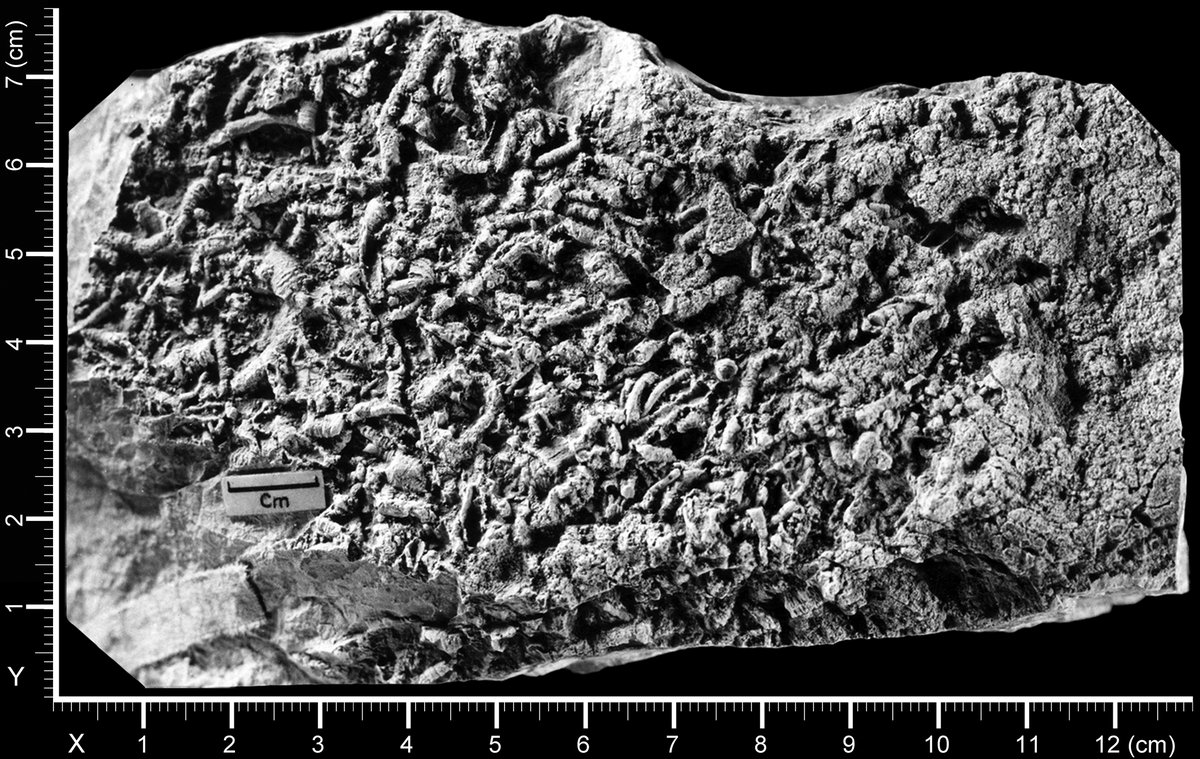
The fossil record of Leedsichthys is both geographically widespread and notoriously difficult to interpret due to the animal's unique taphonomy. The vast majority of specimens, including the holotype, have been recovered from the Oxford Clay Formation in England, a geological unit renowned for its exceptional preservation of Jurassic marine life. However, because the skeleton of Leedsichthys was highly paedomorphic, meaning it retained juvenile, cartilaginous characteristics into adulthood to save weight, its bones were fragile and prone to rapid decay and scattering by scavengers and ocean currents before burial. Consequently, complete, articulated skeletons are virtually unknown. Instead, the fossil record consists primarily of isolated, robust elements: the massive, fibrous gill rakers, the heavily ossified pectoral fin rays, and fragments of the skull roof. Despite these preservation biases, Leedsichthys fossils have also been identified in the Vaca Muerta Formation in Argentina, the Callovian deposits of northern France, and potentially in Chile, indicating that this colossal fish had a cosmopolitan distribution, roaming globally across the interconnected oceans of the Middle to Late Jurassic. The discovery of these widely dispersed specimens continues to provide valuable data for reconstructing the paleobiogeography of Mesozoic marine ecosystems.
The cultural impact of Leedsichthys has grown significantly as public awareness of prehistoric marine life has expanded beyond dinosaurs. It achieved widespread fame following its prominent appearance in the 2003 BBC documentary series Sea Monsters, a spin-off of Walking with Dinosaurs, where it was dramatically depicted as a gentle giant falling prey to marine reptiles. This visual representation cemented its status in popular culture as the quintessential prehistoric sea monster. Today, Leedsichthys is a popular subject in paleontology-themed video games, books, and documentaries. Notable museum displays, such as the impressive reconstructions and fossil exhibits at the Natural History Museum in London and the Hunterian Museum in Glasgow, continue to captivate the public imagination. Educationally, Leedsichthys serves as a powerful tool for teaching concepts of convergent evolution, marine ecology, and the dynamic nature of scientific discovery and revision.
Classification
Time Period
Discovery
Location
England
Formation
Oxford Clay Formation
Frequently Asked Questions
What is Leedsichthys?
Leedsichthys problematicus is an extinct genus of massive pachycormid fish that lived in the oceans of the Middle to Late Jurassic period, approximately 165 to 155 million years ago. Recognized as one of the largest teleost fish to have ever existed, this colossal marine organism represents a pivota...
When did Leedsichthys live?
Leedsichthys lived during the jurassic period of the mesozoic era approximately 165-155 million years ago.
Where was Leedsichthys discovered?
Fossils of Leedsichthys were discovered in England in the Oxford Clay Formation.
What did Leedsichthys eat?
Leedsichthys was a filter-feeder. It lived in marine habitats.
What type of fossil is Leedsichthys?
Leedsichthys is preserved as a body fossil. The preservation quality is poor.
Related Specimens
From the mesozoic era · body fossils