Ophthalmosaurus
Ophthalmosaurus icenicus
Image: Image sourced via web search (Fair use / Educational)
About Ophthalmosaurus
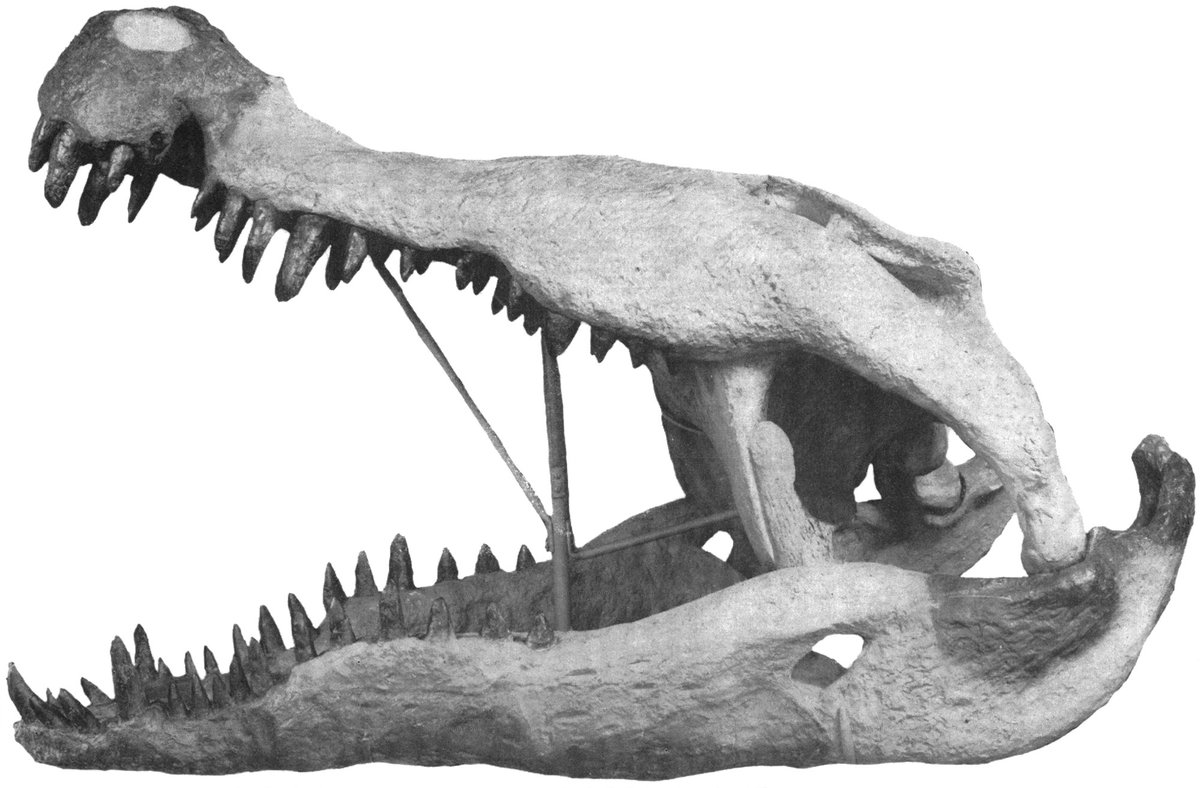
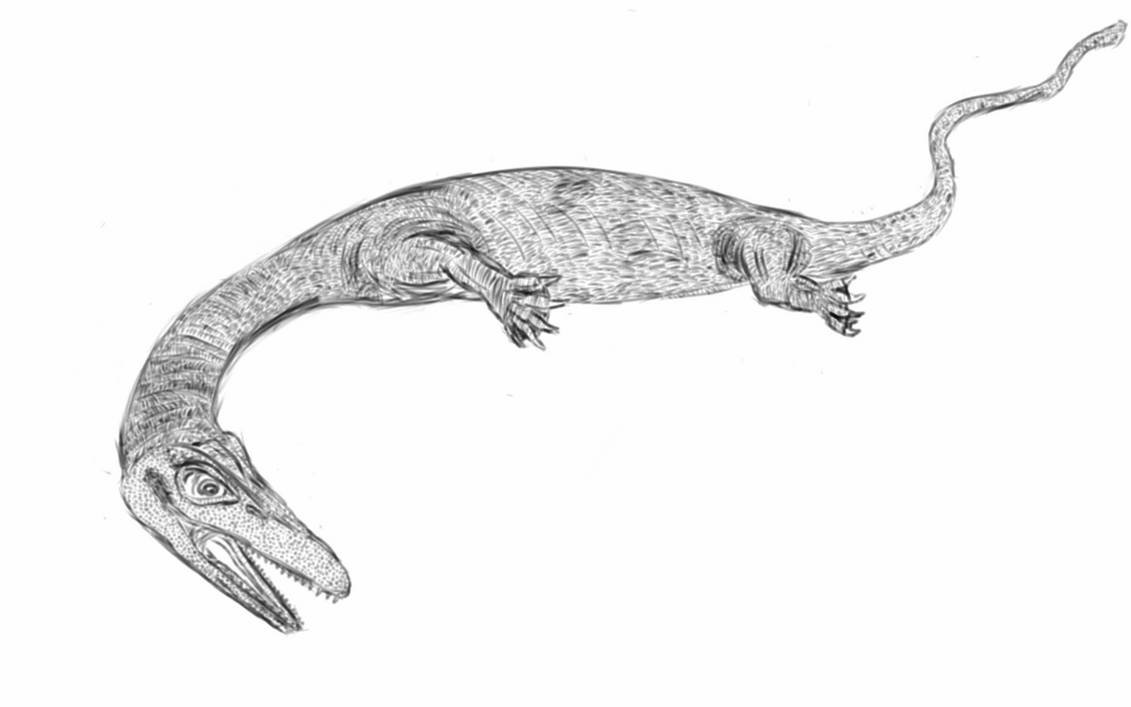
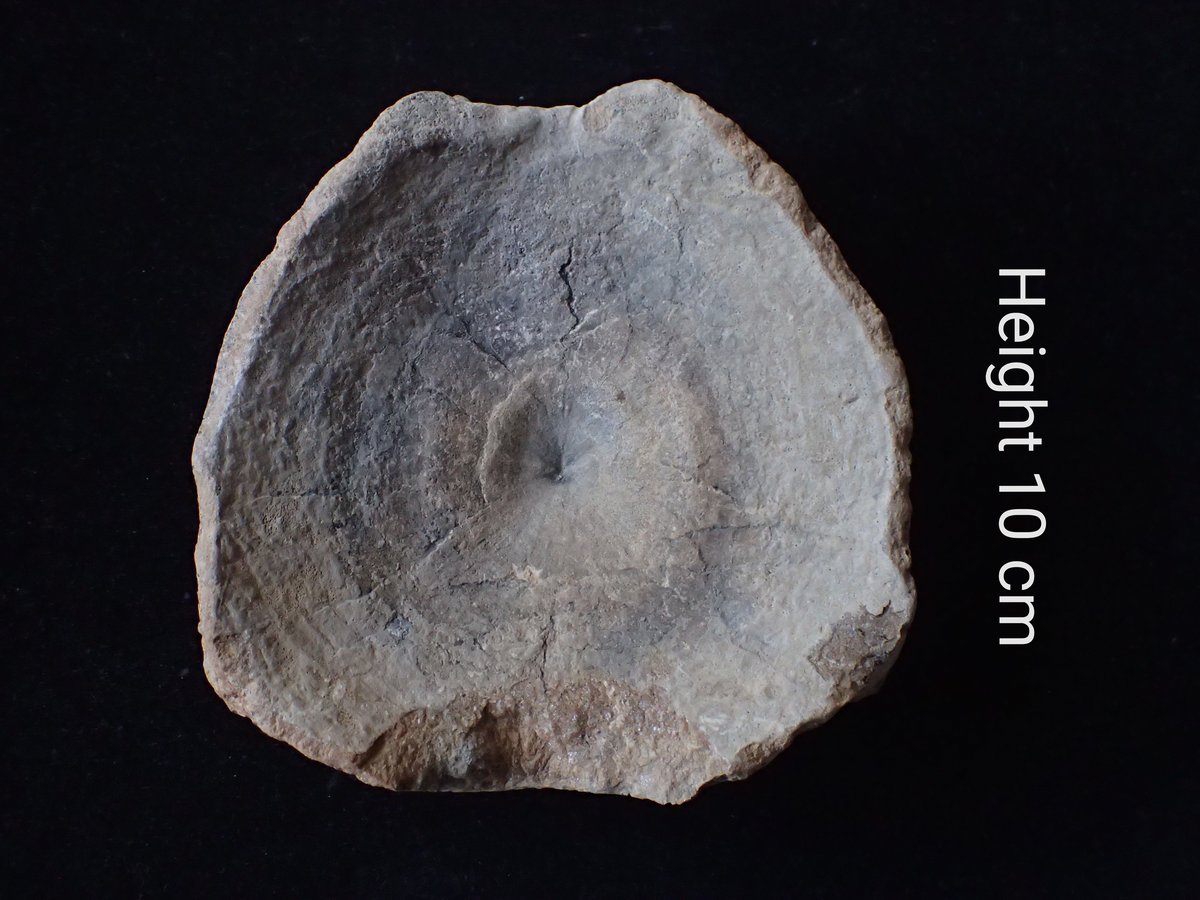
Ophthalmosaurus icenicus was a highly specialized marine reptile belonging to the order Ichthyosauria, thriving during the Middle to Late Jurassic period, approximately 165 to 155 million years ago. Inhabiting the warm, shallow epicontinental seas that covered much of what is now Europe and the Americas, this remarkable creature is perhaps best known for possessing some of the largest eyes relative to body size of any vertebrate in Earth's history. Its name, which translates to 'eye lizard' in Greek, perfectly encapsulates its most defining morphological feature. As a quintessential representative of the highly derived thunniform (tuna-like) ichthyosaurs, Ophthalmosaurus holds immense significance in the field of paleontology, providing crucial insights into the evolutionary convergence between marine reptiles, modern predatory fish, and cetaceans. The abundance and exceptional preservation of its fossils have allowed scientists to reconstruct its anatomy, paleobiology, and ecological role with a level of detail rarely achievable for Mesozoic marine organisms, making it a cornerstone species for understanding Jurassic marine ecosystems. The physical anatomy of Ophthalmosaurus was a marvel of hydrodynamic engineering, optimized for efficient cruising and rapid pursuit in a pelagic environment. Reaching an average adult length of approximately 6 meters (nearly 20 feet) and an estimated weight of around 1,000 to 2,000 kilograms, it was comparable in size and general body shape to a modern beluga whale or a large great white shark. Its body was perfectly streamlined, featuring a distinctively teardrop-shaped torso that tapered smoothly into a powerful, crescent-shaped tail fluke. Unlike earlier, more primitive ichthyosaurs that possessed elongated, eel-like bodies, Ophthalmosaurus had a stiffened vertebral column, meaning that propulsion was generated almost entirely by the rapid oscillation of its tail, while its paddle-like forelimbs and hindlimbs were utilized primarily for steering and stabilization. The forelimbs were notably larger than the hindlimbs, containing tightly packed, disk-like phalanges that formed rigid hydrofoils. However, the most astonishing aspect of Ophthalmosaurus's anatomy was its skull, which was dominated by enormous orbital cavities. The eyes of a fully grown adult could measure up to 22 centimeters (nearly 9 inches) in diameter, roughly the size of a standard bowling ball. These massive eyes were supported and protected by a robust ring of interlocking bony plates known as the sclerotic ring, which helped maintain the shape of the eyeball against the immense pressure of deep-water environments. The snout was elongated, slender, and almost entirely toothless in adults, a stark contrast to the heavily toothed jaws of its ancestors, suggesting a highly specialized method of prey capture. Soft tissue inferences, drawn from exceptionally preserved ichthyosaur specimens found elsewhere, indicate that Ophthalmosaurus possessed a fleshy dorsal fin to prevent rolling, and smooth, scaleless skin that reduced drag as it moved through the water column. The paleobiology of Ophthalmosaurus is a subject of intense scientific fascination, particularly regarding its sensory adaptations and feeding strategies. The sheer size of its eyes strongly indicates that vision was its primary sense, adapted for gathering light in extremely dim environments. This has led paleontologists to conclude that Ophthalmosaurus was either a nocturnal hunter, foraging near the surface under the cover of darkness, or a deep-diving specialist that plunged into the mesopelagic or bathypelagic zones where sunlight barely penetrates. Its slender, largely toothless snout suggests a diet consisting primarily of soft-bodied cephalopods, such as squid and belemnites, as well as small, schooling fish. Rather than chewing its food, Ophthalmosaurus likely employed a 'ram feeding' or 'suction feeding' strategy, snapping its jaws shut around slippery prey and swallowing it whole. Its thunniform body plan indicates a high-performance metabolism, likely exhibiting a degree of endothermy (warm-bloodedness) that allowed it to maintain a stable internal body temperature in cold, deep waters and sustain continuous, active swimming. Furthermore, like all ichthyosaurs, Ophthalmosaurus was viviparous, giving birth to live young at sea. Fossil evidence of related species shows embryos developing within the mother's body and being born tail-first to prevent drowning. Growth patterns inferred from bone histology suggest that Ophthalmosaurus grew rapidly during its early years, reaching sexual maturity quickly to mitigate the high predation risks faced by juveniles in the dangerous Jurassic oceans. The ecological context in which Ophthalmosaurus lived was a vibrant and diverse marine world, drastically different from the oceans of today. During the Middle to Late Jurassic, the supercontinent of Pangea was continuing to rift apart, creating a network of warm, shallow seaways that teemed with life. The Oxford Clay Formation of the United Kingdom, where the majority of Ophthalmosaurus fossils have been discovered, represents a muddy, organic-rich sea floor environment that was situated beneath a highly productive water column. In this ecosystem, Ophthalmosaurus occupied the niche of a mid-level pelagic predator. It shared its habitat with a wide array of marine organisms, including massive schools of ammonites and belemnites, which formed the foundation of its diet. The waters were also populated by other marine reptiles, such as the long-necked plesiosaurs like Cryptoclidus, and the heavily armored marine crocodiles like Metriorhynchus. However, Ophthalmosaurus was not at the top of the food chain. It was undoubtedly preyed upon by the apex predators of the Jurassic seas, most notably the colossal pliosaurs such as Liopleurodon and Simolestes. The speed and agility of Ophthalmosaurus were its primary defenses against these massive, bone-crushing predators. The evolutionary arms race between fast-swimming cephalopods, agile ichthyosaurs, and ambush-hunting pliosaurs drove the remarkable adaptations seen in the Oxford Clay fauna, creating a dynamic and highly competitive marine food web. The discovery history of Ophthalmosaurus is deeply intertwined with the golden age of British paleontology in the late 19th and early 20th centuries. The genus was first officially described and named by the eminent British paleontologist Harry Govier Seeley in 1874, based on fossil material recovered from the Oxford Clay near Peterborough, England. The specific epithet 'icenicus' honors the Iceni, an ancient Celtic tribe that once inhabited the region of East Anglia where the fossils were found. However, it was the meticulous and extensive work of Charles William Andrews in the early 1900s that truly brought Ophthalmosaurus to the forefront of scientific understanding. Andrews, working with the vast collections amassed by the Leeds family—wealthy farmers and amateur paleontologists who systematically excavated the Oxford Clay—was able to describe the osteology of Ophthalmosaurus in unprecedented detail. The Leeds collection provided hundreds of beautifully preserved, three-dimensional bones, allowing Andrews to reconstruct the entire skeleton with a high degree of accuracy. Unlike many fossil discoveries that rely on a single, crushed holotype, the sheer volume of Ophthalmosaurus material meant that scientists could study individual variation, ontogeny (growth), and pathology. Over the decades, additional species have been proposed and debated, and fossils attributed to Ophthalmosaurus or closely related genera have been found in North America, South America, and Europe, highlighting the global distribution of these successful marine reptiles during the Jurassic. The evolutionary significance of Ophthalmosaurus cannot be overstated, as it represents the zenith of ichthyosaur adaptation to a fully pelagic, high-speed lifestyle. Within the evolutionary tree of life, ichthyosaurs are a unique group of marine reptiles whose exact origins among early diapsids remain somewhat obscure, though they are completely distinct from dinosaurs. Ophthalmosaurus is the type genus of the family Ophthalmosauridae, a highly successful clade that originated in the Middle Jurassic and persisted until the early Late Cretaceous, long after more primitive ichthyosaur lineages had gone extinct. The anatomical features of Ophthalmosaurus—specifically its rigid, teardrop-shaped body, lunate tail, and hyper-enlarged eyes—demonstrate one of the most striking examples of convergent evolution in the history of vertebrates. Separated by tens of millions of years, Ophthalmosaurus evolved a body plan remarkably similar to that of modern tunas, lamnid sharks, and dolphins, dictated by the unforgiving physical constraints of moving efficiently through water. Furthermore, the survival and radiation of the ophthalmosaurids during the Late Jurassic and Early Cretaceous suggest that they were highly adaptable, able to exploit deep-water niches and specialized diets that shielded them from the environmental changes and competition that doomed other marine reptile groups. Despite the wealth of fossil material, Ophthalmosaurus remains the subject of ongoing scientific debates and revisions. One of the primary controversies centers around the exact depth to which it could dive. While the massive eyes and robust sclerotic rings strongly suggest deep-diving capabilities, some biomechanical studies argue that the bone density and structure of Ophthalmosaurus might not have withstood the extreme pressures of the bathypelagic zone, proposing instead that it hunted primarily at night in shallower waters. Another significant area of debate involves its taxonomy. For many years, numerous fragmentary ichthyosaur fossils from around the world were lumped into the genus Ophthalmosaurus, turning it into a 'wastebasket taxon.' Recent phylogenetic analyses and rigorous re-examinations of the fossil material have led to the reassignment of many of these specimens to new genera, such as Undorosaurus and Cryopterygius, thereby restricting the true Ophthalmosaurus to a more specific geographic and temporal range. Additionally, debates continue regarding the exact nature of its swimming mechanics, with some researchers using computational fluid dynamics to argue for a more flexible body than traditionally depicted, challenging the strict thunniform model. The fossil record of Ophthalmosaurus is exceptionally rich, making it one of the best-understood marine reptiles of the Mesozoic era. The vast majority of high-quality specimens originate from the Oxford Clay Formation in the United Kingdom, which dates to the Callovian stage of the Middle Jurassic. This formation is renowned for its unique taphonomic conditions; the anoxic, muddy bottom waters prevented scavengers from disturbing the carcasses, while the fine-grained sediment allowed for the three-dimensional preservation of uncrushed bones. As a result, paleontologists have access to hundreds of individual specimens, ranging from isolated vertebrae and teeth to complete, articulated skeletons. The preservation is often so exquisite that the delicate, interlocking plates of the sclerotic rings are found perfectly intact within the orbital cavities. Beyond the UK, fossils attributed to the Ophthalmosauridae family have been discovered in the Sundance Formation of Wyoming, USA, and in various deposits across Russia, Argentina, and Mexico. This extensive fossil record not only provides a comprehensive picture of the animal's anatomy but also offers invaluable data on population dynamics, disease, and the broader paleoecology of the Jurassic oceans. The cultural impact of Ophthalmosaurus is significant, as its distinctive, large-eyed appearance has made it a favorite subject in popular science and media. It gained widespread public recognition through its prominent feature in the acclaimed 1999 BBC documentary series 'Walking with Dinosaurs,' where it was depicted giving birth and evading the massive pliosaur Liopleurodon. This dramatic portrayal cemented its image in the public consciousness as the quintessential Jurassic ichthyosaur. Today, spectacular mounted skeletons and life-sized models of Ophthalmosaurus can be found in major natural history museums around the world, including the Natural History Museum in London, where the historic Leeds collection is housed. Educationally, it serves as a premier textbook example of convergent evolution and sensory adaptation, captivating the imagination of students and museum visitors while illustrating the dynamic and ever-changing nature of life on Earth.
Classification
Time Period
Discovery
Location
United Kingdom
Formation
Oxford Clay Formation
Frequently Asked Questions
What is Ophthalmosaurus?
Ophthalmosaurus icenicus was a highly specialized marine reptile belonging to the order Ichthyosauria, thriving during the Middle to Late Jurassic period, approximately 165 to 155 million years ago. Inhabiting the warm, shallow epicontinental seas that covered much of what is now Europe and the Amer...
When did Ophthalmosaurus live?
Ophthalmosaurus lived during the jurassic period of the mesozoic era approximately 165-155 million years ago.
Where was Ophthalmosaurus discovered?
Fossils of Ophthalmosaurus were discovered in United Kingdom in the Oxford Clay Formation.
What did Ophthalmosaurus eat?
Ophthalmosaurus was a carnivore. It lived in marine habitats.
What type of fossil is Ophthalmosaurus?
Ophthalmosaurus is preserved as a body fossil. The preservation quality is excellent.
Related Specimens
From the mesozoic era · body fossils