Quetzalcoatlus
Quetzalcoatlus northropi
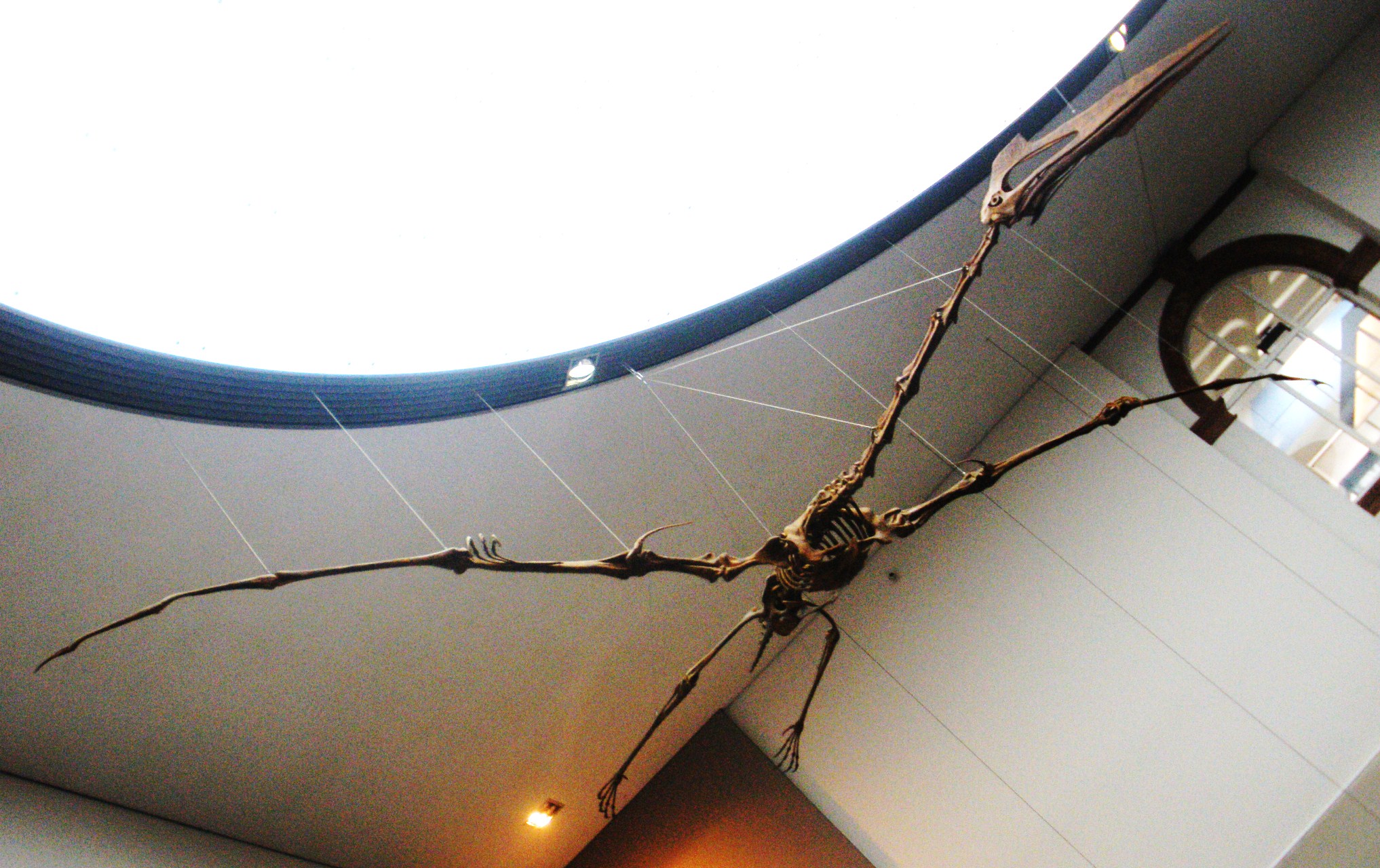
Image: File:Quetzalcoatlus northropi.jpg - Wikimedia Commons (CC BY-SA)
About Quetzalcoatlus
Quetzalcoatlus northropi was a colossal azhdarchid pterosaur that lived during the Maastrichtian age of the Late Cretaceous period, approximately 72 to 66 million years ago, and is widely celebrated as the largest known flying animal in the history of Earth. Roaming the terrestrial environments of what is now the Javelina Formation in Big Bend National Park, Texas, this magnificent archosaur represents the absolute pinnacle of aerial gigantism. Its existence fundamentally challenges and expands our understanding of the biological and biomechanical limits of powered flight in vertebrate animals.
The physical proportions of Quetzalcoatlus northropi are truly staggering, pushing the boundaries of what is biologically possible for a flying organism. Its most famous attribute is its immense wingspan, which paleontologists estimate to have reached between ten and eleven meters, or roughly thirty-three to thirty-six feet. This wingspan is comparable to that of a modern Cessna 172 light aircraft. When standing on the ground in a quadrupedal stance, resting on its folded wings and hind limbs, Quetzalcoatlus would have stood nearly as tall as a modern adult giraffe, with its shoulder height reaching approximately three meters. The skull alone was an anatomical marvel, estimated to be up to two and a half meters long, terminating in a sharply pointed, completely toothless beak that resembled a giant spear. To support such massive dimensions in the air, the skeleton of Quetzalcoatlus was highly pneumatized, meaning its bones were hollow and filled with air sacs connected to its respiratory system. The bone walls were incredibly thin, sometimes no thicker than a few millimeters, structurally reinforced by internal bony struts called trabeculae. Because of this extreme lightweight construction, the total body mass of this giant has been a subject of intense study, with modern consensus placing its weight between two hundred and two hundred and fifty kilograms. Its neck was extraordinarily elongated and stiffened, composed of massive cervical vertebrae that restricted lateral movement but provided a stable platform for its massive skull. Unlike birds, its wing membrane, or patagium, was stretched primarily from a single hyper-elongated fourth finger down to its hind limbs, supported by a complex network of actinofibrils that kept the wing taut and aerodynamically efficient during flight.
The paleobiology of Quetzalcoatlus reveals a highly specialized predator that utilized its massive size to dominate its ecosystem. Despite its enormous wings, current biomechanical models suggest that Quetzalcoatlus was a highly competent terrestrial locomoter. Trackways from related azhdarchid pterosaurs indicate that it walked quadrupedally, using a unique gait where the folded wings served as front limbs. In terms of diet and feeding strategy, Quetzalcoatlus was a formidable carnivore. Early theories proposed that it might have been a scavenger feeding on dinosaur carcasses, or a skim-feeder that dragged its lower jaw through the water to catch fish, similar to modern skimmer birds. However, biomechanical analyses of its neck and jaw articulation have largely discredited these ideas, showing that skim-feeding would have resulted in catastrophic drag forces that would snap its neck. The prevailing consensus today is the terrestrial stalker model. Much like a gigantic modern marabou stork or ground hornbill, Quetzalcoatlus likely stalked through open plains and riparian environments, using its towering height to spot prey. With lightning-fast downward strikes of its massive, spear-like beak, it could snatch up small dinosaurs, early mammals, lizards, and amphibians, swallowing them whole. Launching into the air was another biomechanical marvel; rather than running to take off like an albatross, Quetzalcoatlus utilized a quadrupedal launch. By vaulting itself into the air using the immense power of its forelimbs, it could achieve the necessary clearance and speed to initiate flapping flight, allowing it to take off even from flat ground despite its massive bulk. Once aloft, it was likely a dynamic soarer, utilizing thermal updrafts to travel vast distances across the Cretaceous landscape with minimal energy expenditure.
The ecological context in which Quetzalcoatlus thrived was a dynamic and diverse world, vastly different from the modern Texas landscape where its fossils are found. During the Maastrichtian age, the Javelina Formation represented a semi-arid inland floodplain, characterized by meandering rivers, expansive floodplains, and gallery forests composed of conifers, ferns, and early angiosperms. The climate was generally warm and seasonal, supporting a rich tapestry of Late Cretaceous flora and fauna. Quetzalcoatlus shared its habitat with some of the most famous dinosaurs of the Mesozoic era. Towering above the vegetation were massive titanosaurian sauropods like Alamosaurus, whose immense size would have made adult individuals immune to predation, though their vulnerable hatchlings likely provided a food source for the giant pterosaur. The apex predator of this environment was the infamous Tyrannosaurus rex, which hunted large herbivores such as the ceratopsian Bravoceratops and the hadrosaur Kritosaurus. In this complex food web, Quetzalcoatlus occupied a unique niche as an apex meso-predator. While it could not tackle large adult dinosaurs, its sheer size meant it had virtually no predators once it reached adulthood. It dominated the skies and the ground-level micro-fauna, acting as a crucial population control for small vertebrates. The presence of such a massive flying predator indicates an ecosystem rich enough in small prey to sustain the high metabolic demands of a giant, warm-blooded, active flyer.
The discovery history of Quetzalcoatlus is a landmark moment in twentieth-century paleontology, fundamentally altering the scientific perception of pterosaurs. The first fossils were discovered in 1971 by Douglas A. Lawson, who was then a geology graduate student at the University of Texas at Austin. While conducting fieldwork in the remote and rugged terrain of Big Bend National Park in southwestern Texas, Lawson unearthed a massive, fragmented fossilized bone protruding from the rocks of the Javelina Formation. Recognizing the significance of the find, Lawson, along with his professor Wann Langston Jr., excavated the site and recovered a partial wing, including the hyper-elongated fourth metacarpal characteristic of pterosaurs. The sheer size of the bones was unprecedented. In 1975, Lawson formally described and named the creature Quetzalcoatlus northropi. The genus name was inspired by Quetzalcoatl, the feathered serpent deity of Aztec mythology, a fitting tribute to a giant flying reptile from the Americas. The specific epithet, northropi, honors John K. Northrop, the founder of the Northrop Corporation and a pioneering aviation engineer who was famous for his development of large, tailless flying wing aircraft, which bore a striking aerodynamic resemblance to the giant pterosaur. The holotype specimen, designated TMM 41450-3, consists primarily of the left wing skeleton. Subsequent expeditions to Big Bend yielded more pterosaur material, including a bonebed containing numerous individuals of a smaller, related species, eventually named Quetzalcoatlus lawsoni in 2021, which provided crucial anatomical details missing from the giant holotype.
The evolutionary significance of Quetzalcoatlus cannot be overstated, as it represents the absolute zenith of pterosaur evolution. Pterosaurs were the first vertebrates to achieve powered flight, taking to the skies in the Late Triassic period. For over a hundred and fifty million years, they evolved into a myriad of forms. Quetzalcoatlus belongs to the Azhdarchidae, a family of advanced, toothless pterosaurs characterized by their exceptionally long necks, large heads, and relatively short wings. The evolution of azhdarchids demonstrates a distinct trend toward gigantism and terrestrial competence during the Cretaceous period, likely as an evolutionary response to the diversification of early birds, which may have outcompeted smaller pterosaurs in arboreal and complex aerial niches. By evolving to colossal sizes and adopting a terrestrial stalking lifestyle, azhdarchids like Quetzalcoatlus exploited ecological niches unavailable to birds. Quetzalcoatlus shows numerous highly derived features, such as the complete loss of teeth and the extreme elongation of the cervical vertebrae, which highlight the incredible plasticity of the archosaurian body plan. Tragically, the extreme specialization and massive size of Quetzalcoatlus made it highly vulnerable to sudden environmental changes. Along with all other non-avian dinosaurs and pterosaurs, Quetzalcoatlus went extinct during the Cretaceous-Paleogene mass extinction event 66 million years ago, triggered by an asteroid impact. Its demise marked the end of the pterosaur lineage, leaving no modern descendants, though its convergent similarities with modern large birds continue to fascinate evolutionary biologists.
Throughout the decades since its discovery, Quetzalcoatlus has been the subject of intense scientific debates and controversies, primarily revolving around its mass and flight capabilities. Because pterosaur bones are incredibly thin and rarely preserved intact, estimating the weight of a living Quetzalcoatlus has proven exceedingly difficult. Early estimates in the 1970s and 1980s suggested weights as low as seventy kilograms, proposing a creature that was essentially a giant, fragile kite. However, modern biomechanical studies argue that such a low mass is biologically impossible for an animal of its volume, leading to the current consensus of two hundred to two hundred and fifty kilograms. This increased weight estimate sparked another fierce debate: could an animal this heavy actually fly? Some researchers controversially suggested that Quetzalcoatlus was entirely flightless, a giant terrestrial reptile. However, aerodynamic modeling, the presence of massive muscle attachment sites on its humerus, and the discovery of the quadrupedal launch mechanism have thoroughly debunked the flightless theory. The scientific community now widely accepts that Quetzalcoatlus was a highly capable flyer. Additionally, the taxonomy of the genus was debated for decades due to the presence of smaller azhdarchid bones found near the holotype. It was only in 2021, after comprehensive monographs were published by the Society of Vertebrate Paleontology, that the smaller specimens were officially recognized as a distinct species, Quetzalcoatlus lawsoni, resolving years of taxonomic confusion.
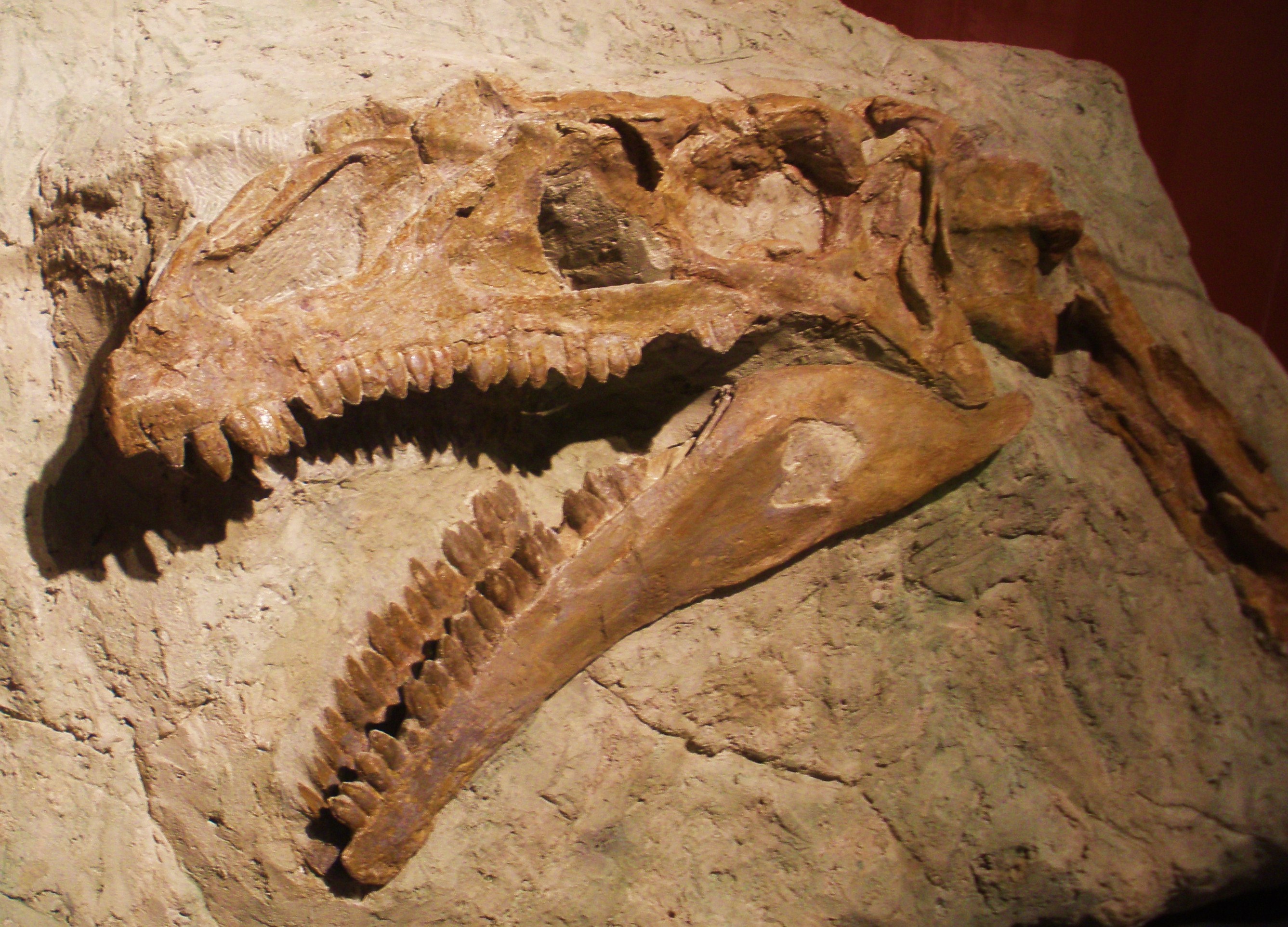
The fossil record of Quetzalcoatlus, while profoundly important, is notoriously sparse and fragmentary, a common issue with giant pterosaurs due to the fragile nature of their hollow bones. The geographic distribution of confirmed Quetzalcoatlus northropi fossils is restricted exclusively to the Javelina Formation in Big Bend National Park, Texas. The holotype specimen remains the most definitive evidence of the giant species, consisting of a humerus, radius, ulna, and the massive wing metacarpal. Because the skull and torso of the giant species are not well preserved, paleontologists have had to rely heavily on the smaller, closely related species, Quetzalcoatlus lawsoni, to reconstruct its overall anatomy. The Quetzalcoatlus lawsoni bonebed, discovered shortly after the giant holotype, contains the remains of dozens of individuals, providing exceptionally preserved skulls, neck vertebrae, and limb bones. This site suggests that the smaller species may have been gregarious, flocking around drying waterholes. The preservation quality of these fossils is remarkable given the delicate nature of pterosaur bones, though they often suffer from crushing due to geological pressure. The discoveries in Texas have spurred the search for giant azhdarchids globally, leading to the identification of similarly sized relatives like Hatzegopteryx in Romania and Arambourgiania in Jordan, proving that these colossal sky-giants had a worldwide distribution at the very end of the Cretaceous.
The cultural impact of Quetzalcoatlus has been immense, capturing the public imagination and cementing its status as an icon of prehistoric life. Life-sized skeletal mounts and fleshed-out models of Quetzalcoatlus are centerpiece exhibits in major institutions worldwide, including the Texas Memorial Museum in Austin, the Field Museum in Chicago, and the American Museum of Natural History in New York. These towering exhibits provide the public with a visceral understanding of the sheer scale of Mesozoic life. In popular culture, Quetzalcoatlus has been featured prominently in numerous documentaries, such as Walking with Dinosaurs and Prehistoric Planet, as well as blockbuster films like the Jurassic World franchise. Educationally, it serves as a premier example of biomechanics, extreme adaptation, and the upper limits of animal physiology, inspiring generations of students, engineers, and paleontologists to look to the fossil record to understand the mechanical boundaries of life on Earth.
Classification
Time Period
Discovery
Location
Big Bend National Park, Texas, USA
Formation
Javelina Formation
Frequently Asked Questions
What is Quetzalcoatlus?
Quetzalcoatlus northropi was a colossal azhdarchid pterosaur that lived during the Maastrichtian age of the Late Cretaceous period, approximately 72 to 66 million years ago, and is widely celebrated as the largest known flying animal in the history of Earth. Roaming the terrestrial environments of w...
When did Quetzalcoatlus live?
Quetzalcoatlus lived during the cretaceous period of the mesozoic era approximately 72-66 million years ago.
Where was Quetzalcoatlus discovered?
Fossils of Quetzalcoatlus were discovered in Big Bend National Park, Texas, USA in the Javelina Formation.
What did Quetzalcoatlus eat?
Quetzalcoatlus was a carnivore. It lived in terrestrial habitats.
What type of fossil is Quetzalcoatlus?
Quetzalcoatlus is preserved as a body fossil. The preservation quality is fair.
Related Specimens
From the mesozoic era · body fossils