Stenopterygius
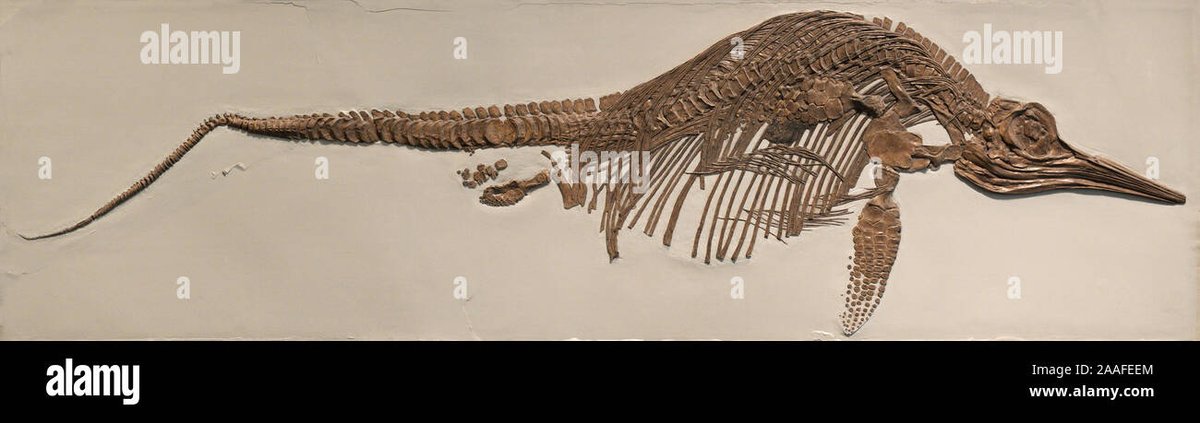
Stenopterygius quadriscissus
Image: Image sourced via web search (Fair use / Educational)
About Stenopterygius
Stenopterygius was a highly successful genus of ichthyosaur, a group of marine reptiles that displayed remarkable convergent evolution with modern dolphins and tuna. Flourishing in the warm, shallow seas of the Early to Middle Jurassic period, approximately 183 to 175 million years ago, its fossils are particularly abundant in Europe, providing paleontologists with an exceptionally clear window into the life of these ancient sea dragons. Its significance lies in the sheer quality and quantity of its fossil record, which has illuminated details of ichthyosaur anatomy, reproduction, and paleobiology to an unparalleled degree.
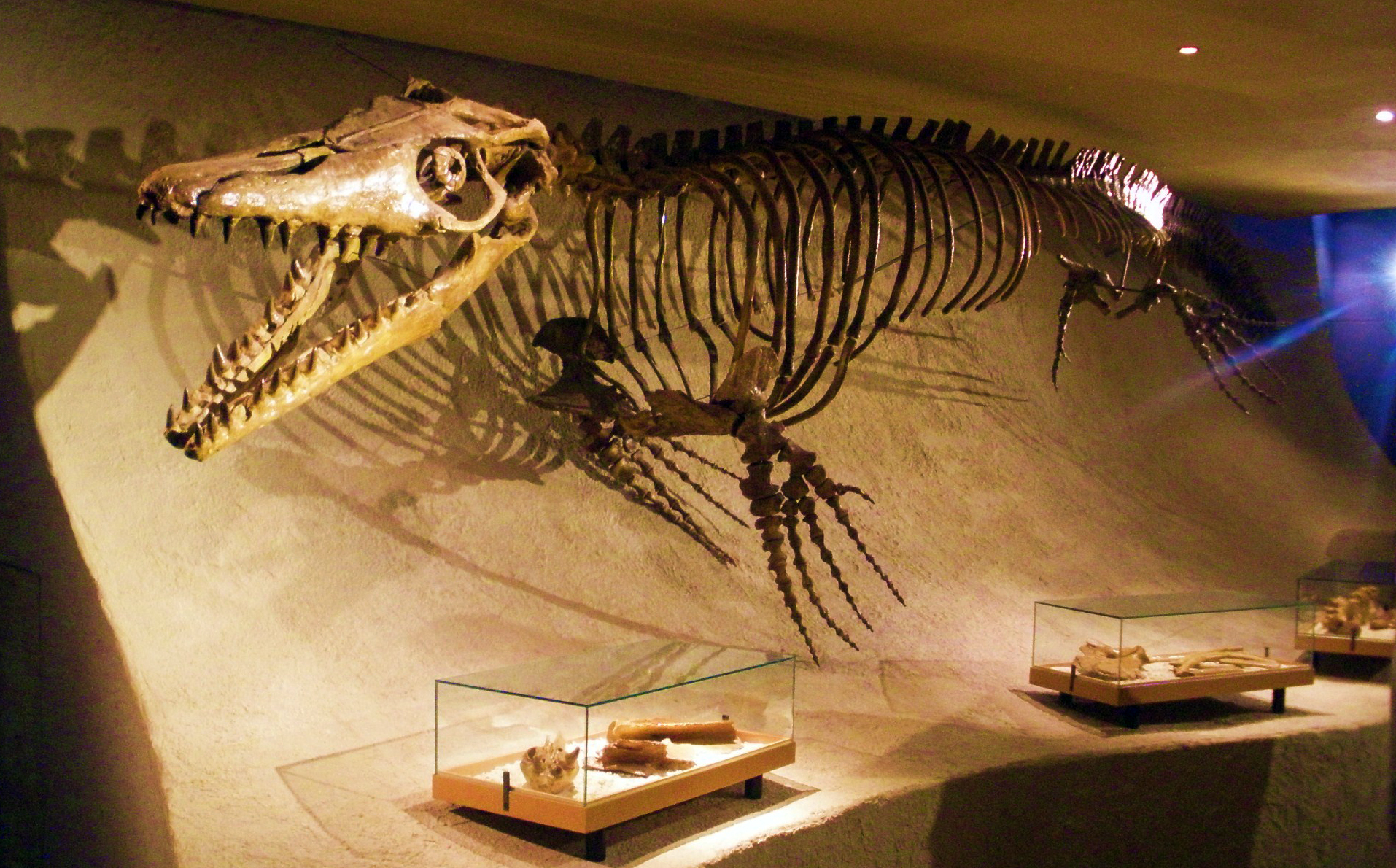
The physical form of Stenopterygius was a masterclass in hydrodynamic efficiency, closely resembling that of a modern dolphin or small whale. Adults typically reached lengths of 3 to 4 meters (300-400 cm), with some individuals possibly growing larger. Weight estimates for an average-sized adult are in the range of 300 to 500 kilograms, comparable to a bottlenose dolphin. Its body was streamlined and fusiform (torpedo-shaped), minimizing drag while swimming. The skull was long and tapered, forming a slender rostrum armed with numerous small, conical teeth, perfectly suited for grasping slippery prey. Its eyes were exceptionally large, protected by a ring of sclerotic bones, suggesting excellent vision adapted for hunting in low-light conditions of the deeper water column. Stenopterygius possessed four well-developed, paddle-like flippers. The forelimbs were slightly larger than the hindlimbs, and both were used for steering and stability rather than propulsion. The primary propulsive force came from its powerful, crescent-shaped tail fin, or caudal fluke, which was oriented vertically like a fish's, not horizontally like a cetacean's. Fossil evidence, including preserved skin impressions, reveals its skin was smooth and rubbery, lacking scales, further enhancing its streamlined profile for efficient movement through water.
The paleobiology of Stenopterygius is remarkably well understood thanks to an abundance of exceptionally preserved fossils. Its diet was carnivorous, consisting primarily of fish, belemnites (squid-like cephalopods), and other small marine animals. The contents of fossilized stomachs have confirmed this, often containing fish scales and the hooklets from belemnite tentacles. The arrangement of its small, sharp teeth suggests it was a snap-feeder, rapidly catching agile prey rather than tackling large animals. Locomotion was thunniform, meaning it propelled itself with powerful side-to-side beats of its tail fluke, while its body remained relatively rigid, a highly efficient swimming style seen in modern tuna. This indicates Stenopterygius was a fast, active pursuit predator capable of sustained high-speed swimming in open waters. Social behavior is inferred from the discovery of fossil assemblages, suggesting they may have lived in groups or pods, similar to modern dolphins. Perhaps the most stunning insight into its biology comes from fossils of pregnant females, some even captured in the act of giving birth. These fossils unequivocally show that Stenopterygius, like other advanced ichthyosaurs, was viviparous, giving birth to live young tail-first to prevent them from drowning, a complex reproductive strategy that freed them entirely from the need to return to land.
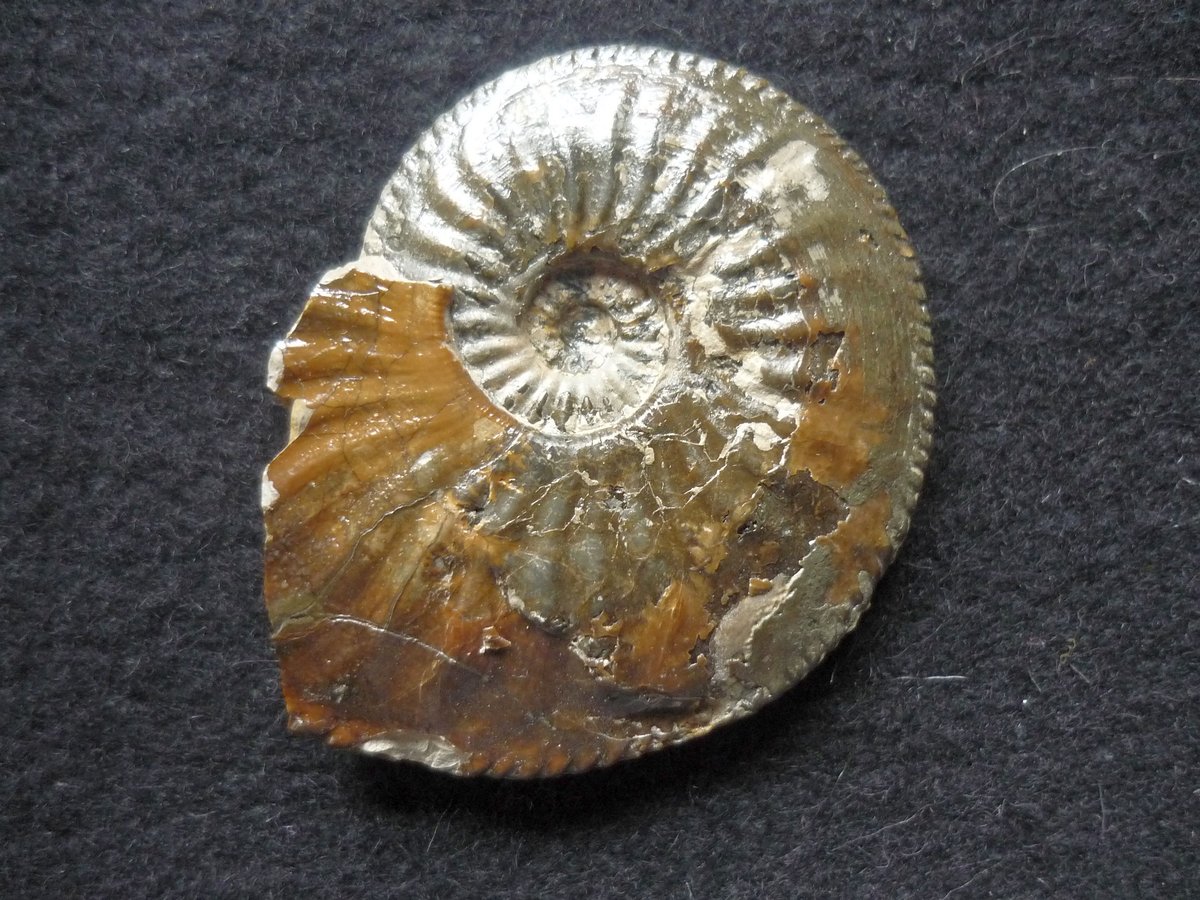
Stenopterygius inhabited the epicontinental seas that covered much of Europe during the Toarcian age of the Early Jurassic. The climate was warm and greenhouse-like, with no polar ice caps and high sea levels. These seas, such as the one that formed the famous Posidonia Shale in Germany, were teeming with life. The ecosystem was a complex marine food web where Stenopterygius occupied the role of a mid-sized predator. It shared its environment with a diverse array of marine fauna, including other ichthyosaurs like Temnodontosaurus, long-necked plesiosaurs such as Plesiosaurus, and the formidable pliosaur Rhomaleosaurus, which likely preyed upon Stenopterygius. The seas were also home to marine crocodiles like Steneosaurus, various sharks including Hybodus, and a vast number of ammonites and belemnites, which formed a crucial part of the food chain. Bony fish, such as Leptolepis, were abundant and would have been a primary food source. Stenopterygius was both a predator of smaller animals and potential prey for the larger marine reptiles of its time, occupying a critical intermediate tier in this vibrant and dangerous Jurassic marine ecosystem, similar to the ecological niche of modern-day dolphins.
The discovery history of Stenopterygius is deeply intertwined with the early days of paleontology in Germany. Fossils attributable to the genus were being unearthed from the slate quarries of Holzmaden in Württemberg as early as the 18th century, though their true nature was not yet understood. The formal description and naming of the genus occurred later. The species Stenopterygius quadriscissus was originally named Ichthyosaurus quadriscissus by the German paleontologist Friedrich August von Quenstedt in 1856. However, it was the paleontologist Otto Jaekel in 1904 who recognized that this and several other species were distinct enough from Ichthyosaurus to warrant their own genus, which he erected as Stenopterygius, meaning "narrow wing" or "narrow flipper," in reference to the relatively slender nature of its paddles compared to some other ichthyosaurs. The Holzmaden quarries have since yielded hundreds of complete and articulated skeletons, many with unparalleled soft-tissue preservation, including skin outlines and stomach contents. One of the most famous specimens is SMNS 50000, a pregnant female from Holzmaden that clearly shows embryos within the body cavity, providing definitive proof of viviparity in ichthyosaurs.
Stenopterygius holds immense evolutionary significance as a prime example of the ichthyosaur lineage during its peak diversity in the Jurassic. It belongs to the parvorder Thunnosauria, a group of advanced ichthyosaurs characterized by their highly efficient, fish-like body plan. Its anatomy showcases a suite of adaptations for a fully pelagic (open ocean) lifestyle, representing a successful evolutionary endpoint for this particular body form. The genus demonstrates the perfection of thunniform locomotion within marine reptiles, a classic case of convergent evolution with fast-swimming fish like tuna and, much later, lamnid sharks. As a reptile, its complete transition to a marine existence, including the evolution of live birth (viviparity), is a powerful illustration of how vertebrates can adapt to radically new environments. Stenopterygius and its relatives show how a terrestrial reptilian ancestor could, over millions of years, become so exquisitely adapted to the sea that it rivaled the native fish in speed and efficiency, while retaining its fundamental air-breathing physiology. It is not directly related to any modern animals, as the entire ichthyosaur lineage went extinct in the Late Cretaceous, long before the dinosaurs' final demise.
Despite being a well-known genus, Stenopterygius has been at the center of taxonomic debates. For many years, the genus became a "wastebasket taxon," with numerous species from across Europe being assigned to it. A major revision by paleontologist Michael W. Maisch in 2008 re-evaluated the genus, restricting it to a handful of valid species, primarily from the Toarcian of Germany, England, and Luxembourg, and reassigning many others to different genera. The exact number of valid species is still a subject of ongoing research and refinement. Another area of study involves interpreting the function of its hindlimbs; while clearly not used for propulsion, their role in steering, stability during high-speed maneuvers, or even during mating is actively debated based on biomechanical models. Recent discoveries of phosphatized internal organs in some Holzmaden specimens are opening new avenues of research into ichthyosaur physiology, potentially offering clues about their metabolism and whether they were fully endothermic (warm-blooded).
The fossil record of Stenopterygius is exceptional, both in quantity and quality. The vast majority of specimens come from the Posidonia Shale of southwestern Germany, particularly the famous Lagerstätte sites around Holzmaden and Dotternhausen. These sites represent an anoxic (low-oxygen) deep-water marine environment where carcasses that sank to the seafloor were protected from scavengers and rapid decay, leading to the preservation of complete, articulated skeletons. In many cases, soft tissues like skin outlines, stomach contents, and even embryos are preserved as carbon films or phosphate replacements. Hundreds of complete skeletons are known, making Stenopterygius one of the most completely understood of all extinct marine reptiles. Fossils are also found in equivalent-aged deposits in other parts of Europe, including the Strawberry Bank Lagerstätte in Ilminster, UK, and in Luxembourg and France, confirming its widespread distribution across the Early Jurassic European seas.
Due to its classic "sea dragon" appearance and the spectacular quality of its fossils, Stenopterygius is a staple in museum collections worldwide. The State Museum of Natural History in Stuttgart, Germany, holds a premier collection, showcasing numerous slabs from Holzmaden that look more like works of art than fossils. These displays, often featuring pregnant females or individuals with their last meal preserved, are powerful educational tools that bring the Jurassic seas to life for the public. While not as famous in popular culture as larger marine reptiles like Mosasaurus or Plesiosaurus, Stenopterygius frequently appears in documentaries and books about prehistoric life as a quintessential example of an ichthyosaur, embodying the dynamic and dangerous marine world of the Jurassic period.
Classification
Time Period
Discovery
Location
Germany
Formation
Posidonia Shale
Frequently Asked Questions
What is Stenopterygius?
Stenopterygius was a highly successful genus of ichthyosaur, a group of marine reptiles that displayed remarkable convergent evolution with modern dolphins and tuna. Flourishing in the warm, shallow seas of the Early to Middle Jurassic period, approximately 183 to 175 million years ago, its fossils ...
When did Stenopterygius live?
Stenopterygius lived during the jurassic period of the mesozoic era approximately 183-175 million years ago.
Where was Stenopterygius discovered?
Fossils of Stenopterygius were discovered in Germany in the Posidonia Shale.
What did Stenopterygius eat?
Stenopterygius was a carnivore. It lived in marine habitats.
What type of fossil is Stenopterygius?
Stenopterygius is preserved as a body fossil. The preservation quality is exceptional.
Related Specimens
From the mesozoic era · body fossils