Suchomimus
Suchomimus tenerensis
Image: Image sourced via web search (Fair use / Educational)
About Suchomimus
Suchomimus tenerensis, whose name translates to the crocodile mimic of the Ténéré desert, was a large and highly specialized spinosaurid dinosaur that roamed the Earth during the Aptian to early Albian stages of the Early Cretaceous period, approximately 121 to 112 million years ago. Discovered in the fossil-rich Elrhaz Formation of Niger, Africa, this remarkable theropod has played a pivotal and transformative role in our modern understanding of spinosaurid evolution, anatomy, and paleobiology. Its discovery in the late twentieth century provided crucial anatomical details that successfully bridged the evolutionary and morphological gap between earlier, more basal spinosaurids like the European Baryonyx and the later, highly specialized and massive giants like the North African Spinosaurus. By revealing a creature with a distinctively elongated, crocodilian snout and a prominent sail-like structure situated over its lower back and sacrum, Suchomimus has become a cornerstone species for paleontologists studying the diversification of theropod diets and the gradual transition of certain dinosaur lineages into semi-aquatic ecological niches. The existence of Suchomimus demonstrates the incredible evolutionary plasticity of theropod dinosaurs, showcasing how a lineage typically associated with terrestrial apex predators could adapt so thoroughly to exploit the abundant resources of prehistoric river systems and coastal waterways.
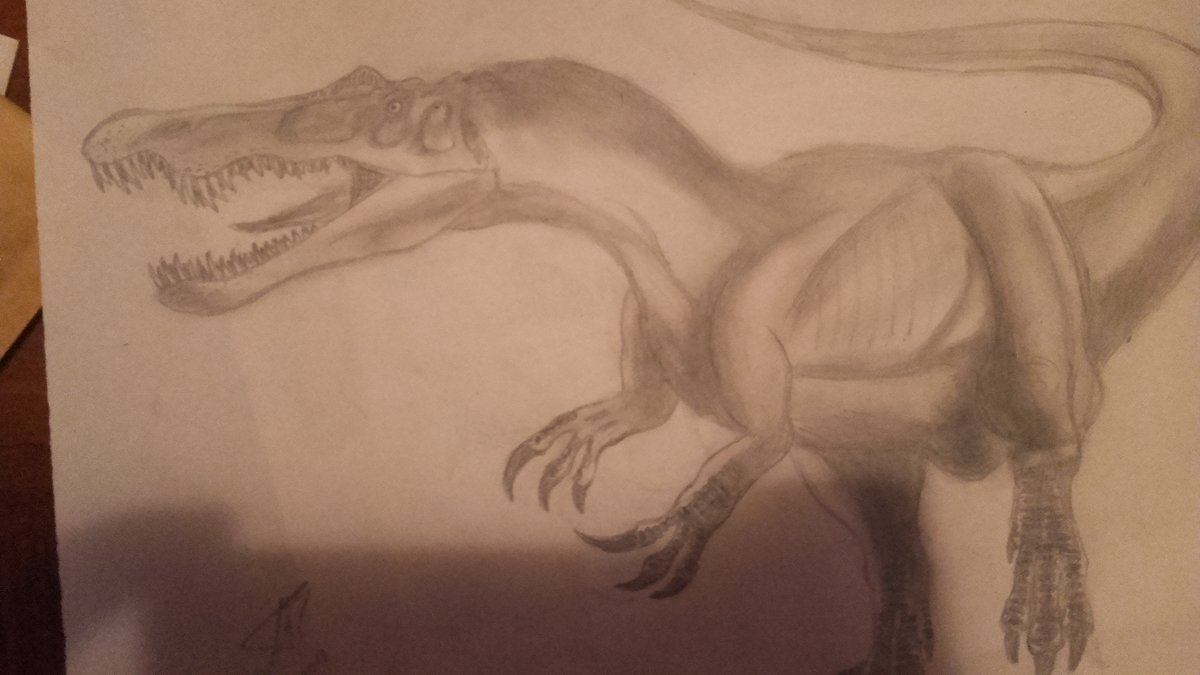
In terms of physical description and anatomical characteristics, Suchomimus was an incredibly impressive and imposing animal, representing one of the larger theropods of its environment. Paleontologists estimate that a fully grown Suchomimus reached approximate body lengths of 9.5 to 11 meters, or roughly 31 to 36 feet, making it comparable in size to some of the largest modern terrestrial carnivores, though significantly longer. Weight estimates for this massive predator typically range between 2.5 and 4 metric tons, depending on the specific volumetric models and scaling methodologies employed by researchers. The most striking and distinctive feature of Suchomimus was undoubtedly its skull, which was remarkably long, shallow, and narrow, bearing a striking superficial resemblance to the snouts of modern crocodilians, particularly the gharial. This elongated rostrum was equipped with approximately 122 conical, relatively unserrated teeth that were perfectly adapted for gripping and piercing slippery aquatic prey rather than slicing through thick terrestrial muscle and bone. The tip of the snout featured a prominent terminal rosette, an enlarged, spoon-shaped expansion that housed the longest teeth in the jaw, designed to interlock and trap struggling fish. Moving post-cranially, Suchomimus possessed powerfully built, robust forelimbs that were unusually large for a theropod of its size. These muscular arms culminated in three-fingered hands, with the first digit bearing a massive, sickle-shaped thumb claw that could measure up to 30 centimeters in length along its curve. Another defining skeletal characteristic was the presence of elongated neural spines on its dorsal, sacral, and proximal caudal vertebrae. These extended spines formed a distinct, fleshy sail or ridge over the animal's lower back and hips, which was highest over the sacrum. Unlike the massive, continuous sail of Spinosaurus, the ridge of Suchomimus was lower and more localized, likely serving functions related to thermoregulation, species recognition, or sexual display. Soft tissue inferences suggest that Suchomimus, like many theropods, may have possessed a complex integumentary system, though direct evidence of scales or feathers in this specific genus remains undiscovered. When compared to modern animals, Suchomimus would have dwarfed the largest living crocodiles, presenting a terrifying silhouette of a bipedal, sail-backed predator with a crocodilian face and massive, scythe-like claws.
Detailed investigations into the paleobiology of Suchomimus reveal a creature exquisitely adapted for a specialized lifestyle centered around prehistoric waterways. The primary diet of Suchomimus is widely accepted to have been piscivorous, consisting largely of the abundant and often massive fish species that populated the river systems of Early Cretaceous North Africa. Its hunting and feeding strategies likely mirrored those of modern wading birds like herons or semi-aquatic reptiles like crocodilians. Paleontologists hypothesize that Suchomimus would stand in shallow water or on muddy banks, using its long neck to strike downward with lightning speed, plunging its rosette-tipped snout into the water to snatch passing fish. The massive thumb claws were likely utilized to hook, gaff, or secure larger, thrashing aquatic prey, dragging them onto the shore where they could be consumed. Despite this strong aquatic specialization, Suchomimus was not an obligate piscivore; its robust build and formidable weaponry suggest it was an opportunistic predator and scavenger that would readily consume smaller terrestrial dinosaurs, pterosaurs, or carrion when the opportunity arose. Locomotion in Suchomimus was primarily bipedal, with its powerful hind legs supporting its massive bulk on land. However, its center of gravity was positioned somewhat further forward than in typical theropods, a consequence of its heavy arms and elongated skull, which was counterbalanced by its long, muscular tail. Social behavior inferences remain largely speculative, but the presence of the prominent dorsal ridge suggests that visual communication and display played a significant role in its life, possibly for establishing territory or attracting mates. Growth patterns analyzed from the bone histology of related spinosaurids indicate a relatively rapid growth rate during adolescence, followed by a plateau as the animal reached somatic maturity. Metabolism estimates suggest that Suchomimus, like other large theropods, possessed a mesothermic metabolism, allowing it to maintain an active, energetic lifestyle while efficiently managing the thermal demands of its massive body size in a warm, subtropical climate.
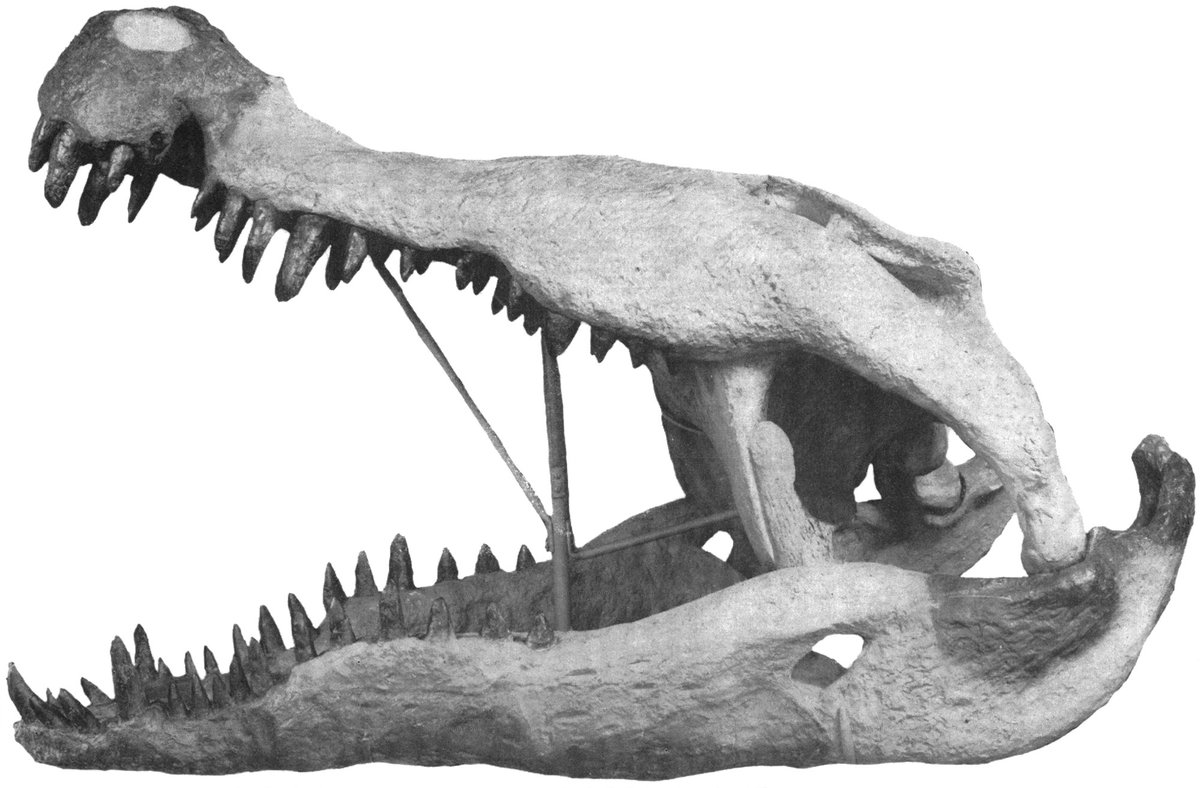
The ecological context in which Suchomimus thrived was a vibrant, dynamic, and incredibly diverse world that differs drastically from the arid deserts that characterize the region today. During the Aptian and Albian stages of the Early Cretaceous, the Ténéré region of what is now Niger was a lush, verdant, and water-rich environment dominated by extensive inland floodplains, sprawling river deltas, and dense, mangrove-like coastal swamps. The climate was warm, humid, and subtropical, supporting a rich flora of ferns, cycads, conifers, and early angiosperms that formed dense riparian forests along the waterways. In this thriving ecosystem, Suchomimus occupied a specialized niche as an apex riparian predator, dominating the interface between land and water. The food web of the Elrhaz Formation was incredibly complex and supported a bizarre and fascinating cast of co-existing species. Suchomimus shared its habitat with a variety of other dinosaurs, including the sail-backed iguanodontian Ouranosaurus, the bizarre, vacuum-mouthed sauropod Nigersaurus, and the large, heavily built ornithopod Lurdusaurus. Terrestrial apex predators were also present, most notably the carcharodontosaurid Eocarcharia and the abelisaurid Kryptops, which likely partitioned the environment with Suchomimus to avoid direct competition, with the latter focusing on aquatic resources while the former hunted large terrestrial herbivores. Perhaps the most formidable co-inhabitant was Sarcosuchus imperator, an enormous, 10-meter-long crocodyliform that shared the same waterways. The predator-prey relationships and competitive dynamics between Suchomimus and Sarcosuchus would have been intense, as both were massive, specialized predators targeting the same abundant aquatic resources, such as the giant coelacanth Mawsonia and large lungfish. This environment required Suchomimus to be highly adapted to a semi-aquatic lifestyle, capable of navigating muddy banks, wading through deep channels, and defending its catch from other massive predators in a highly competitive, resource-rich prehistoric wetland.
The discovery history of Suchomimus is a fascinating tale of modern paleontological exploration and international collaboration. The first fossils of this remarkable dinosaur were discovered in the fall of 1997 during a highly successful expedition to the Ténéré Desert of central Niger, led by the renowned American paleontologist Paul Sereno of the University of Chicago. The expedition team was exploring the harsh, windswept dunes of the Elrhaz Formation when team member David Varricchio made the initial, crucial discovery: a massive, sickle-shaped thumb claw resting on the surface of the desert. This tantalizing find prompted an intensive excavation effort that eventually uncovered a remarkably complete and articulated skeleton of a subadult individual, which would later be designated as the holotype specimen, MNN GAD500. The circumstances of the discovery were challenging, requiring the team to endure extreme heat, sandstorms, and logistical difficulties to carefully extract the fragile, 120-million-year-old bones from the unforgiving sandstone. The naming history of the animal was formalized in 1998 when Paul Sereno, along with an international team of colleagues including Allison Beck, Didier Dutheil, Boubacar Gado, Hans Larsson, Gabrielle Lyon, Jonathan Marcot, Oliver Rauhut, Rudyard Sadleir, Christian Sidor, David Varricchio, Gregory Wilson, and Jeffrey Wilson, officially described and named the new genus and species Suchomimus tenerensis. The generic name, derived from the Greek 'souchos' (crocodile) and 'mimos' (mimic), perfectly encapsulated the animal's bizarre, crocodilian cranial anatomy. The specific epithet, 'tenerensis', honors the Ténéré Desert where the fossils were unearthed. The holotype specimen remains one of the most complete spinosaurid skeletons ever discovered, comprising approximately 400 individual bones, including a beautifully preserved skull, complete forelimbs, and a significant portion of the vertebral column, providing an unprecedented window into the anatomy of this enigmatic group of dinosaurs.
The evolutionary significance of Suchomimus cannot be overstated, as it occupies a crucial and highly informative position within the complex tree of life of theropod dinosaurs. Taxonomically, Suchomimus is classified within the family Spinosauridae, a bizarre and highly specialized clade of megalosauroid theropods characterized by their elongated snouts, conical teeth, and often, prominent dorsal sails. Within this family, Suchomimus is typically placed in the subfamily Baryonychinae, alongside its close European relative Baryonyx. The discovery of Suchomimus provided vital transitional features that helped paleontologists map the evolutionary trajectory of spinosaurids. It demonstrates an intermediate morphological stage between the earlier, less specialized baryonychines, which possessed straighter snouts and lacked significant dorsal sails, and the later, highly derived spinosaurines like Spinosaurus, which evolved massive, continuous sails and even more extreme adaptations for an aquatic lifestyle. Suchomimus tells us a profound story about convergent evolution and ecological niche partitioning, illustrating how a lineage of terrestrial, bipedal dinosaurs independently evolved cranial and dental features strikingly similar to those of semi-aquatic crocodilians to exploit a similar ecological role. Furthermore, the presence of closely related spinosaurids in both Europe (Baryonyx) and Africa (Suchomimus) during the Early Cretaceous provides important biogeographical data, suggesting that land bridges or shallow dispersal routes existed between the landmasses of Laurasia and Gondwana during this period, allowing these specialized predators to migrate and diversify across different continents. The relationship of Suchomimus to modern descendants is non-existent, as all non-avian dinosaurs, including the highly specialized spinosaurids, perished during the end-Cretaceous mass extinction event, leaving no living relatives, though their evolutionary legacy continues to inform our understanding of vertebrate adaptation.
Despite the relatively complete nature of its fossil remains, Suchomimus has been the subject of ongoing scientific debates and controversies that continue to shape our understanding of spinosaurid paleobiology. One of the most prominent and enduring taxonomy disputes revolves around the generic distinctiveness of Suchomimus. Some paleontologists have argued that Suchomimus is so anatomically similar to the European Baryonyx walkeri that it should be classified as a species within the Baryonyx genus, potentially as Baryonyx tenerensis. However, most researchers currently maintain Suchomimus as a distinct genus based on specific differences in the vertebrae, the presence of the dorsal sail, and proportional differences in the skull and limbs. Another major area of scientific debate concerns the extent of its aquatic adaptations and behavior interpretations. While it is universally agreed that Suchomimus was a semi-aquatic predator that consumed fish, the exact nature of its relationship with water is contested. Recent bone density studies, such as those conducted by Fabbri et al., have analyzed the microanatomy of spinosaurid bones to determine their ecological habits. These studies suggest that while Spinosaurus possessed highly dense, osteosclerotic bones indicative of fully submerged, aquatic pursuit hunting, Suchomimus had lighter, more typical theropod bone density. This has led to the current consensus that Suchomimus was primarily a wading predator, hunting from the shallows or riverbanks, rather than an active, submerged swimmer. These new discoveries and ongoing classification changes highlight the dynamic nature of paleontology, where new analytical techniques continually refine and sometimes overturn our previous understanding of these magnificent prehistoric creatures.
The fossil record of Suchomimus is relatively robust compared to many other large theropods, largely due to the exceptional discoveries made in the Elrhaz Formation of the Ténéré Desert in Niger. Geographically, fossils of Suchomimus are restricted to this specific region of West Africa. The known fossil material is primarily based on the spectacular holotype specimen, MNN GAD500, which is an estimated 70 to 80 percent complete, a remarkable rarity for spinosaurids, which are notoriously fragmentary in the fossil record. In addition to the holotype, several other partial skeletons, isolated bones, and numerous shed teeth have been recovered from the same geological formation, bringing the total number of known specimens to a handful of individuals representing different growth stages. The quality of preservation at the Elrhaz fossil sites is generally good to excellent, with bones often found articulated or in close association, preserved in fine-grained sandstones that capture intricate anatomical details. The parts typically preserved include the robust elements of the skull, the massive forelimbs and claws, the distinctive neural spines of the vertebrae, and the heavy bones of the hind limbs. The famous fossil sites of the Gadoufaoua region within the Ténéré Desert have proven to be a paleontological treasure trove, yielding not only Suchomimus but an entire, beautifully preserved ecosystem that provides invaluable context for the life and times of this extraordinary dinosaur.
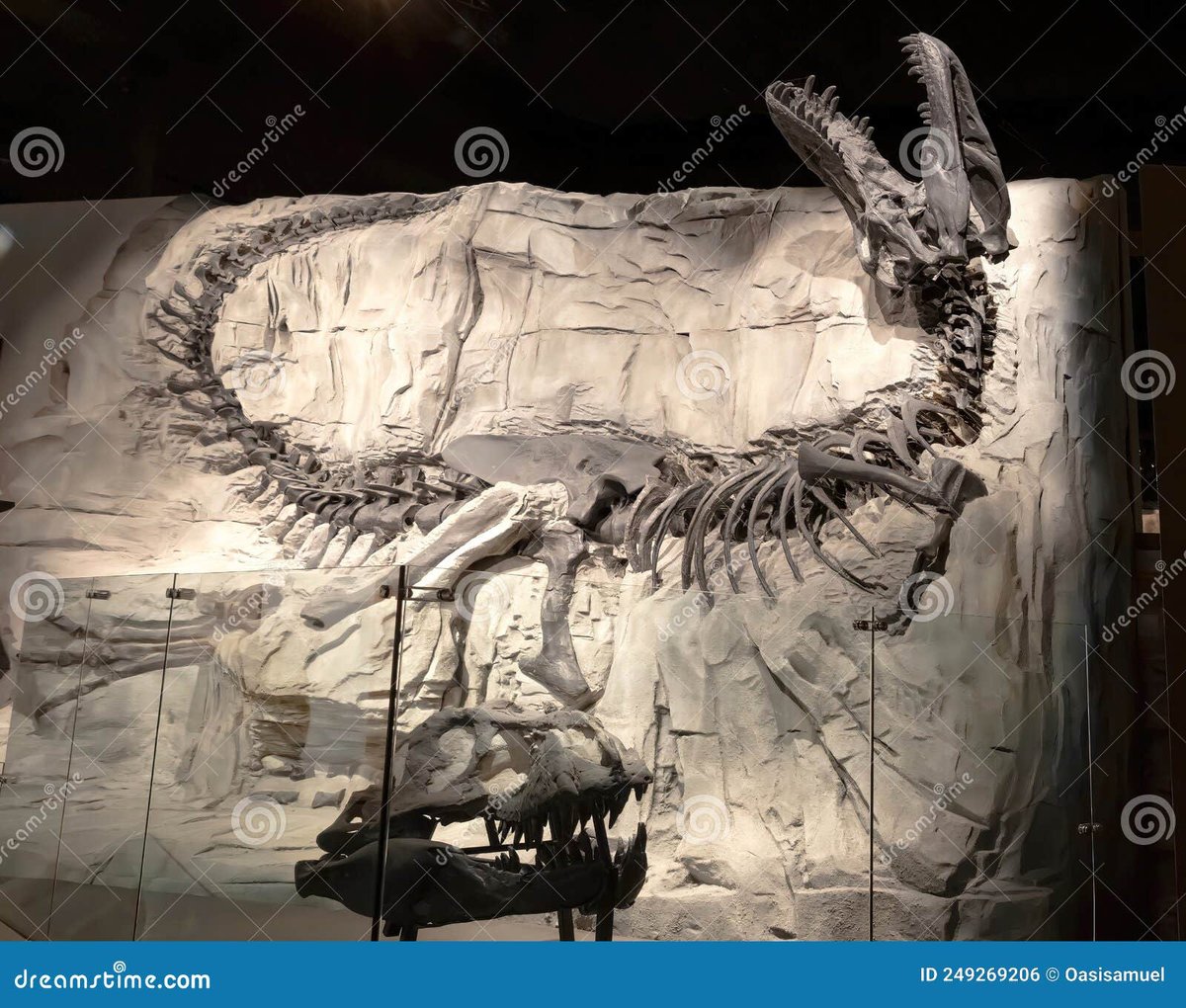
The cultural impact of Suchomimus has been significant, capturing the public fascination as a bizarre and terrifying alternative to the more traditional, terrestrial theropods like Tyrannosaurus rex. It has made numerous appearances in popular culture, most notably featuring in various dinosaur-themed video games such as the Jurassic World Evolution series, Ark: Survival Evolved, and numerous educational documentaries highlighting the diverse ecosystems of prehistoric Africa. Museums around the world feature notable displays of Suchomimus, with the most famous being the spectacular skeletal mount at the Field Museum of Natural History in Chicago, which showcases the animal's imposing size and unique anatomy to millions of visitors. The educational importance of Suchomimus is profound, as it serves as a perfect, accessible example of evolutionary adaptation, convergent evolution, and the incredible diversity of ecological niches that dinosaurs occupied during the Mesozoic era.
Classification
Time Period
Discovery
Location
Niger
Formation
Elrhaz Formation
Frequently Asked Questions
What is Suchomimus?
Suchomimus tenerensis, whose name translates to the crocodile mimic of the Ténéré desert, was a large and highly specialized spinosaurid dinosaur that roamed the Earth during the Aptian to early Albian stages of the Early Cretaceous period, approximately 121 to 112 million years ago. Discovered in t...
When did Suchomimus live?
Suchomimus lived during the cretaceous period of the mesozoic era approximately 121-112 million years ago.
Where was Suchomimus discovered?
Fossils of Suchomimus were discovered in Niger in the Elrhaz Formation.
What did Suchomimus eat?
Suchomimus was a carnivore, piscivore. It lived in semi-aquatic, freshwater, terrestrial habitats.
What type of fossil is Suchomimus?
Suchomimus is preserved as a body fossil. The preservation quality is good.
Related Specimens
From the mesozoic era · body fossils