Calamites
Calamites suckowii
Image: Image sourced via web search (Fair use / Educational)
About Calamites
Calamites suckowii is an extinct species of arborescent, or tree-like, horsetail that thrived during the Carboniferous period, approximately 360 to 300 million years ago. As a dominant and ubiquitous component of the Paleozoic coal swamps, this colossal plant played a fundamental role in shaping the Earth's early terrestrial ecosystems and contributing massively to the vast coal deposits that modern human civilization relies upon today. Its widespread fossil record, primarily preserved in the form of distinctive ribbed pith casts, makes it one of the most recognizable and scientifically significant index fossils of the Carboniferous era. Understanding Calamites is essential for paleontologists and paleobotanists attempting to reconstruct the deep history of plant evolution, as it represents a time when spore-bearing cryptogams, rather than seed-bearing plants, formed the canopy of the world's first great forests. The sheer abundance of Calamites fossils across multiple continents provides a crucial window into the climatic and environmental conditions of a prehistoric Earth that was vastly different from the one we inhabit today.
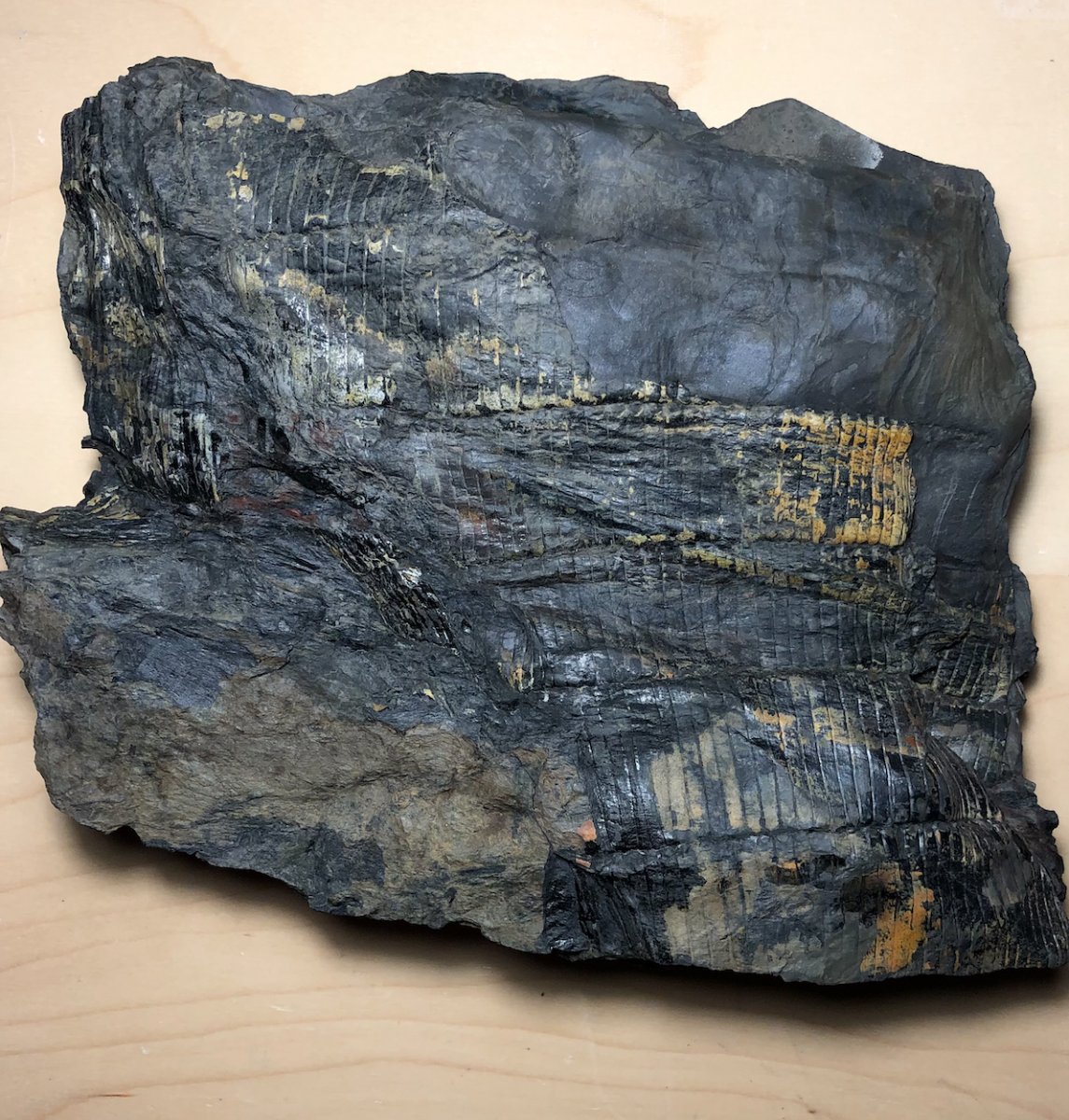
In stark contrast to its diminutive modern relatives, which rarely exceed a few feet in height, Calamites suckowii was a towering giant of the prehistoric plant world. Estimates based on the largest fossilized trunk segments suggest this plant reached staggering heights of 20 to 30 meters, which translates to approximately 65 to 100 feet tall. The trunk diameters could reach up to 50 centimeters, or nearly two feet across. The architectural structure of the plant was highly distinctive, characterized by a segmented, bamboo-like main stem that was divided by distinct nodes and internodes. From these horizontal nodal lines, whorls of secondary branches and needle-like leaves radiated outward in a highly organized, symmetrical fashion, creating a dense, tiered canopy that captured the abundant Paleozoic sunlight. The leaves themselves are often found detached and are classified under the form genera Annularia or Asterophyllites, depending on their specific morphology and arrangement. Unlike modern hardwood trees that rely entirely on thick layers of secondary xylem, or wood, for structural support, Calamites possessed a relatively thin layer of woody tissue surrounding a massive, hollow central pith. This hollow center was a remarkable evolutionary adaptation that allowed for incredibly rapid vertical growth, but it also made the trunk somewhat brittle and susceptible to snapping under severe mechanical stress, such as high winds or flooding. To compensate for this structural vulnerability, the plant developed a robust, extensive underground network of rhizomes. This subterranean system allowed the plant to anchor itself securely in the soft, waterlogged soils of its environment and to sprout multiple clonal stems, forming dense, impenetrable thickets. The fossilized impressions most commonly encountered by paleontologists and amateur collectors are actually the internal sediment casts of this hollow pith. When the plant died and fell into the swamp, the hollow cavity filled with mud and sand, which eventually lithified, preserving the characteristic vertical ribbing and horizontal nodal lines of the plant's interior architecture.
As a highly successful photosynthetic organism, Calamites suckowii relied on the abundant sunlight, exceptionally high atmospheric carbon dioxide levels, and consistently warm tropical temperatures of the Carboniferous period to fuel its rapid, almost weed-like growth. Its paleobiology was deeply and inextricably tied to its wetland environment. The extensive underground rhizome system not only provided essential structural anchorage in the shifting, waterlogged substrates but also facilitated an aggressive strategy of vegetative reproduction. This clonal growth habit allowed Calamites to rapidly colonize disturbed ecological niches, such as newly formed sandbars, riverbanks, and floodplains following seasonal inundations, functioning ecologically much like modern bamboo or giant reeds. The hollow nature of its stems and rhizomes likely served a critical dual physiological purpose. First, it significantly reduced the metabolic cost and resource investment required to build massive, towering structures. Second, it provided aerenchyma-like channels for the transport of vital oxygen from the aerial portions of the plant down to its submerged roots, which were buried in the anoxic, oxygen-depleted soils of the coal swamps. Reproduction was also achieved through the production and dispersal of microscopic spores from specialized cone-like structures, known as strobili, which were borne at the tips of the branches. These massive quantities of spores were primarily wind-dispersed, allowing the plant to cross vast distances and colonize new, isolated wetland habitats across the immense supercontinent of Pangaea. The rapid growth rate and efficient reproductive strategies of Calamites suggest a highly active metabolism for a plant of its era, optimized for dominating the rapidly shifting landscapes of ancient river deltas.
During the Carboniferous period, the Earth's climate was predominantly warm, humid, and highly stable, fostering the development of vast, globe-spanning tropical wetlands and extensive peat swamps. Calamites suckowii was a foundational keystone species within these lush, hyper-productive ecosystems. It grew in dense, monospecific stands or alongside other towering cryptogams, such as the massive scale trees Lepidodendron and Sigillaria, as well as a diverse understory of early seed ferns and true ferns. These dense, swampy forests grew in low-lying coastal plains, massive river deltas, and inland basins where the constant accumulation of dead plant matter in stagnant, highly acidic waters prevented complete microbial decomposition. Over millions of years, this un-decayed biomass laid down the incredibly thick peat beds that would eventually be compressed and heated to become today's global coal measures. The dense, bamboo-like thickets of Calamites provided critical habitat, shelter, and microclimates for a diverse array of early terrestrial fauna. Giant arthropods, such as the massive, armor-plated millipede Arthropleura, which could reach lengths of over two meters, and the apex aerial predator Meganeura, a griffinfly with a wingspan exceeding two feet, navigated the complex understory and canopy. Early tetrapods, including primitive, sprawling amphibians and the very first amniotes, hunted for insects and smaller prey in the shallow, murky waters and damp leaf litter at the base of these giant horsetails. As a primary producer, Calamites formed the absolute foundational base of the Carboniferous food web. However, its tough, heavily lignified, and highly silica-rich tissues may have deterred widespread herbivory by the animals of the time, which further contributed to the massive, unchecked accumulation of unconsumed plant biomass that characterizes the Carboniferous fossil record.
The fossilized remains of Calamites have been known to human observers for centuries, often uncovered accidentally during the intensive, large-scale coal mining operations that fueled the Industrial Revolution throughout Europe and North America in the 18th and 19th centuries. The genus Calamites was formally established and described by the pioneering French paleobotanist Adolphe Theodore Brongniart in 1828. Brongniart is widely considered one of the foundational figures in the scientific study of fossil plants, and his classification systems laid the groundwork for modern paleobotany. The specific epithet "suckowii" was chosen to honor the German naturalist and physician Georg Adolph Suckow, who made significant early contributions to the documentation and study of Carboniferous flora in Central Europe. Because different anatomical parts of the plant—such as the delicate whorled leaves, the spore-bearing cones, the complex rooting systems, and the massive pith casts—were almost always found detached and isolated from one another in the chaotic sedimentary record, early paleontologists understandably, but mistakenly, classified them as entirely different species or even completely unrelated genera. For example, the leaf whorls were named Annularia, the intricate root systems were dubbed Pinnularia, and the reproductive cones were classified as Calamostachys. It took many decades of painstaking, meticulous work, primarily relying on the discovery of incredibly rare, articulated specimens where these disparate parts were preserved physically connected to one another in the rock matrix, for scientists to accurately reconstruct the complete, living organism. This complex history of discovery perfectly highlights the unique and persistent challenges of paleobotany, where artificial "form taxa" must eventually be reconciled and merged into holistic, whole-plant biological concepts.
Calamites suckowii occupies a profoundly crucial position in the evolutionary history of vascular plants and the greening of the Earth's continents. It belongs to the class Equisetopsida, an ancient lineage of spore-bearing plants that diverged very early in the evolutionary radiation of tracheophytes. While the majestic, tree-like Calamites itself went entirely extinct during the severe climatic shifts of the Permian period, its genetic lineage miraculously survives to this day in the form of the single living genus Equisetum, commonly known to gardeners and botanists as horsetails. Comparing the giant, arborescent Calamites to the diminutive, herbaceous modern Equisetum provides scientists with profound insights into the intense evolutionary pressures that have shaped plant life over hundreds of millions of years. Calamites clearly demonstrates that the arborescent, or tree-like, growth habit evolved independently in several completely distinct plant lineages during the Paleozoic era, a classic and spectacular example of convergent evolution. Its ability to produce secondary xylem, or true wood, was an early and highly successful evolutionary experiment in structural support, one that allowed these plants to reach unprecedented heights and aggressively compete for vital sunlight in dense, crowded forest canopies. The eventual decline and total extinction of Calamites at the end of the Paleozoic era coincided with a dramatic global shift towards much cooler, significantly drier climates. This changing environment strongly favored the rise and diversification of early seed-bearing plants, or gymnosperms, which possessed evolutionary adaptations that made them far better suited to arid conditions, marking a major, irreversible turning point in the history of terrestrial ecosystems.
Despite its overwhelming abundance in the global fossil record, Calamites remains the subject of intense, ongoing scientific debate and active research within the paleobotanical community. One major area of persistent contention involves the exact nature of its growth mechanics and overall biomechanical stability. While it is universally accepted that Calamites possessed a large hollow pith, the exact thickness of its surrounding woody cylinder and its true ability to withstand environmental stresses, such as severe wind shear and catastrophic flooding, are still actively modeled and fiercely debated by researchers. Some scientists argue that Calamites relied heavily on the internal turgor pressure of its living cellular tissues and the mutual, physical support of growing in incredibly dense, clonal stands to remain upright, rather than relying solely on the intrinsic mechanical strength of its relatively thin wood. Additionally, the complex taxonomy of the Calamitaceae family is continuously being revised and refined as new, exceptionally preserved specimens are unearthed. The ongoing challenge of accurately matching isolated form genera—such as specific types of leaves, roots, and cones—to specific species of Calamites pith casts remains a highly complex, multidimensional puzzle. This work often requires the use of advanced, non-destructive imaging techniques, such as micro-CT scanning, and rigorous statistical analyses of co-occurring fossil assemblages to resolve long-standing taxonomic ambiguities.
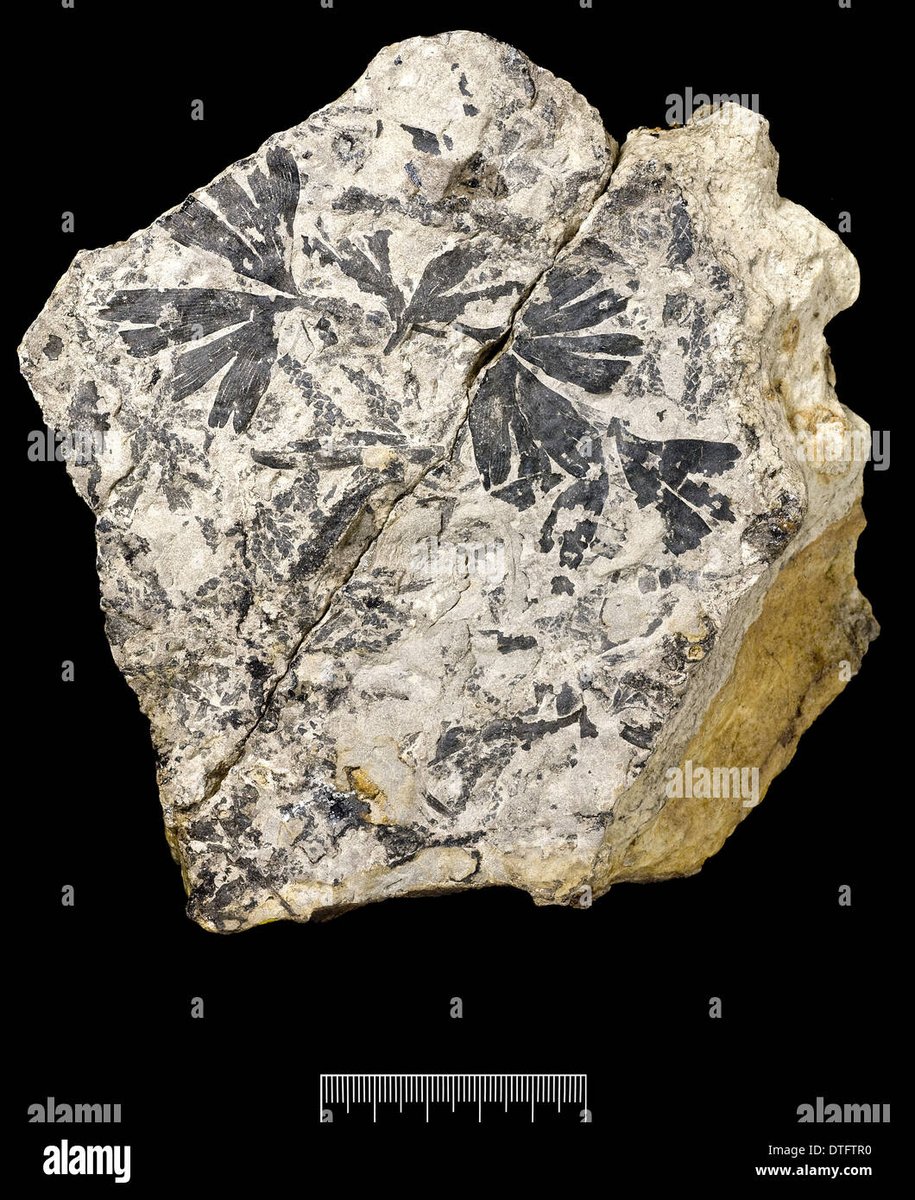
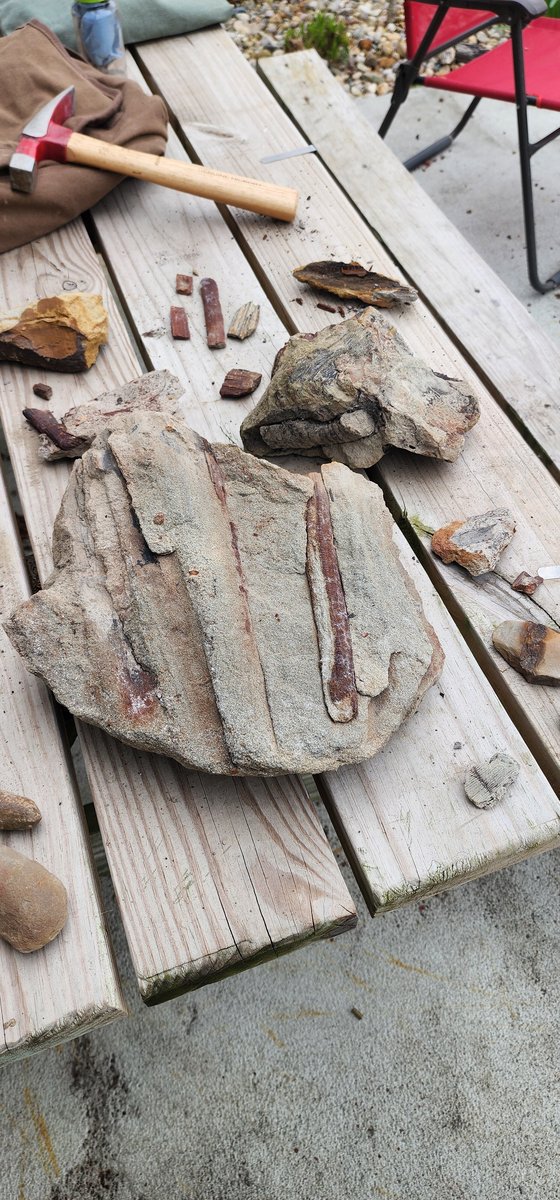
The fossil record of Calamites suckowii is exceptionally rich, highly detailed, and globally distributed, perfectly reflecting the widespread, cosmopolitan nature of the Carboniferous coal swamps. Fossils are predominantly and most famously found in the Northern Hemisphere, particularly within the extensive, economically vital coal measures of the United Kingdom, Germany, France, and the massive Appalachian and Illinois sedimentary basins of the United States. The absolute most common fossils recovered are the internal pith casts, which formed when fine sediment completely filled the hollow central cavity of the main stem after the plant died and its softer outer tissues decayed away. These robust casts perfectly preserve the internal anatomy of the stem, displaying the characteristic, easily identifiable vertical ridges and horizontal nodes. While three-dimensionally preserved stem casts are incredibly common, delicate compressions and carbonized impressions of the fragile leaves (Annularia) and the intricate reproductive cones are also frequently found in the fine-grained, anoxic shales that are closely associated with major coal seams. Exceptional, world-renowned fossil sites, such as the spectacular Joggins Fossil Cliffs in Nova Scotia, Canada, have even preserved entire Calamites forests in life position, standing perfectly upright in the sedimentary rock. These rare, in-situ preservation events provide absolutely invaluable, direct data regarding their specific growth habits, stand densities, and the dynamic depositional environments of the Carboniferous period.
Calamites holds a highly unique and enduring place in cultural, historical, and educational spheres, primarily due to its direct, inextricable association with the formation of coal. As a major, primary contributor to the fossil fuels that literally powered the Industrial Revolution and built the modern world, Calamites is frequently and prominently featured in natural history museum dioramas and educational materials illustrating the ancient origins of coal. Its distinctive, heavily ribbed fossils are incredibly common finds for amateur rockhounds and are very often the very first fossils encountered by students in introductory geology and paleontology classes. The striking, almost alien visual of a giant, towering bamboo-like forest has firmly cemented Calamites in the public imagination as a quintessential, iconic symbol of the prehistoric, primeval landscapes of the Paleozoic era, serving as a powerful educational tool to communicate the vastness of geologic time and the dramatic ways in which life on Earth has changed.
Classification
Time Period
Discovery
Location
Europe
Formation
Coal Measures
Frequently Asked Questions
What is Calamites?
Calamites suckowii is an extinct species of arborescent, or tree-like, horsetail that thrived during the Carboniferous period, approximately 360 to 300 million years ago. As a dominant and ubiquitous component of the Paleozoic coal swamps, this colossal plant played a fundamental role in shaping the...
When did Calamites live?
Calamites lived during the carboniferous period of the paleozoic era approximately 360-300 million years ago.
Where was Calamites discovered?
Fossils of Calamites were discovered in Europe in the Coal Measures.
What did Calamites eat?
Calamites was a photosynthetic. It lived in terrestrial, freshwater, swamp habitats.
What type of fossil is Calamites?
Calamites is preserved as a impression fossil. The preservation quality is good.
Related Specimens
From the paleozoic era · impression fossils