Fossil Type
Impression Fossils
Impression fossils are flat, two-dimensional imprints left by organisms in soft sediment — typically leaves, feathers, jellyfish, or other thin or soft-bodied organisms. Unlike molds, impressions are shallow and do not capture three-dimensional form, but they can preserve extraordinary detail of delicate structures that rarely fossilize by other means.
Formation
How Impression Fossils Form
A flat or thin organism (leaf, feather, jellyfish) settles on fine-grained sediment such as mud or silt. Before it decays, another layer of sediment buries it. The compressed organism leaves a detailed imprint as the sediment lithifies. Some impressions preserve carbonaceous films — thin layers of carbon from the original organic material — enhancing detail visibility.
Field Guide
How to Identify Impression Fossils
- 1Flat, two-dimensional imprint on a rock surface
- 2Often found in fine-grained sedimentary rocks (shale, mudstone, siltstone)
- 3May show a dark carbonaceous film outlining the organism
- 4Delicate structures (leaf veins, feather barbs) often visible
Examples
Common Examples
Leaf impressions in shale, feather imprints, jellyfish impressions, Ediacaran soft-body impressions, insect wing impressions.
Collection
Impression Fossils in the Codex (43)
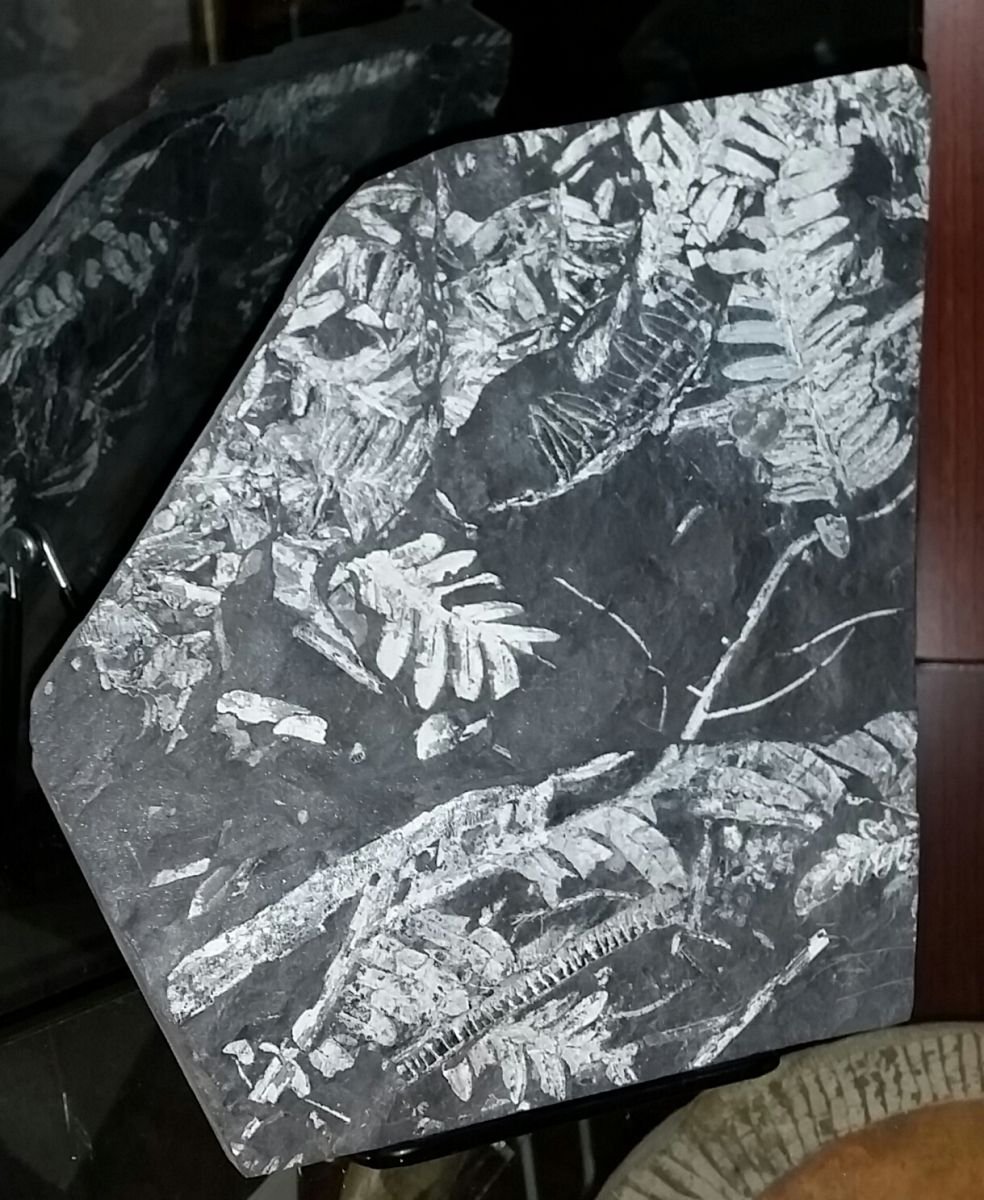
Alethopteris
carboniferous
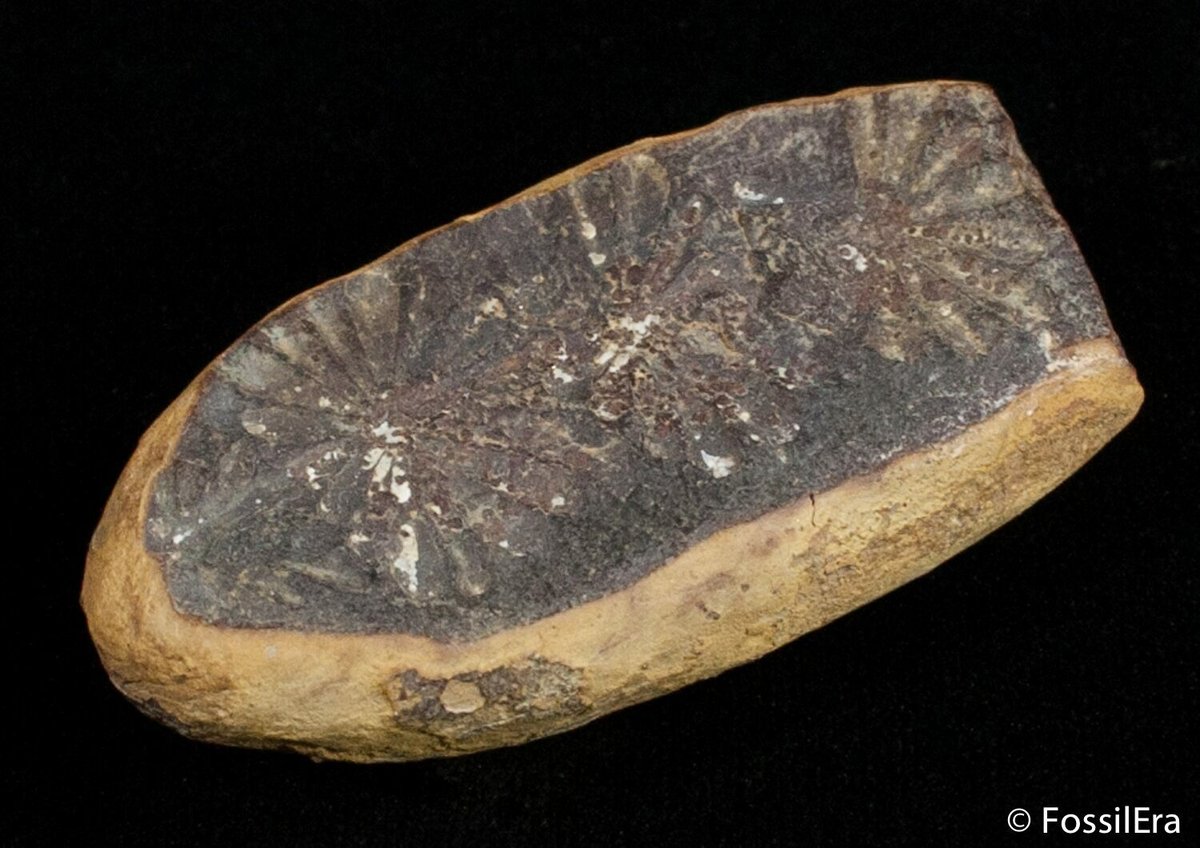
Annularia
carboniferous
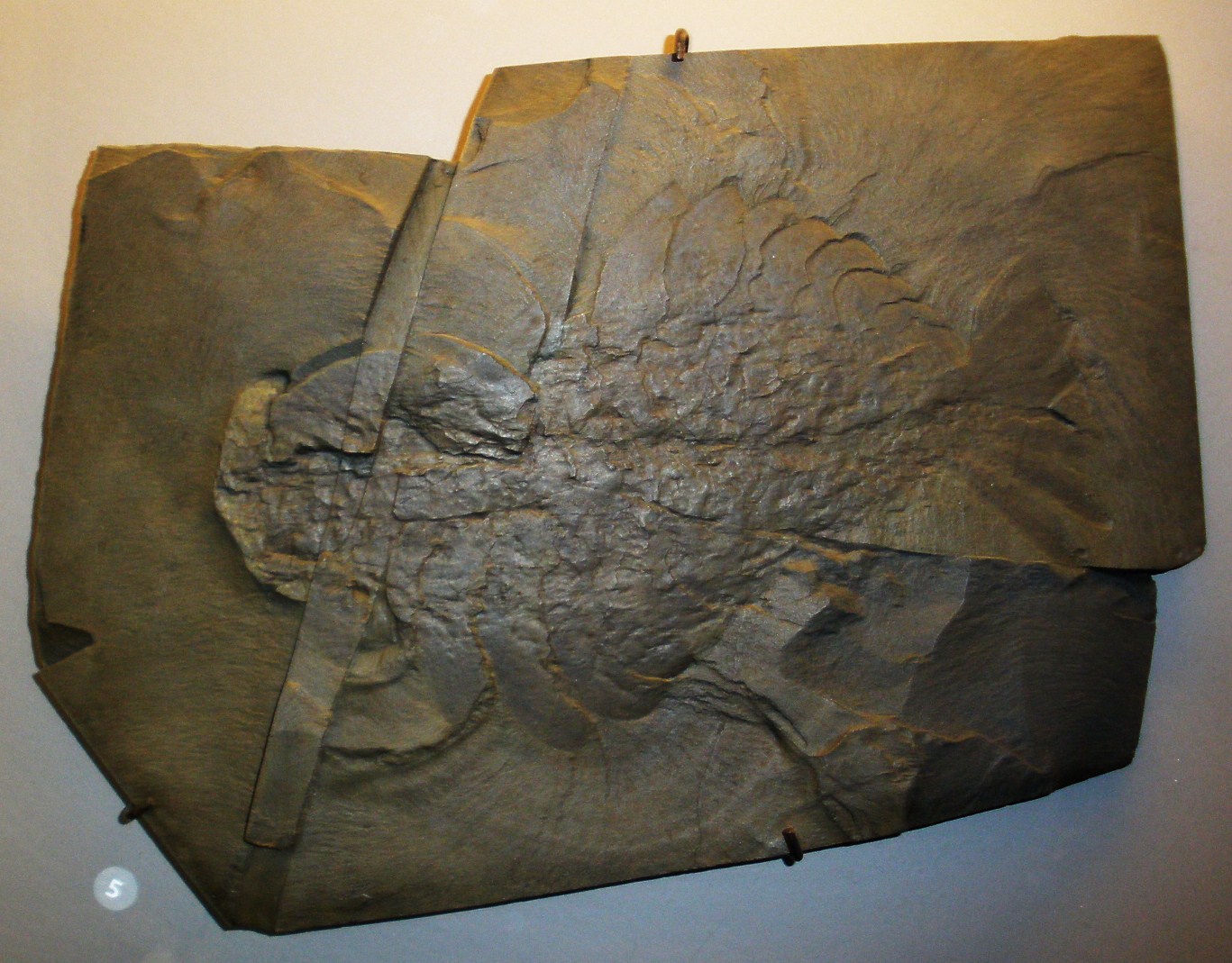
Anomalocaris
cambrian
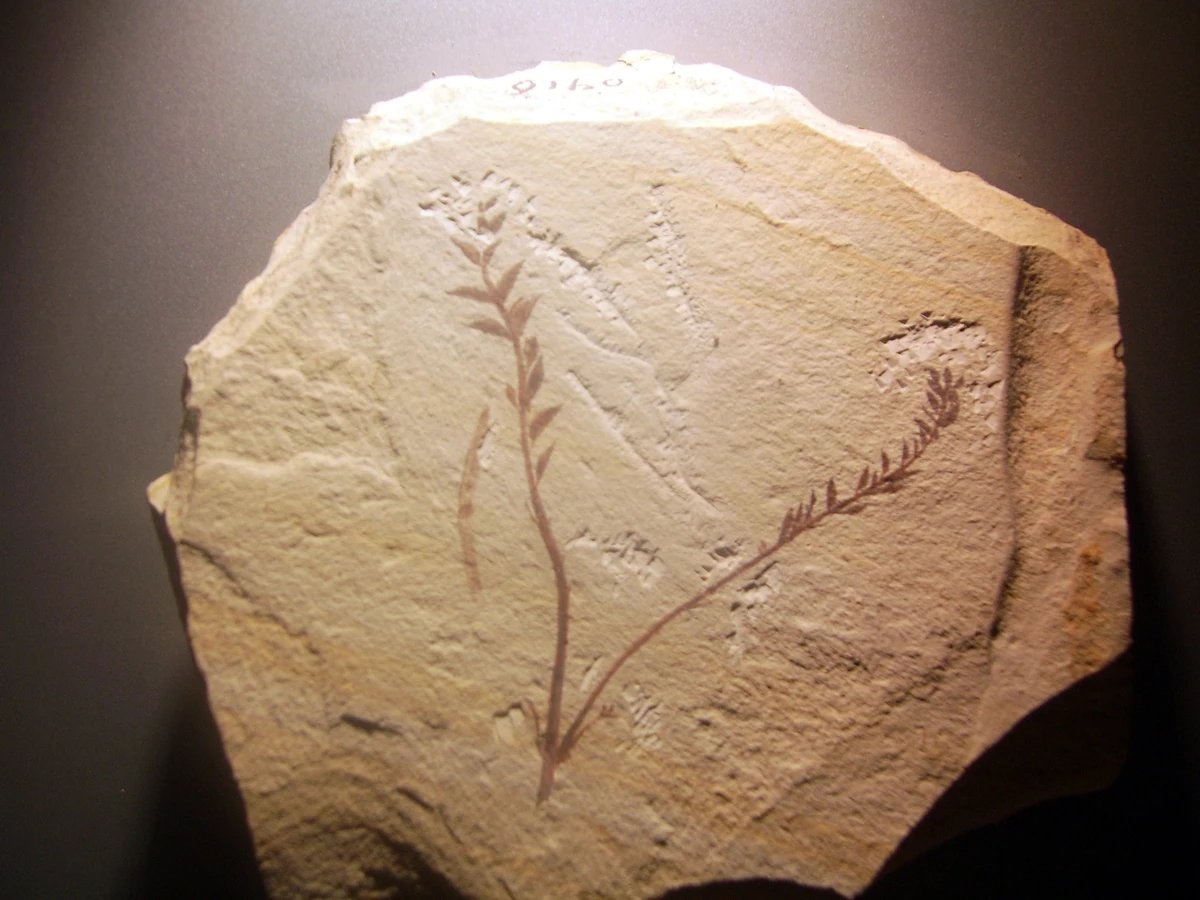
Archaefructus
cretaceous
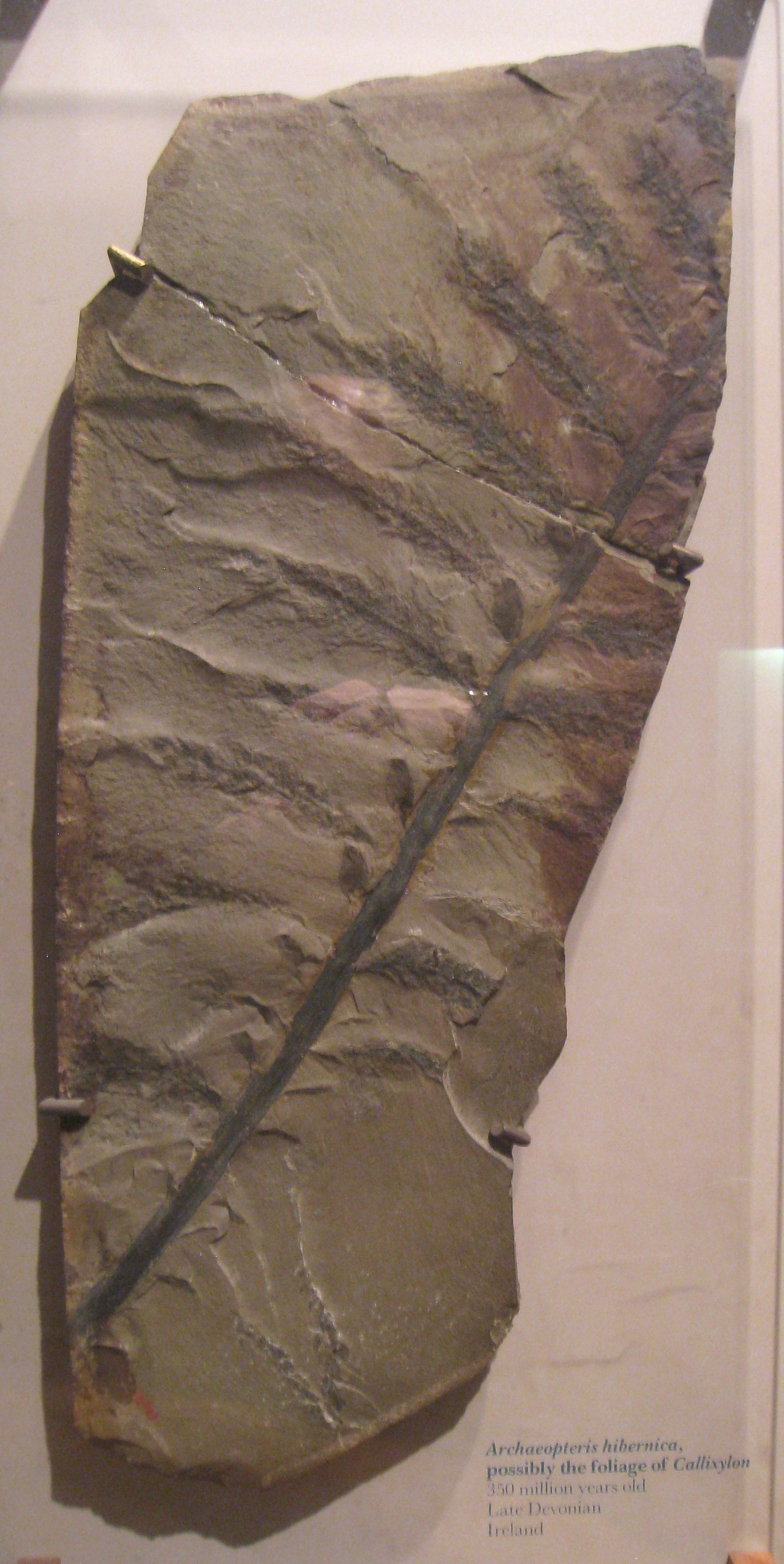
Archaeopteris
devonian
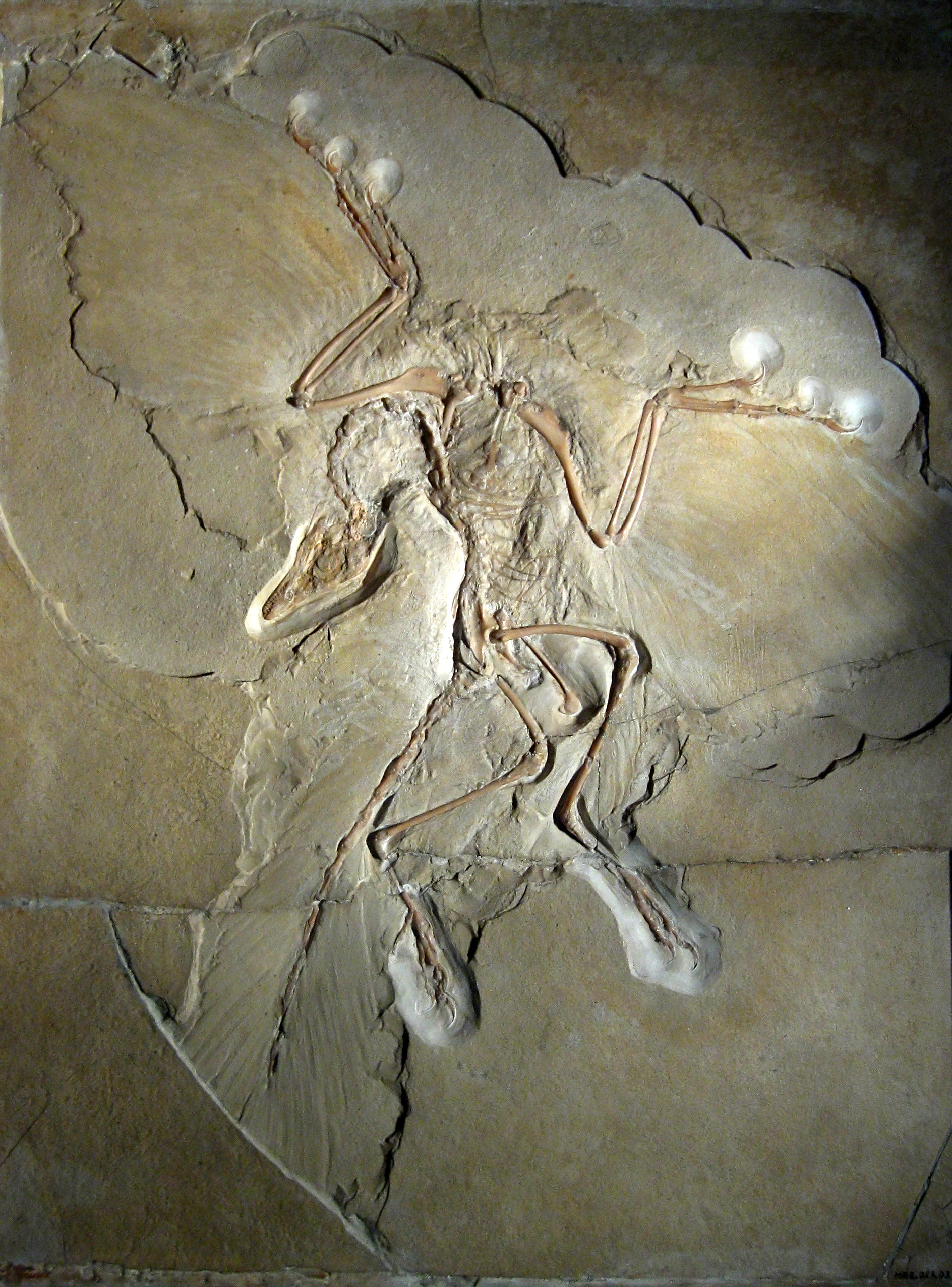
Archaeopteryx
jurassic
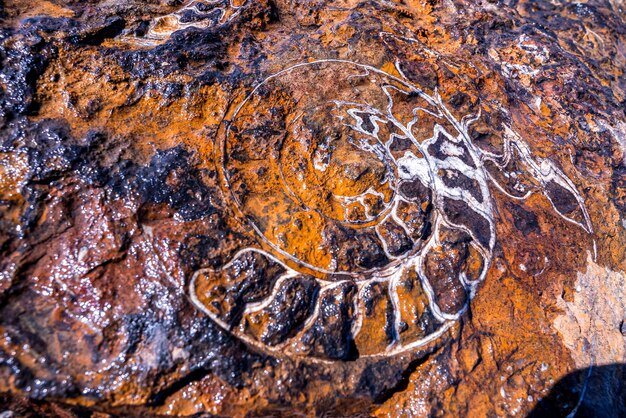
Aspidella
ediacaran
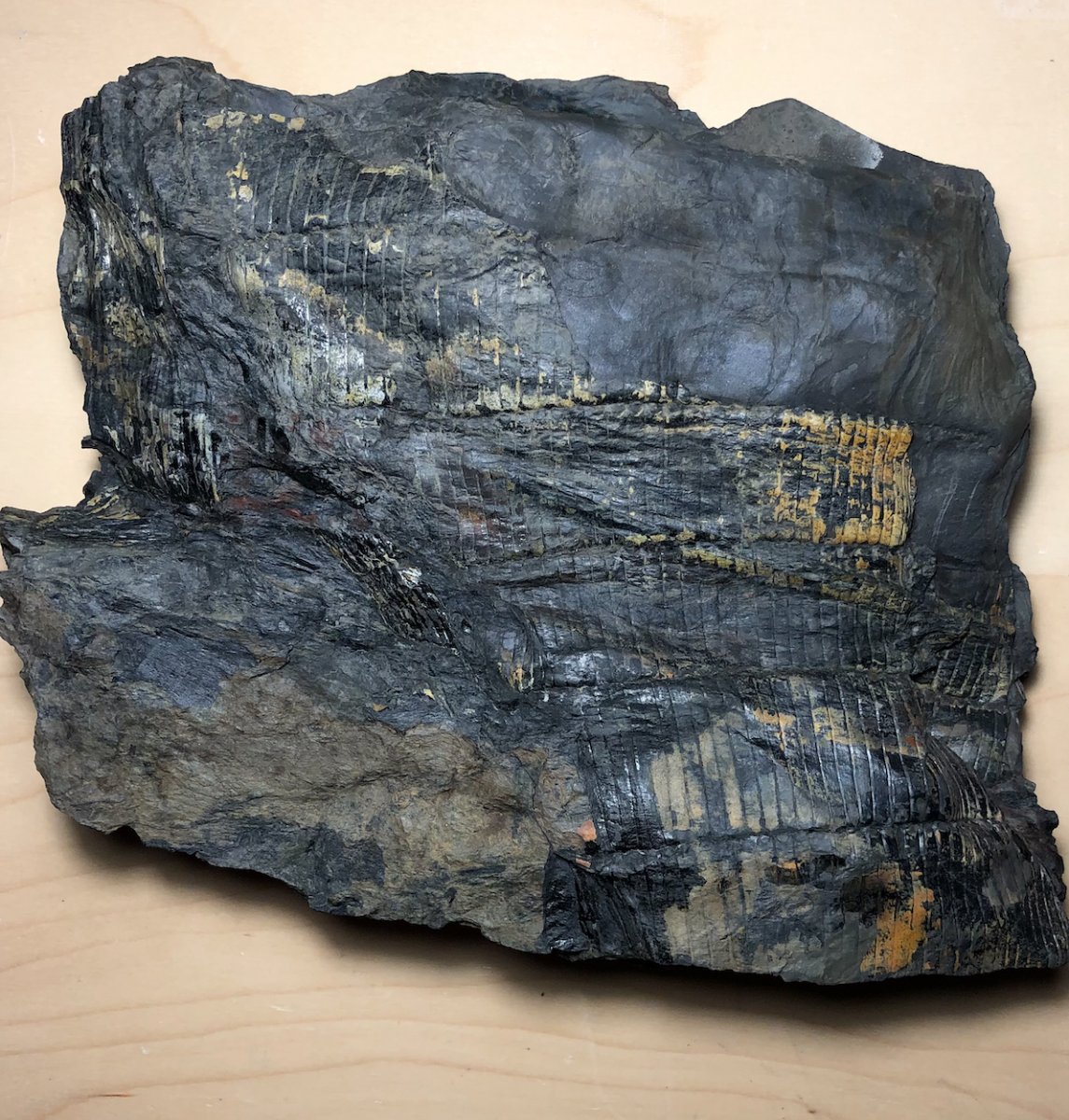
Calamites
carboniferous
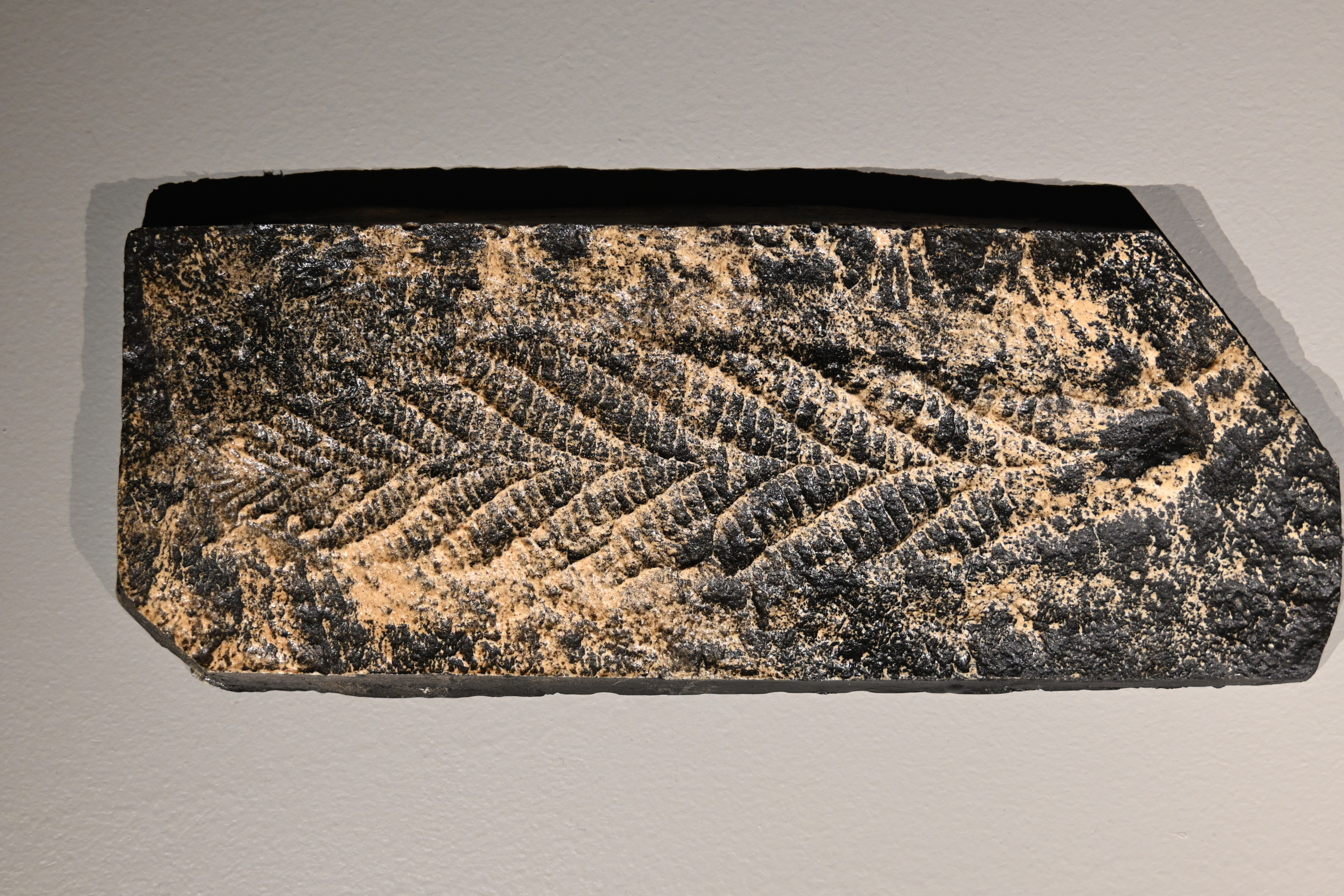
Charnia
ediacaran
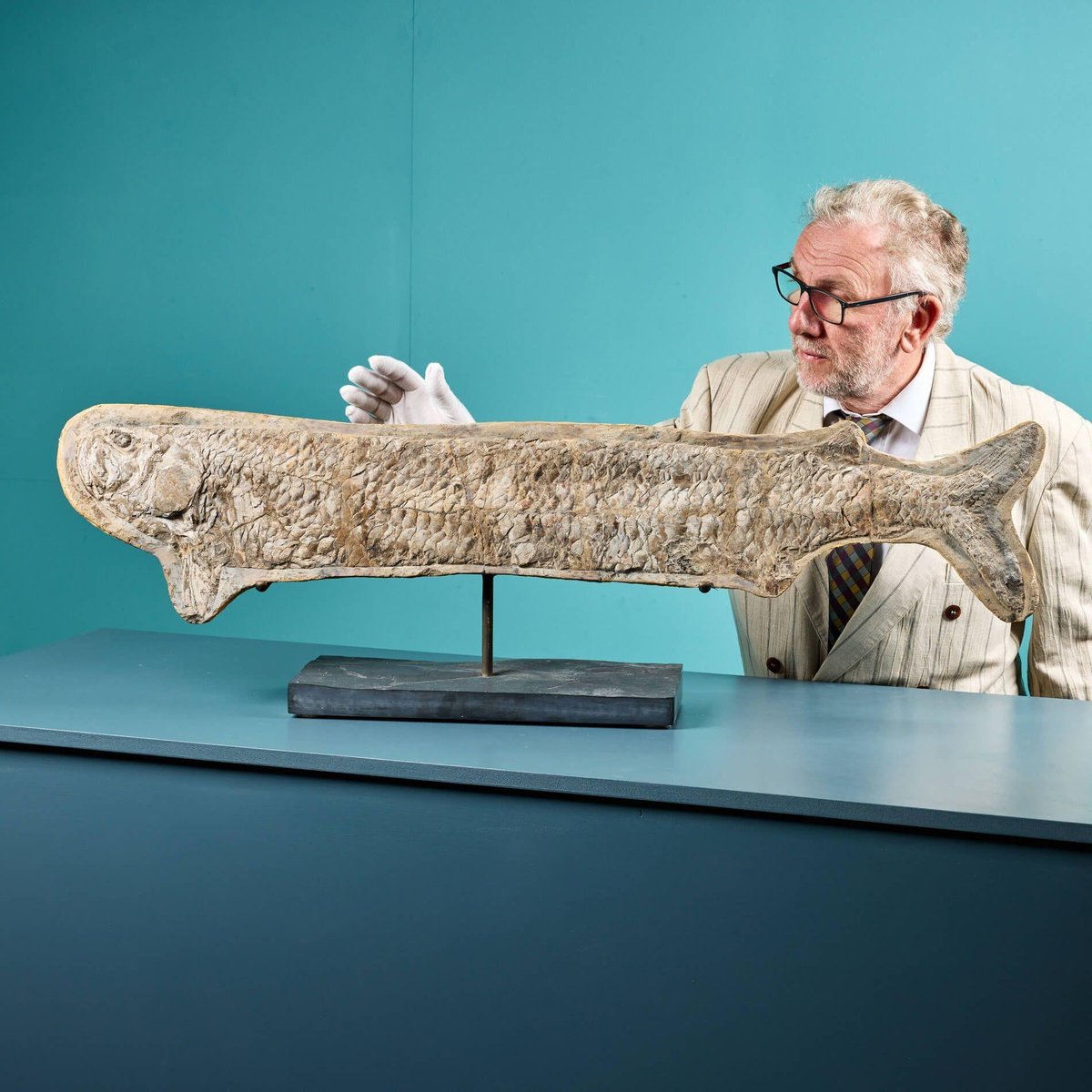
Charniodiscus
ediacaran
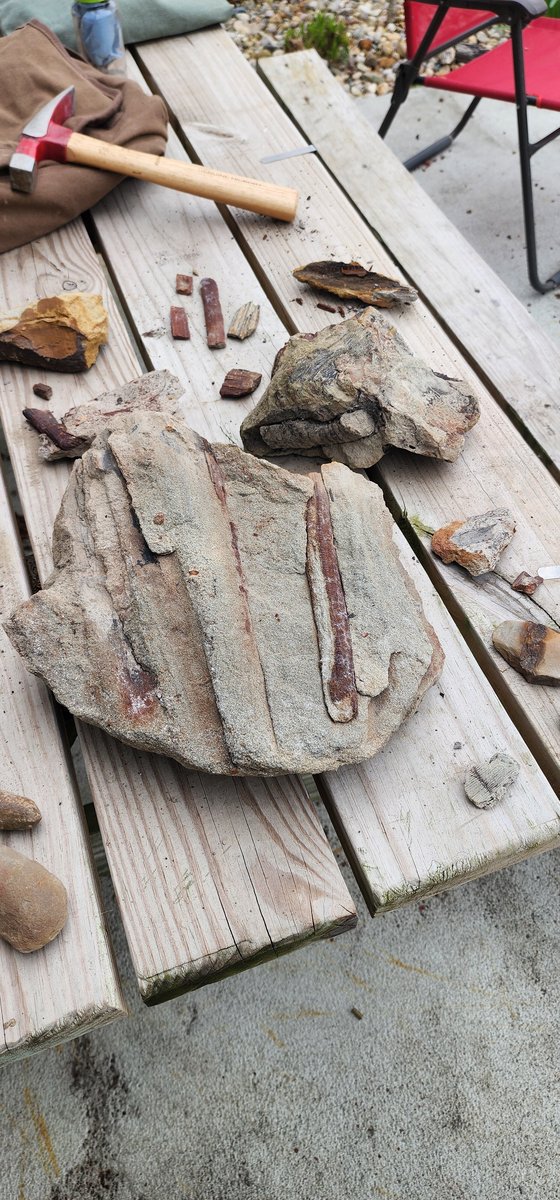
Cordaites
carboniferous
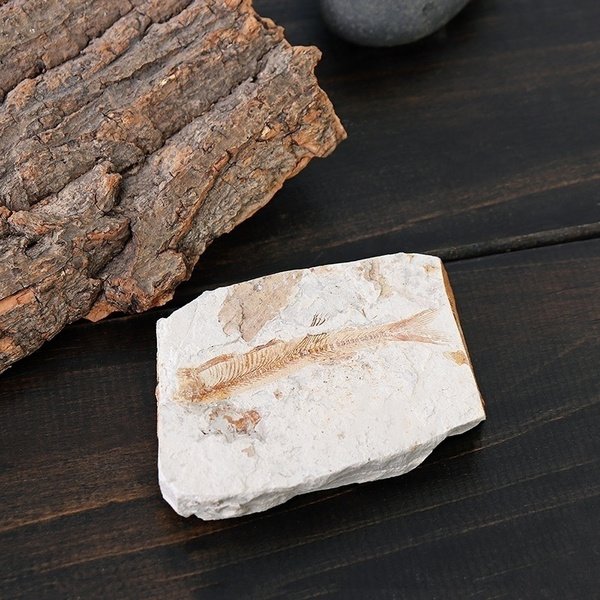
Cyclomedusa
ediacaran
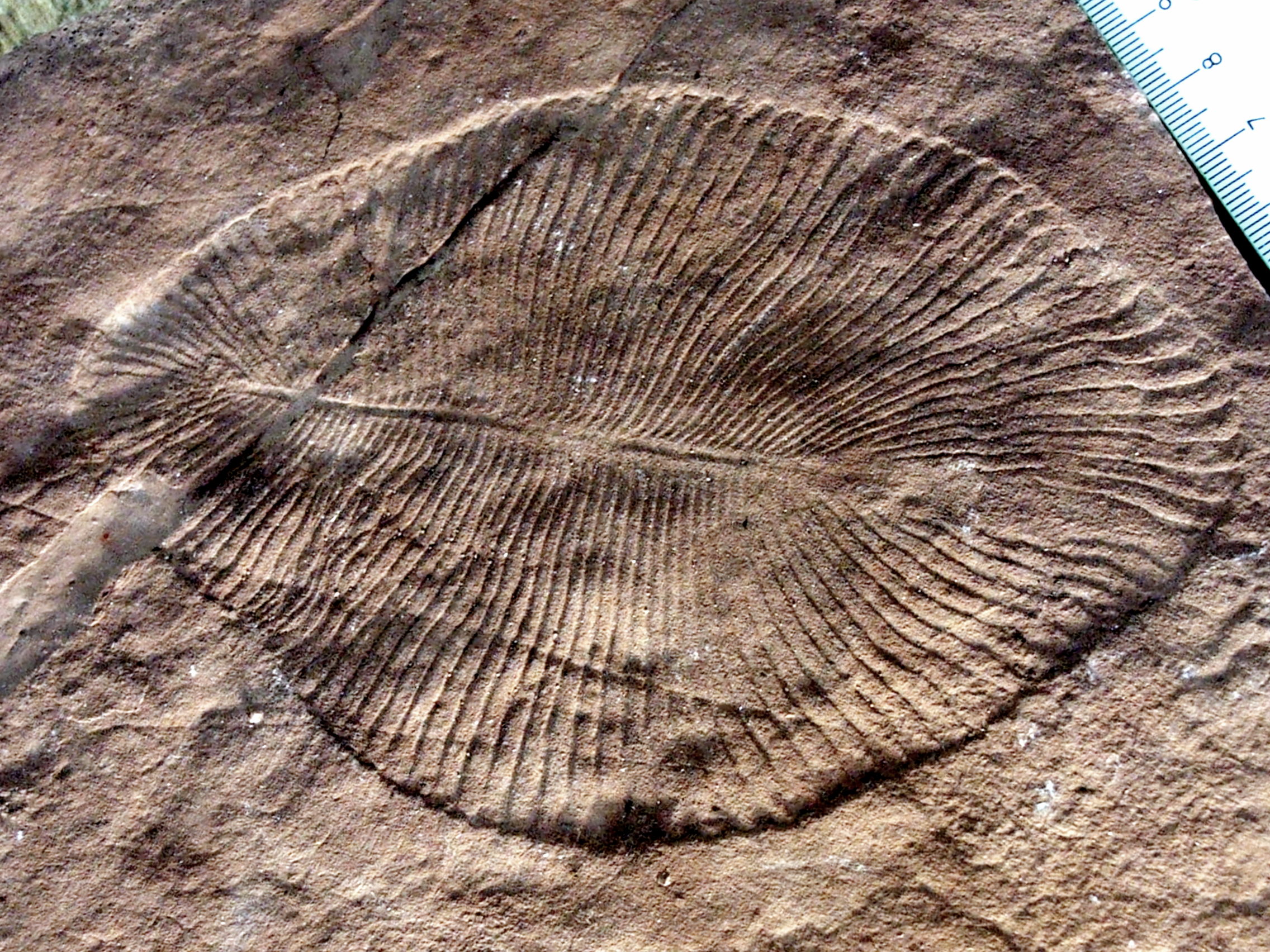
Dickinsonia
ediacaran
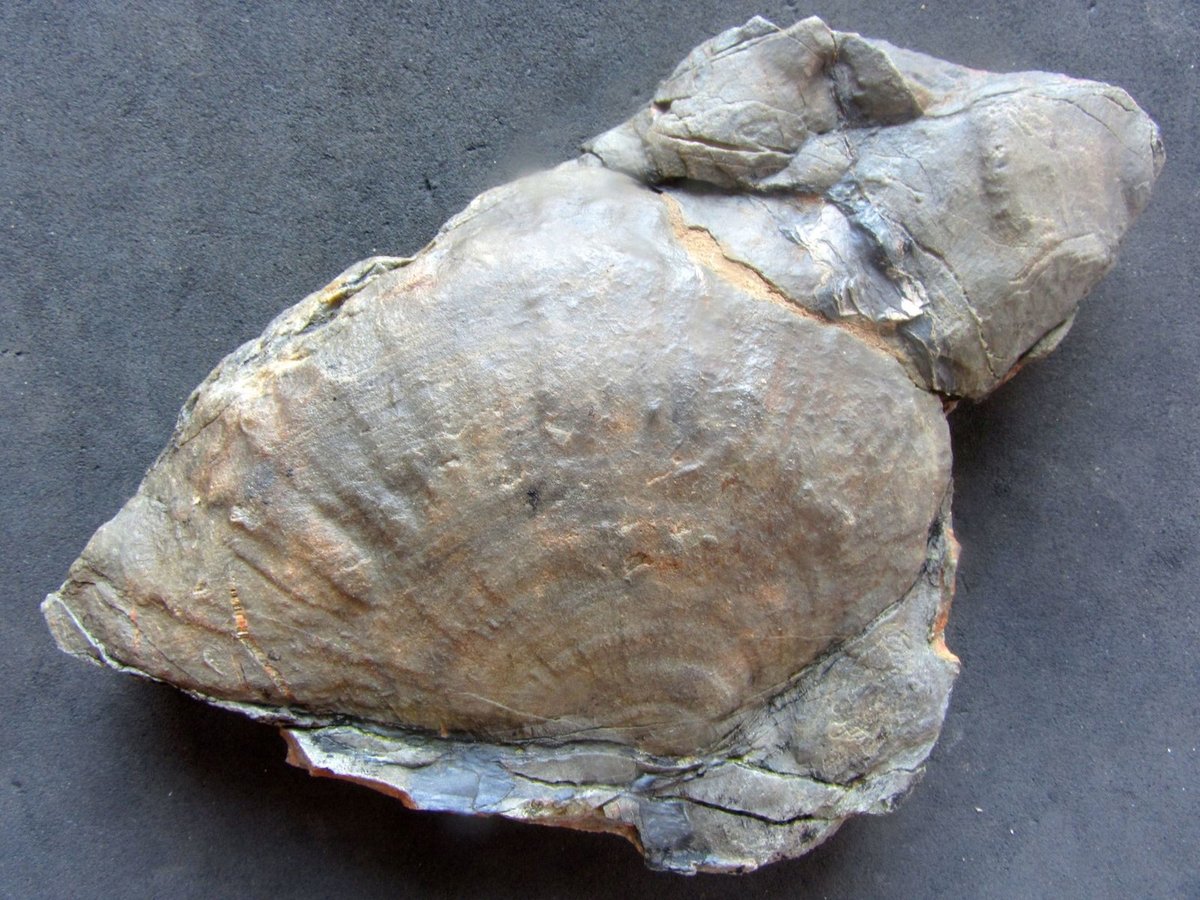
Ediacaria
ediacaran
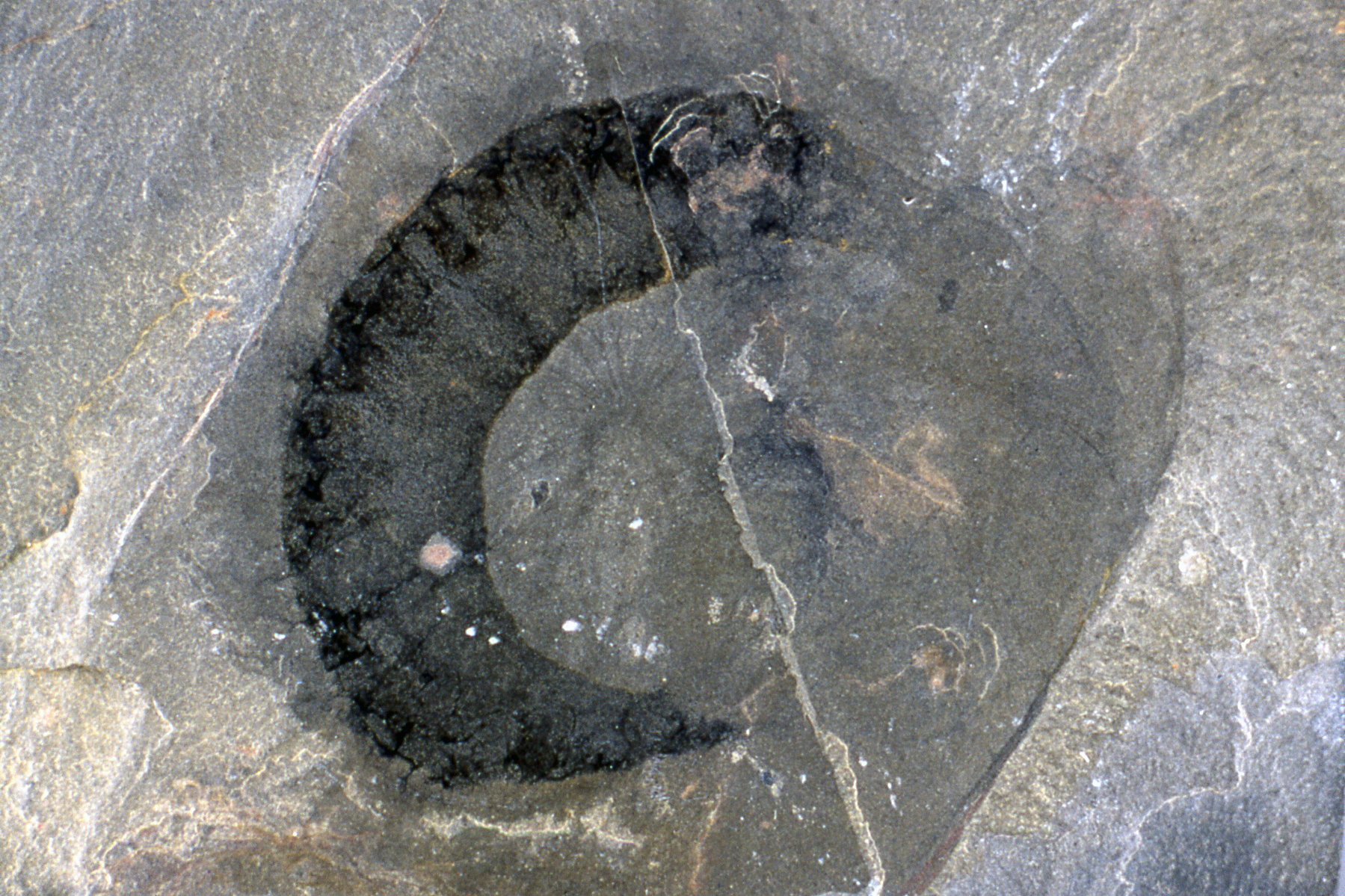
Eldonia
cambrian
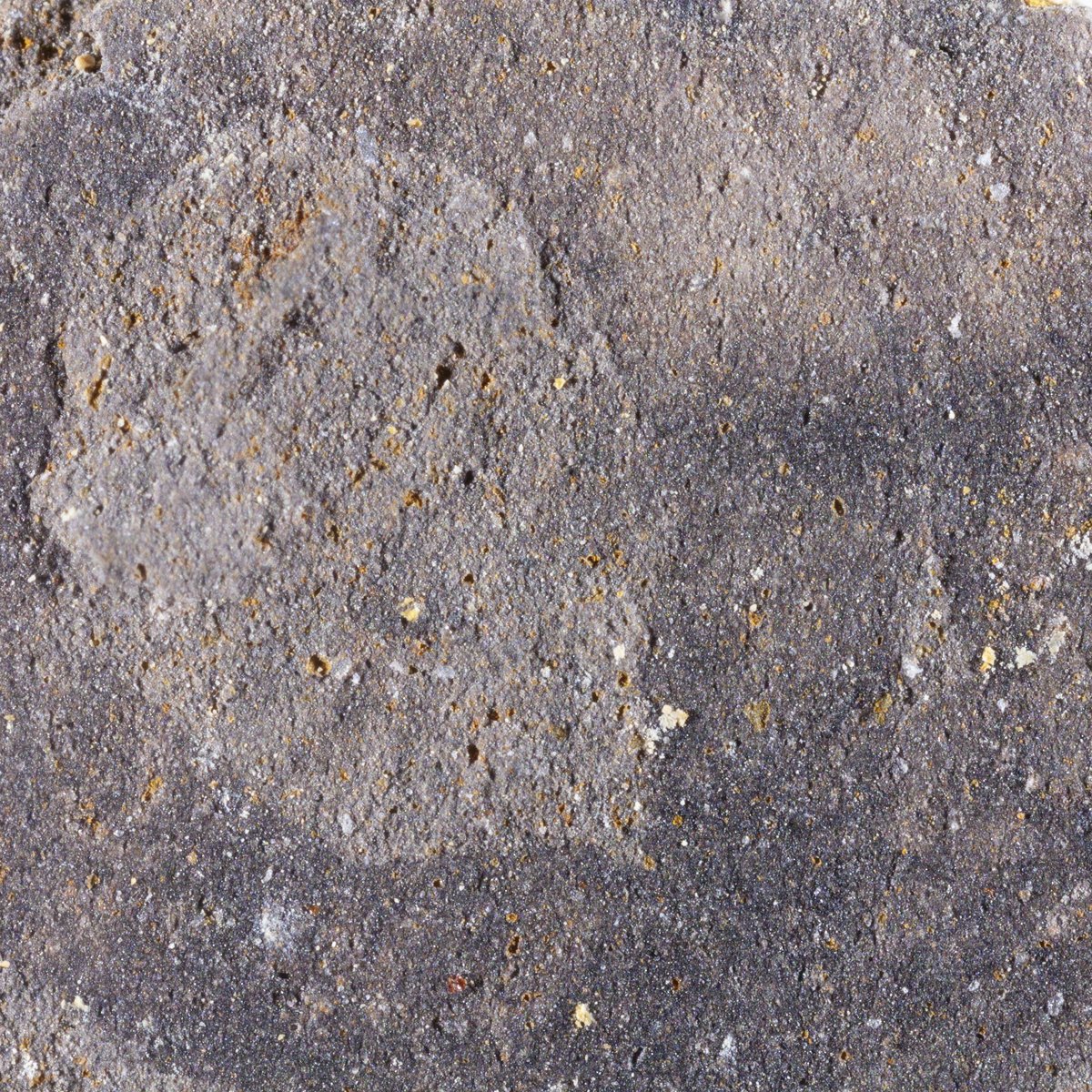
Eoandromeda
ediacaran
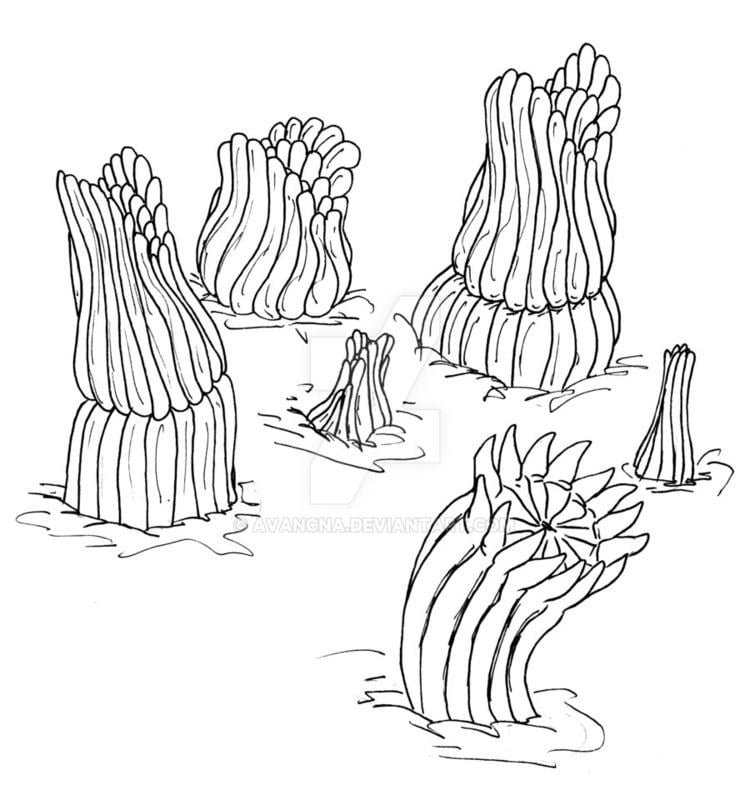
Ernietta
ediacaran
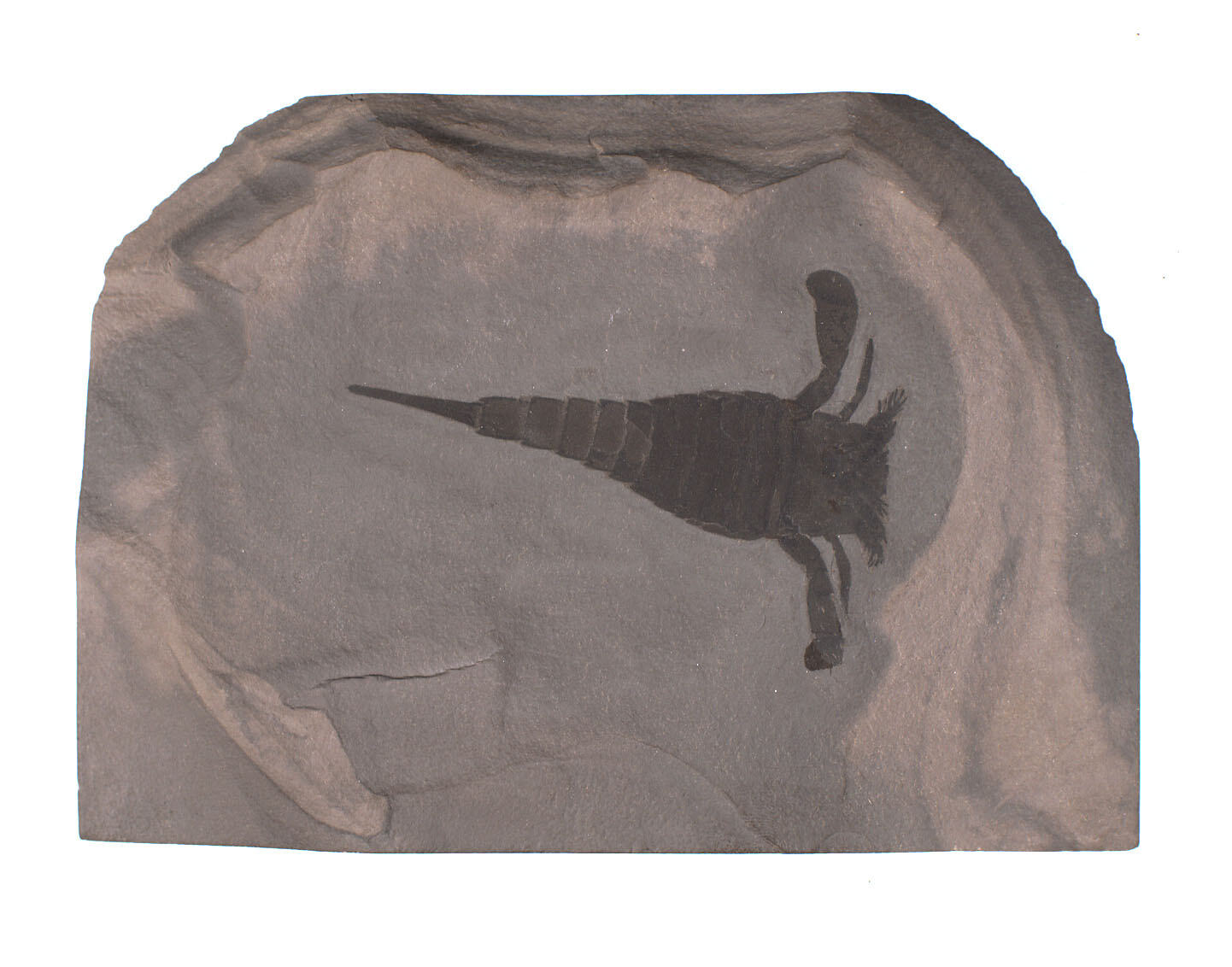
Eurypterus
silurian
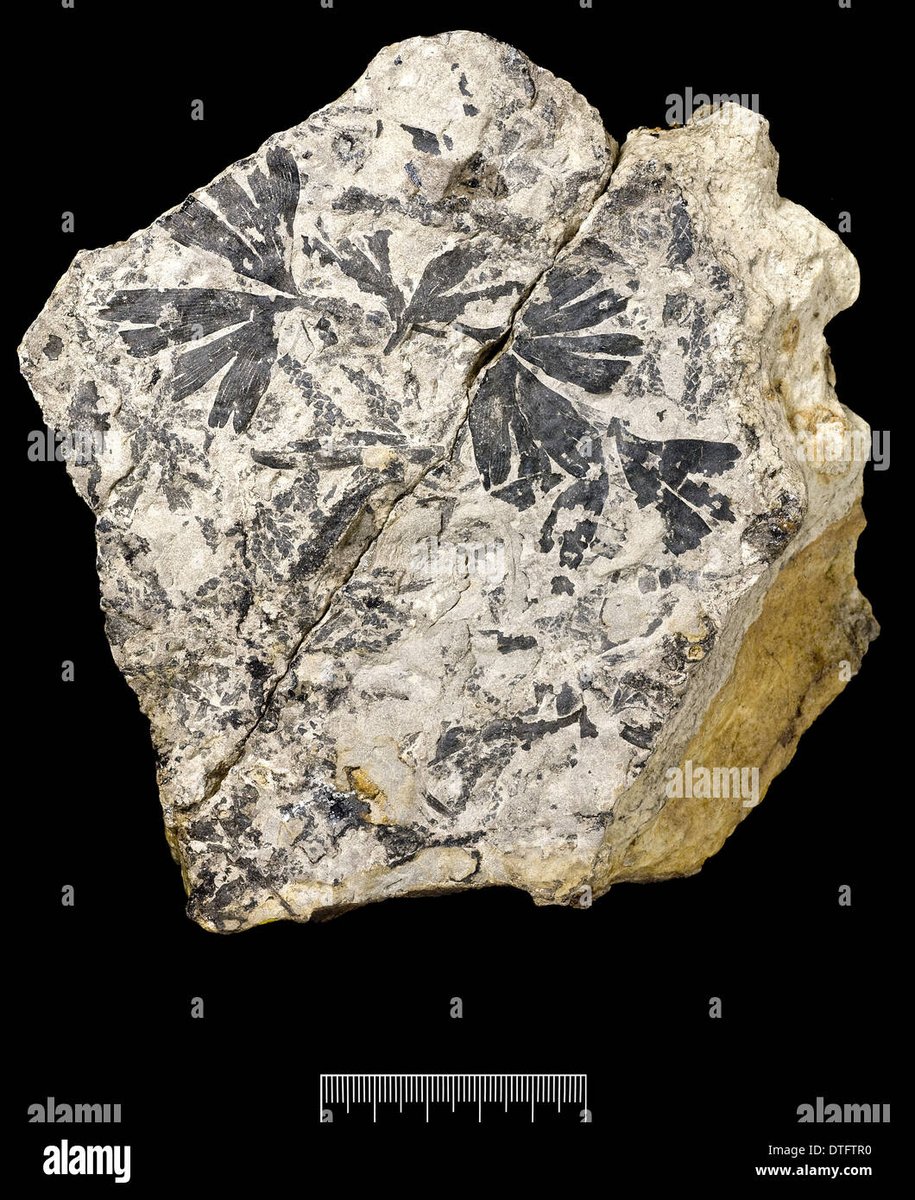
Fossil Ginkgo
jurassic

Fossil Metasequoia
paleogene
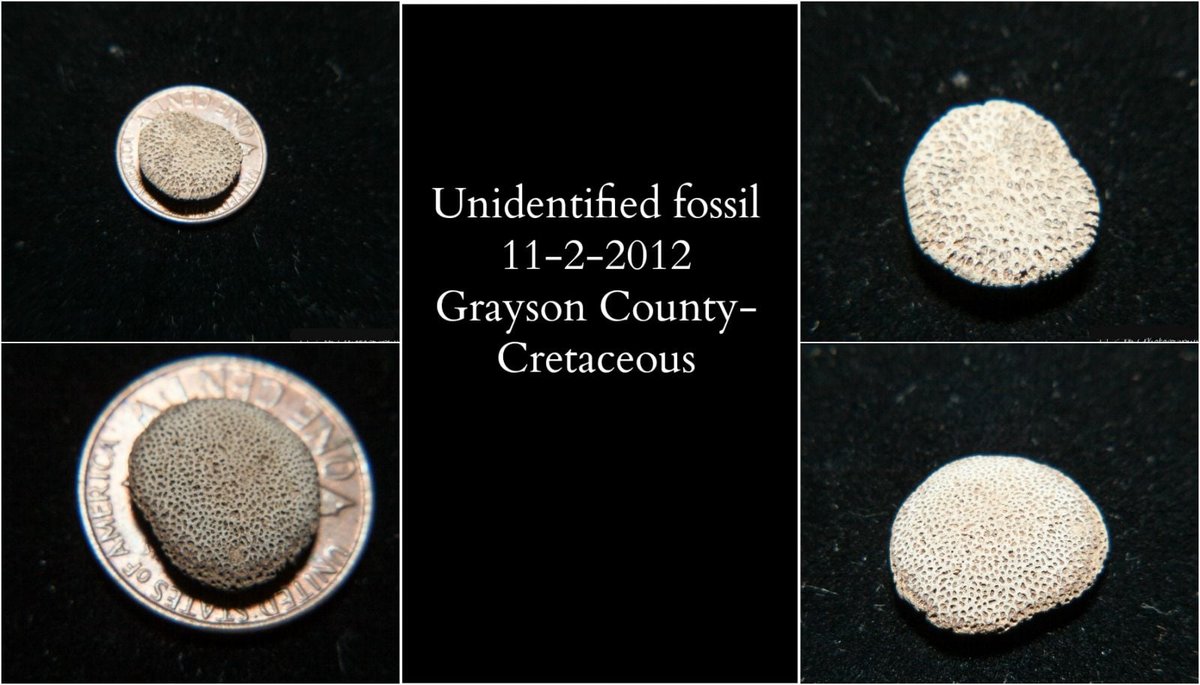
Fossil Nipa Palm
paleogene
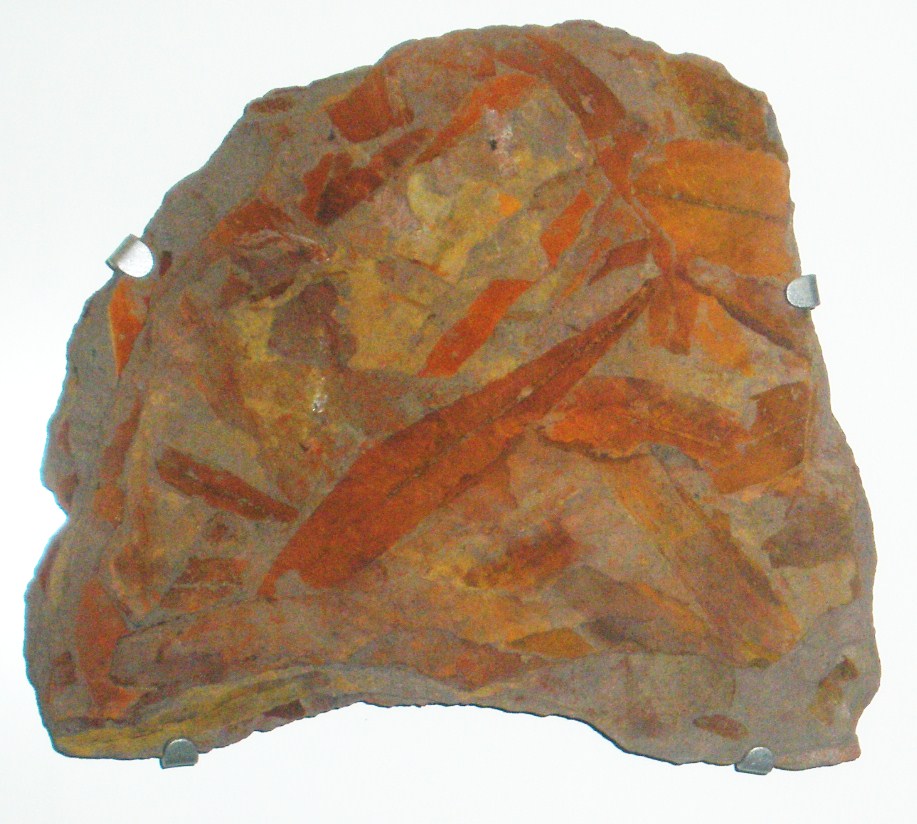
Glossopteris
permian
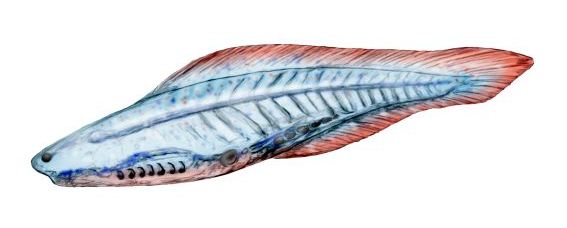
Haikouichthys
cambrian
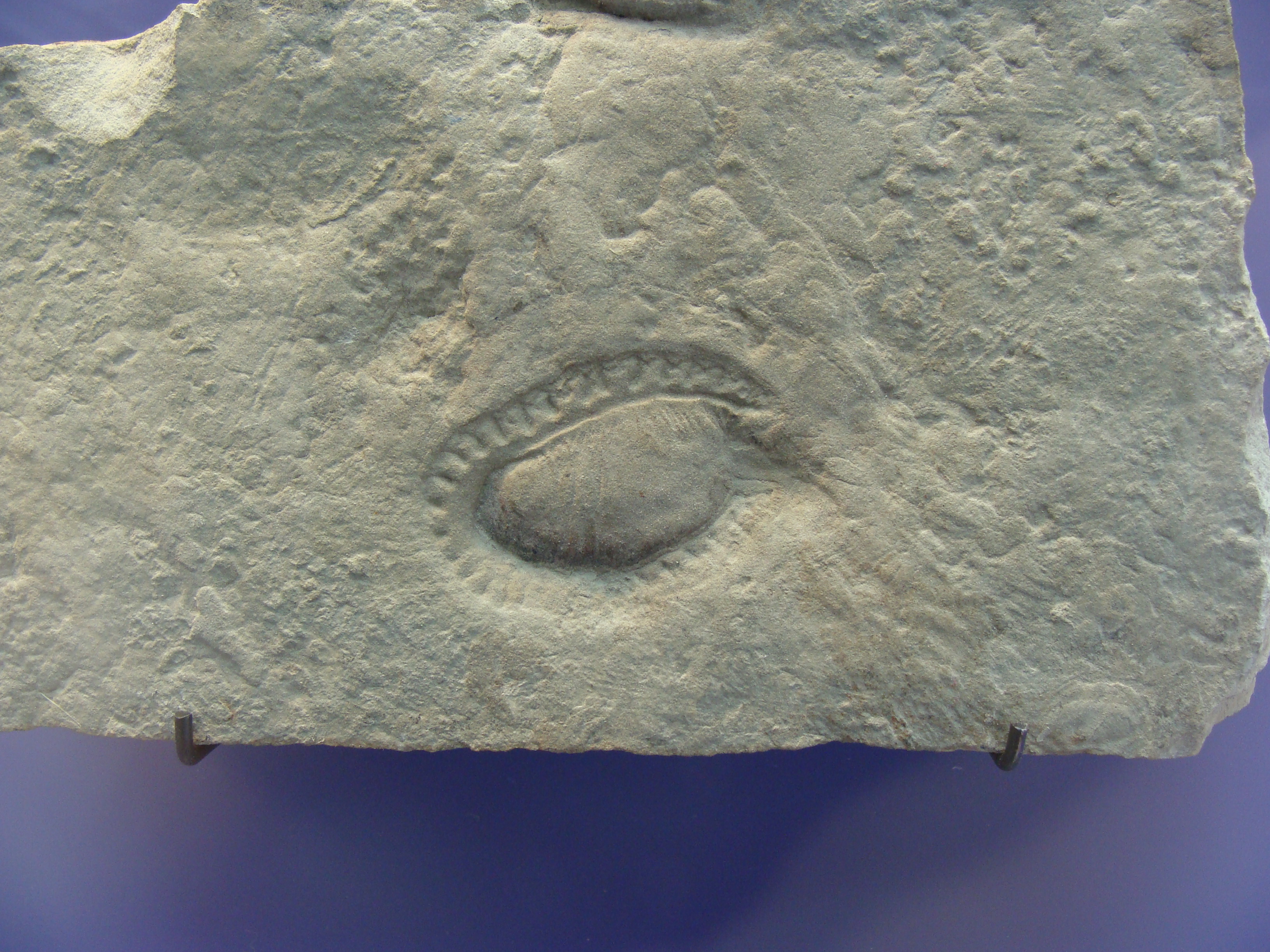
Kimberella
ediacaran
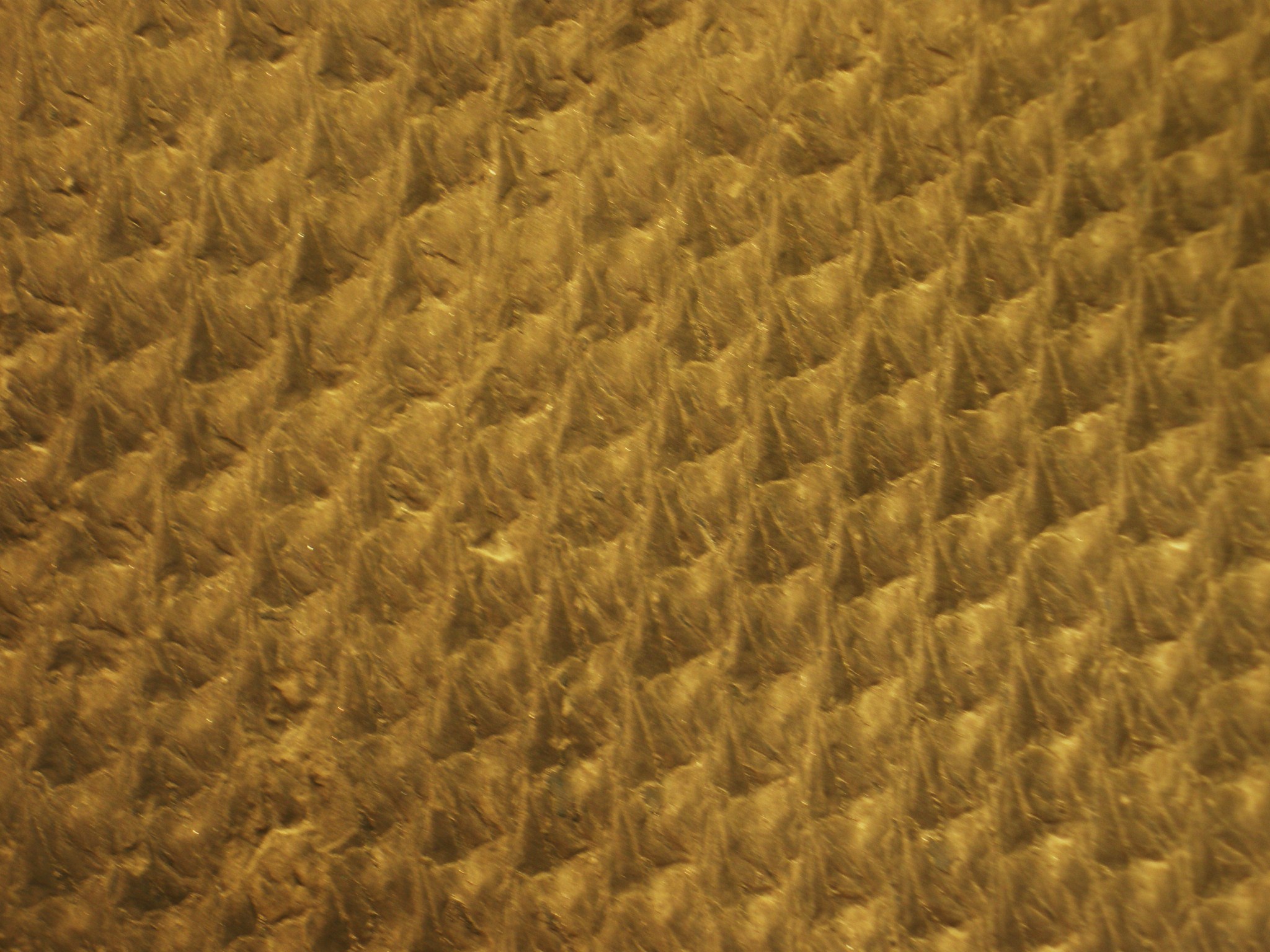
Lepidodendron
carboniferous
-bark/c858d48fc5cb.jpg)
Lepidodendron (Scale tree) bark
carboniferous
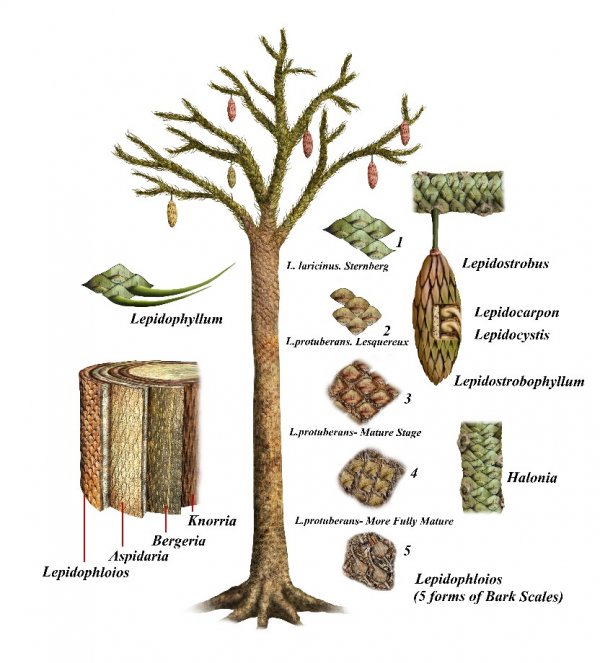
Lepidophloios
carboniferous
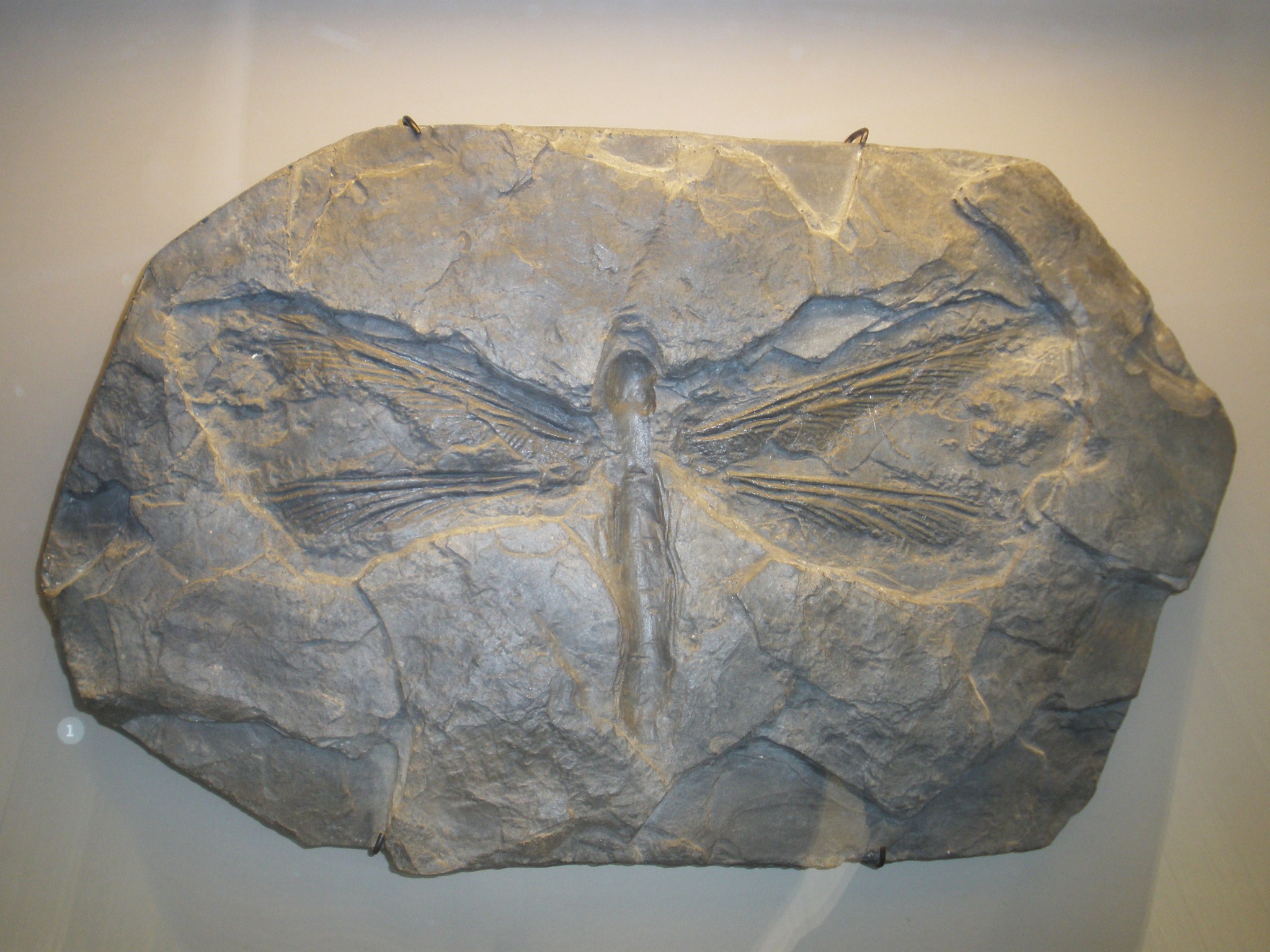
Meganeura
carboniferous
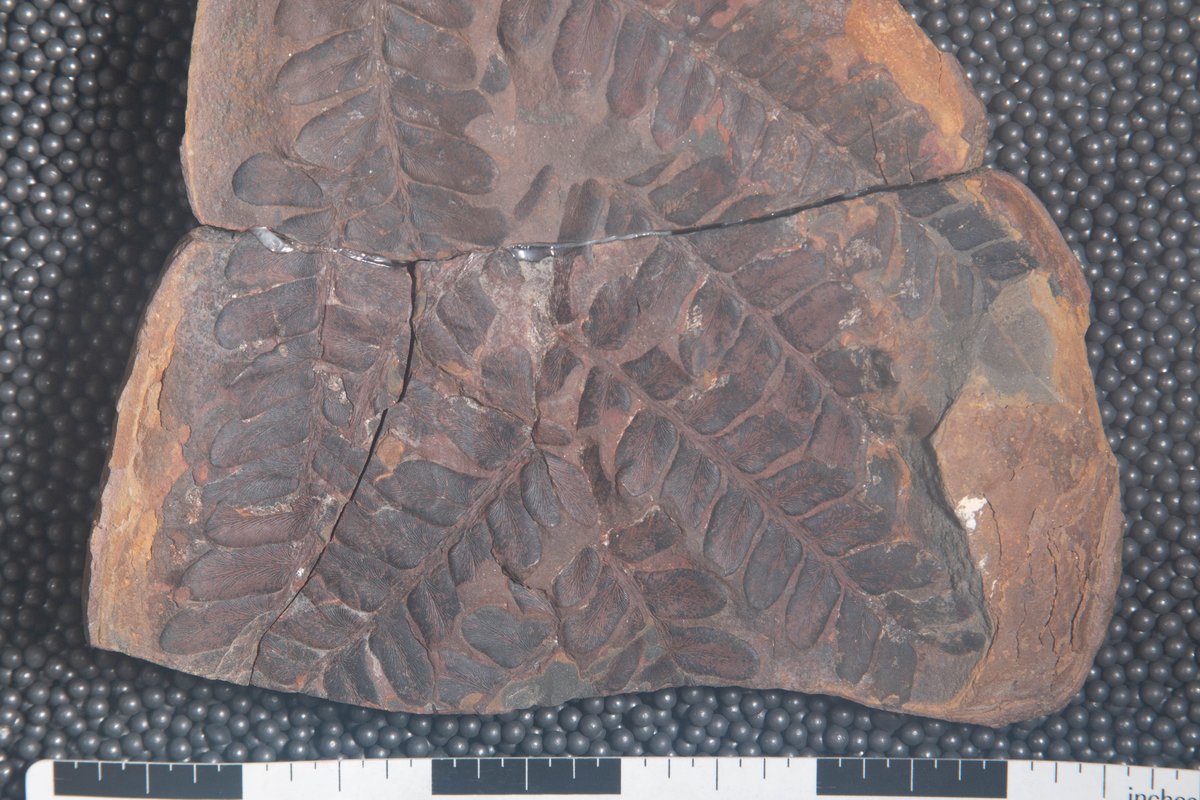
Neuropteris
carboniferous
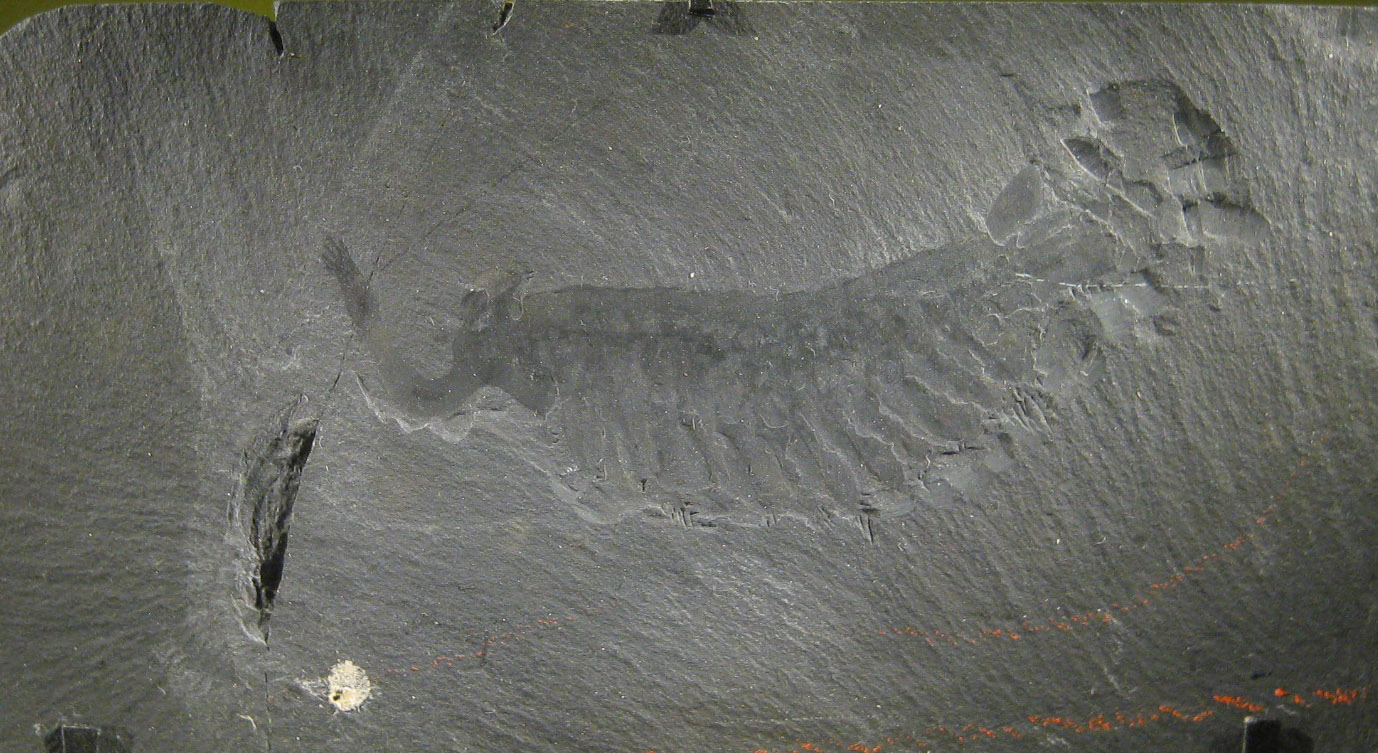
Opabinia
cambrian
/cc86f4a1bc00.jpg)
Opabinia regalis (Burgess Shale)
cambrian
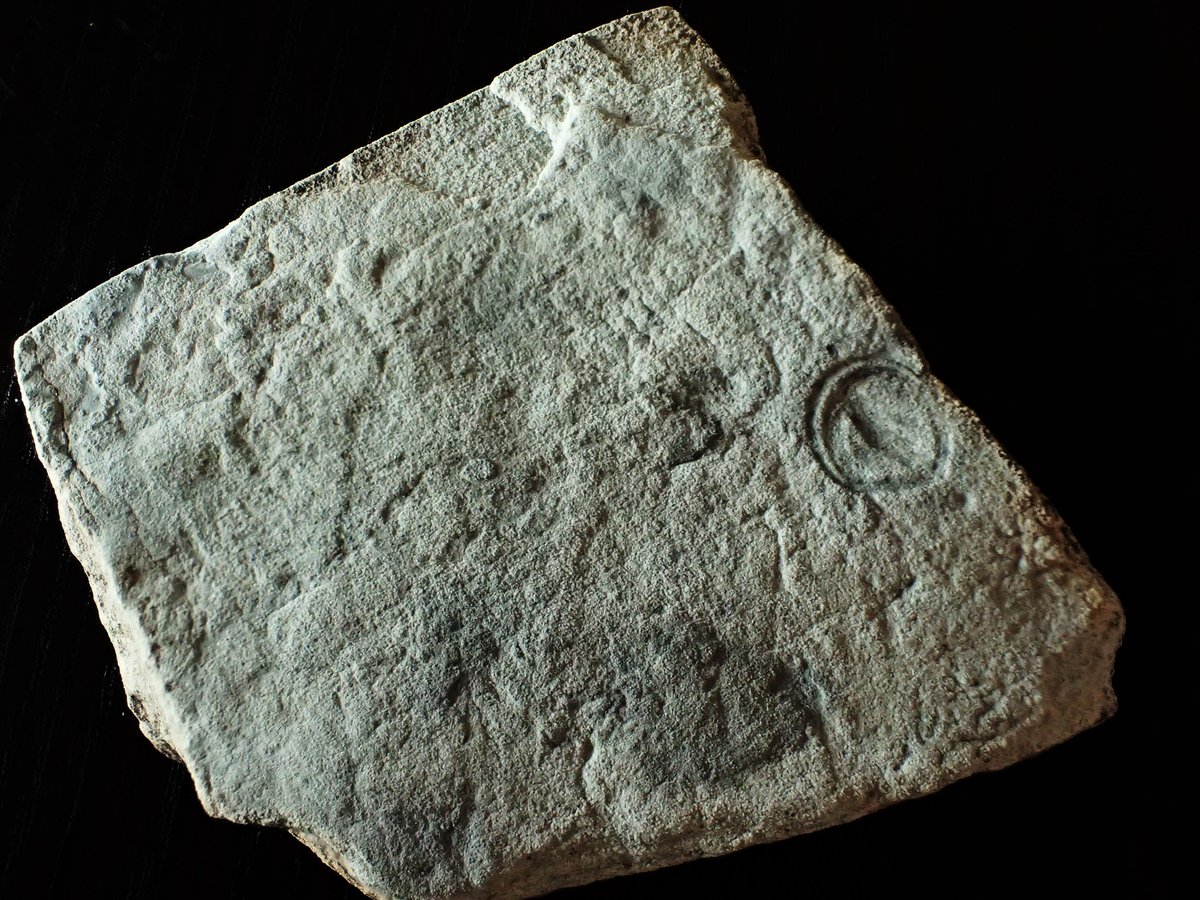
Parvancorina
ediacaran
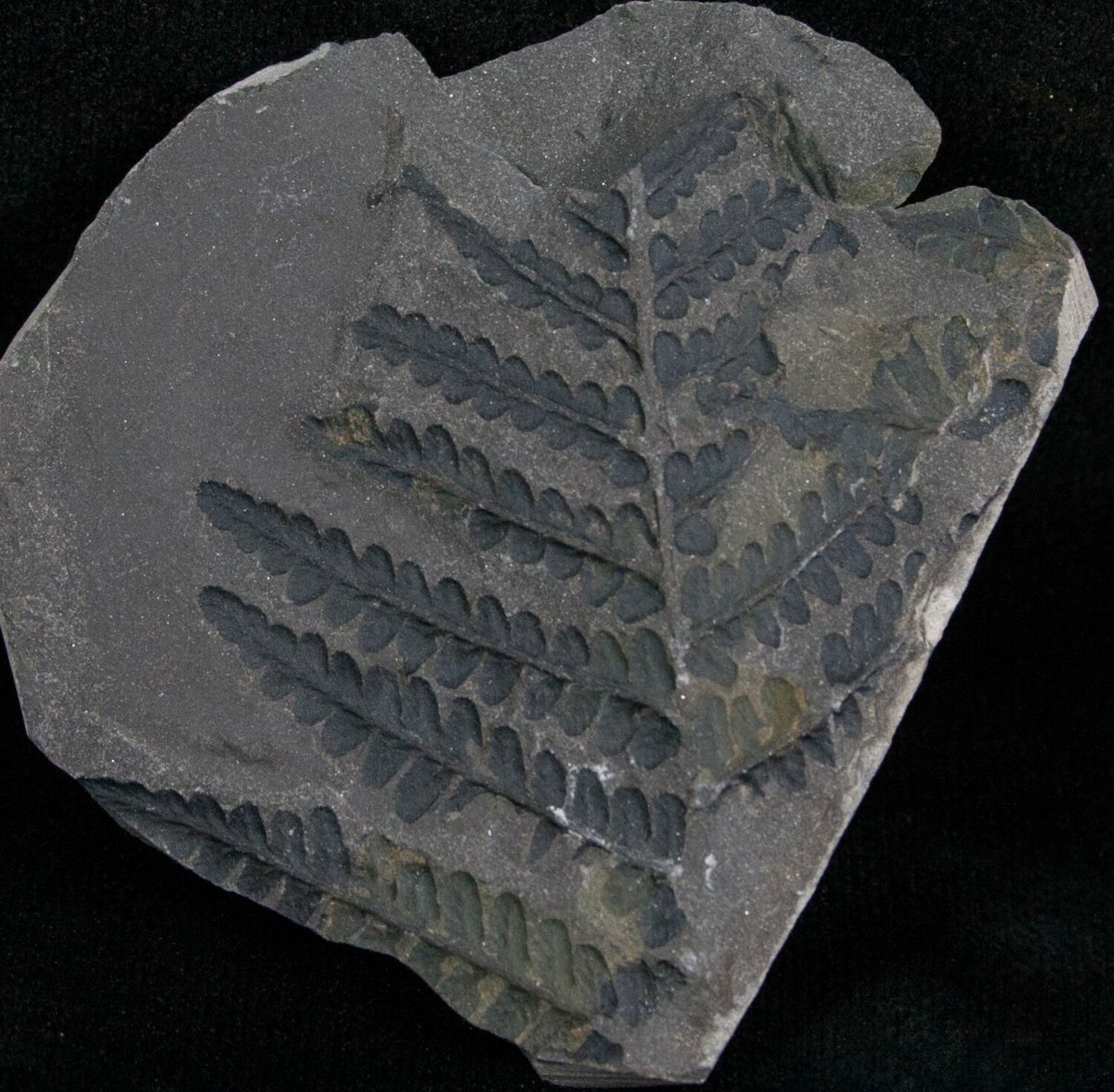
Pecopteris
carboniferous
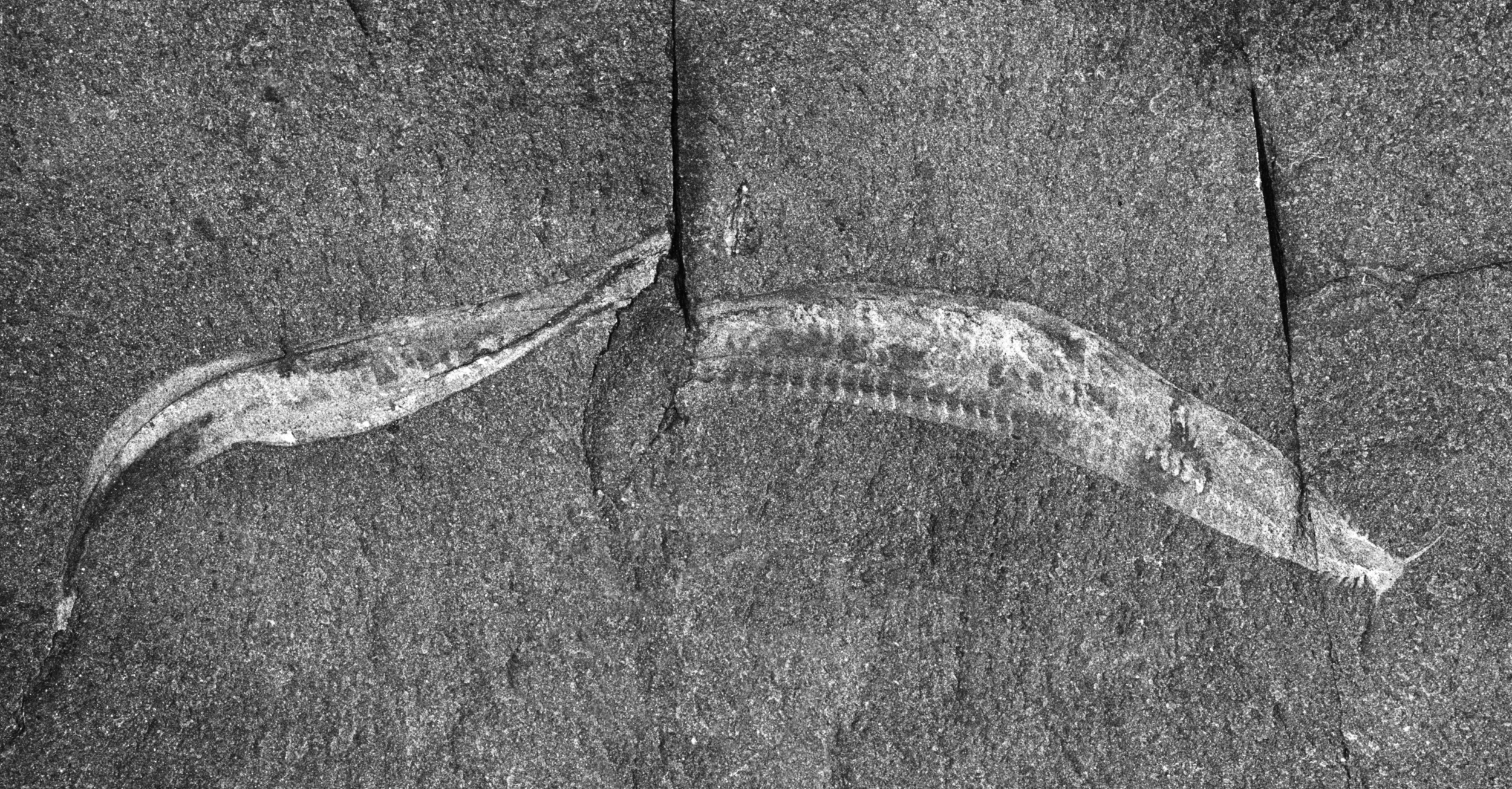
Pikaia
cambrian
Rangea
ediacaran
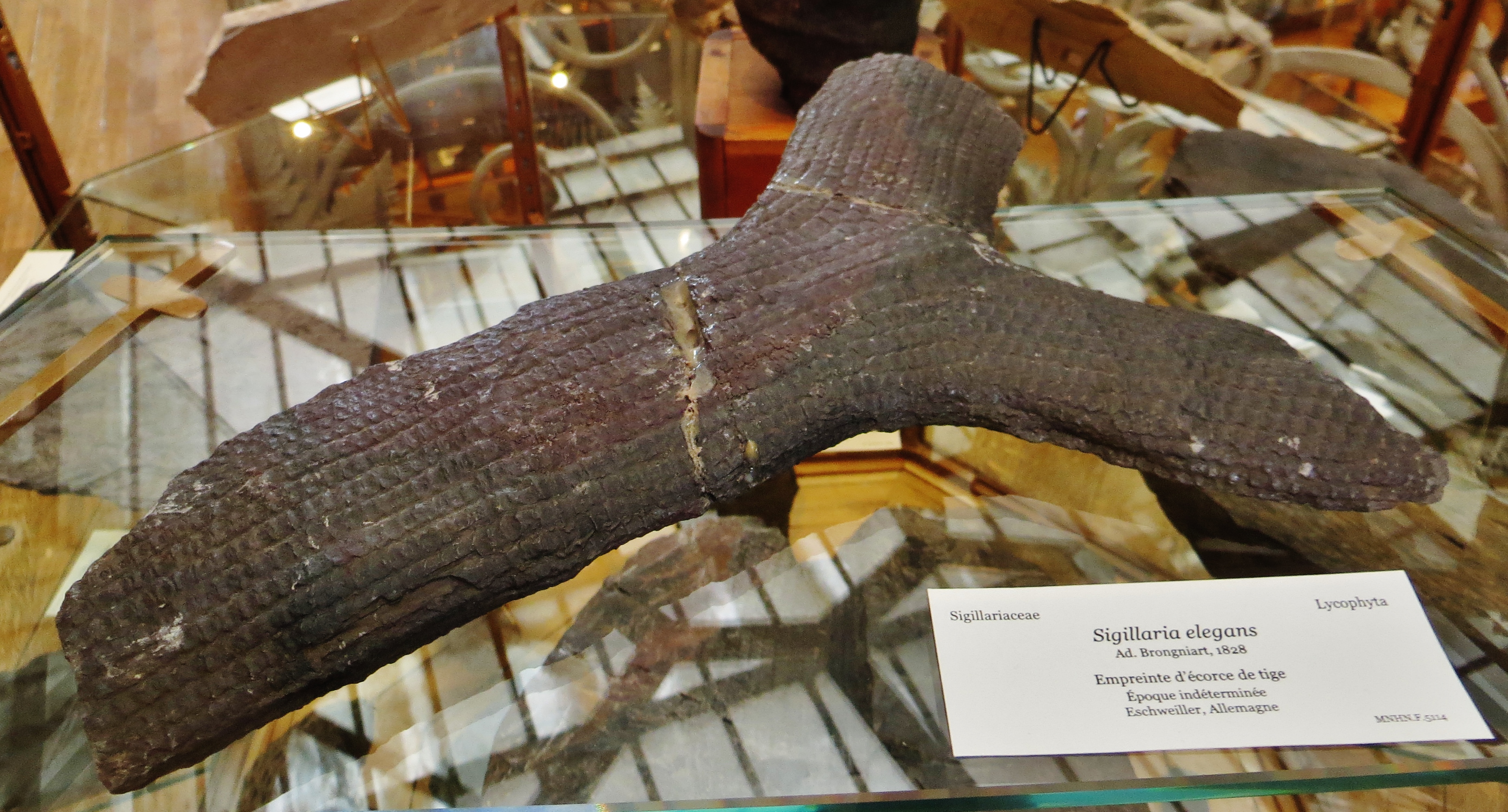
Sigillaria
carboniferous
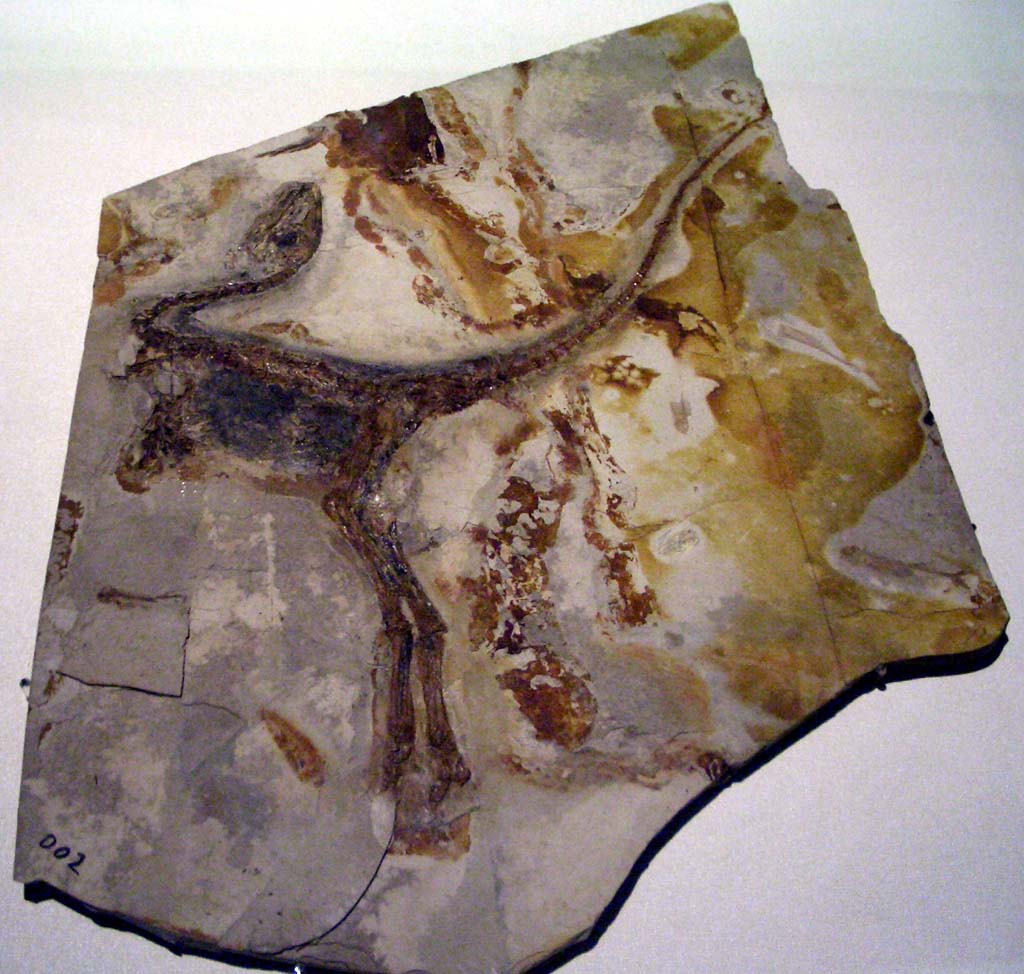
Sinosauropteryx
cretaceous
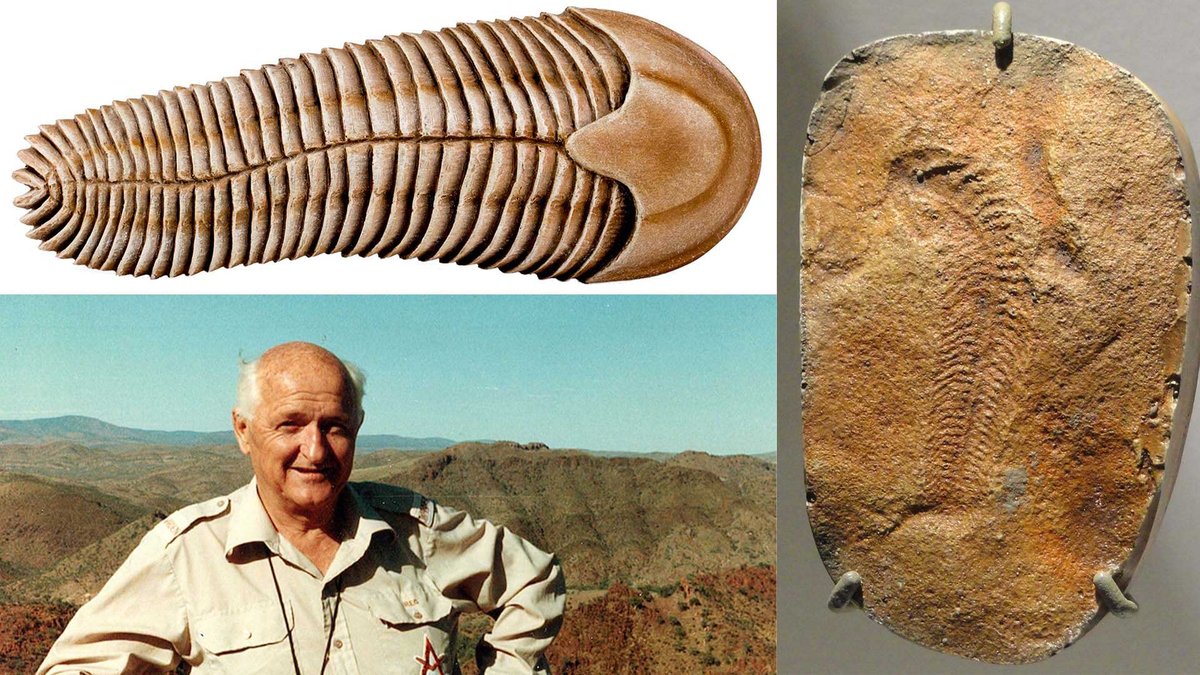
Spriggina
ediacaran
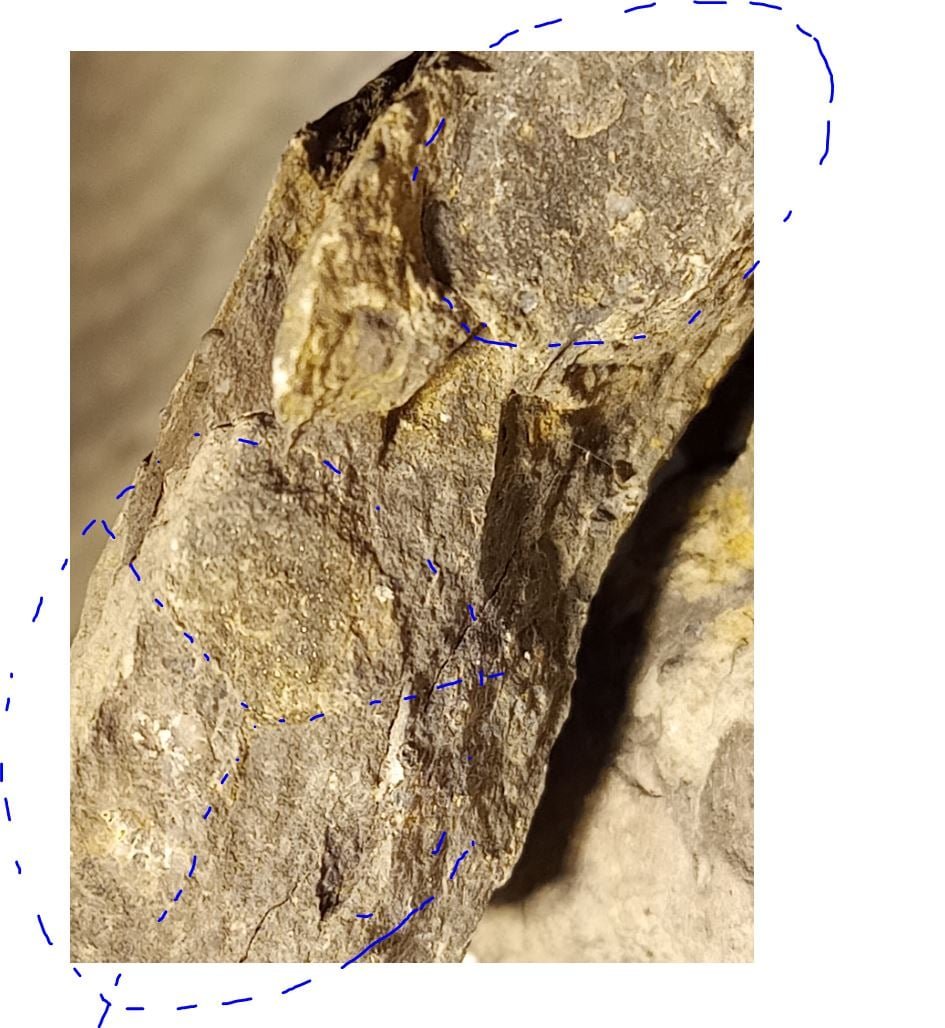
Tribrachidium
ediacaran
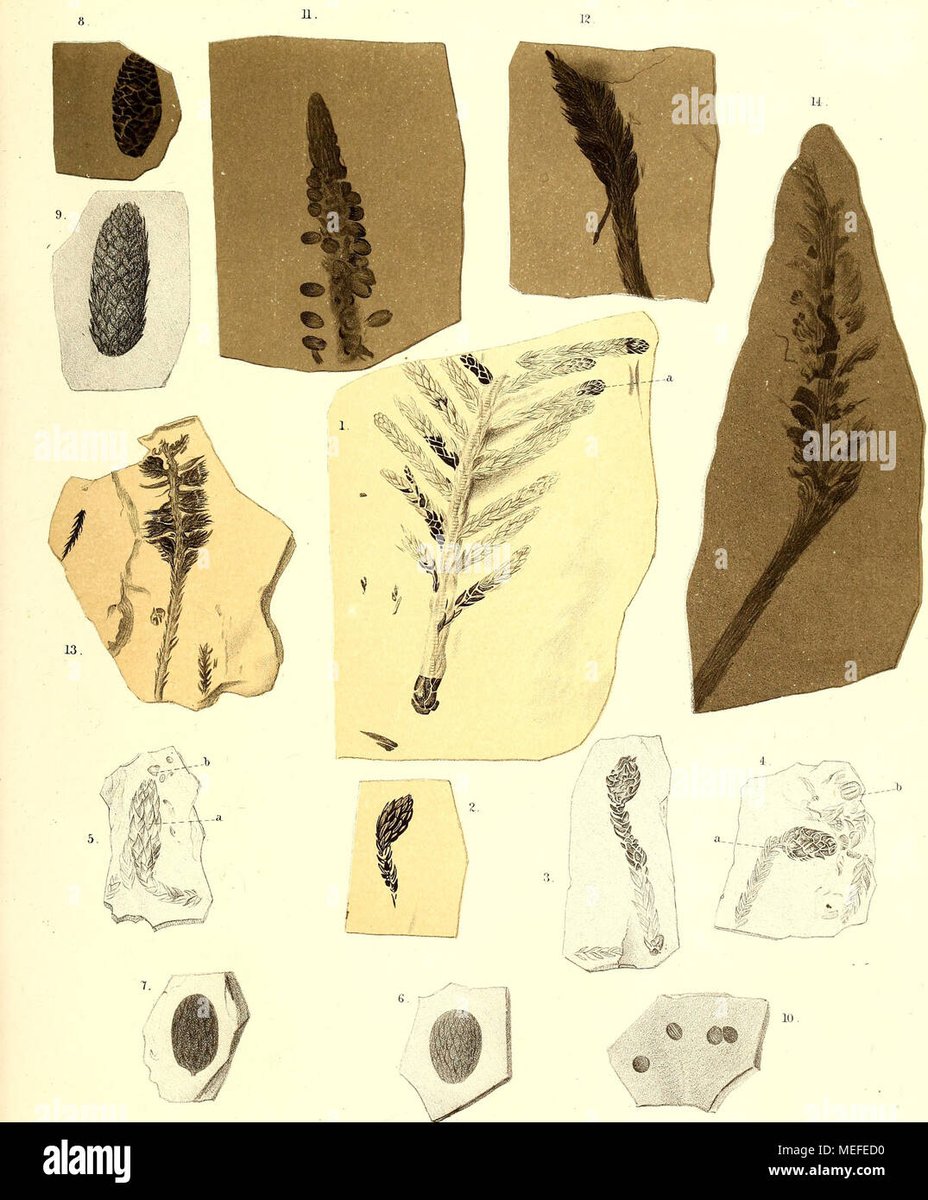
Walchia
permian
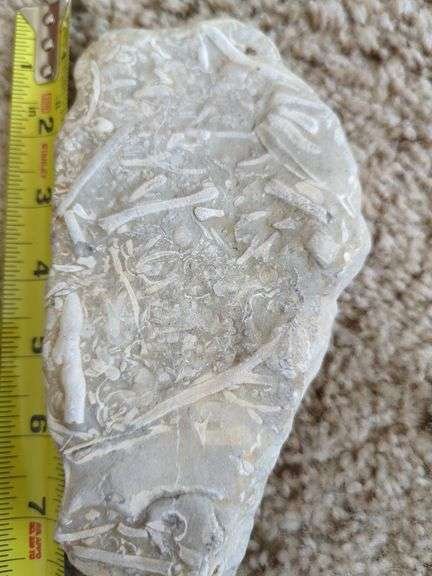
Williamsonia
jurassic
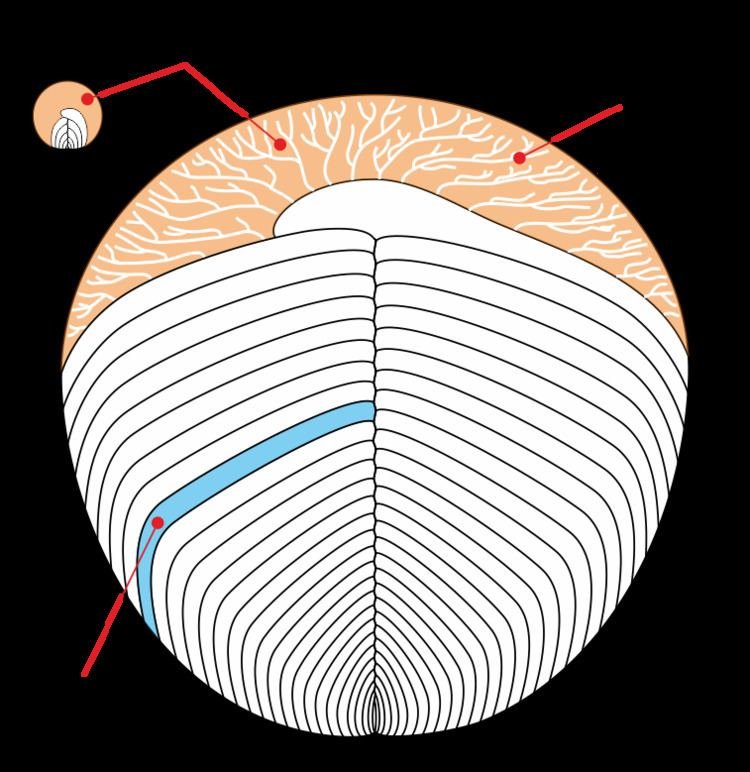
Yorgia
ediacaran
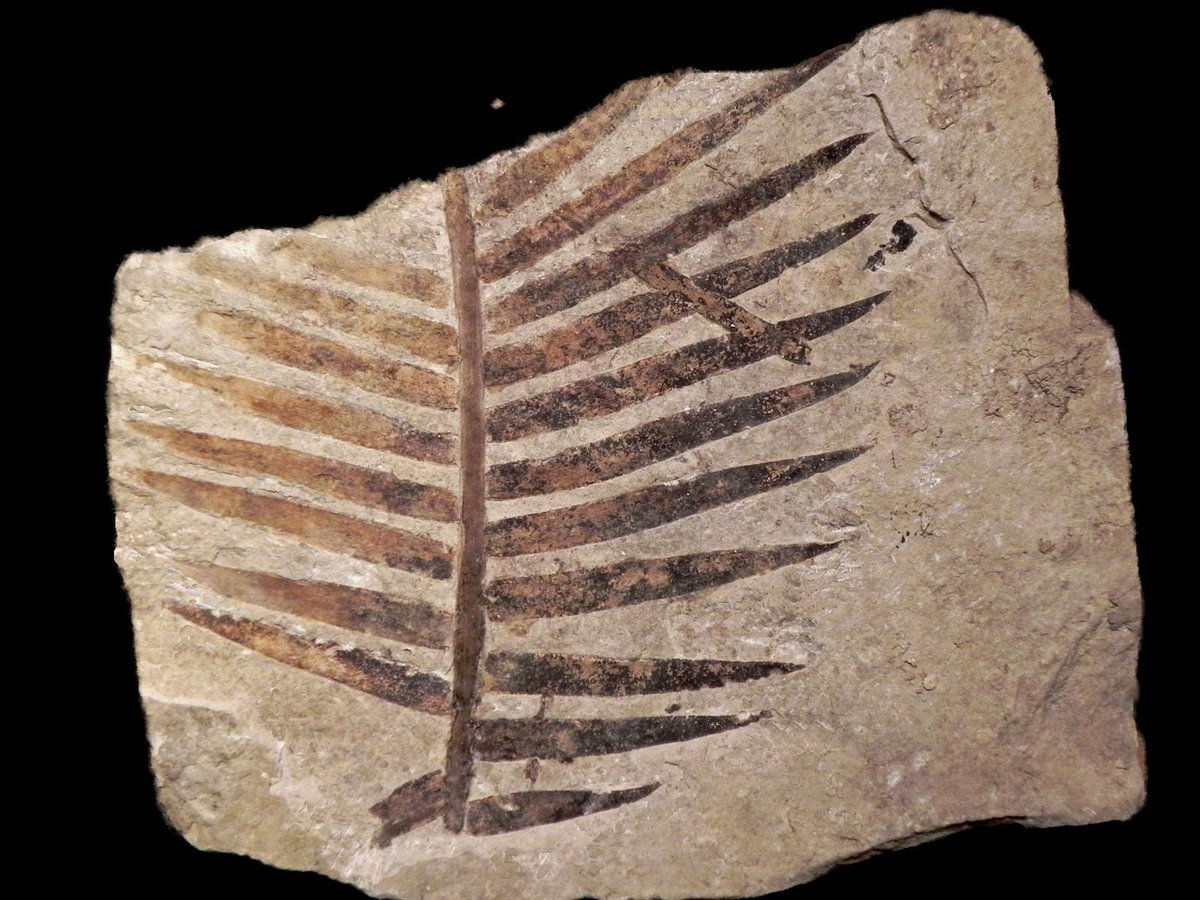
Zamites
jurassic