Meganeura
Meganeura monyi
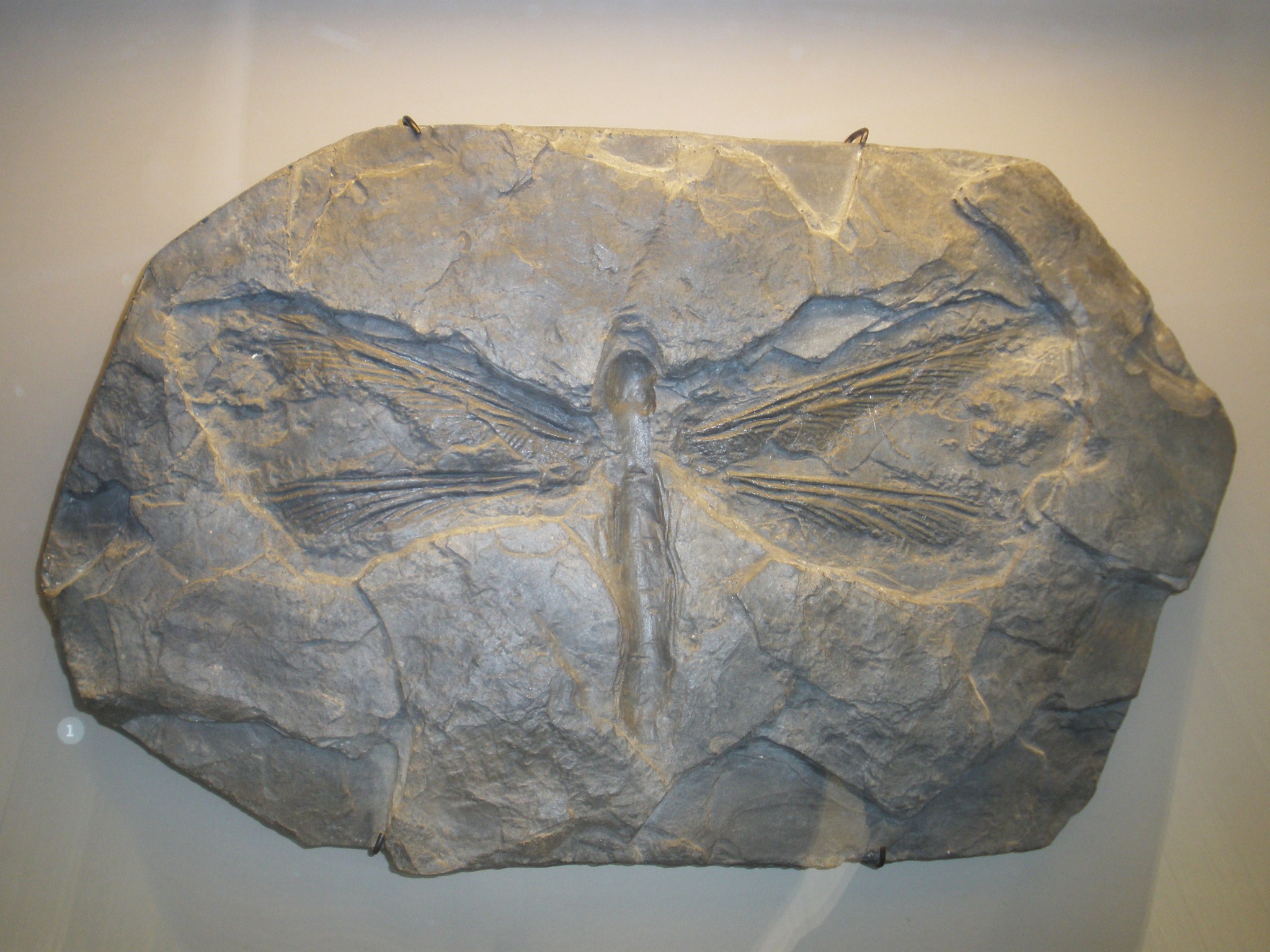
Image: File:Meganeuridae monyi at Musee d'Histoire Naturelle, Brussels.jpg - Wikimedia Commons (CC BY-SA)
About Meganeura
Meganeura monyi was a colossal, dragonfly-like insect that dominated the skies of the late Carboniferous Period, approximately 305 to 299 million years ago. As one of the largest known insects to have ever existed, its sheer size and predatory prowess make it a quintessential example of Paleozoic gigantism. Fossils of this remarkable creature, first unearthed in the coal measures of Commentry, France, provide a fascinating window into a world with a vastly different atmosphere and ecosystem than our own.
The physical appearance of Meganeura was strikingly similar to that of modern dragonflies, but on a vastly magnified scale. The most defining feature was its immense wingspan, which in the type species, *Meganeura monyi*, could reach up to 70 centimeters (28 inches) from tip to tip, with some estimates suggesting a maximum of 75 centimeters. This is comparable to the wingspan of a modern crow or a small hawk. The total body length, from its head to the tip of its long, segmented abdomen, was likely around 43 centimeters (17 inches). While fossil evidence makes precise weight estimation difficult, biomechanical models suggest an adult Meganeura could have weighed between 100 and 150 grams, similar to a large songbird. Its two pairs of wings were membranous and intricately veined, a complex network that provided both strength and flexibility for powerful, agile flight. At the front of its body, a large, highly mobile head was dominated by enormous compound eyes, which would have granted it nearly 360-degree vision, essential for an aerial predator. Its powerful, spiny legs were likely held forward in a basket-like formation during flight, perfectly adapted for snatching prey out of the air.
Meganeura was an apex aerial predator of its time, a formidable hunter that patrolled the humid, oxygen-rich skies of the Carboniferous forests. Its diet would have consisted of a wide array of available prey, including other large flying insects, terrestrial arthropods like the giant millipede Arthropleura (particularly smaller or juvenile individuals), and early tetrapods such as small amphibians and lizard-like reptiles that may have ventured into the open. The insect's flight mechanics, inferred from its wing structure, suggest it was a powerful and agile flier, capable of both high-speed pursuit and complex maneuvering. It likely employed a "hawking" strategy, similar to modern dragonflies, using its exceptional vision to spot prey from a distance before intercepting it mid-air with its spiny legs. Like its modern relatives, the larval stage of Meganeura was almost certainly aquatic. These nymphs would have been formidable predators in their own right, inhabiting freshwater pools, swamps, and streams where they would have hunted small fish, tadpoles, and other aquatic invertebrates, using a projectile-like labium (a hinged lower lip) to capture their victims. This two-stage life cycle allowed Meganeura to exploit both aquatic and terrestrial food webs.
The world Meganeura inhabited during the Late Carboniferous was a vastly different place than today. The supercontinent of Pangaea was still assembling, and the region that is now France was located near the equator, experiencing a hot, humid, tropical climate. This period is often called the "Coal Age" due to the vast, lush swamp forests that dominated the landscape. These forests were composed of giant club mosses like Lepidodendron, towering horsetails such as Calamites, and enormous seed ferns, creating a dense, multi-layered canopy. A critical feature of this environment was its hyperoxic atmosphere, with oxygen levels estimated to be as high as 35%, compared to the 21% of today. This oxygen-rich air is the leading hypothesis explaining the gigantism seen in Meganeura and other arthropods of the era, as it would have supercharged their relatively inefficient tracheal respiratory system, allowing oxygen to diffuse more deeply into their large bodies. In this ecosystem, Meganeura occupied the top of the aerial food web, sharing its habitat with other giant arthropods like the aforementioned Arthropleura and the sea scorpion-like Hibbertopterus, as well as a growing diversity of early amphibians and reptiles.
The discovery of Meganeura is a classic tale from the golden age of paleontology. The first fossils were unearthed in 1880 within the Carboniferous coal measures of Commentry in central France. These exceptionally well-preserved specimens were found by workers in the coal mines and brought to the attention of French paleontologist Charles Brongniart. In 1885, Brongniart formally described the creature, coining the name *Meganeura monyi*. The genus name, *Meganeura*, translates from Greek as "large-veined," a direct reference to the prominent and complex network of veins in its fossilized wings. The species name, *monyi*, honors the director of the Commentry mines, M. Monot. Brongniart's initial publication, and his more detailed 1893 monograph on Paleozoic insects, caused a sensation in the scientific community, revealing a world of insect giants previously unimagined. The holotype specimen, a beautifully preserved wing impression, remains a cornerstone of paleoentomology and is housed at the Muséum national d'Histoire naturelle in Paris, where it continues to be a subject of study and admiration.
Meganeura holds a crucial position in the evolutionary history of insects. It belongs to an extinct order called the Protodonata, more popularly known as griffinflies. This group is part of the larger clade Odonatoptera, which also includes the modern dragonflies and damselflies (Order Odonata). The griffinflies are considered a sister group to modern odonates, meaning they share a common ancestor but diverged to form a separate lineage. Meganeura and its kin represent an early, and ultimately unsuccessful, evolutionary experiment in insect gigantism. They possessed many features seen in modern dragonflies, such as large compound eyes, predatory legs, and similar wing structures, but lacked certain refinements. For instance, griffinflies did not possess the pterostigma, a small, thickened cell on the leading edge of the wing that aids in gliding and flight stability in modern dragonflies. The study of Meganeura's anatomy provides vital clues about the ancestral body plan of odonates and showcases the immense morphological diversity that existed among early flying insects shortly after they first conquered the air.
While Meganeura is a well-established genus, scientific debate continues to surround certain aspects of its existence. The primary driver of its gigantism remains a topic of discussion. The high-oxygen theory is the most widely accepted explanation, but some researchers argue it is not the complete picture. An alternative or complementary hypothesis suggests that the absence of effective aerial vertebrate predators, such as birds (which would not evolve for another 150 million years), created an "ecological vacuum" that allowed these insects to reach enormous sizes without predation pressure limiting their growth. It is likely that a combination of high oxygen levels and a favorable ecological niche both contributed to their massive proportions. Furthermore, the precise flight capabilities and hunting behaviors are subjects of ongoing biomechanical modeling and speculation, as scientists use fossil wing venation and body proportions to reconstruct how these ancient giants moved through their prehistoric world.
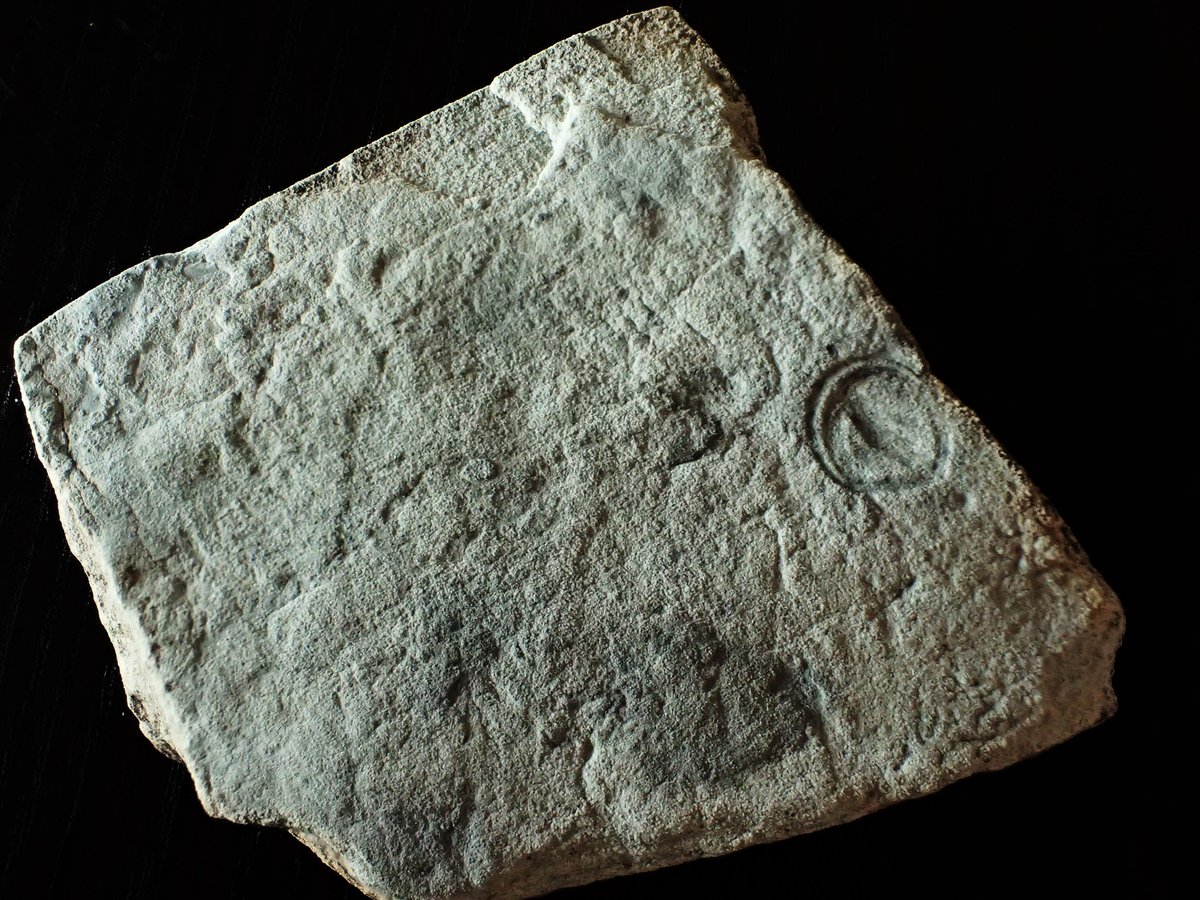
The fossil record of Meganeura and its close relatives, the griffinflies, is relatively sparse but geographically widespread, reflecting the global distribution of tropical swamp ecosystems during the Carboniferous and Permian periods. The most famous and best-preserved specimens of *Meganeura monyi* come exclusively from the Commentry Shale formation in France. However, other related griffin-fly genera, such as the slightly larger *Meganeuropsis* from North America, have been found in locations like Oklahoma and Kansas. Fossils are typically found as compression fossils in fine-grained sedimentary rock, where the delicate wings and body parts were pressed flat and preserved as carbon films or impressions. Complete, articulated specimens are exceptionally rare; more often, paleontologists find isolated, beautifully preserved wings, which are diagnostic enough to identify the species due to their unique venation patterns. These fossil sites provide invaluable snapshots of the terrestrial ecosystems that flourished hundreds of millions of years ago.
Due to its awe-inspiring size and dramatic appearance, Meganeura has made a significant impact on popular culture and public understanding of prehistoric life. It is a staple creature in museum exhibits on the Paleozoic Era, with life-sized models and reconstructions often suspended from ceilings to dramatically illustrate its immense wingspan. Meganeura frequently appears in television documentaries, books, and films about prehistoric life, often depicted as the terrifying aerial hunter of the Carboniferous swamps. Its existence serves as a powerful educational tool, vividly demonstrating how different Earth's environment was in the deep past and how environmental factors like atmospheric composition can profoundly influence the course of evolution, allowing for the rise of creatures that seem alien by today's standards.
Classification
Time Period
Discovery
Location
Commentry, France
Formation
Commentry Shale
Frequently Asked Questions
What is Meganeura?
Meganeura monyi was a colossal, dragonfly-like insect that dominated the skies of the late Carboniferous Period, approximately 305 to 299 million years ago. As one of the largest known insects to have ever existed, its sheer size and predatory prowess make it a quintessential example of Paleozoic gi...
When did Meganeura live?
Meganeura lived during the carboniferous period of the paleozoic era approximately 305-299 million years ago.
Where was Meganeura discovered?
Fossils of Meganeura were discovered in Commentry, France in the Commentry Shale.
What did Meganeura eat?
Meganeura was a carnivore. It lived in terrestrial, freshwater (larval stage) habitats.
What type of fossil is Meganeura?
Meganeura is preserved as a impression fossil. The preservation quality is good.
Related Specimens
From the paleozoic era · impression fossils