Palaeomastodon
Palaeomastodon beadnelli
Image: Image sourced via web search (Fair use / Educational)
About Palaeomastodon
Palaeomastodon represents a crucial early chapter in the evolutionary saga of elephants, living during the Late Eocene and Early Oligocene epochs, approximately 36 to 33 million years ago. As one of the earliest members of the order Proboscidea to exhibit many of the hallmark traits of its later, more famous relatives, its fossils, primarily from the Fayum Depression in Egypt, provide invaluable insights into the origins of the largest land animals of all time. This ancient proboscidean was a key transitional form, bridging the gap between the smaller, more generalized early mammals and the colossal mammoths and modern elephants that would follow millions of years later.
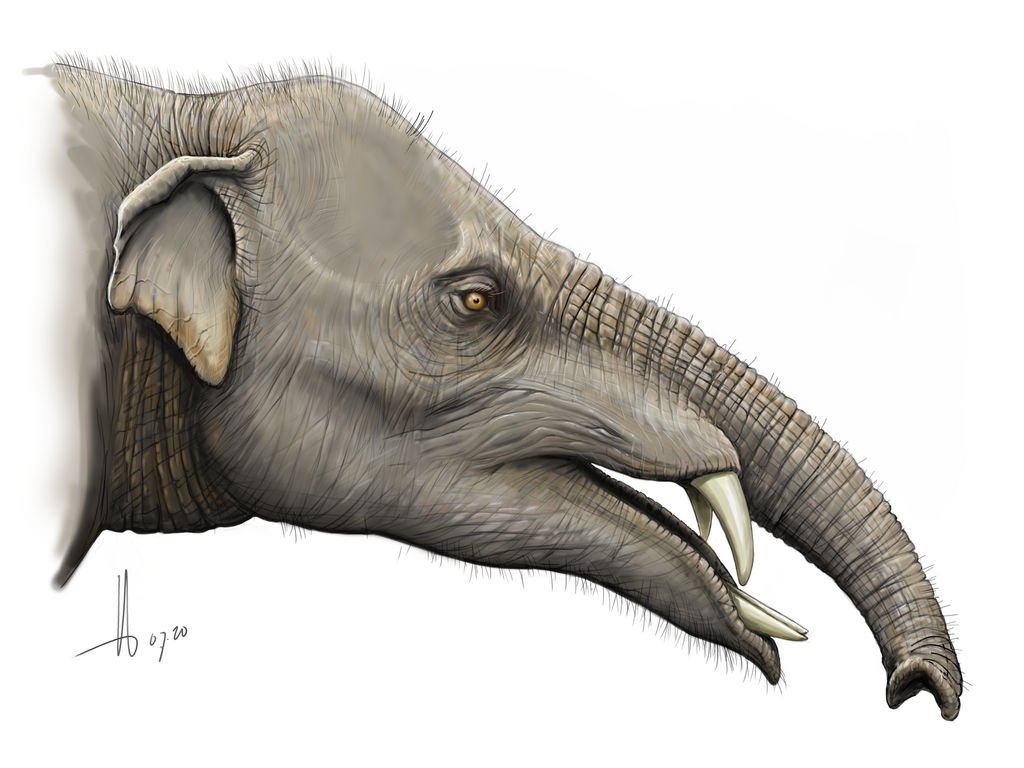
Palaeomastodon was a moderately large mammal for its time, though significantly smaller than modern elephants. It stood approximately 1 to 2 meters (3.3 to 6.6 feet) tall at the shoulder and reached a body length of 3 to 4 meters (10 to 13 feet). Weight estimates vary, but most paleontologists place it in the range of 1 to 2 metric tons, roughly comparable to a modern hippopotamus or a small rhinoceros. Its most distinctive features were found in its skull and dentition. Palaeomastodon possessed four tusks: a pair of short, downward-curving tusks in the upper jaw, derived from incisor teeth, and a more unusual pair of flat, forward-projecting, shovel-like tusks in the lower jaw, also derived from incisors. These lower tusks were likely used for scooping or stripping vegetation. The skull was elongated and relatively low compared to later elephants, and the nasal opening was positioned high and retracted on the skull, indicating the presence of a well-developed, muscular proboscis or trunk, though it was likely shorter and less versatile than that of modern elephants. Its molar teeth were lophodont, with low transverse crests, suitable for grinding tough plant material. The postcranial skeleton was robust, with stout, pillar-like legs designed to support its considerable weight, a feature that would become a defining characteristic of all subsequent proboscideans.
The unique dental and cranial anatomy of Palaeomastodon provides strong clues about its paleobiology. Its lophodont molars were well-suited for a herbivorous diet, capable of processing fibrous and abrasive vegetation. The specialized lower tusks, forming a scoop or shovel, suggest a feeding strategy focused on aquatic or semi-aquatic plants. It likely waded into swamps, rivers, and estuaries, using its flattened lower tusks to dredge up soft plants from the muddy substrate, which it would then manipulate with its nascent trunk. This semi-aquatic lifestyle is further supported by the isotopic analysis of its tooth enamel, which indicates a diet rich in freshwater plants. Its locomotion was graviportal, meaning its limbs were adapted to support a heavy body, resulting in a slow, deliberate walk. While direct evidence of social behavior is scarce, its relation to modern elephants, which are highly social, suggests Palaeomastodon may have lived in small family groups or herds, offering protection from predators and facilitating cooperative foraging and raising of young. Its growth patterns were likely slower than many contemporary mammals, a trait common in large-bodied herbivores that leads to longer lifespans.
Palaeomastodon inhabited the lush, subtropical world of North Africa during the Late Eocene and Early Oligocene. This period was characterized by a warmer global climate than today, and the Fayum region of Egypt, where its fossils are found, was a vibrant coastal floodplain and mangrove swamp environment, crisscrossed by rivers flowing into the ancient Tethys Sea. This rich ecosystem supported a diverse array of fauna. Palaeomastodon shared its habitat with other early proboscideans like Moeritherium and Phiomia, the giant pig-like anthracothere Bothriogenys, and the enormous, carnivorous hyaenodont Creodonts. In the water, it would have encountered early sirenians (sea cows) and large crocodiles. As a large herbivore, Palaeomastodon occupied a significant niche in the food web, consuming vast quantities of vegetation and, in turn, being a potential prey item for the apex predators of its time, such as the formidable hyaenodont Pterodon. Its semi-aquatic habits would have placed it in a unique ecological position, exploiting resources that were inaccessible to more strictly terrestrial herbivores, thereby reducing direct competition.
The discovery history of Palaeomastodon is intrinsically linked to the paleontological exploration of the Fayum Depression in Egypt, one of the world's most important sites for understanding early Cenozoic mammal evolution. The first significant fossils of Palaeomastodon were unearthed in the early 20th century. The species Palaeomastodon beadnelli was formally described by the British paleontologist Charles William Andrews in 1901, based on fossils collected from the Jebel Qatrani Formation. The species name honors Hugh John Llewellyn Beadnell, a geologist with the Geological Survey of Egypt who did extensive fieldwork in the Fayum area and discovered many of the initial specimens. Andrews' work at the British Museum of Natural History (now the Natural History Museum, London) was pivotal in establishing the early evolutionary history of proboscideans. Subsequent expeditions throughout the 20th century, led by institutions like the American Museum of Natural History and later Duke University, have recovered numerous additional skulls, jaws, and postcranial elements, providing a much more complete picture of the animal. Unlike some fossil giants, no single Palaeomastodon specimen has been given a popular nickname, but the collective fossil material represents a cornerstone of our knowledge about early elephant evolution.
Palaeomastodon holds a paramount position in the evolutionary history of the Proboscidea. It is considered a key transitional form, showcasing the development of features that define the elephant lineage. It sits evolutionarily between the earlier, more primitive proboscidean Moeritherium, which was smaller and had less specialized tusks, and the later, more advanced gomphotheres and mastodons of the Miocene. Palaeomastodon's retracted nasal opening provides clear evidence for the origin of the trunk, a defining elephantine adaptation. Its four-tusk arrangement, particularly the specialized lower tusks, represents an evolutionary experiment that was successful for a time but was eventually lost in the lineage leading to modern elephants, which retain only the upper incisor tusks. The development of larger body size and graviportal limbs in Palaeomastodon set the stage for the gigantism that would characterize later proboscideans. It is classified within its own family, Palaeomastodontidae, which is considered a sister group to the Elephantiformes, the clade that includes all later proboscideans, including modern elephants. Thus, Palaeomastodon is not a direct ancestor of modern elephants but rather a very close cousin on an early, significant branch of the family tree.
While the general position of Palaeomastodon in proboscidean phylogeny is well-established, some scientific debates persist. The precise functional morphology of its unique, shovel-like lower tusks continues to be a subject of discussion. While the dominant theory suggests they were used for dredging aquatic vegetation, other hypotheses propose they could have been used for stripping bark from trees or digging for roots in soft soil. The degree of its aquatic adaptation is also debated; some researchers view it as primarily a hippo-like wader, while others suggest it spent more time on land, only venturing into water to feed or cool off. Furthermore, the exact relationship between Palaeomastodon and another contemporary proboscidean, Phiomia, has been a point of contention. For many years, they were placed in the same family, but more recent analyses suggest they represent distinct lineages with different feeding specializations, with Phiomia having more pointed lower tusks possibly used for piercing or breaking branches. These ongoing discussions highlight how new fossil evidence and analytical techniques continue to refine our understanding of this ancient animal's life and times.
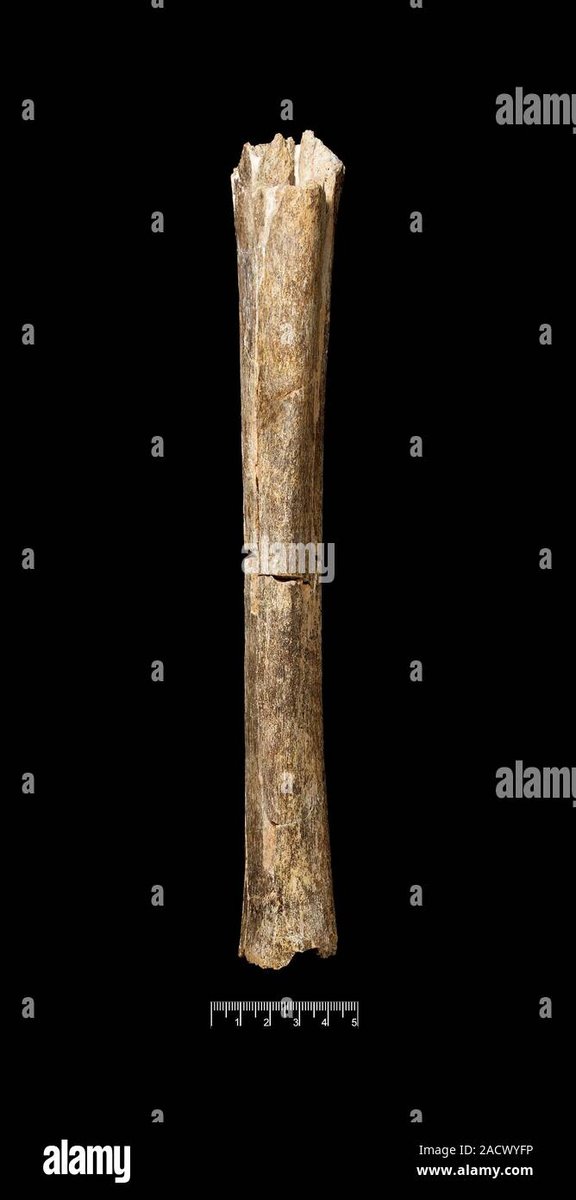
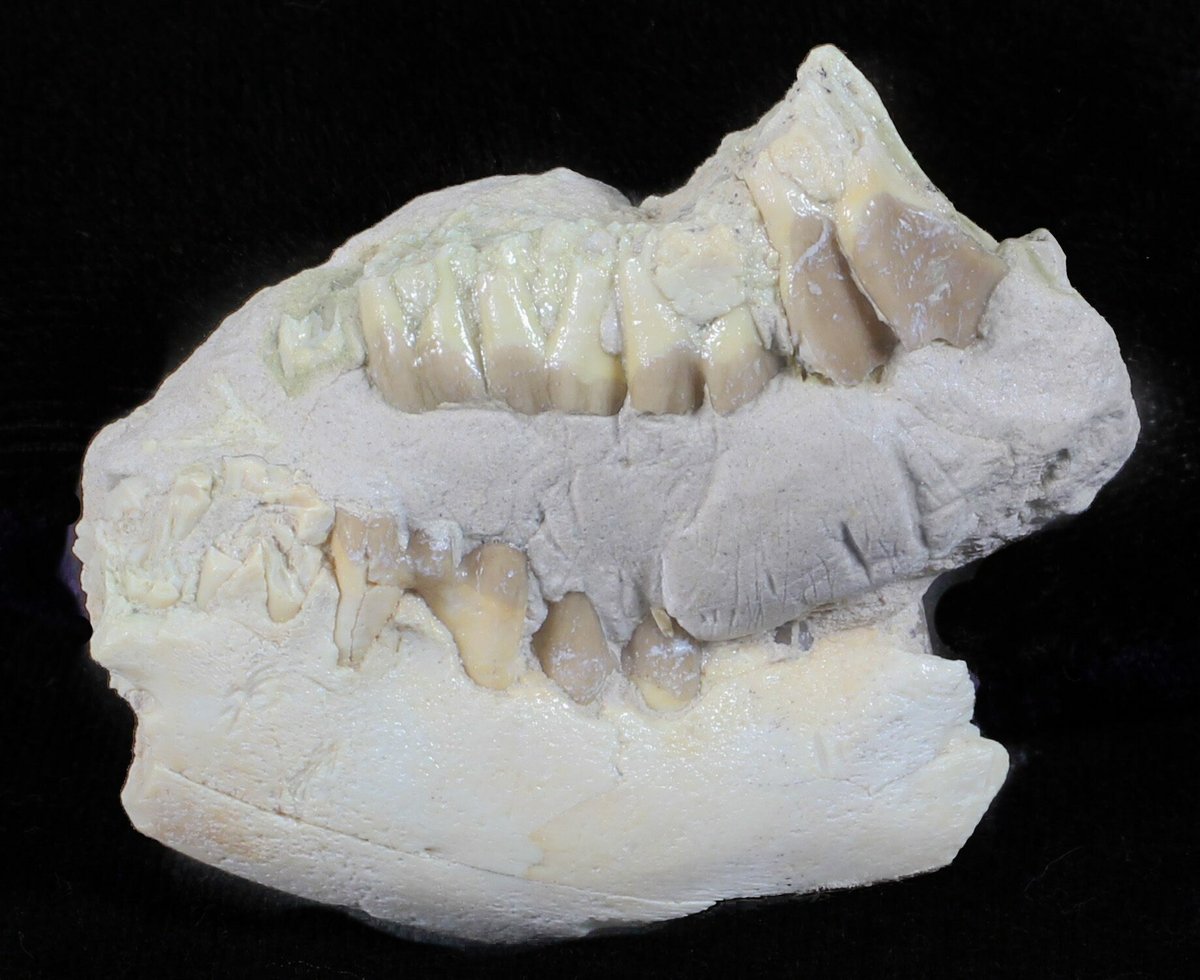
The fossil record of Palaeomastodon is almost exclusively confined to the Jebel Qatrani Formation in the Fayum Depression of Egypt. This remarkable geological formation has yielded a wealth of vertebrate fossils from the Late Eocene and Early Oligocene, providing an unparalleled window into the ecosystems of ancient Africa. Dozens of Palaeomastodon specimens have been recovered, though most are fragmentary, consisting of skulls, jaws, and isolated teeth. Complete, articulated skeletons are exceptionally rare. The quality of preservation is generally good, with robust bones and teeth often found intact, allowing for detailed anatomical study. The most commonly preserved elements are the dense, durable molars and the distinctive tusks, which are crucial for identifying the genus and understanding its feeding habits. The concentration of fossils in the Fayum region suggests this was the primary habitat for Palaeomastodon, though it is possible its range was wider across North Africa in areas where sedimentary rocks of the correct age are not exposed or have not been explored.
Despite its immense scientific importance, Palaeomastodon has a relatively modest cultural impact compared to its more famous relatives like the woolly mammoth or the American mastodon. It is not a household name and rarely appears in popular films or television documentaries. However, it holds a significant place in museum exhibits on evolution and prehistoric life. Skeletons and skull casts of Palaeomastodon are displayed in major natural history museums around the world, including the Natural History Museum in London, the American Museum of Natural History in New York, and the Cairo Geological Museum. For students of paleontology and evolution, it serves as a classic textbook example of a transitional form, perfectly illustrating the gradual evolutionary steps that led from small, generalized mammals to the iconic elephants of the modern world. Its strange, four-tusked appearance makes it a memorable and fascinating subject for museum visitors, sparking curiosity about the deep history and diversification of life on Earth.
Classification
Time Period
Discovery
Location
Egypt
Formation
Jebel Qatrani Formation
Frequently Asked Questions
What is Palaeomastodon?
Palaeomastodon represents a crucial early chapter in the evolutionary saga of elephants, living during the Late Eocene and Early Oligocene epochs, approximately 36 to 33 million years ago. As one of the earliest members of the order Proboscidea to exhibit many of the hallmark traits of its later, mo...
When did Palaeomastodon live?
Palaeomastodon lived during the paleogene period of the cenozoic era approximately 36-33 million years ago.
Where was Palaeomastodon discovered?
Fossils of Palaeomastodon were discovered in Egypt in the Jebel Qatrani Formation.
What did Palaeomastodon eat?
Palaeomastodon was a herbivore. It lived in semi-aquatic, terrestrial habitats.
What type of fossil is Palaeomastodon?
Palaeomastodon is preserved as a body fossil. The preservation quality is good.
Related Specimens
From the cenozoic era · body fossils