Paraceratherium
Paraceratherium transouralicum
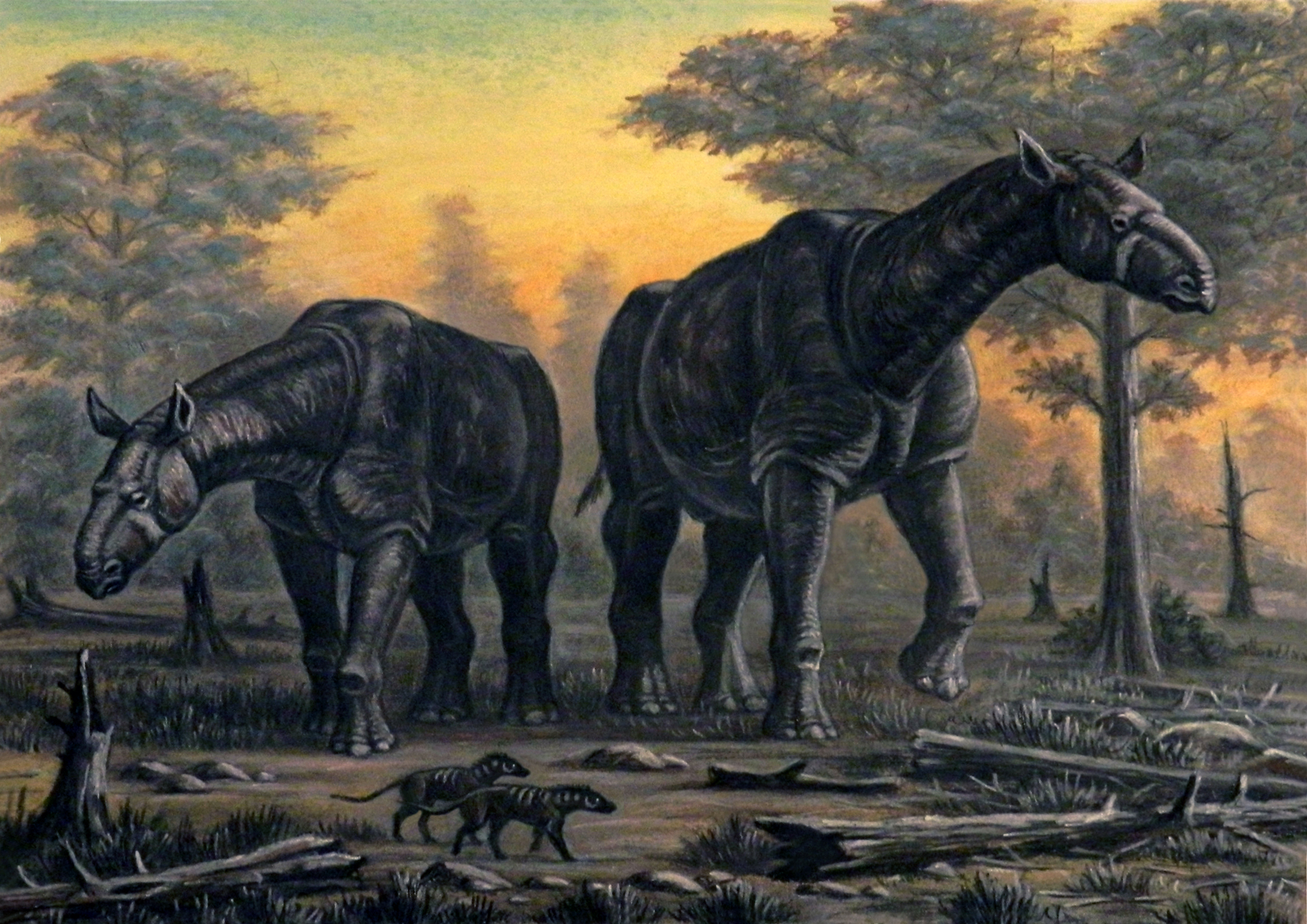
Image: File:Paraceratherium transouralicum.jpg - Wikimedia Commons (CC BY-SA)
About Paraceratherium
Paraceratherium, specifically the species Paraceratherium transouralicum, stands as a monumental figure in the history of life on Earth, widely recognized as the largest land mammal ever to have existed. This colossal, hornless rhinoceros roamed the terrestrial landscapes of Eurasia during the Oligocene epoch of the Neogene period, approximately 34 to 23 million years ago. Its existence provides profound insights into the extreme limits of mammalian gigantism and the dynamic ecological networks of prehistoric Asian woodlands and savannas.
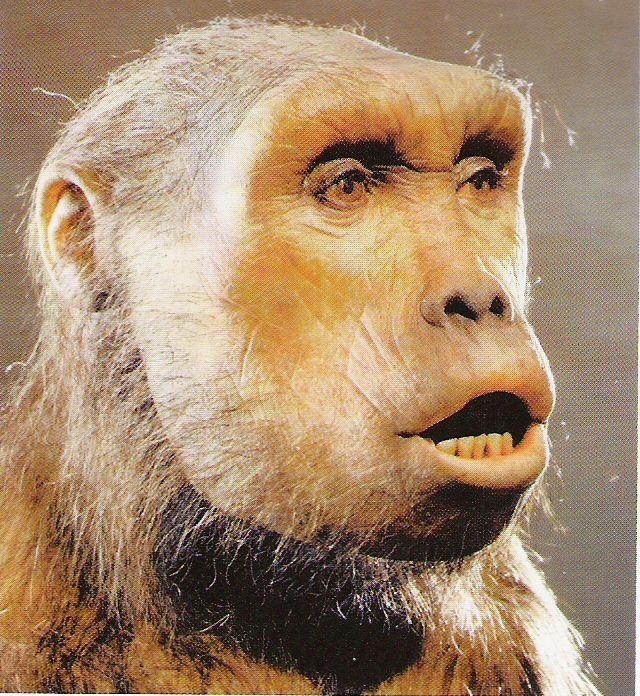
Paraceratherium was an animal of truly staggering proportions, pushing the biomechanical boundaries of mammalian anatomy. Estimates of its maximum size suggest it reached a towering height of up to 4.8 meters at the shoulder, with a total body length approaching 740 centimeters. Its weight is generally estimated to have been between 15 and 20 tonnes, making it comparable in mass to several medium-sized sauropod dinosaurs and dwarfing the largest modern African elephants. Unlike its extant rhinoceros relatives, Paraceratherium completely lacked horns. Instead, its most striking feature was a remarkably long, muscular neck that supported a relatively small, elongated skull. This skull, which could measure over 1.3 meters in length, was equipped with large, tusk-like upper and lower incisors that projected forward and downward. To support its immense bulk, Paraceratherium possessed robust, pillar-like limbs that lacked the pronounced angles seen in smaller ungulates, functioning much like the columnar legs of modern elephants. Its feet were tridactyl, bearing three toes encased in hoof-like structures, which helped distribute its massive weight across the substrate. The overall morphological impression is that of a gigantic, hornless hybrid between a horse and a rhinoceros, perfectly adapted to a high-browsing lifestyle. The sheer scale of its skeletal architecture required massive muscle attachments, particularly around the cervical and thoracic vertebrae, to support the cantilevered weight of its head and neck.
The paleobiology of Paraceratherium was fundamentally shaped by its immense size and its specialized anatomical adaptations for a high-browsing diet. As an obligate herbivore, it utilized its elongated neck and prehensile upper lip to strip leaves, twigs, and bark from the upper canopies of trees, exploiting a niche similar to that of the modern giraffe but on a vastly larger scale. Its tusk-like incisors were likely employed to grasp and strip tough vegetation, while its large, low-crowned molars were perfectly suited for grinding fibrous plant material. Given its massive body size, Paraceratherium would have required enormous quantities of food on a daily basis, potentially consuming hundreds of kilograms of vegetation to sustain its metabolic needs. Locomotion in such a massive creature was necessarily deliberate and energy-efficient. Biomechanical studies suggest that while it was capable of a slow amble or perhaps a trotting gait, it could not gallop or leap, relying instead on its sheer size to deter predators. Growth patterns inferred from bone histology indicate that Paraceratherium likely experienced a rapid growth phase during its juvenile years, a necessary adaptation to quickly reach a size refuge from contemporary predators such as large creodonts and early carnivorans. Its behavior, while difficult to reconstruct with certainty, may have involved solitary foraging or living in small, loose herds, as the environmental carrying capacity for such megaherbivores would have been relatively low, requiring vast home ranges to prevent overgrazing.
During the Oligocene epoch, the Eurasian continent underwent significant climatic and environmental transformations, transitioning from the dense, humid forests of the Eocene to more open, seasonally dry woodlands and savannas. Paraceratherium thrived in these changing landscapes, particularly in regions like Baluchistan and the Hsanda Gol Formation in Mongolia, where the environment offered a mosaic of gallery forests along river systems and expansive scrublands. As a megaherbivore, Paraceratherium occupied the very top of the primary consumer trophic level, acting as an ecosystem engineer. By consuming vast amounts of high-canopy vegetation and physically altering the landscape through its movements, it would have maintained open areas in the woodlands, facilitating the growth of understory plants and influencing the distribution of other herbivorous species. It shared its habitat with a diverse array of fauna, including smaller rhinocerotoids, early ruminants, entelodonts, and various rodent lineages. Predators of the time, such as the massive hyaenodontid Megistotherium or large amphicyonids, would have posed a significant threat to calves and juveniles, but adult Paraceratherium were largely immune to predation due to their colossal size. The presence of such a massive browser indicates that the Oligocene ecosystems of Asia were highly productive, capable of supporting the immense energetic demands of these giant mammals before further climatic cooling and drying eventually led to the decline of their preferred woodland habitats.
The discovery and subsequent naming of Paraceratherium involve a complex and fascinating chapter in the history of vertebrate paleontology. The first significant fossil remains were unearthed in the early twentieth century, specifically between 1907 and 1908, by the British paleontologist Clive Forster-Cooper during an expedition to the Bugti Hills of Baluchistan, in present-day Pakistan. Forster-Cooper initially described the fragmentary remains, which included teeth and jaw fragments, and named the genus Paraceratherium in 1911, meaning near the hornless beast. A few years later, in 1913, he discovered more complete remains and named another genus, Baluchitherium, meaning beast of Baluchistan. Concurrently, Russian paleontologist Aleksei Borissiak discovered similar giant rhinoceros fossils in Kazakhstan in 1915, naming them Indricotherium after the mythical Russian beast Indrik. For decades, these names were used somewhat interchangeably, leading to significant taxonomic confusion. It was not until the latter half of the twentieth century, following extensive comparative studies of the various specimens collected across Asia, that paleontologists realized these fossils likely represented different species or even sexual dimorphism within the same genus. Today, the rules of zoological nomenclature dictate that Paraceratherium, being the first published name, holds priority, and both Baluchitherium and Indricotherium are generally considered junior synonyms. Key specimens, such as the nearly complete skull discovered by the American Museum of Natural History expeditions to Mongolia in the 1920s, have been instrumental in reconstructing the true appearance and scale of this magnificent creature.
Paraceratherium holds a position of immense evolutionary significance as the ultimate expression of mammalian gigantism on land. It belongs to the order Perissodactyla, the odd-toed ungulates, and is classified within the superfamily Rhinocerotoidea, specifically within the extinct family Hyracodontidae. This placement highlights a remarkable evolutionary divergence. While modern rhinoceroses evolved into heavily armored, low-slung grazers and browsers with prominent horns, the hyracodontids took a completely different evolutionary trajectory. They began as small, fleet-footed, dog-sized runners in the Eocene and progressively evolved into giant, long-necked, hornless browsers by the Oligocene. Paraceratherium represents the culmination of this lineage, demonstrating the extreme morphological plasticity of the perissodactyl body plan. The transitional features seen in earlier hyracodontids, such as the gradual elongation of the limbs and neck, trace a clear evolutionary path toward the specialized high-browsing niche. Furthermore, the existence of Paraceratherium provides critical data points for understanding the physiological and biomechanical constraints on mammalian body size. It pushes the theoretical limits of terrestrial mass, offering a mammalian counterpart to the sauropod dinosaurs. The eventual extinction of the Paraceratherium lineage in the early Miocene underscores the vulnerability of extreme megaherbivores to environmental changes, as the continued aridification of Eurasia and the expansion of grasslands favored different feeding strategies and ultimately led to the demise of these magnificent giants.
Despite over a century of study, Paraceratherium remains the subject of several ongoing scientific debates. The most prominent of these involves its complex taxonomy. While the synonymy of Indricotherium and Baluchitherium with Paraceratherium is widely accepted, the exact number of valid species within the genus remains contentious. Some researchers argue for a highly diverse genus with multiple distinct species spread across Asia, such as Paraceratherium transouralicum and Paraceratherium bugtiense, while others suggest that the observed morphological variations might simply represent sexual dimorphism, individual variation, or geographic clines within a single, widely distributed species. Another area of active debate concerns the animal's exact mass. Early estimates placed the weight of Paraceratherium at an astonishing thirty tonnes, but more recent biomechanical analyses and volumetric models have revised this figure downward to a more conservative fifteen to twenty tonnes. Additionally, there is ongoing discussion regarding its feeding behavior, specifically whether it possessed a prehensile trunk like a tapir or merely a flexible, muscular upper lip like a black rhinoceros. The exact cause of its extinction also remains a topic of inquiry, with hypotheses ranging from climate-induced habitat loss to competition with newly arriving proboscideans from Africa.
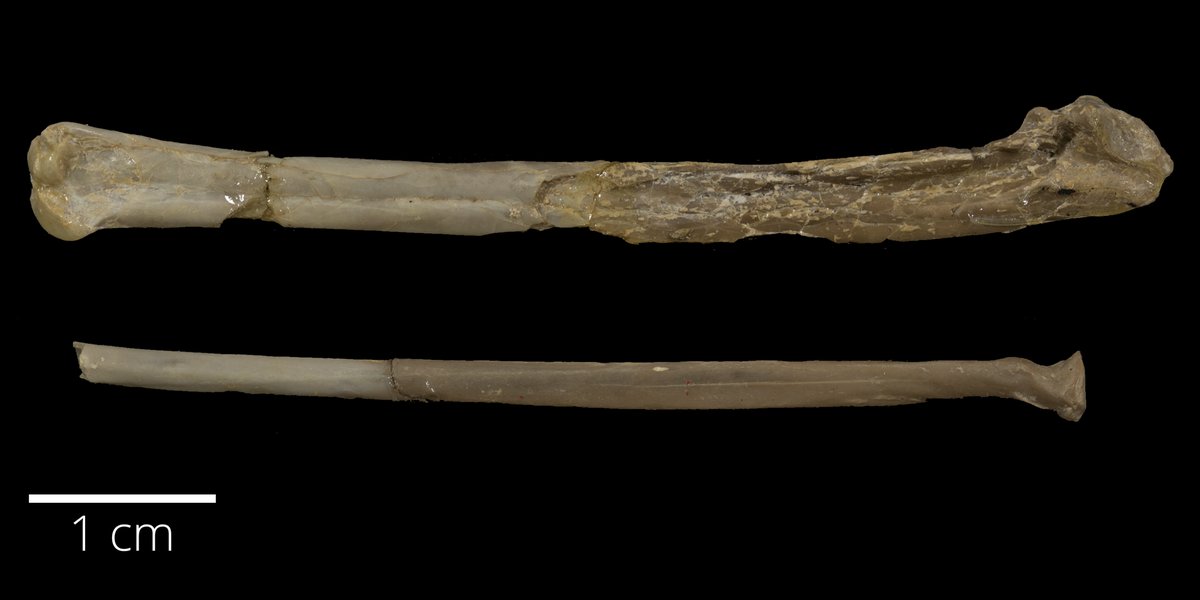
The fossil record of Paraceratherium is remarkably expansive, spanning a vast geographic area across the Eurasian continent. Fossils have been recovered from numerous localities, stretching from the Balkans and the Caucasus in the west to China and Mongolia in the east, and as far south as the Indian subcontinent. The most famous and productive fossil sites include the Bugti Hills in Baluchistan, Pakistan, where the first specimens were discovered, and the Hsanda Gol Formation in the Gobi Desert of Mongolia, which has yielded some of the most complete skeletal material. Other significant finds have been made in the Aral Sea region of Kazakhstan and various basins in northwestern China. Despite this wide distribution, the preservation quality of Paraceratherium fossils is highly variable. Complete, articulated skeletons are exceedingly rare due to the animal's massive size, which made rapid burial and complete fossilization difficult. Instead, the fossil record is primarily composed of isolated bones, partial skulls, massive limb bones, and numerous teeth. Nevertheless, the sheer number of fragmentary specimens collected over the past century has provided paleontologists with a robust dataset, allowing for detailed anatomical reconstructions and a comprehensive understanding of the geographic range and temporal duration of this extraordinary megaherbivore.
The cultural impact of Paraceratherium is profound, serving as a powerful ambassador for prehistoric life beyond the dinosaurs. Its staggering size has made it a popular centerpiece in natural history museums worldwide, where massive skeletal mounts and life-sized reconstructions captivate the public imagination. Institutions like the American Museum of Natural History in New York and the Paleontological Institute in Moscow feature prominent displays that highlight its immense scale. In popular culture, Paraceratherium has been featured in numerous documentaries, most notably the acclaimed BBC series Walking with Beasts, which brought the giant mammal to life for millions of viewers and cemented its status as an icon of the Cenozoic era. Educationally, it is frequently used in textbooks and curricula to illustrate concepts of evolutionary gigantism, biomechanics, and the dynamic nature of prehistoric ecosystems, demonstrating that mammals, too, once achieved truly titanic proportions.
Classification
Time Period
Discovery
Location
Baluchistan, Pakistan
Formation
Hsanda Gol Formation
Frequently Asked Questions
What is Paraceratherium?
Paraceratherium, specifically the species Paraceratherium transouralicum, stands as a monumental figure in the history of life on Earth, widely recognized as the largest land mammal ever to have existed. This colossal, hornless rhinoceros roamed the terrestrial landscapes of Eurasia during the Oligo...
When did Paraceratherium live?
Paraceratherium lived during the neogene period of the cenozoic era approximately 34-23 million years ago.
Where was Paraceratherium discovered?
Fossils of Paraceratherium were discovered in Baluchistan, Pakistan in the Hsanda Gol Formation.
What did Paraceratherium eat?
Paraceratherium was a herbivore. It lived in terrestrial habitats.
What type of fossil is Paraceratherium?
Paraceratherium is preserved as a body fossil. The preservation quality is good.
Related Specimens
From the cenozoic era · body fossils