Fossil Type
Carbonized Fossils
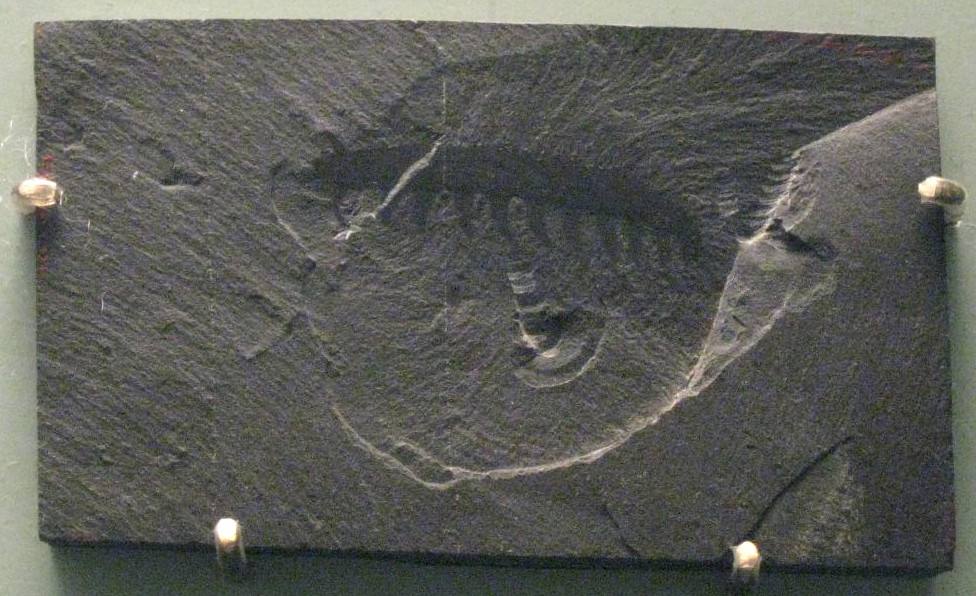
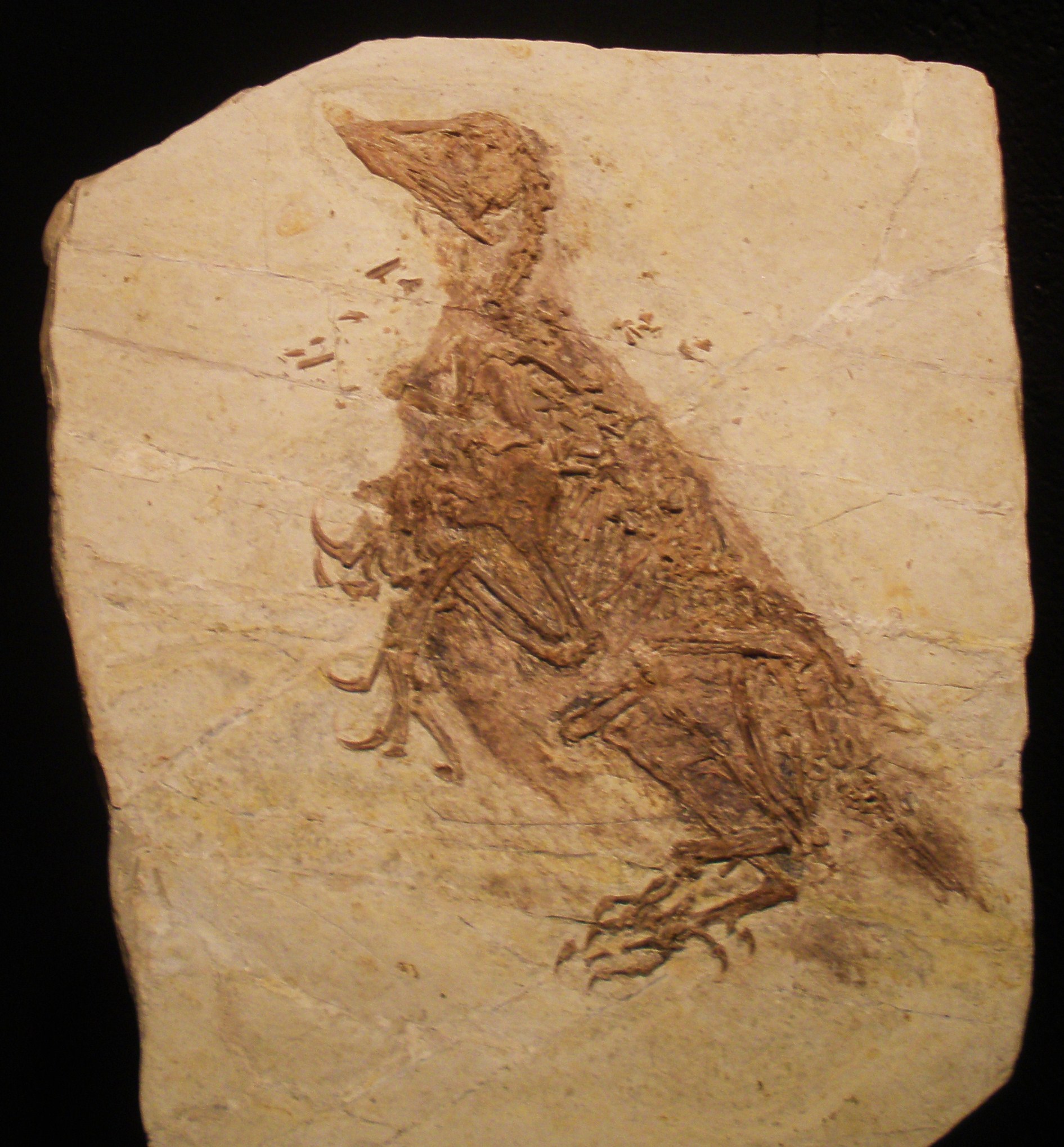
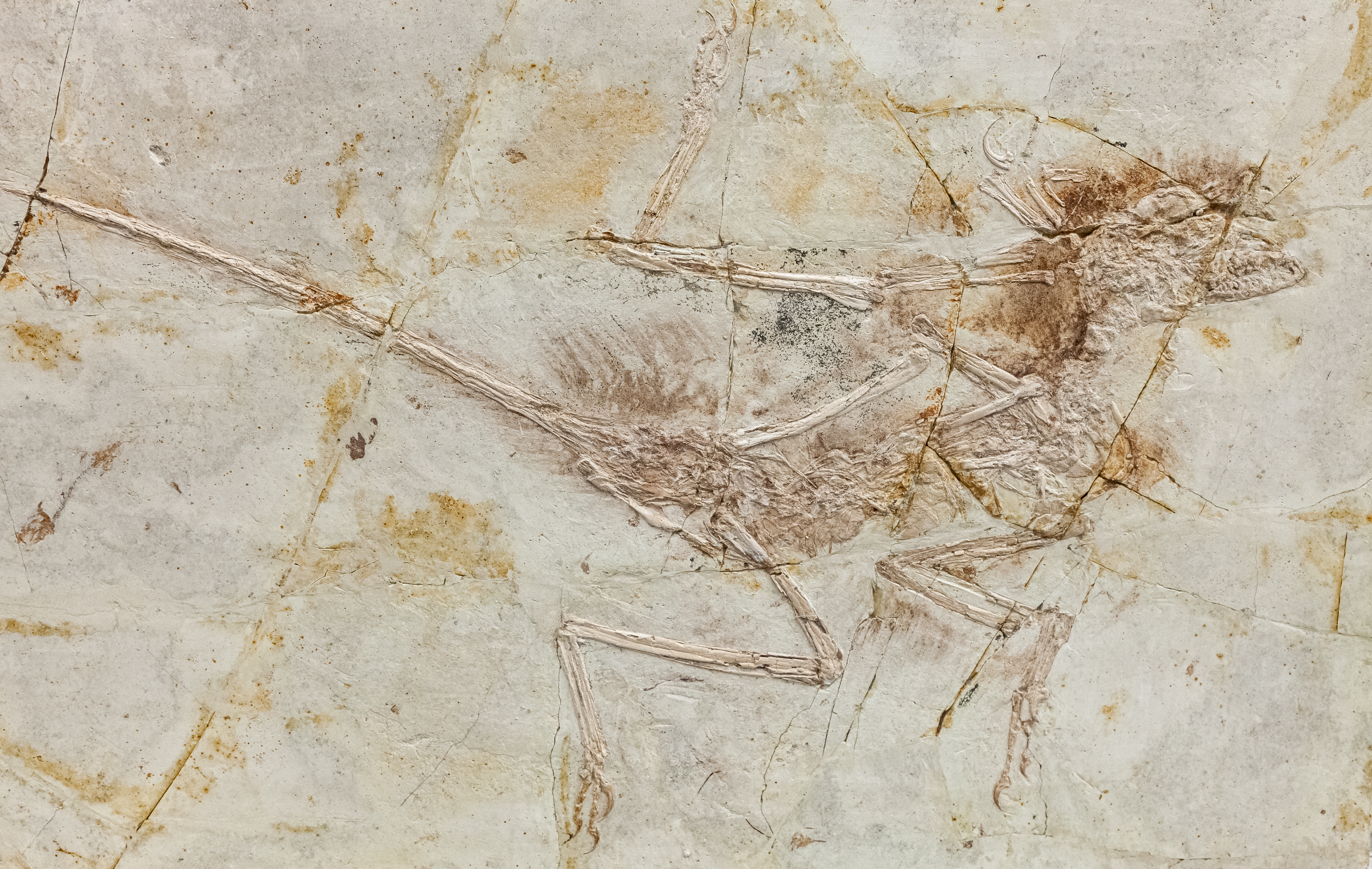
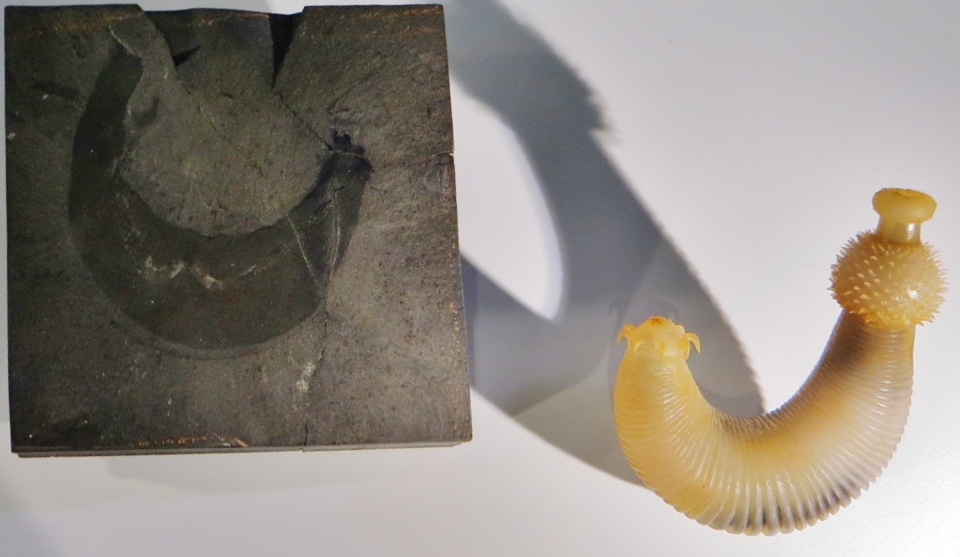
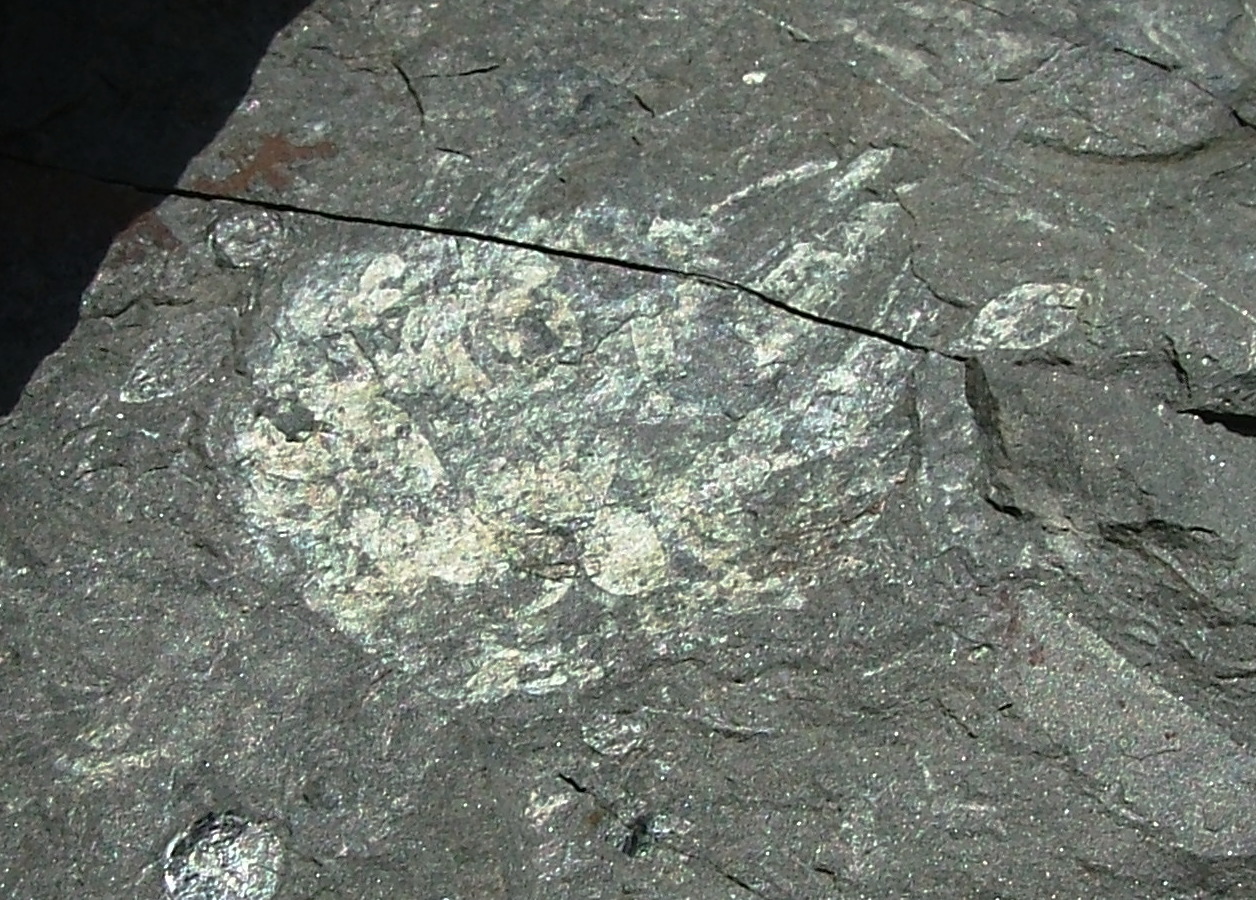
Carbonized fossils (compression fossils) form when the volatile components of an organism are driven off by heat and pressure, leaving behind a thin film of carbon that outlines the organism on the rock surface. This process is especially important for preserving soft-bodied organisms, leaves, and other delicate structures that rarely survive other fossilization processes.
Formation
How Carbonized Fossils Form
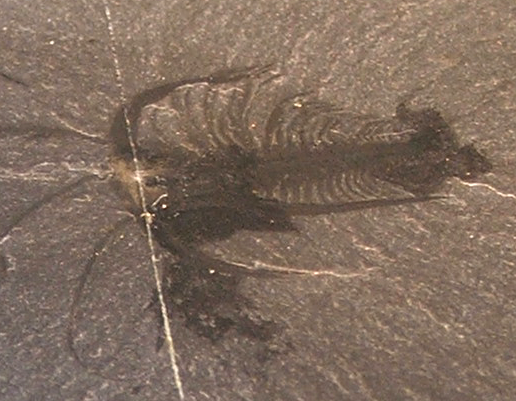
An organism is buried in fine-grained sediment. As it is compressed under increasing overburden, volatile elements (hydrogen, oxygen, nitrogen) are gradually expelled, concentrating the remaining carbon into a dark film. The surrounding sediment preserves the overall shape while the carbon film records fine structural details. Many of the most famous fossil Lagerstätten (exceptionally preserved fossil assemblages) contain carbonized specimens.
Field Guide
How to Identify Carbonized Fossils
- 1Dark (brown to black) outline or film on rock surface
- 2Typically flat and two-dimensional
- 3Found in fine-grained rocks (shale, mudstone)
- 4Delicate structures (leaf veins, insect wings, fish scales) often well-preserved
Examples
Common Examples
Carbonized leaves, Burgess Shale fauna, carbonized fish, insect compression fossils, fern fronds in coal measures.
Collection