Woolly Mammoth (Mammuthus)
Mammuthus primigenius
Image: Image sourced via web search (Fair use / Educational)
About Woolly Mammoth (Mammuthus)
The Woolly Mammoth, scientifically known as Mammuthus primigenius, stands as one of the most iconic and extensively studied prehistoric animals in the annals of paleontology. Emerging during the Middle Pleistocene epoch approximately 400,000 years ago, this magnificent proboscidean roamed the vast, frigid expanses of the Northern Hemisphere, from the windswept steppes of Eurasia to the icy plains of North America. As a defining species of the Pleistocene megafauna, the Woolly Mammoth is of paramount significance to paleontologists, offering an unparalleled window into the adaptations required for survival in extreme glacial environments. Because many specimens have been preserved not just as permineralized fossils but as frozen mummies in the Siberian permafrost, scientists have been able to study their soft tissues, stomach contents, and even intact DNA. This extraordinary level of preservation has transformed our understanding of Pleistocene ecology, evolutionary biology, and the complex interactions between early human hunter-gatherers and the megafauna that shared their world. The Woolly Mammoth represents a pinnacle of evolutionary adaptation to the cold, serving as a biological time capsule that continues to yield profound insights into a vanished epoch.
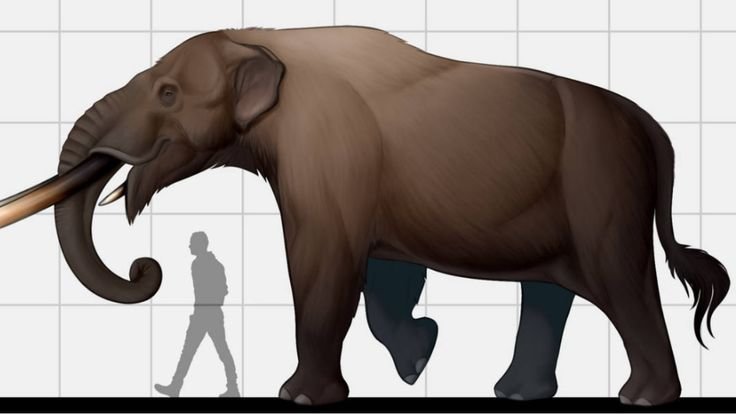
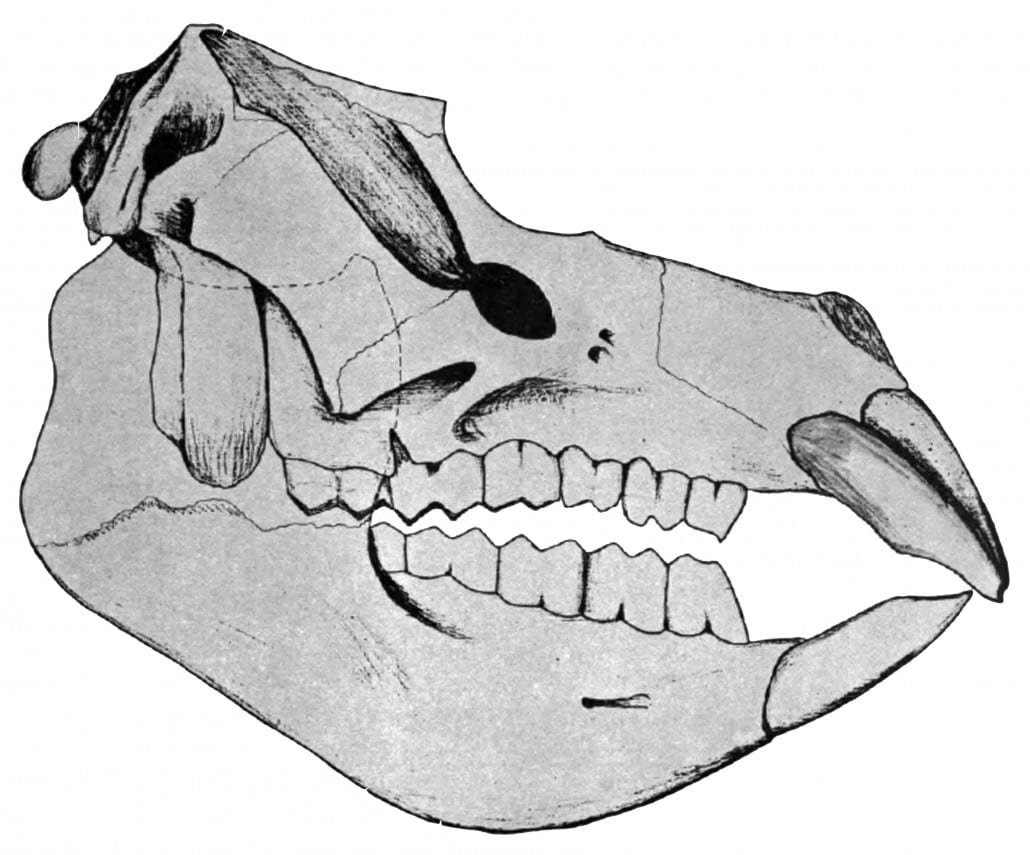
In terms of physical description, the Woolly Mammoth was a formidable creature, though perhaps not as gargantuan as popular imagination often dictates. Adult males typically reached shoulder heights of 2.7 to 3.4 meters (9 to 11 feet) and weighed between 4 and 6 metric tons, making them roughly comparable in size to modern African forest elephants or Asian elephants, though slightly smaller than the largest African bush elephants. Females were generally smaller, averaging 2.6 to 2.9 meters in height and weighing around 4 metric tons. The most striking anatomical feature of Mammuthus primigenius was its dense, multi-layered coat of fur, which evolved as a critical defense against the biting cold of the Ice Age. This pelage consisted of a fine, dense undercoat of short hairs measuring up to 5 centimeters long, covered by an outer layer of coarse, thick guard hairs that could reach lengths of 90 centimeters. Beneath the skin, the mammoth possessed a formidable layer of insulating fat, sometimes up to 10 centimeters thick, which helped maintain a stable core body temperature. Their ears and tails were significantly smaller than those of modern elephants, a classic example of Allen's Rule, which posits that animals in colder climates evolve smaller appendages to minimize heat loss. The Woolly Mammoth also sported magnificent, highly curved tusks that could grow up to 4.2 meters (14 feet) in length. These tusks, which were present in both sexes, were characterized by a distinctive spiral shape and were used not only for defense and social display but also as vital tools for clearing snow to access underlying vegetation. Soft tissue inferences from frozen mummies reveal a specialized flap of skin covering the anus to prevent heat loss, and a trunk tipped with two finger-like projections, an adaptation for precisely plucking short grasses from the frozen ground.
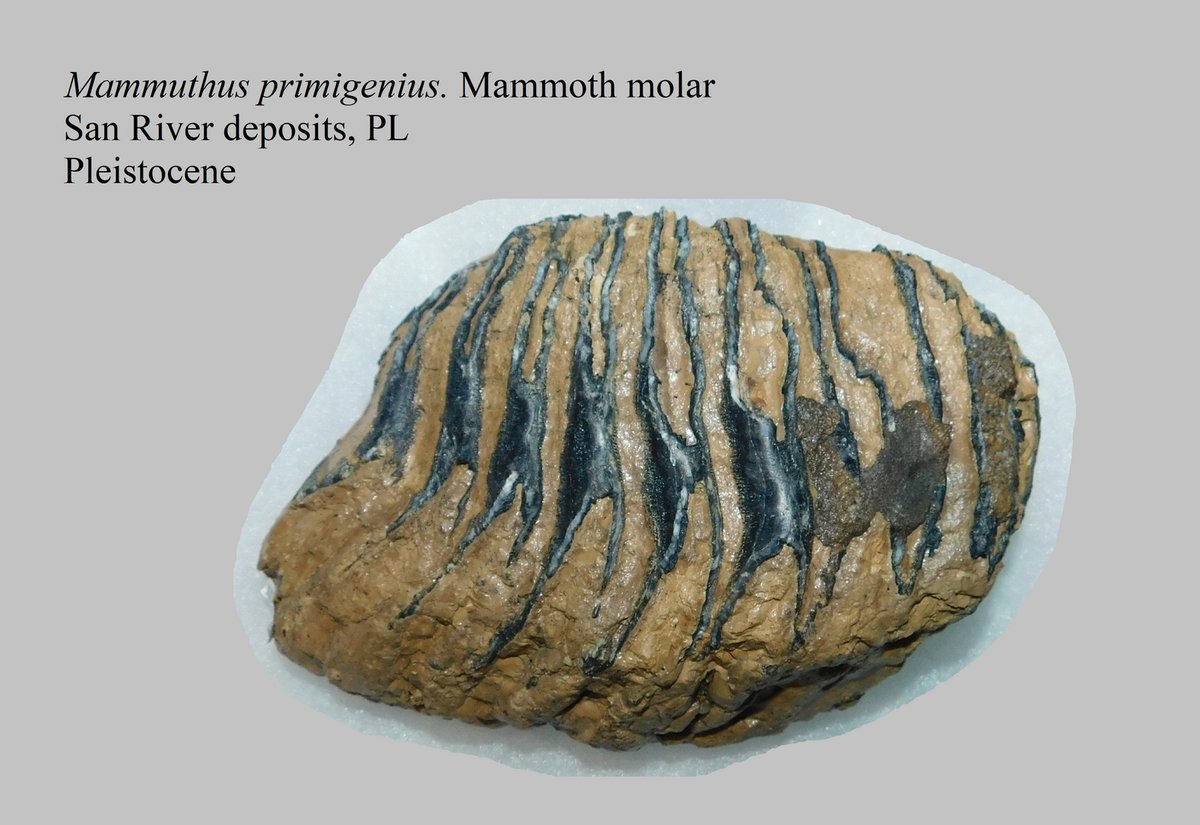
Turning to paleobiology, the Woolly Mammoth was a dedicated herbivore, highly adapted to a diet of tough, abrasive vegetation. Analysis of stomach contents from frozen specimens, as well as the microscopic wear patterns on their massive, ridged molars, indicates that their diet consisted primarily of grasses and sedges, supplemented by herbaceous plants, mosses, shrubs, and occasional tree bark. To sustain their massive bulk, an adult mammoth likely needed to consume up to 180 kilograms (400 pounds) of vegetation daily, requiring them to forage for up to twenty hours a day. Their feeding strategy involved using their heavy tusks to scrape away snow and ice, while their prehensile trunks dexterously gathered the exposed plant matter. Locomotion was biomechanically similar to modern elephants, characterized by a slow, deliberate, and energy-efficient ambling gait, though they were capable of moving quickly when threatened. Socially, it is highly probable that Woolly Mammoths exhibited a matriarchal herd structure akin to contemporary elephants, with herds composed of related females and their offspring, led by an older, experienced matriarch. Adult males likely lived solitary lives or formed loose bachelor groups, joining the females only during the breeding season. Growth patterns, recorded in the daily and annual growth rings of their tusks, reveal that mammoths experienced periods of rapid growth during the brief, nutrient-rich summers, followed by slower growth during the harsh winters. These tusk rings also provide evidence of musth in males, periods of heightened aggression and reproductive activity. Metabolism estimates suggest a highly efficient system capable of converting low-quality forage into the substantial fat reserves necessary for surviving the long, brutal winters of the Pleistocene.
The ecological context of the Woolly Mammoth is inextricably linked to the 'mammoth steppe,' a vast, cold, and dry biome that stretched from Western Europe, across northern Asia, and into North America via the Bering Land Bridge. This unique ecosystem, which has no exact modern equivalent, was characterized by highly productive grasslands, herbaceous plants, and dwarf willows, thriving under clear skies and minimal snowfall. The climate was intensely cold but arid, preventing the formation of massive ice sheets in these specific regions and allowing vegetation to flourish during the short summers. The Woolly Mammoth was a keystone species in this environment; their constant grazing, trampling, and nutrient cycling through massive amounts of dung helped maintain the open grassland and prevented the encroachment of tundra and boreal forests. They shared this harsh but bountiful landscape with a diverse array of Pleistocene megafauna, including woolly rhinoceroses, steppe bison, wild horses, giant ground sloths, and Irish elks. The food web was complex and highly competitive. While adult mammoths, due to their immense size, had few natural predators, calves and sick or elderly individuals were vulnerable to formidable carnivores such as cave lions, dire wolves, saber-toothed cats (like Homotherium), and packs of hyenas. Furthermore, as the Pleistocene progressed, a new and highly effective apex predator entered the ecosystem: early humans. Neanderthals and anatomically modern Homo sapiens hunted mammoths, utilizing their meat for sustenance, their thick hides for clothing and shelter, and their massive bones and tusks for constructing dwellings, crafting tools, and creating art.
The discovery history of the Woolly Mammoth is a fascinating narrative that spans centuries and continents. Long before formal scientific classification, indigenous peoples of Siberia frequently encountered mammoth tusks and bones eroding from riverbanks. These remains were often attributed to mythical creatures, such as giant subterranean moles that died upon exposure to sunlight. The first significant scientific encounter occurred in 1799 when a Tungus hunter named Ossip Shumachov discovered a frozen mammoth carcass in the Lena River delta. This specimen, later retrieved by Russian botanist Mikhail Adams in 1806, became known as the Adams Mammoth. It was the first time a nearly complete mammoth skeleton, along with substantial soft tissue and skin, was recovered and brought to a museum, causing a sensation in the scientific community. The species was formally named Mammuthus primigenius by the German naturalist Johann Friedrich Blumenbach in 1799. Throughout the 19th and 20th centuries, numerous other spectacular discoveries were made, primarily in Siberia. The Berezovka Mammoth, discovered in 1900, provided unprecedented details about mammoth anatomy and diet, as it was found with unchewed buttercups still in its mouth. More recently, the discovery of 'Lyuba' in 2007, a nearly perfectly preserved one-month-old female calf found on the Yamal Peninsula, offered extraordinary insights into mammoth ontogeny, internal organ structure, and even the presence of milk in her stomach. In North America, significant finds have been made in places like the Hot Springs Mammoth Site in South Dakota, where dozens of permineralized mammoth skeletons have been excavated from an ancient sinkhole.
In terms of evolutionary significance, the Woolly Mammoth occupies a crucial branch on the proboscidean family tree. The evolutionary lineage of mammoths began in Africa roughly 5 million years ago. The earliest known species, Mammuthus subplanifrons, gave rise to a lineage that eventually migrated out of Africa and into Eurasia. The Woolly Mammoth evolved from the steppe mammoth (Mammuthus trogontherii), a colossal species that adapted to the cooling climates of the Middle Pleistocene. This transition highlights a remarkable evolutionary trajectory driven by severe climatic pressures, resulting in a suite of highly specialized adaptations for cold tolerance, such as the thick coat, reduced appendages, and specialized dentition. Genetically, the Woolly Mammoth is most closely related to the modern Asian elephant (Elephas maximus), sharing a common ancestor approximately 6 million years ago. The African elephant (Loxodonta africana) branched off slightly earlier. The wealth of genetic material recovered from frozen mammoth remains has allowed scientists to sequence the complete mammoth genome, providing an unprecedented look at the molecular basis of their adaptations. This genetic data has revealed specific mutations related to hemoglobin structure, allowing mammoth blood to release oxygen efficiently at near-freezing temperatures, a brilliant example of molecular evolution in response to environmental extremes.
Scientific debates surrounding the Woolly Mammoth are vibrant and ongoing, particularly concerning the exact causes of their extinction. For decades, the scientific community has been divided between two primary hypotheses: climate change and human overhunting (the 'overkill hypothesis'). The climate change argument posits that the rapid warming at the end of the Pleistocene, which caused the mammoth steppe to transition into boggy tundra and boreal forest, destroyed the mammoth's primary habitat and food source. Conversely, the overkill hypothesis argues that the expansion of highly efficient human hunters across Eurasia and North America drove the slow-reproducing mammoths to extinction. Today, a consensus is emerging that it was likely a synergistic combination of both factors; climate-induced habitat fragmentation severely stressed the populations, making them highly vulnerable to human hunting pressures. Another major area of contemporary debate involves the ethics and feasibility of 'de-extinction.' With the complete genome sequenced, several ambitious scientific projects are attempting to use CRISPR gene-editing technology to splice mammoth DNA into the Asian elephant genome, with the ultimate goal of creating a mammoth-elephant hybrid. Proponents argue this could help restore degraded Arctic ecosystems, while critics raise profound ethical concerns regarding animal welfare, ecological unintended consequences, and the allocation of conservation resources.
The fossil record of the Woolly Mammoth is arguably the most extensive and well-preserved of any Pleistocene mammal. Fossils and remains are found across a massive geographic range, spanning from Ireland and Spain in the west, across the entirety of northern Eurasia, and throughout North America as far south as the American Midwest. The preservation quality ranges from highly fragmented, permineralized bones found in river gravels to the exceptionally preserved frozen mummies of Siberia and Alaska. In lower latitudes, mammoth remains are typically found as permineralized fossils, where the original bone matrix has been replaced by minerals. In these cases, teeth and the dense ivory tusks are the most commonly preserved elements due to their durability. Famous fossil sites include the aforementioned Hot Springs in South Dakota, the La Brea Tar Pits in California (which predominantly features the related Columbian mammoth, but highlights Pleistocene preservation), and the vast Yedoma ice complex deposits in Siberia. The sheer abundance of mammoth ivory preserved in the permafrost is so great that it has supported a significant, albeit controversial, commercial ivory trade for centuries. The isolated population on Wrangel Island in the Arctic Ocean is particularly notable; here, a dwarf population of Woolly Mammoths survived until roughly 4,000 years ago, long after their mainland counterparts had vanished, providing a unique case study in island dwarfism and delayed extinction.
Finally, the cultural impact of the Woolly Mammoth is profound and enduring. From the very dawn of human artistic expression, mammoths have captured our imagination, as evidenced by the stunning, highly accurate charcoal and ochre depictions found in Paleolithic caves such as Rouffignac and Chauvet in France. Today, the Woolly Mammoth remains a fixture in popular culture, prominently featured in literature, documentaries, and blockbuster animated film franchises like 'Ice Age.' Museums worldwide, such as the Natural History Museum in London and the Field Museum in Chicago, proudly display towering mammoth skeletons, which serve as powerful educational tools to engage the public with concepts of paleontology, climate change, and extinction. The Woolly Mammoth stands not just as a scientific curiosity, but as a potent symbol of the Ice Age, a magnificent beast whose legacy continues to bridge the gap between the ancient past and the modern world, reminding us of the dynamic and ever-changing nature of life on Earth.
Classification
Time Period
Discovery
Location
Siberia, Russia
Formation
Yedoma Ice Complex
Frequently Asked Questions
What is Woolly Mammoth (Mammuthus)?
The Woolly Mammoth, scientifically known as Mammuthus primigenius, stands as one of the most iconic and extensively studied prehistoric animals in the annals of paleontology. Emerging during the Middle Pleistocene epoch approximately 400,000 years ago, this magnificent proboscidean roamed the vast, ...
When did Woolly Mammoth (Mammuthus) live?
Woolly Mammoth (Mammuthus) lived during the quaternary period of the cenozoic era approximately 0.4-0.004 million years ago.
Where was Woolly Mammoth (Mammuthus) discovered?
Fossils of Woolly Mammoth (Mammuthus) were discovered in Siberia, Russia in the Yedoma Ice Complex.
What did Woolly Mammoth (Mammuthus) eat?
Woolly Mammoth (Mammuthus) was a herbivore. It lived in terrestrial habitats.
What type of fossil is Woolly Mammoth (Mammuthus)?
Woolly Mammoth (Mammuthus) is preserved as a permineralized fossil. The preservation quality is exceptional.
Related Specimens
From the cenozoic era · permineralized fossils