Fossil Type
Permineralized Fossils
Permineralized fossils form when mineral-rich groundwater infiltrates the pores and cellular spaces of buried organic material, depositing minerals like silica, calcite, or pyrite within the original structure. Unlike replacement, the original organic material may still be present alongside the minerals, creating an exceptionally detailed record that can preserve cellular-level anatomy.
Formation
How Permineralized Fossils Form
The organism is buried in sediment before significant decay. Mineral-rich groundwater percolates through the remains, depositing minerals in empty spaces — cell walls, pores, vascular channels — without necessarily dissolving the original material. Over millions of years, the combination of original material and deposited minerals creates an incredibly hard, detailed fossil. Petrified wood is the most famous example.
Field Guide
How to Identify Permineralized Fossils
- 1Heavy — often noticeably heavier than the original material would be
- 2Original structure (cell walls, growth rings) visible under magnification
- 3Hard and rock-like, often with a glassy or crystalline luster
- 4May show original color variations from different mineral deposits
Examples
Common Examples
Petrified wood (silicified), permineralized bones, pyritized trilobites, silicified corals, calcified shells with preserved microstructure.
Collection
Permineralized Fossils in the Codex (25)
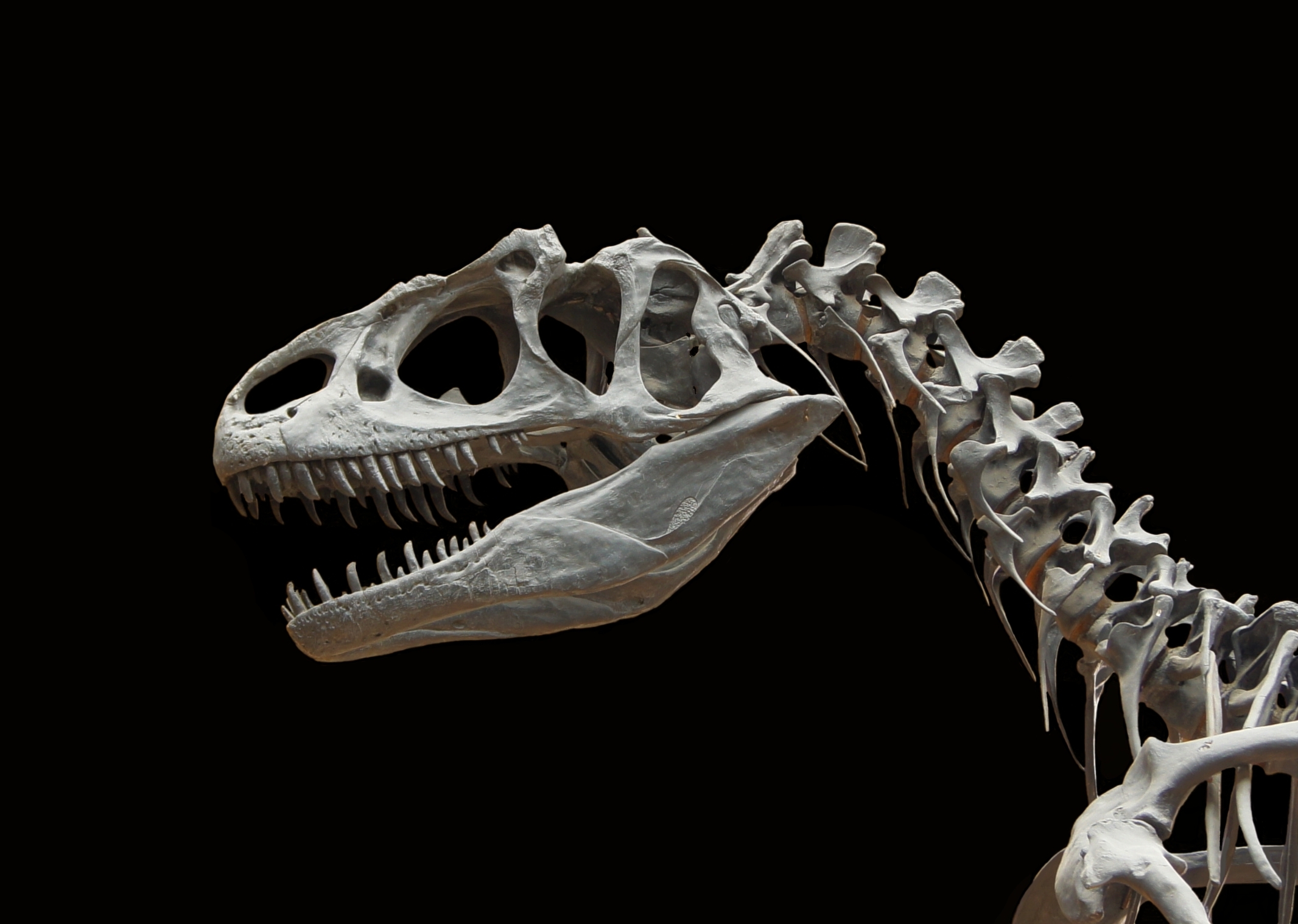
Allosaurus
jurassic
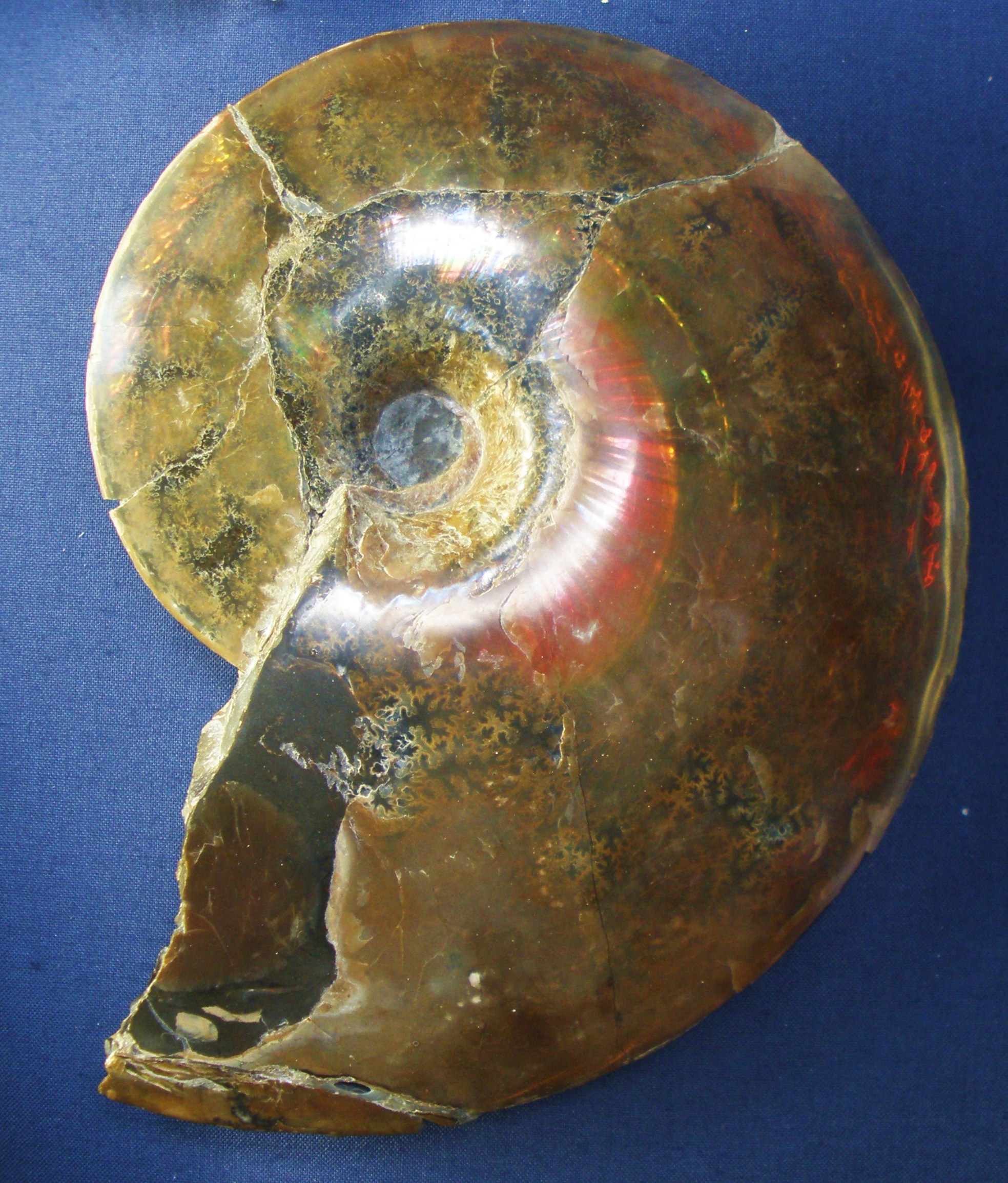
Ammonite (Placenticeras)
cretaceous
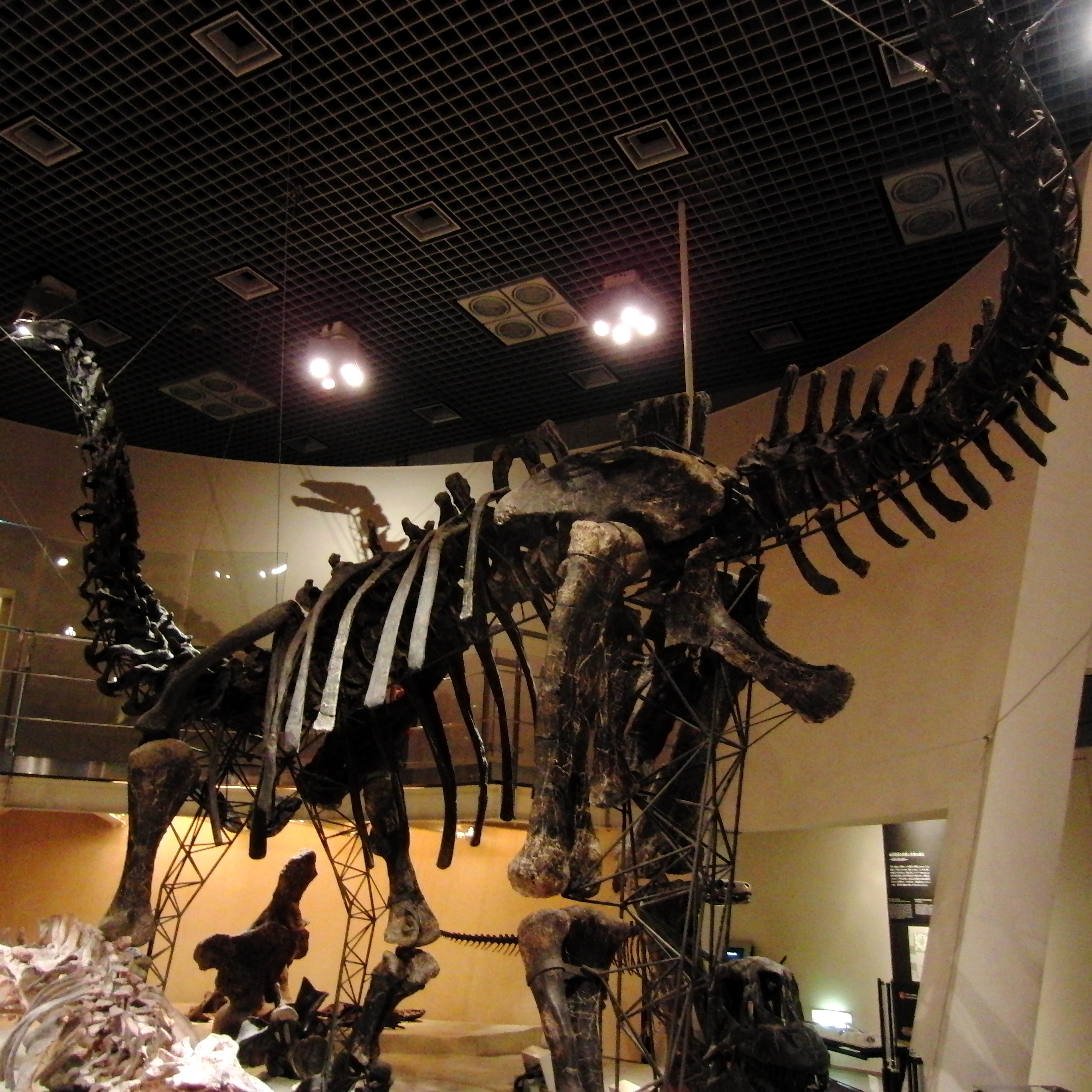
Apatosaurus
jurassic
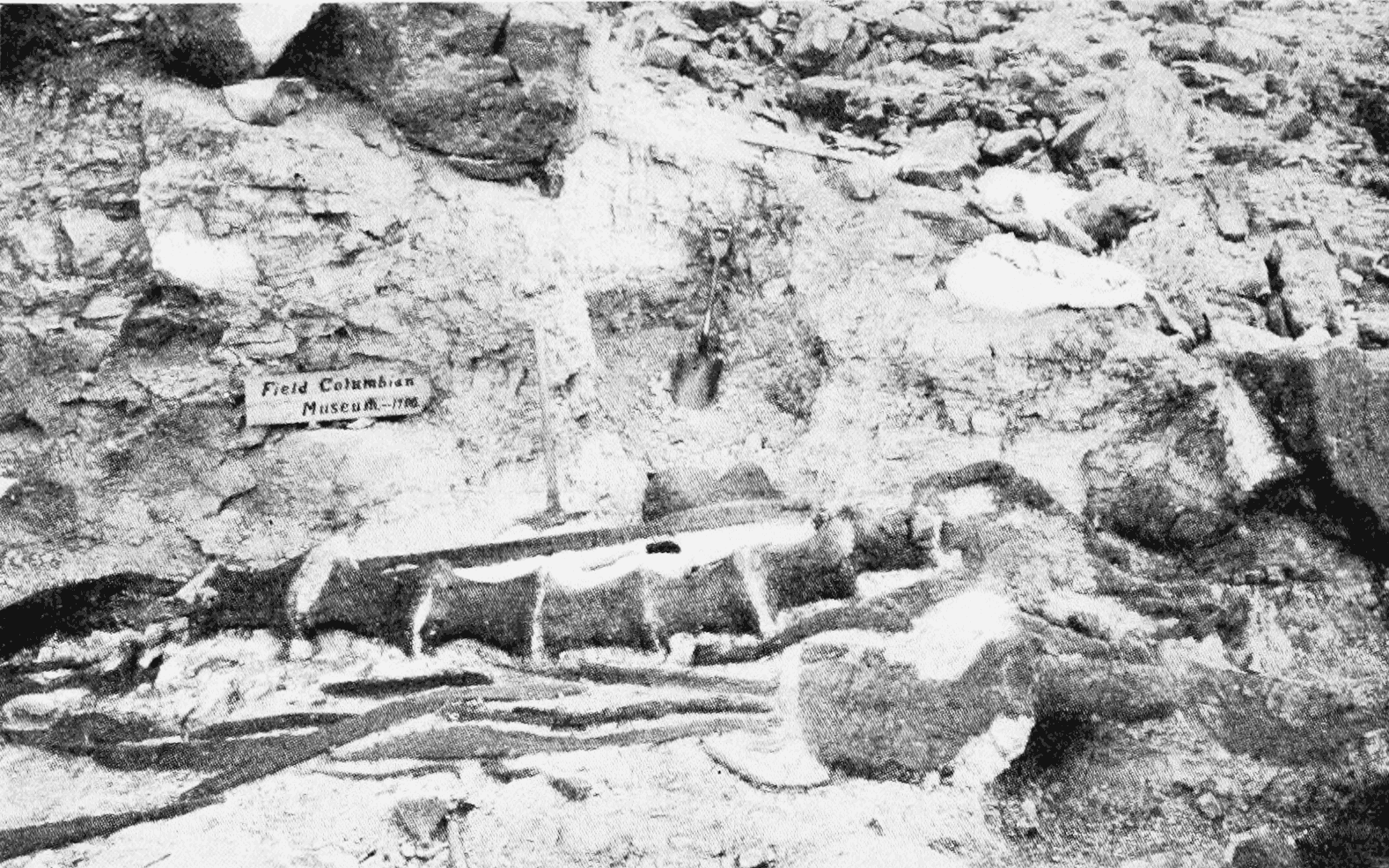
Brachiosaurus
jurassic
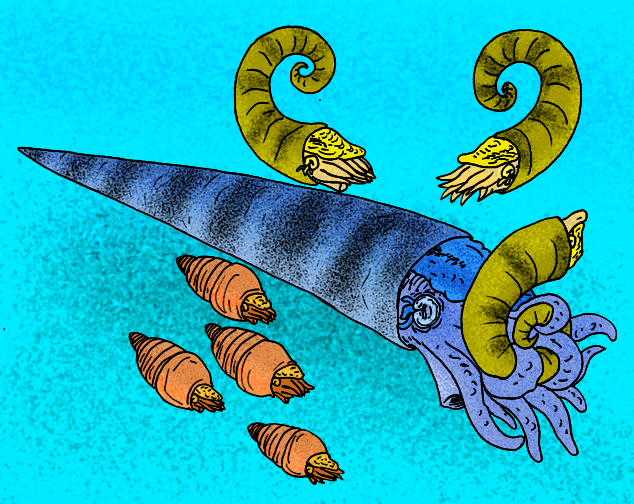
Cameroceras
ordovician
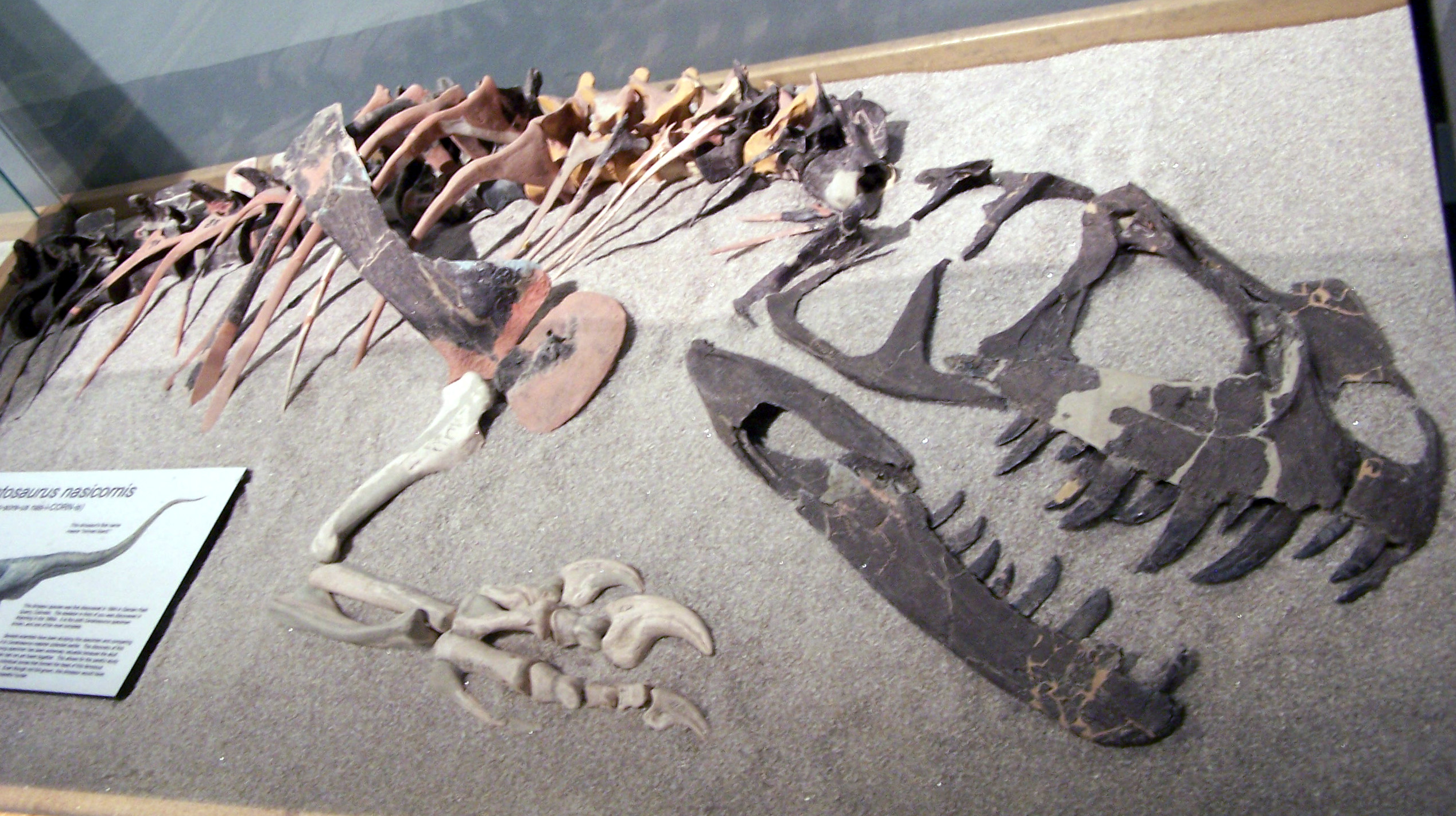
Ceratosaurus
jurassic
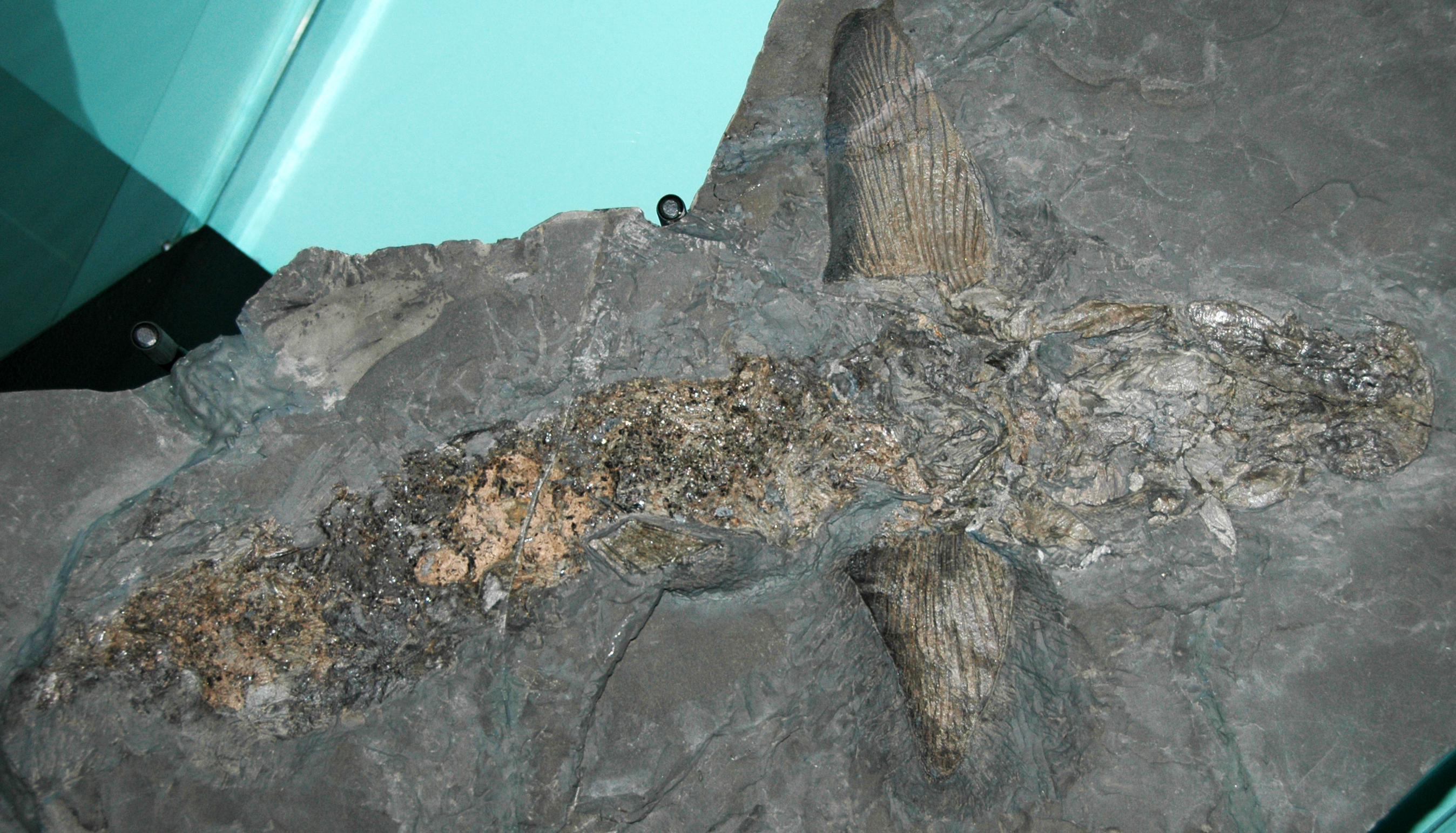
Cladoselache
devonian
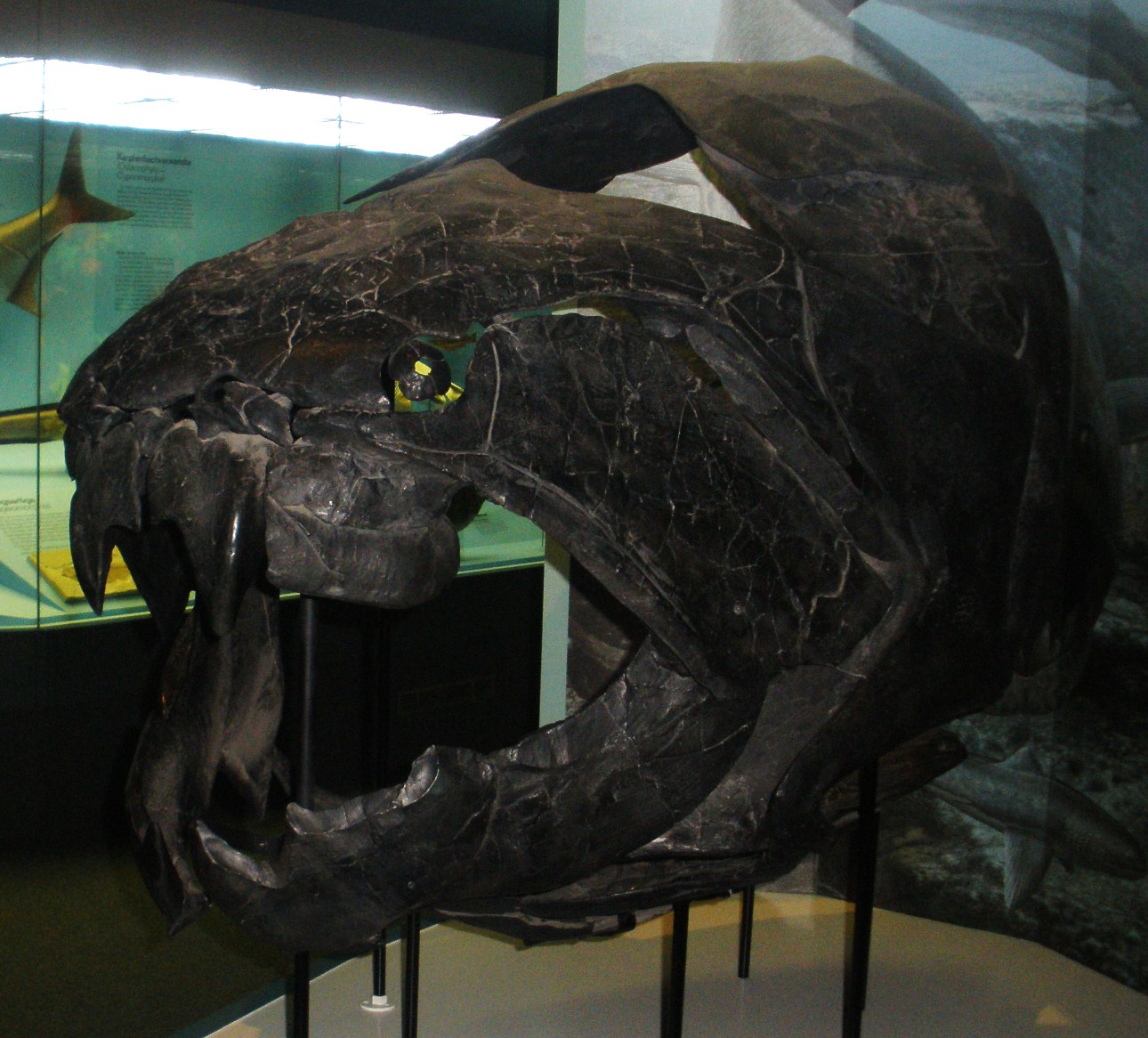
Dunkleosteus
devonian
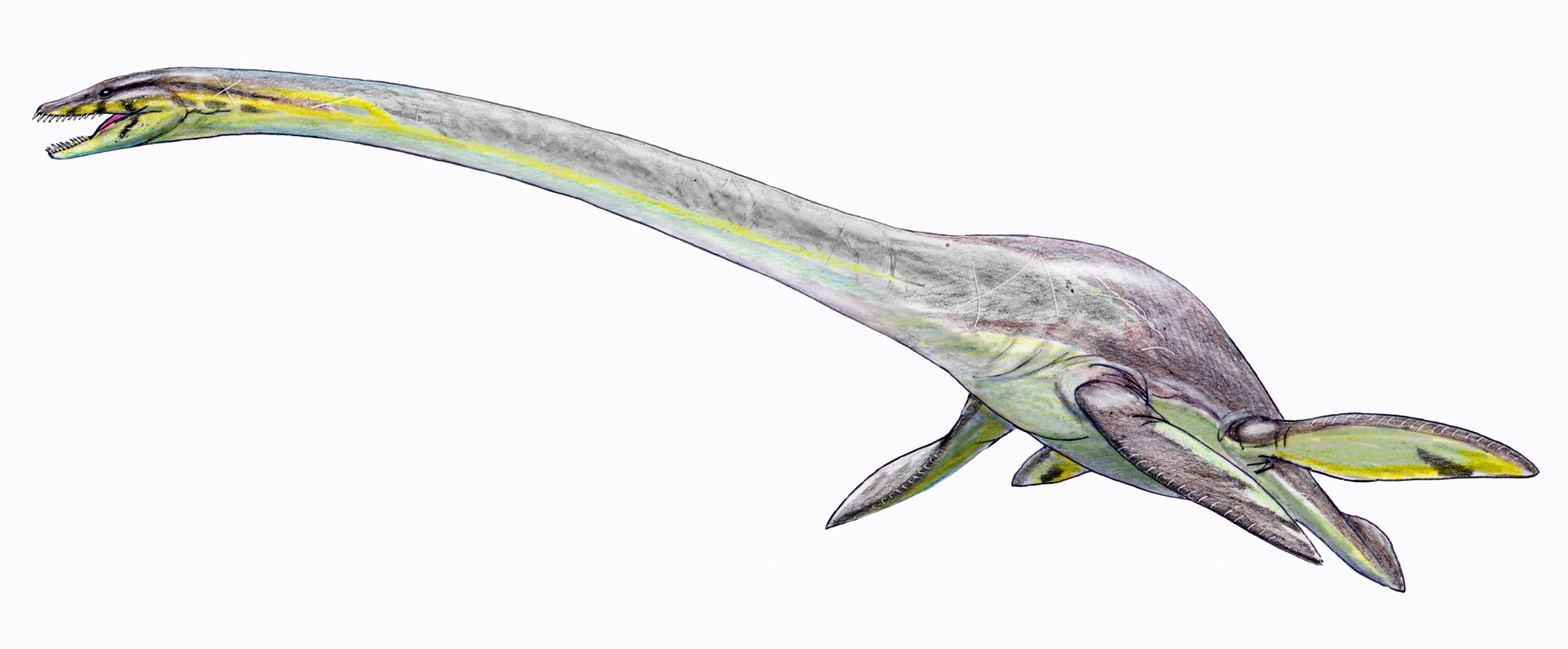
Elasmosaurus
cretaceous
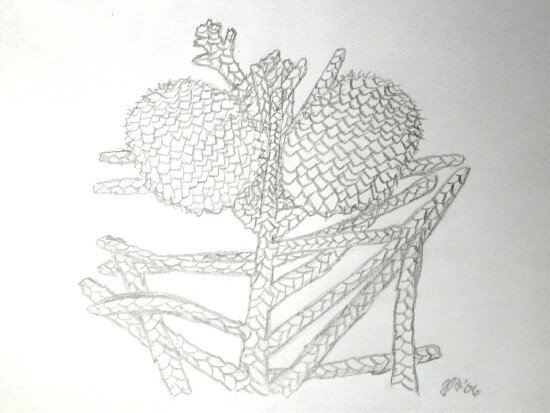
Fossil Araucaria
jurassic
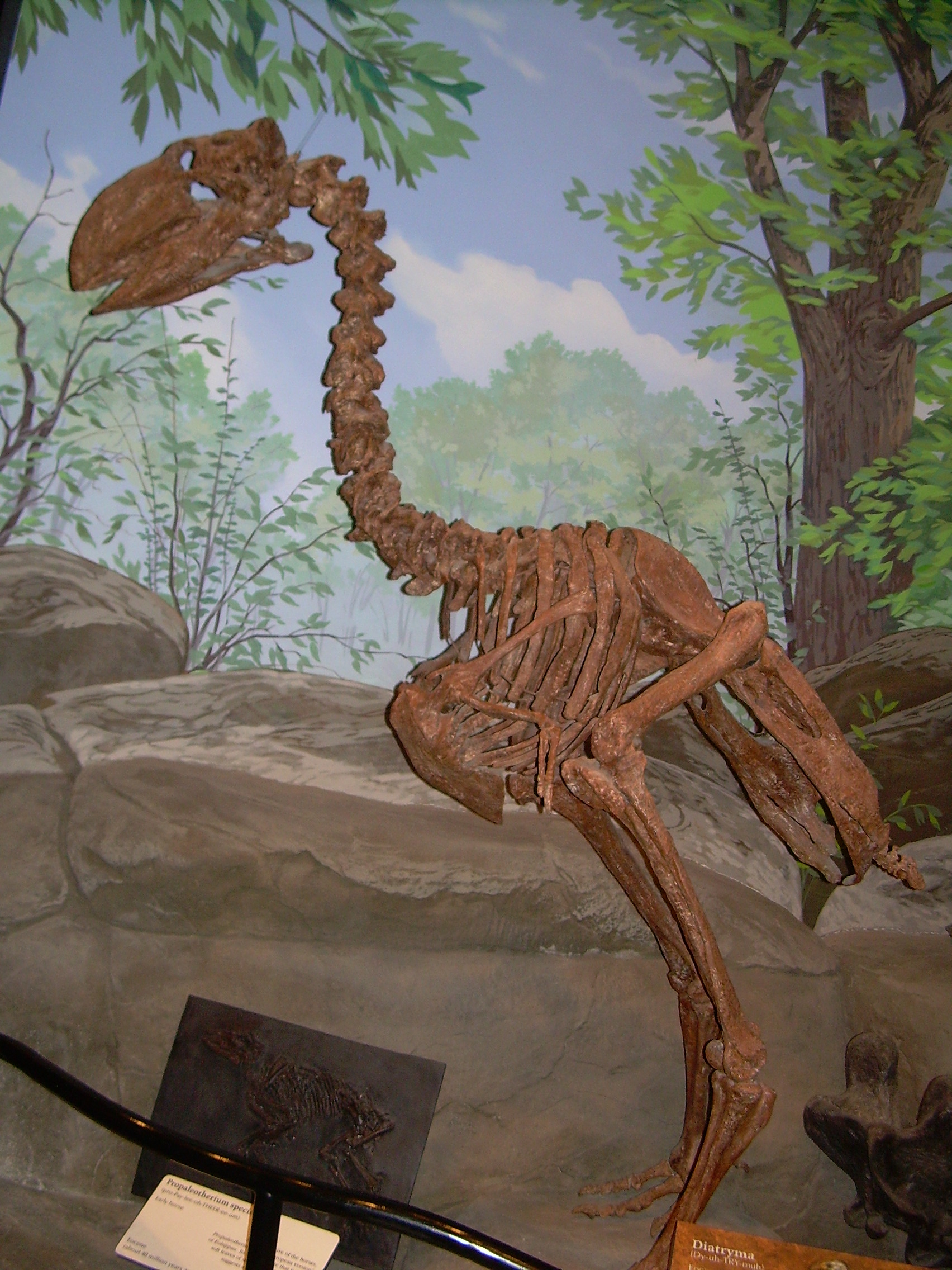
Gastornis
paleogene
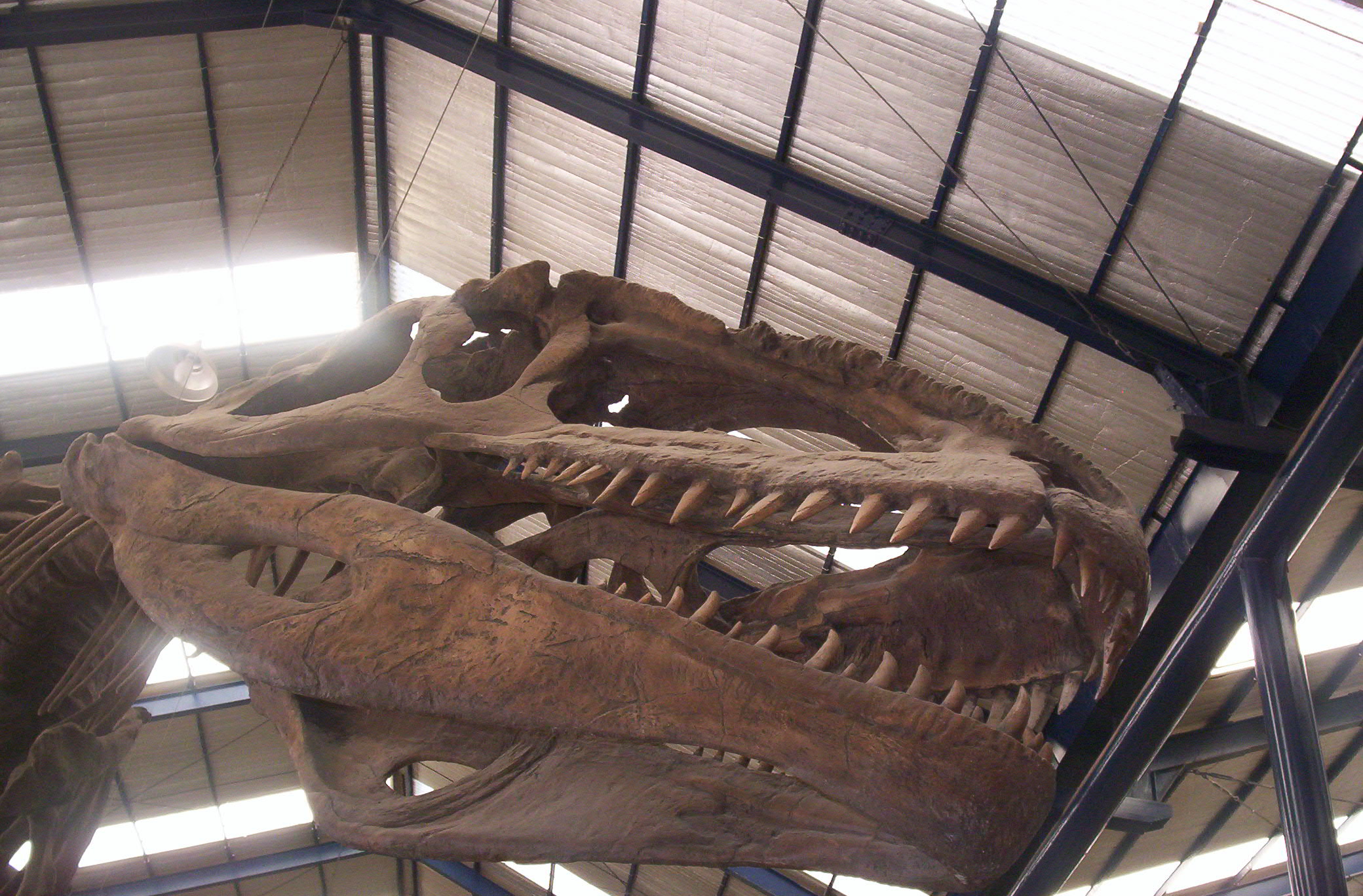
Giganotosaurus
cretaceous
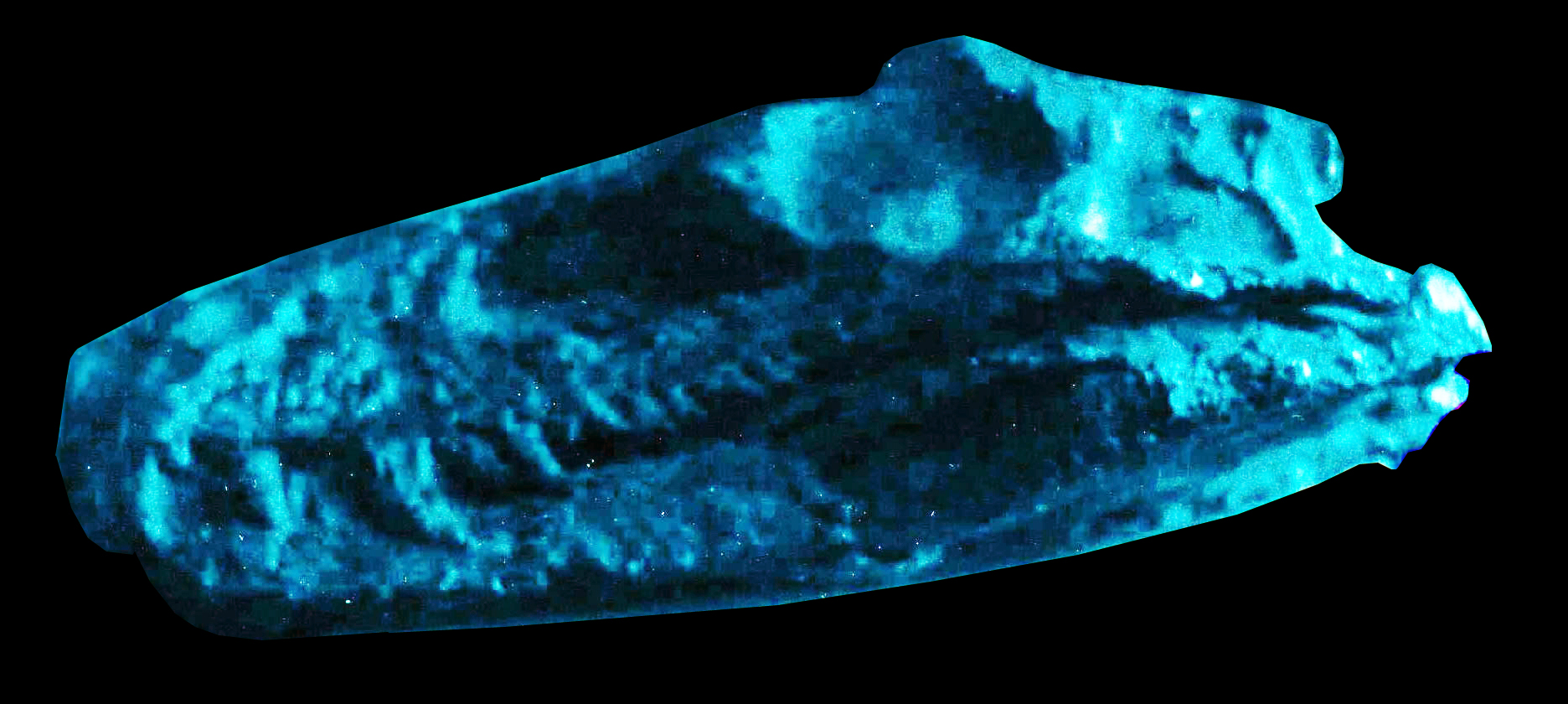
Herrerasaurus
triassic
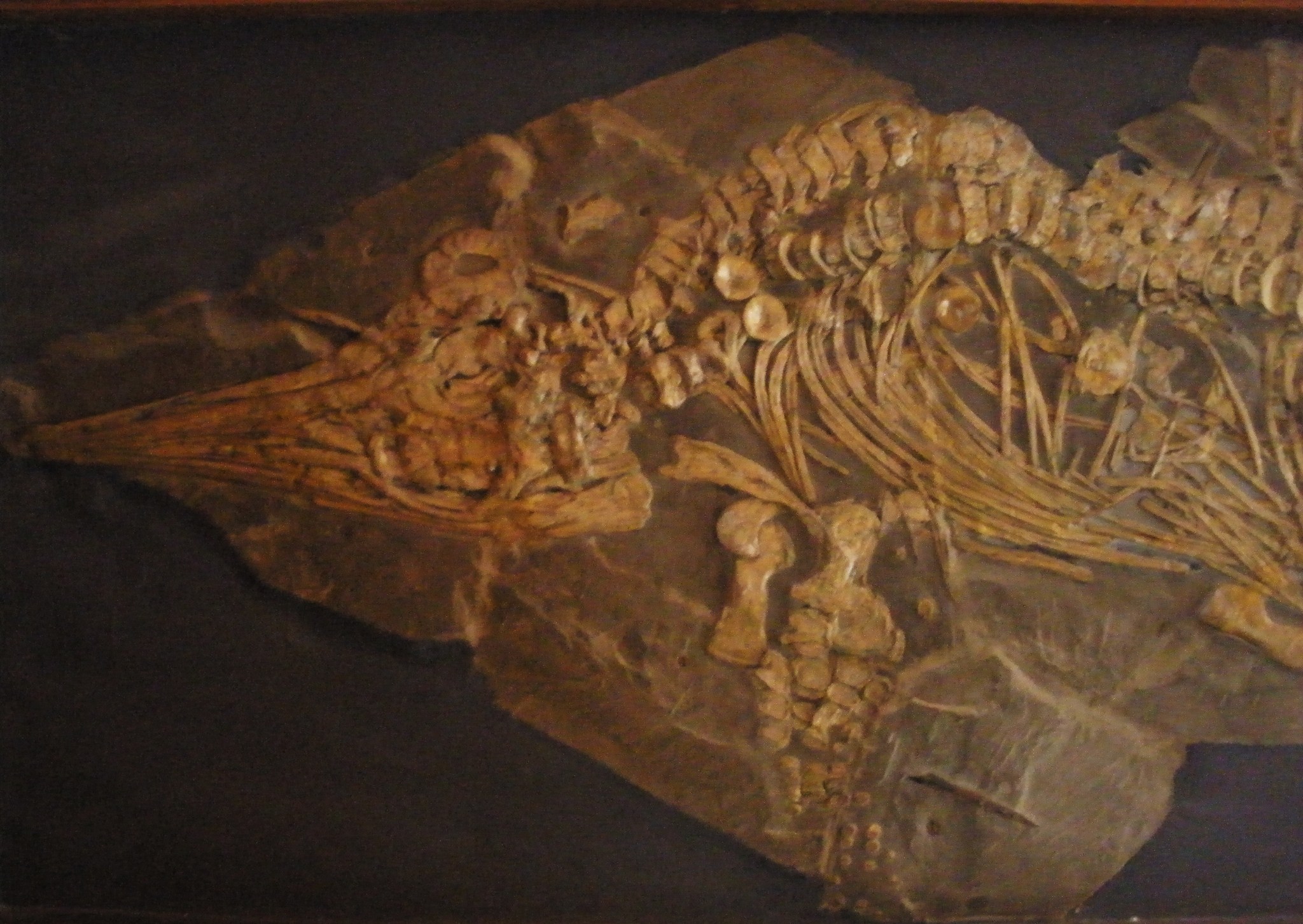
Ichthyosaurus
jurassic
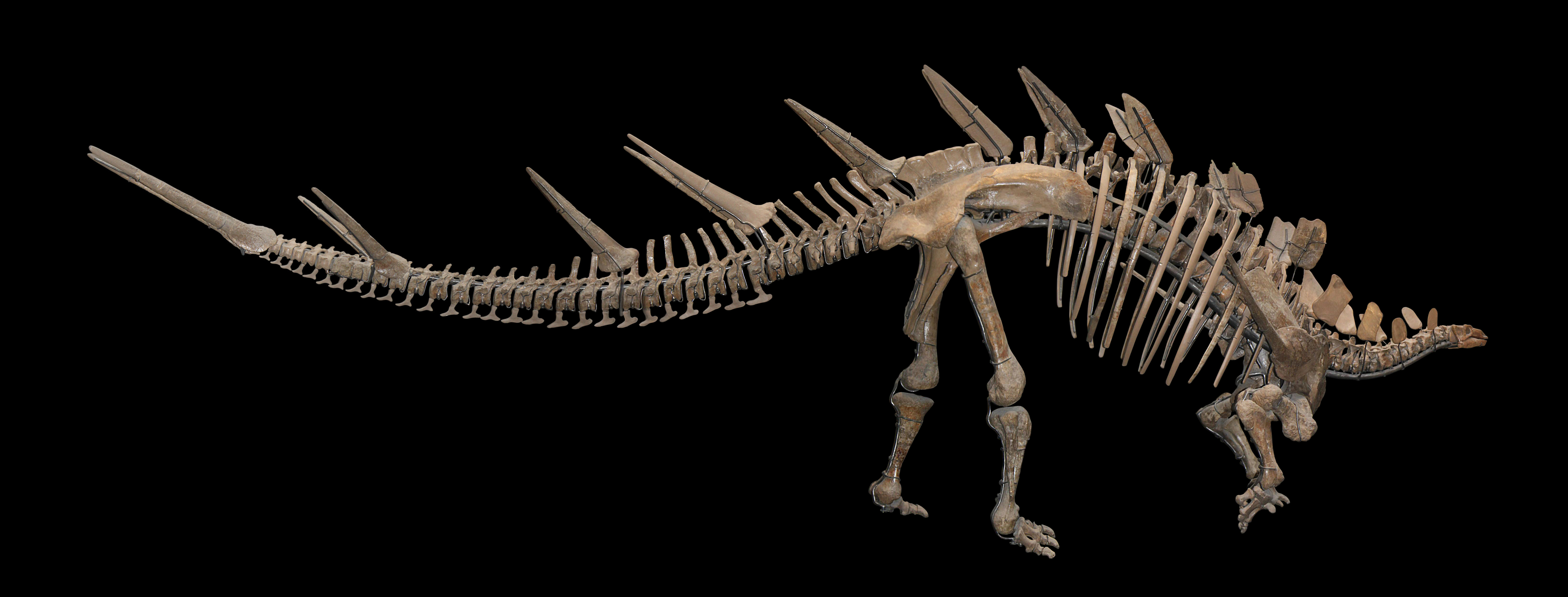
Kentrosaurus
jurassic
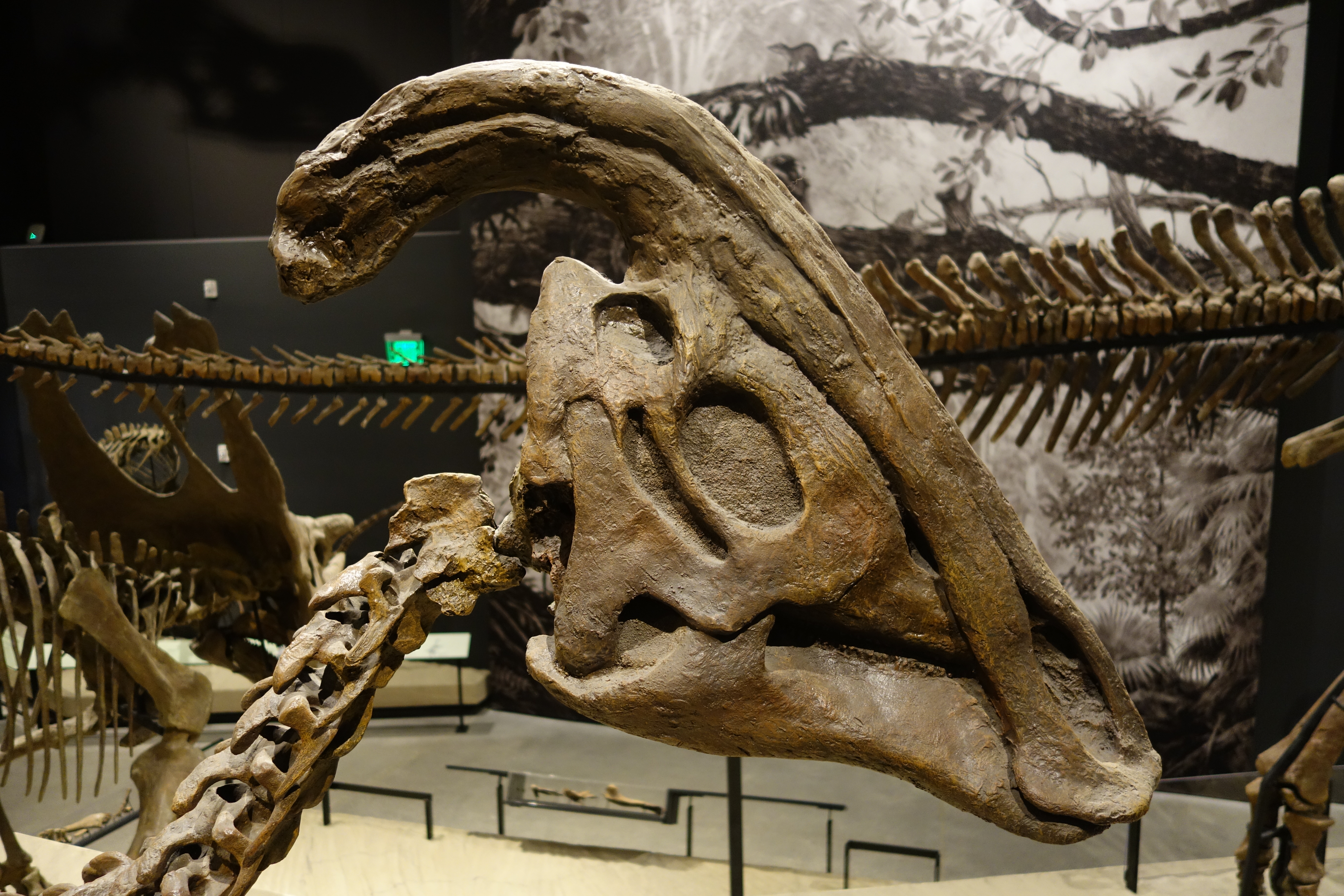
Parasaurolophus
cretaceous

Petrified Araucarioxylon
triassic
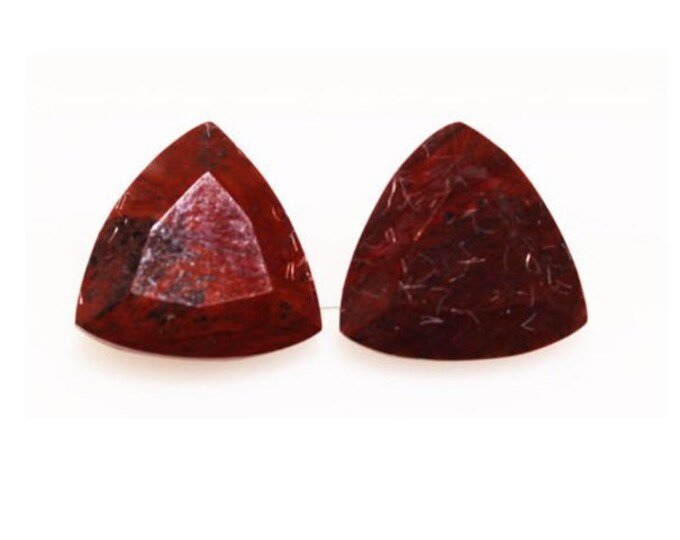
Precambrian Stromatolite
ediacaran
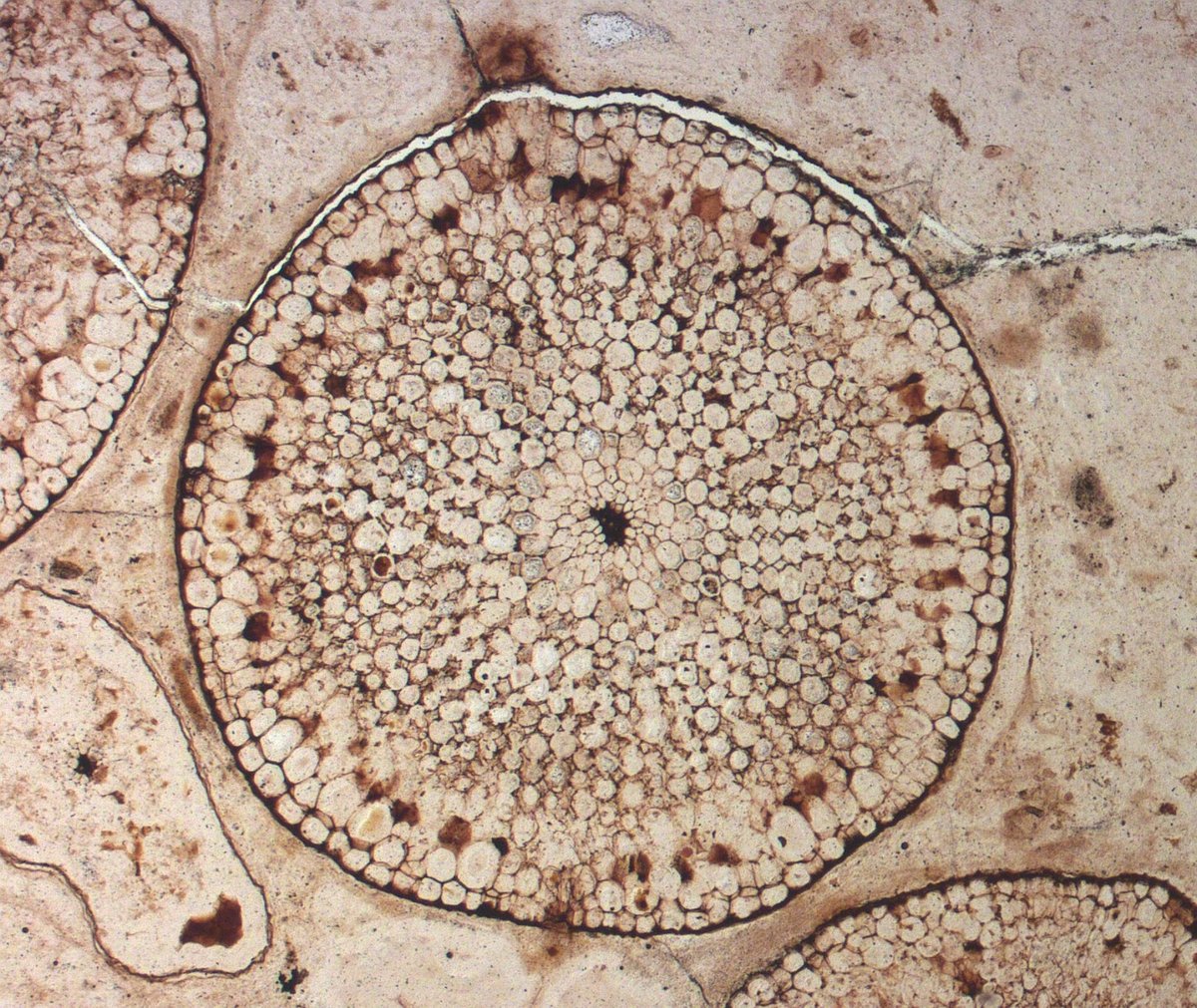
Rhynia
devonian
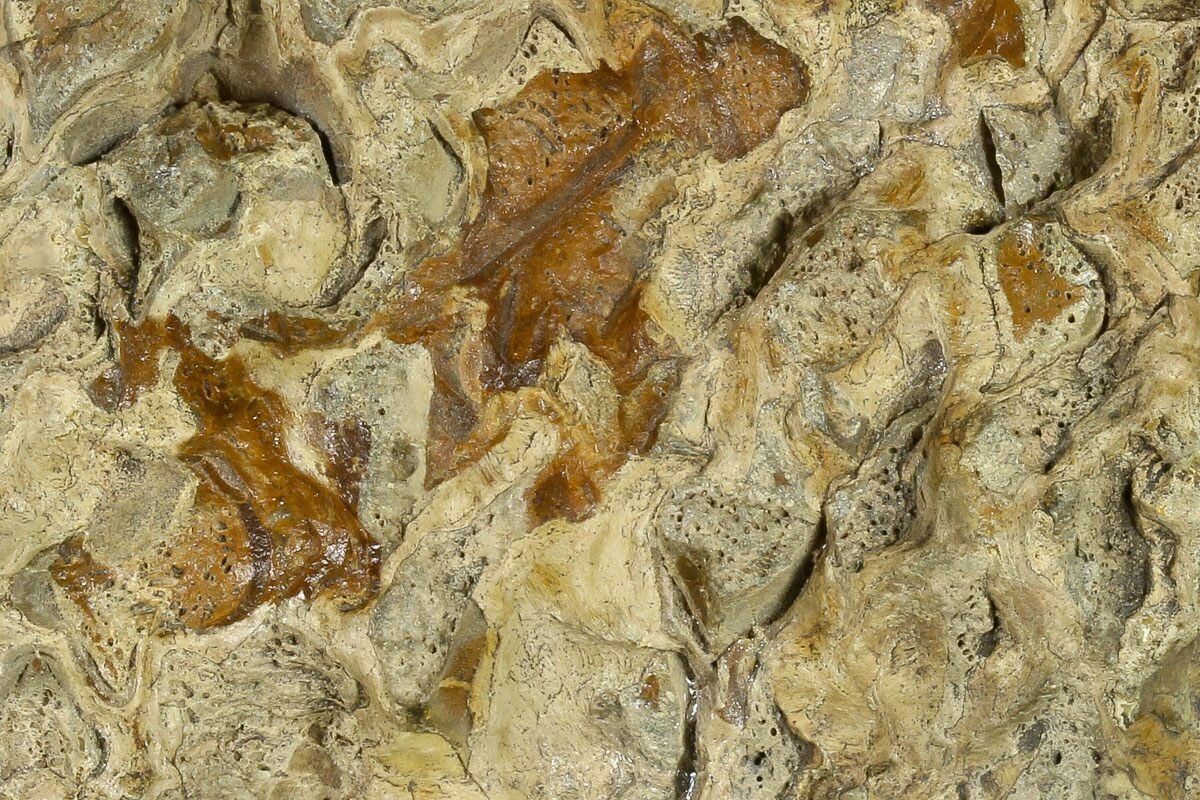
Tempskya
cretaceous
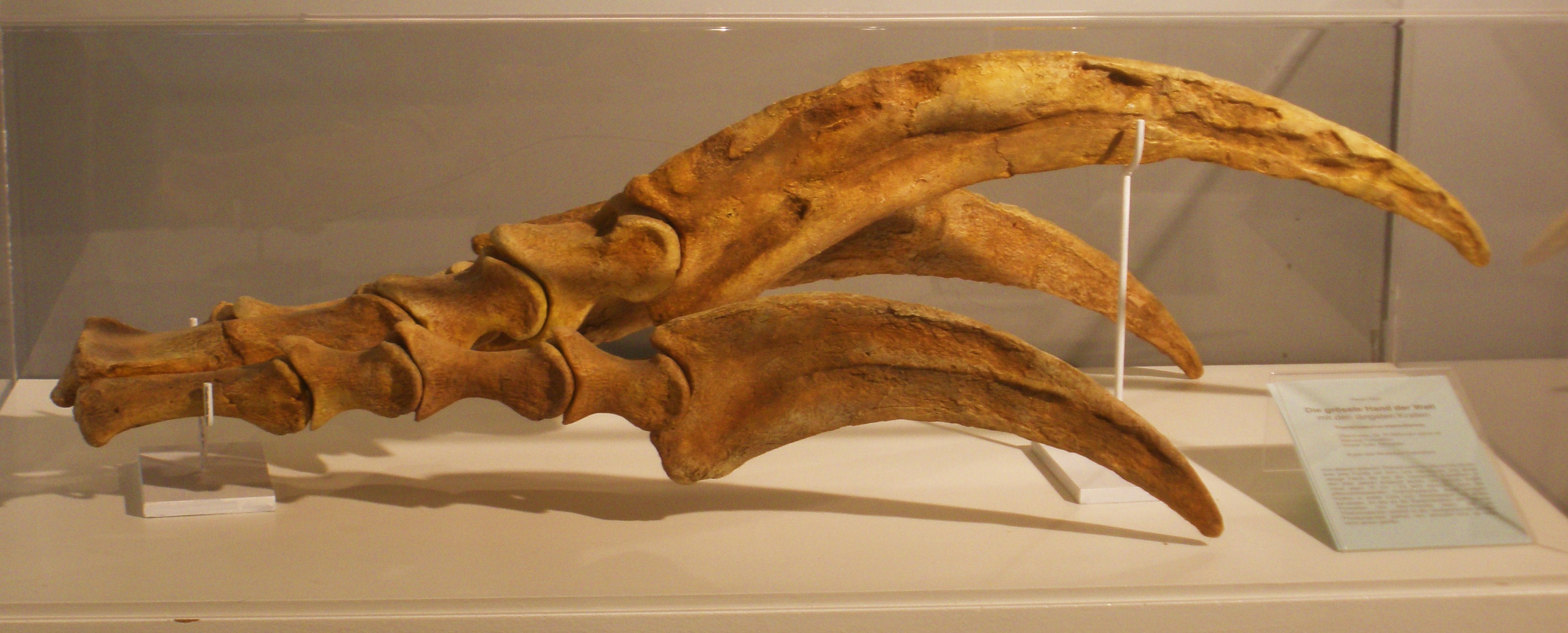
Therizinosaurus
cretaceous
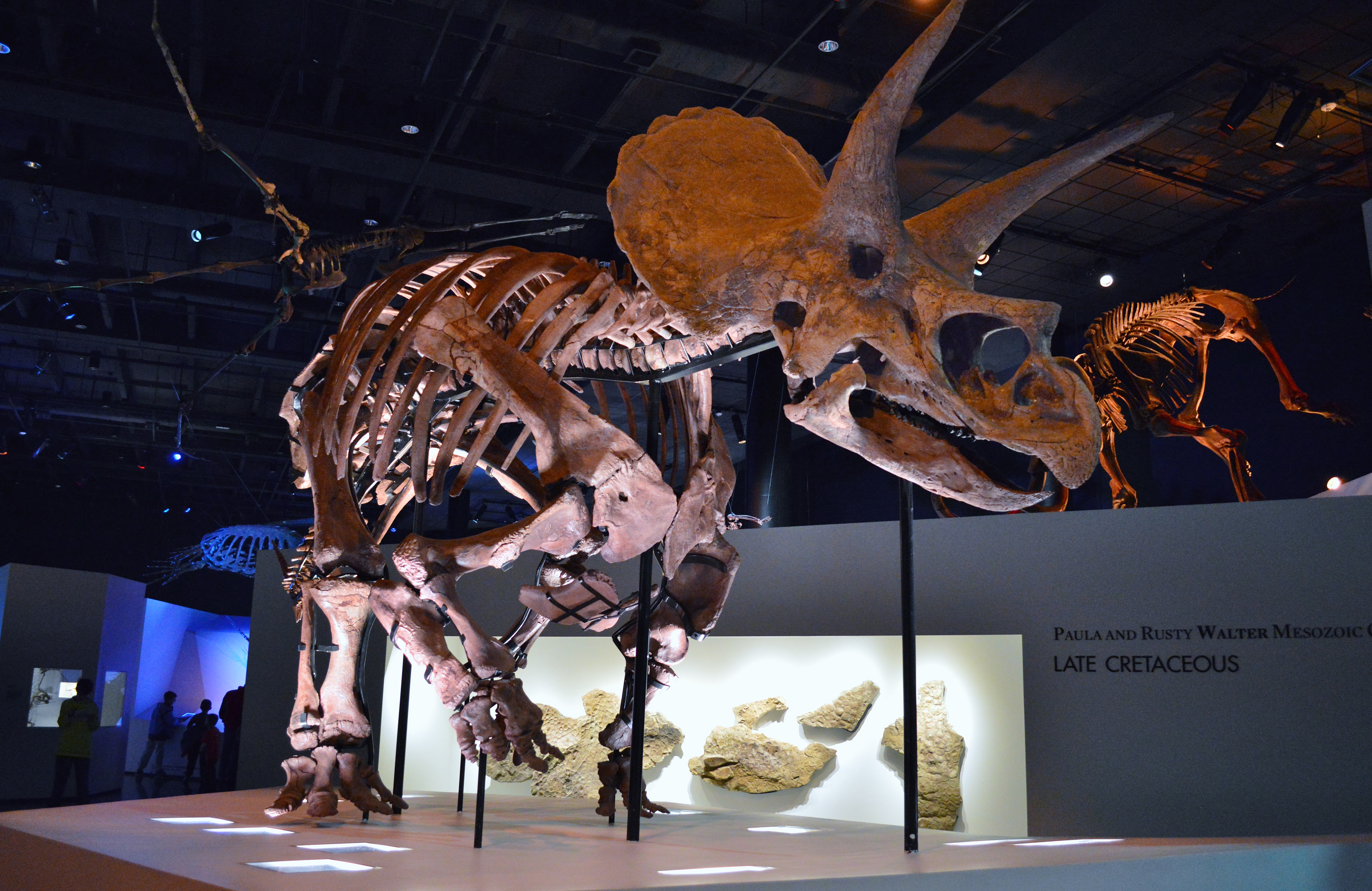
Triceratops
cretaceous

Tyrannosaurus rex
cretaceous
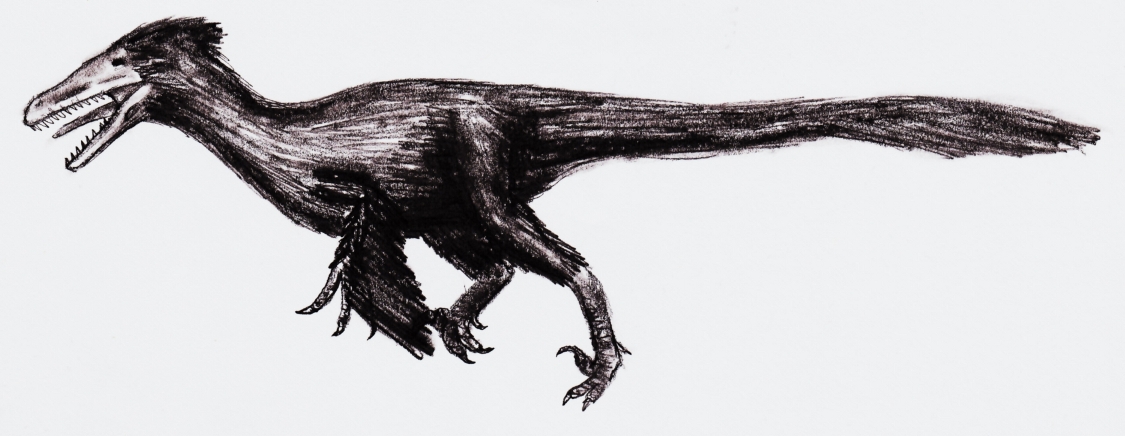
Velociraptor
cretaceous
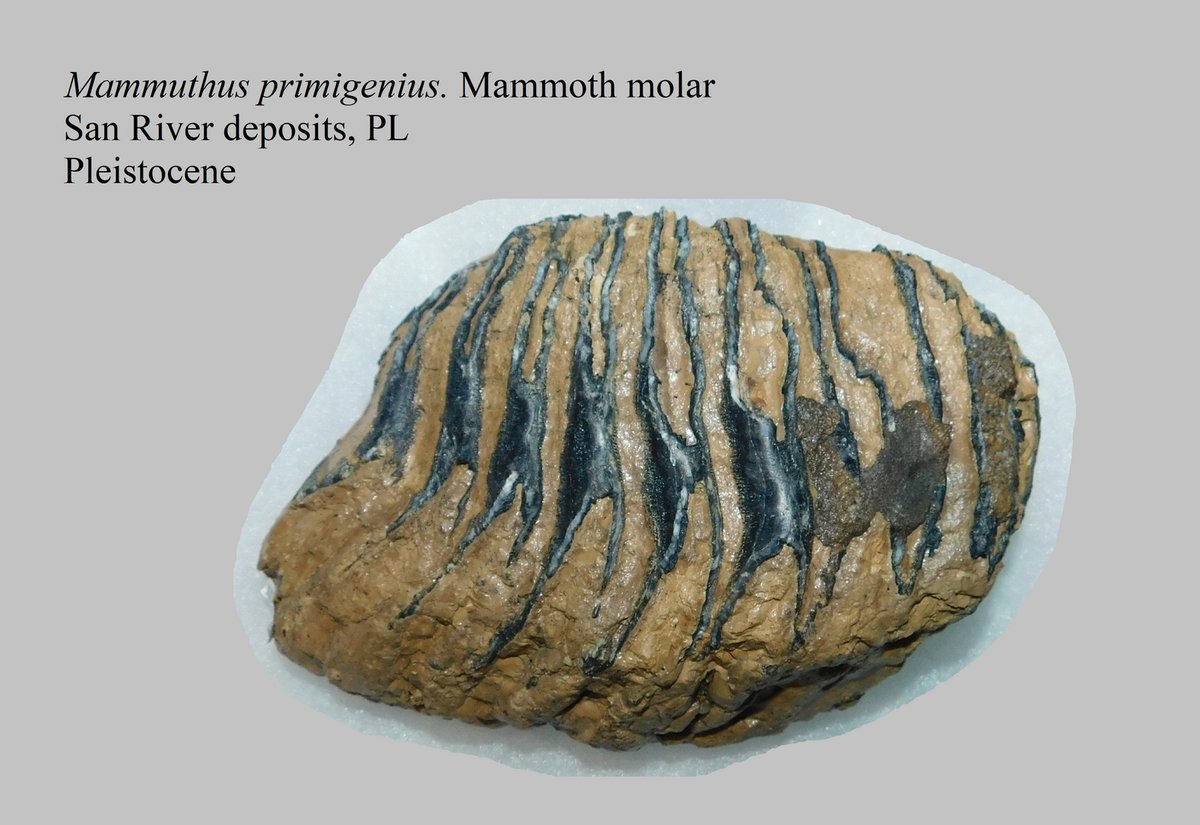
Woolly Mammoth (Mammuthus)
quaternary