Precambrian Stromatolite
Collenia undosa
Image: Image sourced via web search (Fair use / Educational)
About Precambrian Stromatolite
Stromatolites, particularly those classified under the form genus *Collenia*, represent some of the earliest and most profound evidence of life on Earth, dominating the fossil record for billions of years. These layered, biogenic structures are not individual organisms but rather accretions formed by the life activities of microbial mats, primarily composed of photosynthetic cyanobacteria. Flourishing in the shallow seas of the Precambrian Eon, from the Archean through the Proterozoic, *Collenia undosa* provides a critical window into a primordial world, a time before complex animals, when microscopic life fundamentally reshaped the planet's geology and atmosphere, setting the stage for all subsequent evolution.
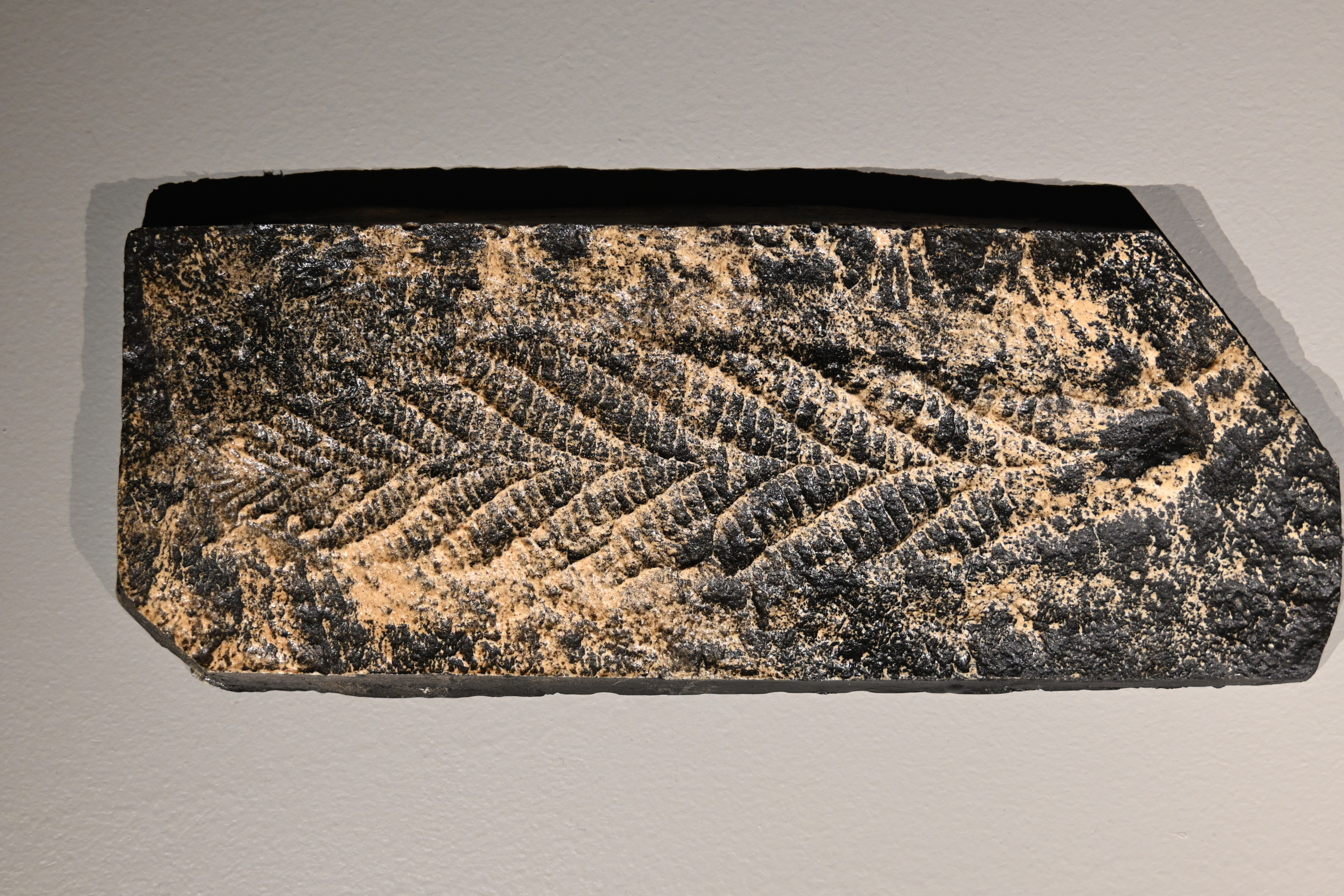
*Collenia undosa* is characterized by its distinctive physical structure, which is not the anatomy of a single organism but the fossilized architecture of a microbial community. These structures typically manifest as domal, columnar, or conical mounds built up layer by layer. Individual domes of *Collenia undosa* can range from a few centimeters to over a meter in diameter and height. The name 'undosa' refers to the wavy, undulating laminations that are a hallmark of this form species. These fine layers, often only a millimeter or less in thickness, represent the sequential growth of the microbial mat. During daylight hours, the photosynthetic cyanobacteria on the mat's surface would trap and bind fine sedimentary particles (like silt and carbonate mud) suspended in the water. This sediment-trapping process, combined with the precipitation of calcium carbonate induced by the microbes' metabolic activity, created a new mineralized layer. The microbes would then grow upwards through this new layer to re-establish a photosynthetically active surface, repeating the process and building the stromatolite structure over thousands of years. The result is a fossil that, when cross-sectioned, reveals a beautiful and intricate pattern of convex-upward laminae, a direct record of ancient microbial growth. These are not skeletons in the traditional sense, but trace fossils of an entire ecosystem's behavior.
The paleobiology of the organisms that built *Collenia undosa* is a story of simple yet world-altering processes. The primary architects were cyanobacteria, single-celled prokaryotes capable of oxygenic photosynthesis. This metabolic strategy was revolutionary. Using sunlight, water, and carbon dioxide, these microbes produced energy for themselves and, as a crucial byproduct, released free oxygen into the water and atmosphere. This process, carried out on a global scale by vast stromatolite reefs for over a billion years, was responsible for the Great Oxidation Event, which fundamentally changed Earth's chemistry and paved the way for oxygen-breathing life. The growth of stromatolites was slow, perhaps only a few millimeters per year, dictated by sunlight availability, water clarity, and sediment supply. The microbial mat itself was a complex, stratified community. The top layer was dominated by the photosynthetic cyanobacteria, while deeper, anoxic layers would have hosted anaerobic bacteria and archaea, processing the waste products of the layers above them in a self-contained, miniature ecosystem. These structures were entirely sessile, fixed to the seafloor in shallow, sunlit waters where they could maximize their photosynthetic potential.
During the Proterozoic Eon, the time of *Collenia undosa*'s greatest abundance, the world was vastly different. The continents were assembled into supercontinents like Rodinia, and the oceans were chemically distinct, with lower oxygen levels and different mineral concentrations. The climate was generally warm, and shallow epicontinental seas were widespread, providing ideal habitats for stromatolite formation. In these primordial seas, stromatolites were the dominant reef-builders, forming extensive, city-like structures that stretched for hundreds of kilometers, analogous to modern coral reefs but built by microbes. The ecosystem was simple; stromatolites were the primary producers, forming the base of the food web. There were no macroscopic grazers or burrowing animals to disrupt the delicate microbial mats. This lack of predation and bioturbation allowed them to thrive and dominate shallow marine environments for an unprecedented span of geologic time. The only 'predators' were environmental: changes in sea level, increased water turbidity that blocked sunlight, or burial by storm-deposited sediments could halt their growth. The world of *Collenia* was a microbial world, ruled by the slow, persistent, and transformative power of single-celled life.
The discovery and interpretation of stromatolites were pivotal moments in paleontology. While layered rock structures had been noted for centuries, it was in the late 19th and early 20th centuries that their biological origin became a subject of serious study. The genus *Collenia* was established by paleontologist Charles Doolittle Walcott in 1914, based on specimens he studied from the Proterozoic Belt Supergroup in Montana's Glacier National Park. Walcott, famous for his work on the Burgess Shale, recognized these structures as biogenic and named several form species, including *Collenia undosa*. His work was foundational, but for decades, the exact nature of these 'algal' structures remained debated. It wasn't until the mid-20th century, with the discovery of living, modern stromatolites in places like Shark Bay, Australia, that the microbial mat hypothesis was confirmed. By studying these living analogues, scientists could directly observe the trapping, binding, and precipitating processes that formed the ancient fossils, solidifying Walcott's initial insights and confirming stromatolites as definitive evidence of early life. The specimens from the Siyeh Formation in Montana remain some of the most classic and well-studied examples of Proterozoic stromatolites in the world.
The evolutionary significance of stromatolites cannot be overstated. They represent the oldest macroscopic evidence of life on Earth, with some examples dating back 3.5 billion years. Their builders, the cyanobacteria, are responsible for one of the most significant events in planetary history: the oxygenation of the atmosphere. This profound environmental shift triggered the extinction of many anaerobic organisms but also created the conditions necessary for the evolution of aerobic respiration and, eventually, complex multicellular life, including animals. Stromatolites, therefore, are not just fossils of an ancient life form; they are fossils of the very process that made our own existence possible. They demonstrate the power of microbial life to act as a global-scale geological and atmospheric force. The decline of stromatolites at the end of the Precambrian is linked to the rise of the first grazing and burrowing animals of the Ediacaran and Cambrian periods, which disrupted the microbial mats and consumed the microbes, ending their long reign as the planet's dominant ecosystem engineers.
Despite their long history of study, stromatolites still present scientific debates. The primary controversy revolves around their classification. Genera like *Collenia* are 'form taxa' or 'morphotaxa,' meaning they are classified based on the shape and structure of the fossilized mound, not on the biological taxonomy of the microbes that built them. It is nearly impossible to identify the specific species of cyanobacteria from the fossilized structure alone. Therefore, a single form genus like *Collenia* could have been built by various different microbial communities, and conversely, a single microbial community could have produced different-shaped stromatolites under different environmental conditions. Another area of active research is the interpretation of the finest details in their laminations. Scientists study these layers to decode ancient environmental signals, such as tidal cycles, seasonal changes, and even long-term climate shifts, though the reliability of these interpretations is a subject of ongoing discussion and refinement. The exact mechanisms of carbonate precipitation within the mats also remain a complex and debated topic in geomicrobiology.
The fossil record of stromatolites is globally extensive and chronologically vast, spanning over three billion years of Earth's history. They are among the most common fossils of the Precambrian. Major occurrences are found on every continent. Besides the classic localities in the Belt Supergroup of Montana, USA, other world-famous sites include the 3.5-billion-year-old deposits in the Pilbara Craton of Western Australia, which hold some of the oldest potential evidence of life. The Gunflint Chert in Ontario, Canada, is renowned for its exceptional preservation of the actual microbial filaments within the stromatolitic structures. The quality of preservation is often excellent, as the permineralization process faithfully captures the fine-layered architecture of the mounds. While the soft-bodied microbes themselves are rarely preserved, their collective activity is immortalized in stone, making stromatolites a robust and widespread proxy for ancient microbial life.
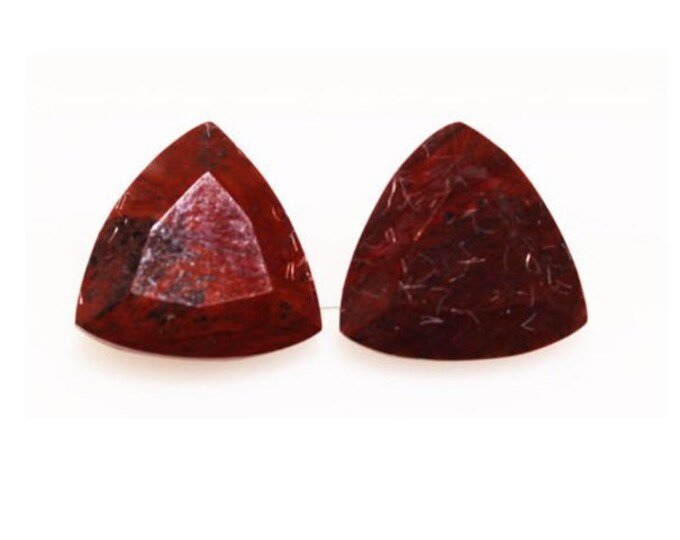
While not as charismatic as dinosaurs, stromatolites hold a significant place in science education and public outreach. They are often featured in natural history museums as the starting point in exhibits on the history of life, visually representing the immense spans of 'deep time' before the appearance of familiar animals. The living stromatolites of Shark Bay, Australia, a UNESCO World Heritage Site, have become a famous destination for science tourism, offering a tangible link to Earth's primordial past. Their beautiful, layered patterns also make them popular decorative stones. For geologists and paleontologists, they are iconic symbols of early life and the profound impact that microscopic organisms have had on the planet's history, serving as a crucial reminder that the most significant actors in evolution are not always the largest.
Classification
Time Period
Discovery
Location
United States (Montana)
Formation
Belt Supergroup (specifically, Siyeh Formation)
Frequently Asked Questions
What is Precambrian Stromatolite?
Stromatolites, particularly those classified under the form genus *Collenia*, represent some of the earliest and most profound evidence of life on Earth, dominating the fossil record for billions of years. These layered, biogenic structures are not individual organisms but rather accretions formed b...
When did Precambrian Stromatolite live?
Precambrian Stromatolite lived during the ediacaran period of the precambrian era approximately 2500-541 million years ago.
Where was Precambrian Stromatolite discovered?
Fossils of Precambrian Stromatolite were discovered in United States (Montana) in the Belt Supergroup (specifically, Siyeh Formation).
What did Precambrian Stromatolite eat?
Precambrian Stromatolite was a photosynthetic. It lived in shallow marine, reef-like habitats.
What type of fossil is Precambrian Stromatolite?
Precambrian Stromatolite is preserved as a permineralized fossil. The preservation quality is excellent.
Related Specimens
From the precambrian era · permineralized fossils