Ediacaran Period
635–541 Million Years Ago
The Ediacaran Period is the last period of the Precambrian, named after the Ediacara Hills in South Australia where its characteristic fossils were first discovered. It witnessed the appearance of the first large, complex multicellular organisms — the enigmatic Ediacara biota. These soft-bodied creatures, including Dickinsonia, Charnia, and Kimberella, represent some of the earliest experiments in animal body plans. Many have no clear modern descendants, making their biological affinities one of paleontology's great mysteries.
Environment
Climate & Environment
The Ediacaran followed the extreme Cryogenian glaciations (Snowball Earth). Climate warmed significantly, ocean chemistry changed, and oxygen levels rose — conditions thought to have enabled the evolution of large multicellular life.
Fauna & Flora
Signature Life Forms
Dickinsonia — enigmatic flat organism
Charnia — frond-like deep-sea organism
Kimberella — possible early mollusc relative
Cloudina — first organism with a mineral skeleton
Collection
Ediacaran Period Specimens (17)
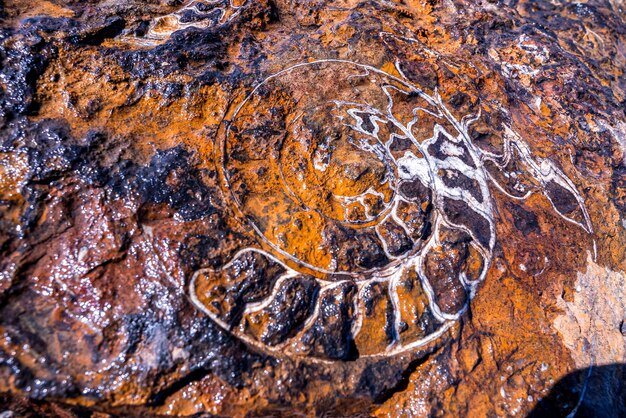
Aspidella
ediacaran
precambrian
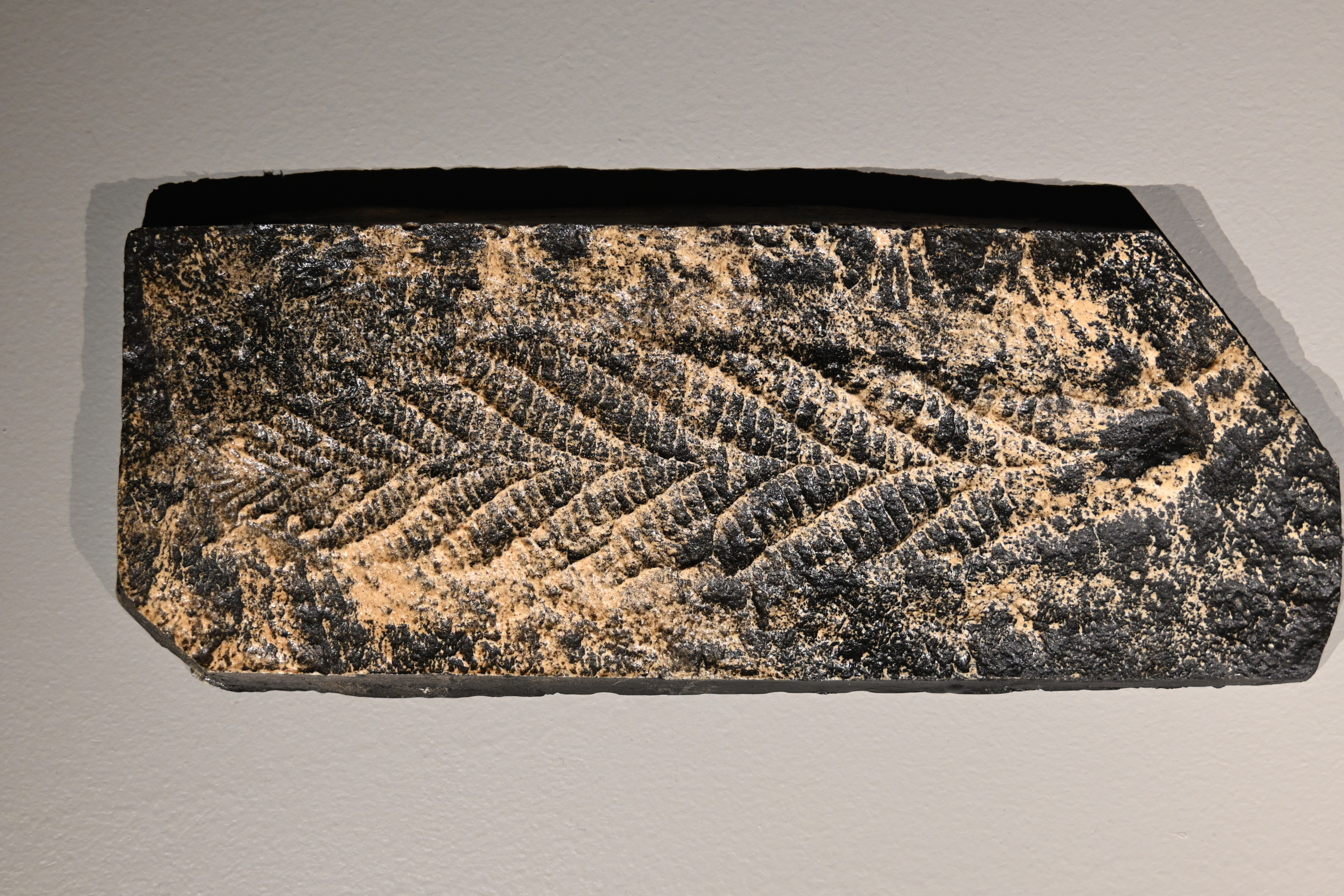
Charnia
ediacaran
precambrian
/e07139fdd52e.jpg)
Charnia masoni (Ediacaran biota)
ediacaran
precambrian
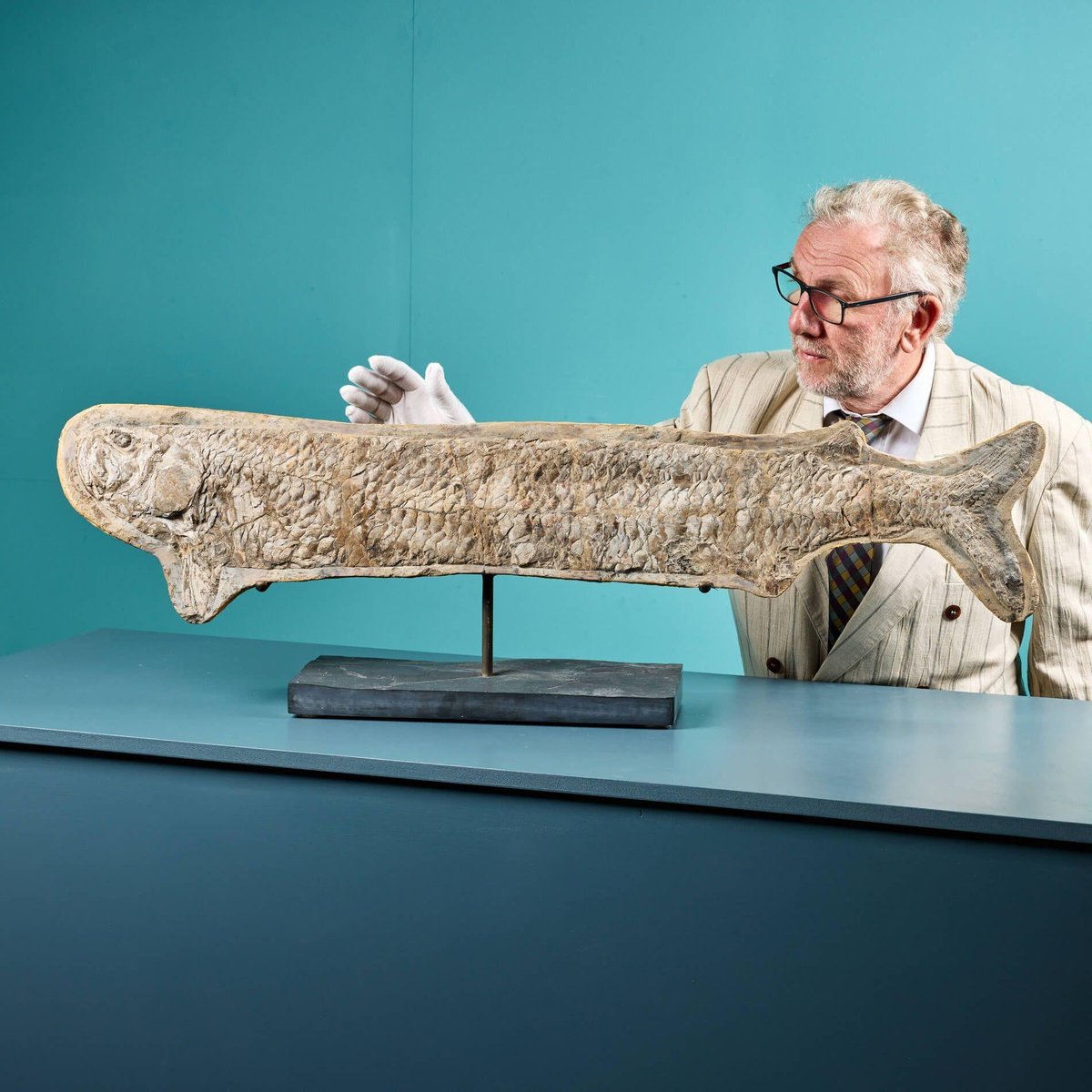
Charniodiscus
ediacaran
precambrian
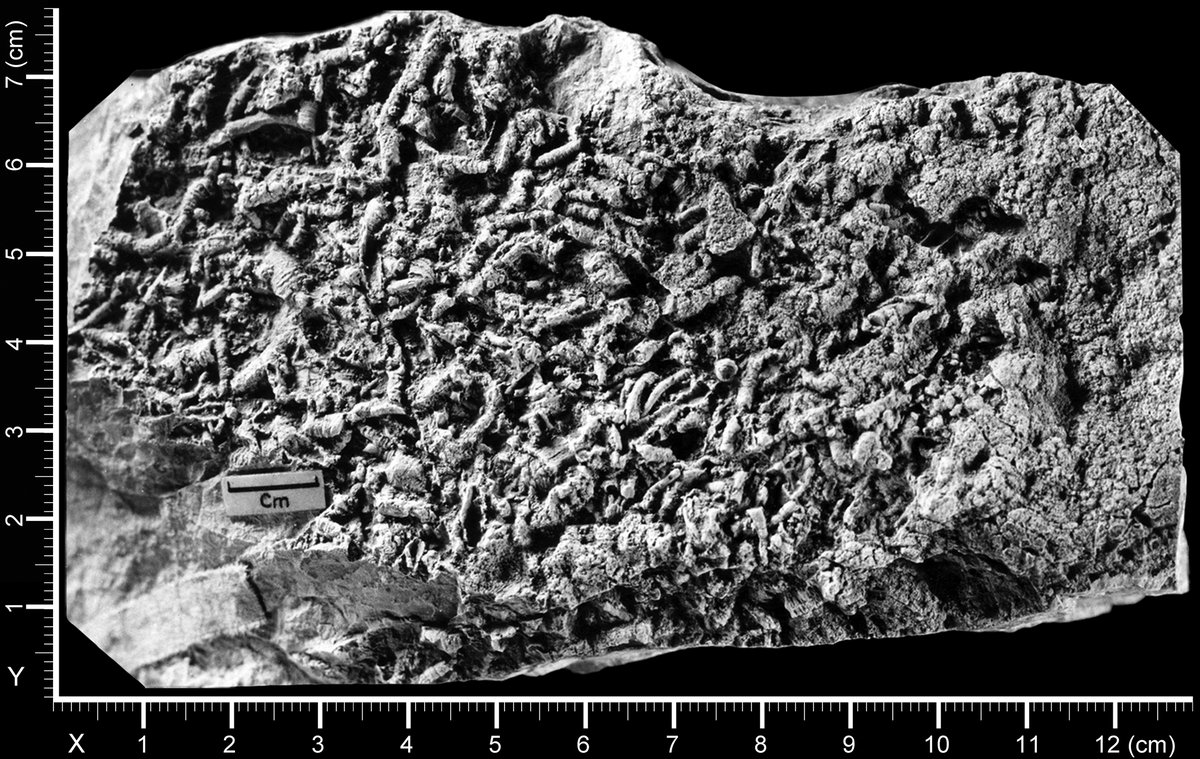
Cloudina
ediacaran
precambrian
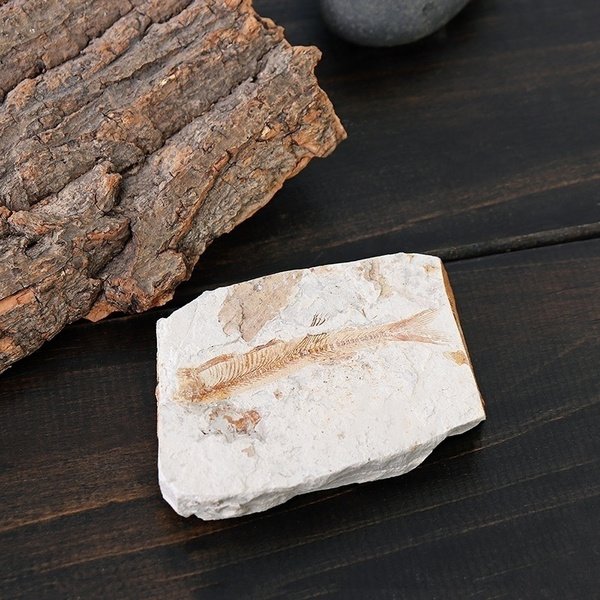
Cyclomedusa
ediacaran
precambrian
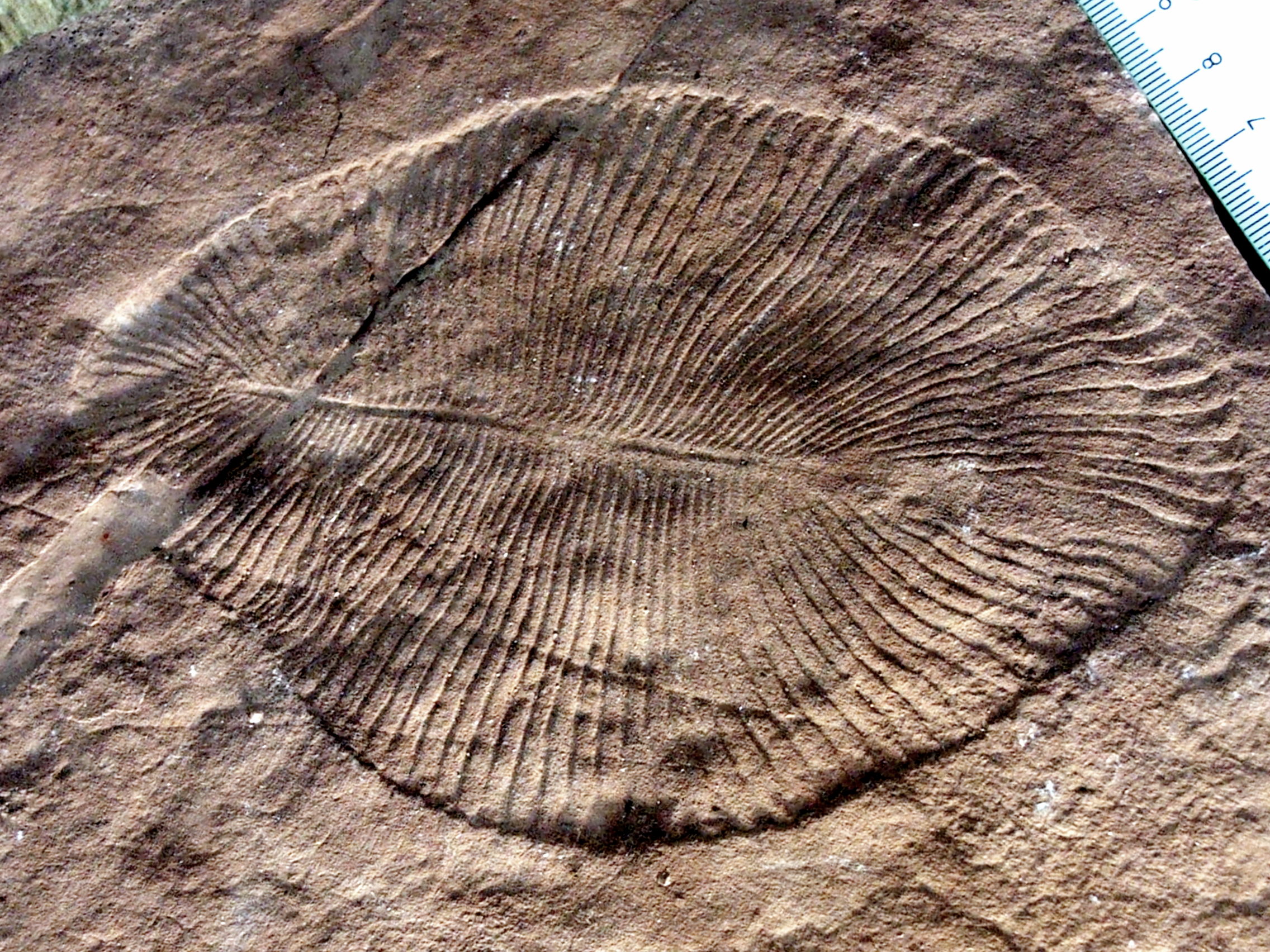
Dickinsonia
ediacaran
precambrian
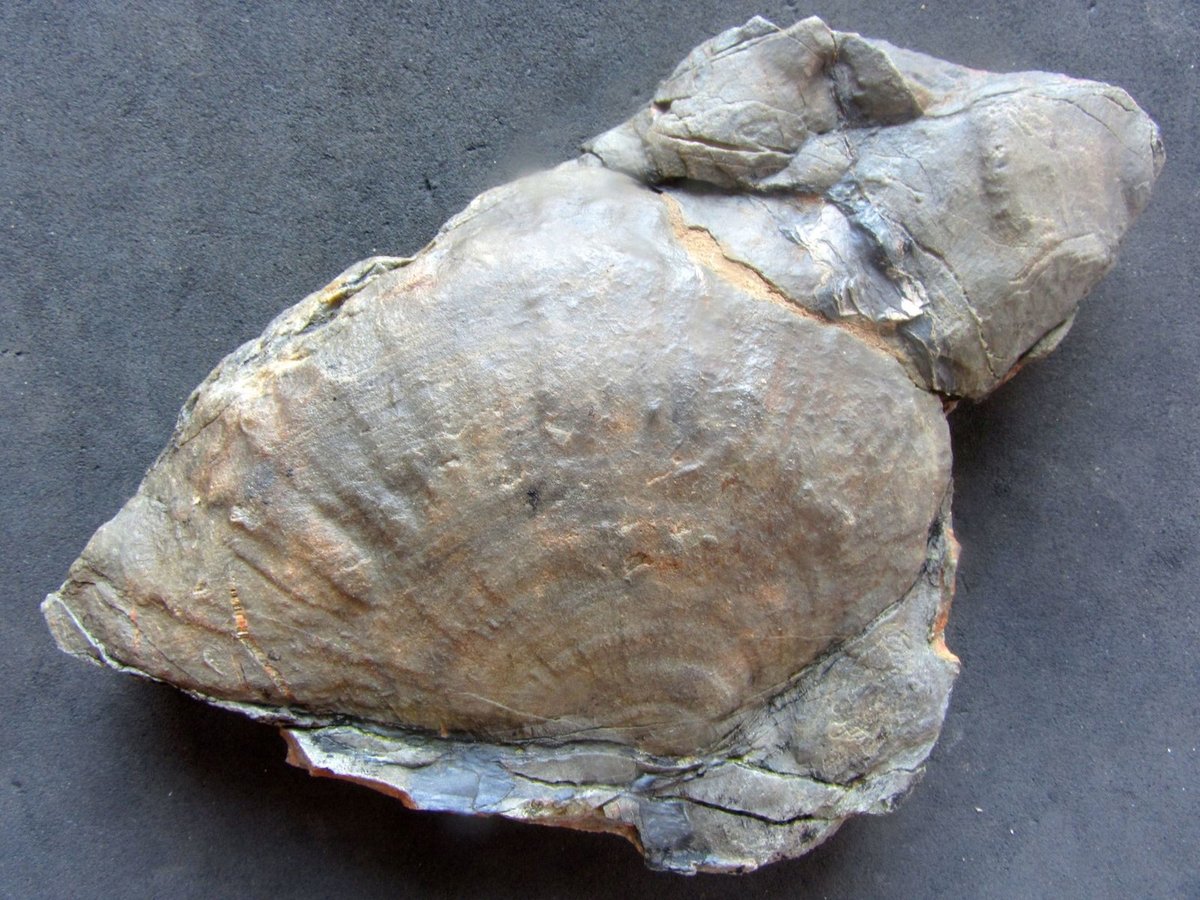
Ediacaria
ediacaran
precambrian
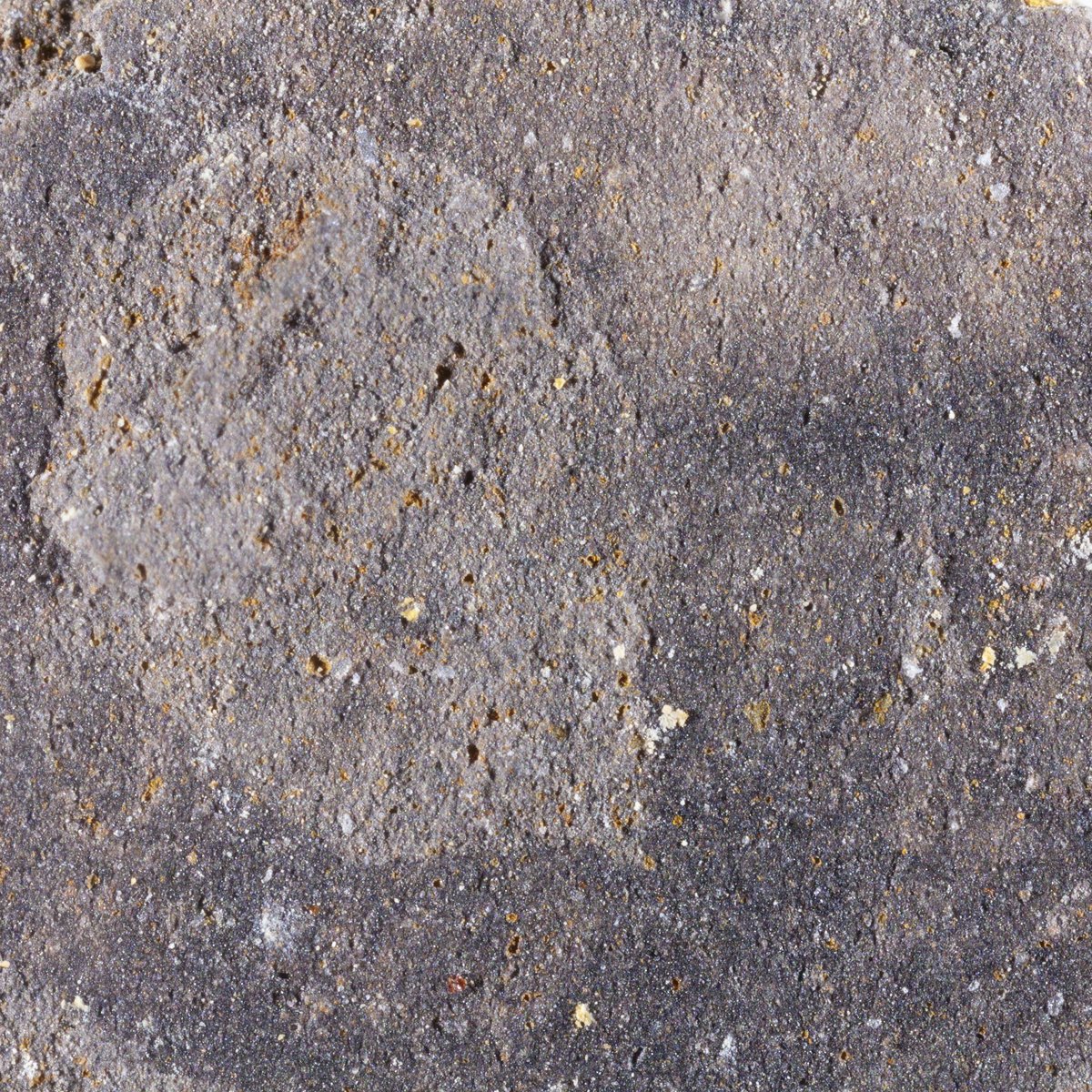
Eoandromeda
ediacaran
precambrian
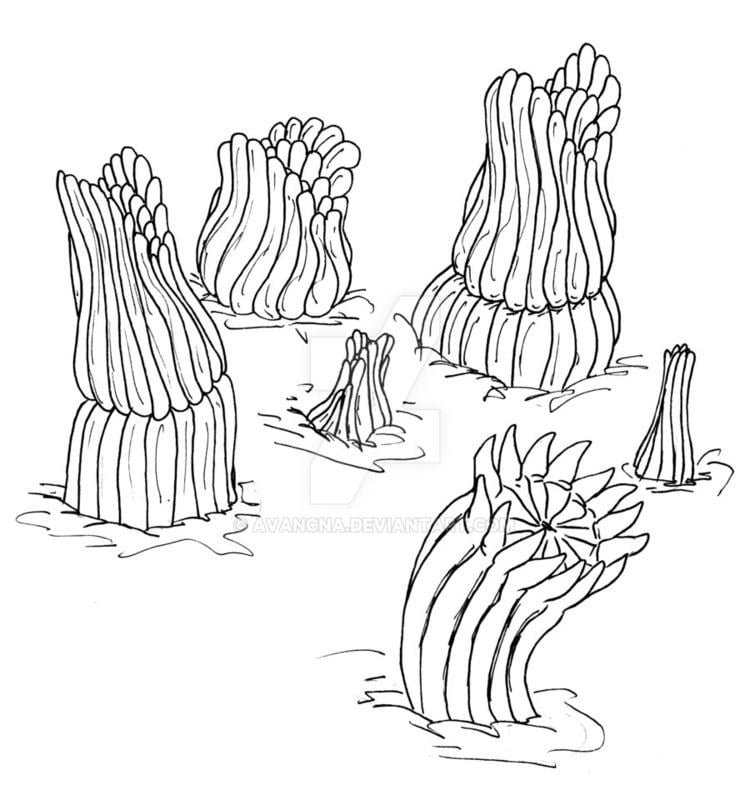
Ernietta
ediacaran
precambrian
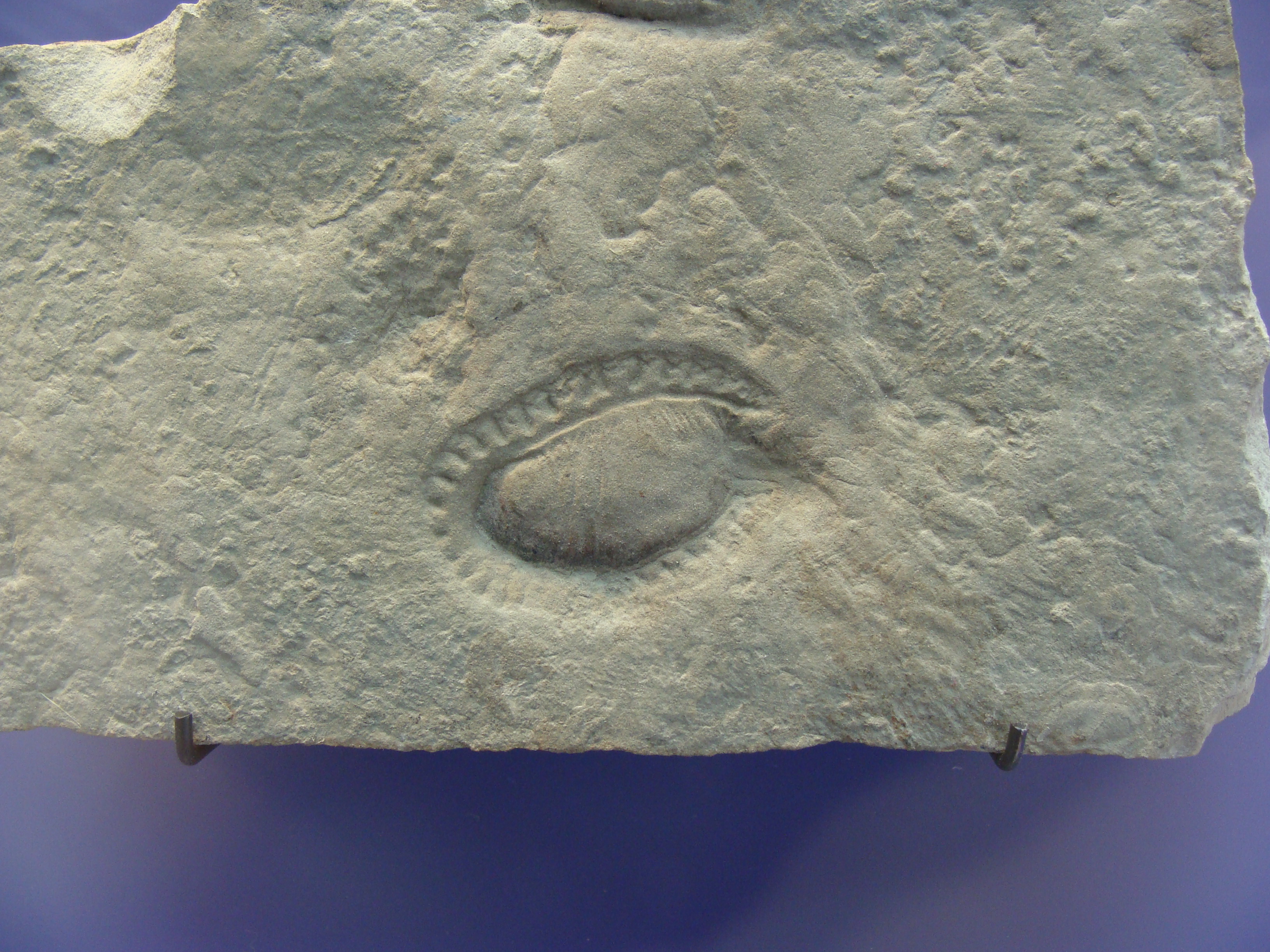
Kimberella
ediacaran
precambrian
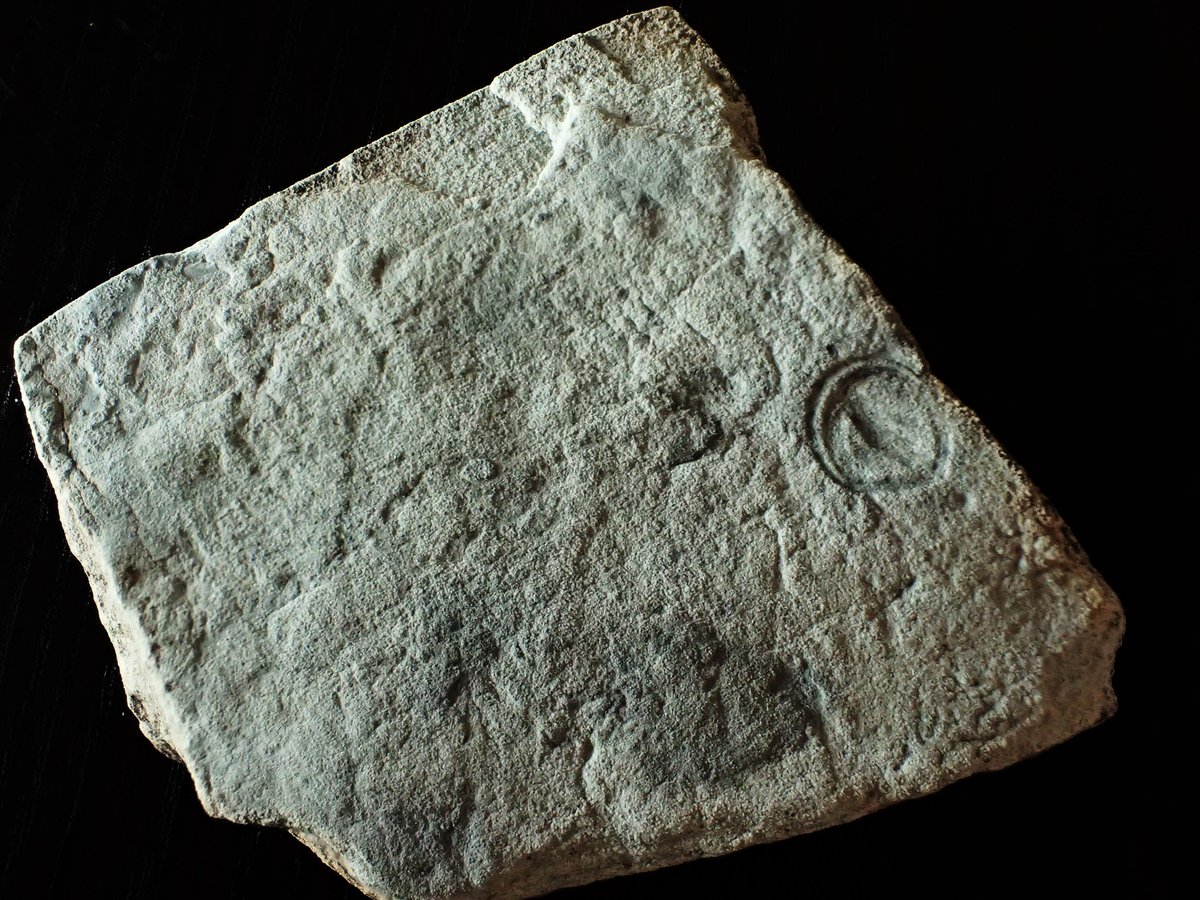
Parvancorina
ediacaran
precambrian
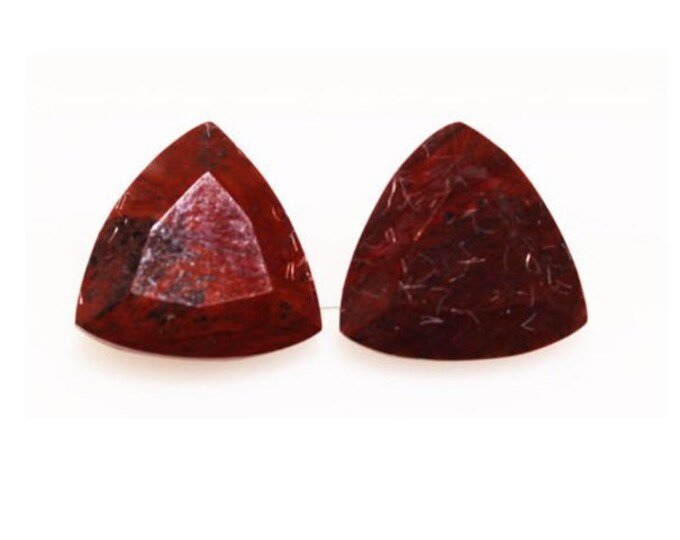
Precambrian Stromatolite
ediacaran
precambrian

Rangea
ediacaran
precambrian
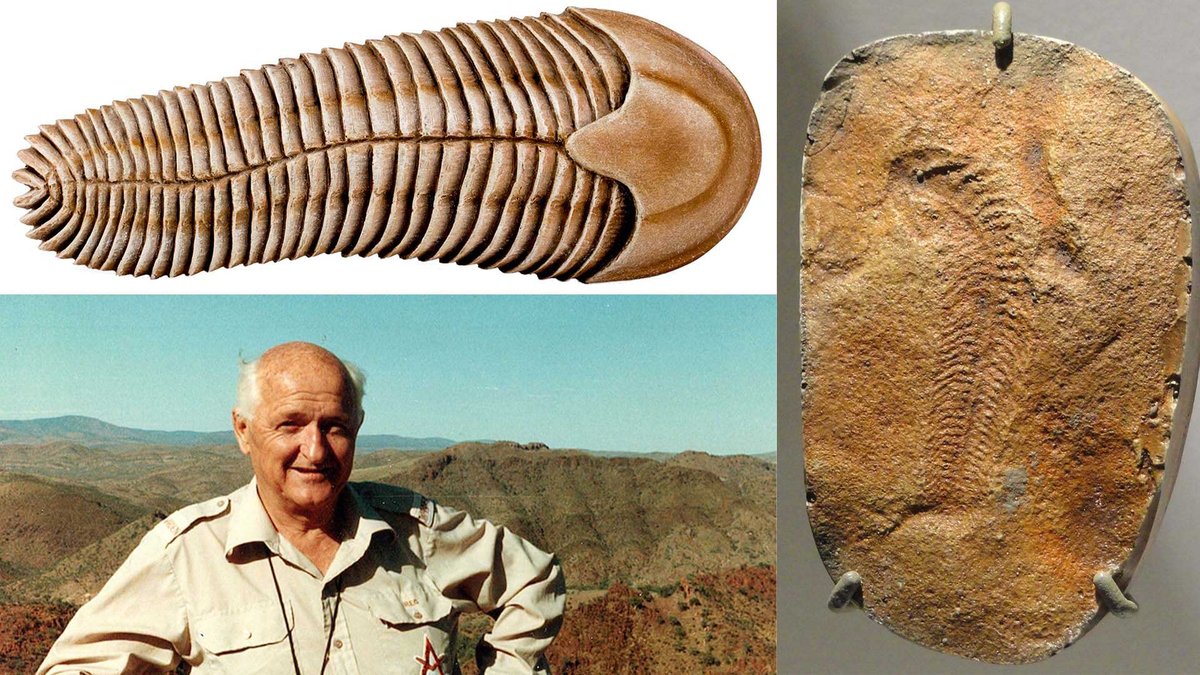
Spriggina
ediacaran
precambrian
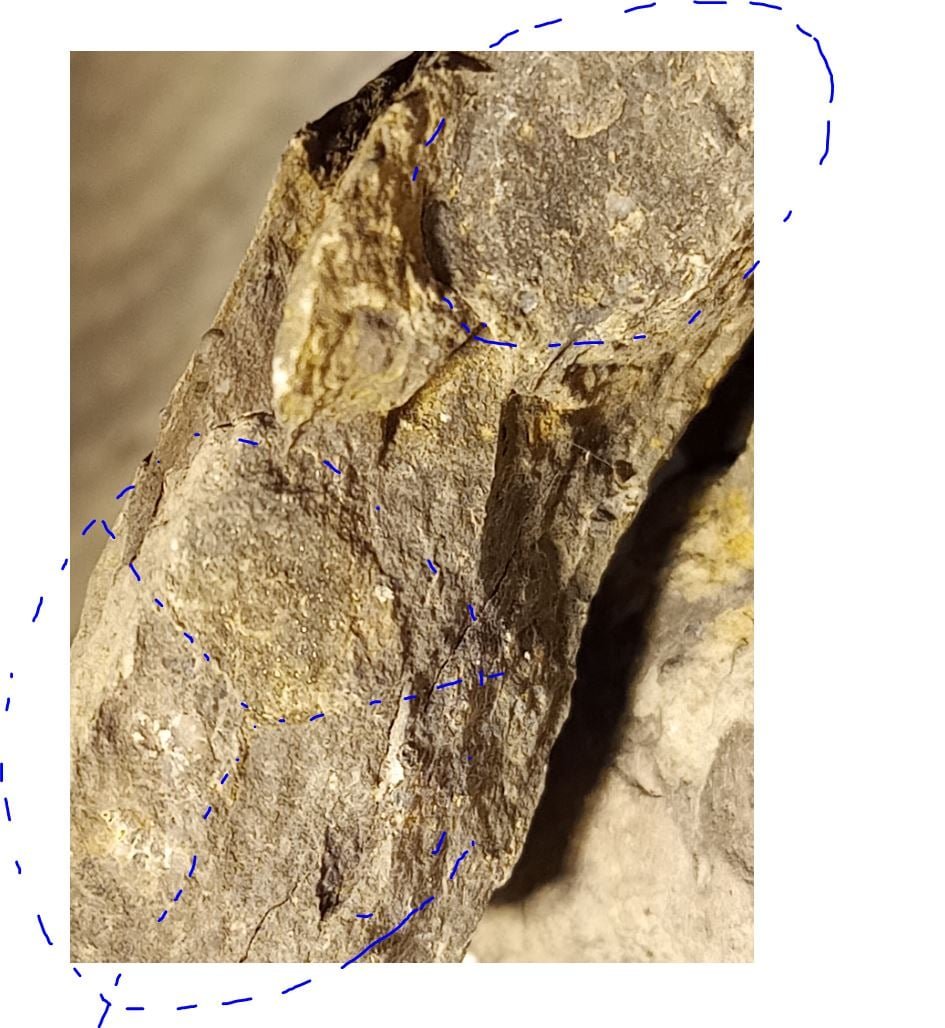
Tribrachidium
ediacaran
precambrian
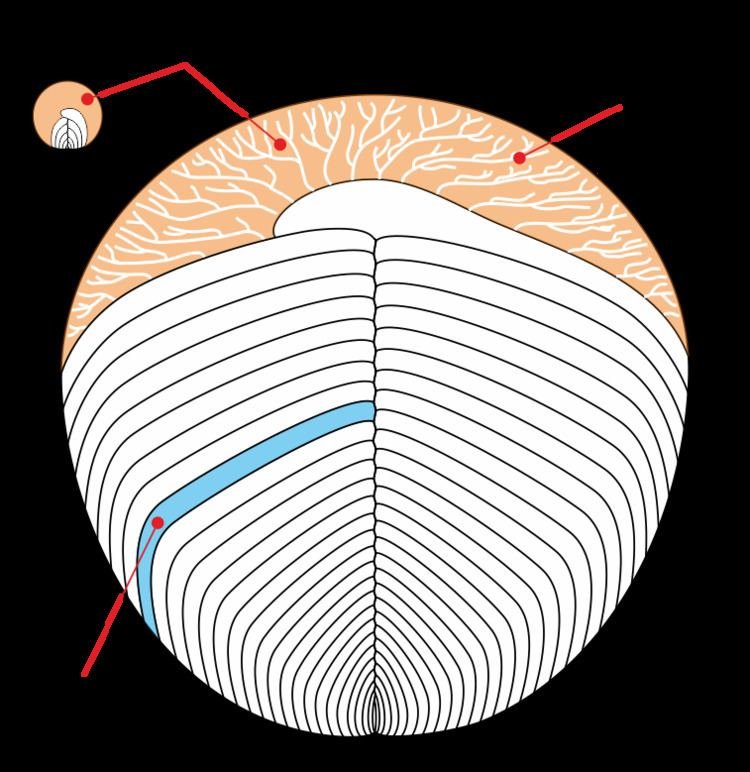
Yorgia
ediacaran
precambrian