4,600–541 Million Years Ago
Precambrian
The Precambrian encompasses the vast majority of Earth's history — over four billion years. During this immense span, the planet formed, cooled, and developed its atmosphere and oceans. The earliest life appeared as single-celled organisms around 3.5 billion years ago. For billions of years, microbial life dominated, producing stromatolites and eventually oxygenating the atmosphere in the Great Oxidation Event. The Precambrian culminated with the Ediacaran Period, when the first complex multicellular organisms — the Ediacara biota — appeared, setting the stage for the Cambrian Explosion.
Milestones
Key Events
Formation of Earth (~4,600 Mya)
Oldest known life — stromatolites (~3,500 Mya)
Great Oxidation Event (~2,400 Mya)
Snowball Earth glaciations (~720–635 Mya)
First multicellular organisms (Ediacaran, ~575 Mya)
Transition to the Cambrian Explosion (~541 Mya)
Environment
Climate & Environment
Precambrian climate ranged from extreme volcanism and high temperatures during the Hadean, through multiple glacial episodes including the dramatic Snowball Earth events of the Cryogenian, to the relatively warm conditions of the late Ediacaran.
Collection
Precambrian Specimens (17)
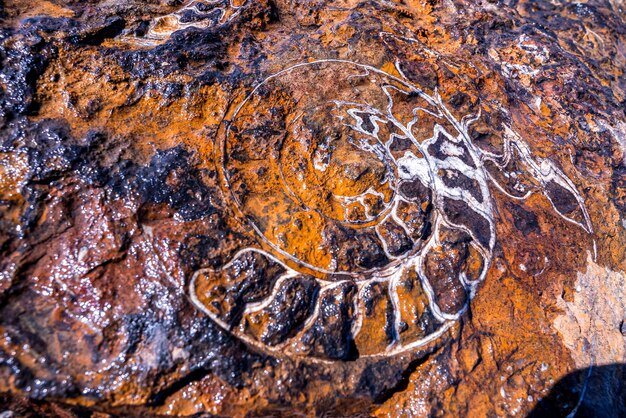
Aspidella
ediacaran
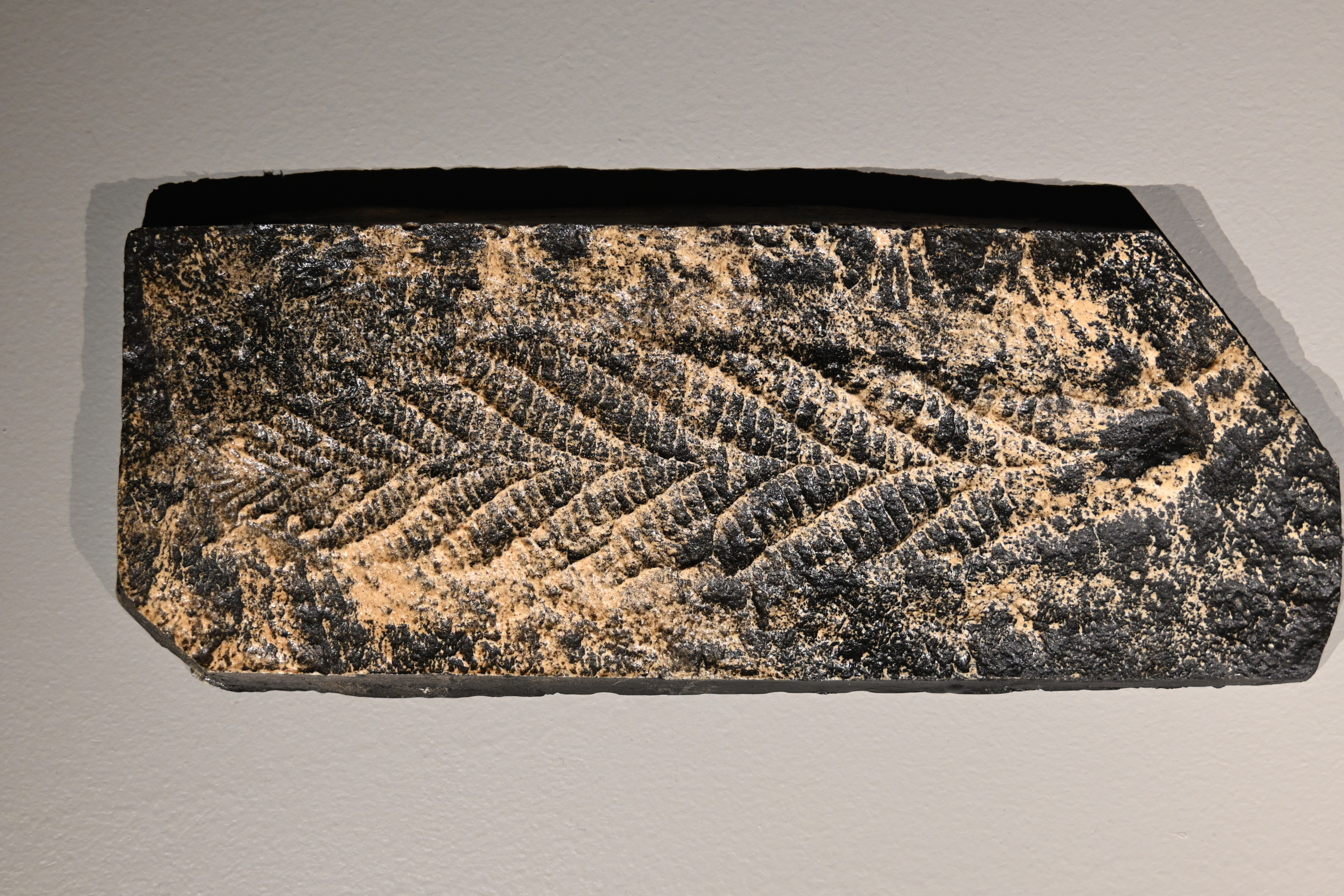
Charnia
ediacaran
/e07139fdd52e.jpg)
Charnia masoni (Ediacaran biota)
ediacaran
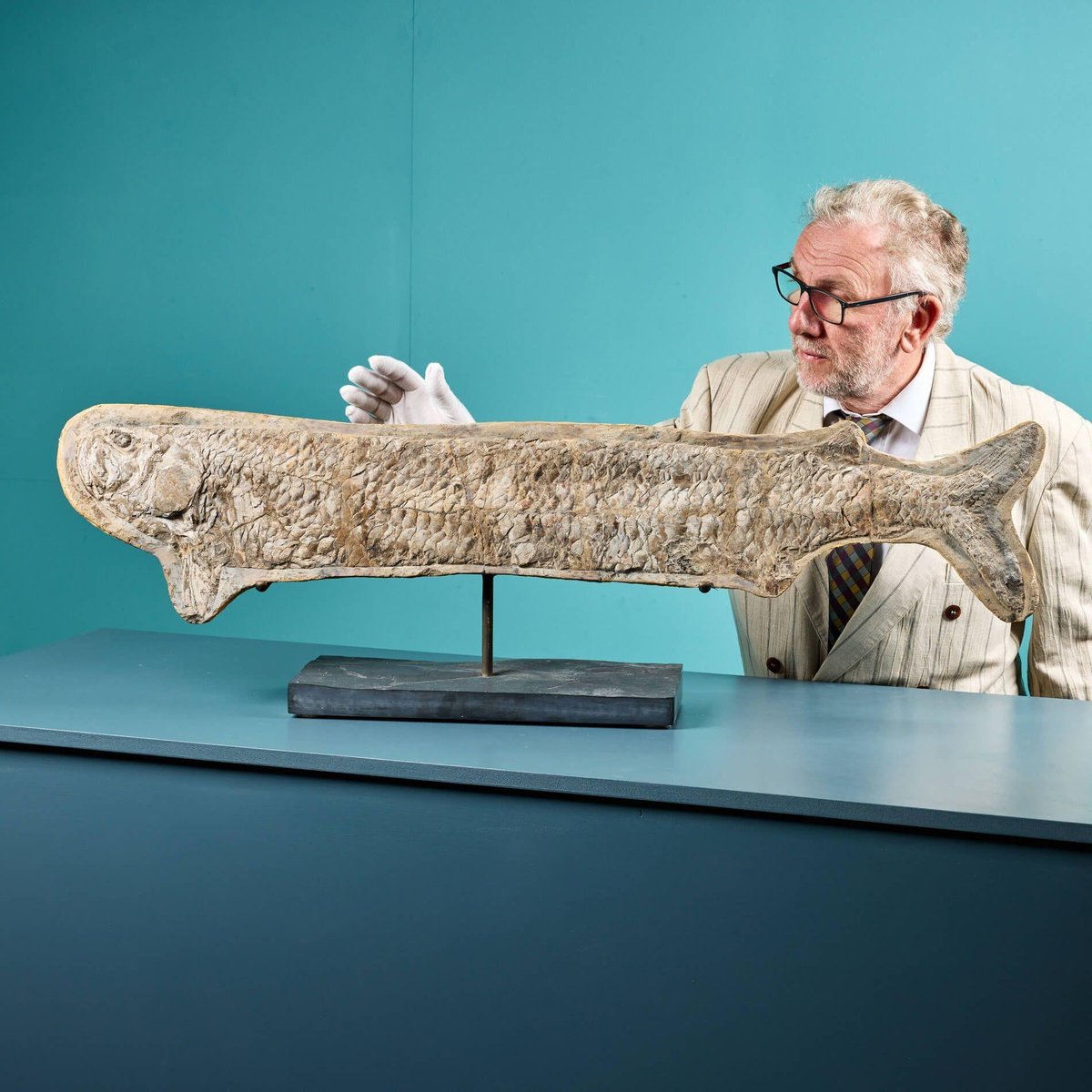
Charniodiscus
ediacaran
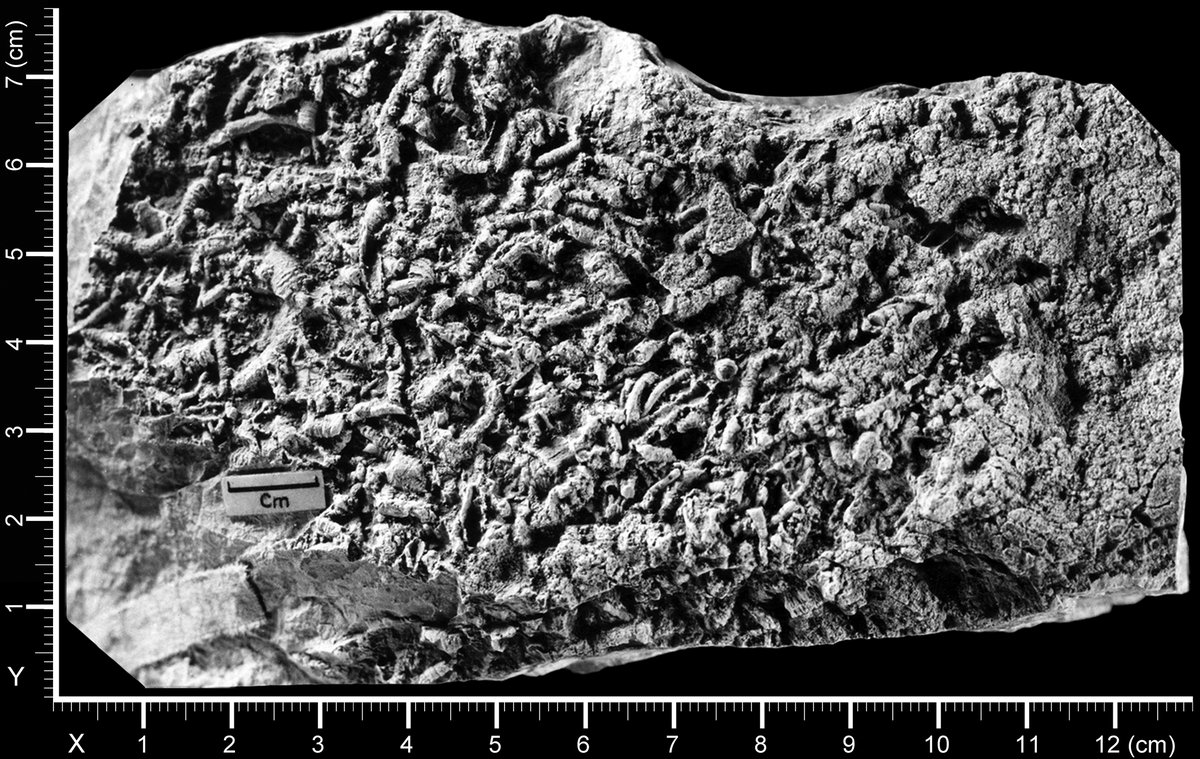
Cloudina
ediacaran
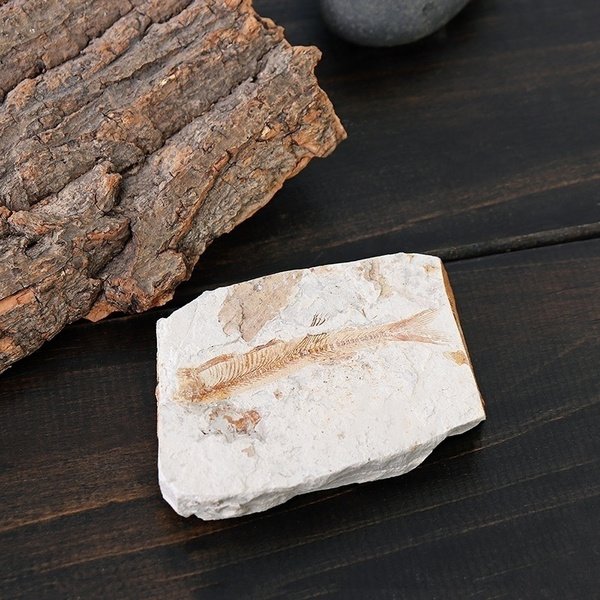
Cyclomedusa
ediacaran
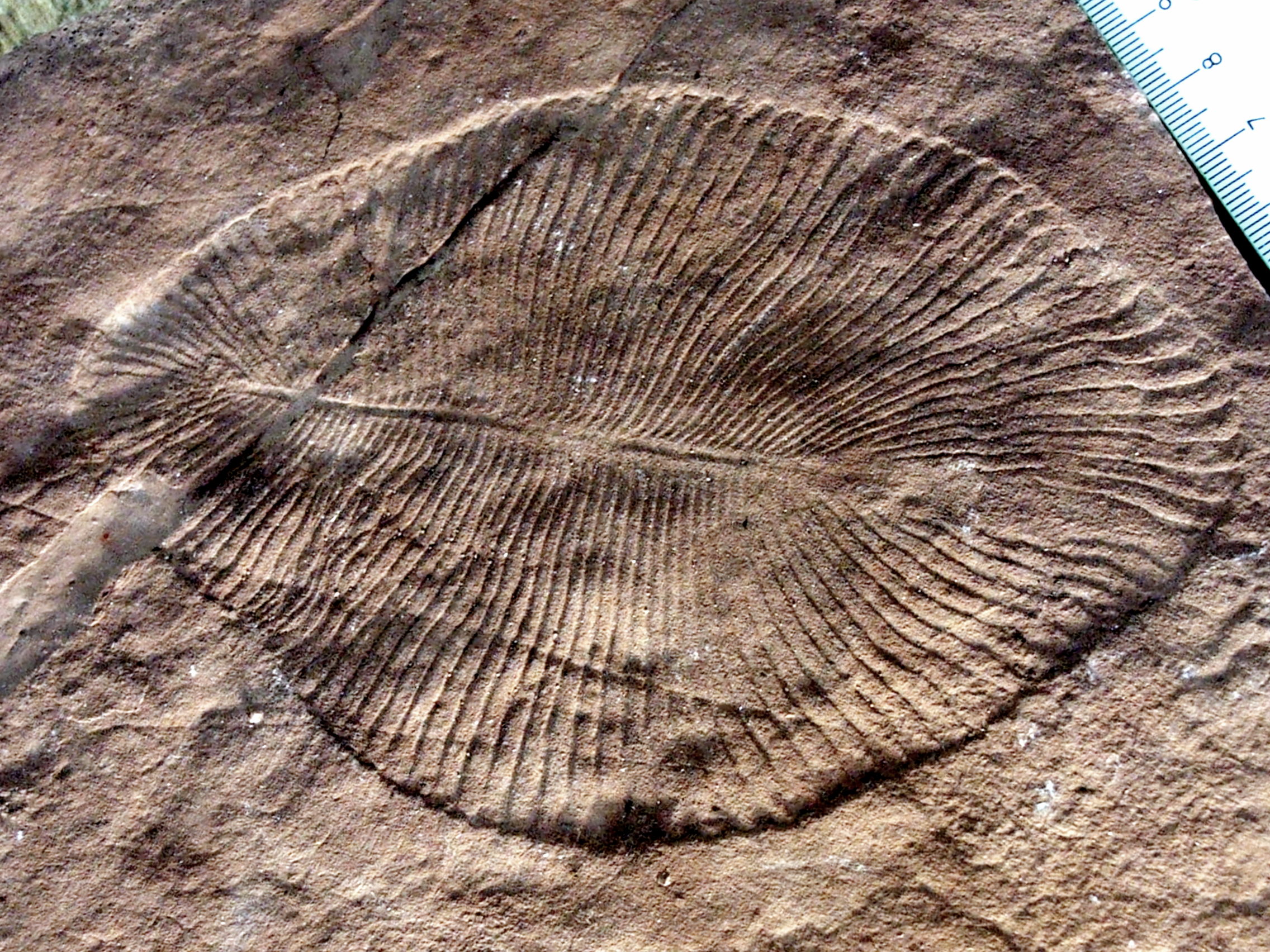
Dickinsonia
ediacaran
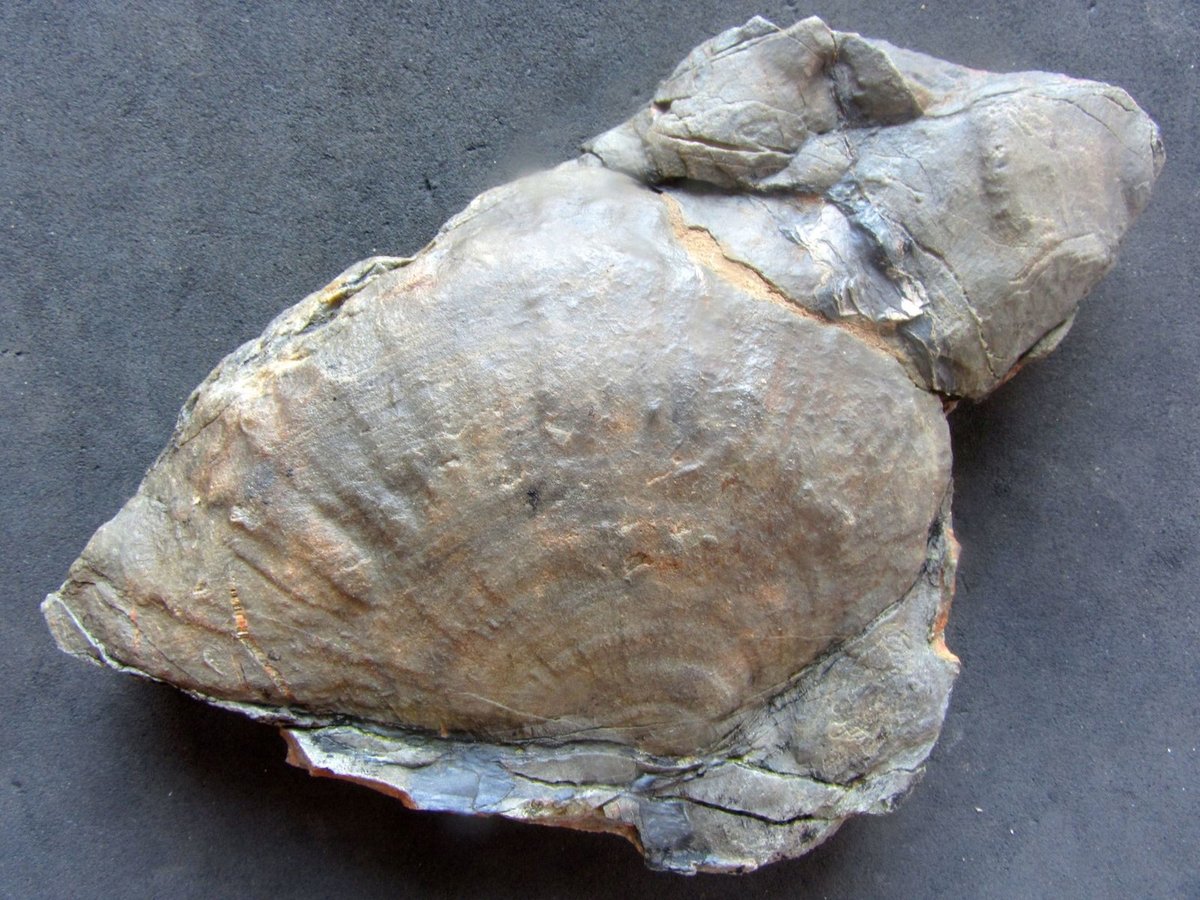
Ediacaria
ediacaran
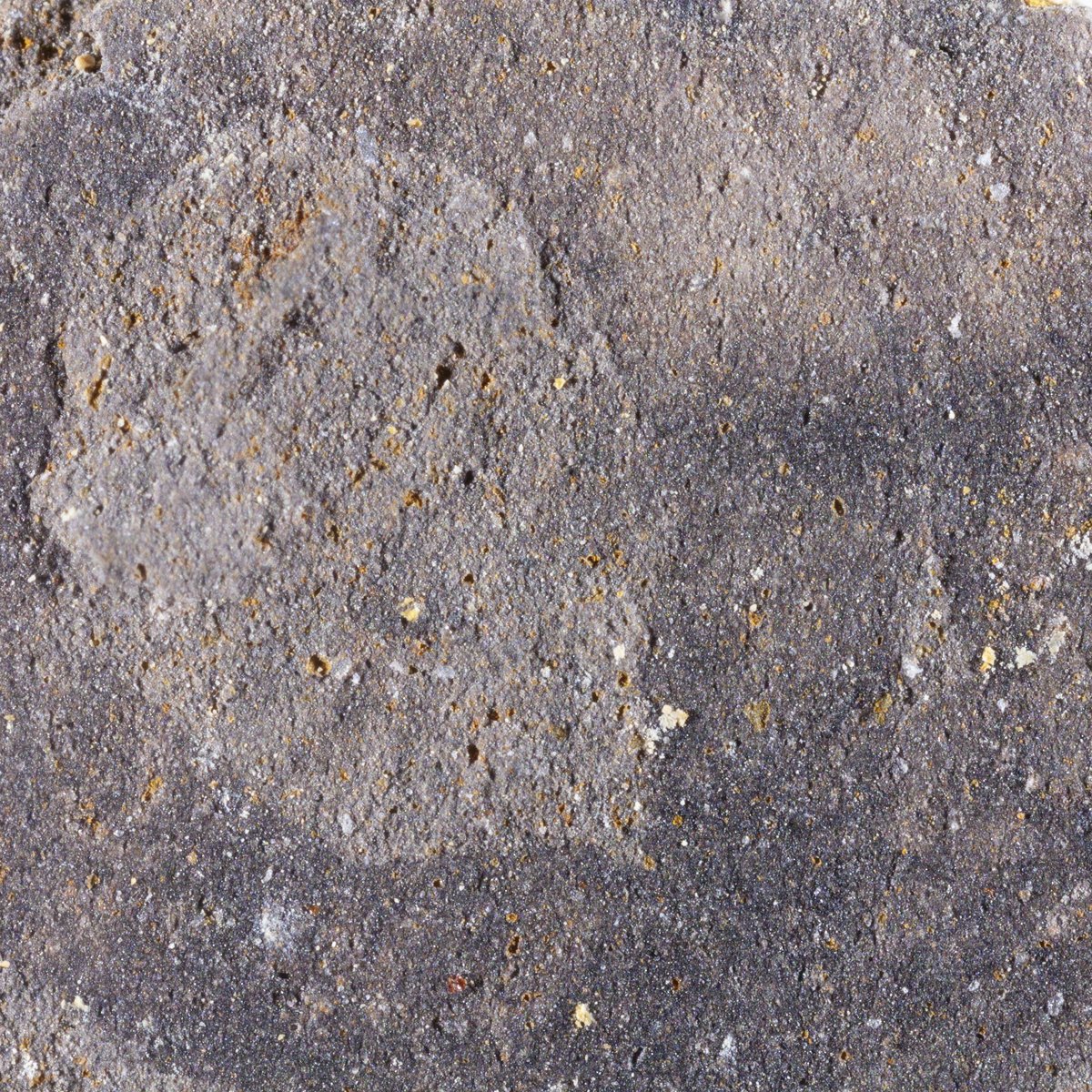
Eoandromeda
ediacaran
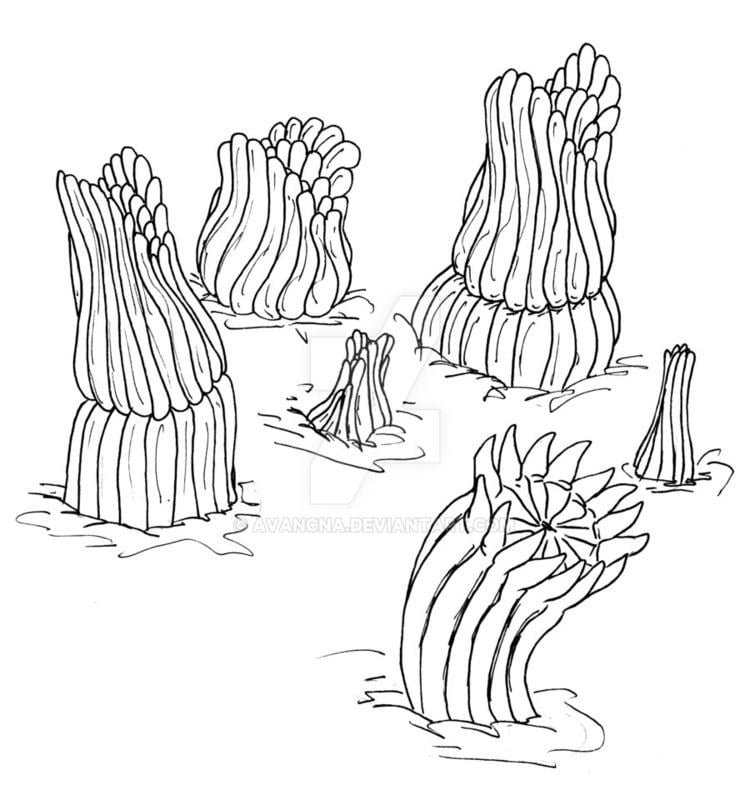
Ernietta
ediacaran
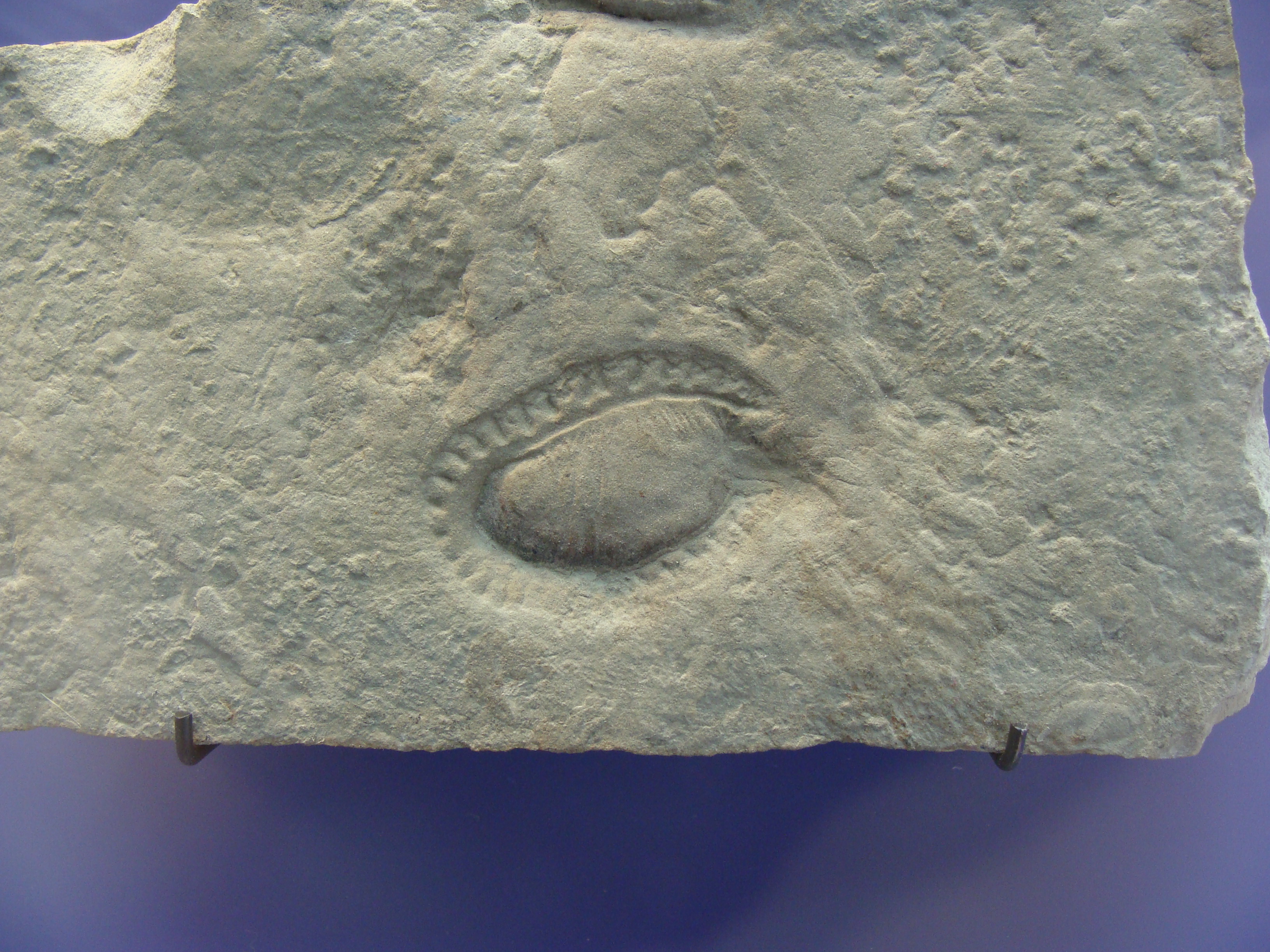
Kimberella
ediacaran
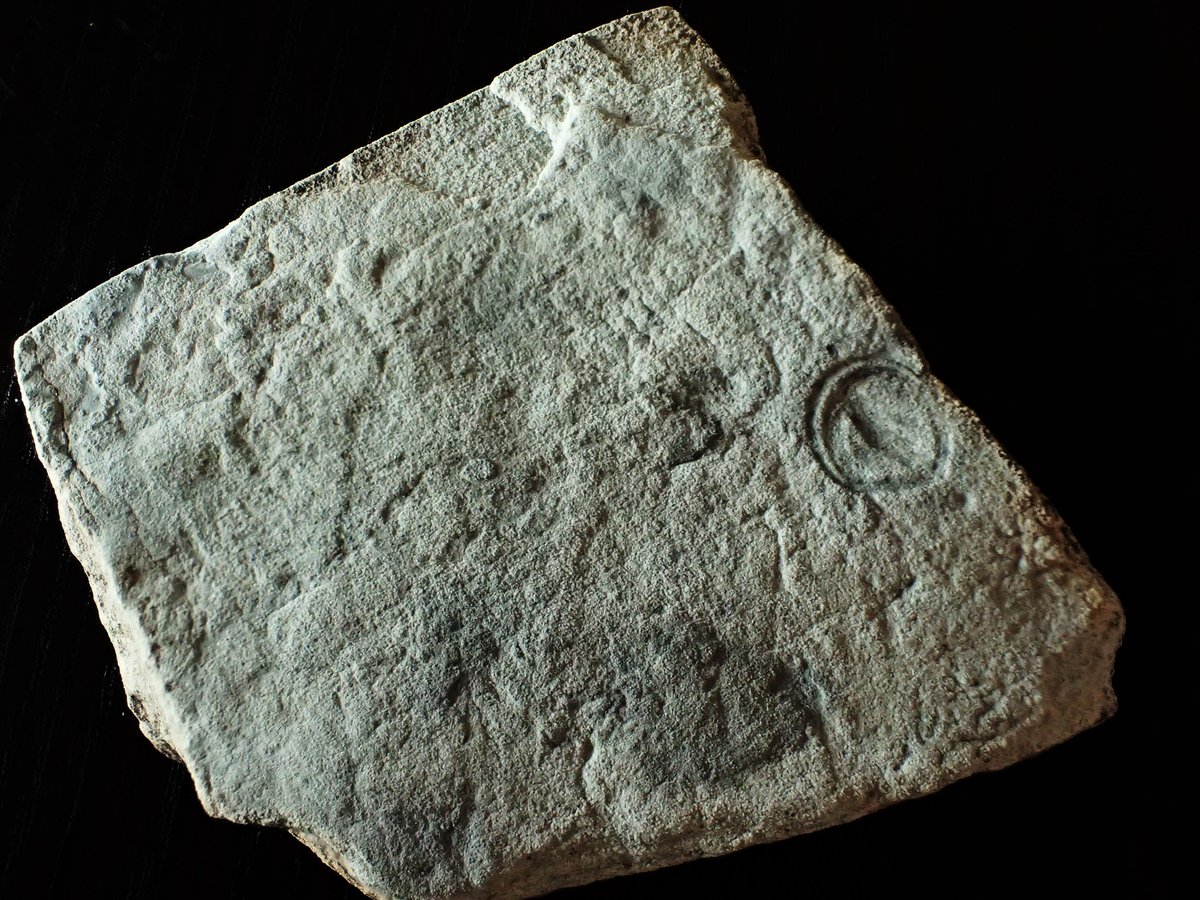
Parvancorina
ediacaran
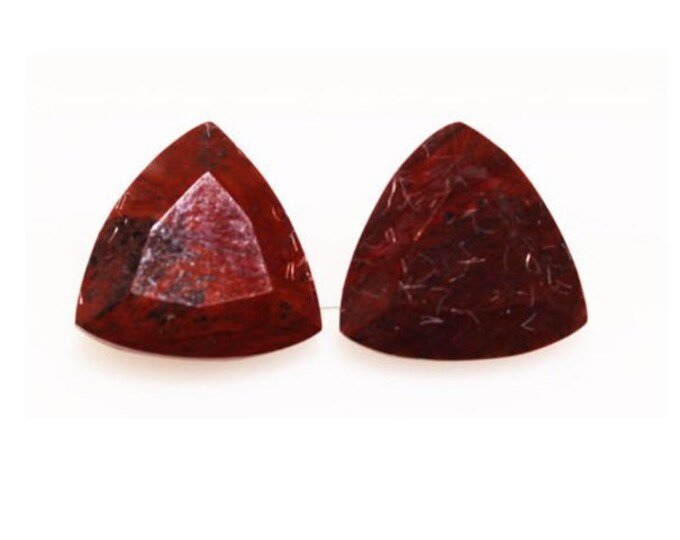
Precambrian Stromatolite
ediacaran

Rangea
ediacaran
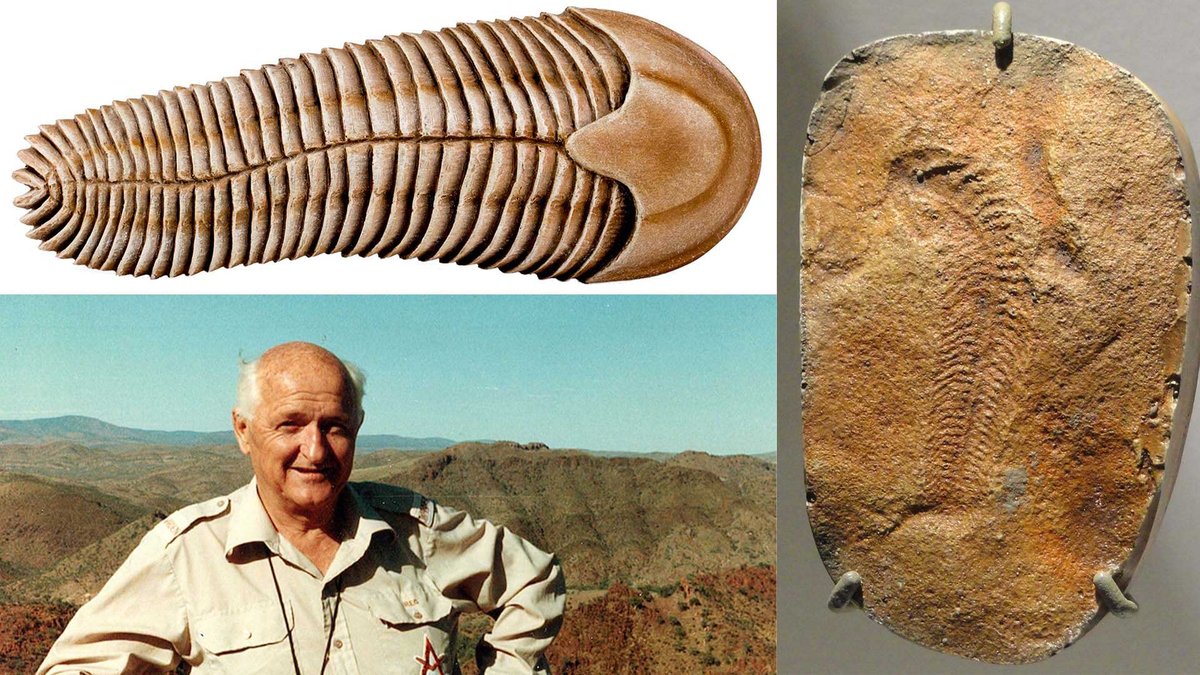
Spriggina
ediacaran
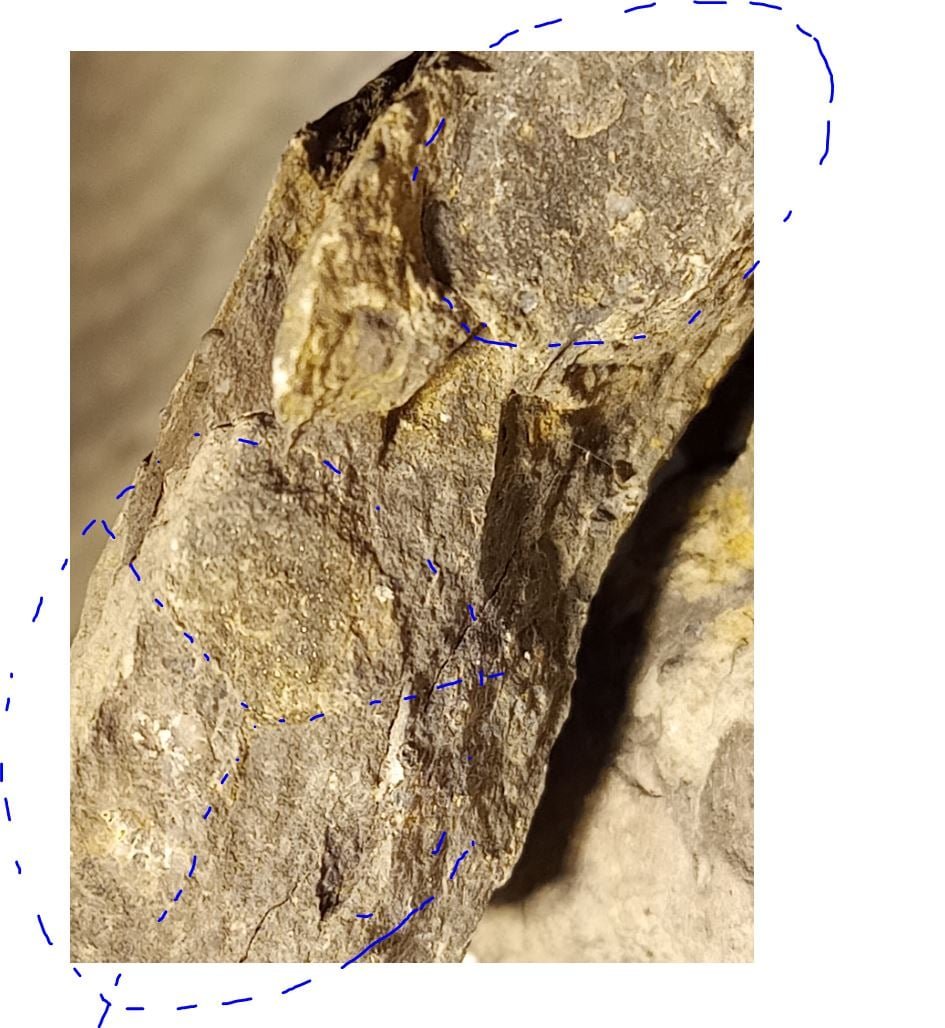
Tribrachidium
ediacaran
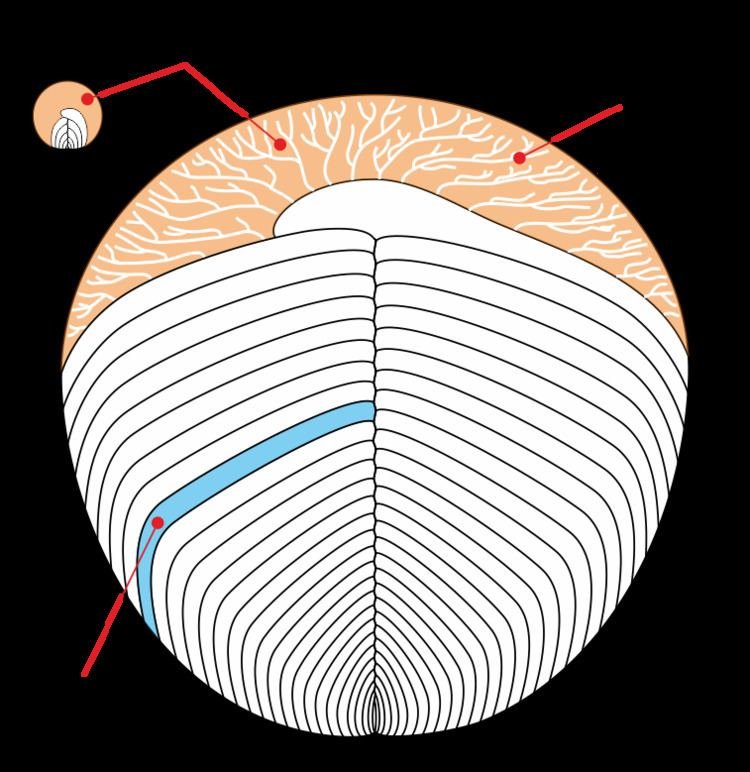
Yorgia
ediacaran